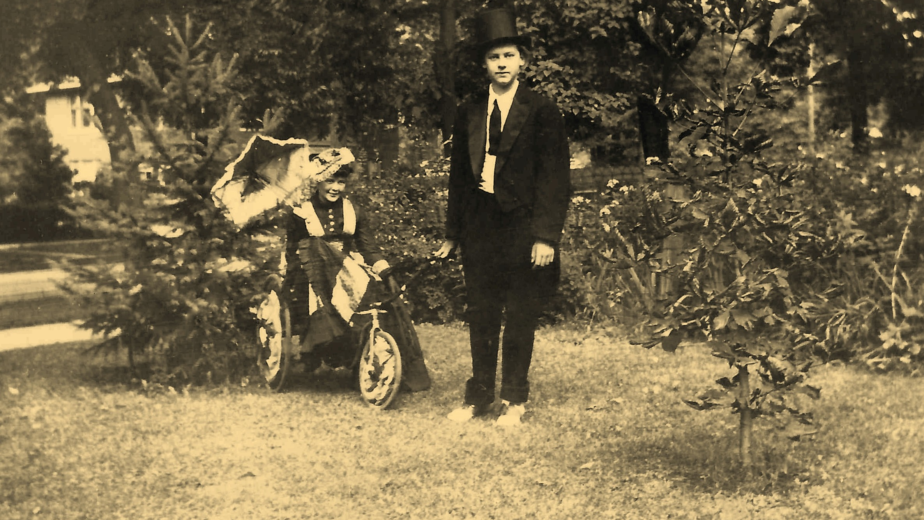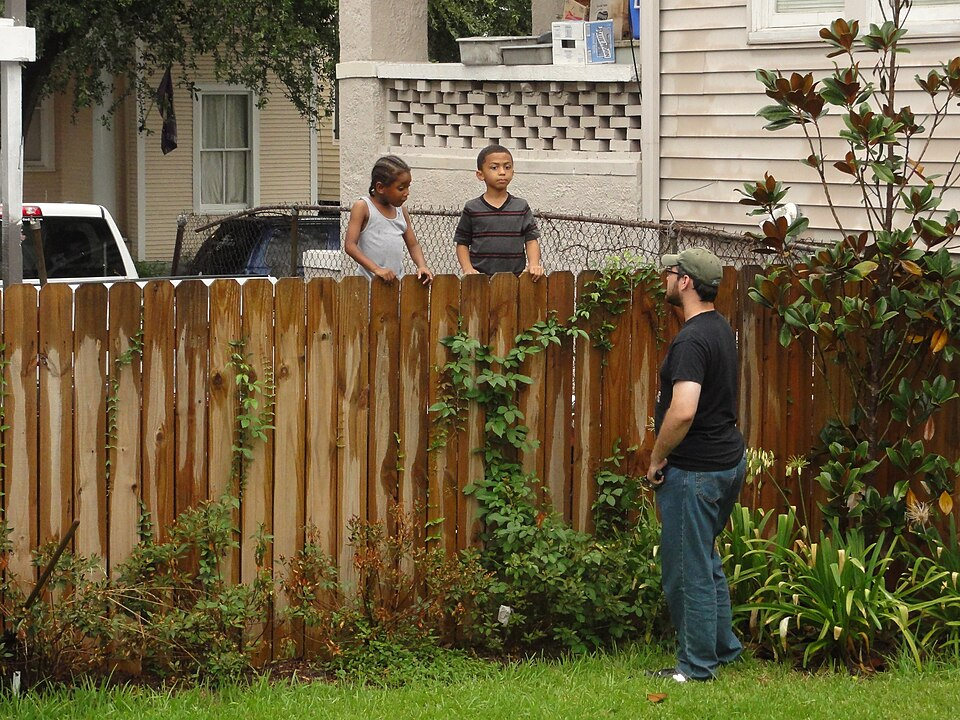
In 1962 a household that ran short of something at six in the evening had no commercial option at all. Shops were shut, there was no delivery, nobody kept spares and the only remaining source of anything was a house with a light on. So a child was sent next door with a specific form of words, and the whole thing was repeated several times a week in every direction along a street, by everybody, for years at a time. None of it was charity and none of it was about money. The constraint was availability: a street could not buy what it needed after six, so it circulated what it already had, in small quantities, constantly, in every direction. Over a few years that produced a detailed shared knowledge of which house kept what, a set of conventions about how to ask, a mechanism for settling debts that could never be repaid exactly, and a quiet method for dealing with the one household on every street that only ever took. Nobody designed any of it and nobody wrote a word of it down. Here are sixteen things every family did when they ran short in 1962, and what the practice was really maintaining.
1. Households Simply Did Not Keep Spares of Anything
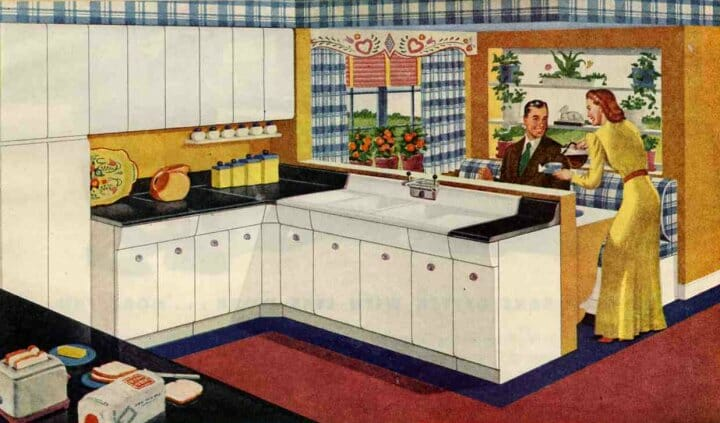
One of most things was normal, and a shortage at six in the evening had no commercial solution available.
The absence of stock is the condition everything else rests on. A household with a single tin of something, no deep cupboard and no appetite for buying twice was going to run short regularly, and running short was an ordinary weekly occurrence rather than a failure of planning.
Shops closed early and closed entirely. There was no late option, no delivery and nothing open after a certain hour, which meant that at seven in the evening the only remaining source of anything was a house with a light on.
Like our content? Follow us for more.
2. Going Next Door Was Faster Than Any Alternative
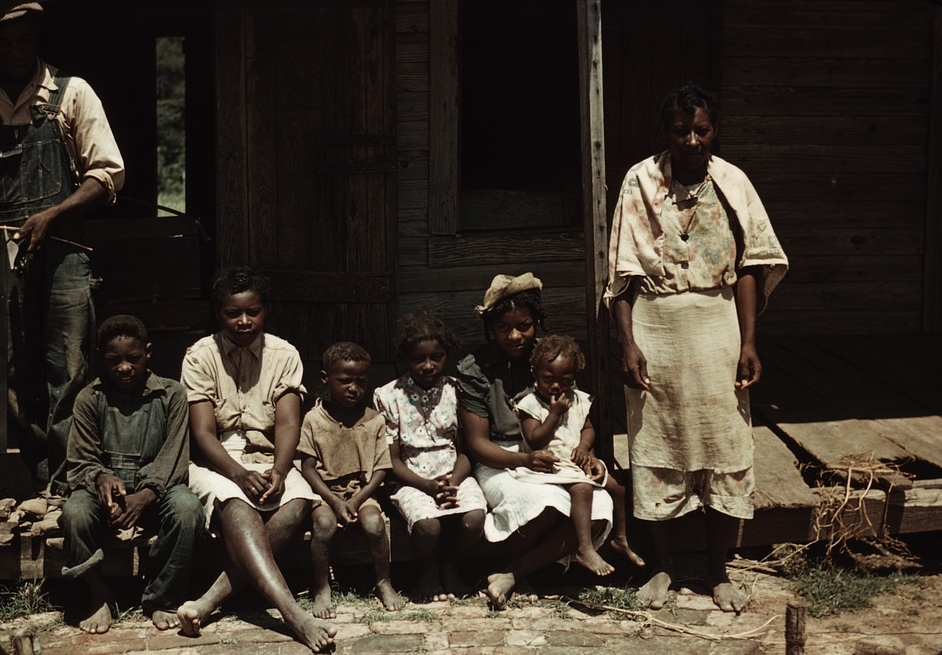
Thirty seconds across a path beat any journey, any waiting and any expense, and everybody made the same calculation.
The efficiency was overwhelming and it is what made the practice universal rather than exceptional. When the nearest supply is twenty feet away and free, the question is not whether to ask but how often you can reasonably do it.
The limit was social rather than practical. Nobody ran out of neighbours; they ran out of standing, and keeping track of how much you had asked for recently was a continuous low-level calculation in every household.
3. The Child Was Always Sent
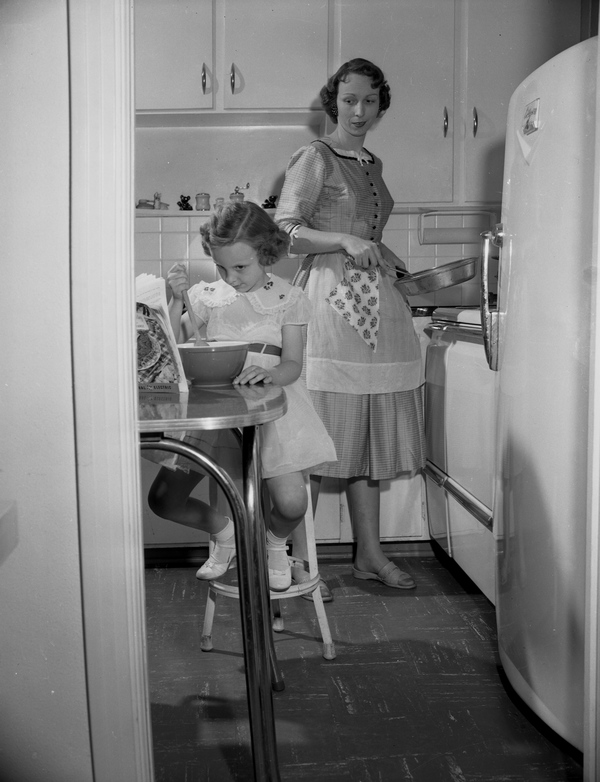
An adult who needed something dispatched a child to ask for it, every single time, without exception.
The delegation was deliberate and widely understood. A request from a child is lower-stakes for everybody – easier to make, easier to refuse and carrying considerably less weight than an adult appearing at a door with the same question.
It was also training. A child sent to ask a neighbour for something had to compose a request, deliver it to an adult and come back with an answer, which is a complete social transaction repeated several times a week from about the age of six.
4. There Was a Correct Form of Words
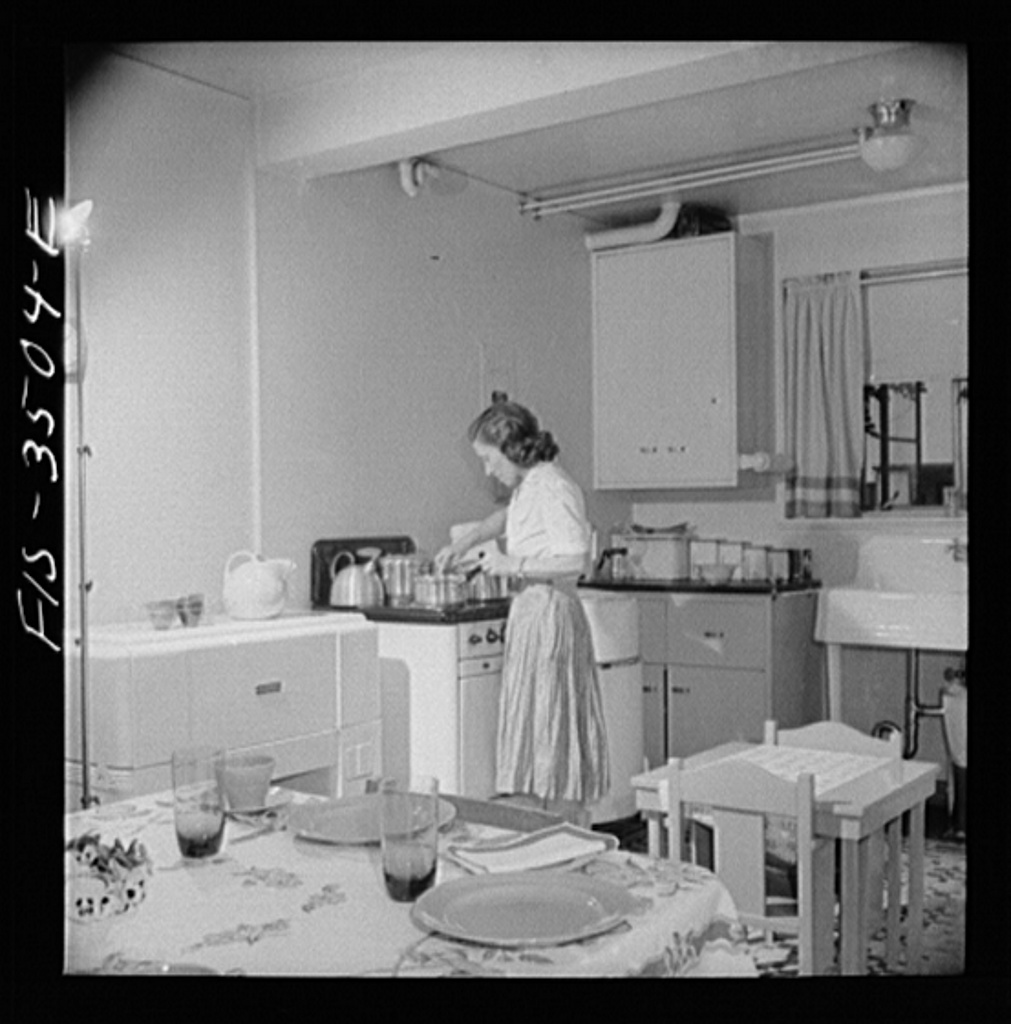
The request was phrased as a loan rather than a gift, with a reason attached and an implied intention to return it.
The wording did real work and children were taught it precisely. Asking to borrow rather than asking for something establishes a temporary obligation instead of a permanent one, and that distinction is what allowed the practice to continue indefinitely.
The fiction was mutual and nobody minded. Almost nothing borrowed in the kitchen sense was ever returned in kind, and the language of lending persisted anyway because it was the language that made asking possible.
5. The Container Went Back Full

A dish, a jug or a bowl that had been borrowed from was returned with something in it, and returning it empty was noticed.
The convention is the most elegant part of the whole system. A debt that cannot be repaid exactly is settled with something else of roughly equivalent value, and the container itself provides both the reminder and the vehicle.
It also kept the exchange moving. A full dish going back invites a response, which means the relationship never settles at zero and both households remain in the habit of giving each other things.
6. Everybody Knew Who Had What
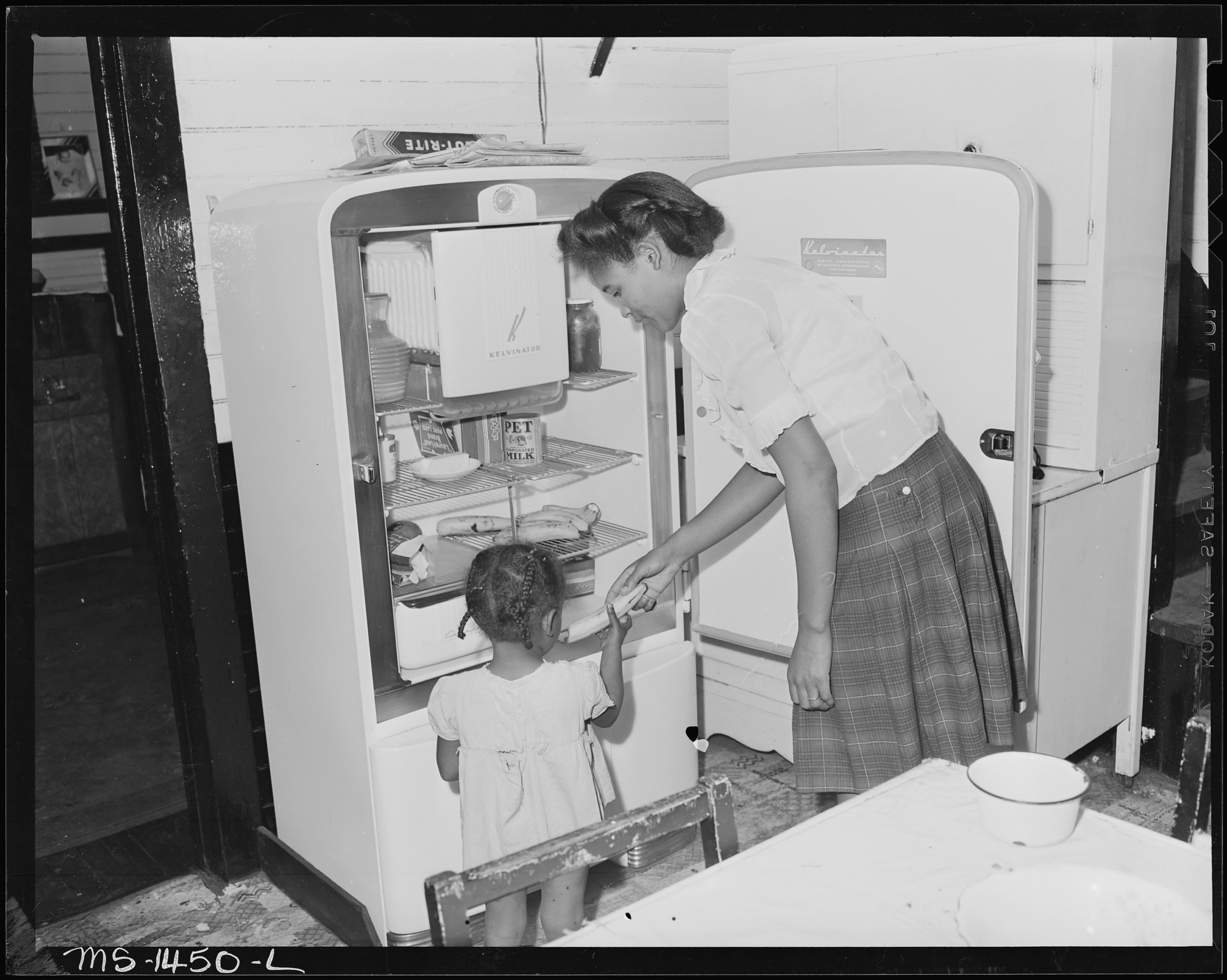
A street developed a detailed and unwritten inventory of which household kept what, and requests were directed accordingly.
The knowledge was accumulated over years and was remarkably precise. One house baked and therefore had the ingredients; one had tools; one had a vehicle; one had the thing nobody else had thought to buy, and everybody knew which was which.
It made the street a shared resource. The practical effect of this knowledge is that no household needed to own everything, because the street collectively owned it and everybody could locate any item within about ninety seconds.
7. Tools Were a Completely Different Category
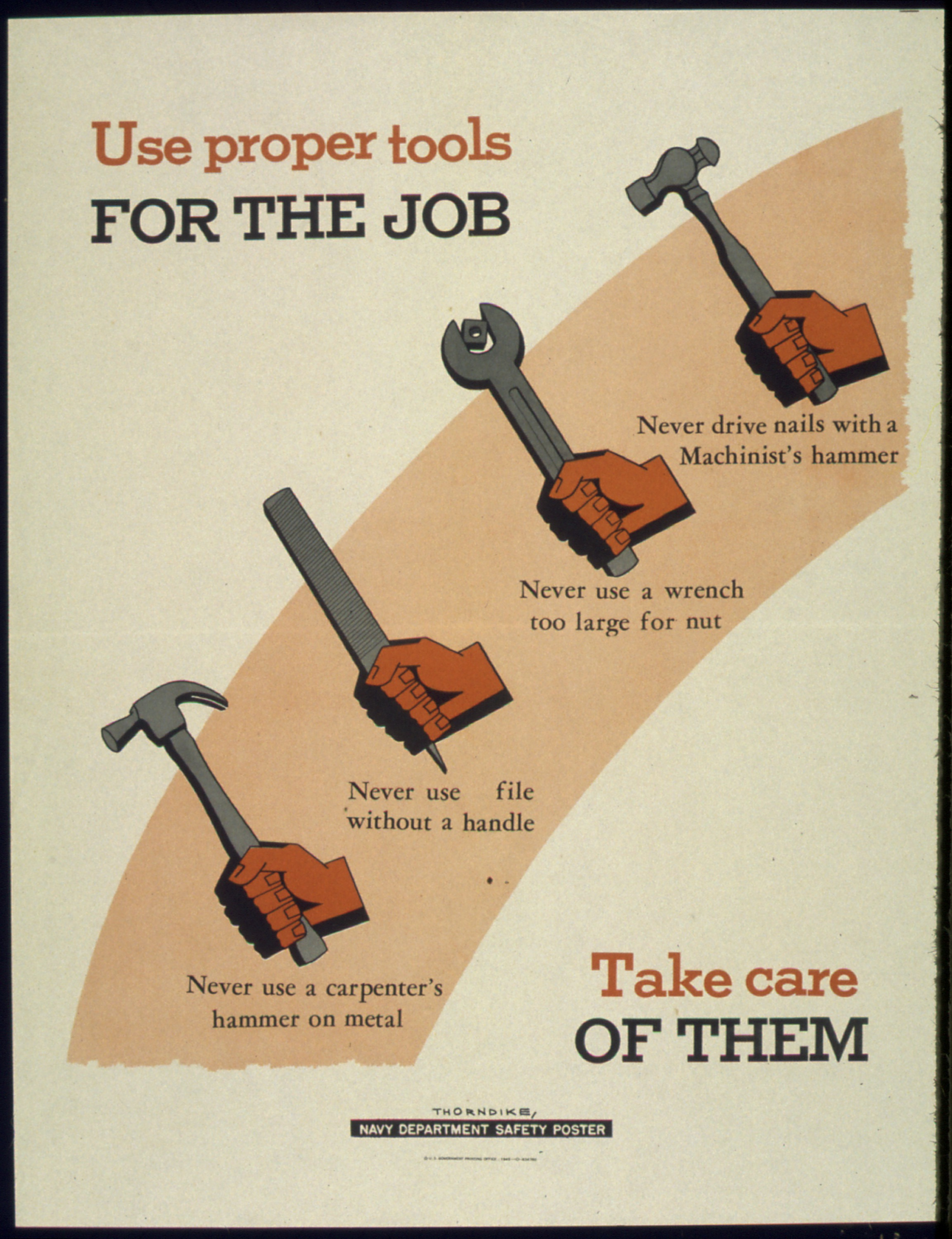
Something that could be broken, lost or kept was lent with considerably more ceremony than a cup of anything.
The distinction was universally understood. A borrowed consumable creates a small obligation; a borrowed tool creates a risk, and the person lending it was making a judgement about the borrower that both parties recognised.
The returns were correspondingly prompt. Anybody who had borrowed something that mattered brought it back quickly, cleaned, and said so, because the alternative was losing access to everything that household owned.
8. The Ladder Was the Test Case

Large, valuable, awkward and needed rarely, it was the item most often borrowed and the one most carefully handled.
Everything about the arrangement is visible in this one object. No household needs a ladder often enough to justify owning one, every street needs one occasionally, and so exactly one house on most streets had the ladder and everybody knew which.
The owner’s position was semi-official. Being the household with the ladder conferred a small and genuine standing, and it came with an obligation to say yes that the owner had never actually agreed to.
9. Refusing Was Possible But Expensive

A household could decline and occasionally did, and the cost was paid over a long period afterwards.
The economics were clear to everybody. A refusal saves one item and forfeits a position in a system that has been running for years, which is almost never a good trade unless the request was genuinely unreasonable.
It was therefore done carefully. The standard refusal was not a no but an explanation – it was in use, it was lent out, it was broken – which preserves the relationship while producing the same outcome.
10. Some Households Only Ever Took
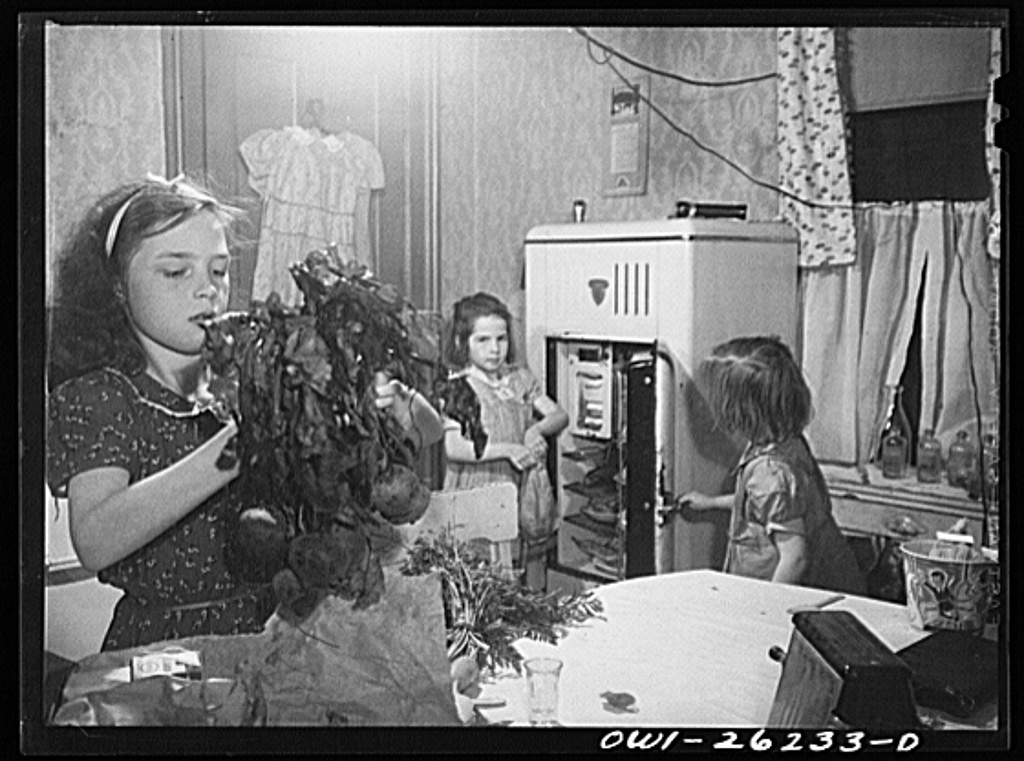
Every street had one, everybody knew, and almost nobody said anything about it directly.
The tolerance is more interesting than the behaviour. A system with no enforcement mechanism carries its free riders, and the usual response was a gradual reduction in generosity rather than any confrontation.
The adjustment was invisible and effective. A household that found itself being told more often that something was in use generally worked out why, and the whole correction was conducted without a single word being exchanged about it.
11. The Doorstep Conversation Was Half the Purpose
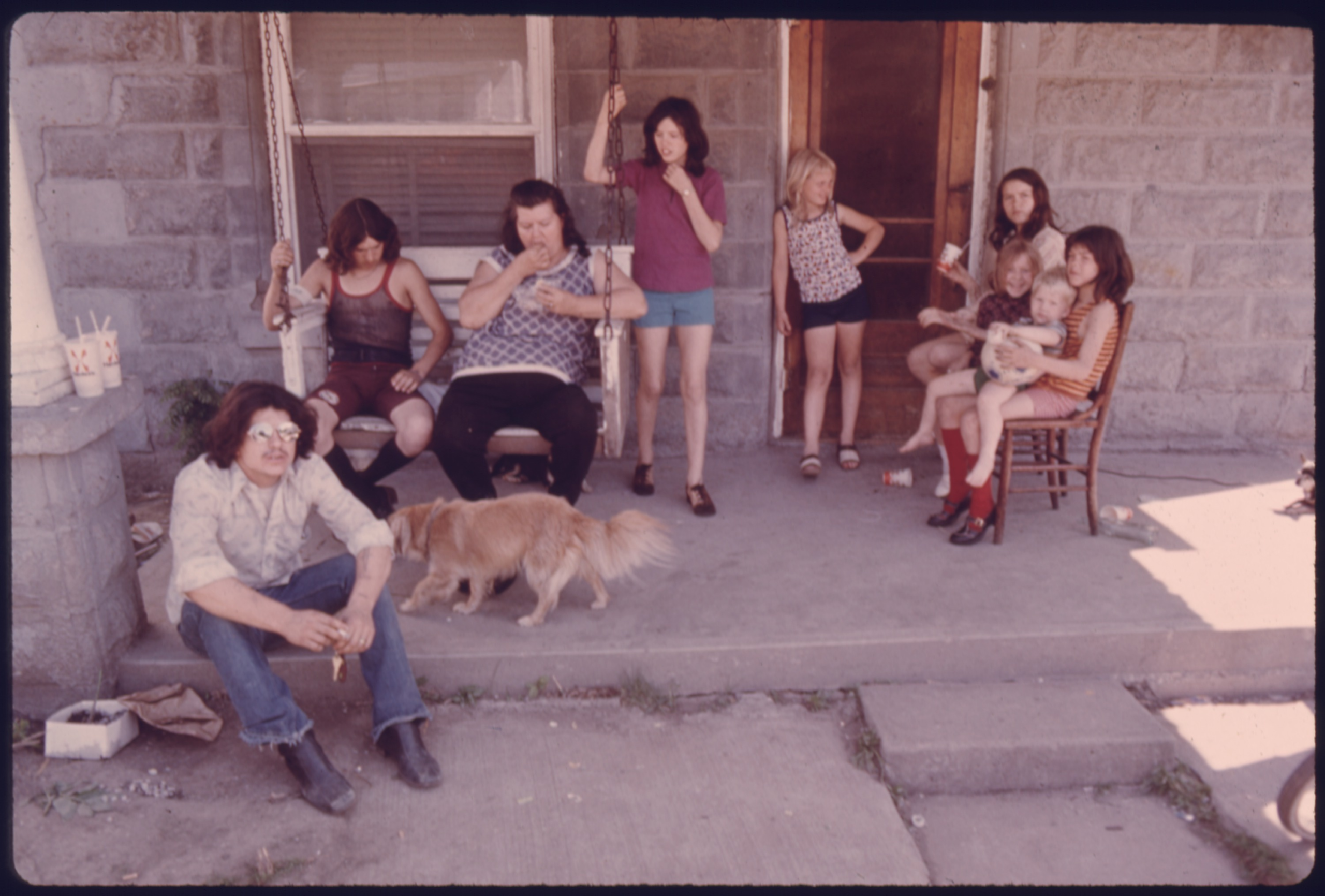
A request took ninety seconds and the visit frequently took twenty minutes.
The errand was often a pretext and both sides knew it. A household with a reason to knock has a reason to talk, and a great deal of neighbourhood information travelled on the back of a request for something trivial.
It is also how problems got noticed. Somebody at a door several times a week sees whether a household is managing, and a surprising amount of quiet assistance began with a borrowed item and an observation nobody mentioned.
12. Borrowing Scaled Up in an Emergency
The same relationships that moved a cup of something also moved a vehicle, a bed for the night or an afternoon of somebody’s time.
The continuity is the part that mattered most. A street in the habit of small exchanges has an established channel for large ones, and nobody had to work out whether they could ask because they had been asking all year.
That is the real function of the whole practice. The trivial transactions were a maintenance routine for a system whose actual purpose was to be available on the day something serious happened.
13. Children Borrowed From Each Other Separately
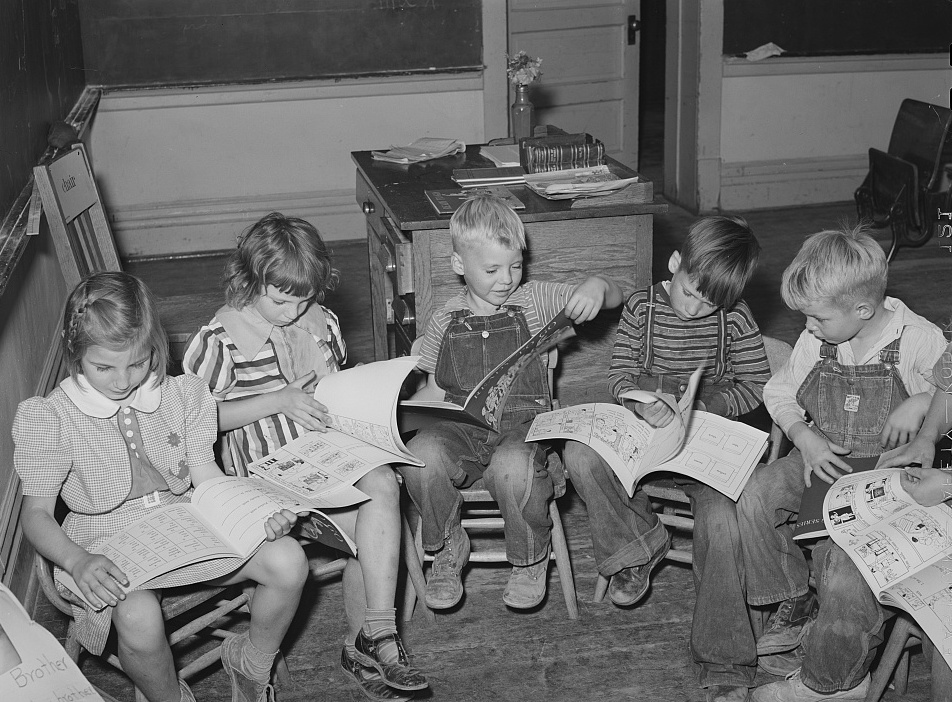
A parallel economy in comics, equipment, toys and clothing ran among the children of a street on its own terms.
The rules were different and considerably stricter. Children expected things back, in condition, and a child who failed to return something acquired a reputation far faster than any adult did.
It was also a training ground. Everything about the adult system – the implied obligation, the reciprocity, the reputational cost of taking too much – was being rehearsed in miniature by people who had never had it explained to them.
14. Nothing Was Ever Written Down
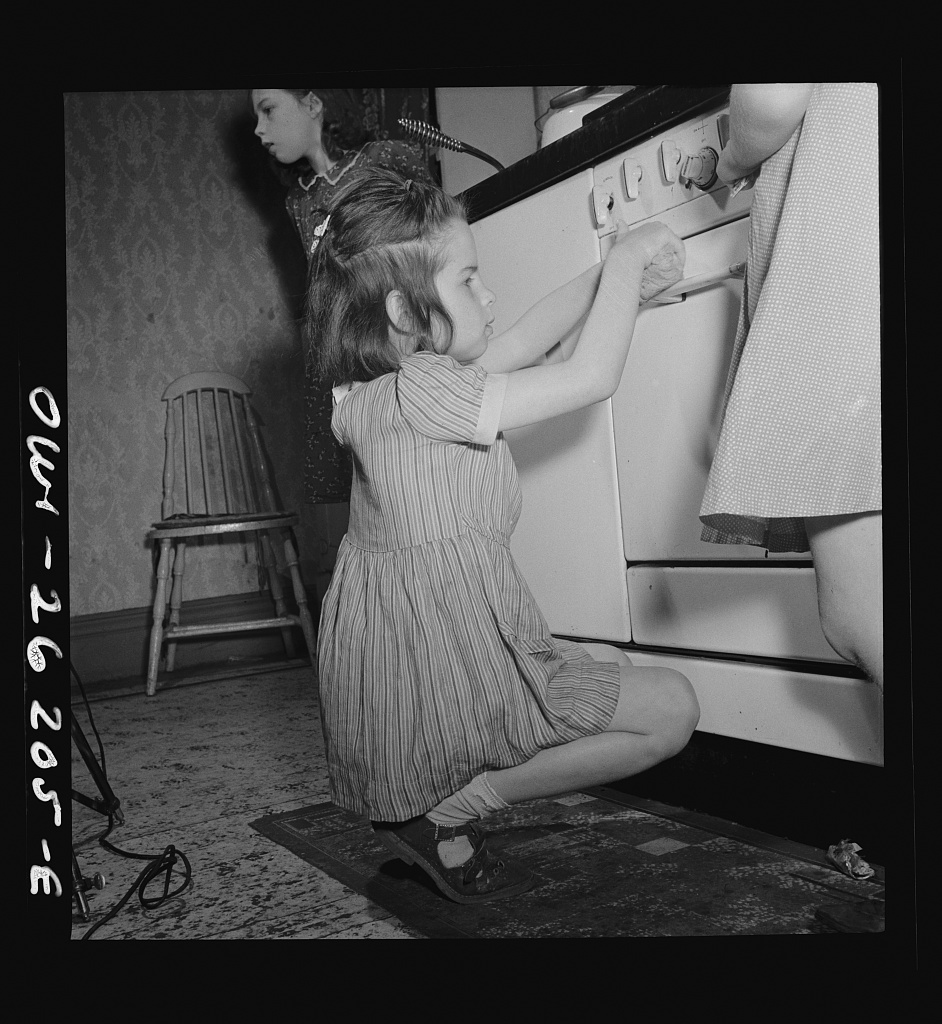
No record existed of what had been lent, by whom, to whom or when, and nobody attempted to keep one.
The absence of accounting was the point rather than an oversight. A written record turns a relationship into a transaction, and the whole arrangement depended on the balance being approximate, remembered and never settled exactly.
Memory did the work adequately. Everybody involved had a rough sense of where they stood with everybody else, and the roughness was a feature, because a system that cannot be audited cannot be argued about.
15. It Only Worked Because Nobody Moved
The same households occupied the same houses for years, which is the condition the entire practice required.
Duration is what made the obligations credible. A loan that will be repaid at some unspecified point in the future only makes sense between people who both expect to still be there, and a street with stable occupancy had that automatically.
High turnover broke it immediately. A household that does not know how long the people next door will be there has no basis for an open-ended reciprocal arrangement, and the first thing to go in a street with churn is the cup of anything.
16. Then the Shops Stayed Open and the Cupboards Got Bigger
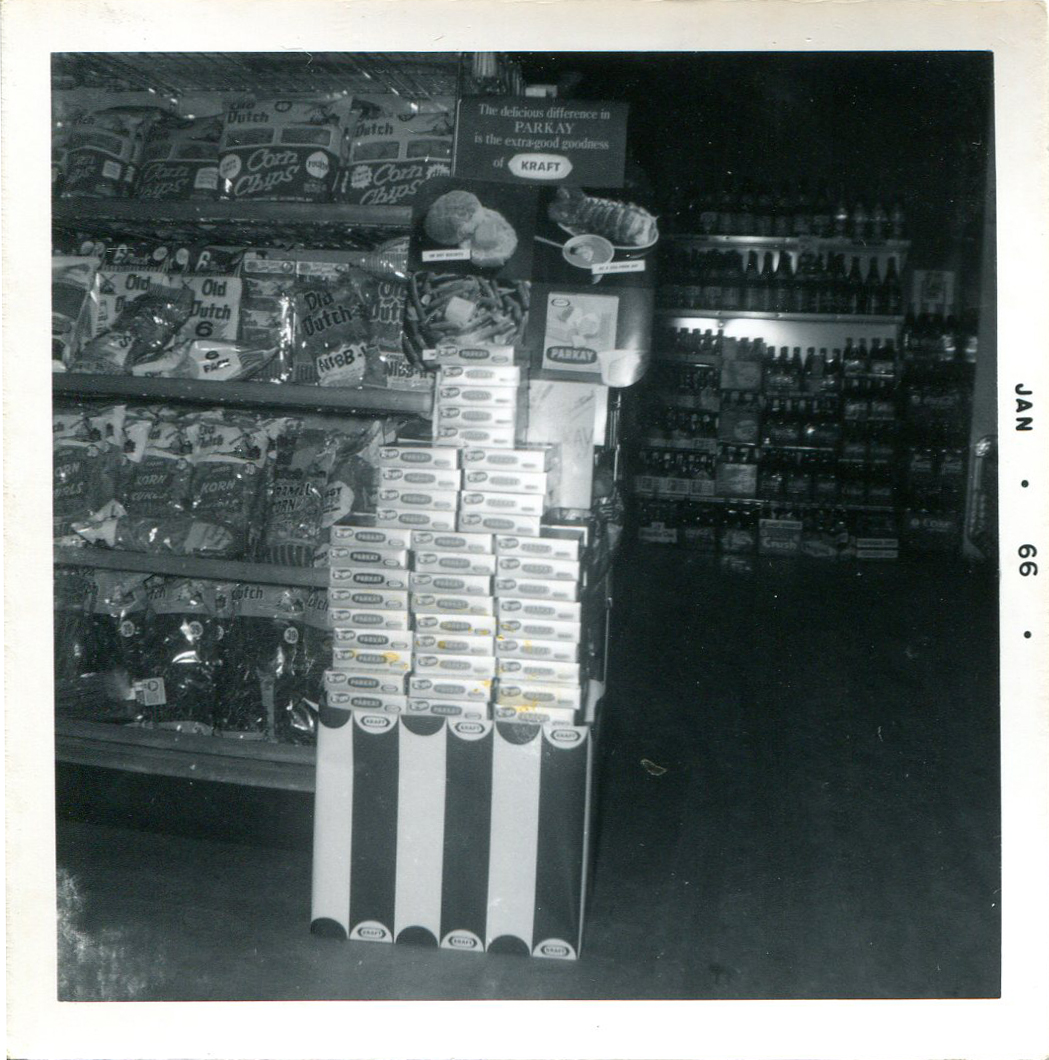
Longer hours, larger stores, deeper freezers and a car in most driveways removed the shortage that produced the knock.
The convenience is not in dispute and nobody is arguing it should have gone the other way. A household that can buy what it needs at any hour simply has no occasion to ask anybody for anything.
What went was the occasion rather than the goodwill. Neighbours still help each other, but the thing that has disappeared is the small, frequent, trivial, mutually obligating transaction that kept the channel open – the child sent next door at six in the evening, the correct form of words, and the dish that had to go back with something in it.
What Was Actually Being Maintained
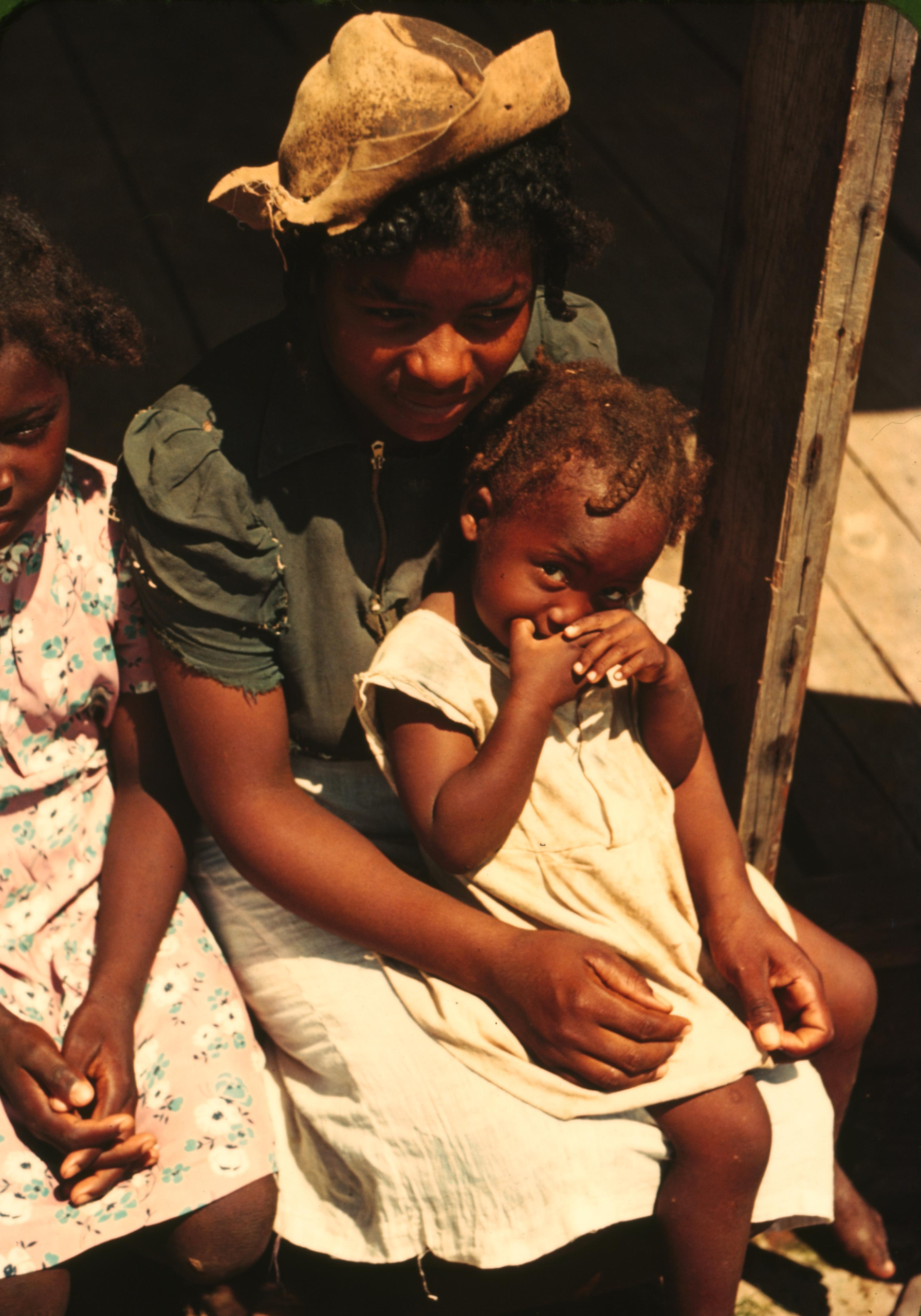
Read in order, the sixteen describe something that was never about the items at all. Nothing borrowed in a kitchen was worth anything. The dish went back full, the language of lending was a fiction both sides maintained deliberately, and nobody kept a record because a record would have turned a relationship into a transaction. What the constant trivial exchange actually produced was a working channel between households – one that could carry a cup of something on a Tuesday and a vehicle, a bed or an afternoon of somebody’s labour on the day something serious happened. The small transactions were maintenance. The system existed for the large ones, and it only stayed in working order because it was used continuously for things that did not matter. The children were the other half of it, and that was deliberate too. An adult never made the request; a child did, every time, which kept the stakes low enough that a refusal cost nobody anything. The effect was that every child on a street spent years composing requests, delivering them to adults who were not their parents, accepting answers they did not control and carrying something back. Nobody described that as an education, and it was one. The parallel economy children ran among themselves in comics and equipment, with stricter rules and faster reputational damage, was the same system being rehearsed by people who had never had it explained to them.
Nothing about the change is regrettable in itself. Shops open late, cupboards are deep, freezers are full and nobody needs to knock on a door at six in the evening because they are short of something. The occasion disappeared rather than the goodwill, and neighbours still help each other when it counts. What has gone is the practice that kept the channel open before it counted – the child sent next door with a specific form of words, the household that had the ladder, the street that collectively owned everything, and the dish that could not go back empty.
Like our content? Follow us for more.