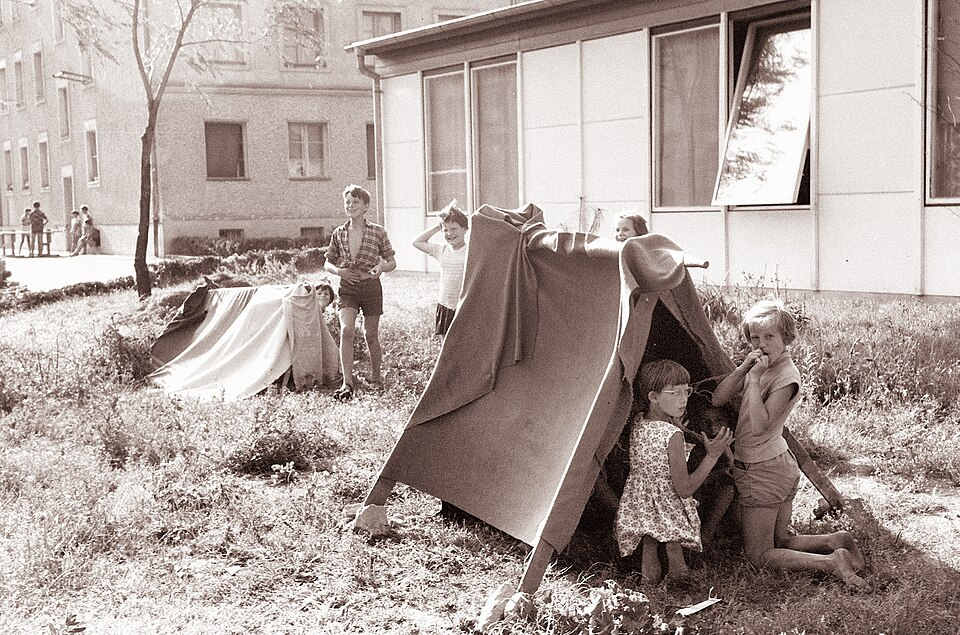
In 1964 a summer night in the back garden was a complete expedition conducted within sight of a kitchen window. The structure was made from a sheet, the supplies were carried out in four trips and eaten by nine, the torch failed in the small hours and almost nobody slept. None of that mattered in the slightest. Sleeping outdoors in a garden you have played in a thousand times is a genuinely different experience, and every child who did it understood that within about ten minutes of the light going. The preparation ran to most of a day. A structure had to be designed and argued about, materials had to be extracted from a household that needed them for other purposes, supplies had to be negotiated and then carried out in several trips, and permission had to be secured from an adult who was going to spend the night listening for noises from the garden. By the time anybody actually lay down, the evening had already delivered most of what it was going to deliver, and the sleeping was almost an afterthought attached to the end of it. Here are sixteen things every kid did on that one night in 1964, and why thirty feet was far enough.
1. The Whole Point Was That the House Was Thirty Feet Away
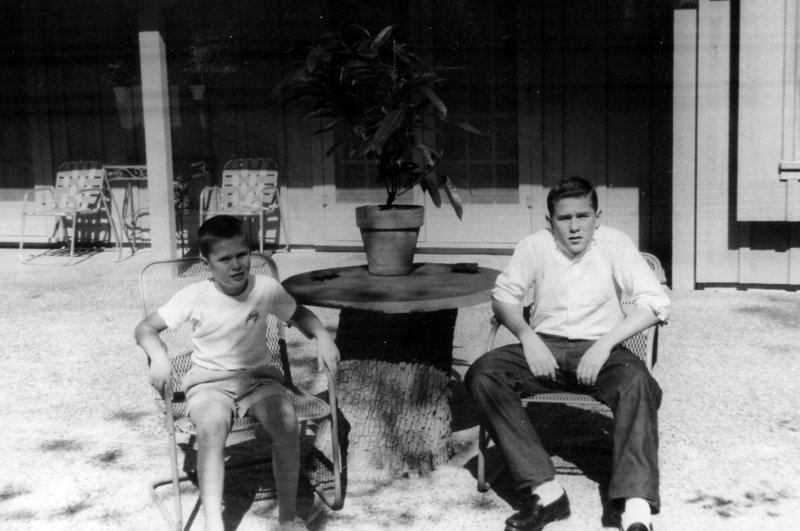
Nobody was going anywhere. The entire expedition took place within sight of a back door that was never locked.
The proximity is what made it possible and it is also what made it work. A child who can see the kitchen window is a child whose parents will agree to the whole thing, and the permission was the hardest part of the evening to obtain.
It also meant the adventure was entirely psychological, which did not diminish it in the slightest. Sleeping outdoors in a garden you have played in a thousand times is a genuinely different experience from being in the same garden at four in the afternoon, and every child who did it understood that immediately.
Like our content? Follow us for more.
2. The Tent Was Usually Not a Tent
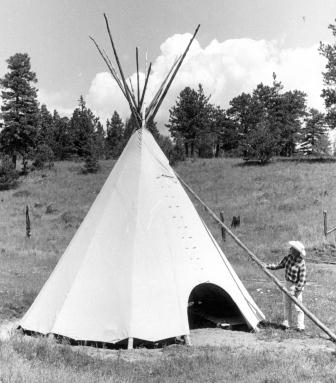
A sheet over a line, a tarpaulin, two chairs and a blanket, or something borrowed and incomplete made up the majority of them.
The improvisation was standard and the structures were terrible. Most of them sagged, admitted weather, collapsed partially during the night or had a gap somebody spent the entire evening trying to close.
The building was half the activity. An afternoon spent constructing something that will be slept in for six hours is an enormous investment in a temporary structure, and the construction was discussed, revised and defended with complete seriousness.
3. Everything Had to Be Carried Out in Multiple Trips
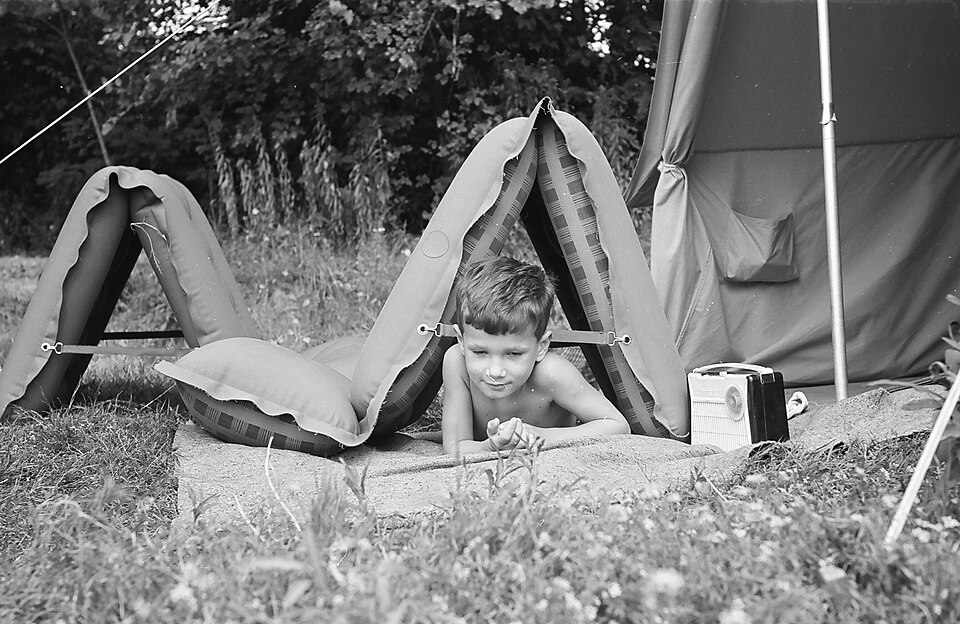
Bedding, food, torches, a radio, something to sit on and a great deal that turned out to be unnecessary all made the journey from house to garden.
The logistics were conducted with a seriousness out of all proportion to the distance. A move of thirty feet was planned as an expedition, and the planning was the most enjoyable part of the day for most of the participants.
The surplus was the giveaway. A child packing for a night in their own garden packs as though for a week somewhere remote, which is a reasonably clear statement about what the evening was imaginatively about.
4. The Food Was the Non-Negotiable Part
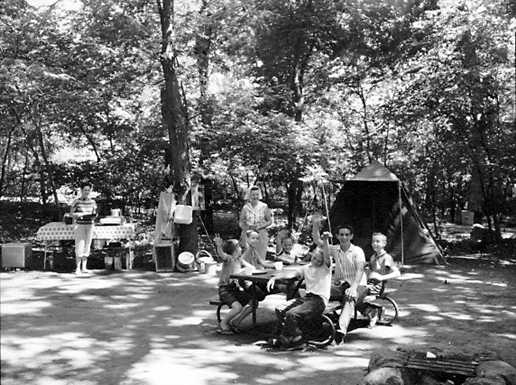
Supplies were assembled in advance, were more generous than any normal evening permitted, and were eaten far too early.
The provisioning was where adults made their main contribution. A household that was slightly indulgent about the food was recognising what the evening was for, and the indulgence was noticed and remembered.
Rationing collapsed immediately. Almost everything intended to last until midnight was gone by nine, which is a problem every child encountered and almost nobody solved on the second attempt either.
5. The Torch Was the Most Important Object
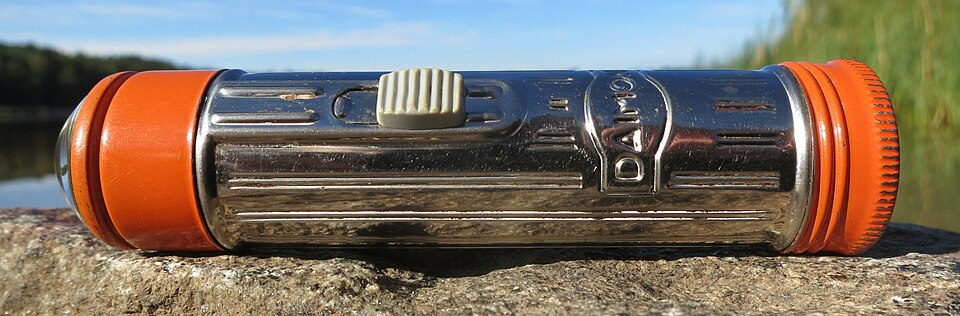
Light that could be pointed, switched on and off and used to find things was the single piece of equipment that genuinely mattered.
Its importance was practical and theatrical in equal measure. A torch was the only means of seeing anything, and it was also the instrument for every story, every signal and every attempt to startle somebody.
Batteries were the constraint and nobody managed them. A torch used continuously from dusk failed somewhere in the small hours, which is precisely when it was actually needed, and this happened to everybody at least once.
6. The Garden Sounded Completely Different After Dark
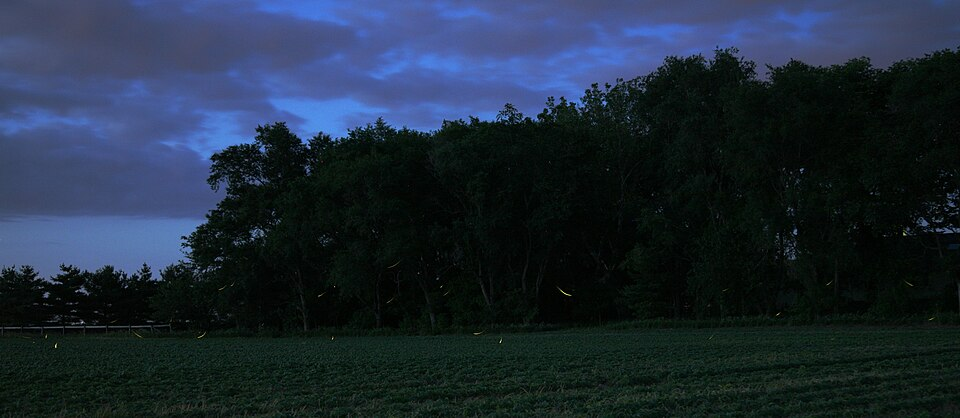
Noises that are inaudible in daylight became the dominant feature of the night, and almost none of them could be identified.
The acoustic change is the part everybody reports. A familiar garden produces a continuous low-level soundtrack at night that is simply not present during the day, and a child lying still in a sheet structure hears all of it.
Identification was the whole game. Working out whether something was wind, an animal, a neighbour or nothing at all occupied a substantial portion of the night, and the conclusions reached were mostly wrong.
7. The Stories Started as Soon as It Was Dark
Frightening stories were told, escalated and competed over, and everybody present knew exactly what was happening.
The function was social rather than genuinely alarming. A group producing stories in the dark is testing nerve collectively, and the escalation continued until somebody showed they had had enough, which was the actual object of the exercise.
It was also a performance skill. A child who could hold a group in a dark structure for ten minutes had a genuine ability, and the reputation acquired on one night travelled considerably further than the story did.
8. Somebody Always Went Back Inside
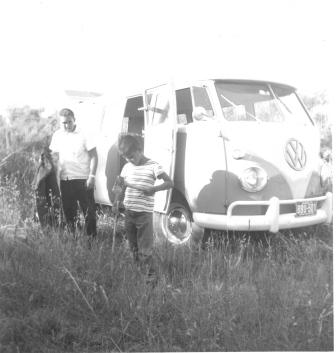
At some point in the night a participant withdrew, and the circumstances of the withdrawal were remembered for years.
The inevitability was understood in advance by everybody including the person who ended up leaving. Thirty feet is not a distance that defeats anybody, and the house was warm, lit and had a proper bed in it.
The social consequence was mild but real. Going in was not a disgrace, but it was a fact, and the person who stayed out had something to mention for a considerable period afterwards.
9. The Ground Was Harder Than Anybody Expected

Grass looks soft and is not, and nothing available in a household adequately compensated for it.
The discovery was made annually. A surface that is entirely comfortable to sit on for an hour is an extremely poor thing to lie on for eight, and the bedding brought out never solved it.
It was also the main reason the nights were short. Most of these expeditions ended earlier than planned, and the ground rather than fear was usually the honest explanation.
10. Nobody Slept Much and Everybody Claimed Otherwise
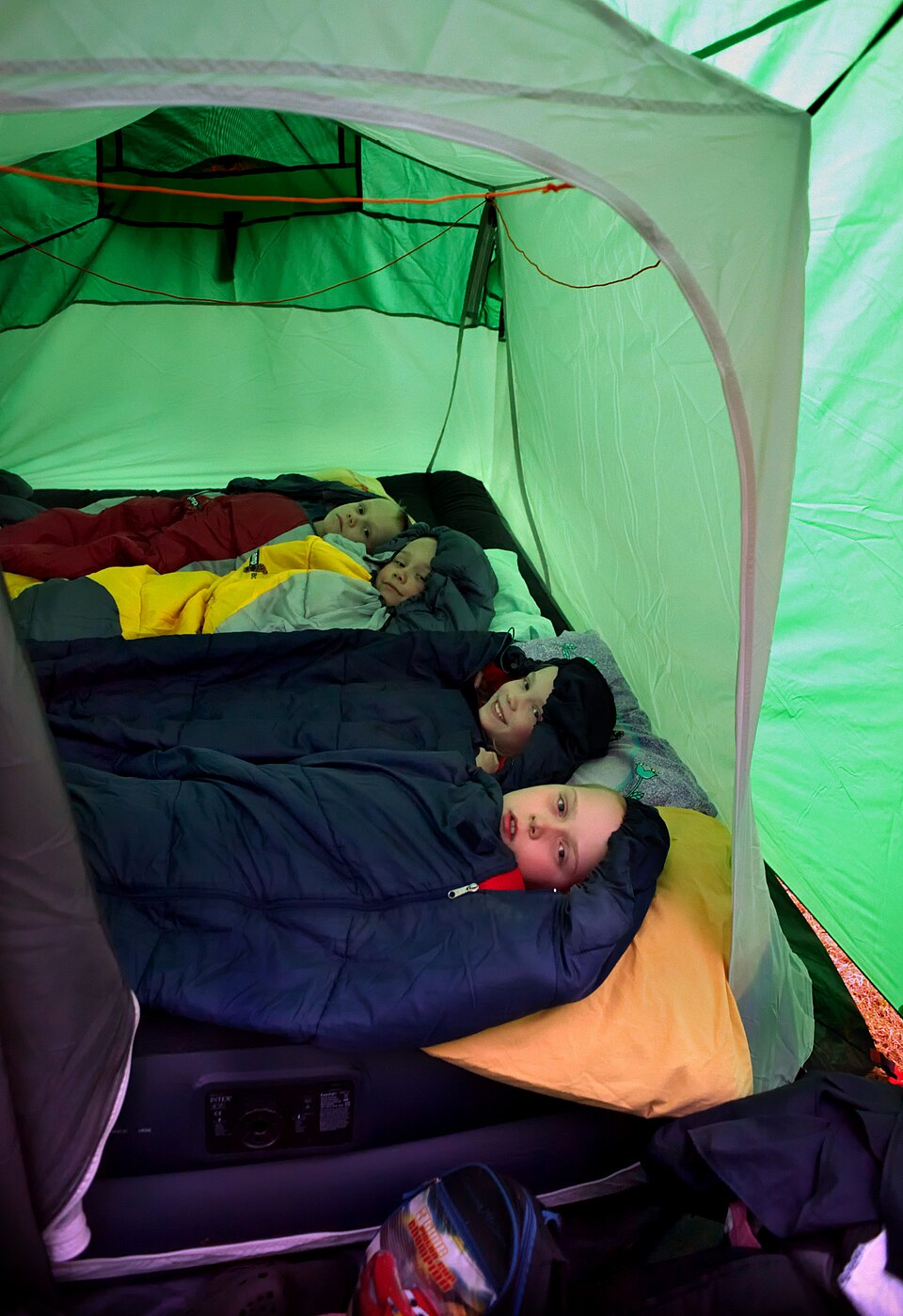
The actual quantity of sleep obtained was small, and the accounts given the following morning were considerably more impressive.
The exaggeration was universal and harmless. A night spent largely awake in a collapsing structure is not a defeat if everybody agrees to describe it differently, and the agreement was reached without discussion.
The following day was consequently ruined. A child who has slept for three hours is not useful for anything, and the day after a garden camp was reliably spent asleep indoors.
11. Waking Up Outside Was the Actual Payoff
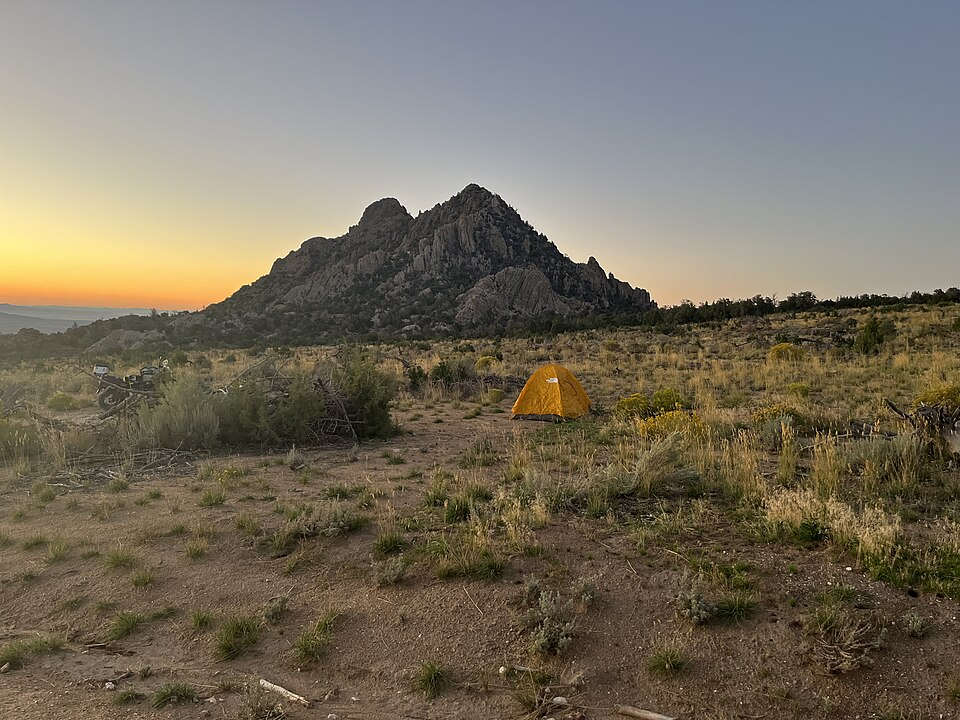
First light in a garden, before anybody in the house was up, was the part that justified the whole enterprise.
The hour is the thing nobody anticipated. A garden at five in the morning is cold, bright, wet and completely silent, and almost no child had ever seen their own one in that condition before.
It was also the only genuinely solitary moment. Everybody else was asleep, the house was closed, and a child sitting outside a sagging sheet at dawn was alone outdoors in a way they almost never otherwise were.
12. The Structure Came Down the Same Morning
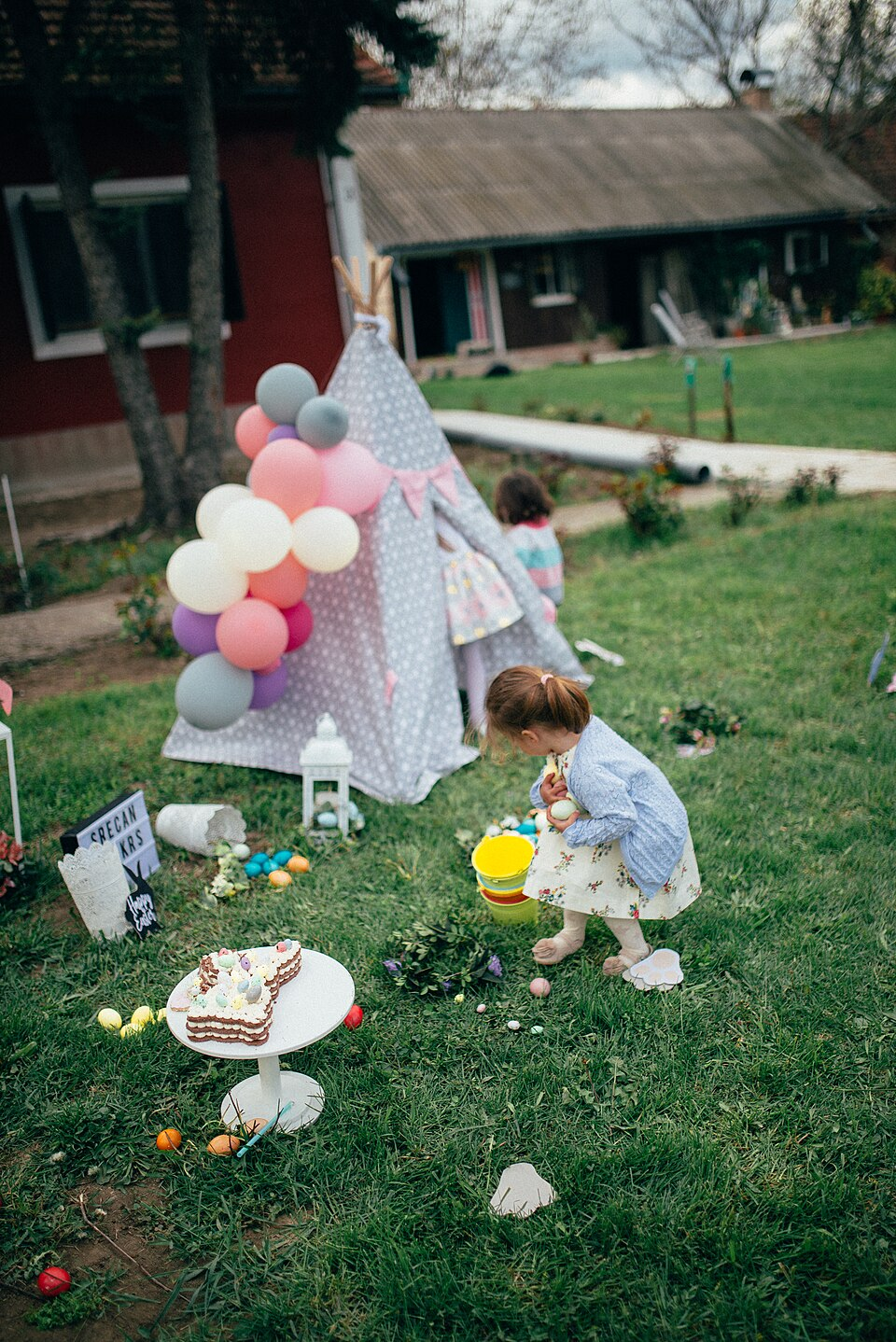
Whatever had been built was dismantled within hours, and the garden returned to being a garden.
The impermanence was absolute and nobody questioned it. The materials were needed for other things, the lawn was underneath and the whole arrangement had only ever been authorised for one night.
The site remained visible for a week. A flattened rectangle of grass where something had stood is the only physical record these nights ever produced, and it recovered within days.
13. It Was Almost Always a Trial Run for Something Else
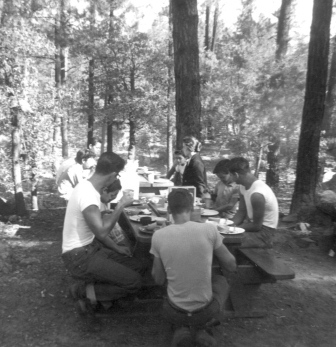
A garden camp was frequently practice for a real one, or a substitute for one that was not going to happen.
Both versions were entirely legitimate. A household preparing children for an actual expedition used the garden as a rehearsal, and a household that could not manage an expedition used the garden as the thing itself.
The second case was never acknowledged as such. Nobody said that this was instead of something, and the children concerned mostly did not realise, which is probably the kindest possible handling of it.
14. Parents Checked and Pretended They Had Not
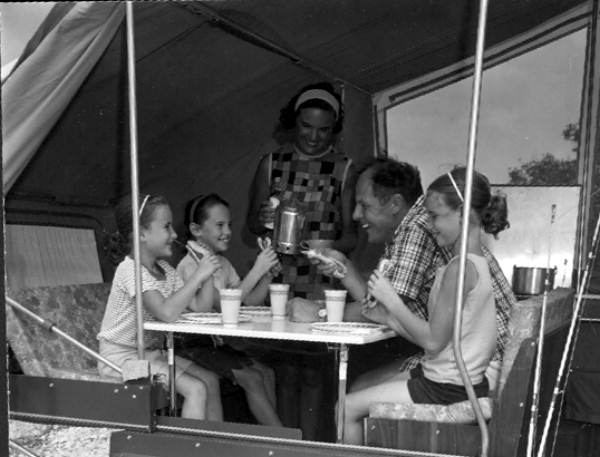
An adult came out at least once during the night, usually on a pretext, and almost always claimed to be doing something else.
The pretence was considerate rather than deceptive. A check that announces itself undermines the entire premise of independence, and every parent who did this understood exactly what they were protecting.
Children generally knew anyway. A kitchen light going on at one in the morning is not subtle, and the mutual agreement to say nothing about it is one of the more charming features of the whole arrangement.
15. Rain Ended It Immediately and Without Argument
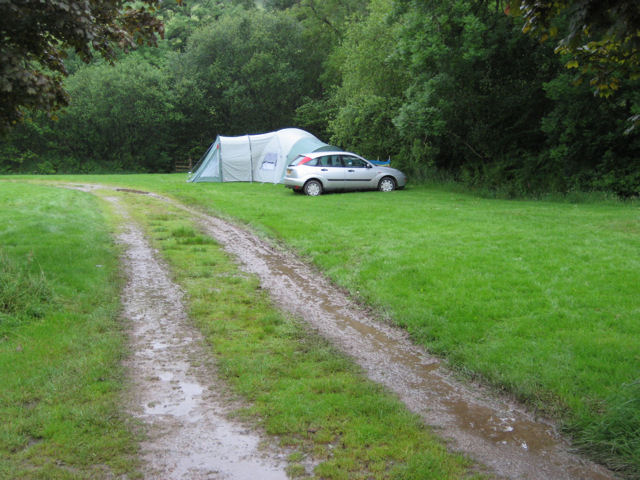
Weather was the one circumstance in which going inside carried no social cost whatsoever.
The exemption was universally recognised. Abandoning a structure because of rain is not a failure of nerve, which meant a wet night provided a dignified exit for everybody simultaneously.
A great many camps were ended by very little rain. The threshold at which a group of children collectively decided the weather had become impossible was not high, and nobody examined it afterwards.
16. Then the Garden Stopped Being the Obvious Place
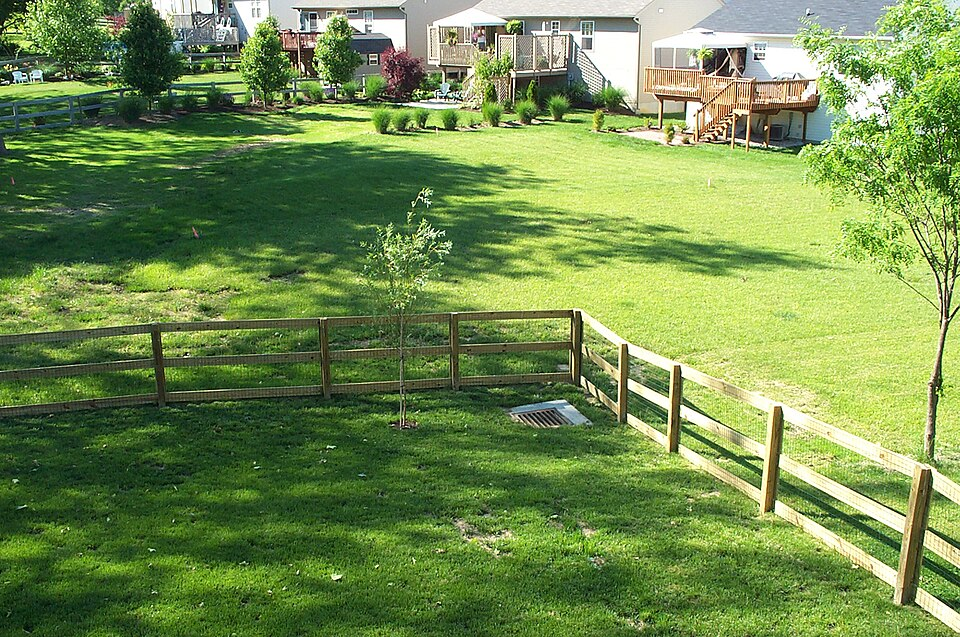
Smaller gardens, more lighting, busier schedules and a general reluctance to leave children outdoors overnight all worked against it.
No single change was responsible, which is why it faded rather than stopped. Each of the conditions the evening depended on – an enclosed patch of ground, a free summer night, a household willing to agree and genuine darkness – became slightly less available.
What is gone is a very small adventure that cost nothing. Thirty feet from a back door, in a structure made from a sheet, with food that ran out by nine and a torch that failed at three, a child spent one night of the year outdoors and woke up at five in a garden they had never seen at that hour.
Why Thirty Feet Was Enough
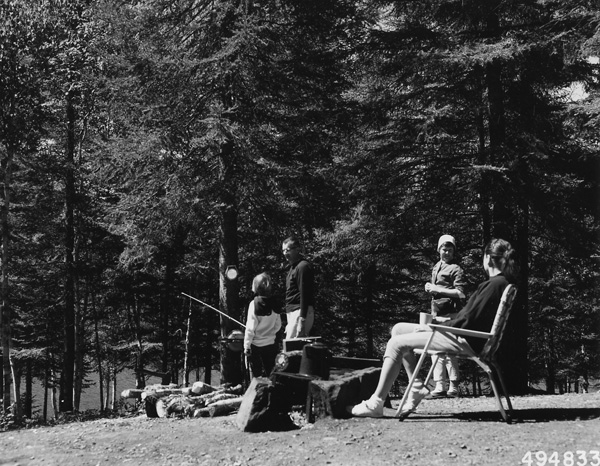
Taken in order, the sixteen describe an adventure with no distance in it at all. Nothing about the evening was dangerous, nothing was far from help, and the house was warm, lit and unlocked throughout. What made it work was that a familiar place becomes an unfamiliar one after dark, and a child who has spent years in a garden has never once heard it at two in the morning. Every element – the terrible structure, the surplus supplies, the stories, the unidentifiable noises, the hard ground – is a consequence of ordinary surroundings being encountered under conditions that made them strange. The proximity was not a limitation on the adventure. It was the reason permission was granted, and permission was the only genuinely difficult part. The other thing worth saying plainly is how little it cost. There was no equipment to buy, no site to book, no journey to arrange, no skill required and no adult who had to give up an evening. A sheet, a torch, a patch of grass and a household willing to say yes produced an adventure that children talked about for the rest of the summer, and the entire outlay was a set of batteries. Very few things offered to children before or since have returned so much for so little, which is probably why it was so nearly universal and why almost nobody thought it worth writing down.
Nothing banned it and nothing replaced it. Gardens got smaller, outdoor lighting got brighter, summer evenings filled up and households became less comfortable with children outside overnight, and each of those took a little more out of an arrangement that needed all of its conditions at once. What is gone is one of the cheapest adventures ever devised: a sheet over a line, supplies that ran out by nine, a torch that failed at three, somebody going back inside at midnight, and a child sitting alone outside a collapsing structure at five in the morning looking at a garden they had never seen at that hour and have not forgotten since.
Like our content? Follow us for more.