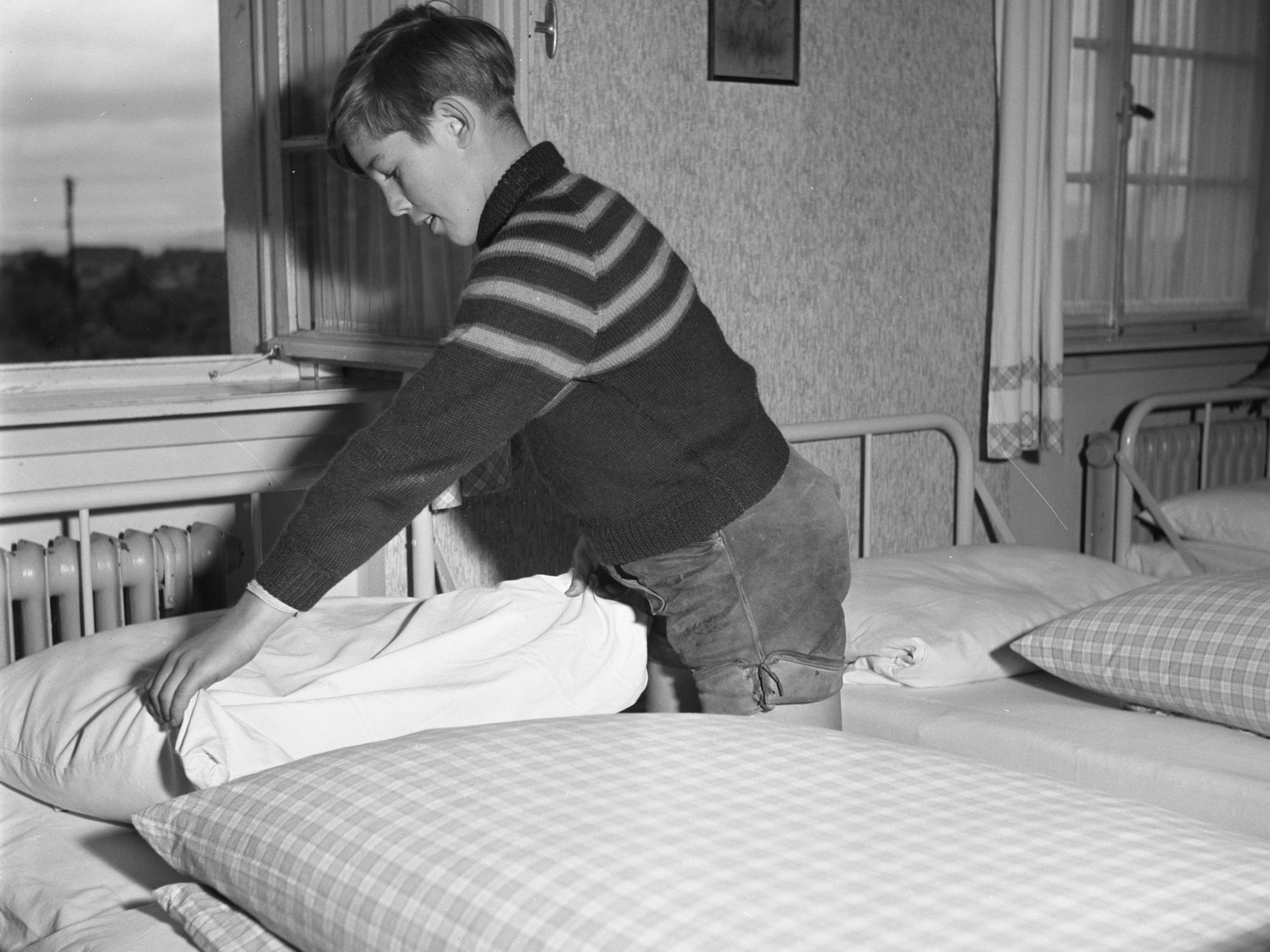
It was written on the back of an envelope and left on the kitchen table, and nobody was going anywhere until the last item on it had been done. In 1965 Saturday morning was not free time that a child negotiated for. It was a block of labour the household had already allocated, and the list was the instrument that made the allocation stick.
The List Existed Because Nobody Was Watching
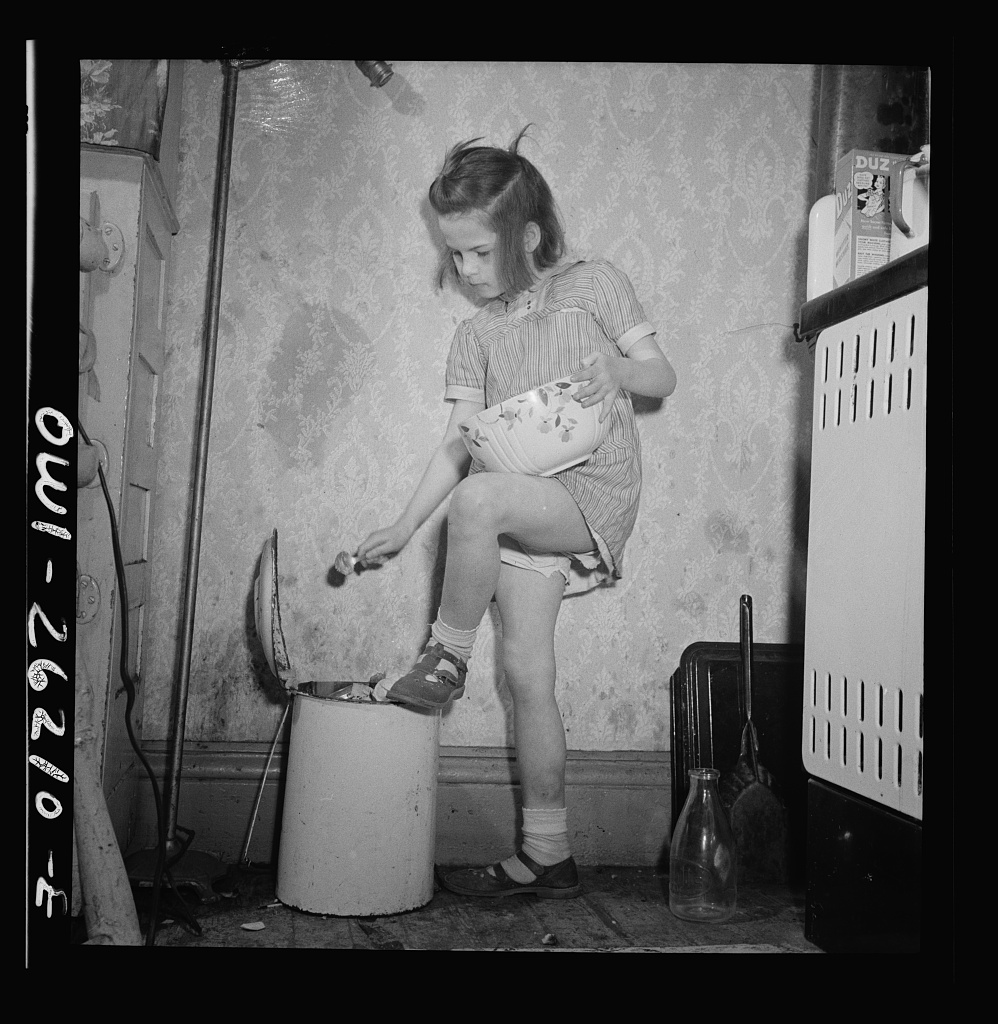
An adult with a full Saturday of their own work cannot supervise three children through five tasks, so the supervision was replaced by a document.
The substitution is the whole point. A written list delegates the sequencing, the remembering and the self-checking to the person doing the work, which frees the adult entirely and only costs the thirty seconds it took to write.
Like our content? Follow us for more.
Writing It Down Changed What Could Be Argued About
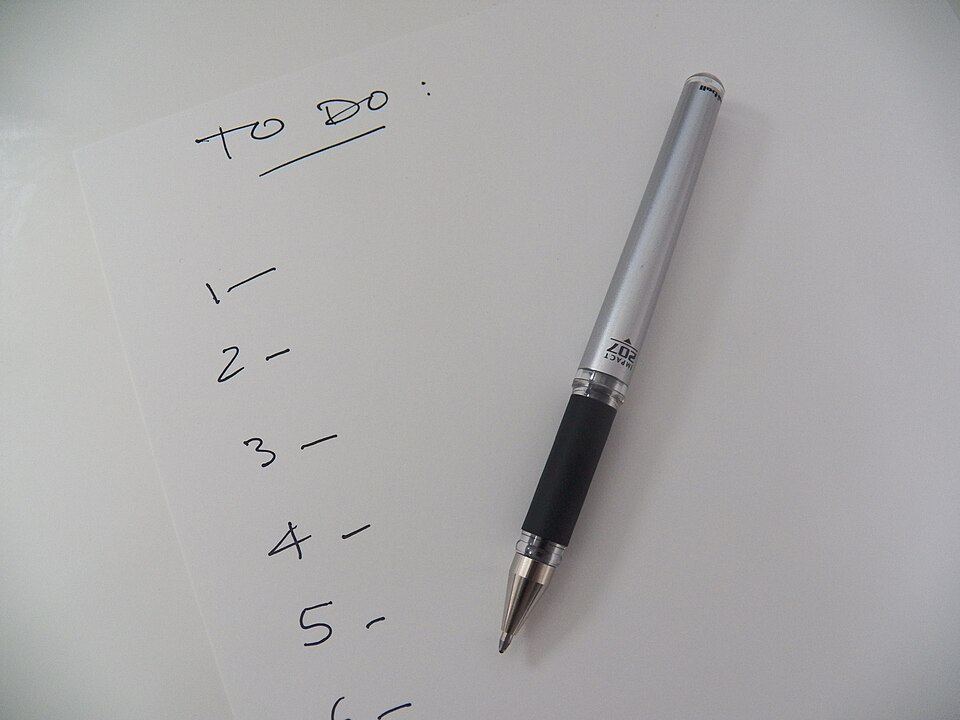
A spoken instruction can be misremembered, denied or quietly reinterpreted. A written one cannot.
That is why the list was in writing rather than announced. A household with several children and a weekly argument about what had actually been asked for solves the problem permanently by producing a document, and the arguing moved from what to whether.
Nothing Happened Until Everything Was Done
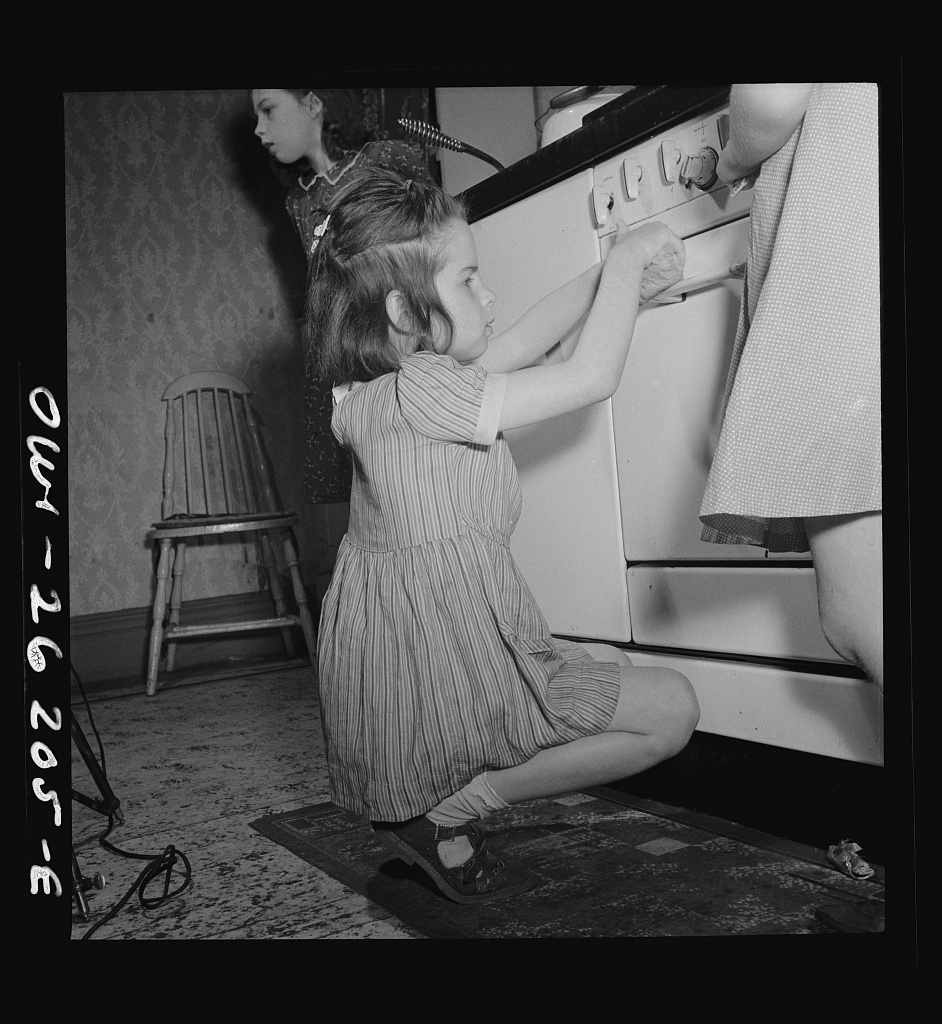
The reward was not for individual items but for the completion of the whole list, and partial completion counted for nothing.
The all-or-nothing structure was deliberate and effective. A child paid per task will do the easy ones; a child released only on completion has to do the one they were avoiding, which is precisely the item the household cared about.
The Order Was Up to You and That Was the Only Freedom
Nothing dictated the sequence, which meant the one decision available to a child was whether to do the worst job first or last.
The choice is a genuine piece of self-management and children divided into two permanent camps about it. Getting the bad one out of the way and leaving it hanging over the morning are both defensible strategies, and almost nobody switched.
Tasks Were Allocated by Size Rather Than Ability
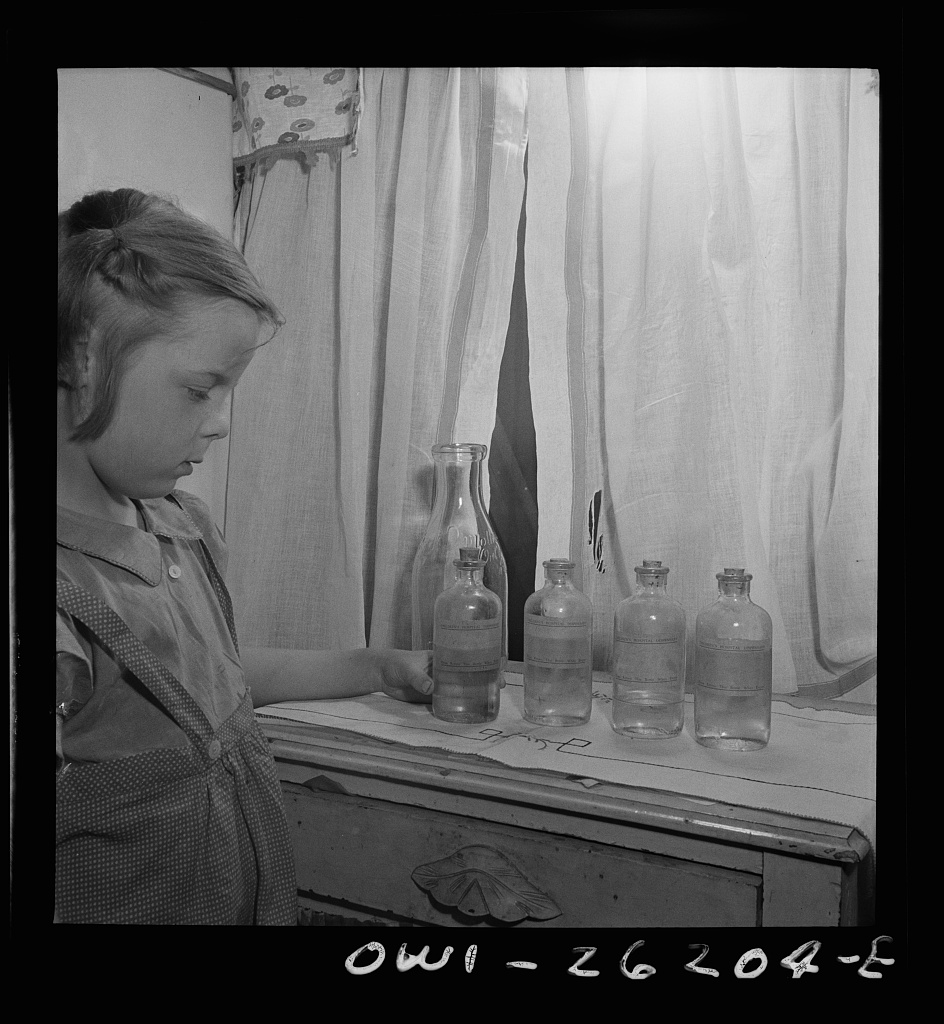
Who got what depended mostly on height, reach and strength, which meant the allocation shifted every year as children grew.
The practicality is more sensible than it looks. A household does not need a child to be good at something; it needs them to be able to do it at all, and the jobs moved up the family as people became physically capable of them.
Inheriting a Job Was a Promotion and Felt Like One
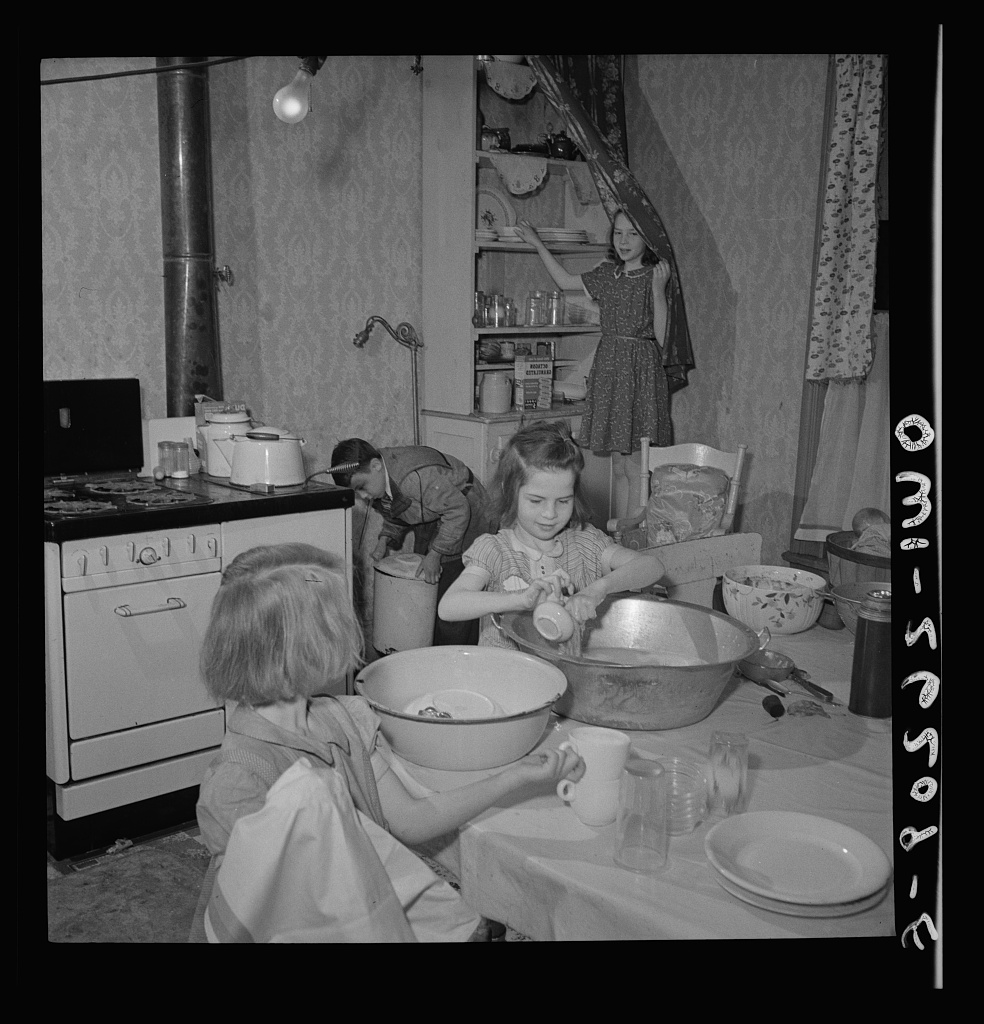
When an older sibling outgrew a task it passed downwards, and the child receiving it understood that something had changed.
The progression gave the whole arrangement a shape. A list that stays identical for years is a chore; a list on which items are handed up and down as people grow is a visible record of a child’s own development.
The Worst Job Was Always the Same and Everybody Knew It
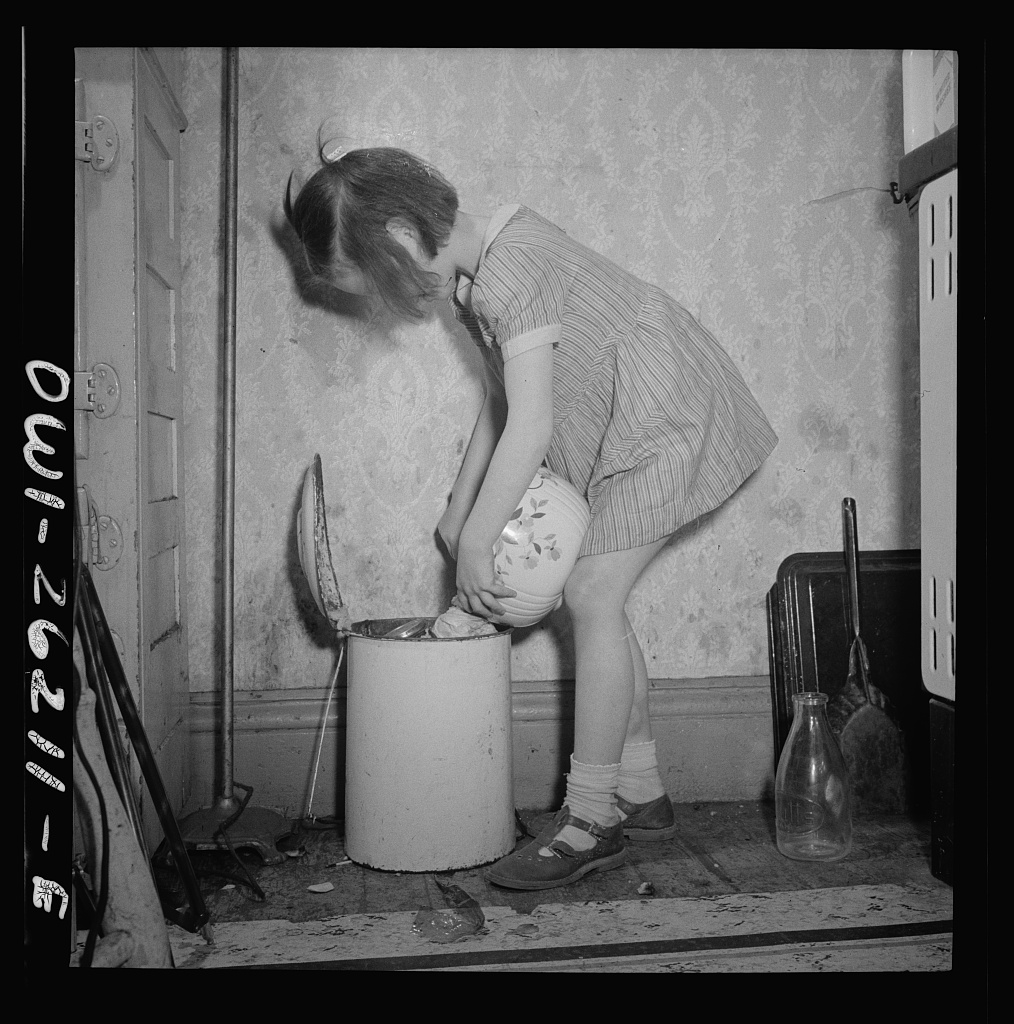
Every household had one task nobody wanted, it was known, and its allocation was the single most contested thing on the list.
The negotiation around it was continuous. Trades, grievances, claims about last week and appeals to fairness all orbited one item, and the adult who assigned it was dealing with the same argument every Saturday for a decade.
Doing It Badly Was a Recognised Strategy
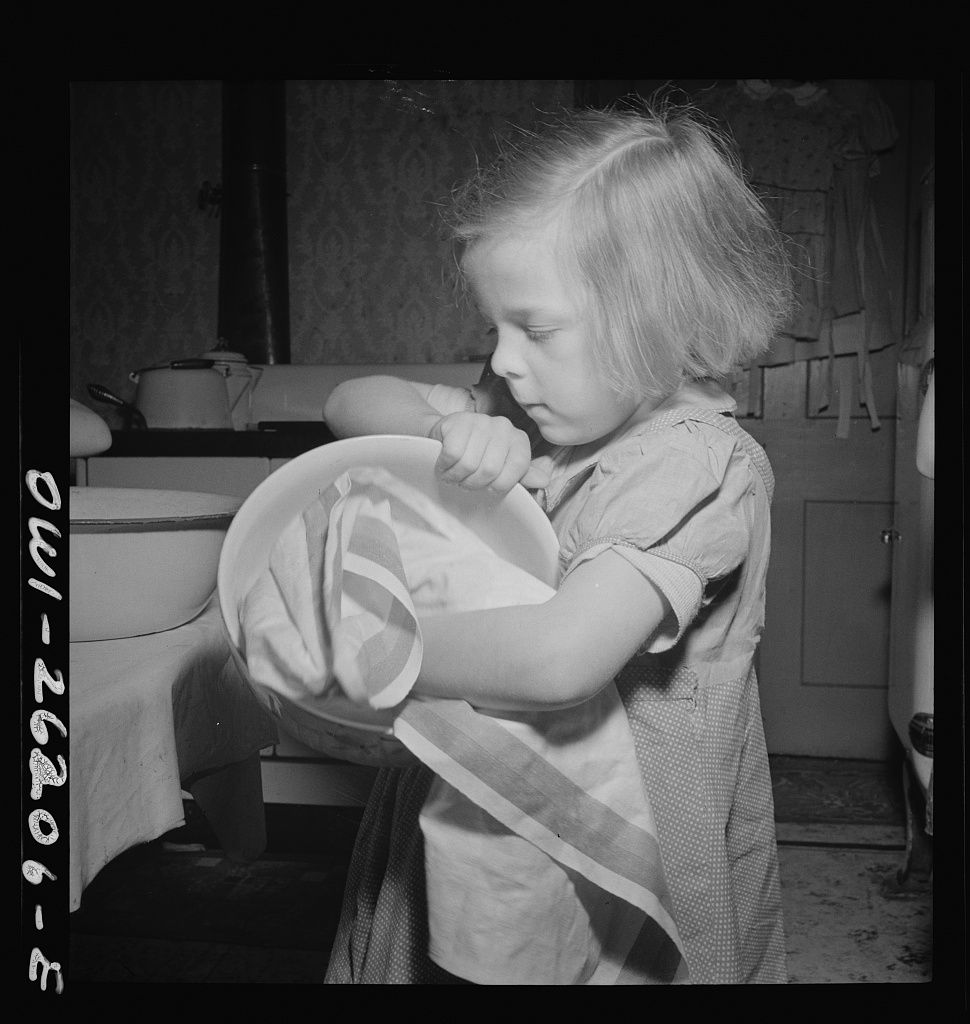
A task completed to a technically adequate but obviously minimal standard was the standard form of protest.
The adults’ response determined whether it worked. A household that inspected got proper work; a household that did not got the minimum, and children established which kind they lived in within about three weeks.
Inspection Was the Mechanism That Made It Real
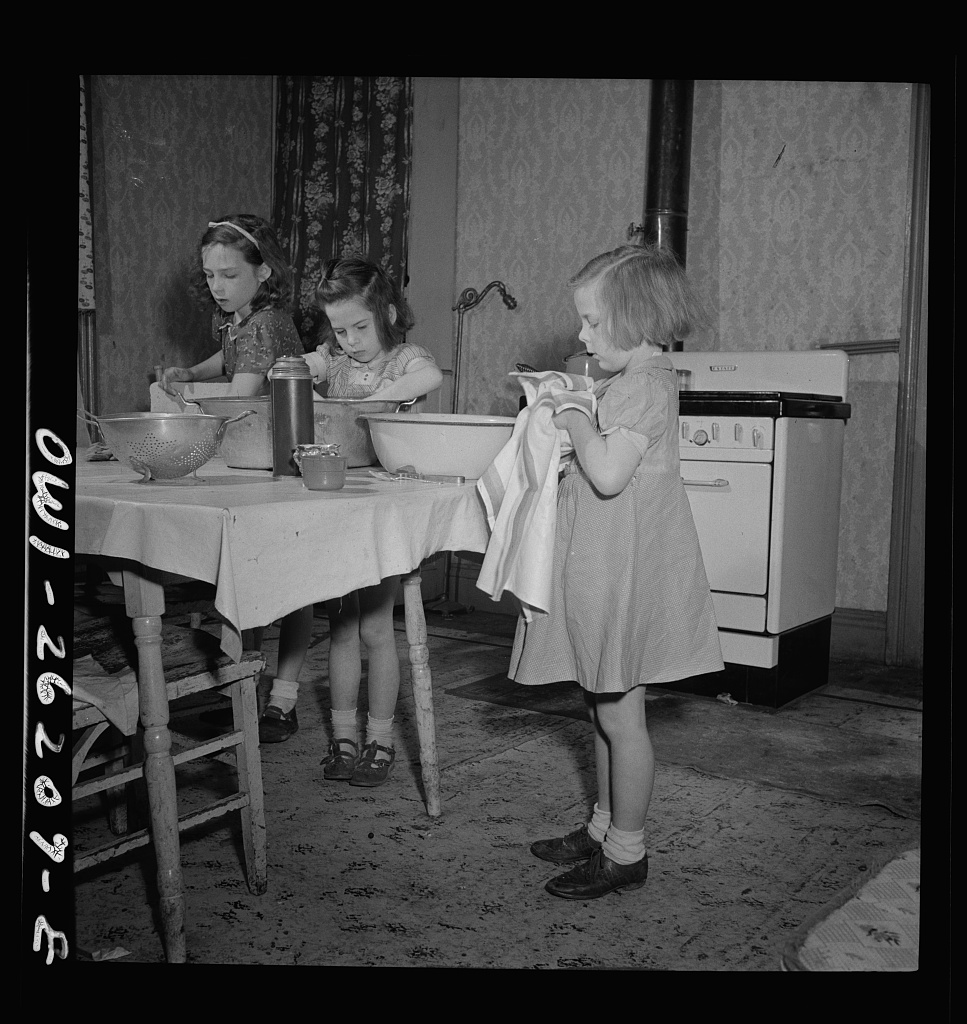
Somebody checked, and a job found wanting was sent back, which cost the child more time than doing it properly would have.
The arithmetic taught itself. A child who has done a job twice has discovered that a shortcut costs more than the work it avoided, and nobody had to explain it in those terms.
The List Was Deliberately Shorter Than the Morning
A well-designed list could be finished before lunch by somebody who got on with it, and that was not an accident.
The slack was the incentive. A list that cannot be finished produces despair and no effort, while one that can be beaten produces speed, and the household recovered the whole afternoon either way.
Finishing Early Was the Entire Reward
There was no payment attached in a great many households. The prize was the rest of the day.
That is the cleanest possible motivation and it required nothing from anybody. A child working for time rather than money is working for the thing they actually want, and the household did not have to find anything to give them.
The Deadline Was Always the Same and Was Never Stated

Everybody understood that the morning was the window and the afternoon was the prize, and nobody had to write a time on the paper.
The implicitness is what made it work without enforcement. A deadline that both parties already agree on needs no announcement, and a child who dawdled until two in the afternoon had not broken a rule so much as spent their own reward, which is a considerably more effective arrangement than any stated cut-off.
Where Money Was Attached It Changed the Arrangement

Households that paid introduced a different logic, and the work became a transaction rather than a membership obligation.
Both systems had defenders and both produced complaints. Payment makes the work optional in principle, which is a different relationship with a household entirely, and the two approaches produced noticeably different adults.
Radio Was the Standard Accompaniment
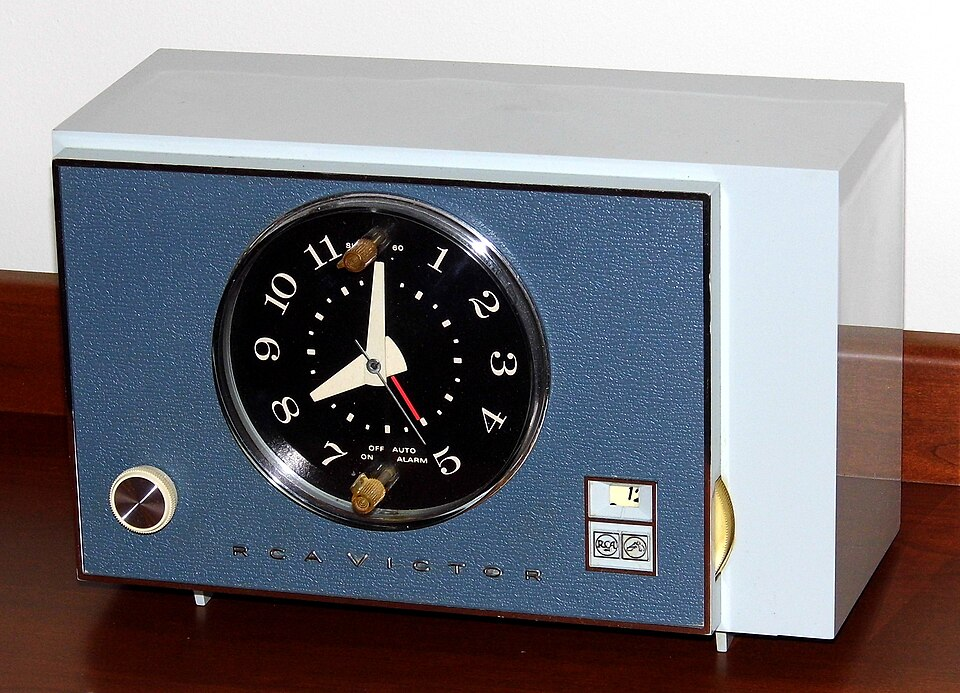
A set on in the kitchen supplied the soundtrack, and the morning’s work was paced to whatever was being broadcast.
The pairing was practical. A task requiring no concentration leaves exactly enough attention for listening, and a child who had heard the same programme every Saturday for three years had marked the morning permanently with it.
The Same List Ran for Years With Almost No Changes
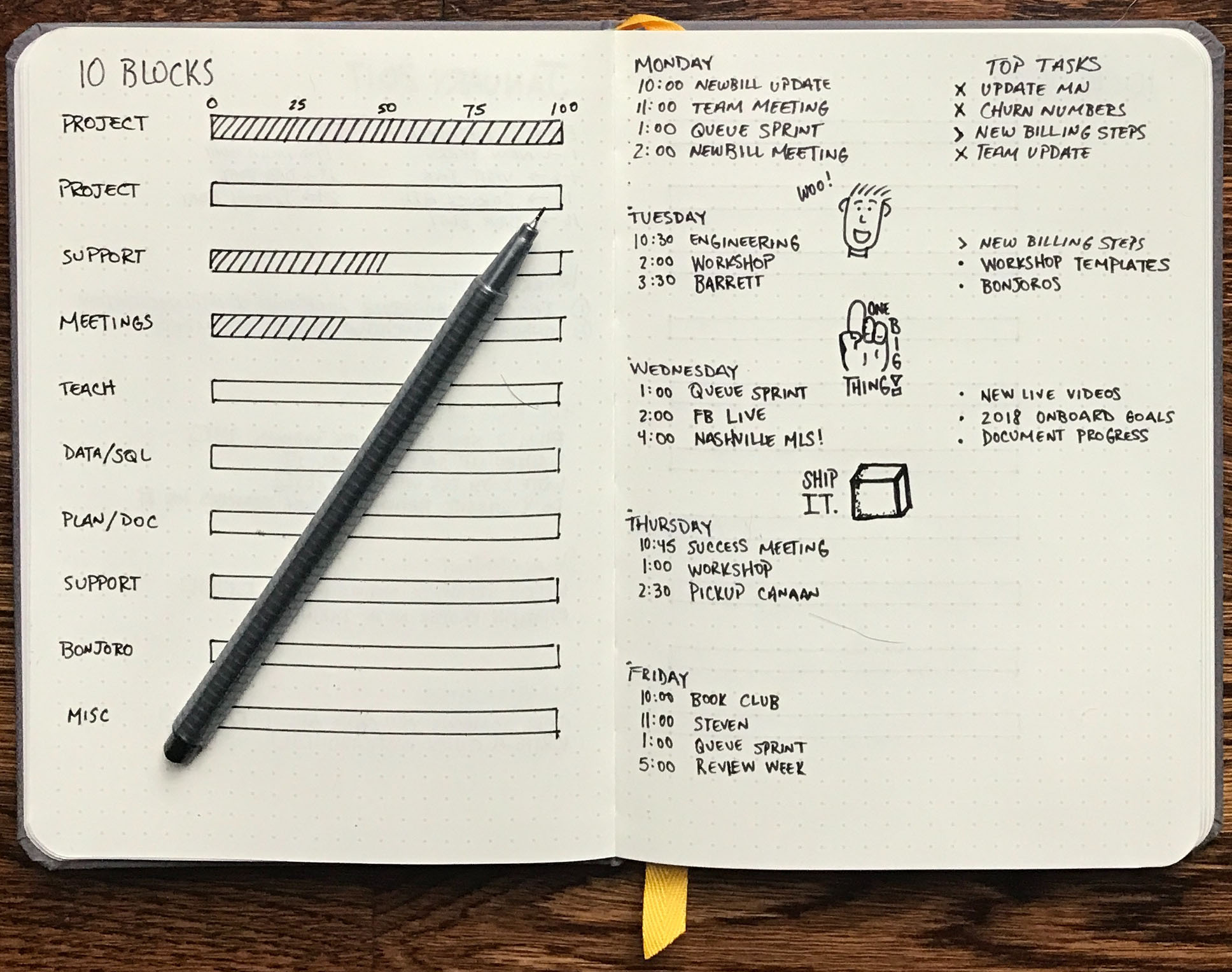
A household’s Saturday requirements were stable, which meant the document was substantially the same week after week for several years at a time.
The repetition is why nobody needed to read it carefully after the first few months. A child knew the list before it was written, and the written version existed as a formality and as a record rather than as information, which is exactly what happens to any instruction repeated often enough.
Siblings Worked Separately and Compared Constantly
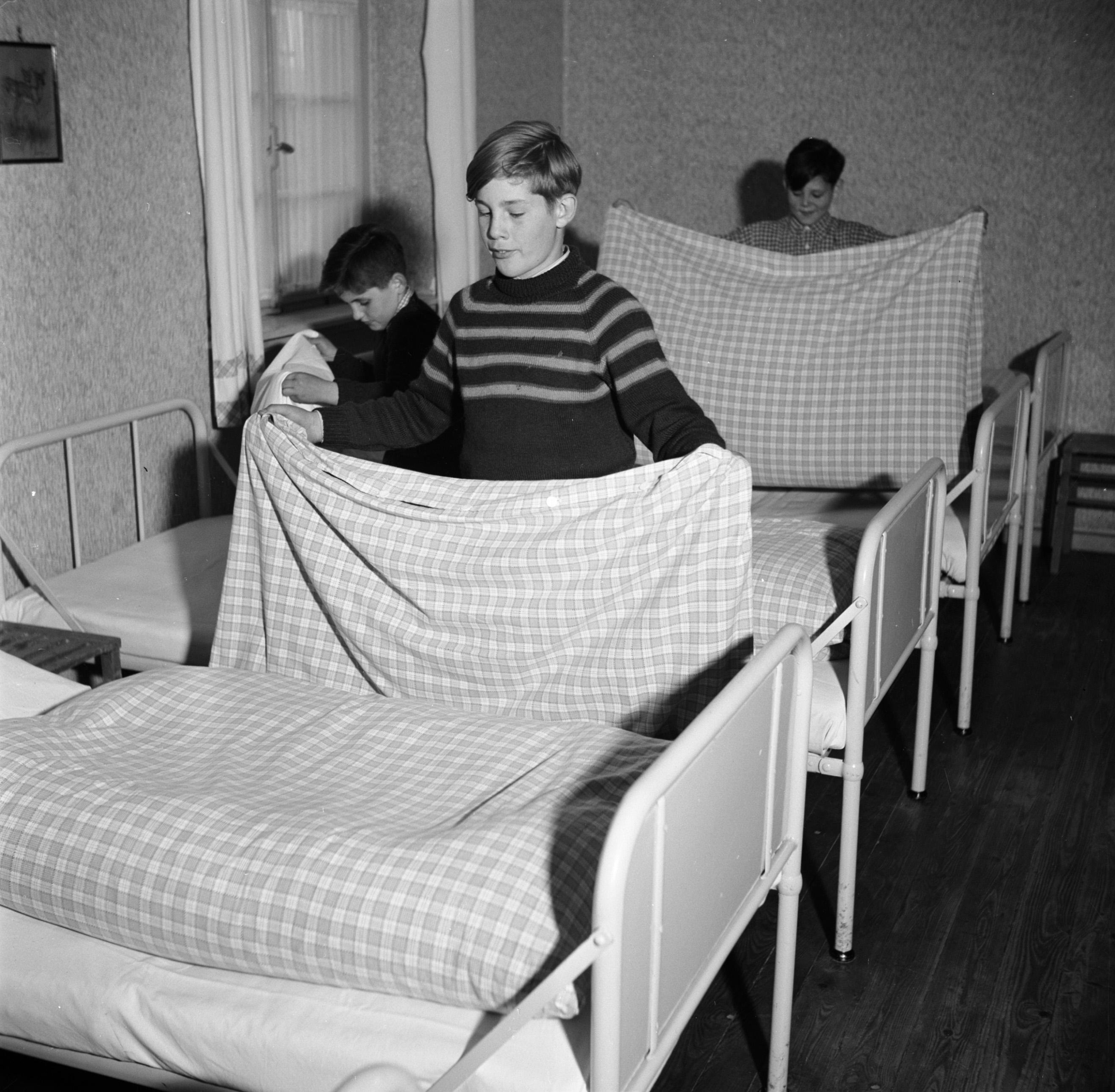
Everybody had their own list and everybody knew what everybody else had been given.
The comparison was the source of most of the grievance. A child who believed their list was heavier than their sibling’s had a complaint that could not be settled objectively, and the complaint was made every week regardless.
Cooperation Happened and Was Not Encouraged
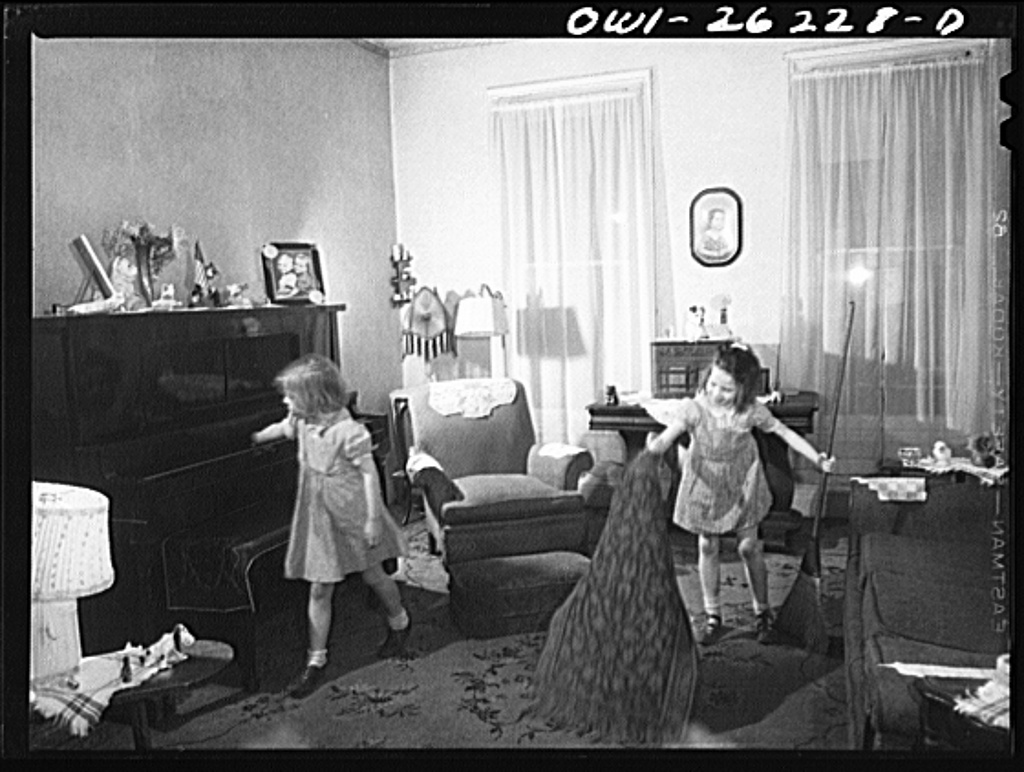
Children frequently helped each other to finish sooner, and adults were ambivalent about it.
The ambivalence is understandable. Two children finishing a list together are achieving the household’s objective faster, and they are also learning considerably less about doing a thing they do not want to do by themselves.
The Tasks Were Mostly Invisible When Done Right
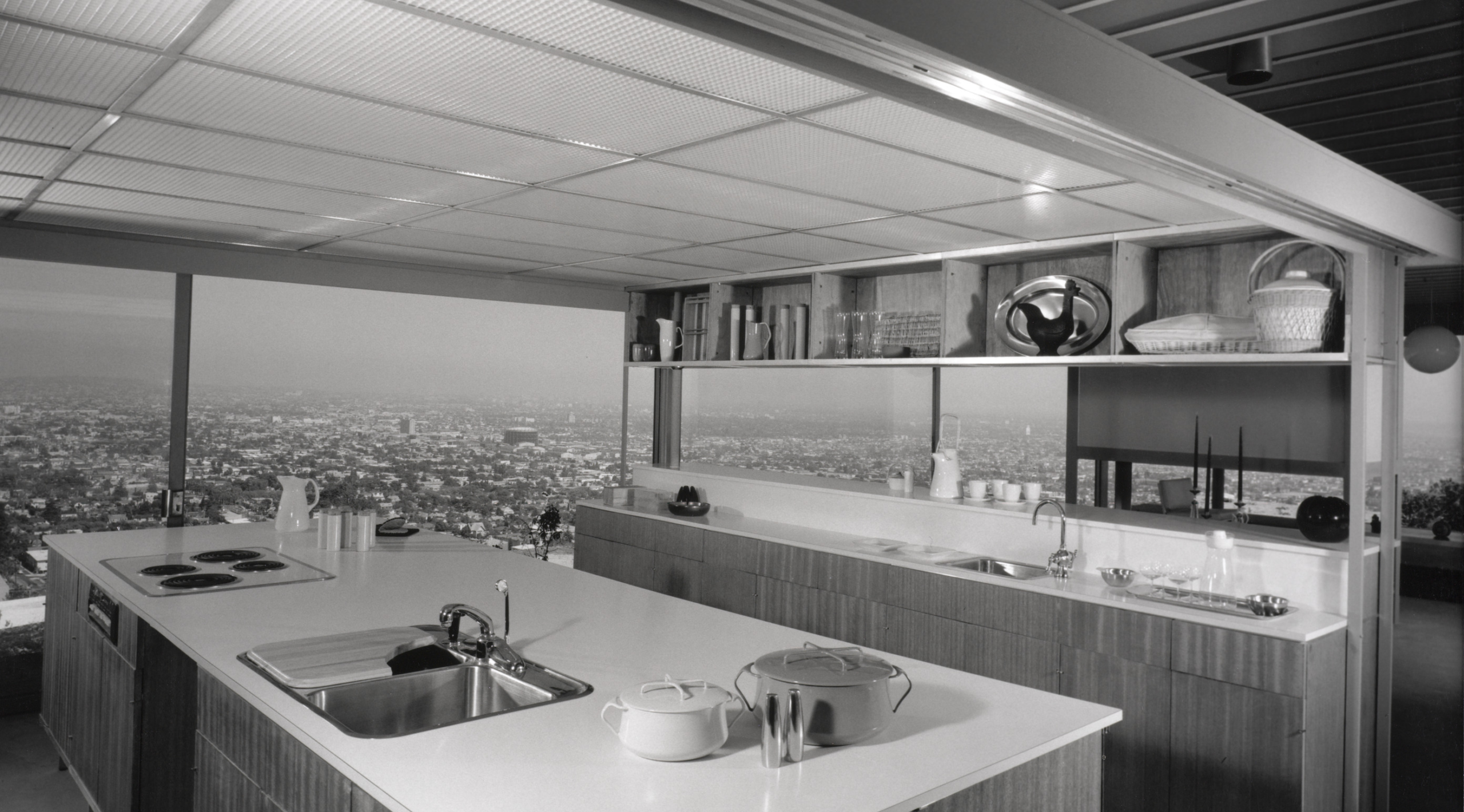
Nobody notices a clean floor or an emptied bin, which meant the work produced no visible evidence of itself.
That invisibility is the honest problem with all household labour and children encountered it here first. A job that is only noticeable when it has not been done receives no praise and attracts immediate complaint, which is a difficult thing to be motivated by.
It Was the First Thing Anybody Was Held Accountable For
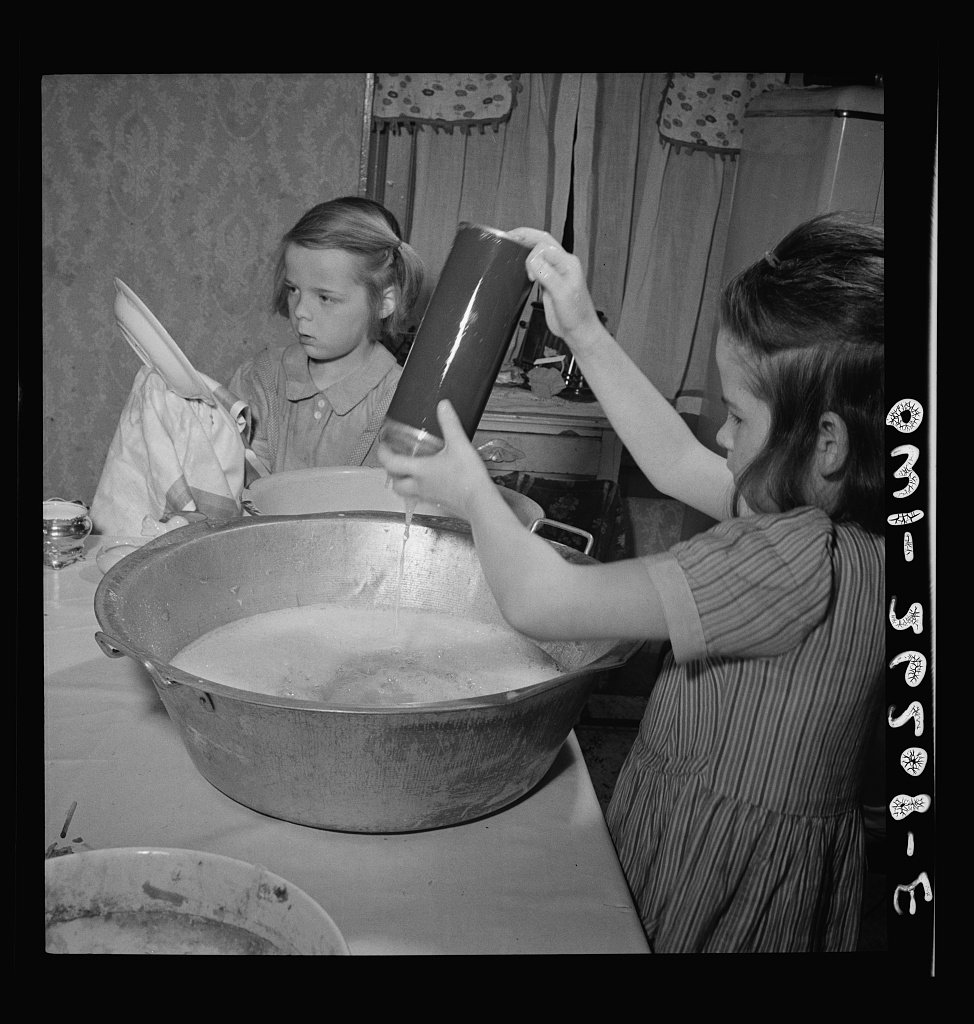
A child with a list had an obligation, a deadline, a quality standard and a consequence, which is the complete structure of a job.
Nobody described it as training and that is exactly what it was. A seven-year-old working through five items before being released has encountered scheduling, prioritisation, quality control and the cost of a shortcut, all before lunch.
Being Ill Was the Only Accepted Exemption
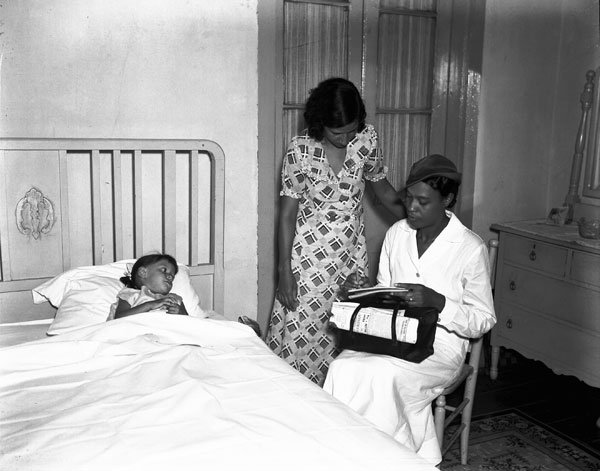
A child who was genuinely unwell was excused, and the tasks were absorbed by whoever else was available.
The absorption is the part that reveals how the household actually worked. A list that can be redistributed in thirty seconds is a list nobody depended on individually, and the ease with which somebody else picked up an item is the clearest sign that the whole arrangement was about participation rather than about the work getting done by any particular person.
The Lists Were Thrown Away and None of Them Survive

Written on whatever was to hand and discarded the same day, these documents existed in enormous numbers and almost none remain.
The loss is a small shame. A household’s Saturday list is a precise description of what a particular family’s week required, written by the person who knew, and the entire genre has vanished without anybody thinking to keep one.
Then the Week Filled Up and Saturday Stopped Being Available
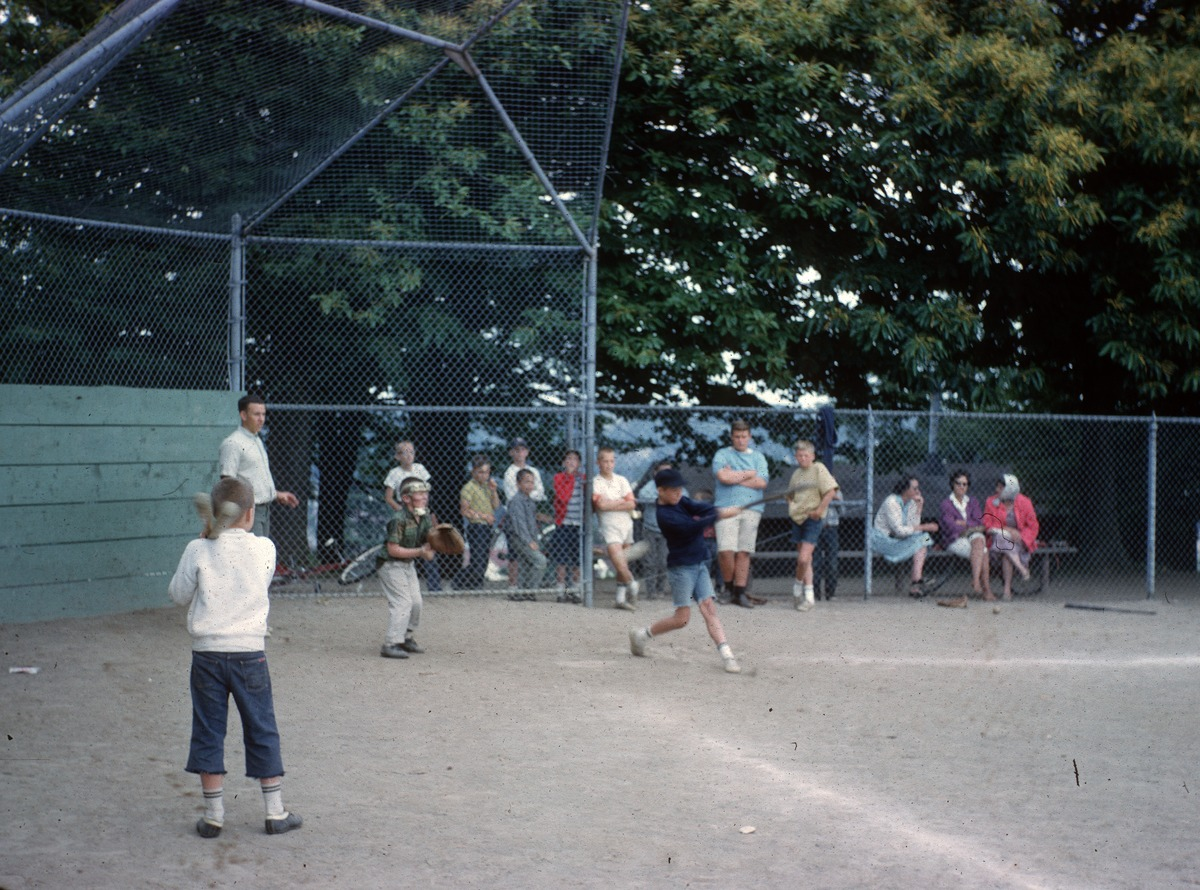
Organised activities, sport, lessons and commitments took the morning, and a block of unscheduled household labour had nowhere left to sit.
The displacement is the real cause. Nobody decided that children should stop doing chores; the hours those chores occupied were allocated to something else, and the list went with the hours.
And the Work Itself Got Smaller
Appliances, surfaces and materials reduced the quantity of household labour substantially, and what remained did not need five people.
Which is better in every respect and left nothing for the document to organise. What has gone is not children helping at home, which still happens. It is the particular arrangement: a list written on an envelope, finished in whatever order you chose, inspected by somebody, standing between a child and the rest of the day, with the whole of Saturday afternoon waiting on the other side of the last item.
Like our content? Follow us for more.