Here’s the thing: remote workers aren’t just drifting away from big cities, they’re abandoning them with purpose. After years of flocking to coastal hubs and trendy downtown neighborhoods, a growing wave of digital workers is heading back toward the quiet edges of the map. Places tucked into mountain valleys or perched along forested ridges are suddenly showing population upticks, rising home demand, and a noticeable shift in who’s moving in.
This isn’t a romantic cabin fantasy. It’s a practical reset. Rising rent, burnout, noise, and the constant squeeze of urban living have made mountain towns feel like a pressure release valve. Add in better internet, cheaper housing, and a growing desire for nature right outside the front door, and you get a relocation trend that doesn’t look like a fad, it looks like a correction.
The Cost-Benefit Shift: Space Wins Over Status
The pandemic taught people they could work without paying city-level prices for grocery stores, parking, or the privilege of sharing walls with neighbors they never meet. Today, affordability is a bigger driver than aspiration.
Many mountain towns still offer lower housing costs compared to large metros, especially in the Rockies, Appalachians, northern New England, and pockets of the Pacific Northwest. Even if prices have risen in popular hubs like Bozeman or Bend, they’re still attracting workers priced out of cities where rent consumes half a paycheck.
Remote workers are realizing something simple: a house with a yard, a trail nearby, and quiet nights is worth more than paying premium rent for a skyline view they’re too busy to enjoy. Space is becoming the new status symbol.
Burnout and the Search for Slower Rhythms
After years of nonstop digital demands, many workers feel fried. Cities amplify that, the commute noise, the traffic, the lack of breathing room. Mountain towns offer a counterweight: silence, dark skies, and the kind of routine that forces a slower pace.
People are choosing places where stress feels optional rather than built in. Hiking before work becomes normal. Midday sunlight feels accessible instead of theoretical. Even grocery trips turn into scenic drives instead of bumper-to-bumper dashes.
It’s not escapism, it’s self-preservation. Remote workers want days that feel lived, not endured.
Rural Broadband Finally Caught Up
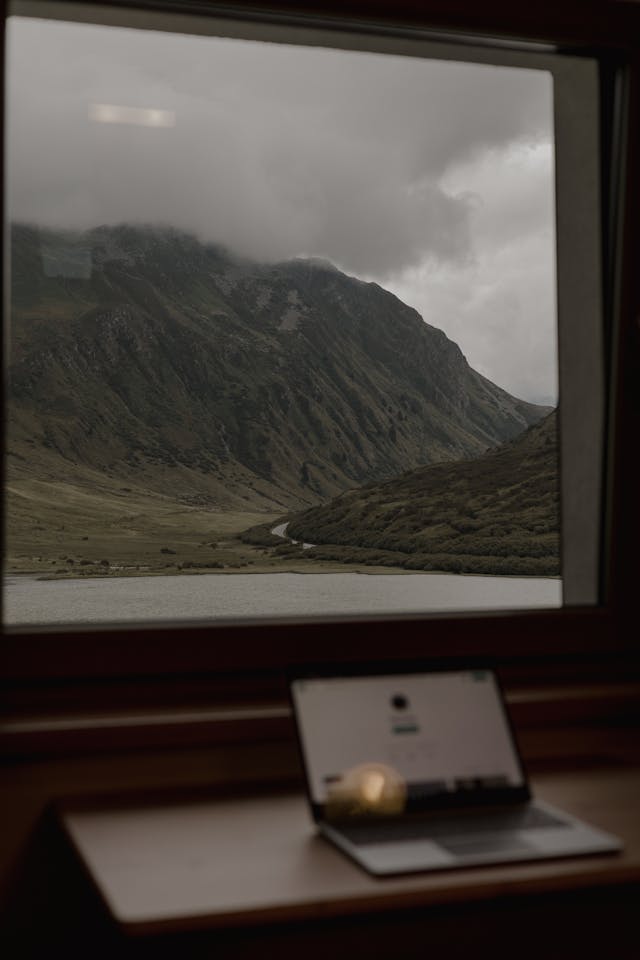
For years, the number one barrier to rural living was unreliable internet. That’s changing fast. Federal broadband projects, state-funded fiber expansions, and small local tech cooperatives have pulled high-speed internet into places that once struggled to load a basic webpage.
In parts of North Carolina, Idaho, Colorado, Montana, Vermont, and Tennessee, remote workers can now get service speeds that rival major cities, sometimes faster.
Reliable connection removes the biggest excuse people had for not moving. Now they can answer Zoom calls from a porch instead of a small apartment kitchen.
Outdoor Access Became a Non-Negotiable
Workers aren’t just moving toward mountains; they’re moving away from indoor-only lifestyles. After long stretches of remote work indoors, people want fresh air that doesn’t require a planned weekend escape.
Mountain towns offer immediate access to trails, rivers, lakes, and national forests. Instead of scheduling “nature time,” workers build it into their daily routine: a sunrise walk before Slack, a bike ride after meetings, or winter skiing as a normal weekend, not an annual trip.
The shift isn’t about recreation alone. It’s about choosing environments that reduce stress, encourage movement, and offer a sense of grounding that screens can’t replicate.
Community Size Matters Again
Cities offer opportunity, but they don’t always offer belonging. Many remote workers say they felt anonymous in urban environments where people rotate quickly and connections stay superficial.
Smaller mountain towns tend to have:
- Slower turnover
- Repeat faces instead of constant churn
- Easier social entry points (cafes, markets, co-ops)
- A sense of shared geography and shared responsibility
People aren’t necessarily looking for small-town gossip or mandatory potlucks. They want recognition, the barista who remembers their order, the neighbor who waves, the hiking buddy who becomes a friend without the networking hustle.
Climate Anxiety Is Influencing Relocation Decisions
This part is new. More people are quietly factoring climate threats into where they live: extreme heat, drought, air quality, sea-level rise, and wildfire smoke.
Not all mountain towns are immune (fire risk is real) but many are perceived as safer bets than sprawling coastal metros or high-heat southern cities. Cooler temperatures, natural water sources, and less concrete make higher elevations feel like a long-term investment in comfort and resilience.
Climate is no longer a background concern. It’s an active filter.
Small-Town Economies Are Catching Up
For decades, mountain towns lacked the basics remote workers want: coworking spaces, reliable cell service, decent cafes, fitness centers, and year-round services. That’s changing fast because local economies see the migration wave and are adjusting.
Many smaller towns now offer:
- Coworking hubs inside renovated historic buildings
- Small-business grants to attract freelancers
- Independent coffee shops with real Wi-Fi
- Breweries, farmer’s markets, and outdoor stores
- Micro-restaurants run by younger chefs priced out of cities
When lifestyle amenities rise to match the scenery, the combination becomes irresistible.
The Identity Shift: Remote Workers Want Meaning, Not Metrics
At the heart of this trend is a change in what people want from life. Remote workers aren’t chasing prestige addresses. They’re choosing places that match who they want to become rather than who they’re expected to be.
Mountain towns symbolize autonomy, the freedom to craft your own environment, routine, and pace. They offer a sense of control at a time when work feels unpredictable and digital demands feel endless.
Moving to the mountains isn’t a retreat from ambition. For many, it’s a move toward a better version of themselves.
Conclusion
The return to mountain living isn’t nostalgia. It’s strategy. Remote workers are recalibrating their lives around well-being, cost, freedom, nature, and community, things cities can’t always provide at a sustainable price.
As long as remote work remains common and digital exhaustion stays high, the quiet pull of mountain towns will only strengthen. These places offer something rare in modern life: the sense that daily living can feel good again.