


Classic American diners once held entire neighborhoods together with the clatter of plates, the scent of bottomless coffee, and owners who greeted every regular by name. These places still exist, but they are now struggling in the shadow of national brands that wield massive marketing budgets, undercut prices, and lock in leases near every profitable highway ramp. Chain menus follow travelers from state to state, quietly soaking up all the breakfast, lunch, and late-night traffic. What disappears is not just local revenue, but the slow, familiar rhythm that made diners feel like second homes.
McDonald’s: The Default Stop At Every Exit
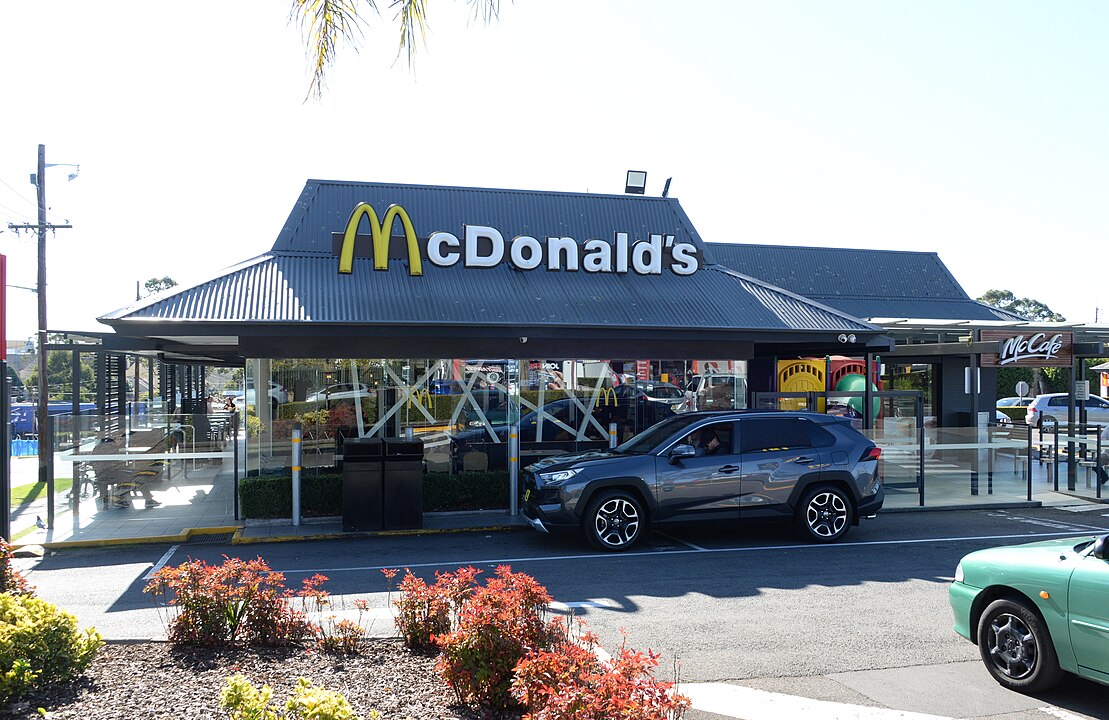
McDonald’s transformed the American road trip into a branded, predictable routine, often pulling drivers off the interstate before they ever saw a local neon sign. Cheap bundle meals, aggressive breakfast launches, and constant drive-thru efficiency made the Golden Arches feel like the safe, effortless option at nearly any hour. Small diners cannot match the scale of national advertising or the precision of Limited Time Only deals. Over years, that “easy choice” siphons away enough casual travelers and rushed families that a once reliable morning rush can shrink into a mere handful of local regulars.
Starbucks: Branded Coffee Instead Of Counter Refills
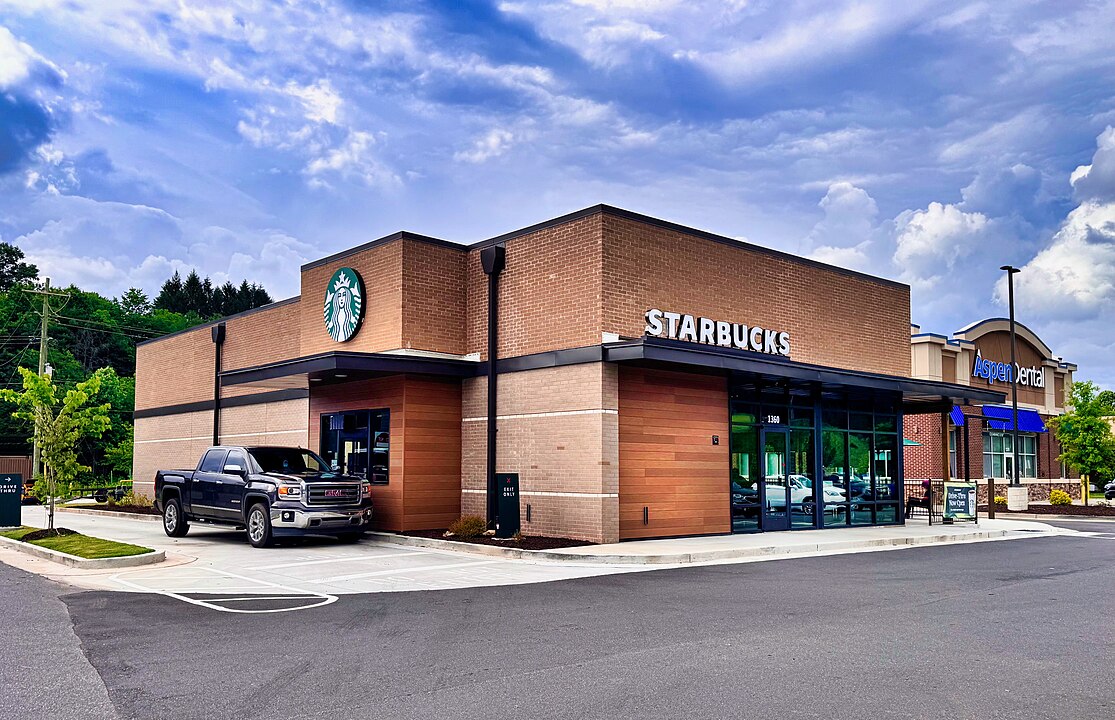
For decades, many diners survived on simple, generous coffee and slow counter conversation, trusting that refills and friendly service would carry the morning. Starbucks rewired that habit by offering specialty drinks, loyalty apps, and work-friendly seating that treats coffee as both fuel and a personalized status symbol. Commuters now grab lattes in logo cups instead of sliding onto cracked vinyl stools for a refill. That shift doesn’t announce itself loudly, but it slowly chips away at the most reliable part of a diner’s daily income that used to keep the lights on and the staff paid.
Dunkin’: Drive-Thru Breakfast Versus Corner Booths
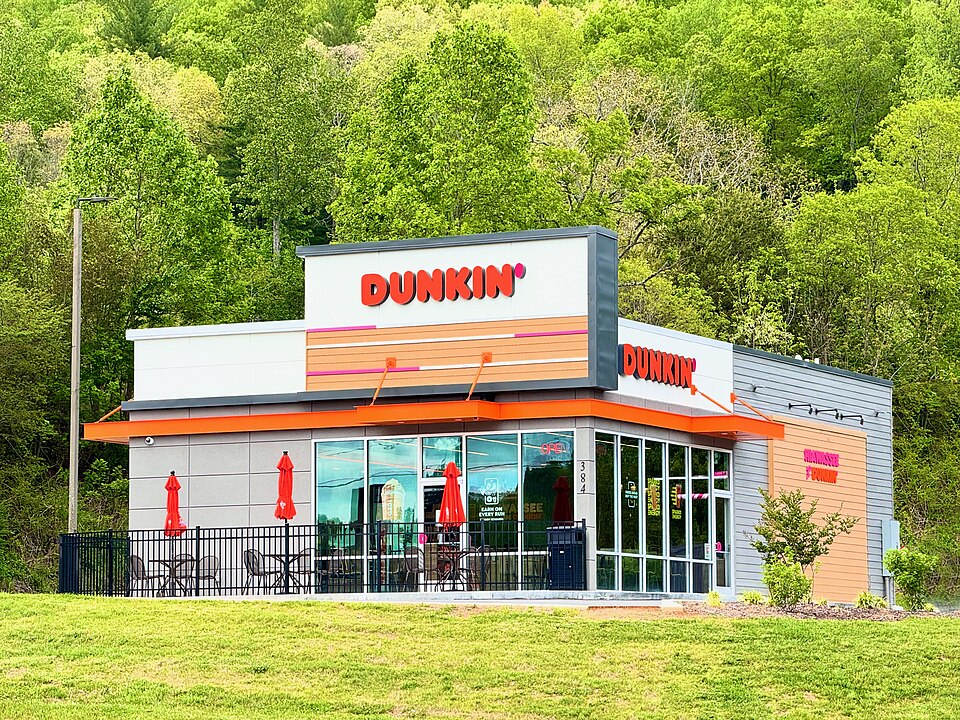
Dunkin’ perfected the ultimate fast breakfast stop using drive-thru windows, customizable coffee, and a tightly managed menu of portable sandwiches. In many critical regions, the brand now completely owns the early morning commute, catching workers long before they might glance at a diner sign. Independent counters rarely have the capital to build multiple drive-thru lanes or run rolling app promotions. When local customers start treating their coffee and a quick bite as simple errands instead of small rituals, diners lose both ticket size and the lingering conversations that once filled slow morning hours.
IHOP: Chain Pancakes Against Local Griddles
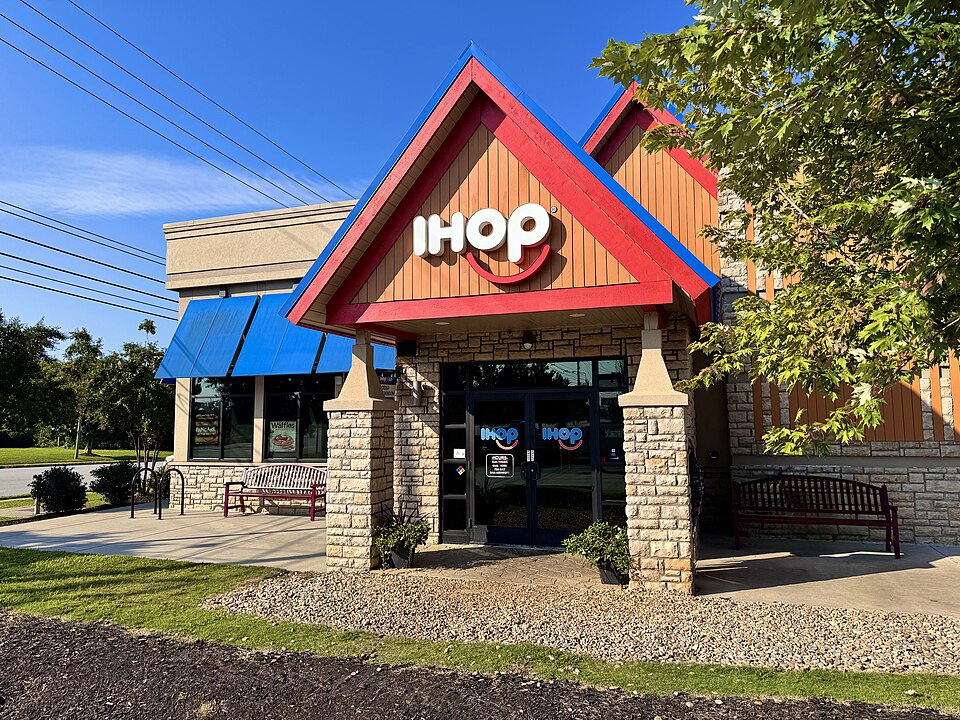
IHOP built an entire identity around all-day pancakes, endless syrup choices, and family-friendly lighting, then deliberately planted itself near the shopping centers where local diners used to draw crowds. Parents know exactly what a plate will look like before they sit down, and kids recognize the sign from national television ads. That brand comfort comes at a great cost to nearby griddle joints that cannot compete on national promotions or sheer visibility. Over time, the iconic blue roof becomes the default site for weekend birthday breakfasts and late-night cravings that once belonged to smaller, independent rooms.
Denny’s: Corporate Comfort At 2 a.m.
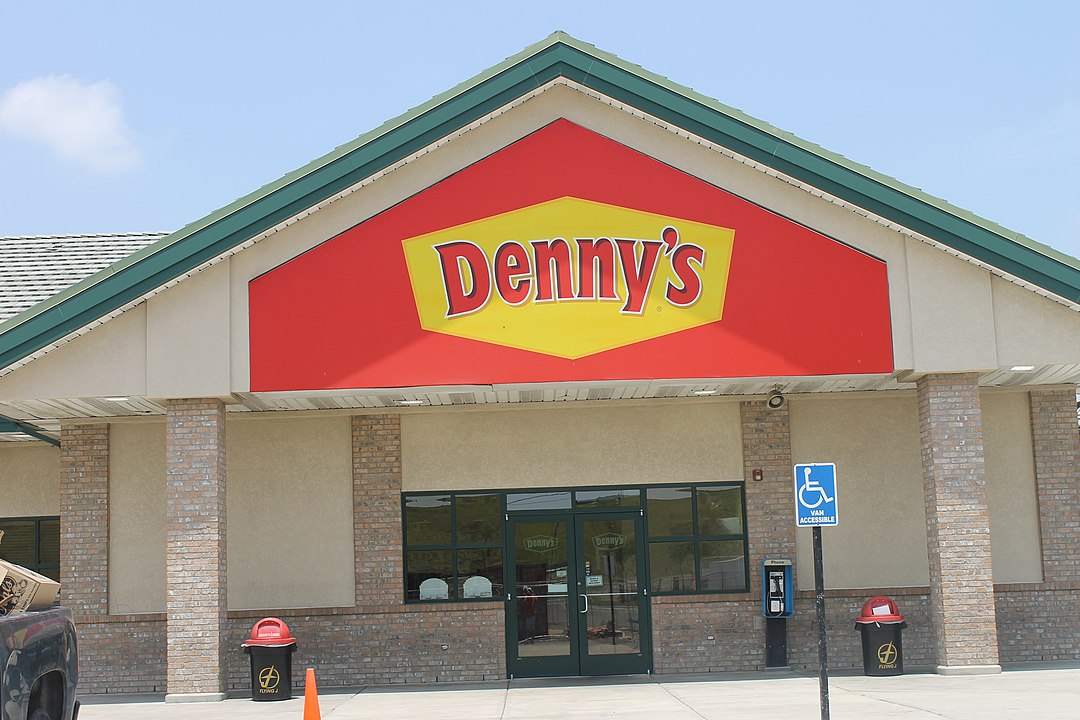
Denny’s completely captured the critical late-night and early-morning slot that independent diners once owned almost without competition. A driver leaving a shift or a student finishing a long study session now looks for that familiar yellow logo glowing predictably over the parking lot. Inside, the menu is predictable and the lighting is non-committal, which offers a powerful sense of reassurance to travelers who don’t know the area. For independent diners, staying open all night is a massive financial risk without that safety net of brand recognition. A slow week or two can quickly make the all-night math stop working entirely.
Cracker Barrel: Highway Homestyle That Skips The Local Grill
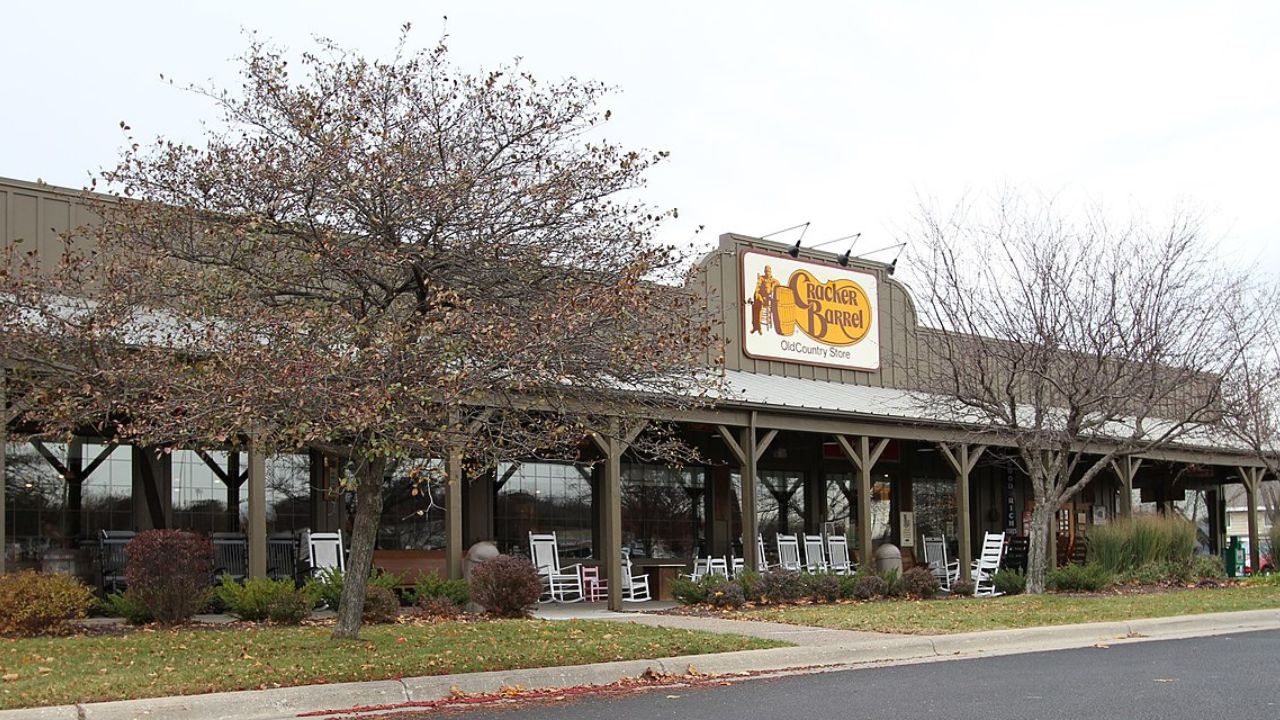
Cracker Barrel sells a carefully packaged, curated version of rural comfort, complete with rocking chairs and country store displays, positioning itself right off major interstates. Families on road trips step into a space that feels charmingly authentic and safe, then climb back into their car without ever needing to explore Main Street. The nearby local diner, with a shorter menu and fewer decorations, never gets a chance to introduce itself. When the bulk of a town’s visitor traffic is captured and contained at the highway exit, small local kitchens in the center slowly become economically invisible.
Panera Bread: Lunch Crowds Lost To Wi-Fi And Bread Bowls
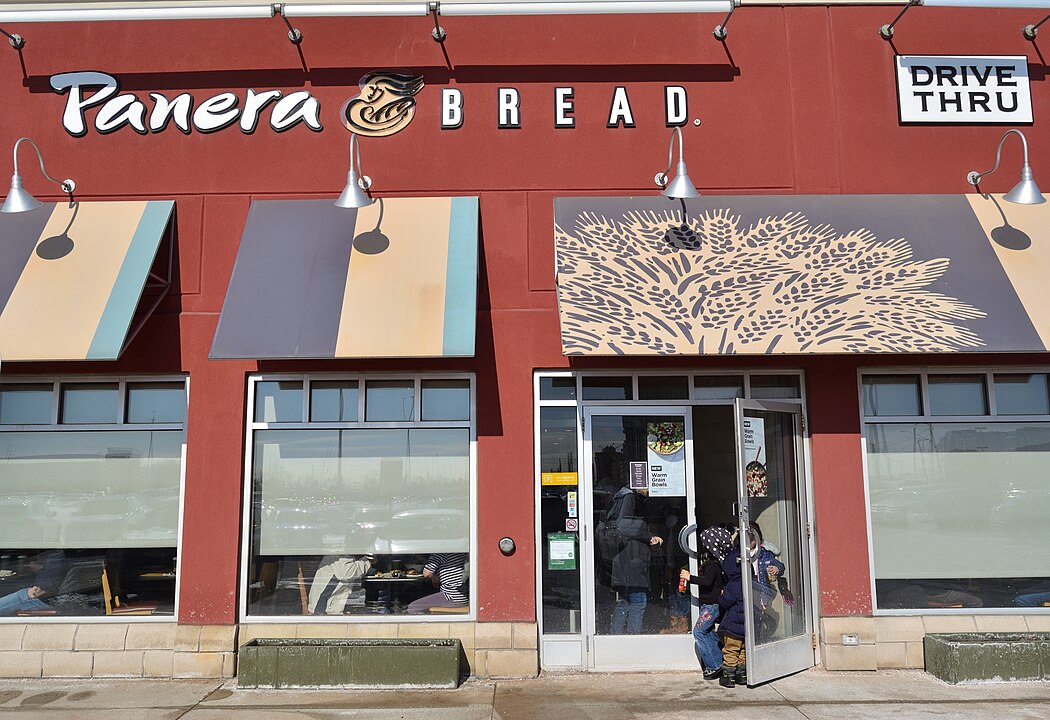
Panera successfully pulled away the daytime office and retiree regulars by branding itself as a comfortable place to work and meet, not just eat. Office workers and retirees can camp at tables with their laptops, sipping refills and nibbling soups that feel a bit more modern than traditional open-faced sandwiches and blue plate specials. Diners often cannot justify offering endless Wi-Fi or sprawling seating designed purely for lingering. As more midday conversations move to bright, branded bakery cafés, the classic local counter loses the reliable mix of regulars that once provided both consistent income and essential neighborhood atmosphere.
Chipotle: Fast-Casual Freshness Against Classic Plates
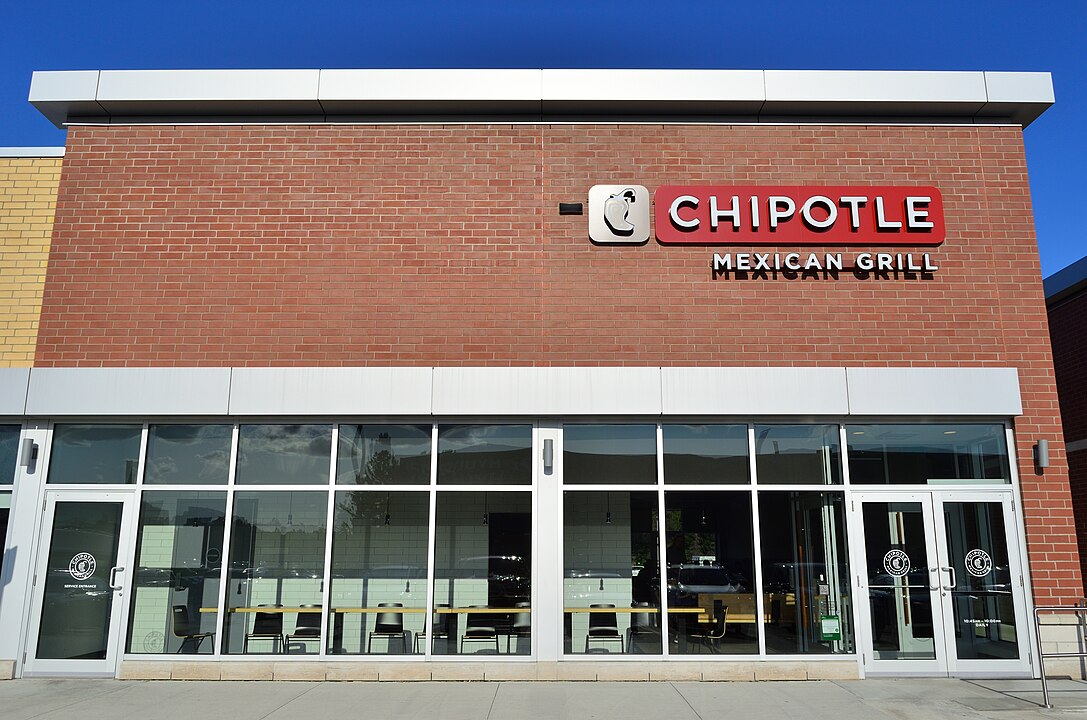
Chipotle and the rest of the fast-casual movement fundamentally changed what younger eaters define as ‘fresh’ and ‘quick.’ They taught a generation to prefer visible ingredients and assembly-line customization over laminated menus and chrome-edged counters. Burrito bowls and customized salads feel fresher than meatloaf or a turkey club, even if the nutritional difference is minimal. Diners that built their identity on classic, familiar recipes may struggle to pivot without alienating their older, loyal patrons. When a new generation thinks of quick comfort food as something scooped from a metal pan behind glass, the traditional short-order kitchen often ends up looking dated rather than dependable.
Applebee’s And Chili’s: Family Nights Pulled Out Of Town
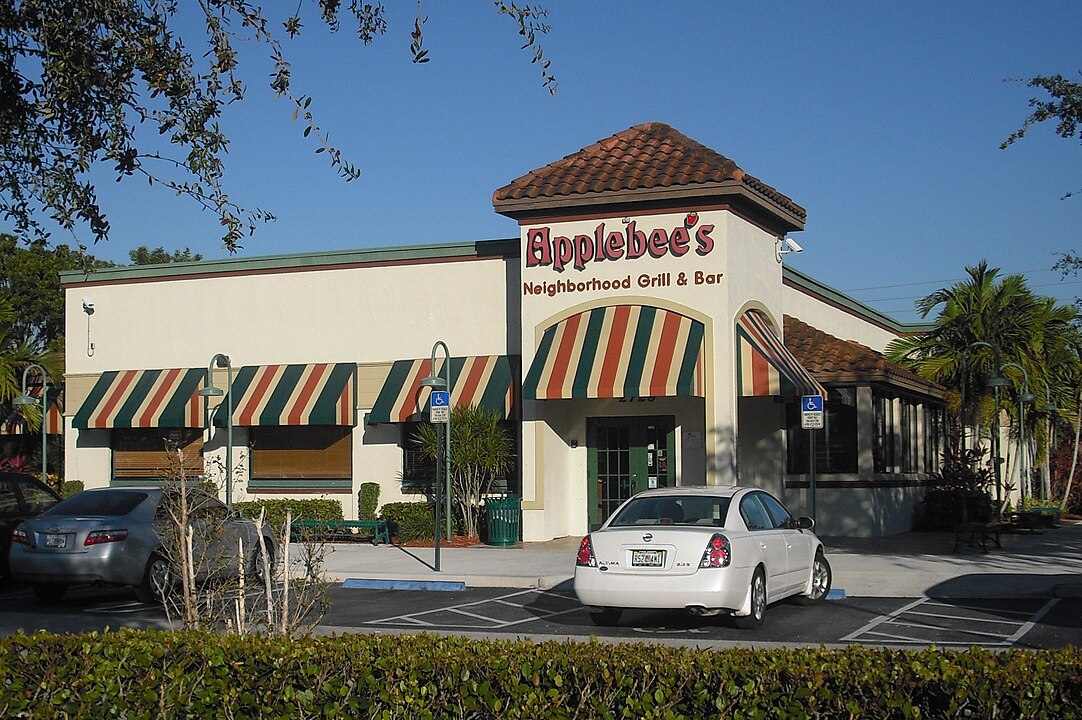
Applebee’s, Chili’s, and their peers transformed suburban plazas into the default, centralized celebration spots, complete with pre-packaged birthday desserts, televisions tuned to major games, and national drink specials. Families that once divided those celebratory nights between several smaller neighborhood diners now simply pile into one guaranteed corporate dining room. All the revenue and supply chain receipts stay inside a national system instead of circulating through local food suppliers and small owners. Over time, that centralization means fewer diner jobs, fewer chances for young cooks to learn on the line, and fewer spaces where staff know a family’s story without checking a screen.
Sonic And Other Drive-In Revival Brands
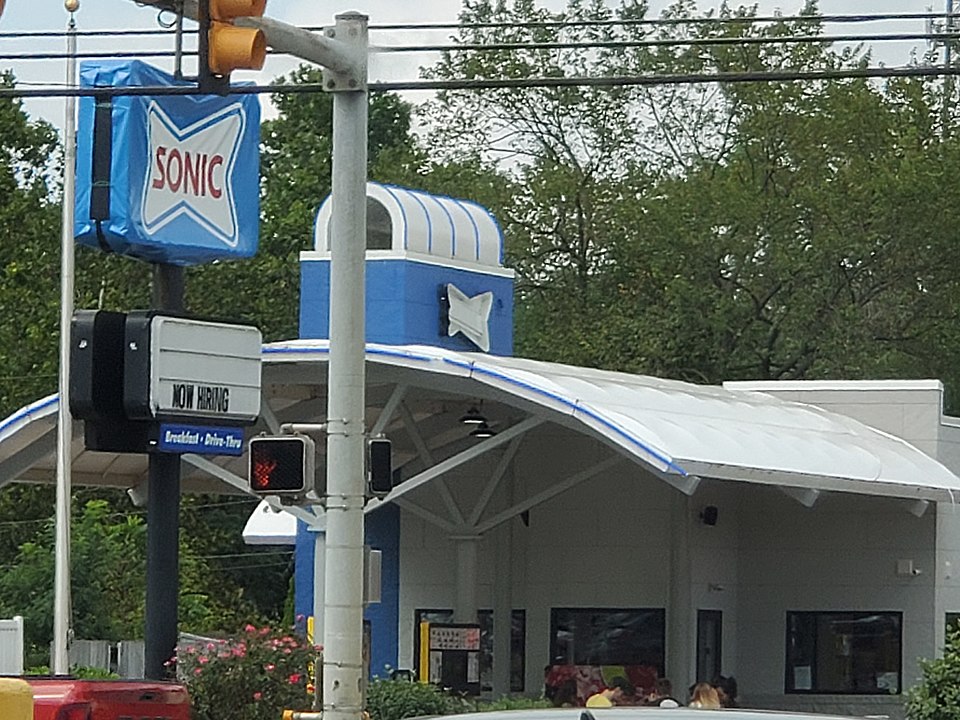
Chains like Sonic borrowed the nostalgic language of classic drive-ins and carhop service, then rolled it out with slick branding and architectural consistency. In towns where a true vintage drive-in once stood, the new arrival often feels like a brighter, easier version of the past. Younger customers are drawn to endless drink combinations and app deals instead of weathered signs and gravel lots. Real local drive-ins simply do not have the capital to renovate or advertise at that level. Many quietly shut down, leaving only parking lot memories and a handful of fading photos of a bygone era.
