In 1964 this was the one household job a child could do better than an adult, and both parties knew it. The ability to see clearly at a few inches declines steadily with age, which means a child of eight could reliably perform a task somebody of sixty could not – and almost nothing else in a household put a child in the position of having a capability an adult lacked. Here are fifteen things every kid remembers about threading a needle for someone in 1964, and why nobody asks now.
1. It Was the One Job a Child Could Do Better Than an Adult
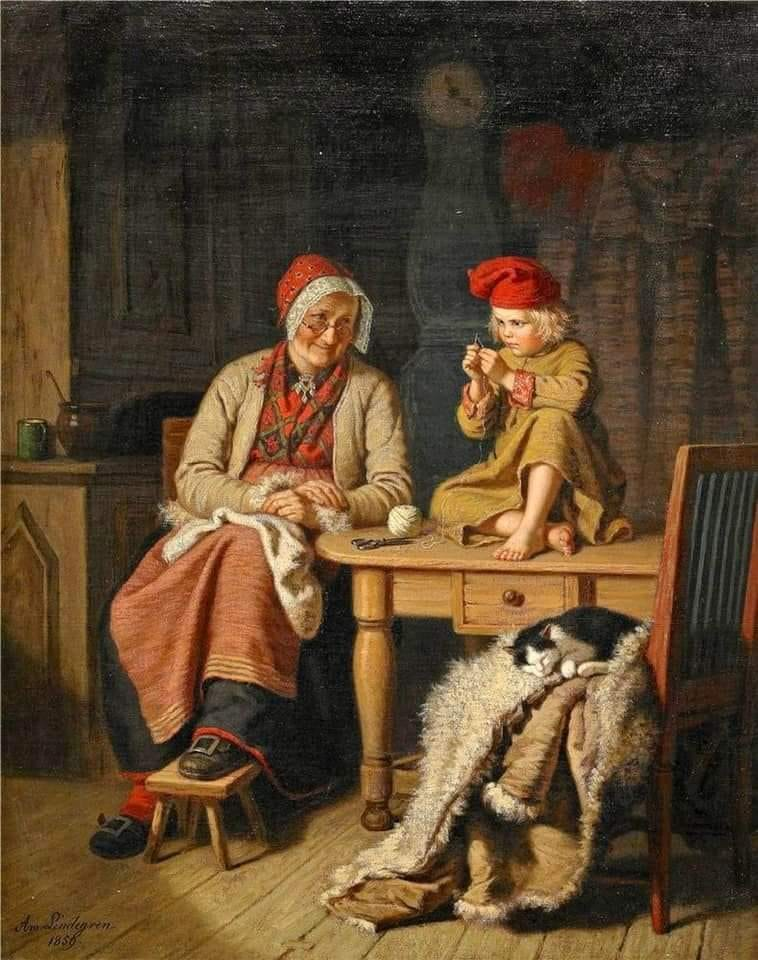
Threading a needle requires close focus at short range, which children have and older adults do not.
The advantage was entirely physical and entirely real. The ability to see clearly at a few inches declines steadily with age, which means a child of eight could reliably perform a task that somebody of sixty could not, and both parties knew it.
That inverted the usual arrangement completely. Almost nothing else in a household put a child in the position of having a capability an adult lacked, which is why being called over for this is remembered with such clarity.
Like our content? Follow us for more.
2. You Were Summoned Rather Than Asked
The request arrived as an instruction from another room, with no explanation and an expectation of immediate attendance.
The brevity reflected the task’s size. Nobody frames a request properly for something that takes four seconds, which meant the summons was abrupt and the child was expected to drop whatever they were doing.
Children came anyway and quickly. The job carried enough standing that it was answered willingly, which is not true of most things a child was called for in a household of that period.
There was also no way of practising. Nobody threaded a needle for fun, which meant every attempt a child made was a live one with somebody waiting, and the competence was built entirely out of real occasions spread across several years.
3. The Thread Had to Be Prepared Before Anything Else
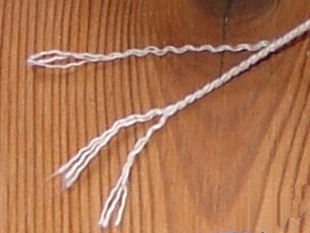
A cut end frays immediately, and an unprepared thread cannot be put through anything.
The preparation was the actual skill. The end has to be made into a single firm point rather than a splayed bundle, and children learned to do that by whatever method worked for them without anybody describing it.
Nobody taught the technique and everybody had one. The various methods for producing a usable end were arrived at independently, were slightly different in every household, and were never discussed by anybody.
4. Holding It Up to the Light Was the Standard Method
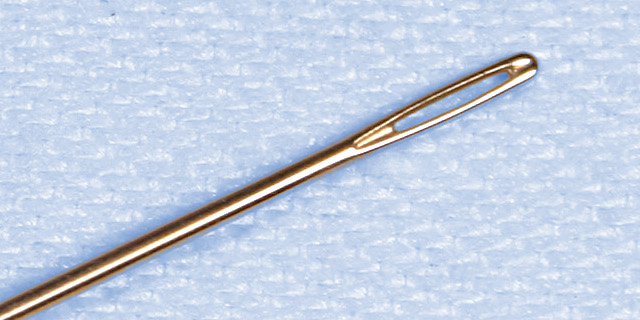
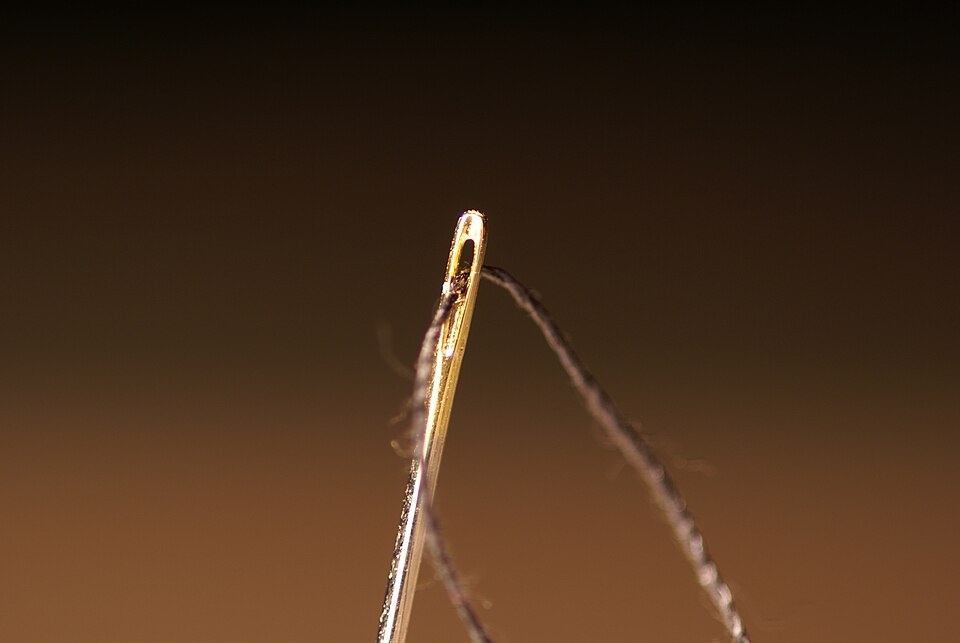
The eye of a needle is easier to find against a bright background, and every child worked that out or was shown it.
The principle is simple and effective. A dark aperture against a window or a lamp becomes visible in a way it is not against a hand or a lap, which turns an invisible target into a visible one.
It determined where the job happened. Children went to a window to do this, which means the whole task was performed standing in whichever part of a room had the best light, regardless of where anybody was sitting.
5. The Needle Was Always the Smallest One in the House

Whoever needed the thread had chosen the finest needle for the work, which made the eye as small as it could be.
The difficulty scaled inversely with the job. Fine work requires a fine needle and a fine needle has the smallest aperture, which means the hardest threading was required for exactly the tasks that mattered most.
Children were not consulted about the choice. The needle was selected by the person doing the sewing, handed over as a given, and the child’s opinion about whether a larger one might do was not sought.
The length cut also mattered and was not the child’s decision. Too long a thread tangles and too short a one runs out immediately, and whoever was sewing had already cut it before the child arrived, which meant an awkward length had to be dealt with rather than corrected.
6. Getting It Wrong Meant Starting the Whole Thing Again
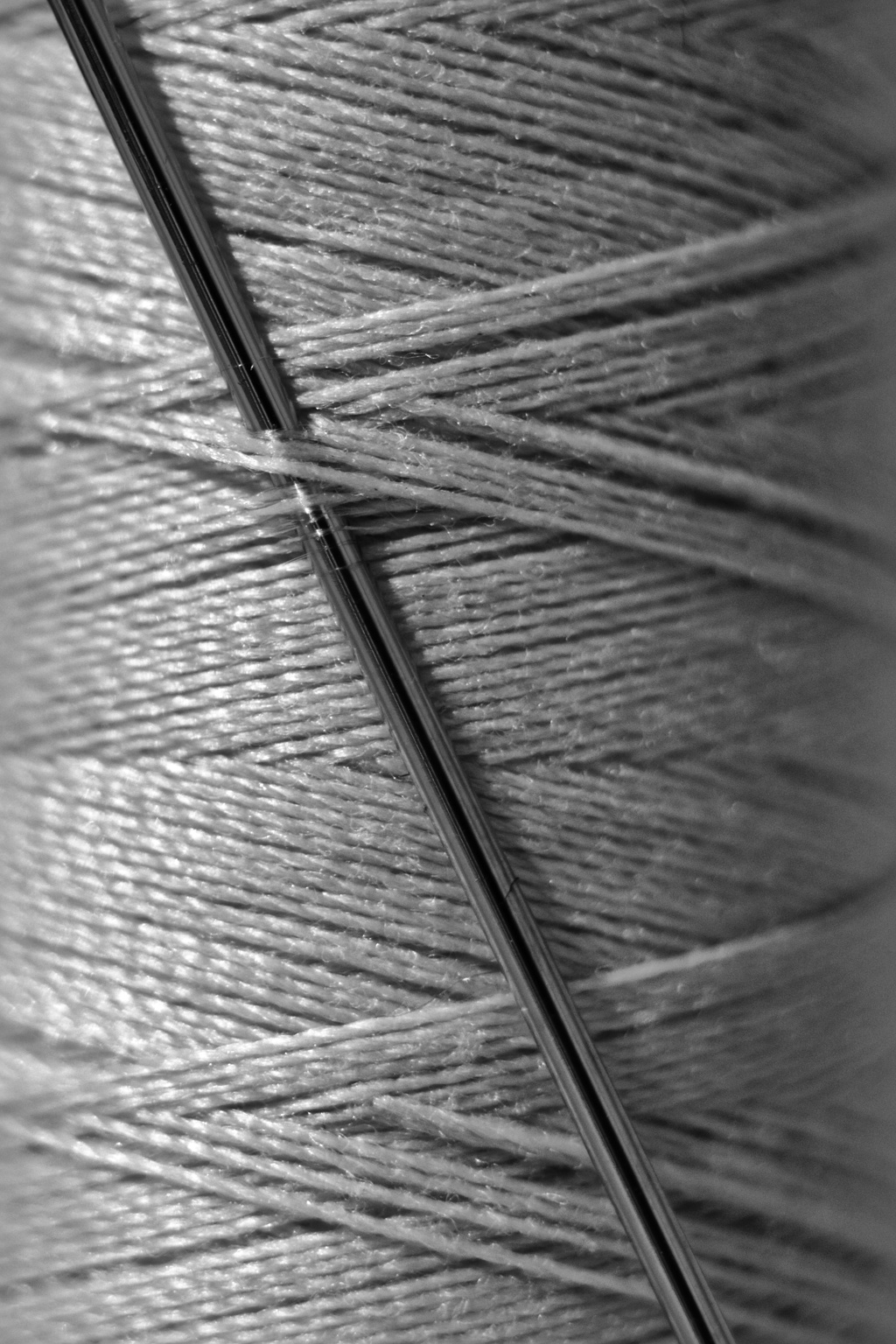
A thread that went halfway and buckled had to be withdrawn, re-prepared and attempted from the beginning.
The failure mode was consistent. A soft end meets resistance at the aperture and folds rather than passing, which means the only remedy is to go back to the preparation step and produce a better point.
Three attempts were normal. The job is remembered as instantaneous and was frequently nothing of the kind, with a run of failures occurring in front of somebody waiting for it.
7. The Person Waiting Made It Harder
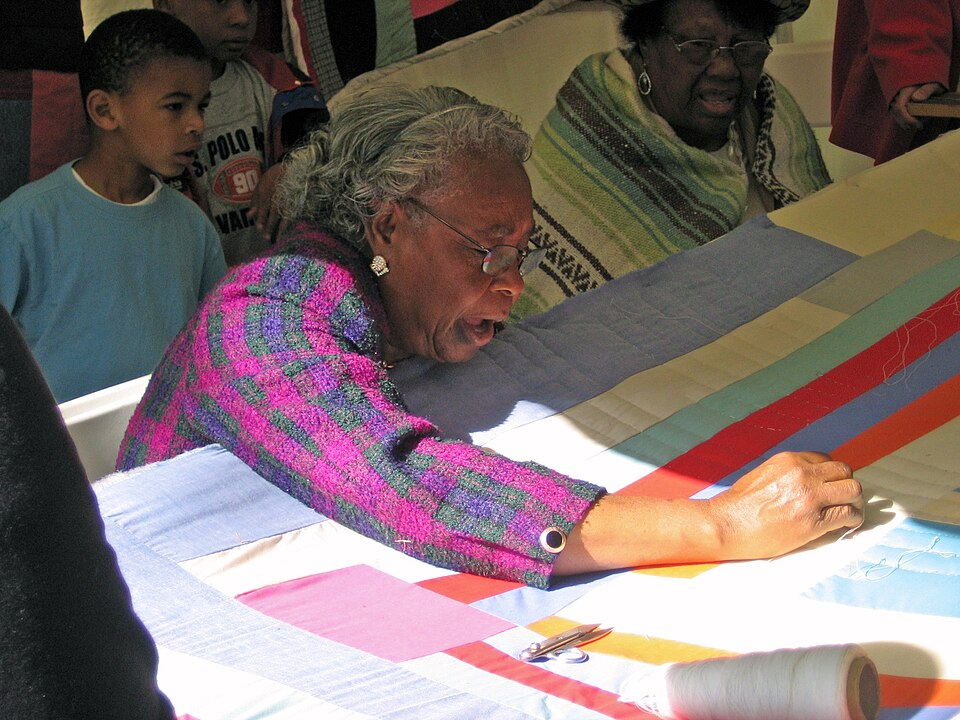
Somebody watching at close range, with work in their lap, measurably reduced a child’s success rate.
The effect was real and nobody acknowledged it. Fine manipulation under observation is harder than the same manipulation unobserved, which meant the audience of one was actively working against the outcome.
Advice was offered and was useless. The standard interventions – hold it steadier, try again, bring it closer – addressed nothing, and children learned to ignore them and continue.
8. Pulling It Through Far Enough Was a Separate Step
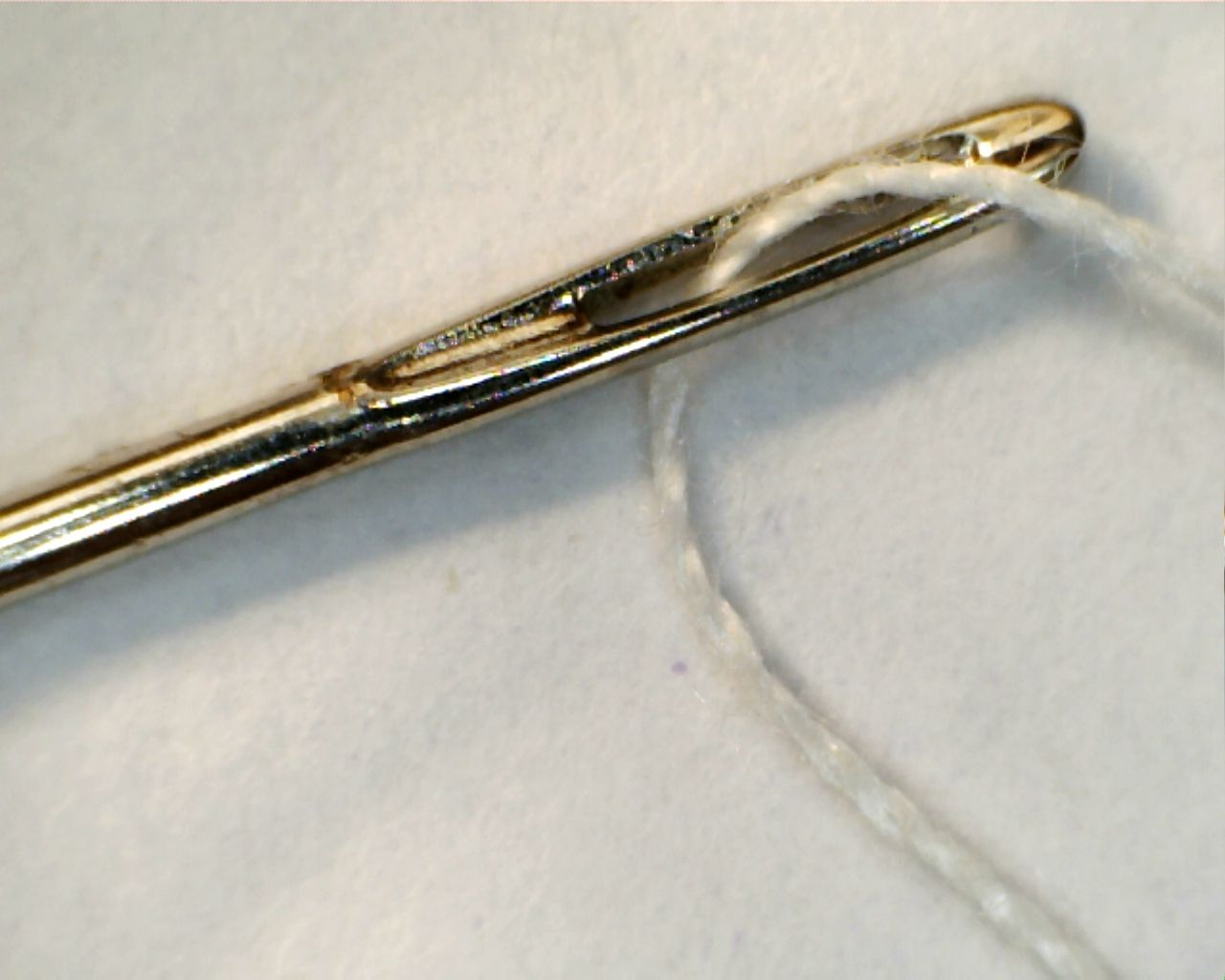
A thread that had gone through the eye could still slip back out, and the length pulled determined whether the job held.
The margin was the whole issue. Too little and the thread withdraws at the first stitch, which means the child had to take it well past the aperture before handing anything over.
Nobody explained this either. The child who had worked it out produced a needle that stayed threaded, and the child who had not was called back within a minute to do the whole thing again.
Doing several at once was the obvious improvement and almost nobody did it. A child who threaded three needles in one visit would have saved themselves two later summonses, and the idea appears to have occurred to very few households in an entire decade.
9. Handing It Over Was the Delicate Part
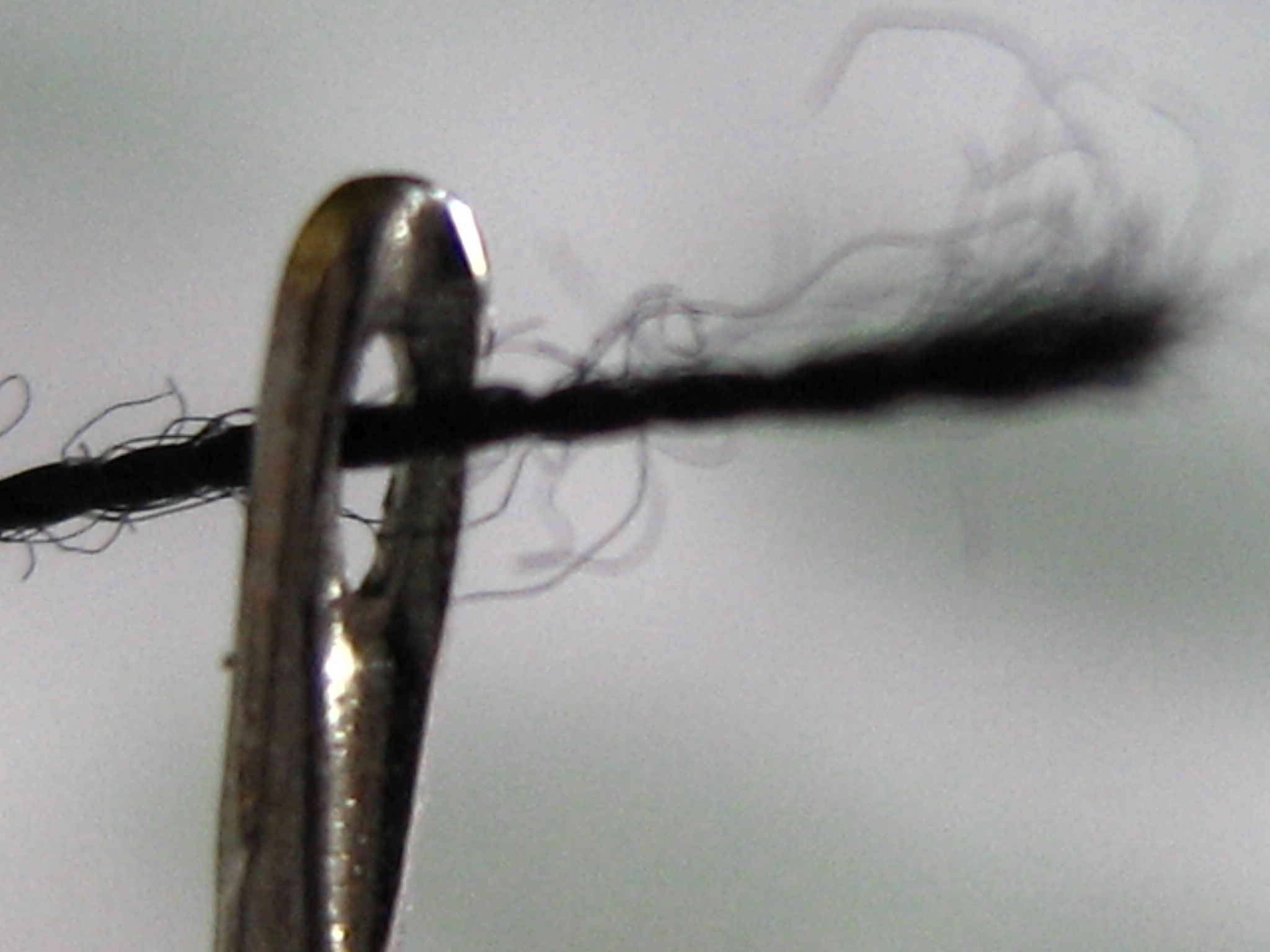
A threaded needle passed between two people can lose the thread in transit, which undoes the entire exercise.
The transfer was the one point of genuine cooperation. Both parties had to hold it correctly at the same time, which required a brief and specific coordination that neither of them ever discussed.
Everybody got it wrong occasionally. A needle dropped or unthreaded at the moment of handover produced a short silence and an immediate restart, and nobody was ever blamed for it.
10. You Were Called Back Repeatedly Through One Afternoon
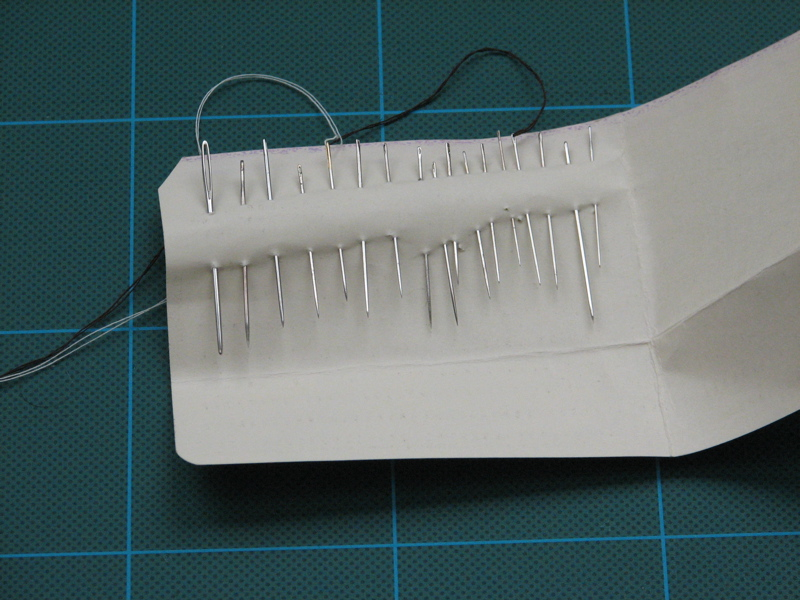
A single sewing session required threading several times, which meant the child was summoned over and over.
The frequency surprised children. A length of thread is used up considerably faster than anybody expects, and a long job meant a dozen separate interruptions spread across two hours.
That is why it was resented slightly. The first summons was a distinction and the sixth was an imposition, and the shift in how it felt happened within a single afternoon.
11. It Was Almost Always the Same Adult
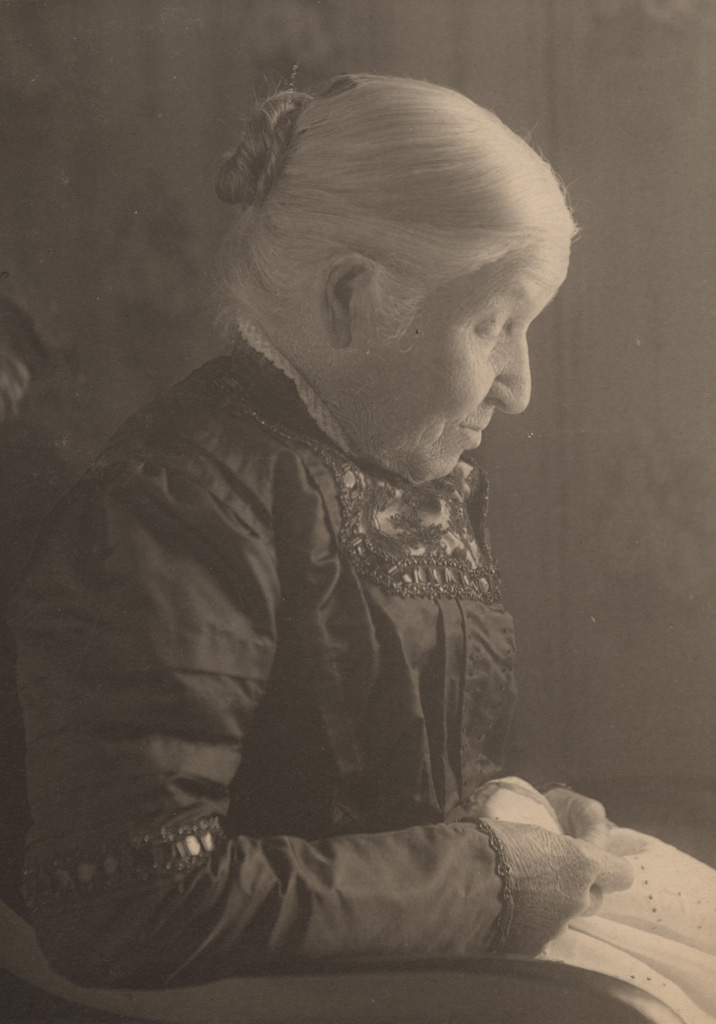
The person who needed this done was the household member whose eyes had changed, and it was the same person every time.
The pattern was a function of age rather than of anything else. Whoever in the household was oldest and still sewing was the person who could no longer thread, and the arrangement persisted for years with the same two people in the same roles.
The relationship was built partly out of this. A child and an older relative who had a recurring four-second transaction that only the child could complete had something between them that neither of them would have described as anything at all.
The remark was also always about the eyes rather than about the child. Whatever was said credited a physical capacity rather than any effort or skill, which children registered without being able to say why it felt slightly unsatisfying.
12. Nobody Ever Said Thank You and Everybody Said Something
The job produced no formal thanks and a reliable short remark, which children registered precisely.
The remark was the payment. A brief acknowledgement of the child’s eyes, their speed or their usefulness was issued most times, and it was the nearest thing to praise available in a great many households.
It is remembered word for word. A surprising number of people can quote exactly what was said to them after threading a needle in 1964, which says something about how rarely anything was said at all.
13. Doing It for Somebody Else’s Grandmother Was a Known Service
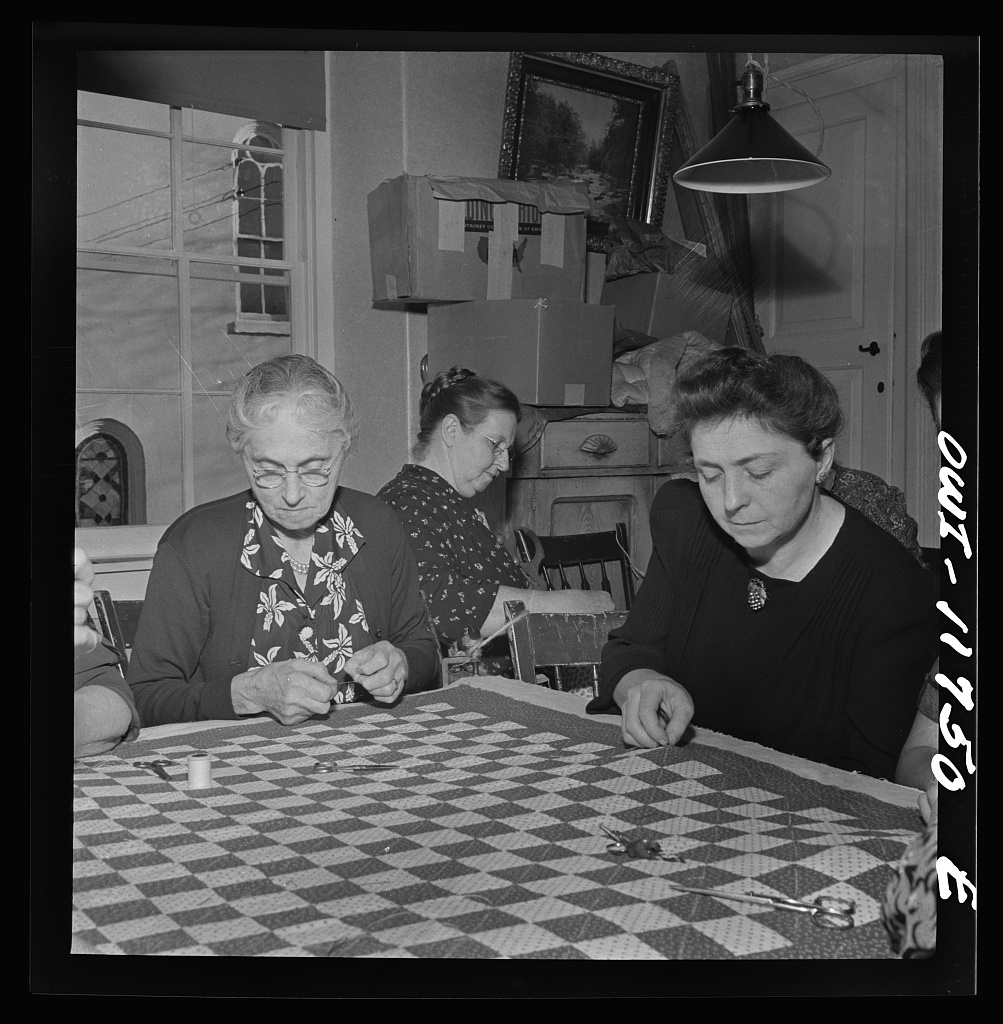
Children were occasionally asked by neighbours or visiting relatives, and the request carried further than the household.
The reputation travelled. An adult who knew that a particular child could do this mentioned it to another adult, and children acquired a small local standing based entirely on their eyesight.
It was never refused. A child asked to thread a needle by an unfamiliar older person did it, and the transaction was over before either of them had established anything else about each other.
Being asked outside the household also had a particular awkwardness. A child handed a needle by somebody they barely knew had to perform under observation for a stranger, with no idea whether the usual remark was coming, and it generally was.
14. The Skill Became Useless Without Anybody Noticing

A child who could do this at eight could no longer do it easily at forty, and the change arrived without any announcement.
The decline is the same one that created the job in the first place. Close focus deteriorates with age in everybody, which means the child who had been summoned for this eventually became the person who needed somebody summoned.
A great many people describe that realisation precisely. The moment of discovering that you have become the adult holding the needle out is reported as one of the clearer markers of getting older.
15. Then Nobody Needed It Threaded by Hand
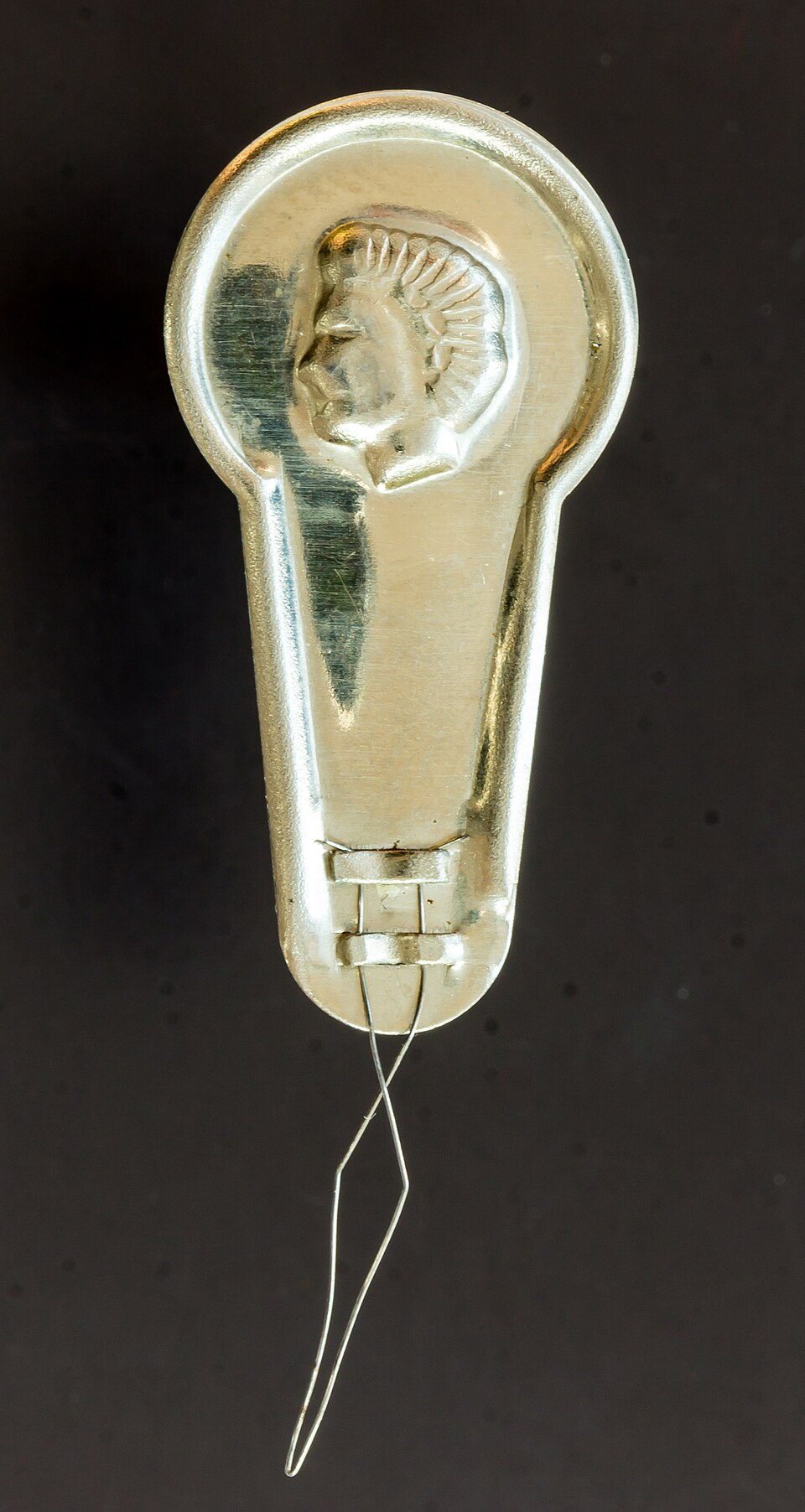
Threaders, better lighting, ready-threaded supplies, far less household sewing and bought clothing that nobody mends removed both the task and the occasion.
Most of that is straightforward progress. Household mending at the scale of that period reflected necessity rather than preference, and nothing here is an argument for its return.
What went with it is one inverted capability. A child called in from another room, performing in four seconds something an adult could not do at all, at a window because that was where the light was, with the same person, several times an afternoon, for a remark they can still quote sixty years later.
The One Job That Ran the Other Way
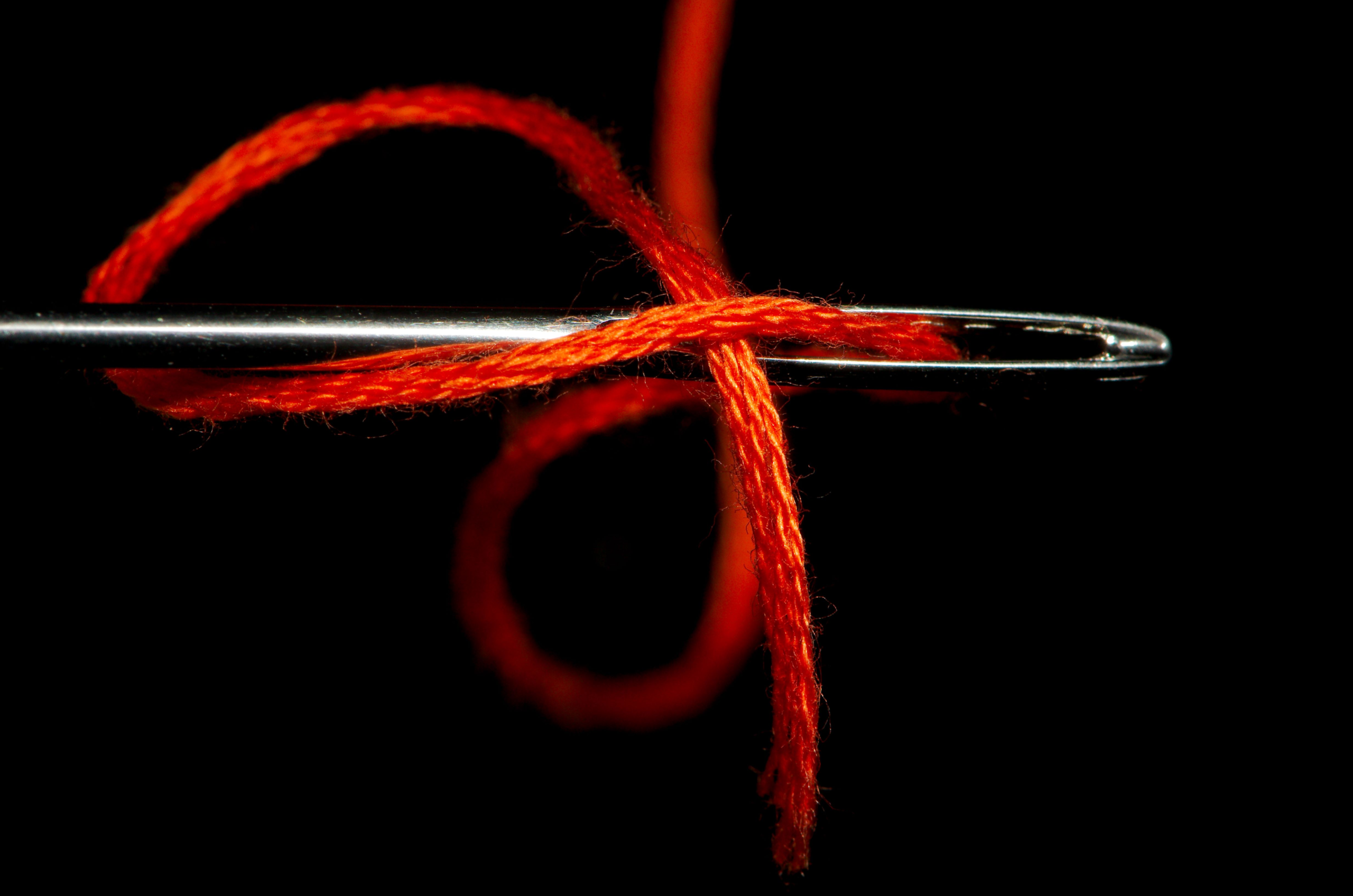
Read in order, the fifteen describe a transaction built entirely on one physical fact: close focus deteriorates with age. That produced the inversion, the summons from another room, and the fact that it was almost always the same adult – whoever in the household was oldest and still sewing was the person who could no longer thread, which kept the same two people in the same roles for years.
Three parts of it were harder than the memory allows. The thread had to be prepared first, because a cut end frays and a soft end folds at the aperture rather than passing – and the methods for producing a usable point were arrived at independently, differed between households and were never discussed by anybody. The needle was always the finest one in the house, because fine work requires a fine needle and a fine needle has the smallest eye, so the hardest threading was demanded for exactly the jobs that mattered most. And the person waiting measurably reduced the success rate, because fine manipulation under observation is harder than the same manipulation unobserved – with advice offered that addressed nothing.
What makes it worth a slideshow is the remark at the end. The job produced no formal thanks and a reliable short acknowledgement of the child’s eyes or speed, which was the nearest thing to praise available in a great many households – and a surprising number of people can still quote theirs word for word, which says something about how rarely anything was said at all.
Most of the change is straightforward progress. Household mending at the scale of that period reflected necessity rather than preference, and nothing above is an argument for its return.
The part people report most often is the ending nobody announces. The same decline that created the job eventually catches the child: a great many describe the exact moment of discovering they had become the adult holding the needle out, and name it as one of the clearer markers of getting older.
Like our content? Follow us for more.