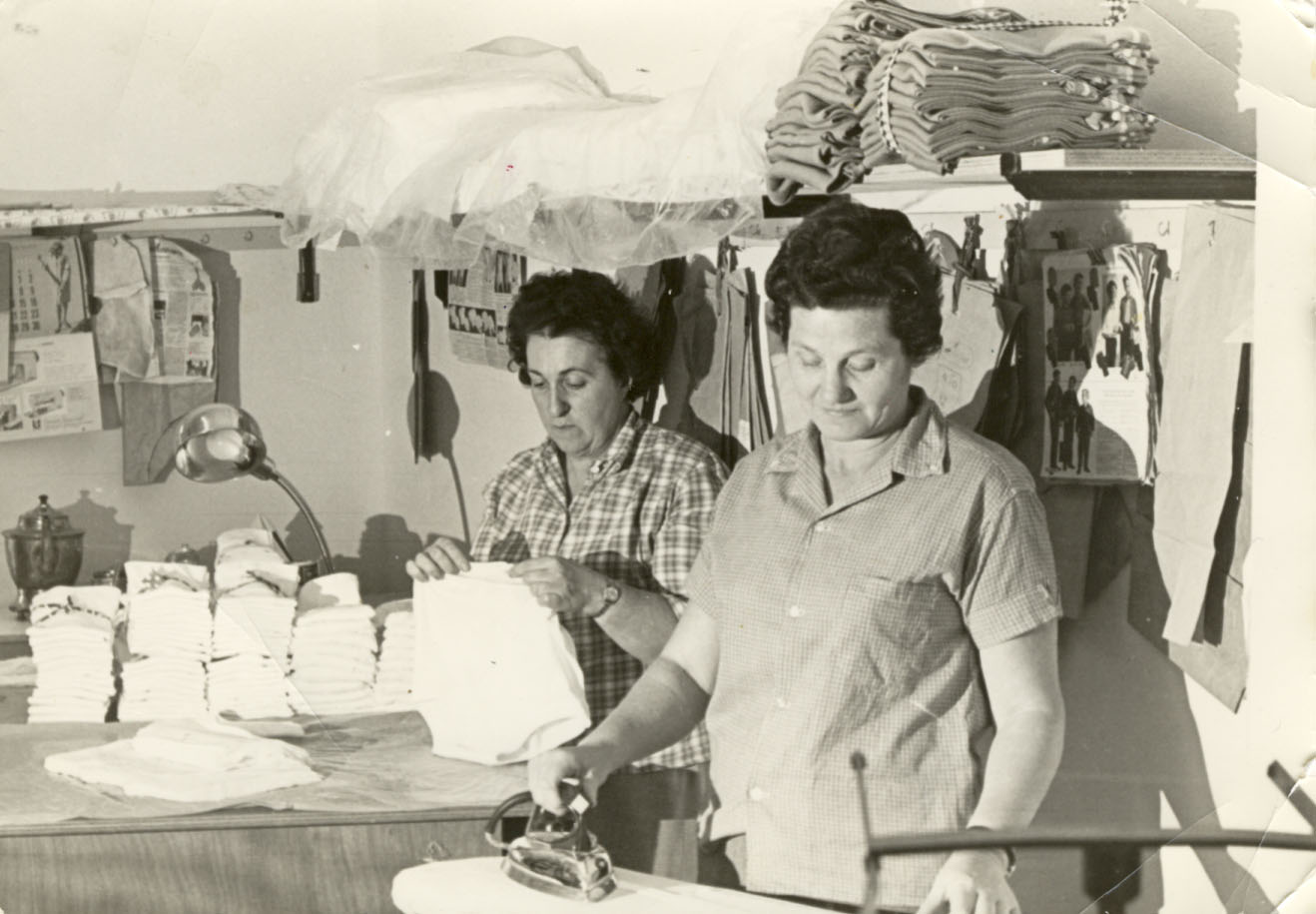
In 1964 a great many children did not choose what they wore, and they did not find out what they were wearing until they woke up and looked at the chair. The clothes had been put out the night before by somebody else, and the decision had already been made.
It Was About the Morning Rather Than the Clothes
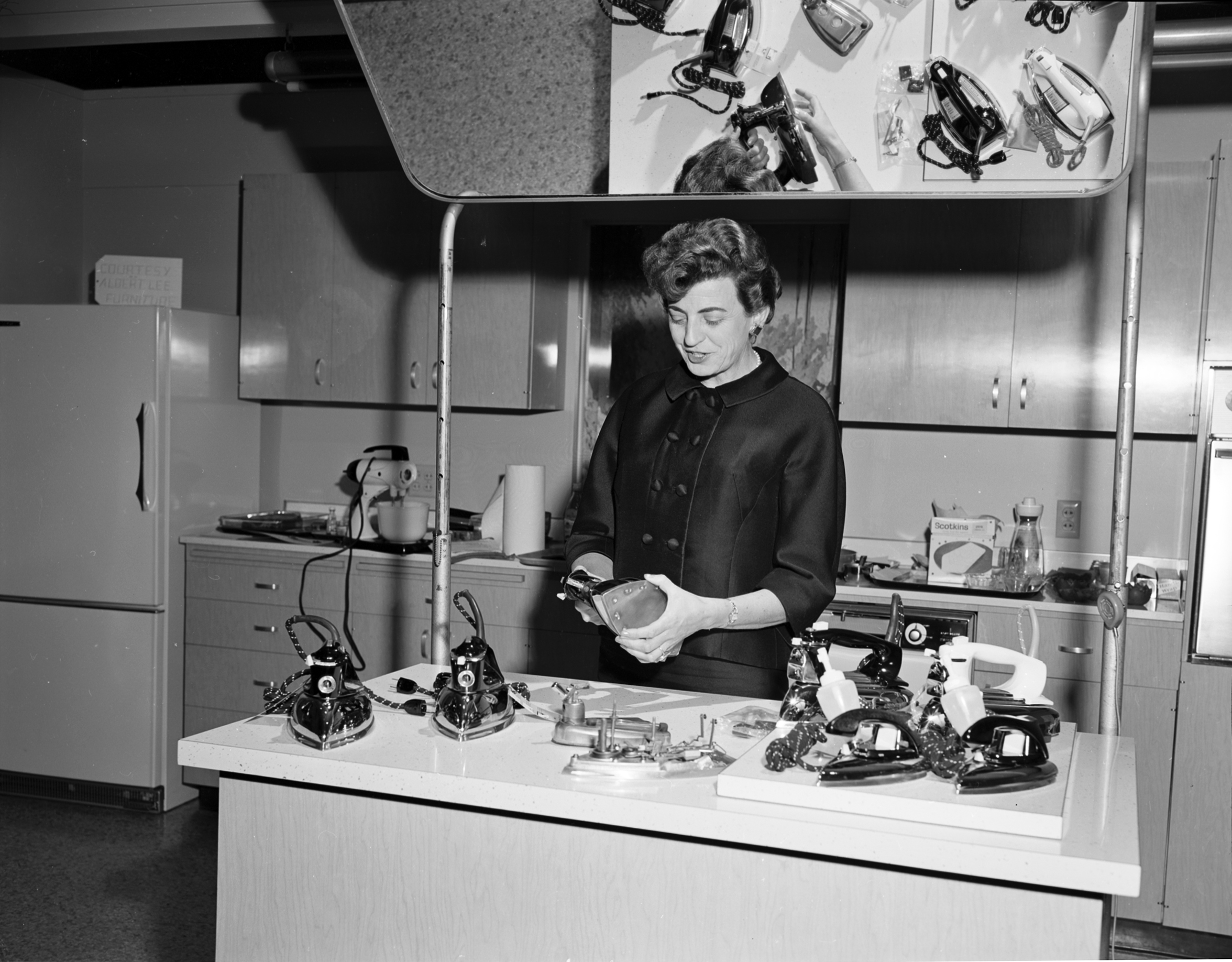
The practice existed to solve a scheduling problem. A household getting several people out of a door in thirty minutes cannot absorb a discussion about what anybody is wearing, so the discussion was moved to the previous evening and conducted without the child present.
That is the whole logic of it. Nothing about the arrangement was concerned with the garments; it was concerned with the twelve minutes it saved between seven and half past.
Like our content? Follow us for more.
The Chair Was the Standard Location
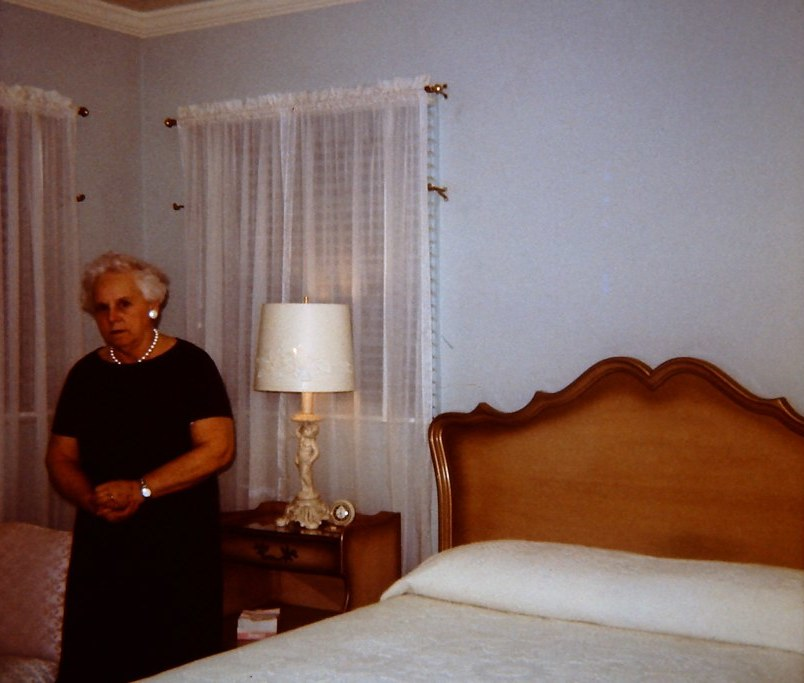
Almost every household used a chair, the end of a bed or a specific spot on a piece of furniture, and it was the same place every night for years. Children woke up and looked at it before they did anything else, which is a habit several of them kept long after the practice stopped.
Finding Out What the Day Was
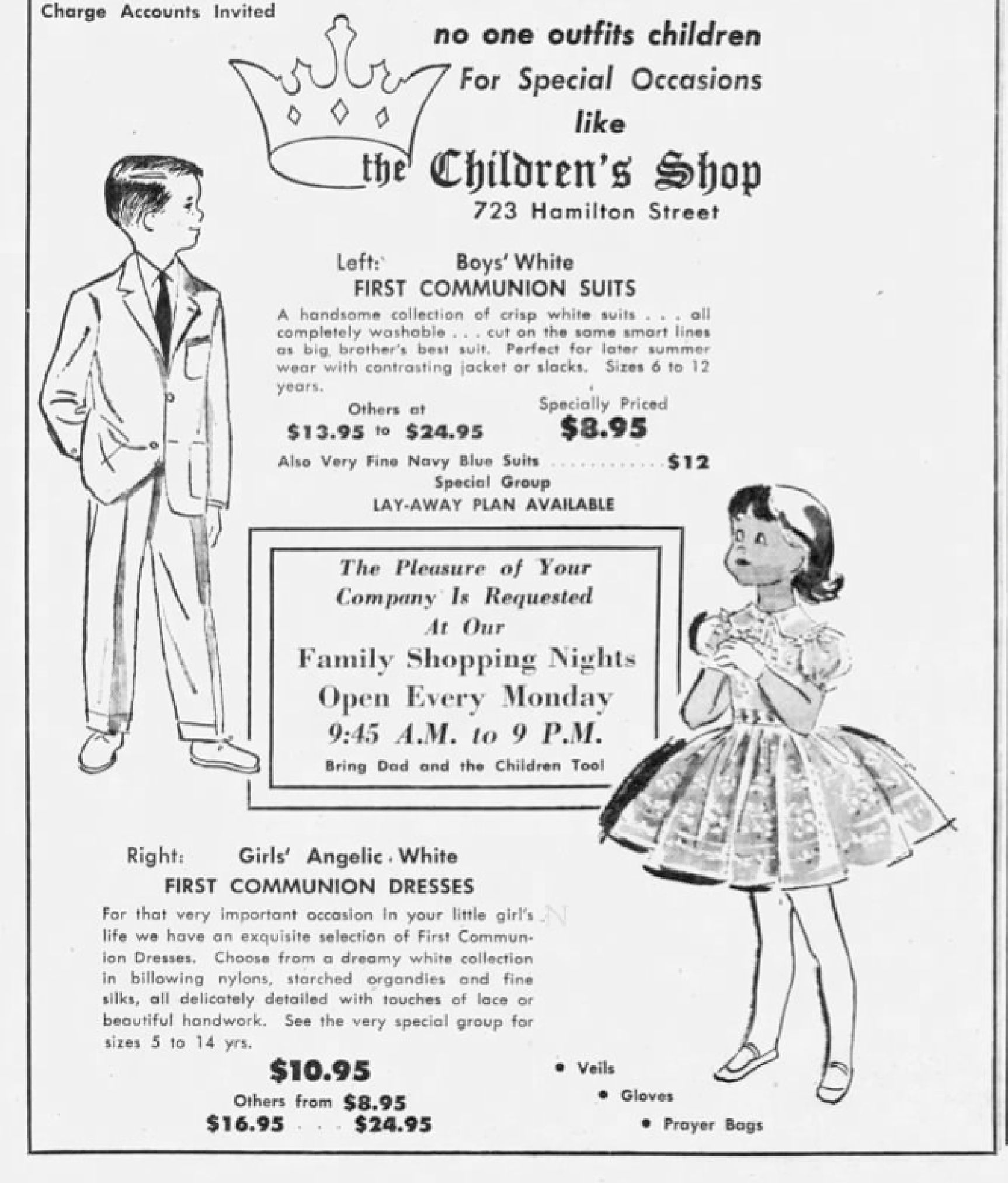
The clothes told you the day before anybody said anything. Something formal meant an occasion, something old meant you were going somewhere messy, and the ordinary set meant an ordinary day, which made the chair the household’s primary information source first thing in the morning.
The Same Four Combinations Came Round Forever

A child’s wardrobe of that period was small enough that the laid-out set was one of a very few possible arrangements, repeating on a cycle governed by what was clean. Children knew the whole rotation and could predict most mornings correctly, which took some of the interest out of looking at the chair.
Breaking the cycle meant something had happened. A set that was not one of the usual combinations indicated an occasion, a replacement or a laundry failure, and children investigated all three possibilities before getting dressed.
The Weather Had Been Judged the Night Before

Whoever laid the clothes out had assessed tomorrow’s weather at nine o’clock the previous evening, which is a forecast made ten hours early with no information. It was wrong frequently, and the child wore the consequences all day with no means of correction.
Being Dressed Wrong for the Weather Was Nobody’s Fault and Entirely Yours

A child who was too hot or too cold had no recourse. The decision had been made, the alternative garments were at home, and the day had to be completed in whatever had been put on the chair by somebody who had guessed.
Objecting Was Possible in Theory
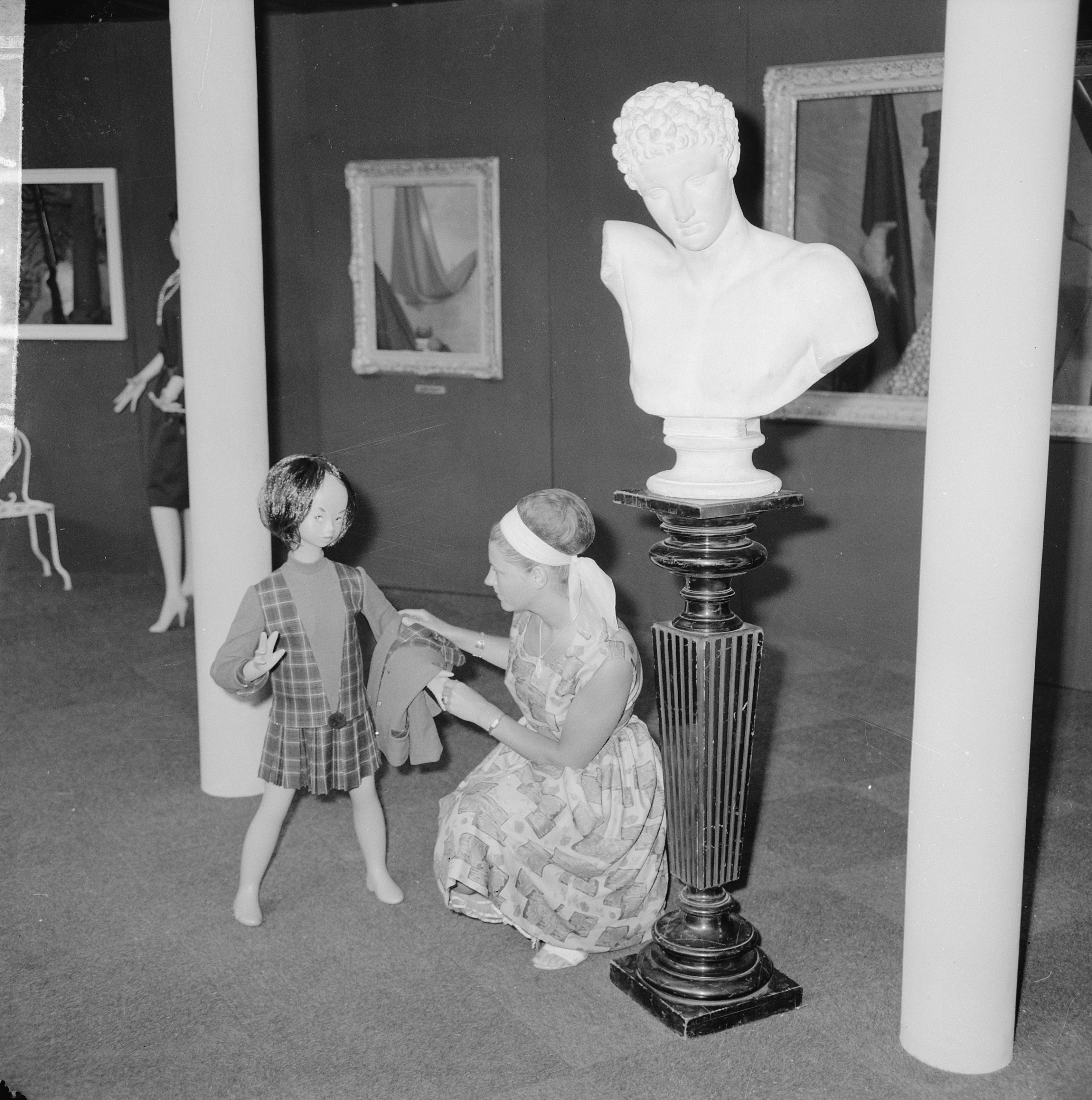
A child could say they did not want to wear something, and in most households the objection was heard and overruled. The clothes had been chosen, the morning had no time in it and the matter was closed before it had properly opened.
The successful objections are remembered precisely because they were rare. A child who got something changed at seven in the morning had achieved an unusual thing and generally knew it.
The Order They Were Stacked in Was Deliberate

Clothes were laid out in the order they went on, which solved a sequencing problem for a half-awake child. A household that stacked them properly had removed one more decision from the morning, and the children of those households dressed faster.
Socks Were the Weak Point of the Whole System

Everything else could be laid out reliably and socks could not. They were the item most likely to be missing, mismatched or the wrong pair, and a morning that had been fully planned the night before frequently came apart at exactly that point.
Everything for School Was Beside It

The clothes were rarely alone on the chair. Whatever had to leave the house went with them – a bag, something to be returned, a note, anything the child would otherwise have forgotten – which turned the chair into a daily manifest as well as an outfit.
That is how most households solved remembering. Rather than telling a child something in the morning, when nobody was listening, they put the object where the child would have to pick it up, which worked considerably better than any instruction.
Shoes Were Not Part of It

The arrangement stopped at the ankle. Footwear lived somewhere else, by a door, and had to be found separately, which meant the one part of getting dressed that had not been pre-solved was the part that happened last and in the greatest hurry.
The Clothes Had Been Checked and You Could Tell
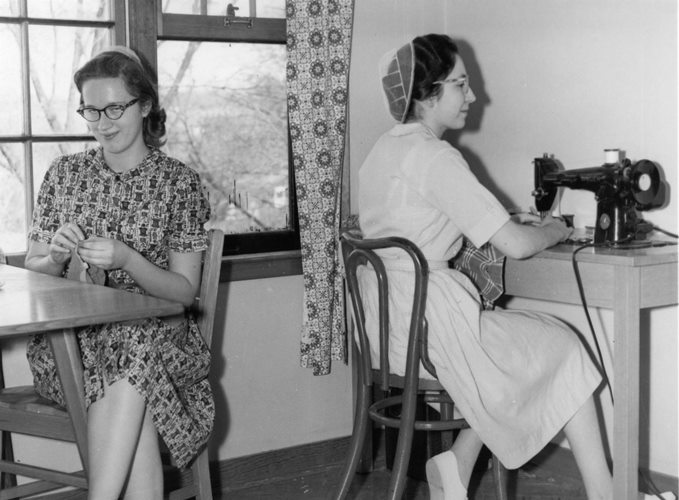
Whoever laid them out had looked at them, which meant anything torn, marked or missing a fastening had been dealt with, replaced or deliberately allowed. A child wearing something with a fresh repair in it knew somebody had sat up and done that.
It Was How a Household Noticed a Child Was Growing

Laying out clothes nightly means handling every garment regularly, and whoever did it was the first to know that something no longer fitted. The discovery was made in the evening, out of the child’s hearing, which is why the replacement simply appeared.
Two Children Meant Two Chairs and a Comparison
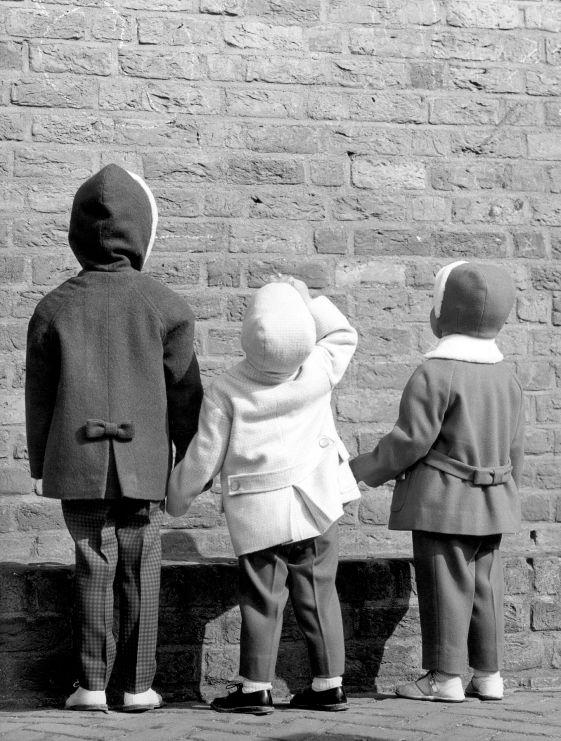
In households with more than one child the sets were laid out at the same time in the same room, which produced an immediate comparison of what each of them was wearing and why. Grievances about that were raised at breakfast and almost never resolved.
Being Allowed to Lay Out Your Own Was a Milestone
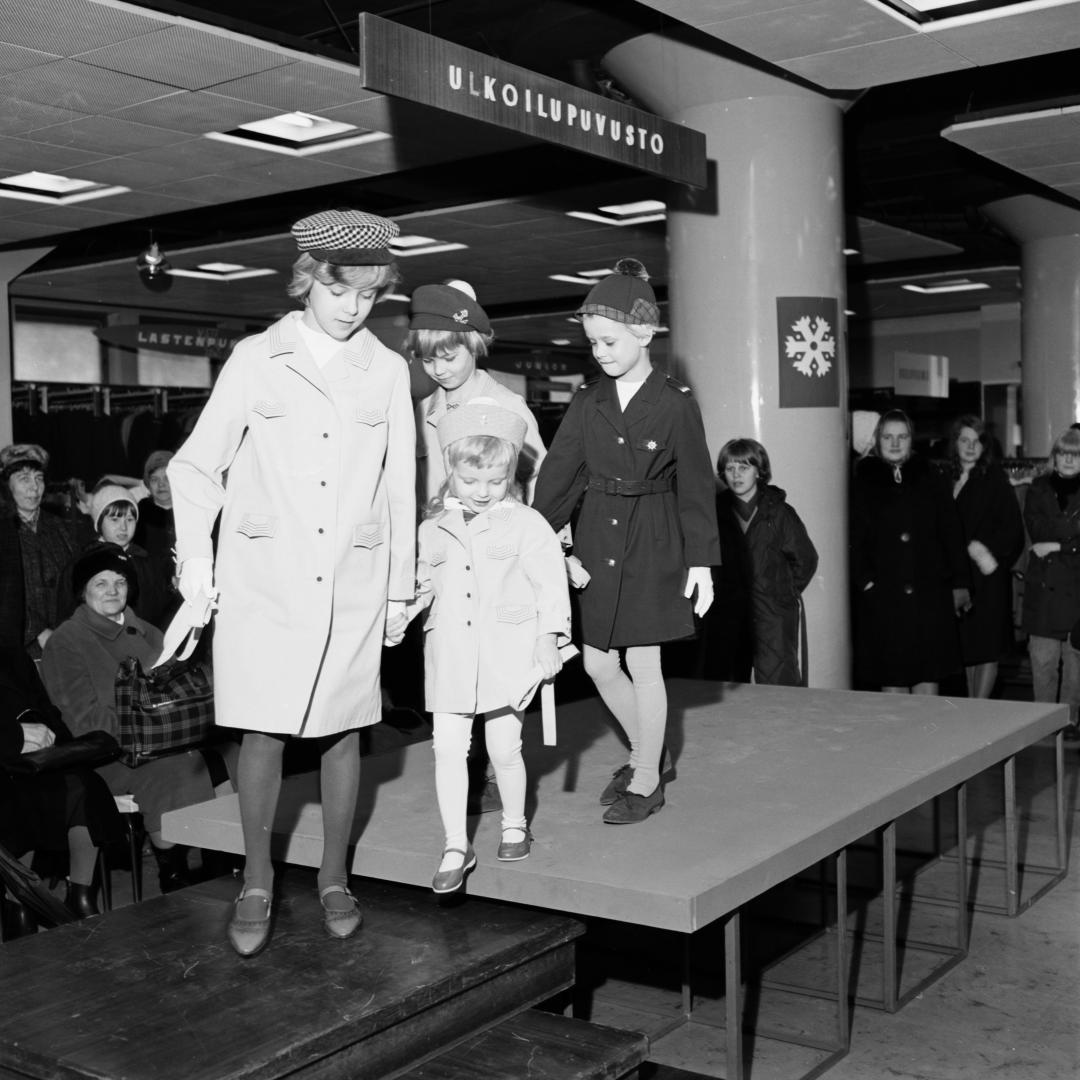
At some point a child was permitted to do it themselves, which was a transfer of real authority rather than of work. It was not announced and not celebrated, and most people who went through it cannot say when it happened.
The First Few Times Were Worse Than the Adult Version
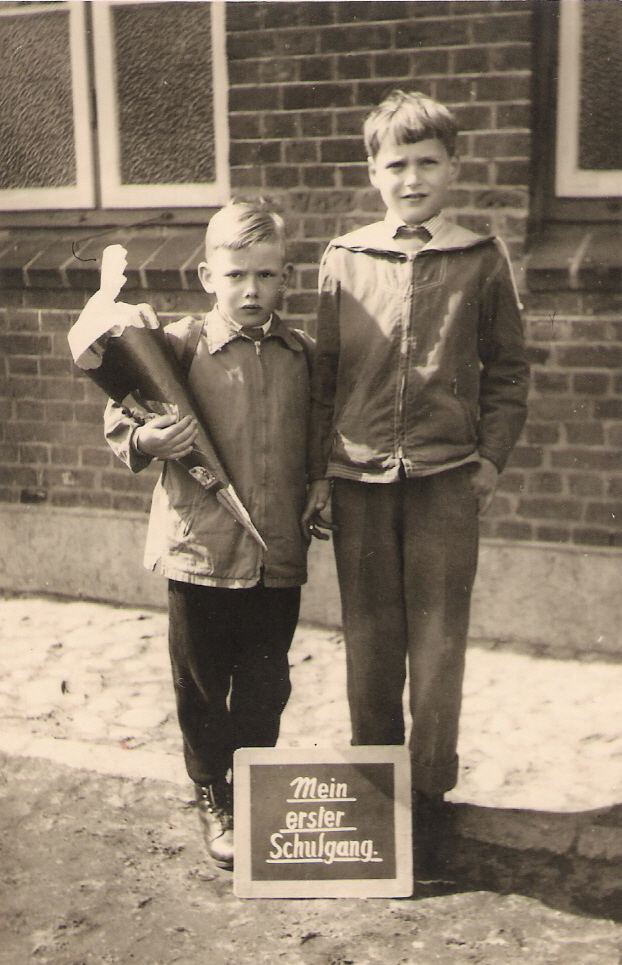
A child given the job immediately made choices based on what they liked rather than on the weather or the day, and discovered within a week why the original decisions had been made as they were. That is a small and efficient lesson in planning.
Sunday Was Laid Out Differently and Earlier
Anything out of the ordinary was prepared further in advance, sometimes several days, and the sight of those clothes waiting meant something was coming. Children knew the whole week’s shape from what was hanging where.
The Night Before Was When the Household Actually Ran
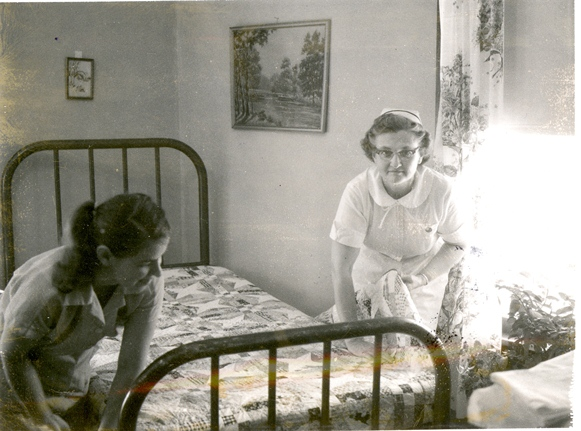
Almost everything a household needed for the following day was assembled after the children were in bed – clothes, bags, anything to be remembered – which meant the morning was the execution of a plan nobody had seen being made.
Children had no idea any of this was happening. The quantity of work done after nine in the evening by whoever ran the house only became apparent to most of them decades later.
It Removed Every Decision From the Morning and That Was the Design

A child who did not have to choose anything got out of a door faster, and the arrangement existed for that reason alone. Whether removing all those decisions was good for anybody was not a question anybody asked.
Getting It on Backwards Happened to Everybody
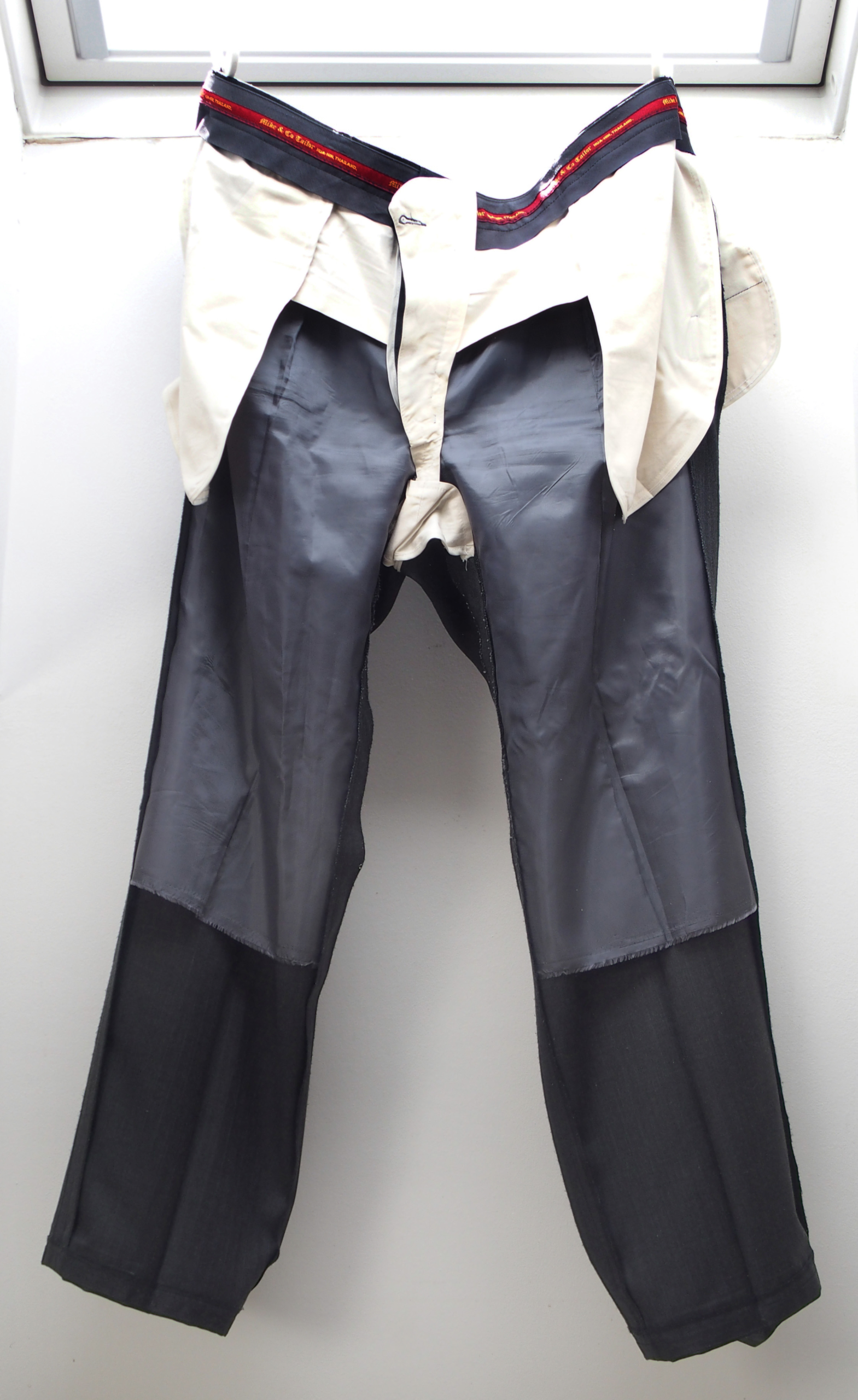
A half-awake child dressing by feel from a stack put things on inside out, back to front and in the wrong order with some regularity, and the discovery was usually made by somebody else later in the morning. It was corrected without much comment, because everybody understood the conditions it had happened under.
The ones who were not corrected went to school like that. A whole day spent wearing something the wrong way round, noticed by other children before any adult, is a specific humiliation that a surprising number of people can still date precisely.
Dressing in the Dark Was Normal
In winter the chair was approached before there was any light, which meant the whole operation was conducted by feel. The stacking order mattered considerably more under those conditions, and a household that had got it right had solved a problem nobody had identified.
You Could Tell How the Evening Had Gone
A set of clothes laid out carefully and a set thrown on a chair are visibly different, and children read the difference accurately. A badly arranged pile was information about the previous night that nobody had intended to give them.
Nothing About It Was Ever Discussed
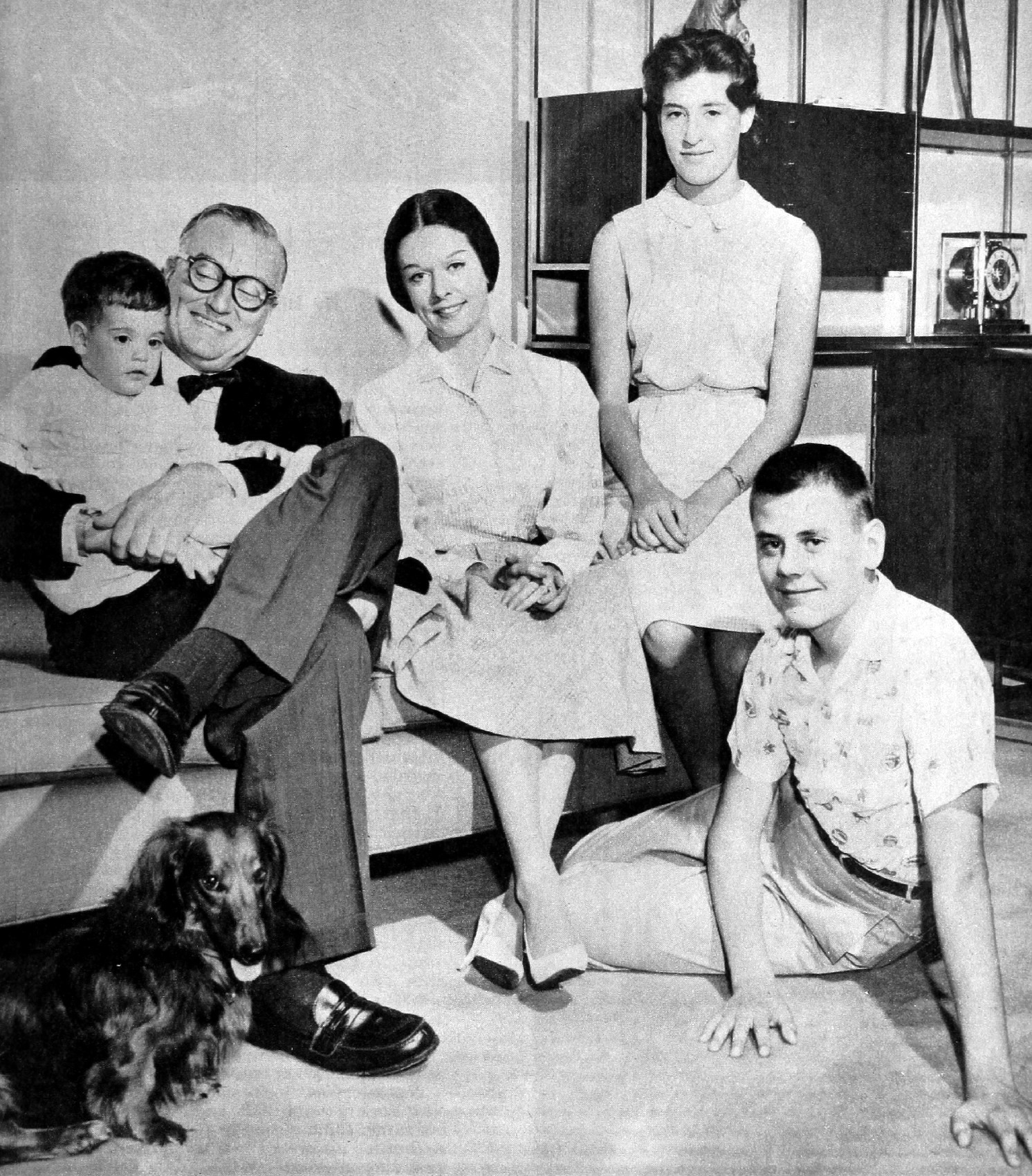
No household explained the practice, justified it or asked whether anybody minded. It operated every night for years, was understood by everybody and was never once the subject of a conversation.
Then Children Started Choosing
More clothes per child, washing machines that turned things round overnight, later school starts, fewer people sharing a bathroom and a general change in how much children decide for themselves ended the practice. None of that is a loss.
What Actually Went
A chair looked at before anything else, a forecast made ten hours early by somebody guessing, a stack arranged in the order things went on, an objection that was heard and overruled, and a quantity of work done after nine in the evening that the children it was done for did not discover for thirty years.
Like our content? Follow us for more.