In 1964 every household had one child who was expected to remember things, and the expectation was never stated. Where objects were, when things were happening, what somebody had said and what had been agreed were all held by a nine-year-old who had been given the job by nobody.
The Role Was Assigned by Demonstration
Nobody appointed anybody. A child who had successfully remembered one thing was asked again the following week, and within a few months the household had developed a habit of directing all such questions at the same person.
That is how most household roles of the period were allocated. Competence was observed once, became an assumption, and then became an obligation that nobody had ever agreed to.
Like our content? Follow us for more.
The Questions Came From Adults and That Was the Strange Part
The usual direction of information in a household ran from adults to children. This reversed it, which meant a child was regularly the authority on something, answering a grown-up who genuinely did not know, which happened in almost no other context.
The Questions Arrived With No Warning and No Context
Nobody prepared a child for being asked. A question came across a room, mid-afternoon, about an object somebody had put down four days earlier, with no indication of why it was wanted or what had prompted the search, and an answer was expected immediately.
That produced a particular kind of alertness. A child who knew they were liable to be asked anything at any moment paid a low level of continuous attention to a household they would otherwise have ignored completely.
Where Things Were Was the Main Portfolio

The commonest question concerned the location of objects, because a household of that period had a great many small items with no fixed homes. A child who paid attention knew where most of them had last been seen, and nobody else did.
You Knew Because Nobody Else Was Watching
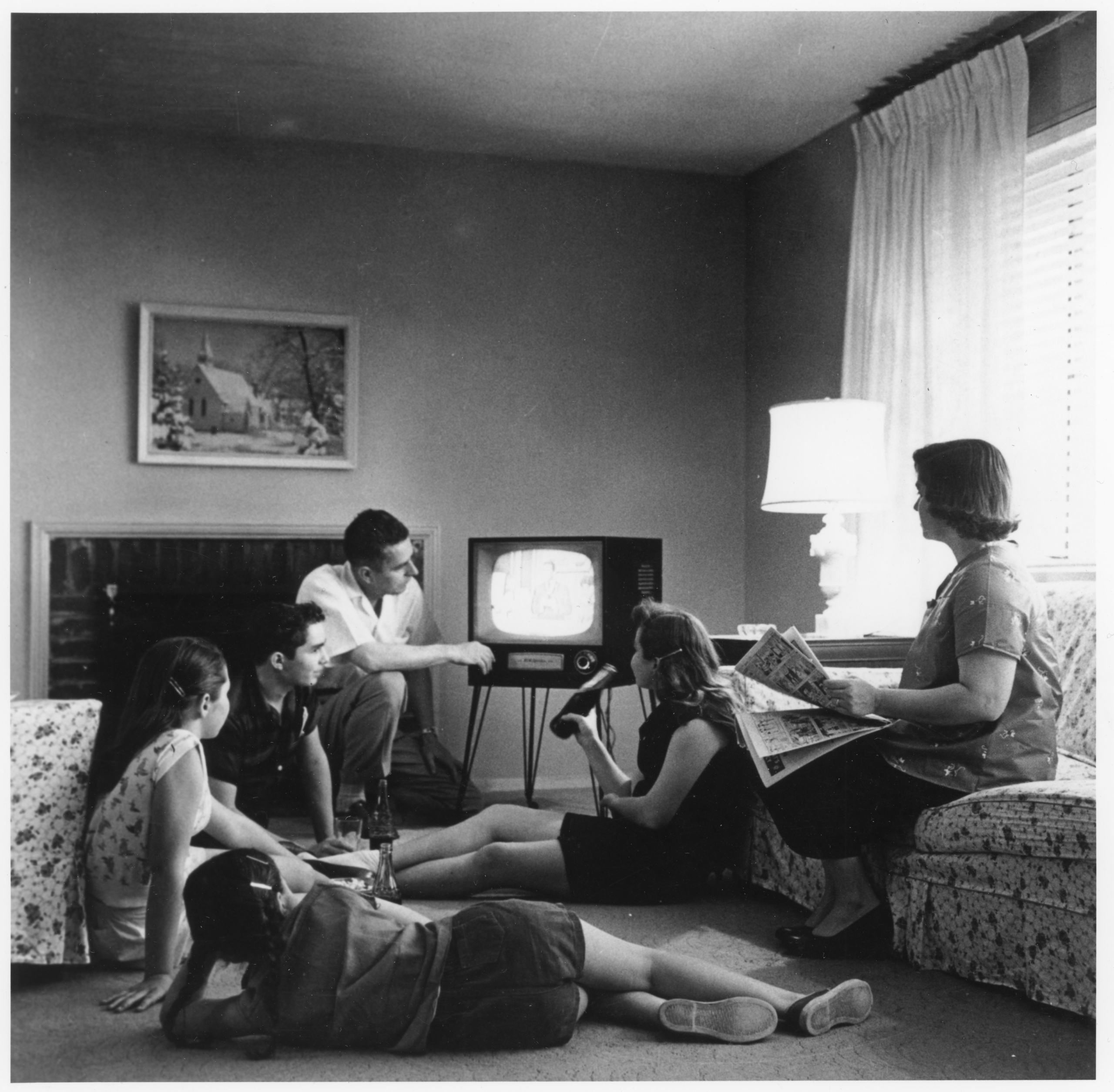
The reason a child held this information is that they had nothing else to think about. An adult putting something down is occupied with the thing they are about to do; a child in the room is simply observing, and the observation stuck.
That is the whole mechanism and it is slightly deflating. The household’s memory was not a talent; it was the predictable result of being the person with the least on their mind.
Being Right Was Not Rewarded and Being Wrong Was Noted
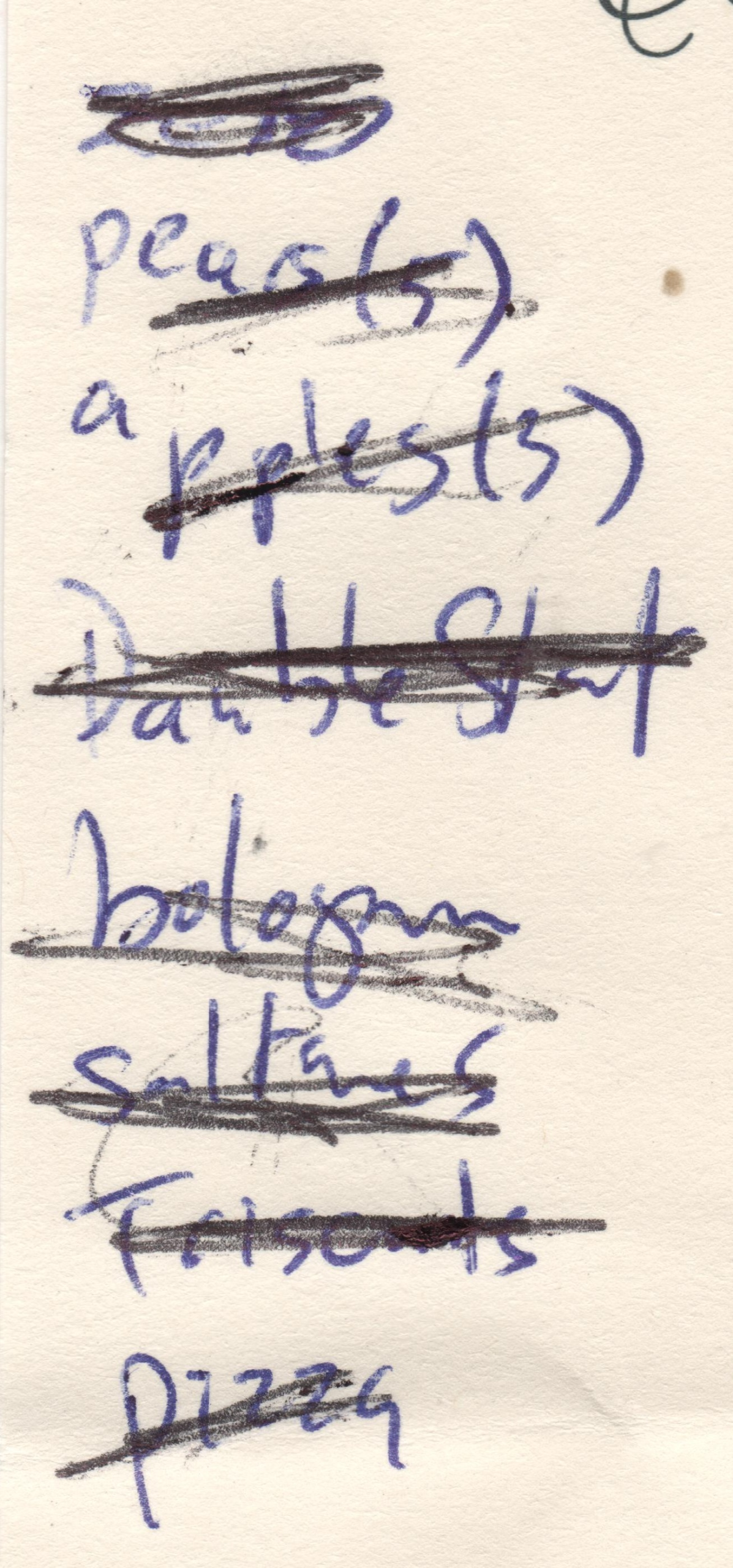
A correct answer produced nothing. An incorrect one produced mild irritation and a remark, which created an asymmetry a child felt accurately and could do nothing about.
You Were Also the One Sent to Confirm It
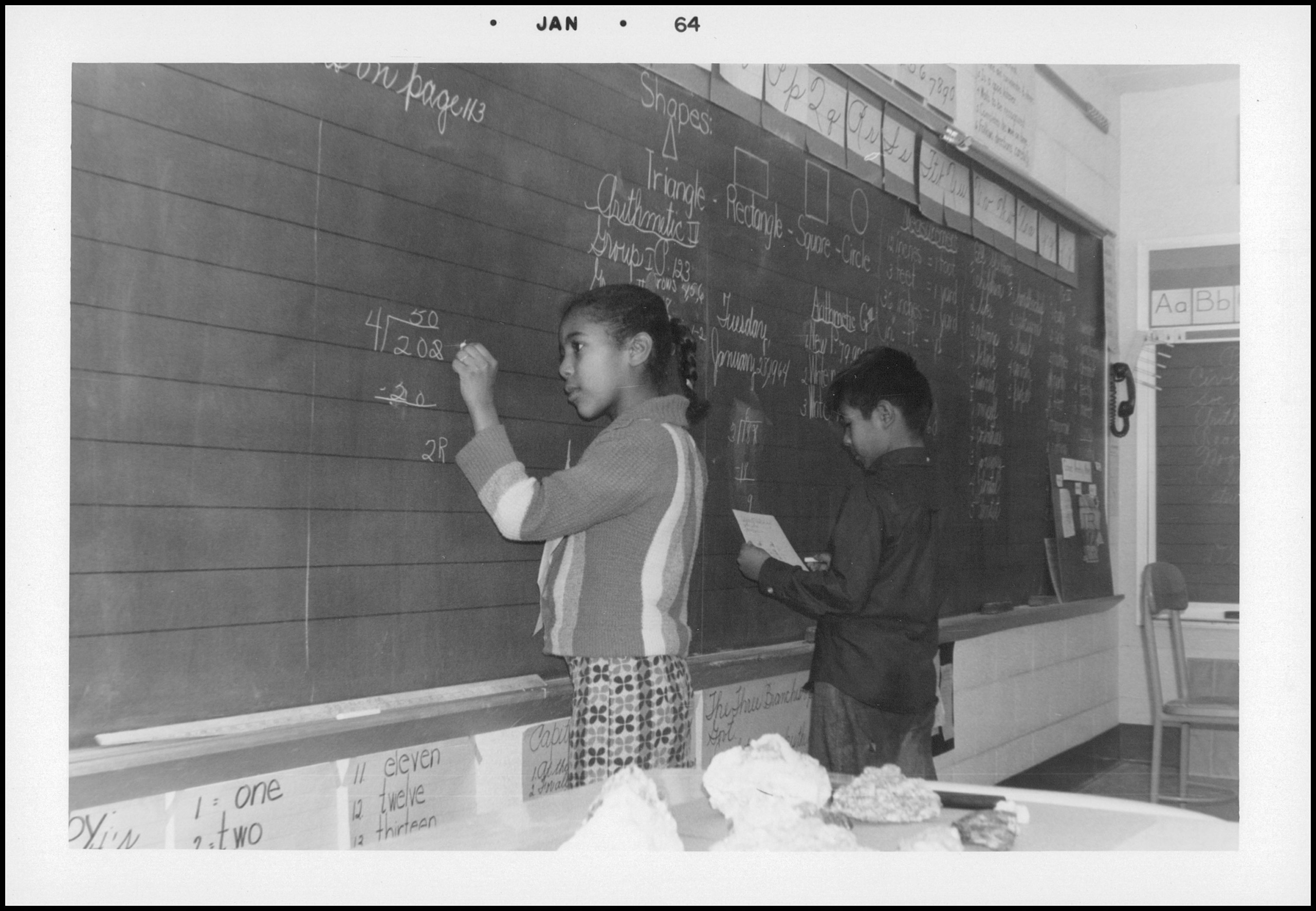
Having supplied an answer, the child was frequently then dispatched to verify it – to look where they had said the thing was, or to ask somebody whether the arrangement was still as stated. The role came with its own legwork and the legwork was never counted as part of it.
Returning with a correction was the worst outcome available. A child who had answered confidently and then discovered they were wrong had to report that themselves, which is a specific and fairly unpleasant errand.
The Dates Were the Harder Half
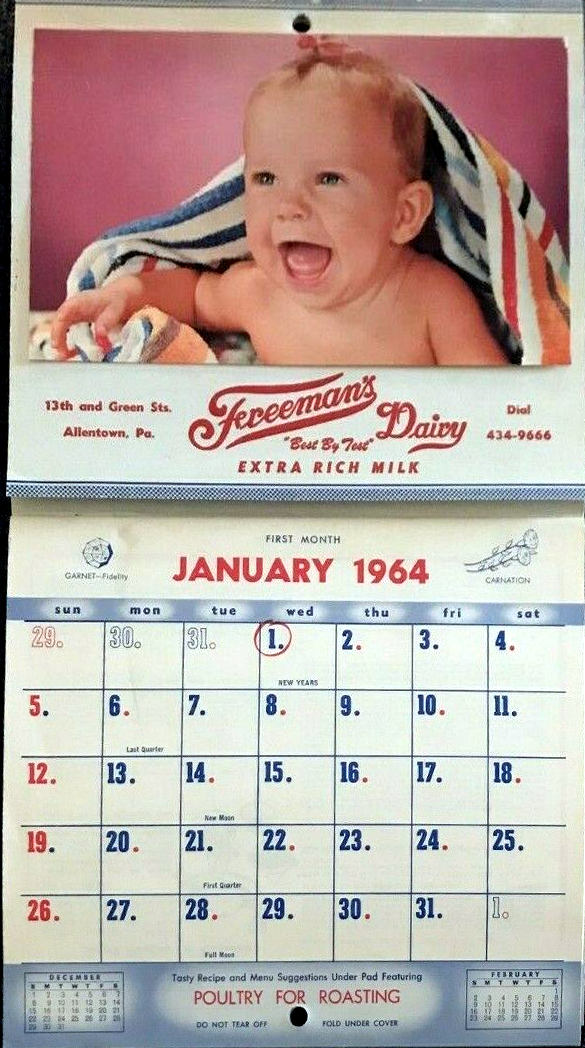
Remembering when things were happening was more difficult than remembering where things were, because it required holding a schedule nobody had written down. A great many households of the period ran on exactly that, with no calendar entry anywhere.
You Were Expected to Remember Other People’s Arrangements

The portfolio extended beyond the household. What a neighbour had said, when a relative was arriving, which day somebody was coming – all of it was held by the child, who had no interest in any of it and was asked about it regularly.
Nobody Checked Whether the Information Was Right
The household simply acted on it. A child’s recollection was treated as reliable without verification, which means a proportion of what those families did was organised around the memory of somebody in primary school.
Being Wrong Had Real Consequences and You Found Out Later

An error surfaced hours or days afterwards, when somebody arrived at the wrong time or something could not be found. The connection back to the child’s answer was made explicitly, and it was the one part of the role that carried any weight at all.
The Other Children Were Not Asked and Noticed
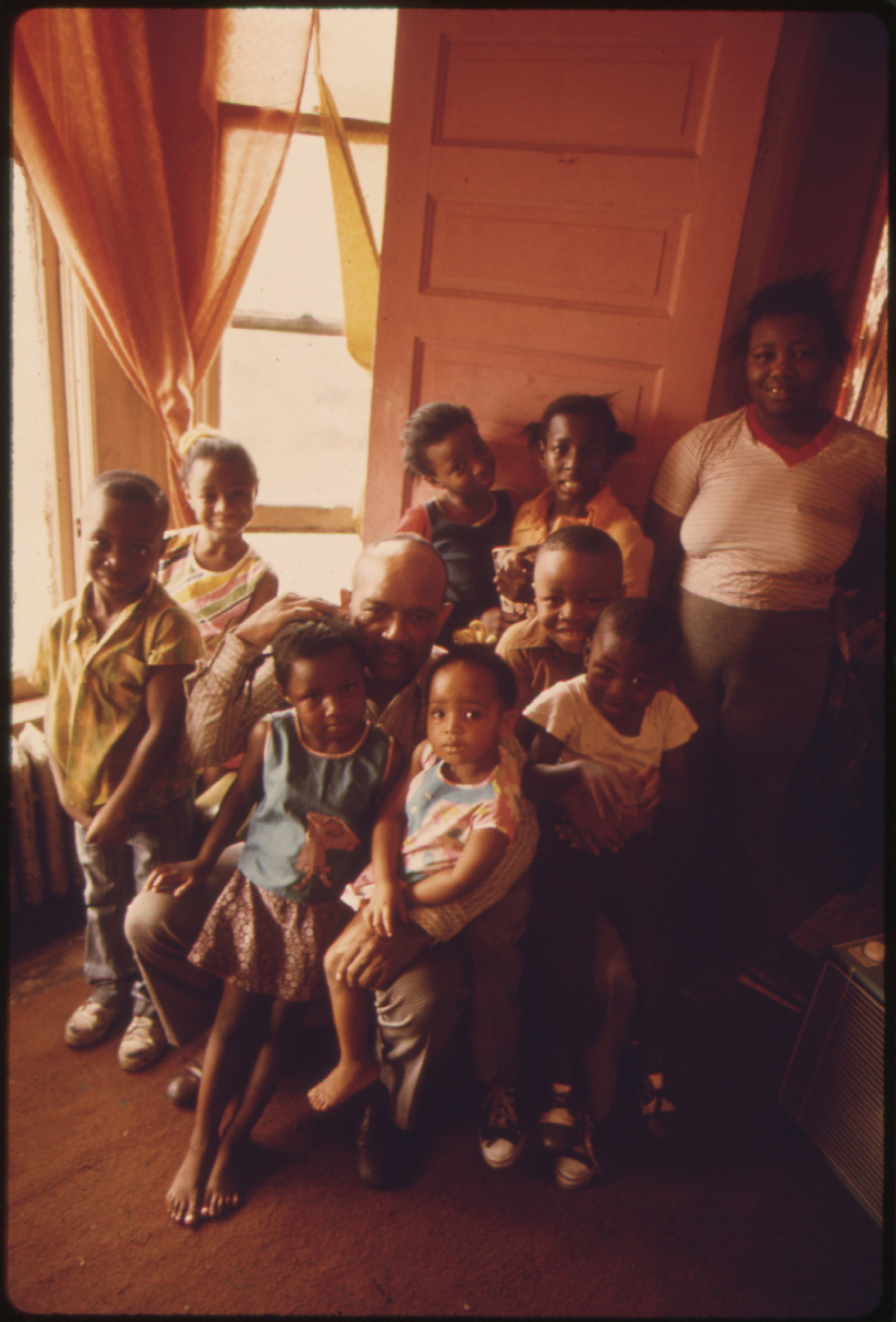
Siblings who had not been given the role were aware of it. Some resented the standing and some were relieved to have been passed over, and the two reactions occurred in roughly equal numbers in the same households.
The Role Followed You Into Adulthood
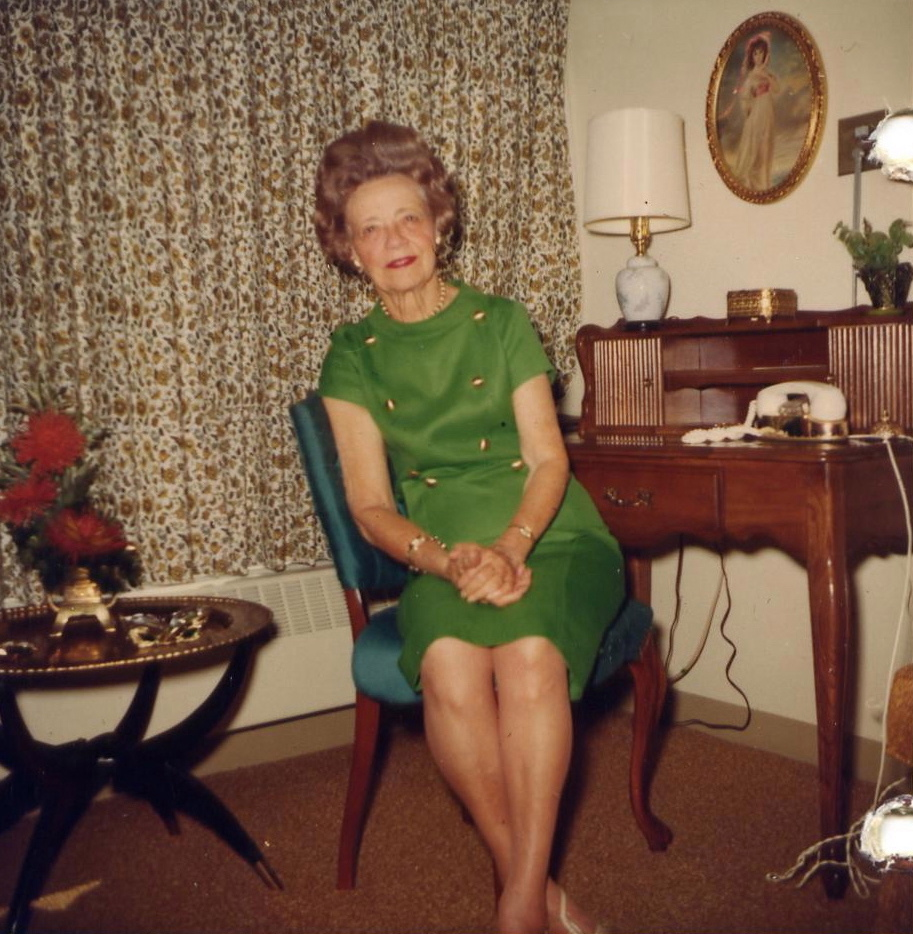
A child who held this position at nine frequently held it at thirty. The habit of being the person asked persisted through decades, long after everybody involved had forgotten how it had started, and a considerable number of people are still doing it.
Several of them resent it and continue anyway. The arrangement was never agreed to in the first place, which makes it unusually difficult to withdraw from at any later point.
It Was How a Child Learned the Household’s Business
Being the designated memory meant hearing things. A child who was asked to retain information was, necessarily, a child who had been present when it was discussed, which gave them access to a great deal they were not formally entitled to.
Nobody Ever Told Them to Forget Anything

The information went in without any filter, which meant a child held a household’s financial arrangements, disagreements and plans alongside the location of the scissors, with no guidance about which category anything belonged in.
Discretion Had to Be Worked Out Independently
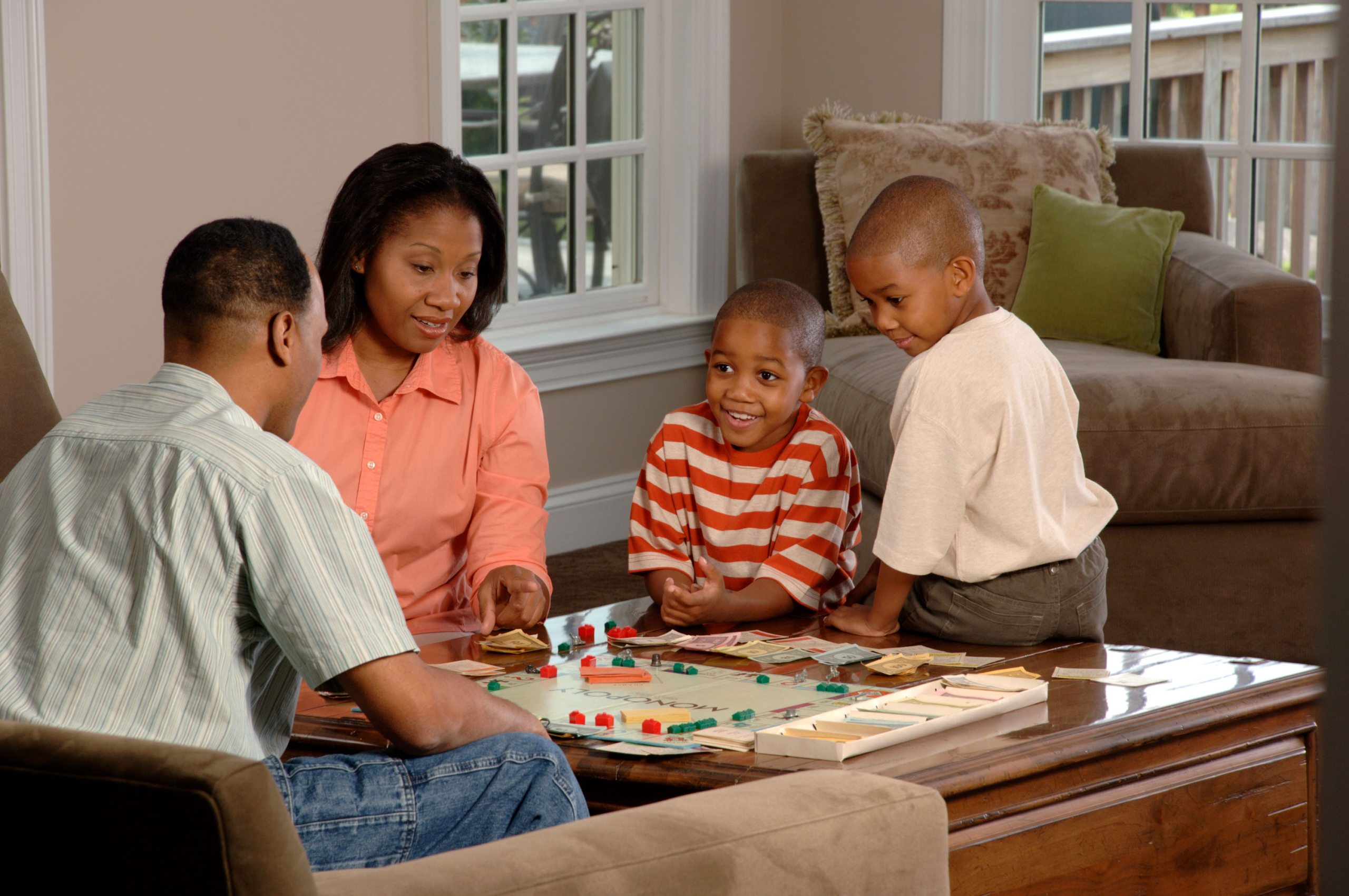
A child who repeated the wrong piece of retained information outside the house learned the boundary immediately and by experience. Nobody had explained that some of what they were holding was not for general distribution.
Nobody Ever Asked How You Knew
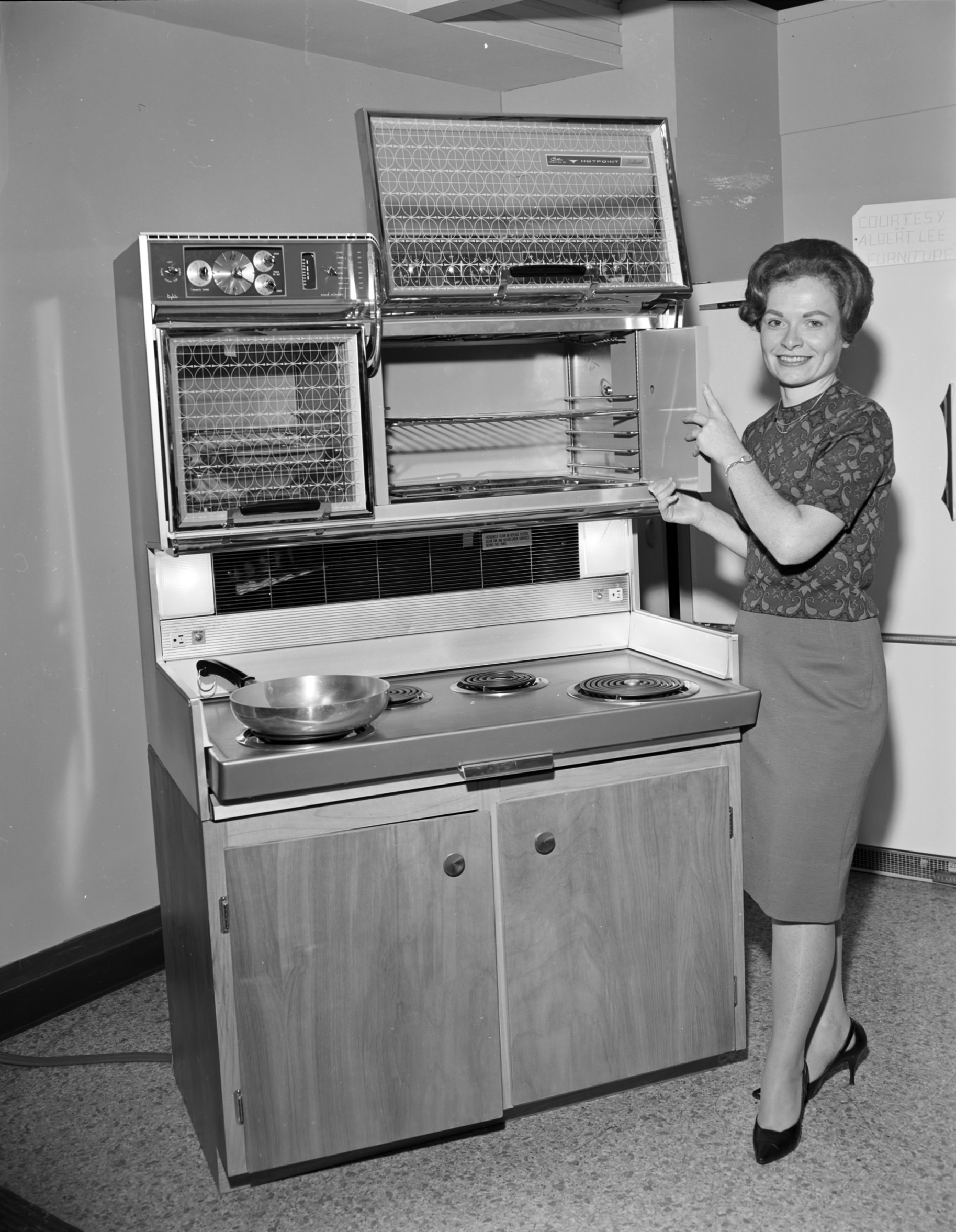
In an entire decade, no adult appears to have inquired where any of this information had come from. The answers were accepted as simply available, which meant nobody ever established that the child had been in the room for conversations they had not been included in.
That suited everybody. A household that had asked the question would have had to think about what else the child had heard, and no household of that period showed any interest in finding that out.
Writing It Down Was Discouraged in Practice
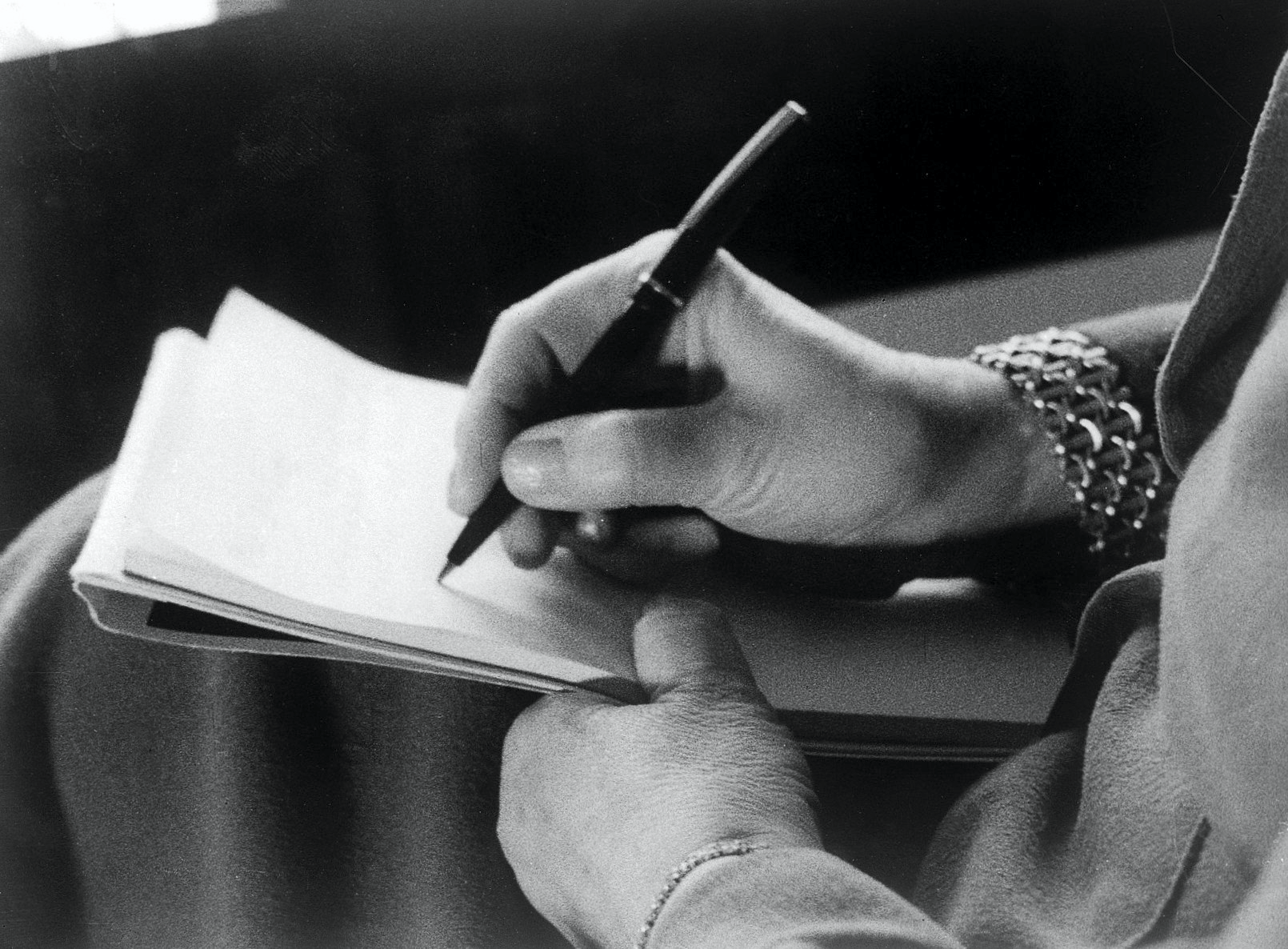
A child who produced a list was slightly undermining the arrangement, because the whole value of the role was that it required no system. In most households a written note was regarded as unnecessary, and the child kept everything in their head.
The Lists That Did Exist Were Not Theirs
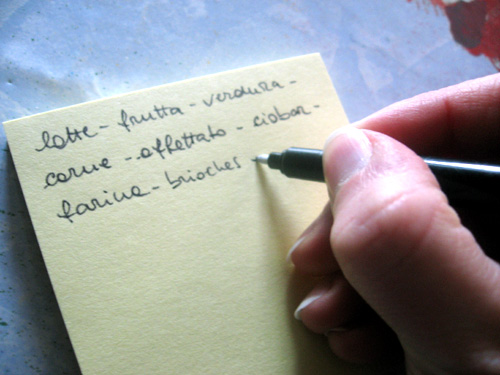
Households had a shopping list, a calendar in some cases and whatever was written on a pad by the telephone, and none of it covered the things the child was asked about. The formal records and the actual memory were two entirely separate systems.
The Information Had No Expiry Date

Nothing was ever formally cleared. A child who had been told in March that something was happening in May was still holding that in September, along with everything from the previous two years, because nobody ever confirmed that an item had been dealt with and was no longer needed.
The result was an accumulation. People who held this role describe still knowing, decades later, where particular objects were kept in a house that no longer exists, which is the residue of a system that had no mechanism for letting anything go.
It Was the Only Job That Could Not Be Done by Somebody Else
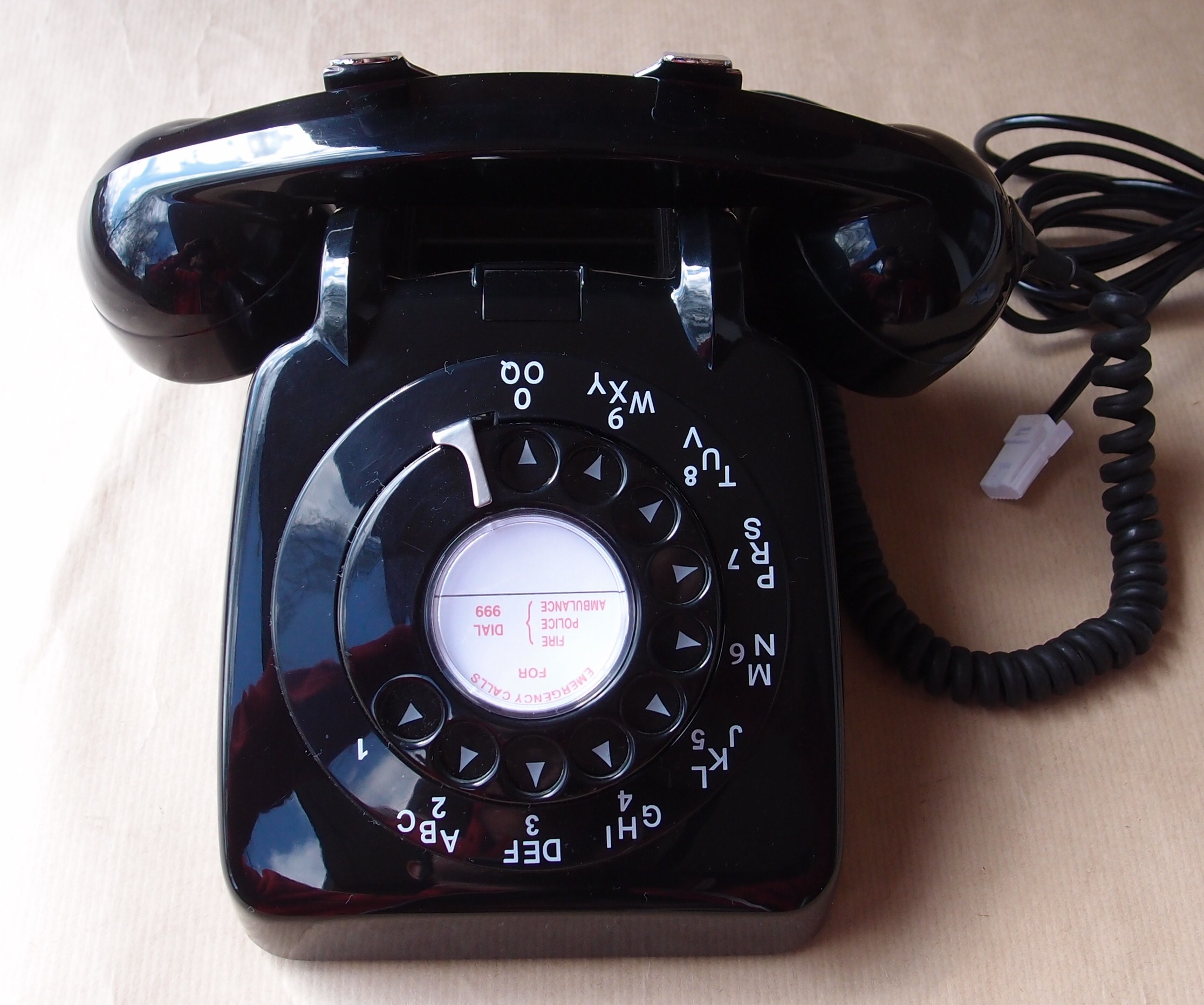
A chore can be reassigned and a memory cannot. That made the role unusually permanent, and a child who was away for a week created a gap the household genuinely noticed, which no other childhood obligation managed.
Being Asked in Front of Other People Was the Best Part
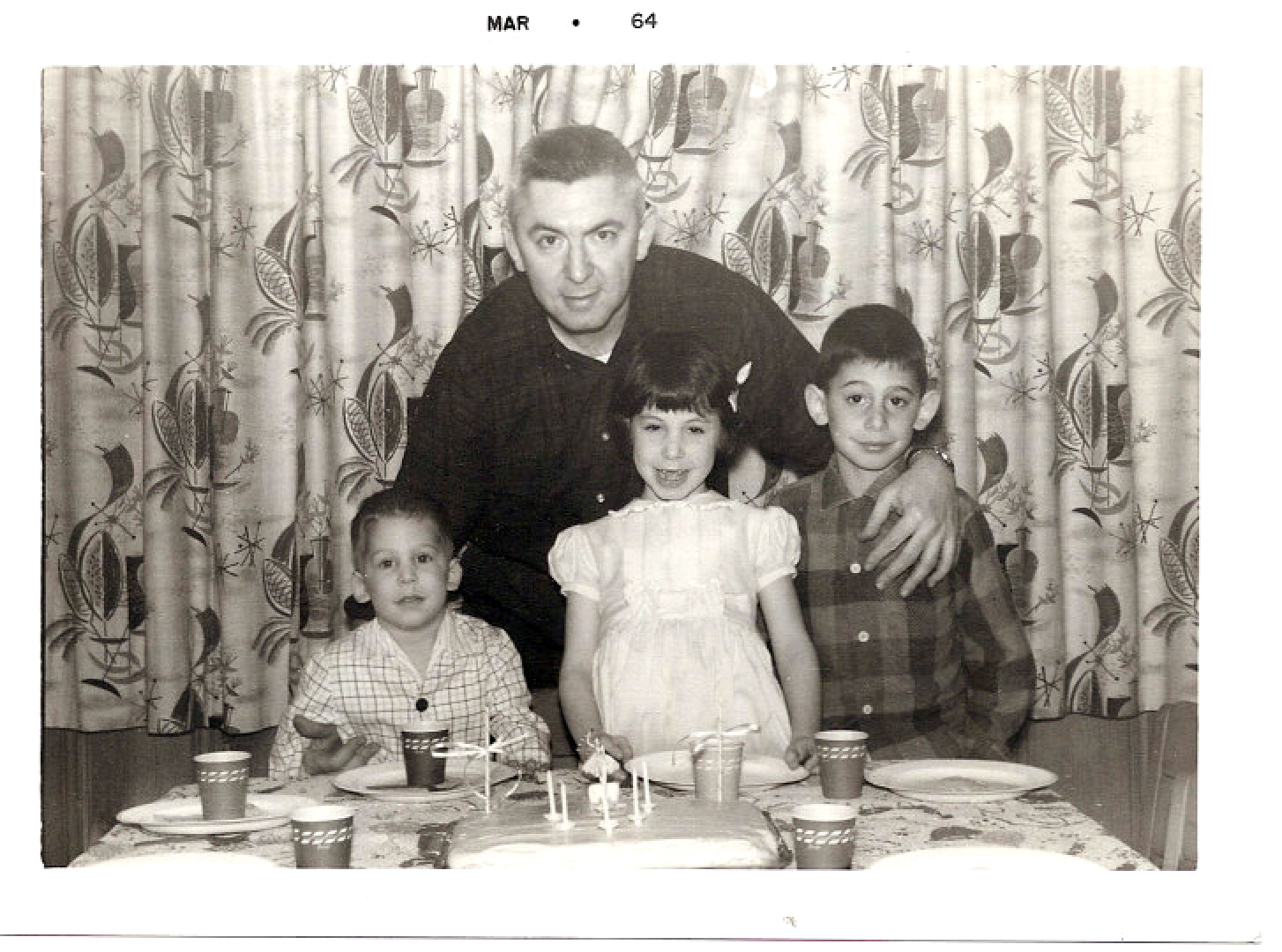
A child who supplied a correct answer in front of a visitor had been publicly useful in a way almost nothing else available to them allowed. The moment was brief, was not acknowledged afterwards, and is remembered clearly decades later.
The Load Was Genuinely Heavy and Nobody Called It That
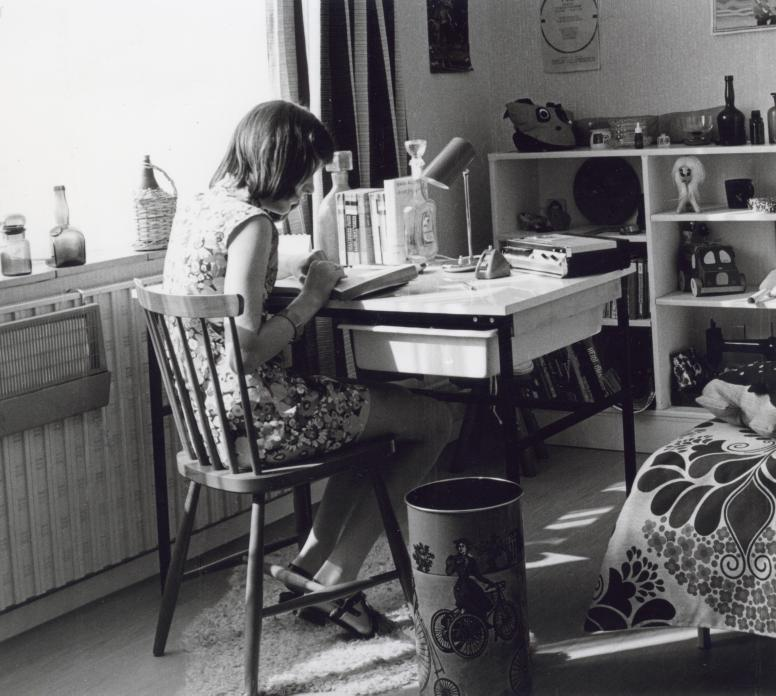
Holding a household’s unwritten arrangements is work, performed continuously, with no defined hours and no release. Nobody of that period would have described it as a burden, and a number of the children who carried it recognised it as one only in retrospect.
It Produced a Specific Adult Habit
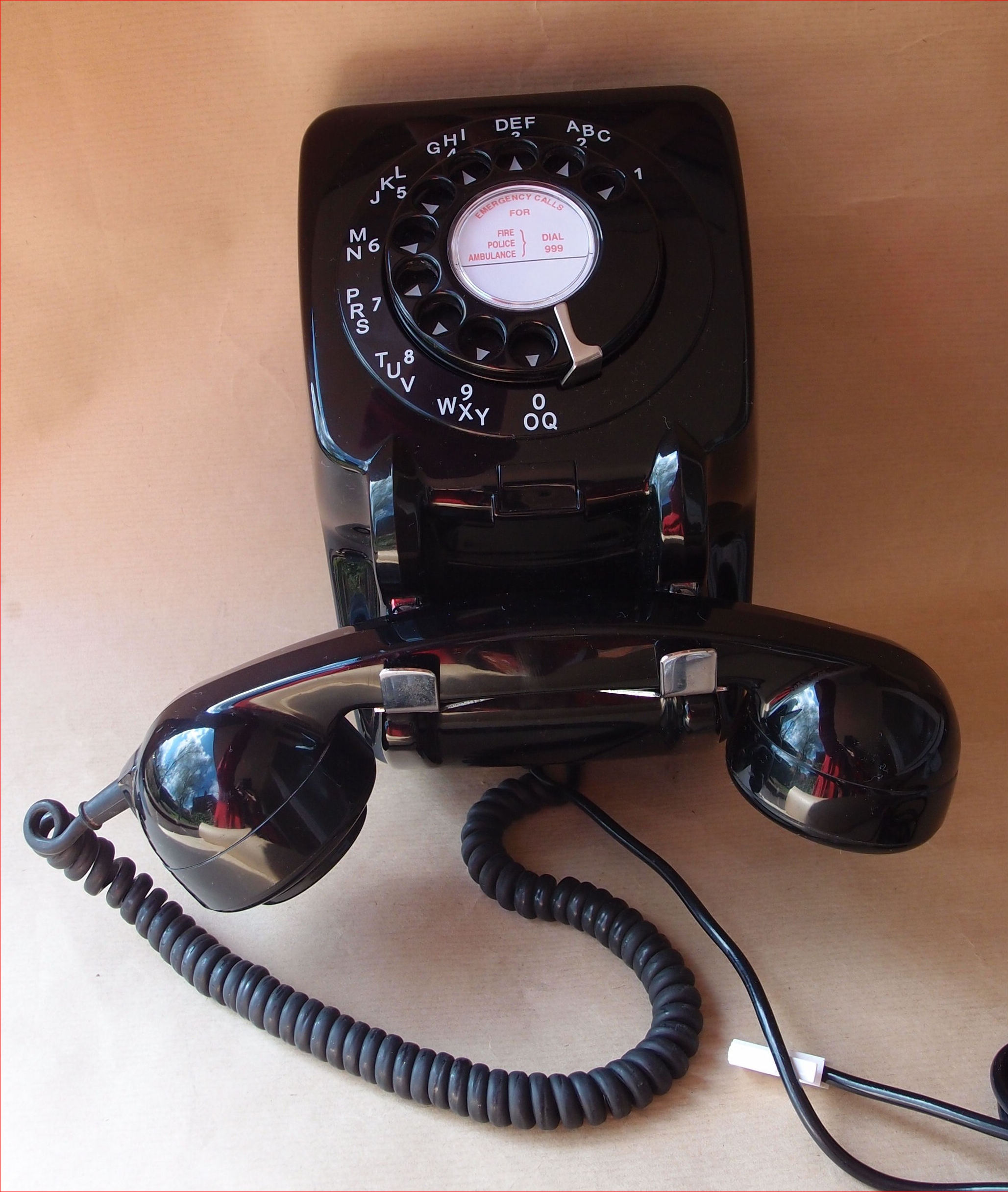
People who did this grew up unable to stop noting where things were put and what had been said. It is a useful disposition and an exhausting one, and the people who have it can almost always trace it to the same household role.
Then Households Stopped Needing Anybody to Remember

Shared calendars, written reminders, devices that hold everything, smaller households and the simple fact that information is now recorded rather than retained removed the role entirely. Nobody should want it back.
What Actually Went
An unpaid, unassigned, continuous obligation held by whichever child had happened to remember something once, covering objects, dates, other people’s arrangements and a quantity of household business they were not entitled to, verified by nobody, rewarded never, and in a surprising number of cases still being performed sixty years later.
Like our content? Follow us for more.