
In 1962 one person in a household walked a fixed circuit of the building every night before anybody went up, and it was the same circuit in the same order for years. Nobody had written it down and nobody else could have performed it correctly.
The Route Was Fixed and Had Never Been Agreed
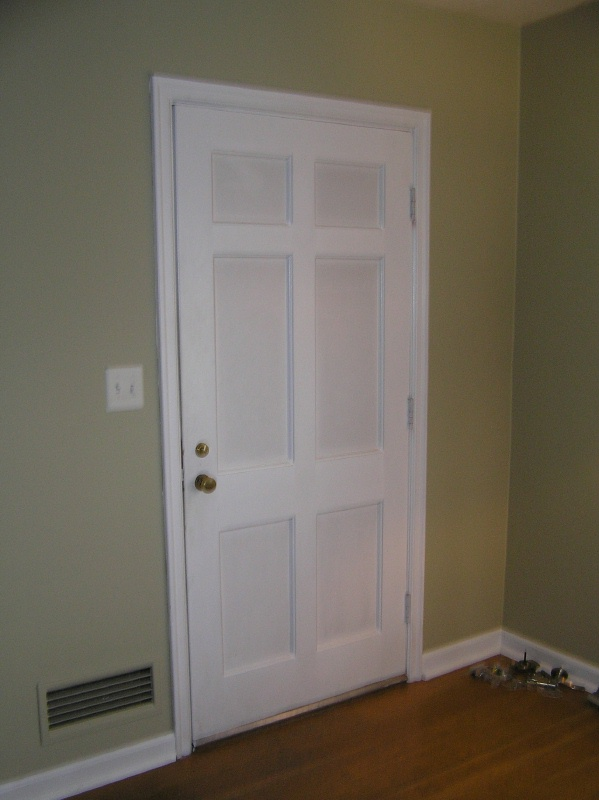
The circuit had a start, an order and an end, all of which had arrived by accumulation rather than by anybody’s design. Somebody had done it once, done it the same way the following night, and within a month it was the route.
That is why it could not be delegated. A person asked to lock up in somebody else’s house, or even in their own on an unfamiliar night, misses something, because what they are being asked to reproduce is a sequence nobody has ever stated out loud.
Like our content? Follow us for more.
It Was Always the Same Person
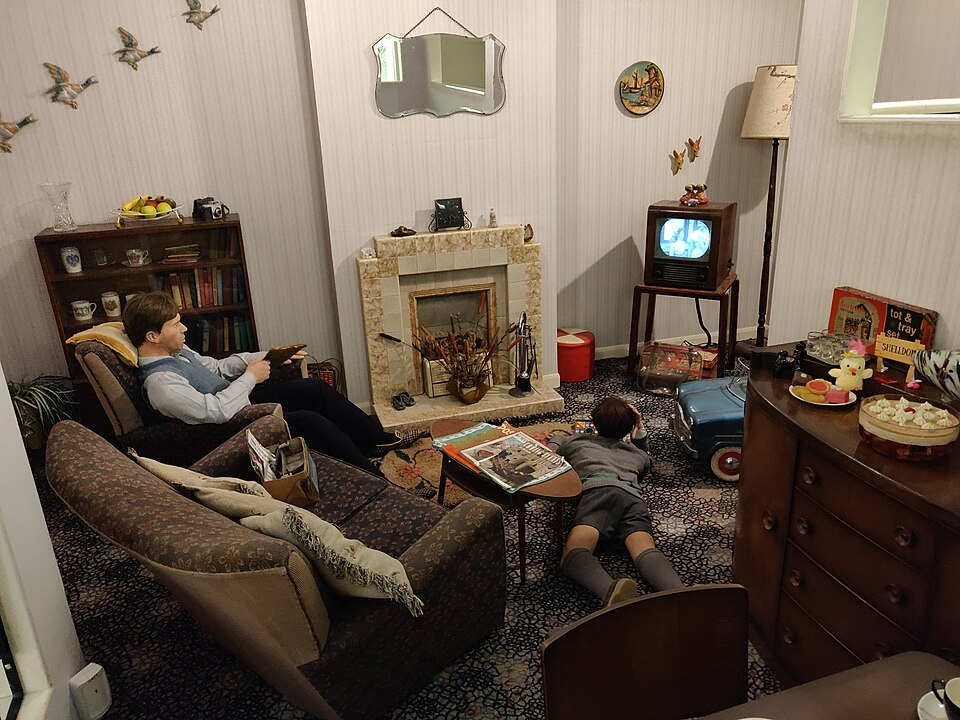
The job belonged to one household member, who did it every night and was not relieved of it on any occasion. A household with several adults still had one who locked up, and the arrangement held for decades without anybody discussing why.
Children Followed and Were Not Invited
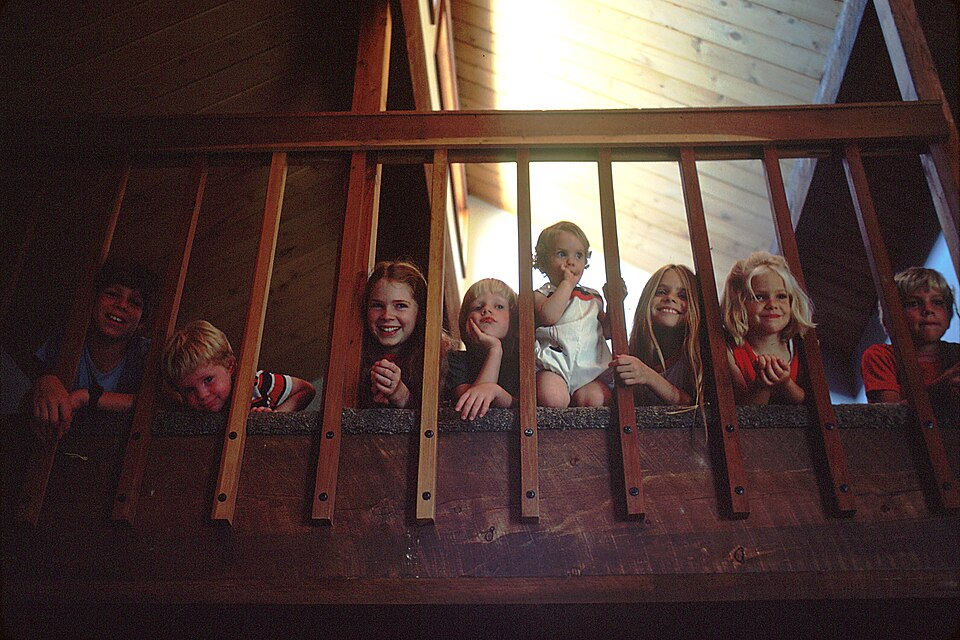
A child who tagged along on the circuit was tolerated rather than welcomed, which made it one of the few household routines a child could attach themselves to without being given a job.
That is why it is remembered. Twenty minutes of walking through a dark house behind somebody who was concentrating, with nothing required of you, is an unusual position for a child of that period to be in.
The Back Door Was the Real Lock and the Front Was Ceremonial
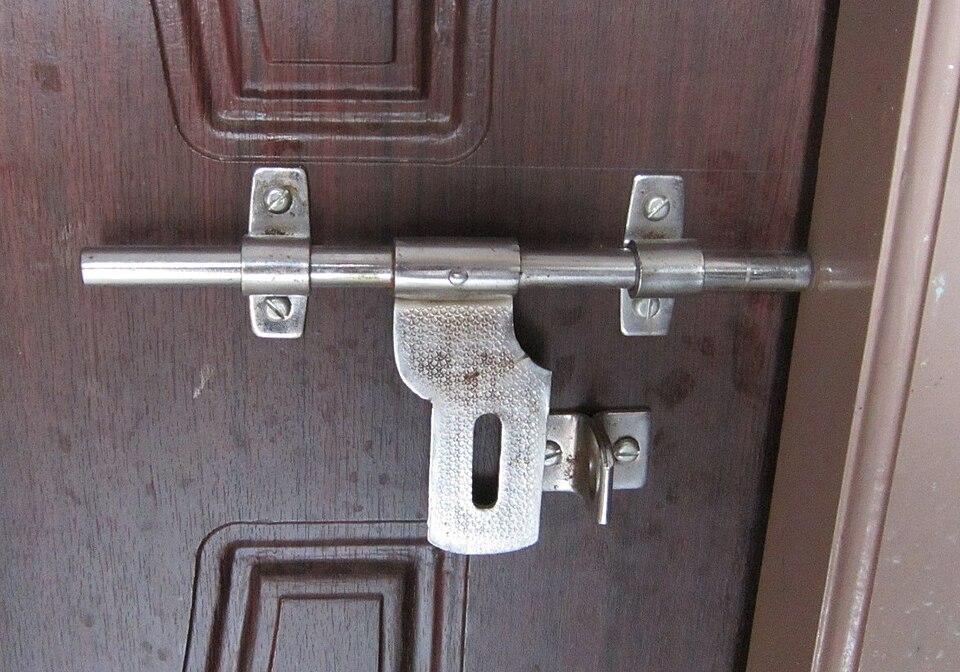
Every household knew which door actually mattered. The front was bolted because that is what you do with a front door, and the back was the one anybody would use, which meant the attention paid to each of them was inverted relative to their importance.
Half the Windows Did Not Lock at All
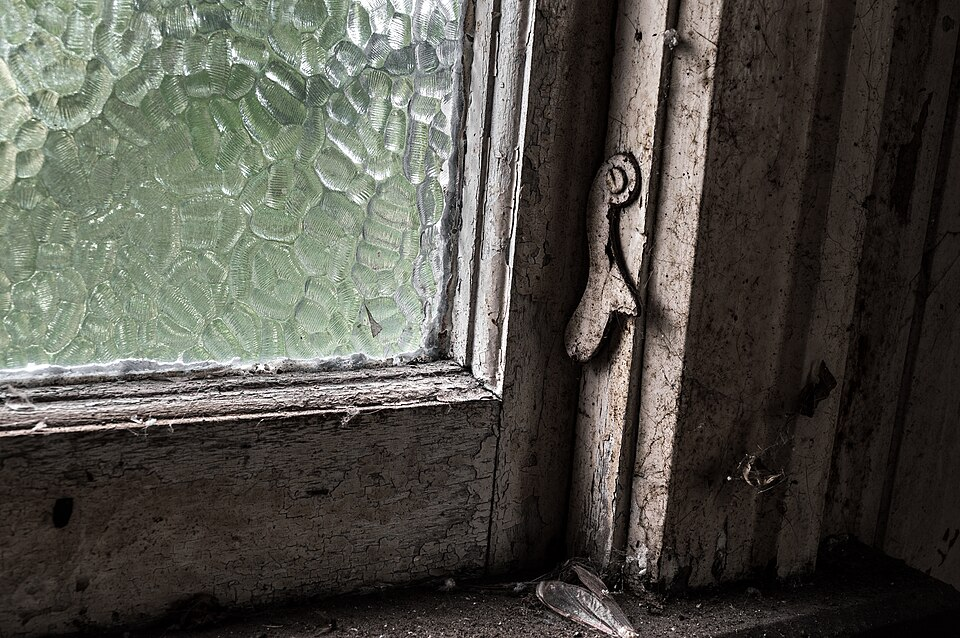
A great many houses of the period had windows with no working fastening, which the person locking up simply checked and left. The circuit therefore included inspections that could not result in anything being secured.
The Order Was Outside In and Downstairs First
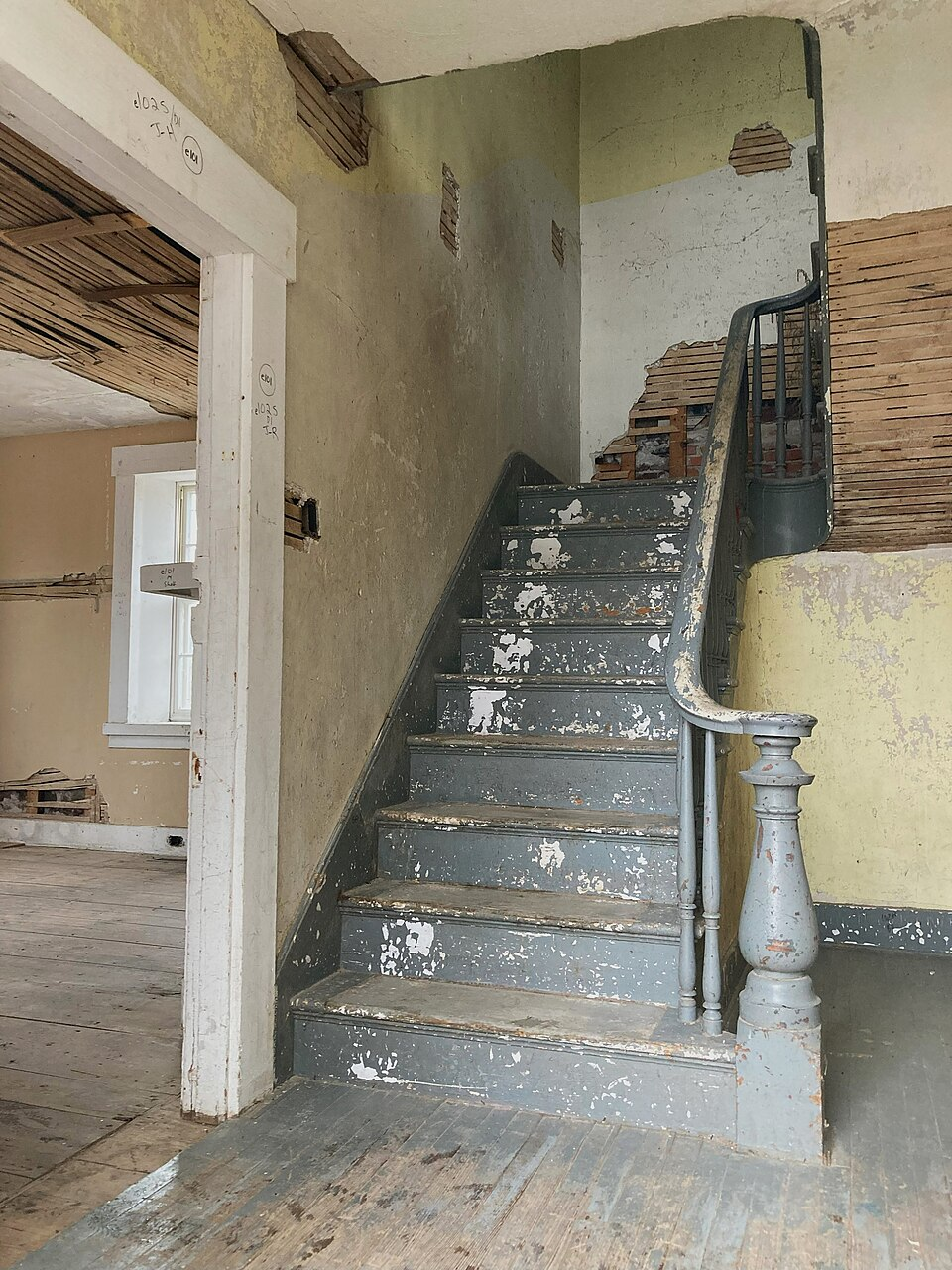
Almost every household’s circuit began at the furthest point from the stairs and worked back towards them, which is the only arrangement that does not require walking through a part of the house you have already dealt with. Nobody had reasoned it out; it is simply what happens when somebody repeats a job enough times.
The consequence was that the most important door was done first and the least important last. A back door secured at the start of a twenty-minute circuit had been secured for twenty minutes by the time anybody went to bed, which nobody appears to have thought about.
The Check Was for Open Rather Than Locked
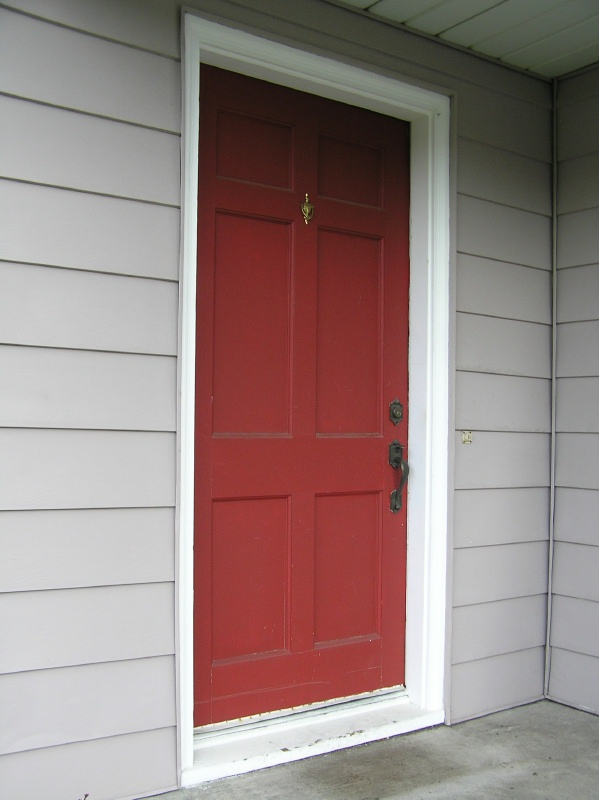
What was being looked for was something standing open, not something unlocked. A window left ajar during the day was the actual risk being managed, and the circuit existed primarily to catch that.
Something Was Always Found
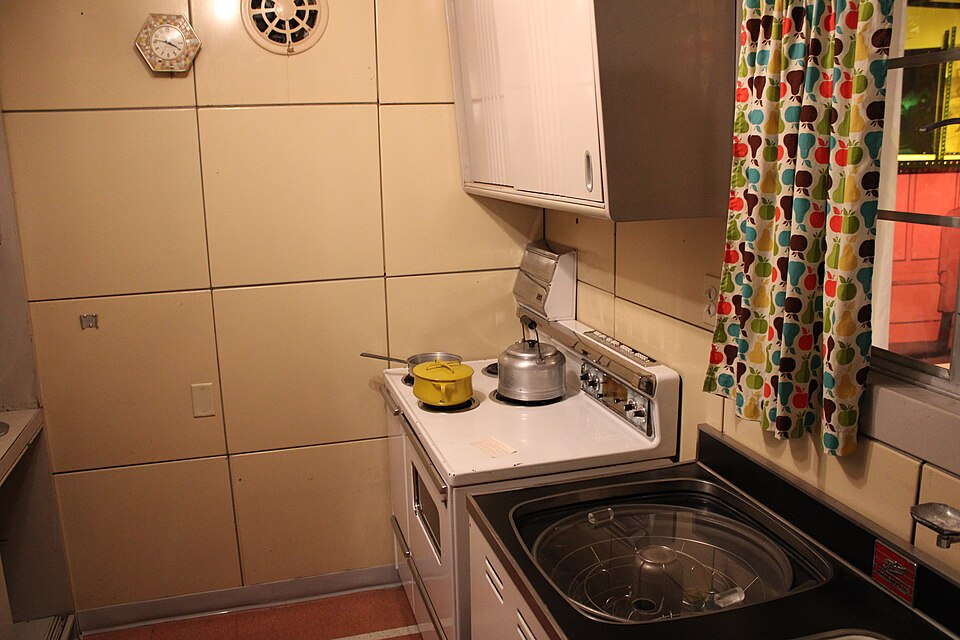
Almost every night produced one thing out of place – a door on the latch, a window up, a light on in a room nobody was in – and dealing with it was the reason the circuit was worth walking.
Children were occasionally the cause. A child who had left a back door open had their contribution identified on the circuit and mentioned the following morning, which is a specific and widely shared memory.
The Lights Went Off in a Particular Order
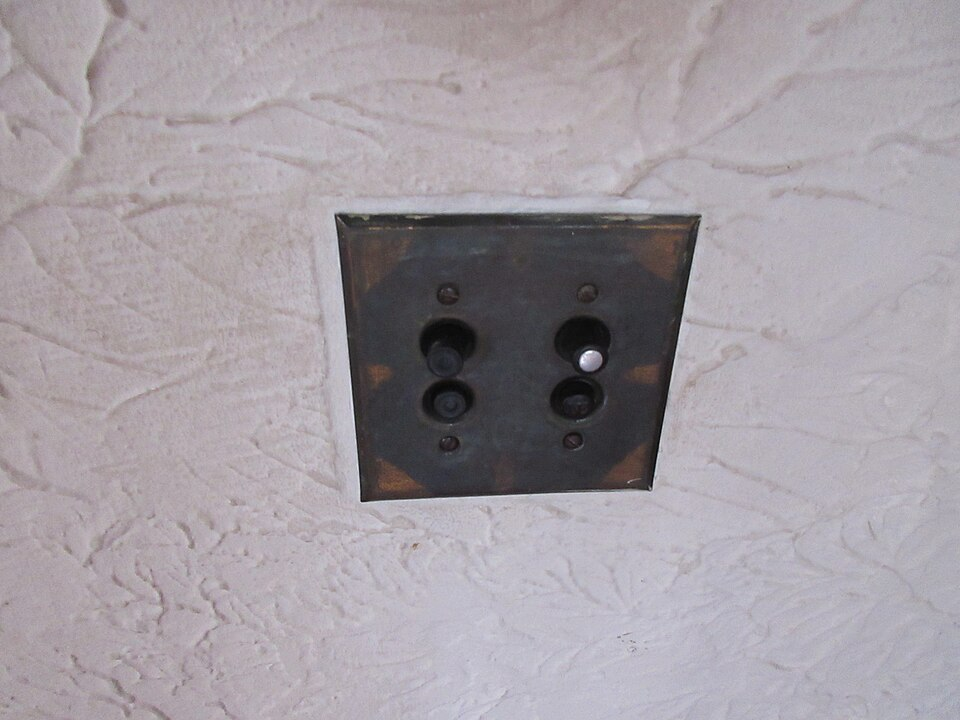
Switching off as you went meant the house darkened behind the person doing it, which required the order to be worked out so that nobody ended up in a dark hallway with the switch behind them.
Getting it wrong was the standard error. A person who had turned off the landing light before going up had to climb the stairs in the dark, which happened to everybody occasionally and was never remarked on.
One Light Was Left On and It Was Not Negotiable
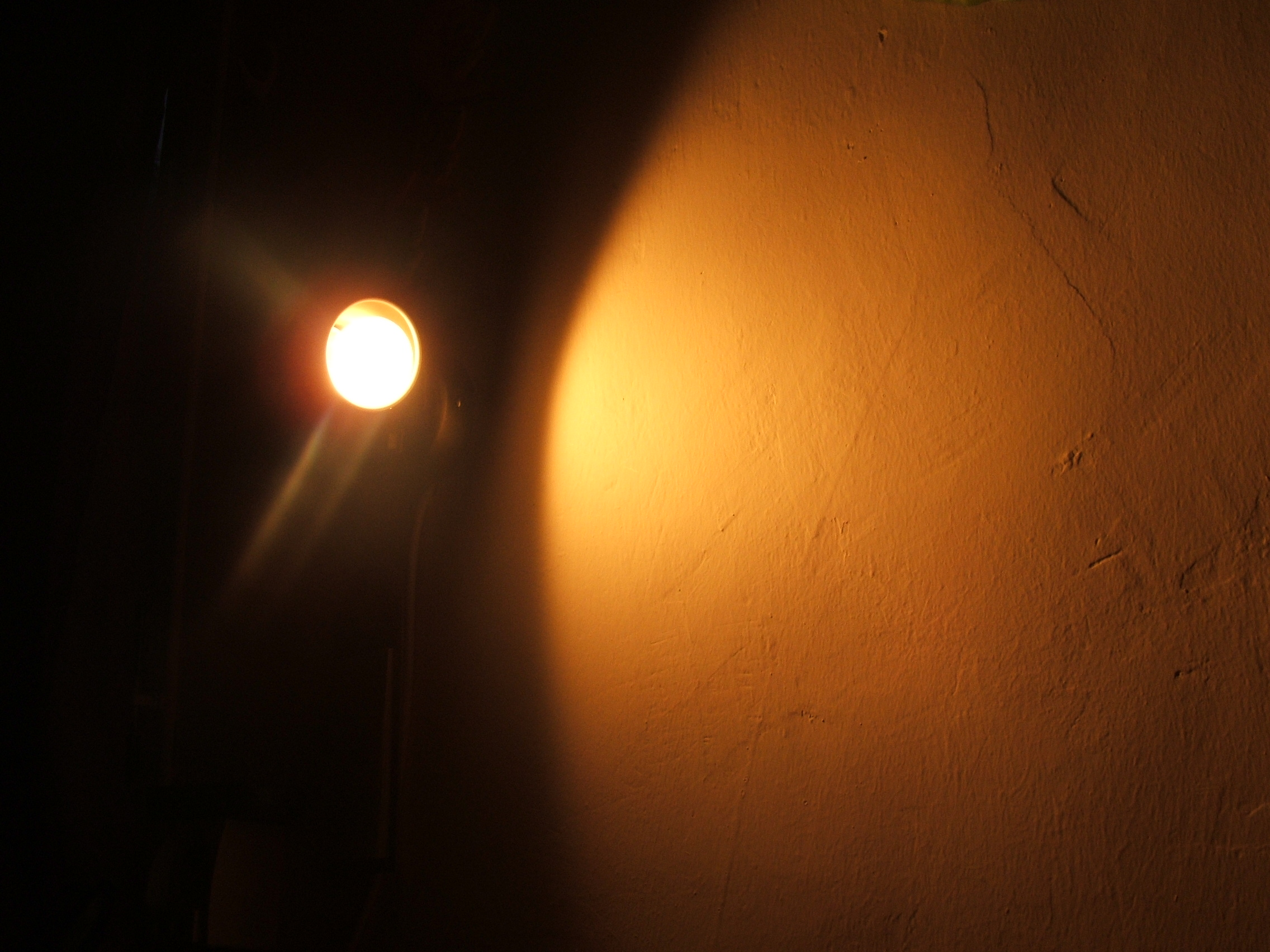
Every household kept something burning, in a specific place, for a specific reason – somebody still out, somebody who would be up early, or simply because it had always been left. The decision was not revisited.
Anybody Still Up Was Hurried Along
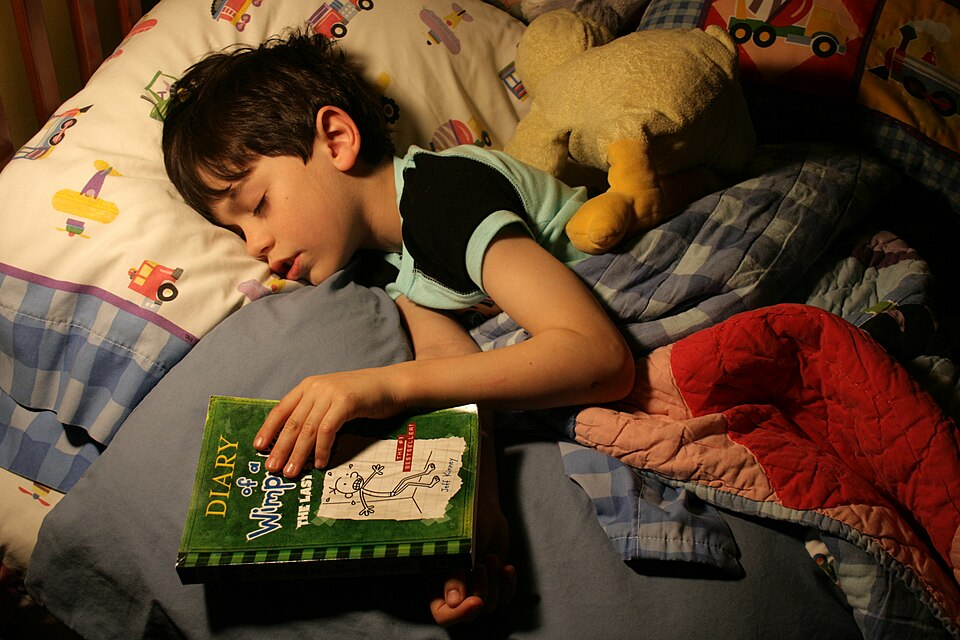
The circuit functioned as an instruction to the rest of the household. A person moving through the ground floor switching things off was telling anybody still in a room that their evening had ended, and the message was delivered without a word being said.
Children sitting somewhere they should not have been were caught by it. The approach was audible, the lights going out in the next room was final notice, and a child who had been reading in a corner had about forty seconds to be somewhere else.
The House Sounded Different Behind You
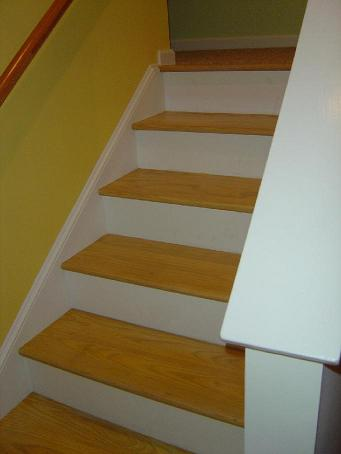
A house with one person moving through it, switching things off, makes a particular sequence of noises, and the children listening from upstairs could follow the whole circuit by sound.
That is how most children knew it had happened. A child in bed heard the bolts, the switches and the final tread on the stairs, and the sequence was the signal that the day had been closed.
The Stove or the Heater Was Checked Last
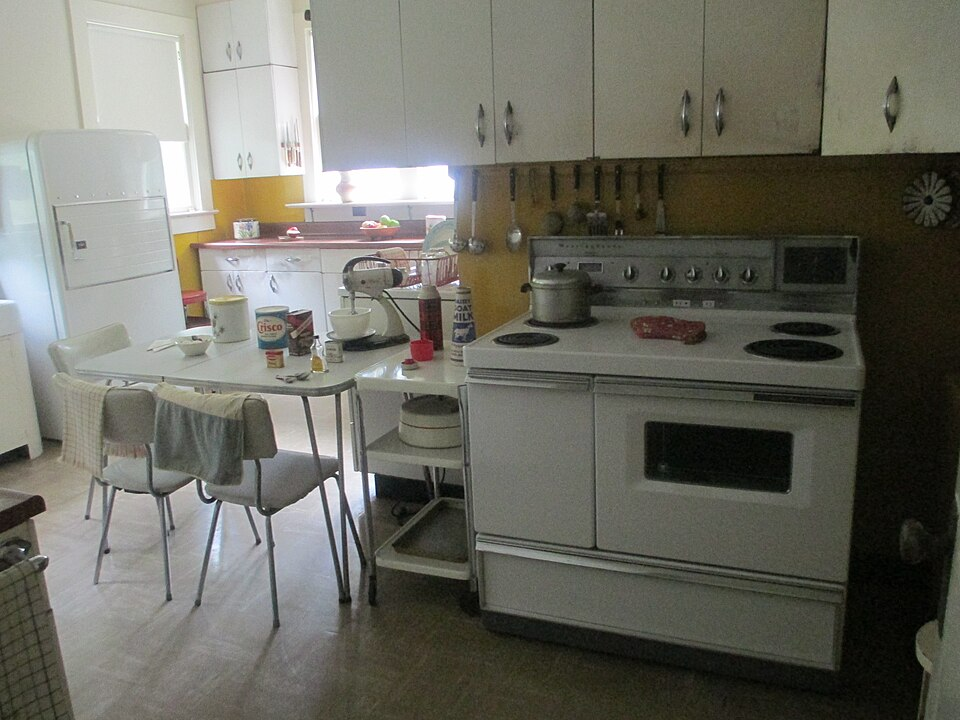
Whatever produced heat was inspected at the end of the circuit, which means it was the thing the person locking up actually cared about and the doors were the easy part.
Present-Day Practice Is Better and That Is Not in Question
Household safety arrangements are vastly better informed now than they were in 1962, the reasons for current advice about heating appliances are well established, and nothing in this piece should be read as describing how anybody ought to check anything.
This is a description of what a household did when far less thought had been given to any of it, and the file makes no recommendation about anything.
The Cold Rooms Were Checked Fastest
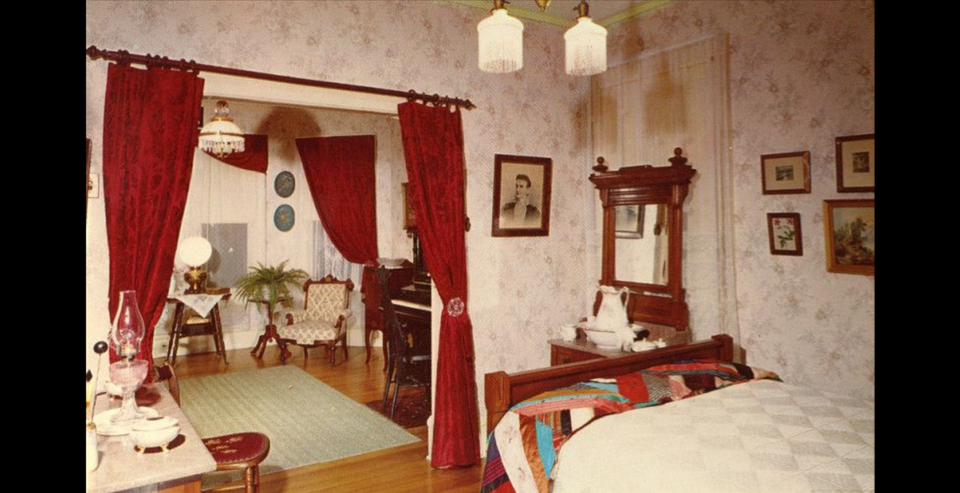
A house of that period had rooms that were not heated, and the circuit through them was performed at speed. The quality of the inspection therefore varied with the temperature of the room, which is a real limitation nobody acknowledged.
That is where things were missed. A window left open in a room nobody used stayed open, because the person checking it had been in there for four seconds in the cold and had looked at it rather than at the catch.
Nobody Carried a Light
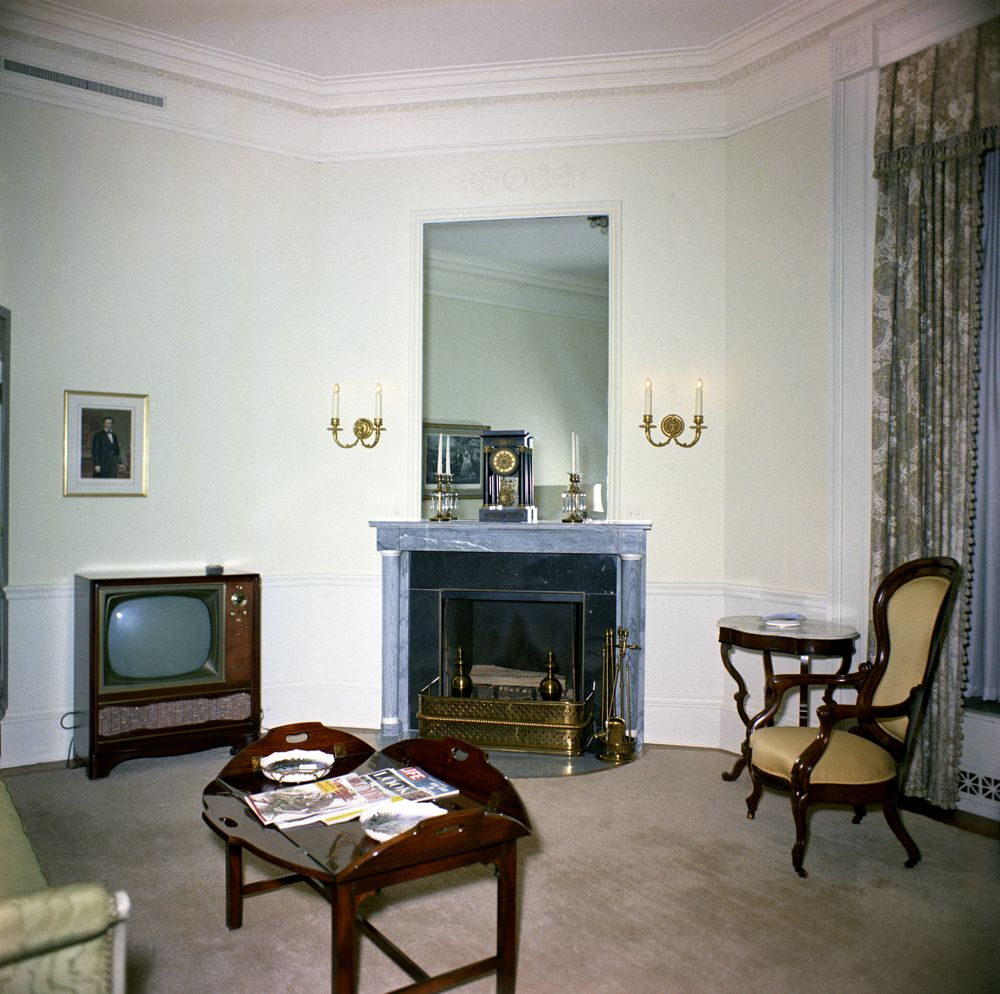
The circuit was walked in the dark, by somebody who knew the house well enough not to need one, which is the clearest indication of how routine it had become.
The Keys Lived in One Place and Were Never Moved
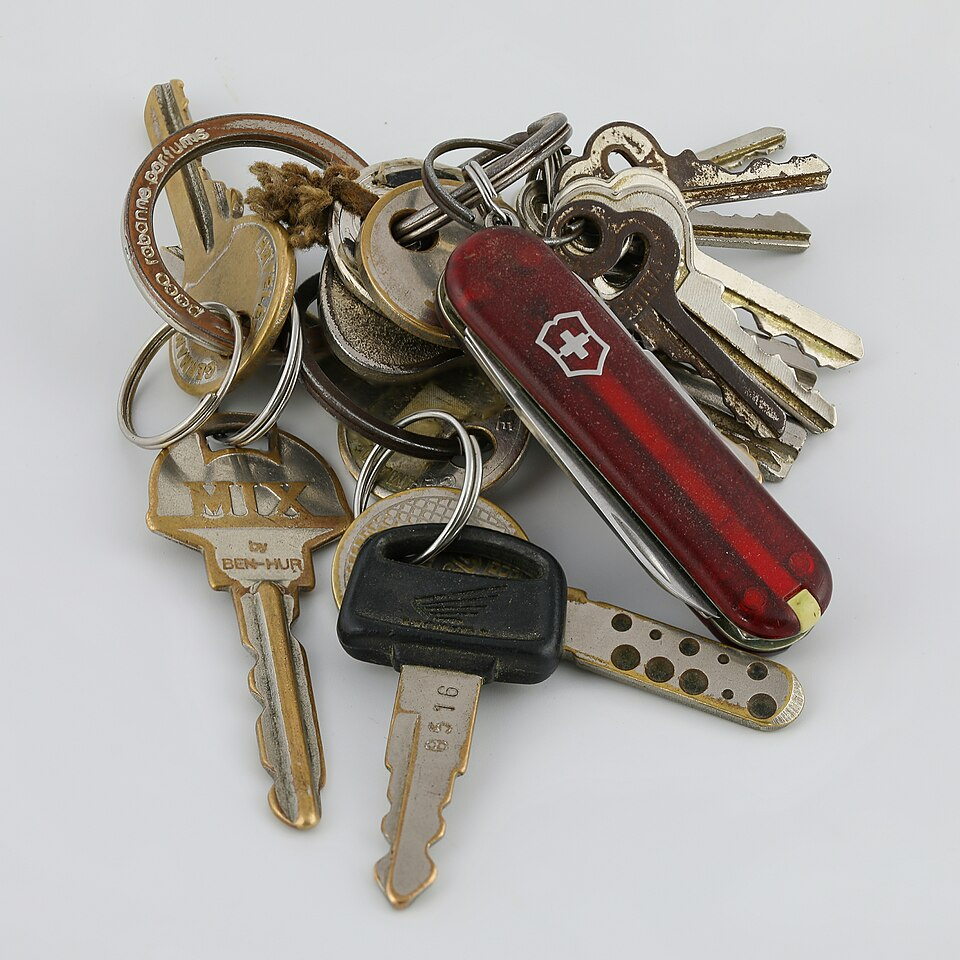
Whatever the household’s keys were kept on sat in a fixed position, and the position was known to everybody and respected absolutely. A key found anywhere else had been left there by somebody who was about to hear about it.
Whether Anything Was Actually Locked Varied Enormously
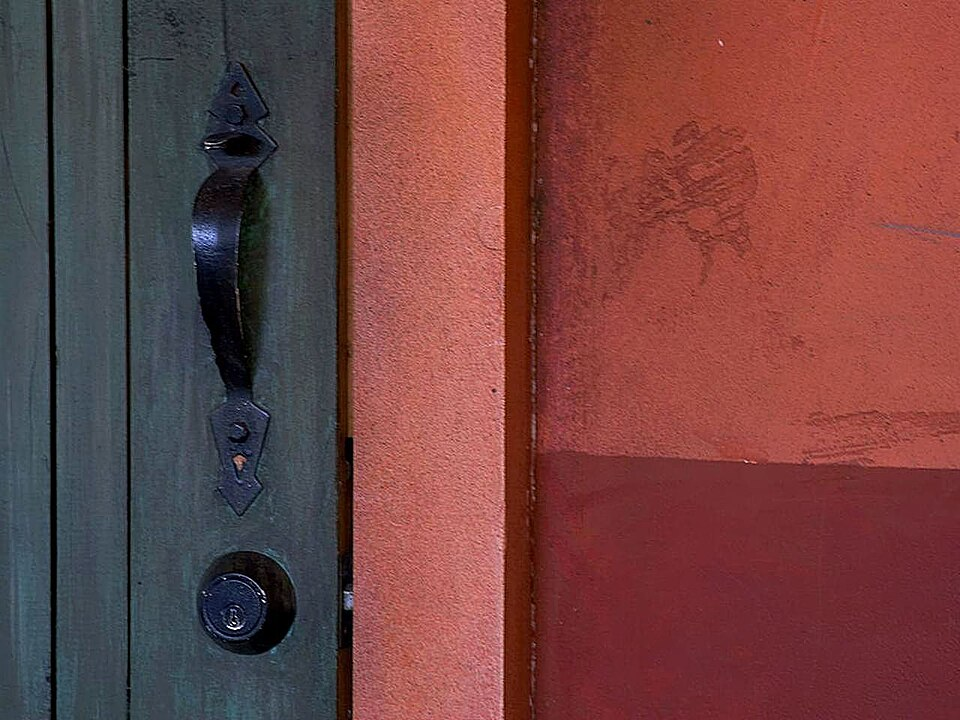
A proportion of households secured everything and a proportion secured nothing, and the difference was never discussed between neighbours.
Children assumed their own household’s standard was universal. Discovering that a friend’s house was left open all night, or that another was bolted like a bank, happened at some point and was genuinely surprising.
The Circuit Got Shorter Over the Years
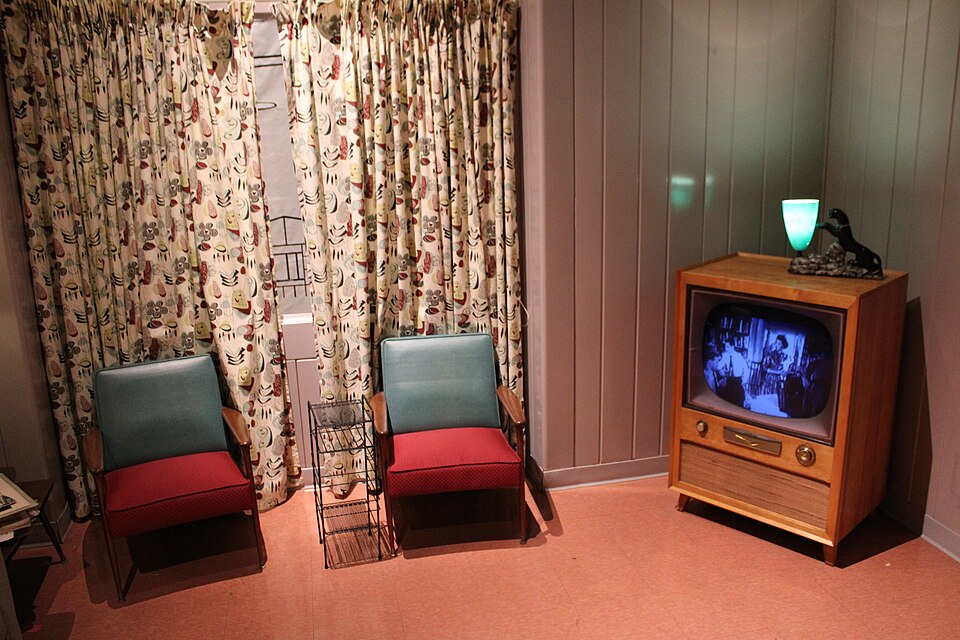
As a household’s children grew up and the house emptied, the route was pruned. Rooms that no longer needed checking were dropped, and the circuit that had taken twenty minutes took six.
It Was Done When Somebody Was Still Out
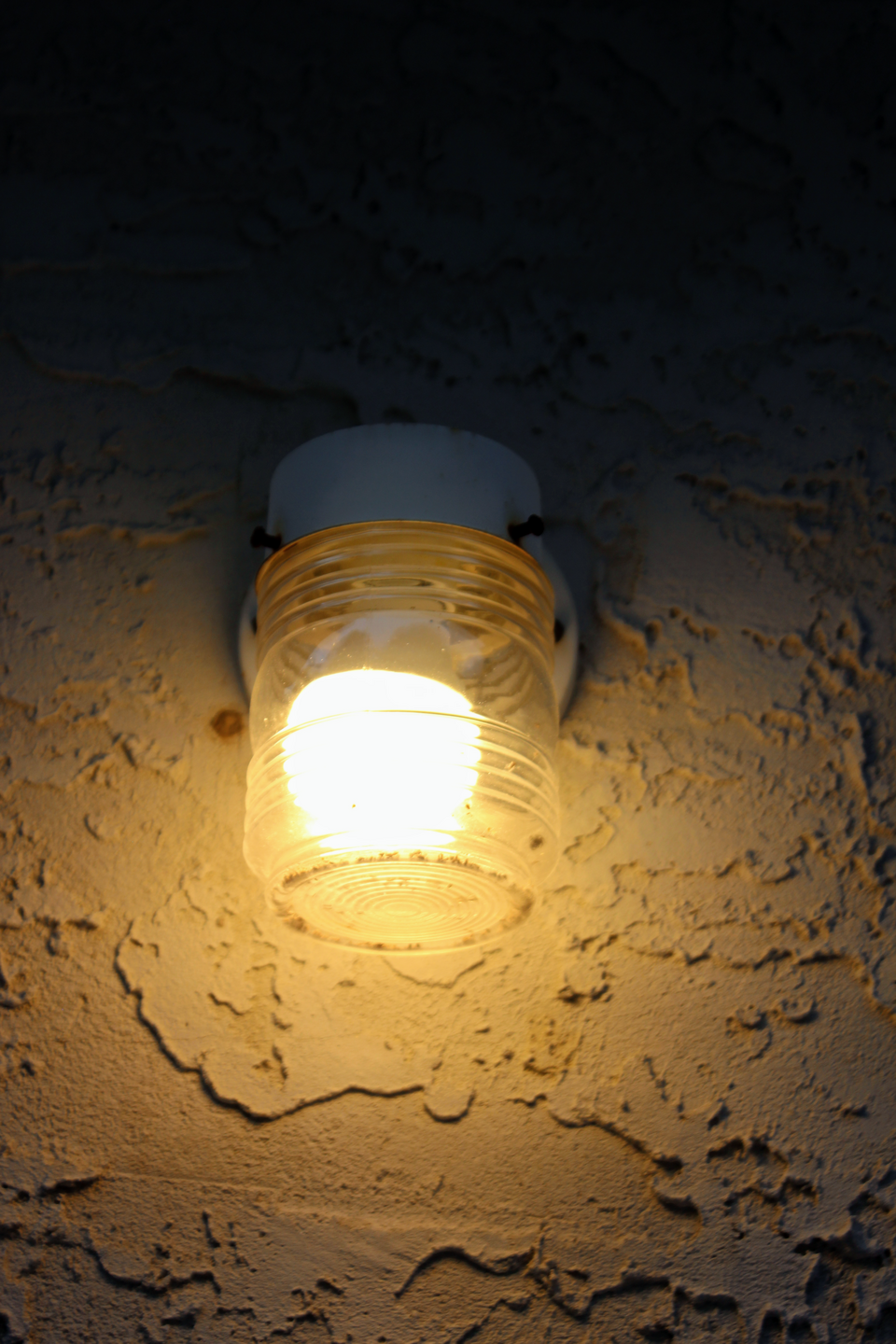
If anybody had not come home, the person locking up did a modified version, leaving one route in, and nobody announced that this was happening.
Children noticed the difference. A house locked up with one door left workable felt different from a house closed completely, and a child could tell which version had happened without being told anything.
The Last Thing Was Always the Same

Every circuit ended with one specific action in one specific place, and that action was the full stop on the day for the whole household.
Doing It Yourself for the First Time Was a Promotion

At some point a child was asked to do it, which was the clearest transfer of household responsibility available and was never described as one.
The first attempt was always wrong. A child performing the circuit missed something, because they had followed it a hundred times and had never been told what it was for, and the omission was identified within a day.
Being Trusted With It Changed How a Child Saw the House
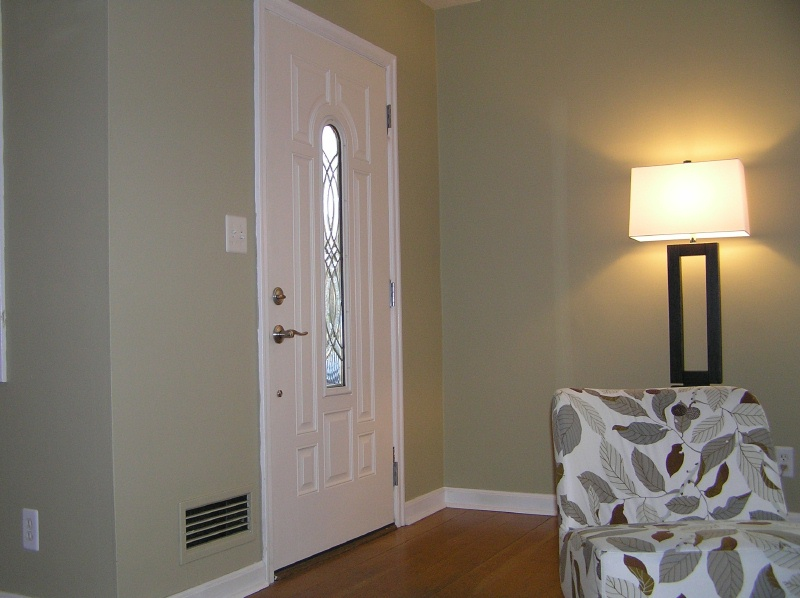
A child who had locked up had been through every room in the building with nobody else awake, which is a view of a house nobody has at any other time.
The Ritual Outlasted Its Reason
A great many people who left those households still perform a version of the circuit in houses with modern locks and nothing to check, in an order they could not explain.
Then the Whole Thing Became One Action

Better locks, fewer doors, central systems and a general change in how houses are secured reduced the circuit to a single operation at a single point.
What Actually Went
Twenty minutes in the dark by one person who had never stated the route, catching one thing out of place almost every night, with the lights going off behind them in an order nobody had worked out on paper, one light deliberately left on for a reason nobody revisited, and an entire household upstairs following the whole thing by sound.
Like our content? Follow us for more.