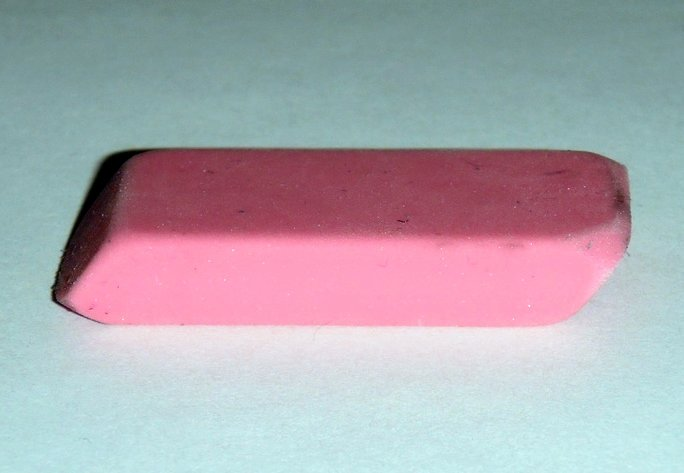
In 1964 there was never enough of it in the room, and that scarcity is the structural fact everything else follows from. An object needed occasionally by everybody, owned by a minority, and consumed by its own use is going to be the most negotiated item in any classroom – and it was, continuously, for the whole of a school year. Children could name exactly who had one: the inventory of the room was held by everybody, updated constantly and consulted whenever anybody needed one, which is a remarkable amount of attention for an object of no value at all. Here are fourteen things every kid remembers about fighting over the classroom eraser in 1964, and how schools fixed it.
1. There Was Never Enough of It in the Room
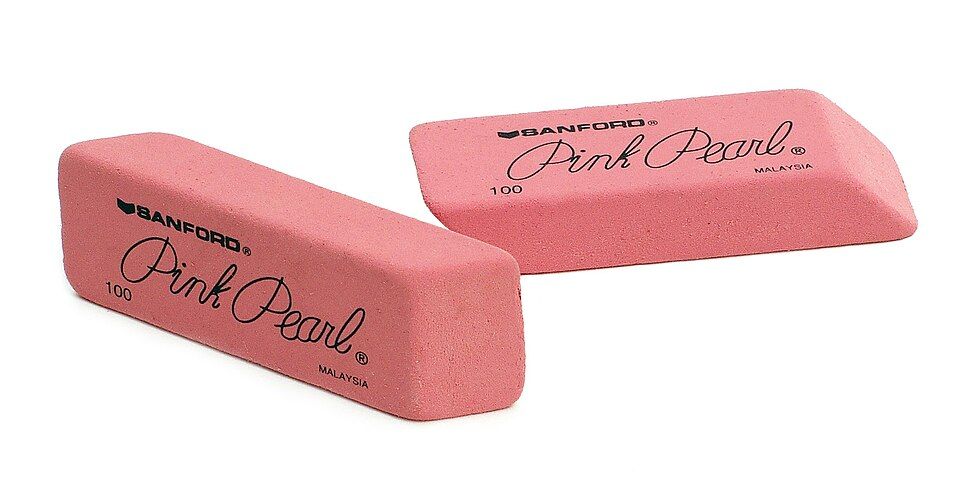
Thirty children and a handful of these objects produced a shortage that defined the whole subject.
The scarcity was the structural fact and everything else follows from it. An object that is needed occasionally by everybody, owned by a minority, and consumed by use is going to be the most negotiated item in any room – and it was, continuously, for the whole of a school year.
Children could name who had one. The inventory of the room was held by everybody, updated constantly, and consulted whenever anybody needed one, which is a remarkable amount of attention for an object of no value at all.
Like our content? Follow us for more.
2. It Got Smaller Every Time Anybody Used It
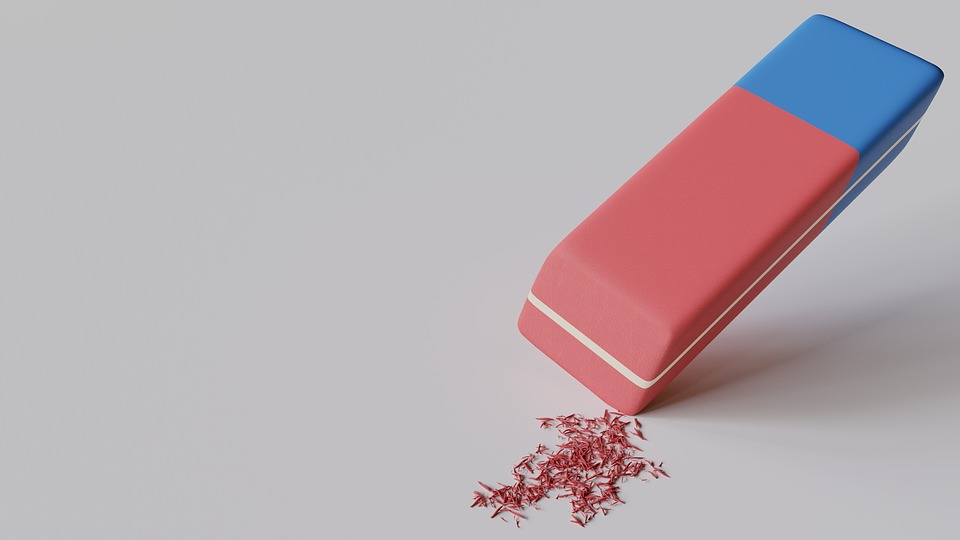
The object was consumed by its own function, which is unusual among a child’s possessions.
That property changed how it was treated entirely. Everything else a child owned was either permanent or replaceable, and this one was neither – it diminished visibly, in proportion to use, which means lending it had a measurable cost that everybody involved could see.
Children tracked the size. A child who had lent theirs out several times could see the result, and the visible diminishment is the reason the lending rules were stricter for this object than for anything else.
3. Borrowing It Required a Negotiation Rather Than a Request
Asking was not sufficient; something generally had to be offered in return.
The difference from other borrowing was the consumption. Returning something unchanged costs the lender nothing, and returning something smaller costs them a real amount, which means children correctly treated this as an exchange rather than a favour.
The rates were understood by everybody. What constituted a fair offer was known across a whole classroom, had never been negotiated and held consistently for a whole year, which is the same unwritten pricing system that governed everything children traded.
4. It Was Dirty Within a Week
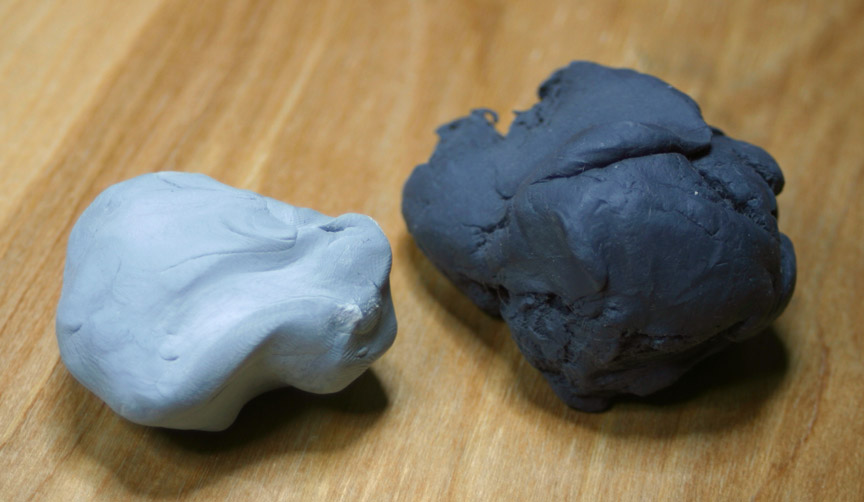
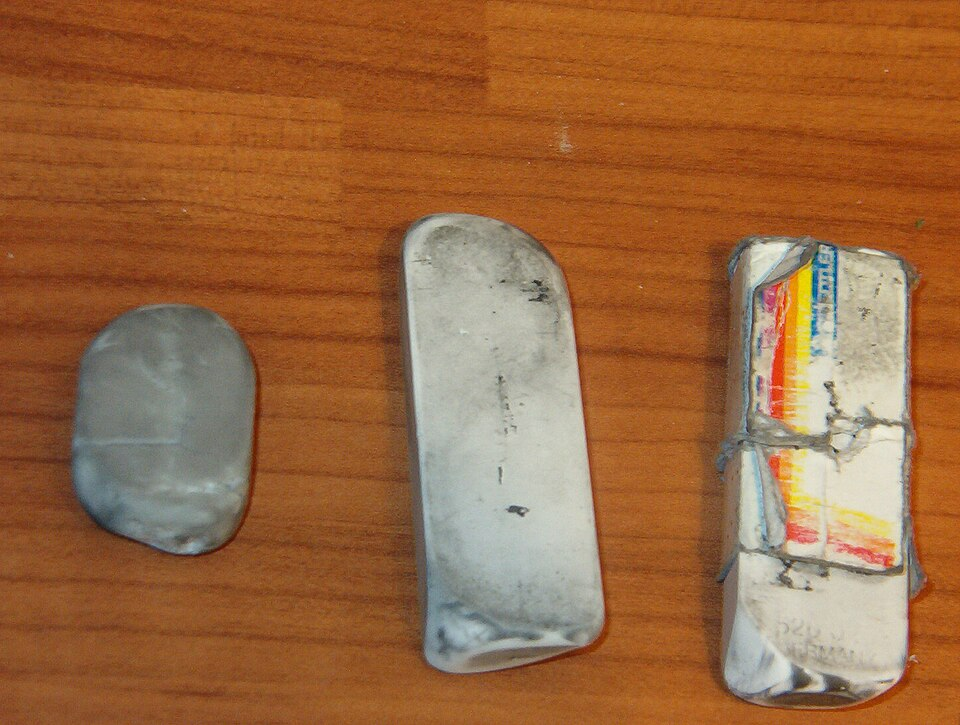
The surface picked up everything it touched and could not be cleaned.
The contamination was a property of the material. A soft surface that works by abrading itself collects what it removes, which means the thing turned grey almost immediately and then transferred that grey to anything it was used on.
Children learned to work the surface clean. Rubbing it on a rough surface first removes the top layer and exposes clean material underneath, which every child in the room knew and which cost a measurable amount of the object each time.
5. Using It Too Hard Destroyed the Paper
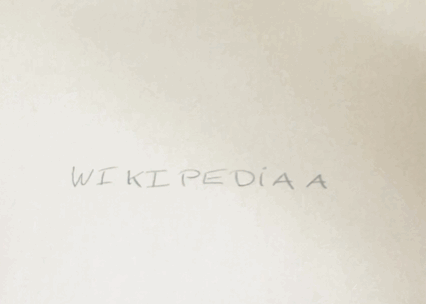
The object was capable of removing more than the mark, and children discovered this repeatedly.
The failure mode was pressure. Material thin enough to write on cannot survive sustained abrasion, which means a determined attempt to remove something produced a hole – and a hole is considerably worse than whatever was being removed.
That calculation was made badly by everybody. A child with a mark they wanted gone consistently applied more pressure than the paper could take, and the resulting hole is one of the most universal experiences of the whole period.
6. The Hole Was Worse Than the Mistake
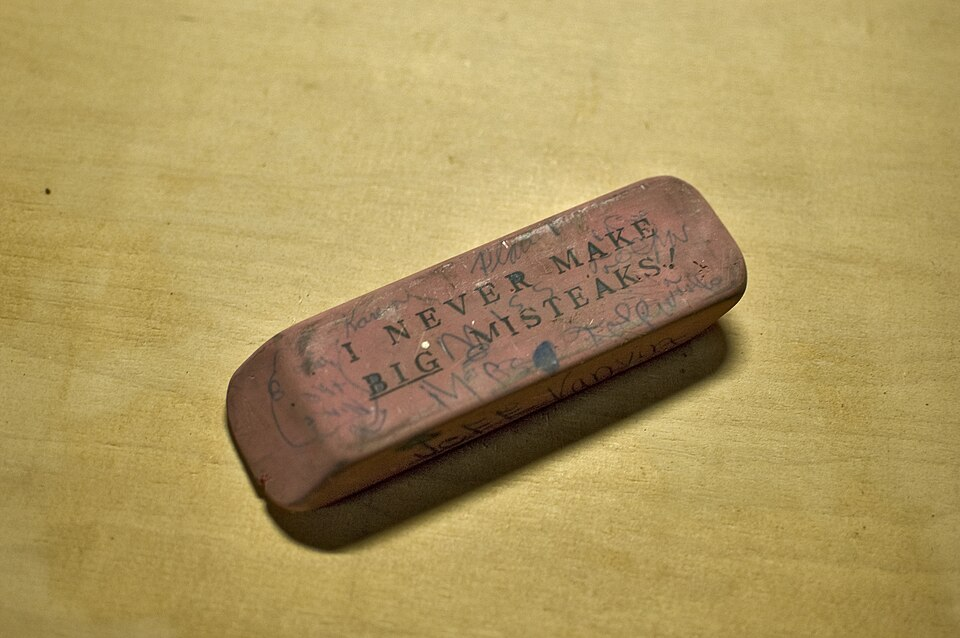
A damaged page could not be concealed, which made the remedy more conspicuous than the problem.
The visibility is the whole difficulty. A mark is small and a hole admits light, which means an attempt at concealment produced something considerably more noticeable than the original error – and there was no further remedy available.
Children developed strategies and none of them worked. Writing around it, pressing it flat and covering it are all described, and all of them left a page that announced exactly what had happened.
7. Some of Them Did Not Work at All
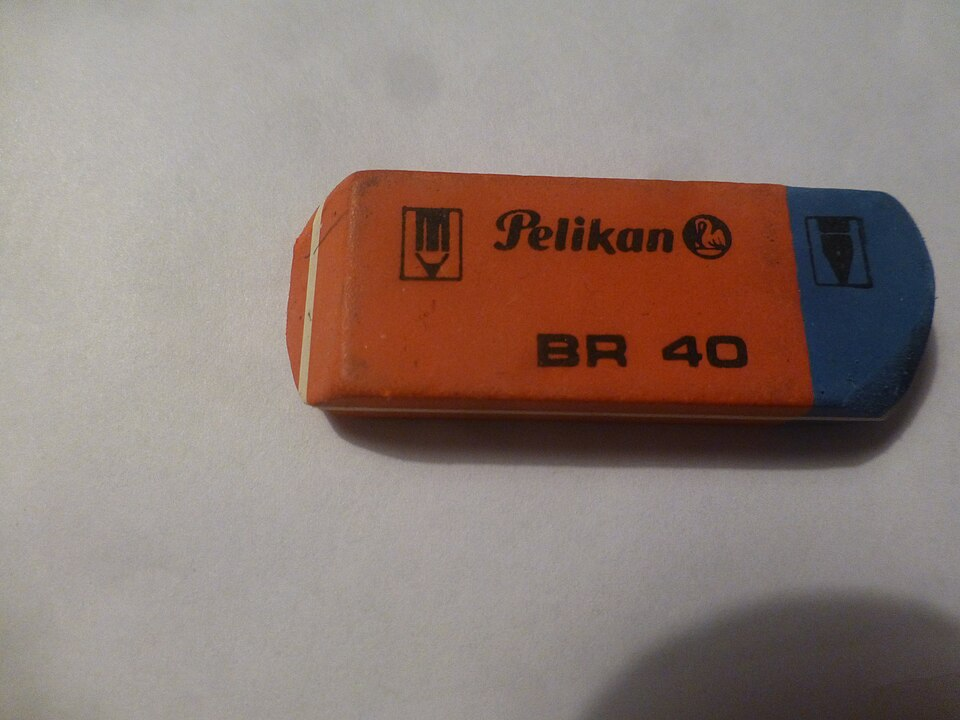
A proportion of these objects were ineffective, and children could not tell which until they tried.
The variation was real and unexplained. Hard examples smeared rather than removed, and a child who acquired one discovered that they had something which looked identical to a working object and did nothing – which produced a specific frustration nothing else in a desk could match.
The useless ones were still traded. A child with an ineffective one could usually find somebody who had not yet learned to test before accepting, which is the one genuinely sharp practice in the entire classroom economy.
8. Cutting It in Half Was the Standard Act of Generosity
Dividing one was how a child with a working object helped somebody who had nothing.
The division made practical sense. Half of one of these works exactly as well as a whole one, which means the generous act cost the giver capability they were not using and gave the receiver capability they entirely lacked.
It was also irreversible and recognised as such. A divided object cannot be put back together, which meant the gesture carried weight and was remembered by both parties for a long time.
9. It Was the Thing Most Likely to Be Taken
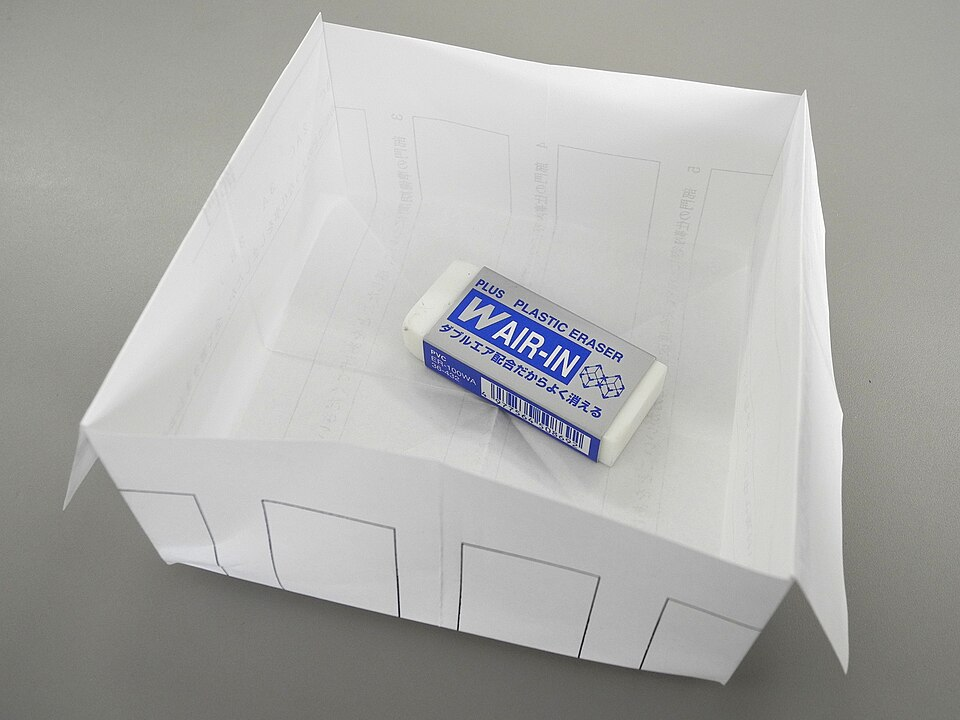
These objects disappeared more often than anything else a child owned.
The reason is the combination of scarcity and anonymity. An object everybody needs, which cannot be marked because the marking abrades off immediately, and which is indistinguishable from thirty identical ones, is going to go missing – and did, constantly.
Nobody could prove anything. A child whose object had gone had no way of identifying it in anybody else’s possession, which meant the matter was never resolved and was generally dropped within a day.
10. You Tried to Mark Yours and It Did Not Work
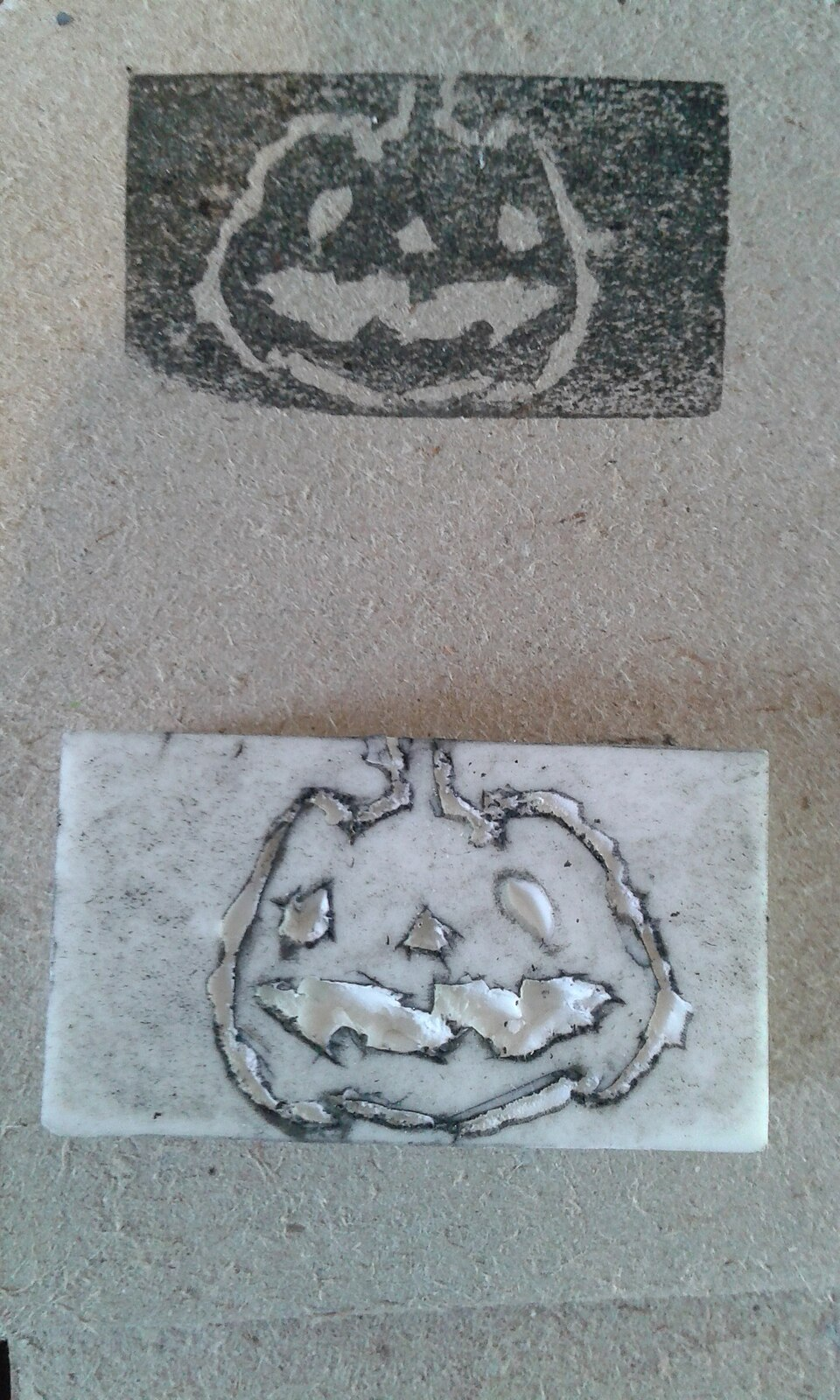
Every child attempted to identify theirs and every attempt failed.
The failure was built into the object. A surface that removes itself in use cannot carry a mark for long, which means a name written on one was gone within a fortnight and a notch cut into one disappeared almost as fast.
This is why children resorted to shape. The outline of a well-used one was distinctive, and recognising your own by its silhouette rather than by any marking is a skill a surprising number of children developed.
11. The Last Fragment Was Used Until It Could Not Be Held
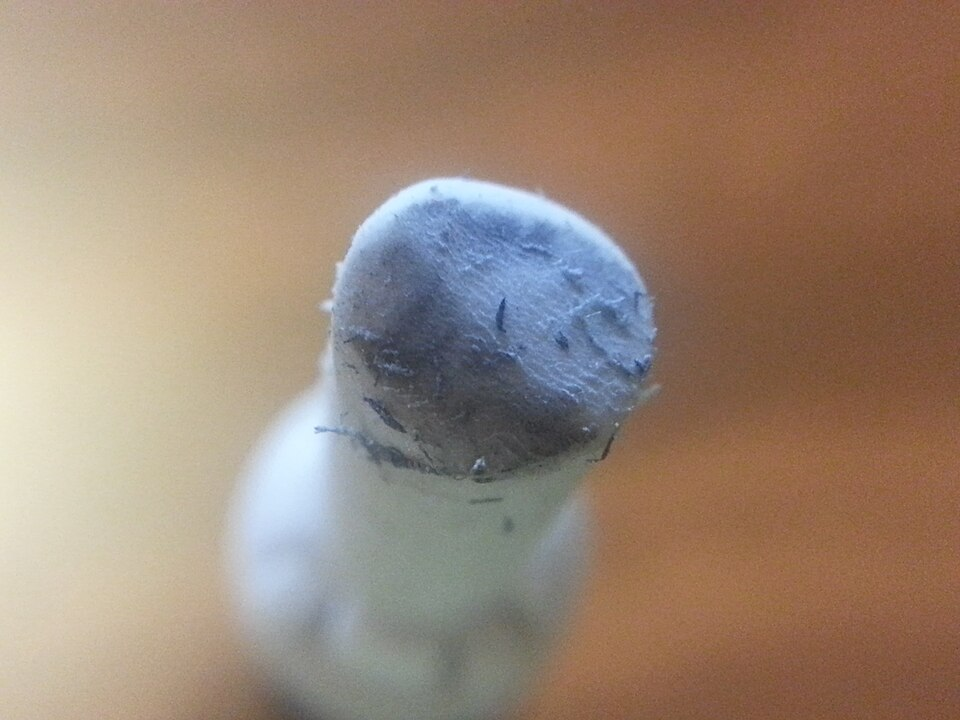
These objects were used down to a piece too small for fingers.
The persistence reflects both the scarcity and the absence of any alternative. A child with a fragment and no prospect of a replacement used the fragment, which meant the final stage of one of these was a piece being pressed against paper with a fingernail.
The abandonment point was consistent. The object was discarded when it could no longer be gripped at all, which is the only disposal criterion anybody applied to anything in a school desk.
12. A New One Was a Genuine Event
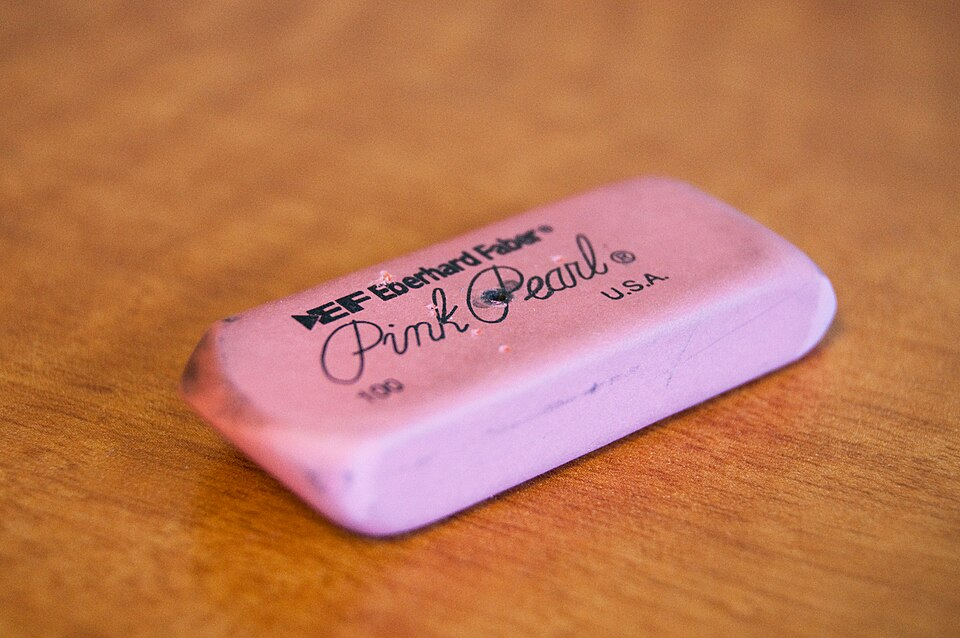
Receiving an unused example was among the better things that happened in a school year.
The significance came from the contrast. A child who had been managing with a grey fragment for months, suddenly holding a complete clean object, experienced a change in capability out of all proportion to what the thing actually was.
The first use was deliberately postponed. Children consistently describe holding a new one for a day or more before using it, which is the only instance of deferred gratification anybody reliably reports from a 1964 classroom.
13. Everybody Smelled Them and Nobody Admitted It
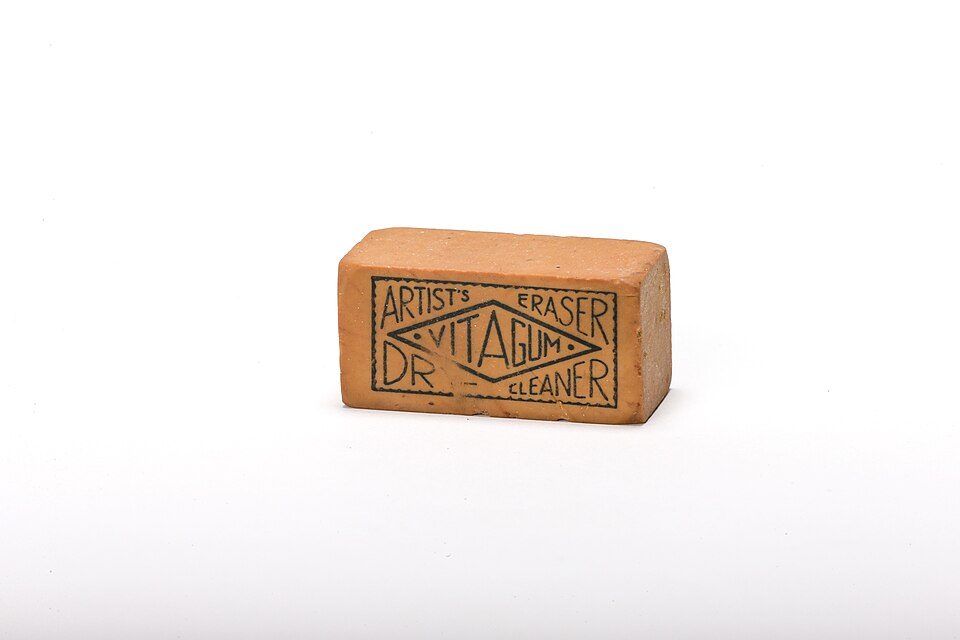
These objects had a distinct odour that was noticed by every child and discussed by none.
The universality is the interesting part. A great many people report this independently, none of them were told to do it, and almost nobody mentioned it at the time – which puts it among the quietest shared behaviours of the period.
It is the detail that produces the strongest recognition. People who recall nothing else about the classroom economy identify the smell immediately and are mildly surprised that anybody else remembers it.
14. Then the Shortage Simply Ended
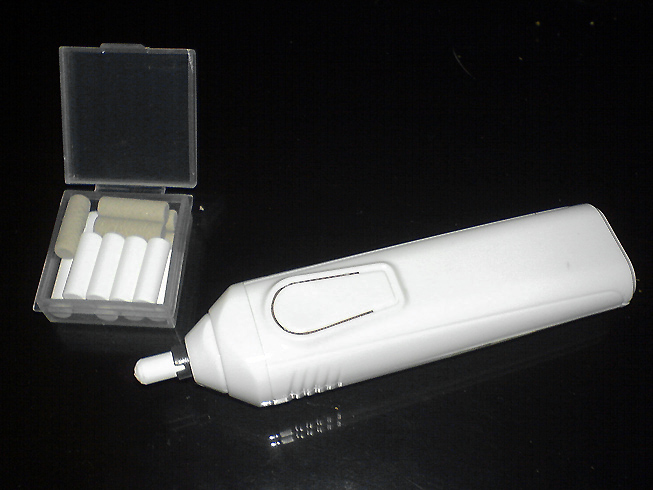
Equipment supplied where it is needed, different writing tools, correction methods that do not abrade anything and a complete change in how classrooms are provisioned ended the scarcity entirely.
Every part of that is an improvement. Children who are not negotiating over a consumable object, and paper that does not develop a hole when a mistake is corrected, are better off in every respect.
What went with it is an economy. Thirty children, a handful of objects, an unwritten exchange rate nobody had negotiated, a standard act of generosity that could not be undone, and an inventory of the whole room held in everybody’s head at once.
Why This One Object Had Its Own Rules
Read in order, the fourteen come down to one property. The object was consumed by its own function, which is unusual among a child’s possessions – everything else was either permanent or replaceable, and this one was neither. It diminished visibly in proportion to use, which means lending it had a measurable cost that everybody involved could see, and that single fact explains why the borrowing rules were stricter for this than for anything else and why asking was not sufficient. Returning something unchanged costs a lender nothing; returning something smaller costs them a real amount, so children correctly treated it as an exchange rather than a favour, at rates that were known across a whole classroom and had never been negotiated by anybody.
The same property defeated every attempt at ownership. A surface that removes itself in use cannot carry a mark, so a name written on one was gone within a fortnight and a notch cut into one disappeared almost as fast – which is why these objects went missing more than anything else a child owned, and why nothing could ever be proved about any of it. Children resorted to recognising their own by silhouette instead.
The failures were as consistent as the economy. Material thin enough to write on cannot survive sustained abrasion, so a determined attempt to remove something produced a hole – and a hole admits light, which made the remedy considerably more conspicuous than the original error, with no further remedy available. Every child made that calculation badly, repeatedly.
And two gestures stand out. Cutting one in half was the standard act of generosity, because half works exactly as well as a whole one, which meant it cost the giver capability they were not using – and it could not be undone, which is why both parties remembered it for years.
The practical case is complete. Children who are not negotiating over a consumable object, and paper that does not develop a hole when a mistake is corrected, are better off in every respect – equipment supplied where it is needed removes the whole arrangement at a stroke.
What went with it is an economy. Thirty children, a handful of objects, an unwritten exchange rate nobody had negotiated, and an inventory of the entire room held in everybody’s head at once. Also one quieter thing: these objects had a distinct odour that every child noticed and almost nobody mentioned, which a great many people report independently and are mildly surprised that anybody else remembers.
Like our content? Follow us for more.