In 1964 nobody knew which one they would be on, and that is the fact the whole errand rests on. A person travelling could not tell anybody when they would arrive once they had set off: the arrangement had been made days earlier, the traveller had no means of updating it, and the receiving household therefore knew only a rough window – which meant somebody had to be at the arrival point across the whole of it. That somebody was a child, for the usual reason: standing at a fixed point for an indeterminate period is a task requiring nothing except presence, and an adult’s afternoon was worth more than a child’s. Here are fourteen things every American kid remembers about being sent to meet somebody off the bus in 1964.
1. Nobody Knew Which One They Would Be On
The arrangement had no confirmation in it, which is the fact the whole errand rests on.
A person travelling in 1964 could not tell anybody when they would arrive once they had set off. The arrangement had been made days earlier, the traveller had no means of updating it, and the receiving household therefore knew only a rough window – which meant somebody had to be at the arrival point across the whole of it.
That somebody was a child, for the usual reason. Standing at a fixed point for an indeterminate period is a task requiring nothing except presence, and an adult’s afternoon was worth more than a child’s.
Like our content? Follow us for more.
2. You Were Given a Window Rather Than a Time
The instruction specified a span and left the rest to chance.
The spans were generous. A child was sent to be in place from one point to another, which could be an hour and a half, and the whole of it had to be covered because the arrival could fall anywhere inside it – and frequently fell outside it in either direction.
Children therefore arrived early. The cost of being late was missing somebody entirely and the cost of being early was tedium, so every child in this situation got there with time to spare and most of them substantially overdid it.
3. The Waiting Was the Whole of the Errand
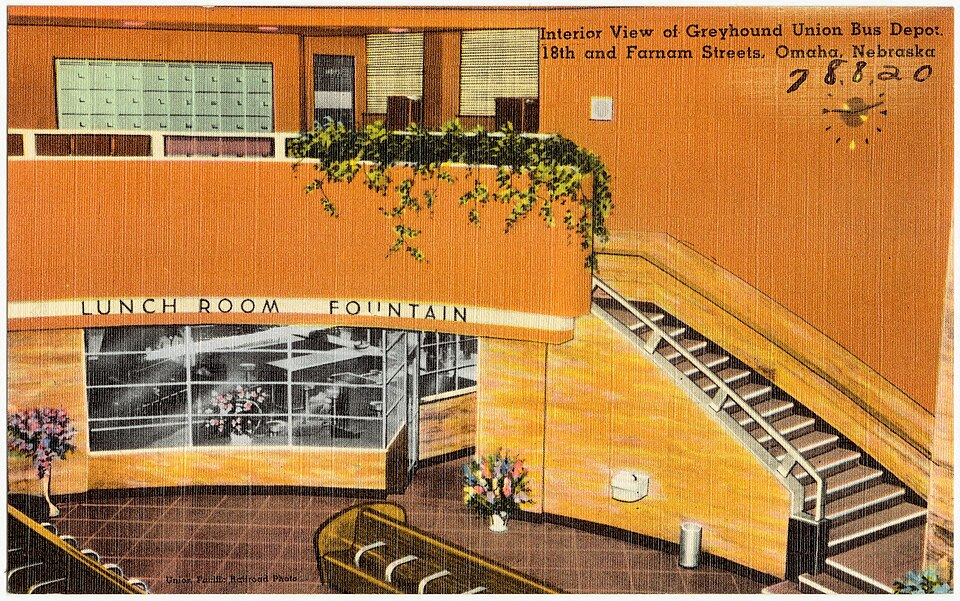
Everything about the task was the standing still, and the meeting itself took ten seconds.
The proportions were extreme even by the standards of the period. Ninety minutes of waiting for a ten-second recognition is a ratio nothing else a child was asked to do came close to, and the entire experience consisted of the part before.
Children knew this going in and went anyway. There was no alternative arrangement available, which meant the task was accepted on its own terms and performed without any expectation that it would be interesting.
4. You Watched Every Arrival With Complete Attention
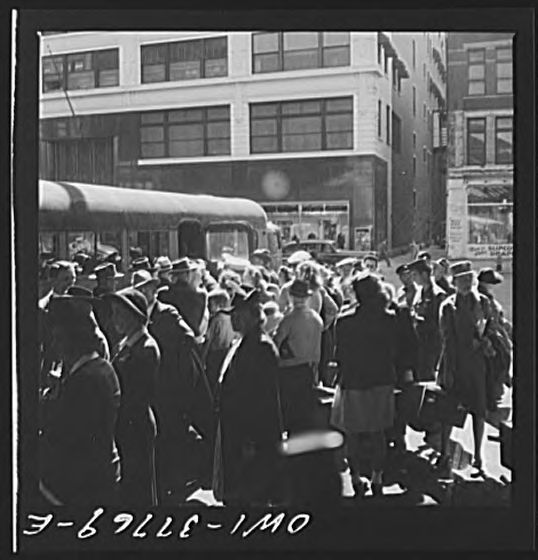
Each one had to be examined, because any of them might contain the person.
The attention was involuntary and exhausting. A child could not relax between arrivals because the next one might be it, which meant ninety minutes of intermittent intense concentration rather than ninety minutes of idleness – and that is considerably more tiring.
The disappointment compounded. An arrival that did not contain the person reset the whole wait, and a child who had done that six times was in a noticeably worse state than one who had done it twice.
5. You Were Looking for Somebody You Could Not Quite Picture
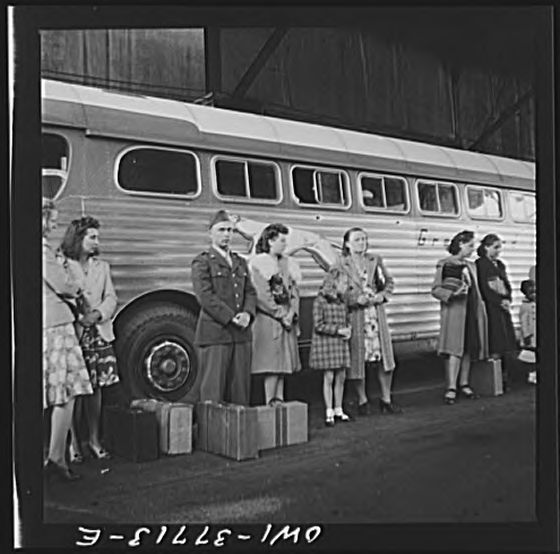
The recognition problem was real and nobody had anticipated it.
The difficulty was specific. A child sent to meet somebody they saw rarely was working from a memory that was months or years old, against a stream of people in unfamiliar clothing in unfamiliar light – and a great many of them were genuinely uncertain they would know the person.
The solution was to be found rather than to find. Children worked out that the traveller knew exactly who they were looking for, which meant standing somewhere visible and letting the recognition happen in the other direction was considerably more reliable than searching.
6. Standing Somewhere Visible Was the Actual Skill
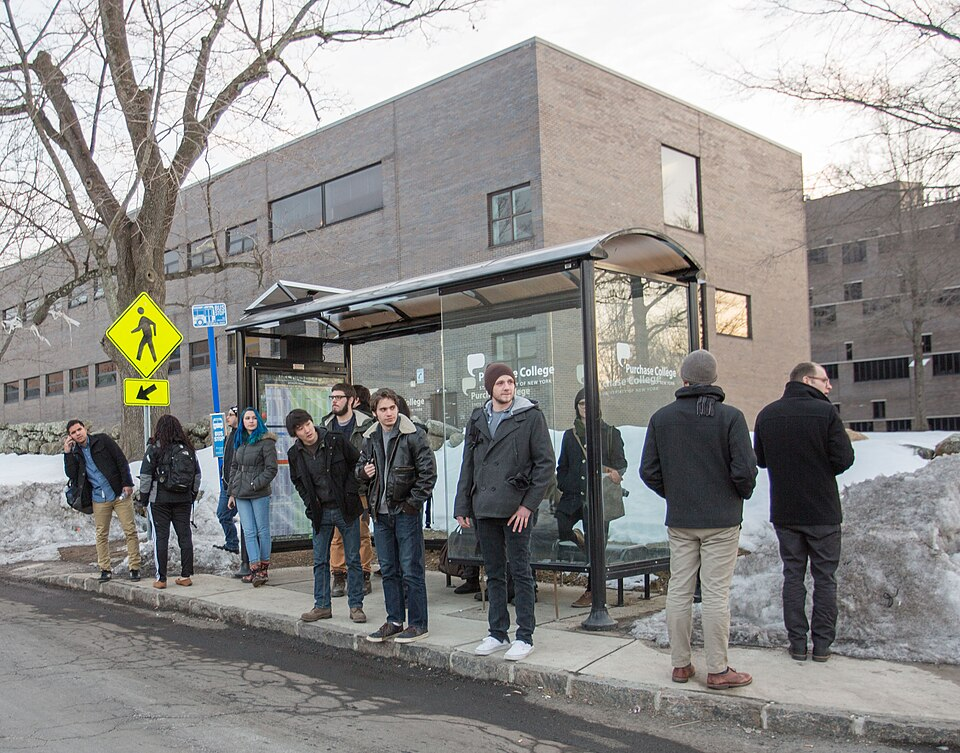
The task was solved by positioning rather than by watching.
The reasoning was sound and was arrived at independently. A child who stood in the one place an arriving person would look, in the open, without moving, had made themselves findable – which converts a search problem into a waiting problem and removes the possibility of missing somebody by being in the wrong place.
Children held their position with discipline. Having established the right spot, a child did not leave it for ninety minutes, which is the same self-imposed stillness that showed up in every waiting task of the period.
7. You Had No Way of Finding Out Whether They Were Coming

The absence of any information channel was the hardest part of the whole errand.
The position was complete. A child at an arrival point had no means of establishing whether the person had set off, had been delayed, had changed the arrangement or was arriving in four minutes – and no means of asking anybody or being told anything.
The uncertainty had no resolution except time. A child could only continue waiting until either the person arrived or the window closed, which meant the entire errand was conducted without a single piece of information arriving from anywhere.
8. Deciding to Leave Was Entirely Yours
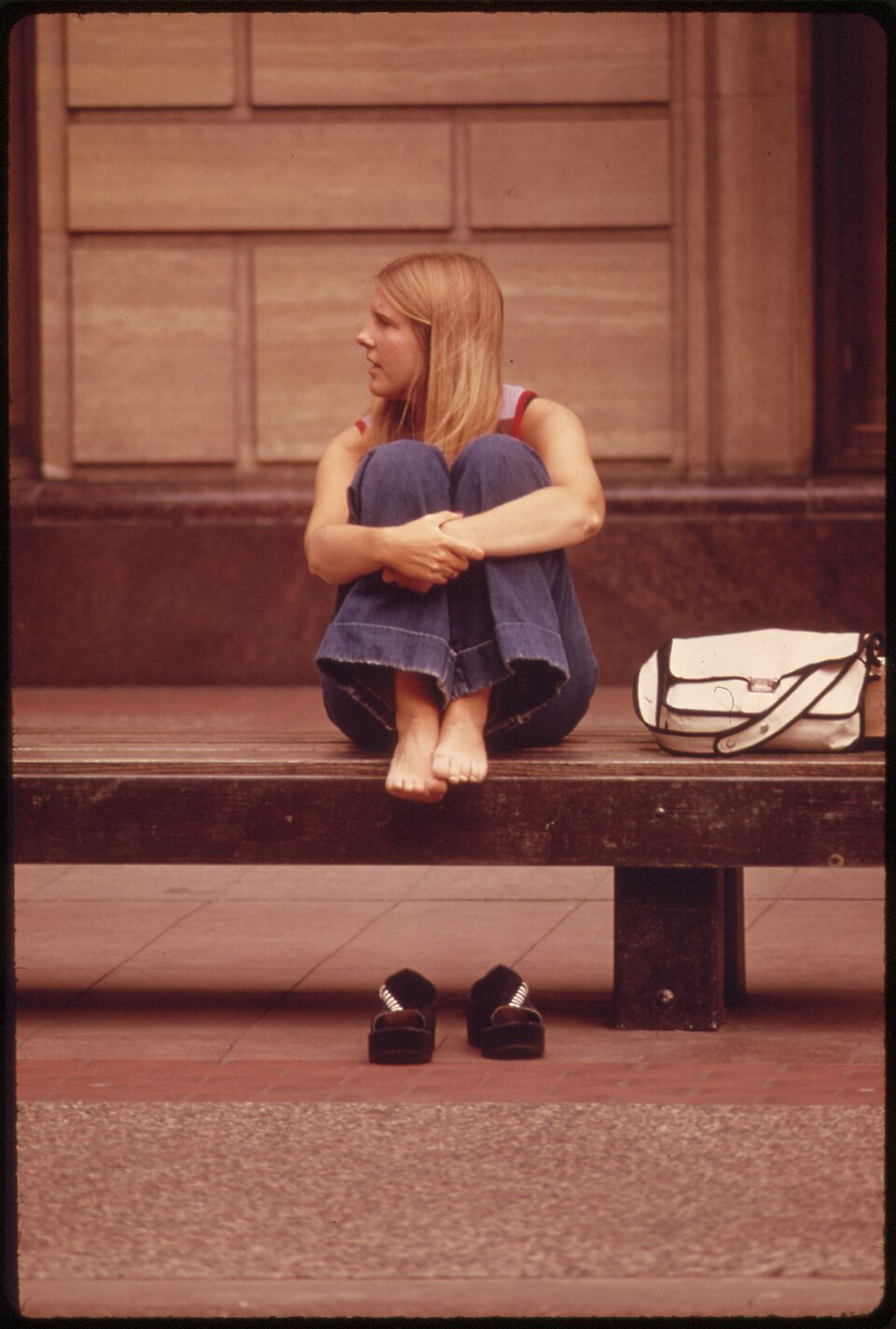
The judgement about when the errand had failed fell to the child, with no rule supplied.
Nobody had specified an end. The window had been given as a span and no instruction covered what to do if it closed with nobody having appeared, which meant a child alone at a fixed point had to decide for themselves that enough had been done.
Children consistently stayed too long. The prospect of leaving four minutes before somebody arrived was worse than any amount of additional waiting, which is a calculation people describe making and getting wrong in the same direction every time.
9. The Person Was Carrying Too Much and You Were Expected to Help
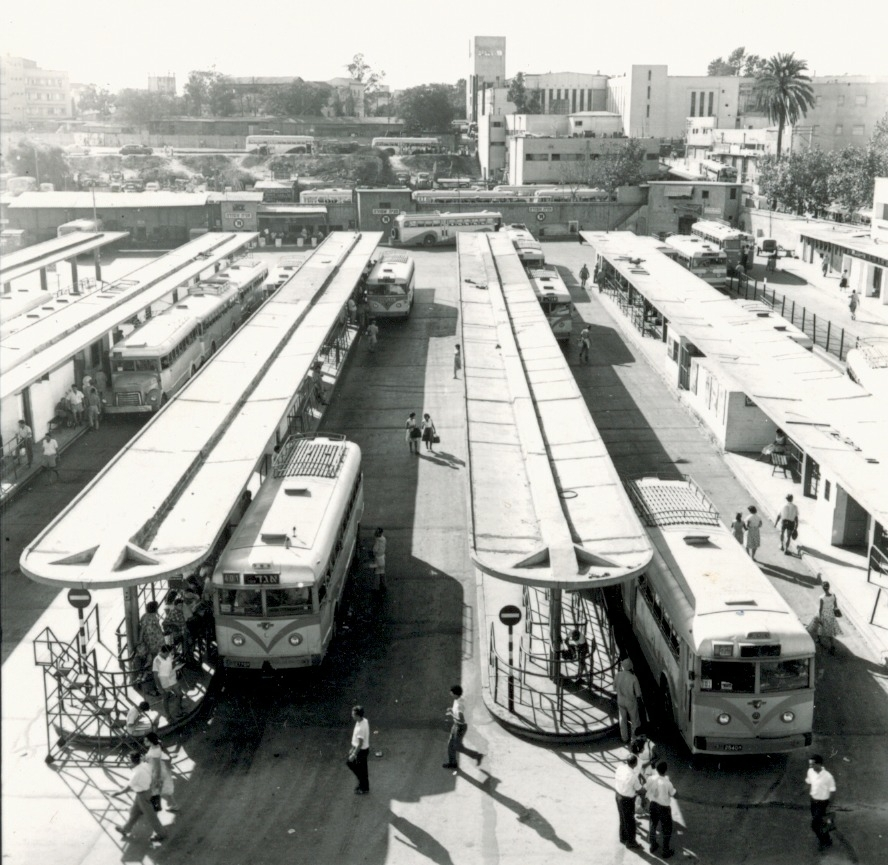
The errand turned into a transport task at the moment it succeeded.
The transition was immediate and unprepared-for. A child who had waited ninety minutes for a ten-second recognition was then handed something to carry, which is what the errand had actually been for all along and which nobody had mentioned at the outset.
Children had not budgeted for it. The walk home with something awkward, after ninety minutes of standing, is remembered as the real cost of the whole arrangement and was never once anticipated in advance.
10. Being Recognised First Was the Best Part
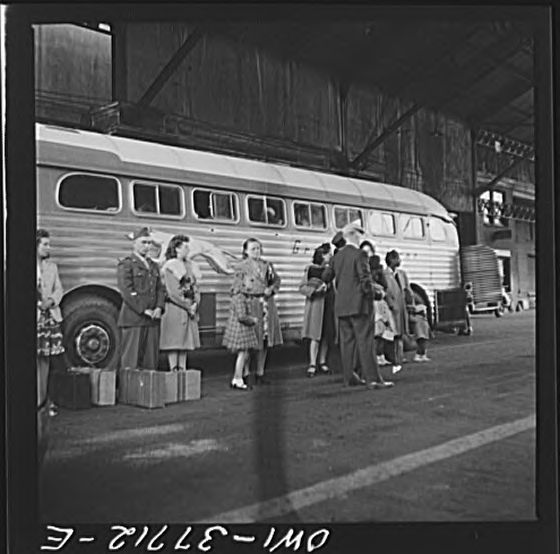
The traveller spotting the child, rather than the reverse, is what people describe.
The direction mattered. A child being picked out of a crowd by somebody who had been travelling for hours, and seeing the recognition arrive on the other person’s face, is a specific and quite powerful experience – and it was available only because the child had been standing somewhere visible for an hour and a half.
That is reported as the payment. The ninety minutes bought ten seconds of being the thing somebody was pleased to see, which a great many people identify as having been worth it.
11. You Were the Household’s Entire Welcome
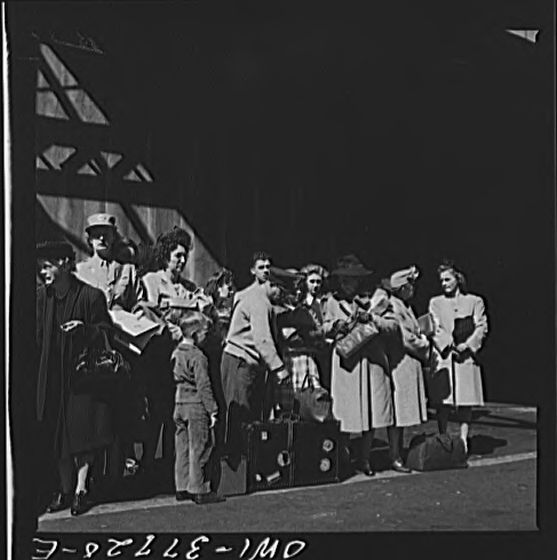
No adult came, which the child understood and the traveller did not comment on.
The arrangement was normal and is striking now. A person arriving after a long journey was met by a child, alone, and walked back with them – which means the household’s welcome consisted entirely of somebody who had been sent and the walk home.
Nobody found it insufficient. The traveller was generally pleased, the child had done the job, and the question of whether an adult should have come was not raised by anybody at any point.
12. The Walk Home Was the Only Conversation You Ever Had With Them
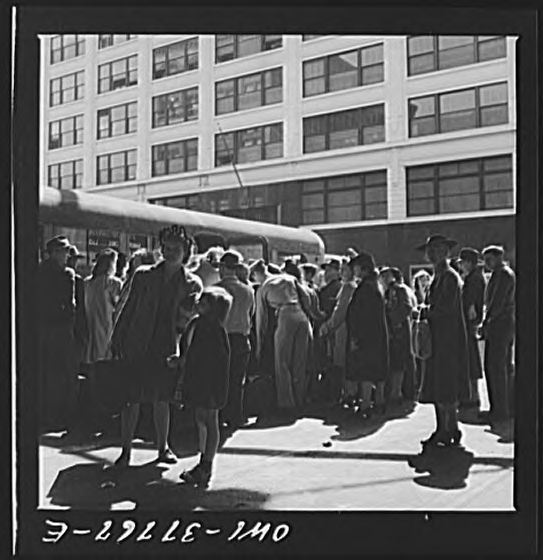
The journey back produced the one extended exchange a child had with that person.
The circumstances made it possible. Fifteen minutes walking beside somebody with nothing else happening, no other household members present and nothing to do but talk is a configuration that almost never occurred otherwise – and it is where a great many people place their only real conversation with a particular relative or visitor.
The content is remembered better than anything else. People who cannot recall the wait, the arrival or the errand produce fragments of those walks, which is the same pattern as every other occasion in that period when a child and one adult were alone with nothing to do.
13. Getting It Wrong Meant Somebody Walked
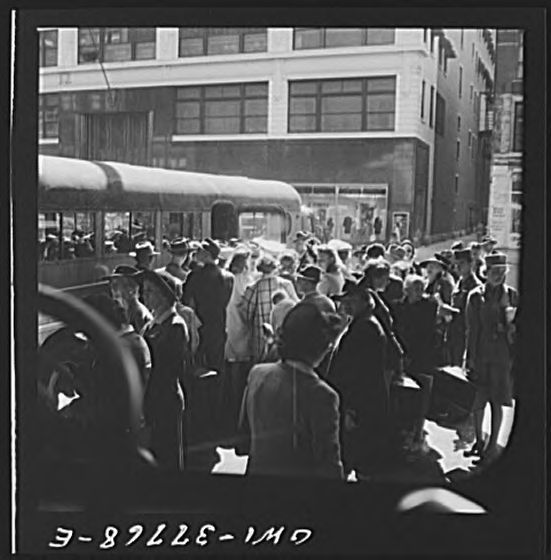
A failed meeting had a real consequence for the traveller rather than for the child.
The asymmetry was understood. A person who arrived to nobody had to make their own way with whatever they were carrying, which was the actual cost of the errand failing – and children were conscious of that throughout, which is part of why they stayed too long.
It happened rarely. Across a great many accounts the meeting succeeds far more often than the arrangement’s complete lack of confirmation would predict, which says something about how carefully children performed a task nobody had given them any tools for.
14. Then Nobody Had to Be Met
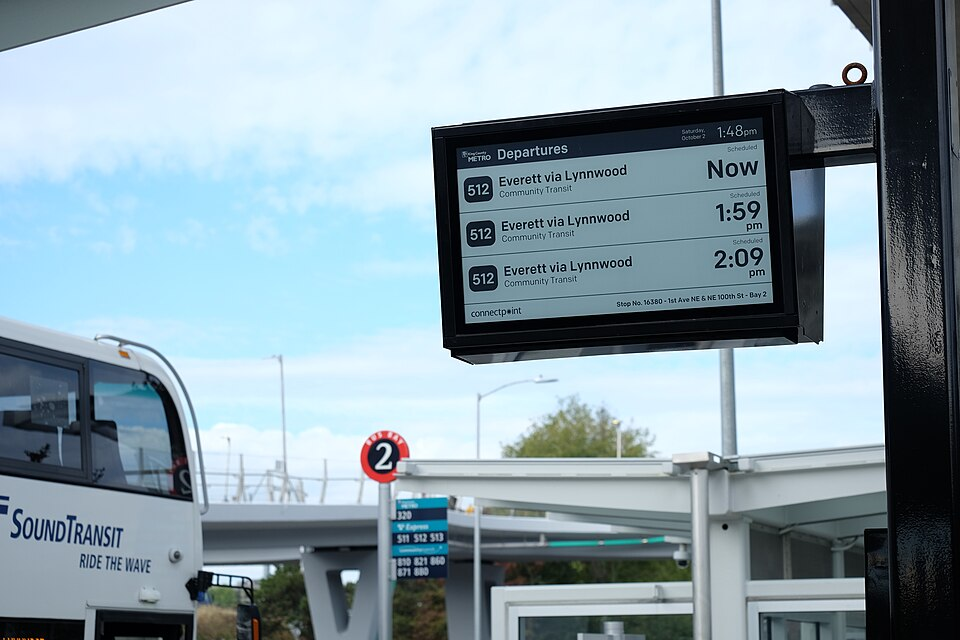
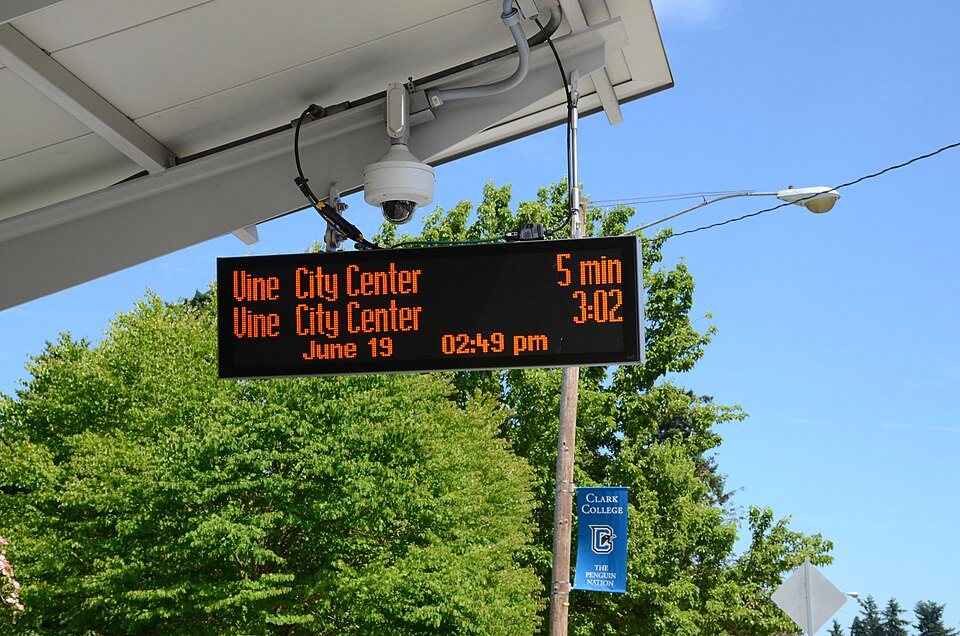
Confirmation of any kind, and then contact at every moment of a journey, removed the entire errand.
Every part of that is an improvement. Knowing when somebody will arrive, being able to tell them you are there, and nobody standing at a fixed point for ninety minutes without any information are better in every respect.
What went with it is ten seconds. Being picked out of a crowd by somebody who had been travelling for hours, which was only possible because a child had stood somewhere visible for an hour and a half without moving, and which they will tell you was worth it.
How Children Solved a Problem They Had No Tools For
Read in order, the fourteen describe a task with no information in it at all, and one genuinely clever solution. The recognition problem was real: a child sent to meet somebody they saw rarely was working from a memory months or years old, against a stream of people in unfamiliar clothing and unfamiliar light, and a great many of them were uncertain they would know the person at all.
What children worked out, independently, was to stop trying. The traveller knew exactly who they were looking for, which meant standing in the one place an arriving person would look, in the open, without moving, converted a search problem into a waiting problem and removed the possibility of missing somebody by being in the wrong place. Having established the spot, children did not leave it – the same self-imposed stillness that showed up in every waiting task of the period.
The attention was the cost. A child could not relax between arrivals because the next one might be it, which makes ninety minutes of intermittent intense concentration rather than ninety minutes of idleness, and that is considerably more tiring. The disappointment compounded too: an arrival that did not contain the person reset the whole wait, and a child who had done that six times was in a noticeably worse state than one who had done it twice.
And the ending fell to the child. Nobody had specified what to do if the window closed with nobody having appeared, so a child alone at a fixed point had to judge for themselves that enough had been done – and consistently stayed too long, because leaving four minutes before somebody arrived was worse than any amount of additional waiting. They were also conscious throughout that a failed meeting meant somebody walked with whatever they were carrying, which is part of why. Across a great many accounts the meeting succeeds far more often than the complete absence of confirmation would predict.
Two things are worth separating out. The errand turned into a transport task at the moment it succeeded – a child who had waited ninety minutes was handed something to carry, which is what the arrangement had actually been for all along and which nobody had mentioned at the outset. That walk is remembered as the real cost.
And the walk itself is where something else happened. Fifteen minutes beside somebody with no other household members present and nothing to do but talk is a configuration that almost never occurred otherwise, and it is where a great many people place their only real conversation with a particular relative or visitor. People who cannot recall the wait or the arrival produce fragments of those walks.
Like our content? Follow us for more.