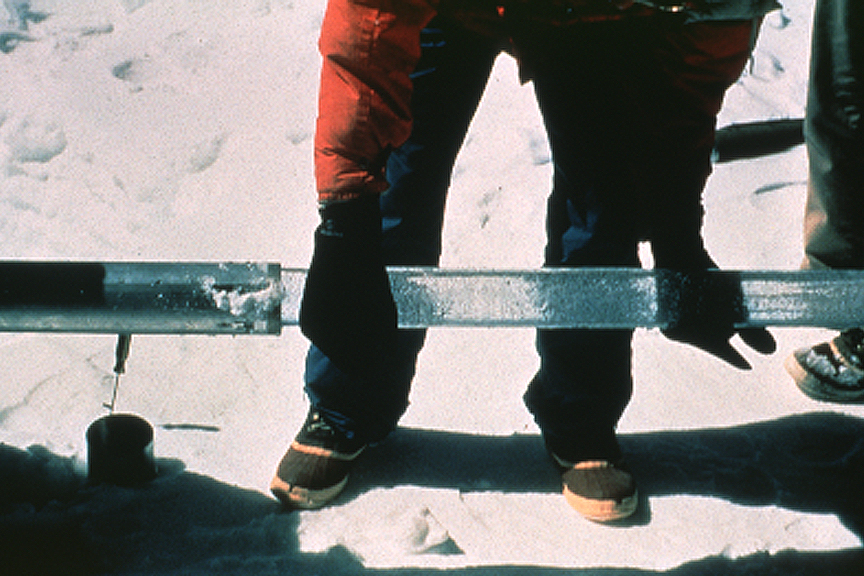
Ice cores work because snow falls, buries the snow beneath it, compresses into ice, and traps bubbles of the air that was there at the time. Drill down and the bubbles get older. This is the only method anybody has for measuring the actual composition of ancient air rather than inferring it, and it is the reason the record of atmospheric carbon dioxide over the last several hundred thousand years is known with a precision that no other part of deep climate history approaches.
The limit on the method is that ice flows and eventually deforms, and the deepest ice in a deep core is thinned, folded and sometimes melted from below by geothermal heat. The long continuous records from the central East Antarctic plateau reach back on the order of 800,000 years, which was for a long time understood as roughly the practical frontier. Then an American-led project went looking in a completely different kind of place and came back with ice several times older, and it did it without drilling deep at all.
Blue ice, and why it is strange
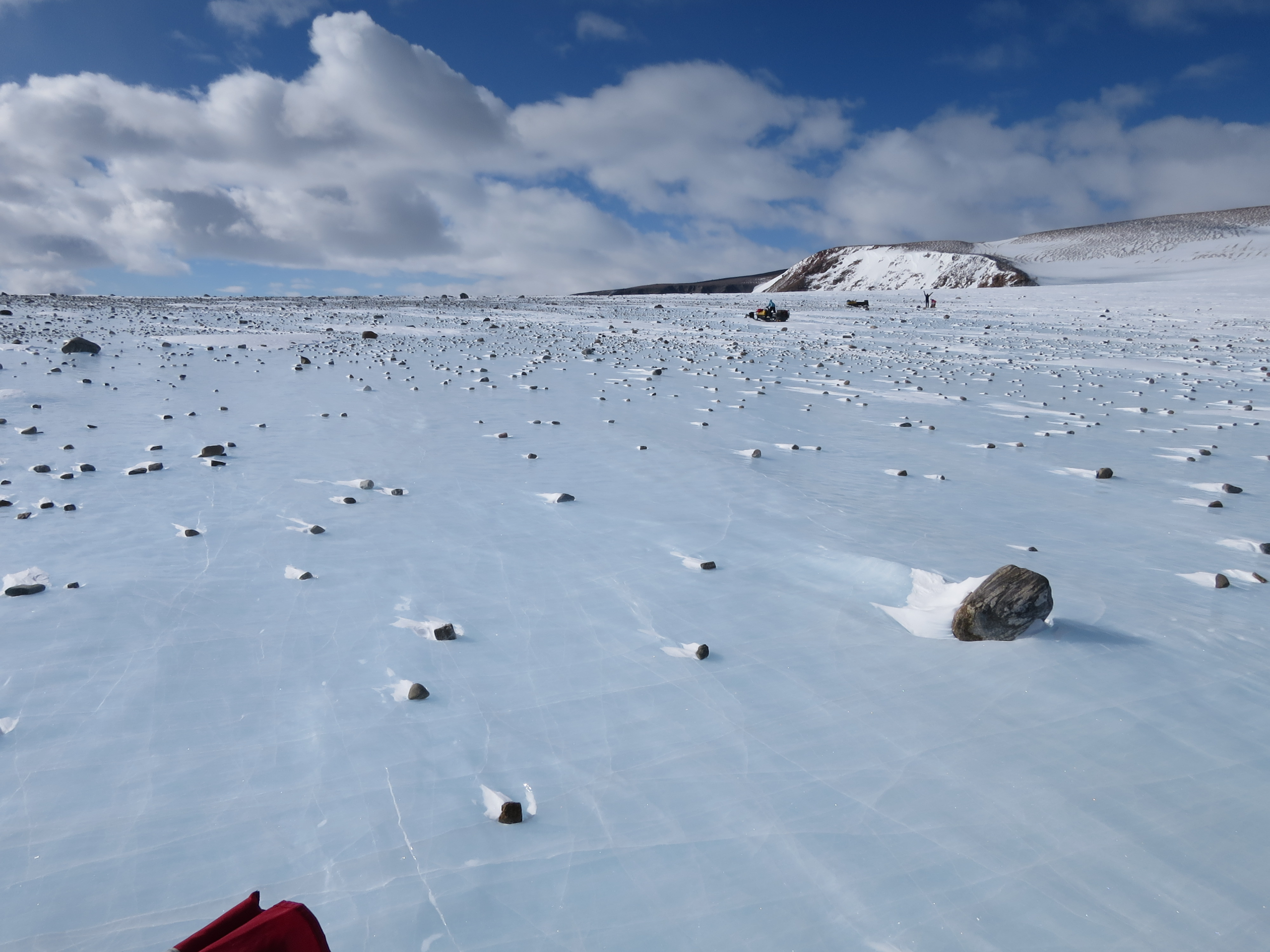
The site is in the Allan Hills, in the Transantarctic Mountains in the sector of Antarctica reached from the Ross Sea. It is what glaciologists call a blue ice area, and the mechanics of one are worth understanding because they are the whole trick.
In most of Antarctica ice flows outward and downward and eventually leaves at the coast. In a few places the flow runs into a mountain barrier and is forced upward instead. At the same time, the local wind is so persistent and so dry that it strips snow off the surface and sublimates the ice away faster than new snow accumulates. The result is a surface that is losing material from the top while old ice is being pushed up into it from below. The ice exposed there has come from deep in the sheet and has arrived at the surface without being drilled for. It is blue rather than white because it has no air-filled snow in it to scatter the light.
Like our content? Follow us for more.
The hard part is knowing how old it is
A conventional deep core is dated by counting down. The layers are in order, the sequence is continuous, and age increases with depth in a way that can be modelled with confidence. A blue ice area has none of that. The ice is old, but the layering is disturbed, the sequence is not continuous, and ice of very different ages can sit close together.
So the achievement at Allan Hills is as much a dating achievement as a drilling one. The method the team used relies on the ratio of argon isotopes in the air trapped inside the ice. One of those isotopes accumulates in the atmosphere very slowly over geological time through the decay of potassium in the earth’s crust, so the ratio in a trapped air sample is a clock that does not depend on counting layers at all. It gives an absolute age with real uncertainty attached rather than a position in a sequence, and it is what allowed the team to say that particular samples were about a million years old, and later that others were older than two million.
What the air in it said
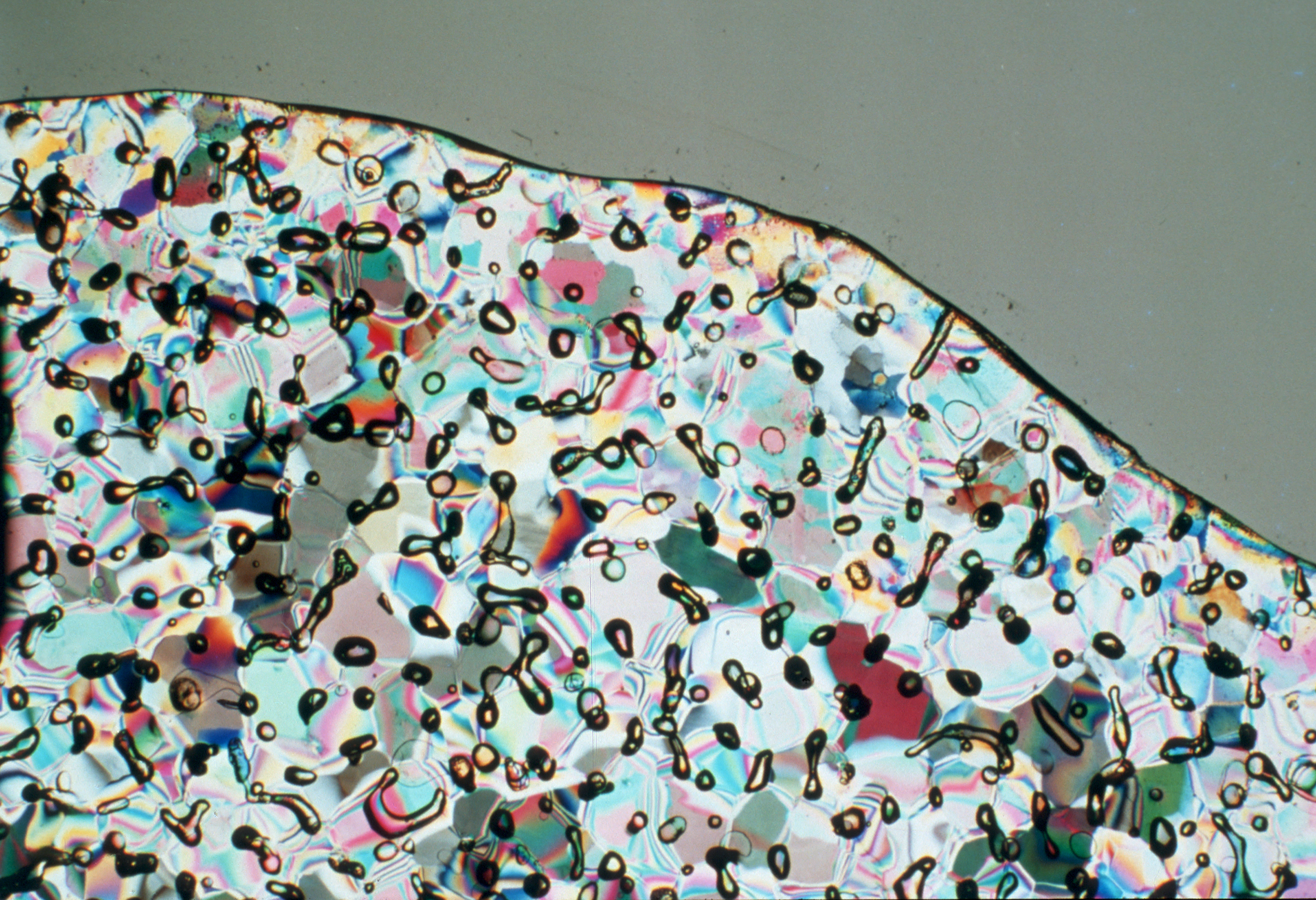
The reason anybody wants ice that old is a specific question about the history of the ice ages. For roughly the last million years the earth’s glacial cycles have run on an approximately 100,000-year rhythm. Before that, they ran on a roughly 41,000-year rhythm, and the transition between the two regimes is one of the major unexplained features of the climate record.
Carbon dioxide is the obvious suspect, and until this work there was no direct measurement of it from before the transition — only indirect reconstructions from ocean sediments. The samples from Allan Hills put numbers on it. The headline result was that carbon dioxide in the older ice did not go above roughly 300 parts per million, which rules out some proposed explanations for the shift and constrains others. It is a narrow finding stated carefully, and it is the kind of result that only a physical sample can produce.
A few hundred feet instead of two miles
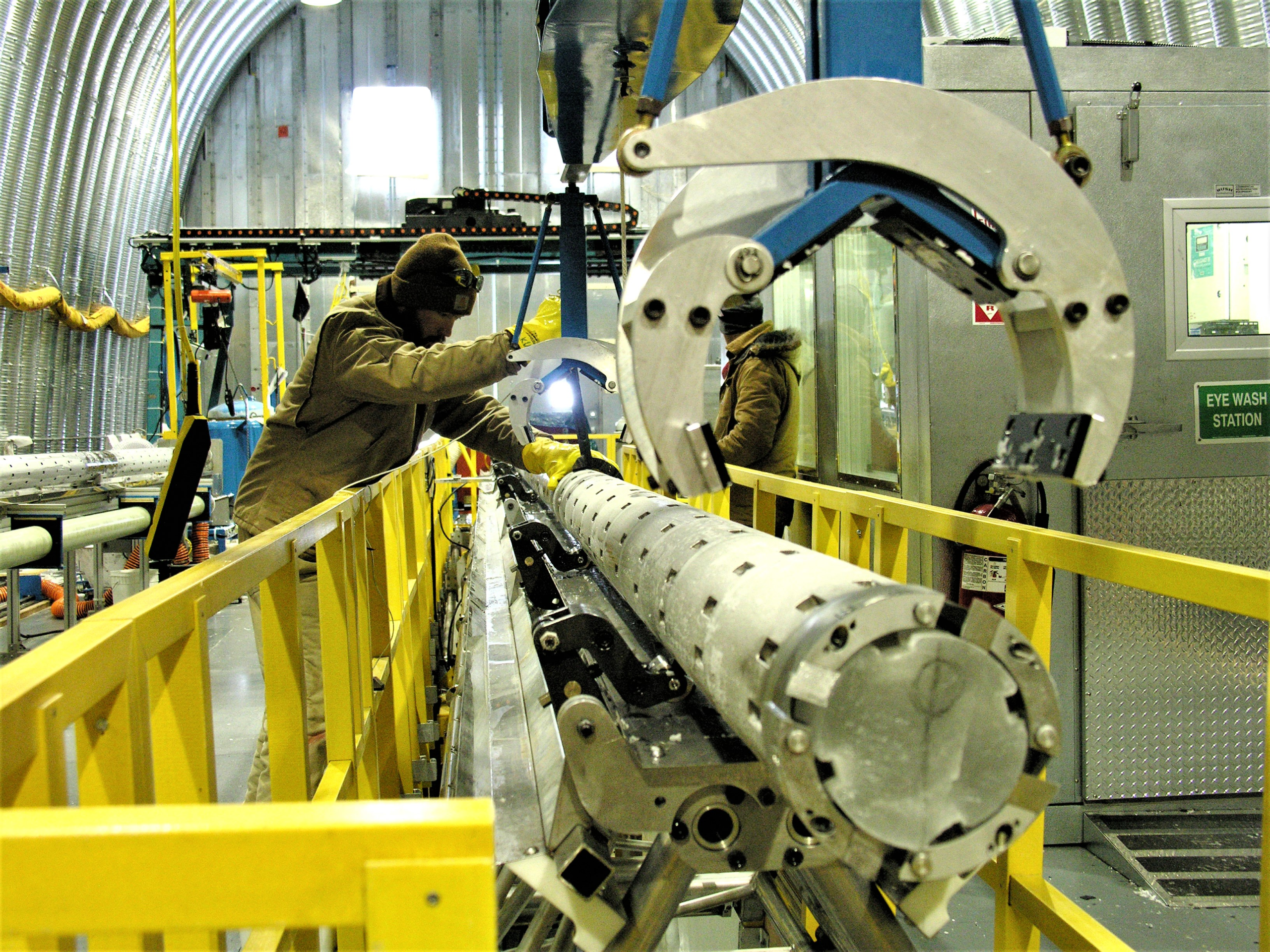
The practical contrast with conventional deep drilling is enormous and is the main reason the approach matters. A deep core project on the East Antarctic plateau is a multi-season industrial undertaking: a traverse to get there, a camp, a drilling shelter, a borehole kilometres long full of drilling fluid, and years of work before the oldest ice comes up.
Allan Hills is reached from a station on the Ross Sea side by helicopter or traverse, the camp is small, and the boreholes are shallow enough to be completed in a season. That changes what is possible. Instead of one irreplaceable core from one location, a blue ice programme can drill many holes across a site, map where the old ice is, and go back for more of a particular age. The trade is the dating problem described above and the loss of continuity: this method produces windows into particular moments, not a film.
That trade is worth weighing rather than regretting. For some questions a window is enough. If what you want to know is whether carbon dioxide ever exceeded a particular value before the glacial cycles changed rhythm, a handful of well-dated samples from the right period answers it, and a continuous record would answer it no better. The continuous core is indispensable for questions about rates and sequences — how fast something changed, and what changed first — and useless if it does not reach back far enough to contain the event. The two approaches are not competing; they are answering different halves of the same problem.
The other thing blue ice collects
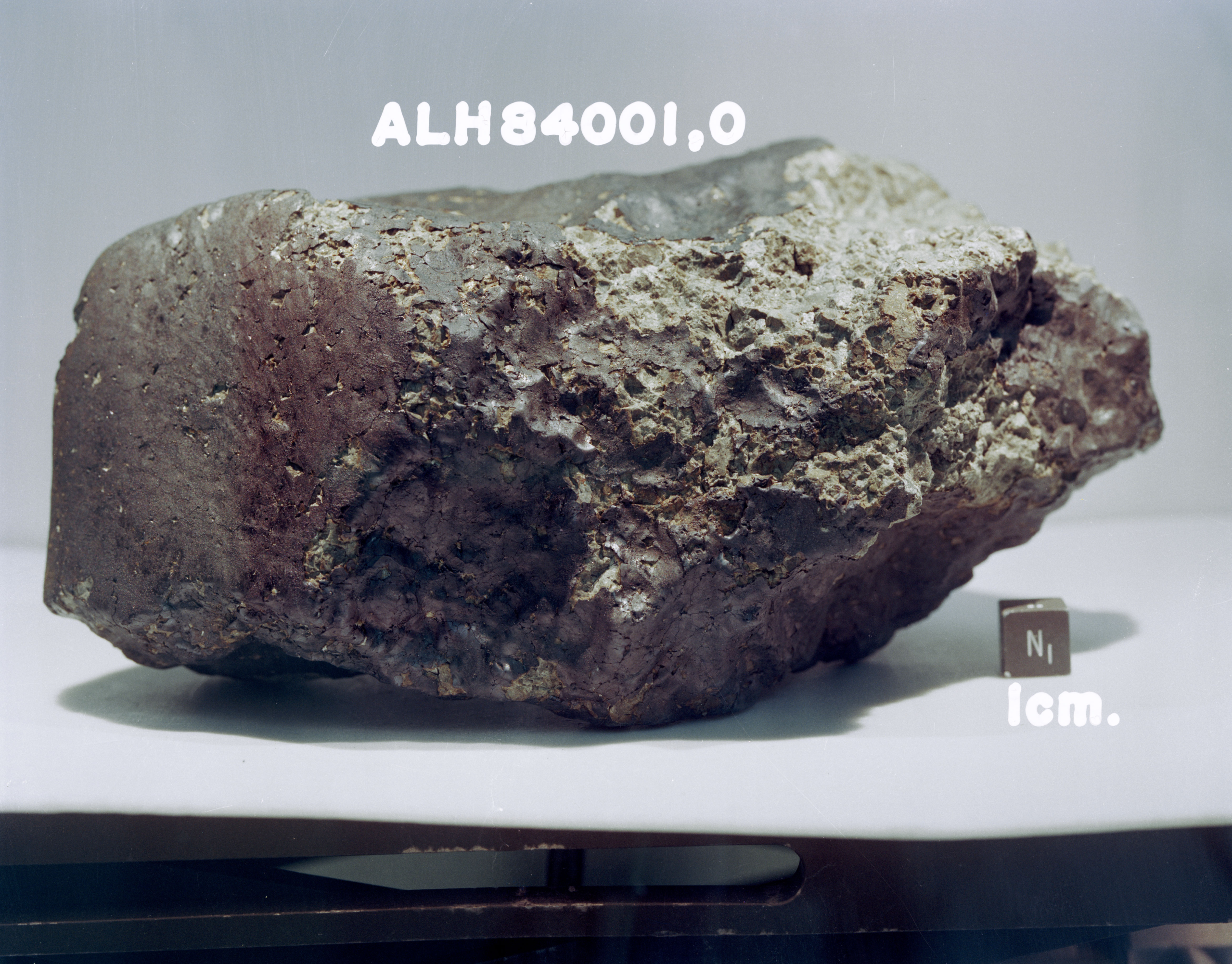
There is a side effect of the same mechanics that has nothing to do with climate. Because blue ice areas are places where ice arrives from deep in the sheet and then sublimates away at the surface, anything that fell on the ice sheet over a vast area and a long span of time is delivered to the surface and left there as the ice around it disappears.
What that means in practice is meteorites. Blue ice areas in the Transantarctic Mountains are the single most productive meteorite-collecting grounds on earth, and American field parties have been systematically searching them for decades, recovering tens of thousands of specimens including material from the moon and from Mars. A dark stone lying on a flat blue plain with no other rock within miles is about as unambiguous a find as geology offers. The same conveyor that brings two-million-year-old ice up to be drilled brings the meteorites up to be picked off the surface by hand.
Working there
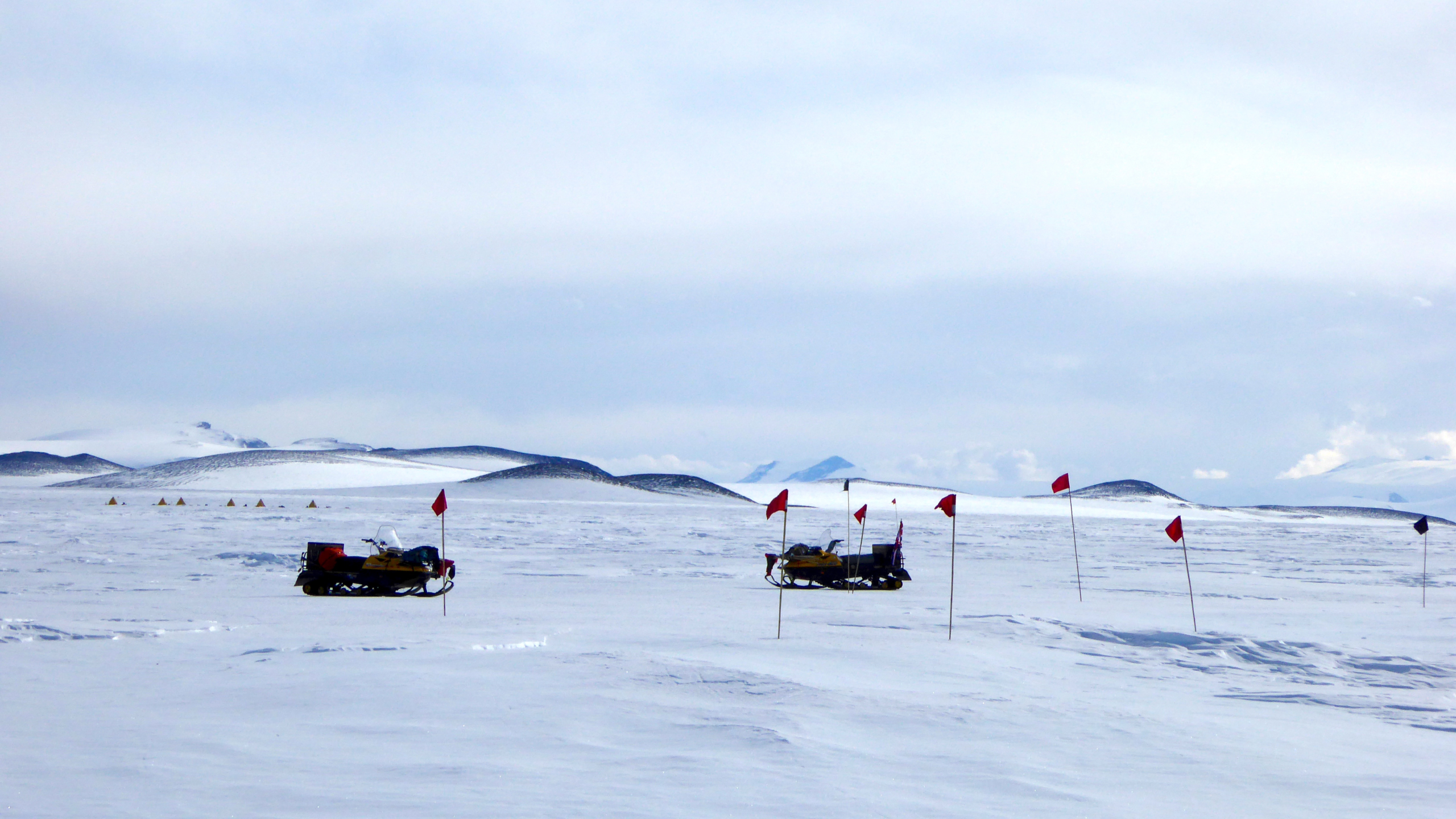
The physical setting is unlike the interior plateau and in some ways harder. Blue ice is hard, polished and relentlessly windy, because the wind is the reason the site exists. There is no snow to build with and nothing to shelter behind. Tents are anchored into ice rather than pitched. The surface is slick enough to make simple movement a nuisance and the scouring produces a texture of ridges and hollows that is unpleasant to walk across and worse to land an aircraft on.
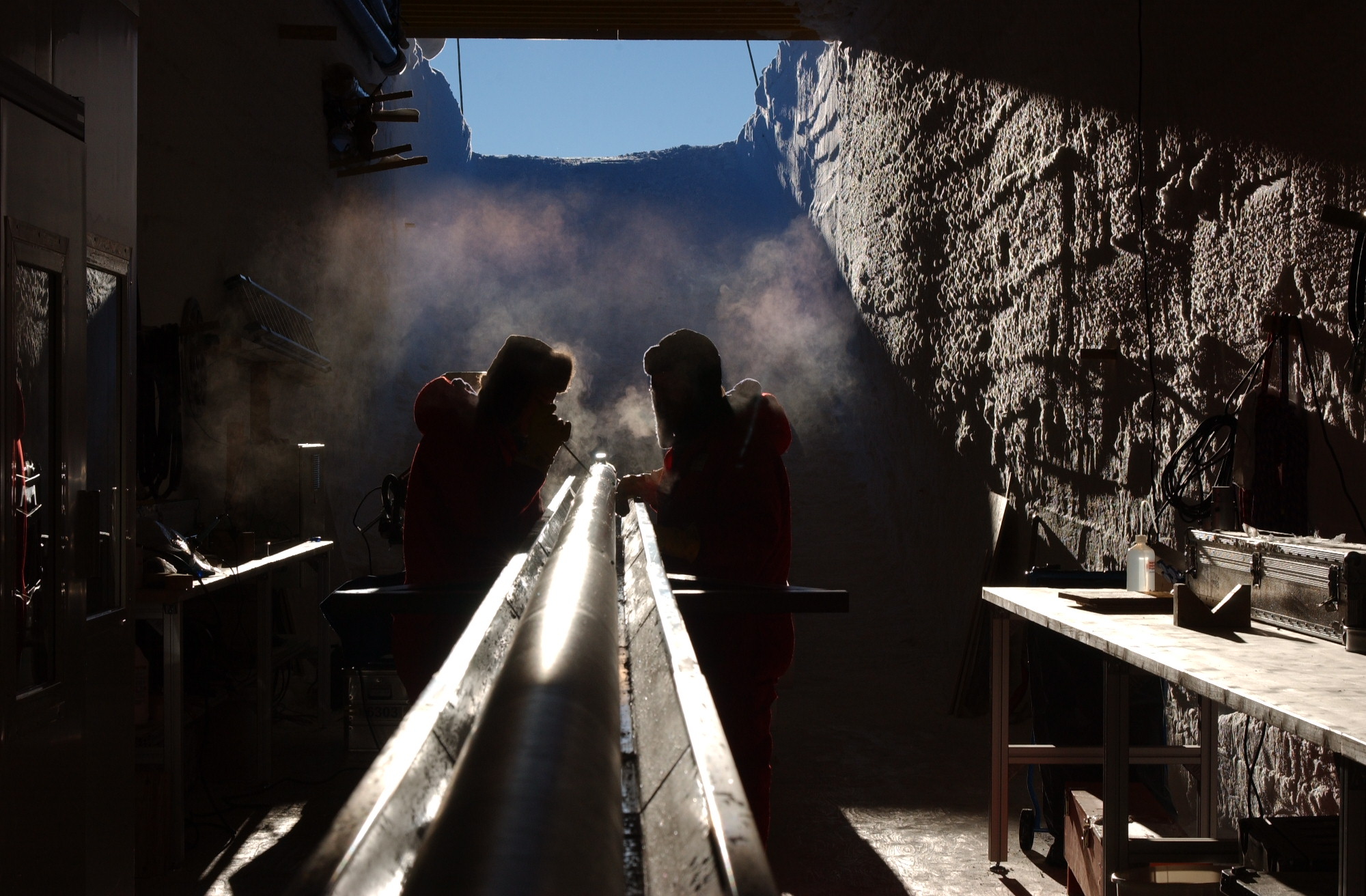
The field seasons are short, the camps are small — a handful of people — and the logistics run through the American Antarctic programme, which means everything arrives by air from a coastal station. What the people there are doing, day to day, is running a small drill, handling cylinders of ice that have to be kept cold all the way to a laboratory on another continent, and keeping exact track of which hole and which depth every piece came from, because with disturbed layering the provenance is the entire value of the sample.
Why the oldest ice is still the target
The Allan Hills results did not settle the question they were drilled to address; they constrained it. The goal that the international community is still pursuing is a continuous core covering the last million and a half years, which requires finding a place on the plateau where the ice is both old and undisturbed, and several projects are drilling toward exactly that.
Blue ice will not provide it, because blue ice does not come in order. What blue ice provided was proof that ice of that age exists and can be recovered and measured, along with the first direct atmospheric samples from a period that had previously been accessible only by inference. That is a substantial thing to have obtained from boreholes a few hundred feet deep, drilled by a small camp on a windy plain of exposed ice that most of Antarctica’s visitors will never see.
It is also a good example of a kind of scientific result that does not photograph well and tends to be under-reported. There was no dramatic moment. A drill came up, a cylinder went into a cold box, the box went to a laboratory, and a number came out of a mass spectrometer two years later. The finding is a constraint on a hypothesis rather than a discovery with a face on it, and the reason it matters is entirely in the context: for the first time, somebody could say what the air was actually made of at a moment that had only ever been reconstructed.
Like our content? Follow us for more.