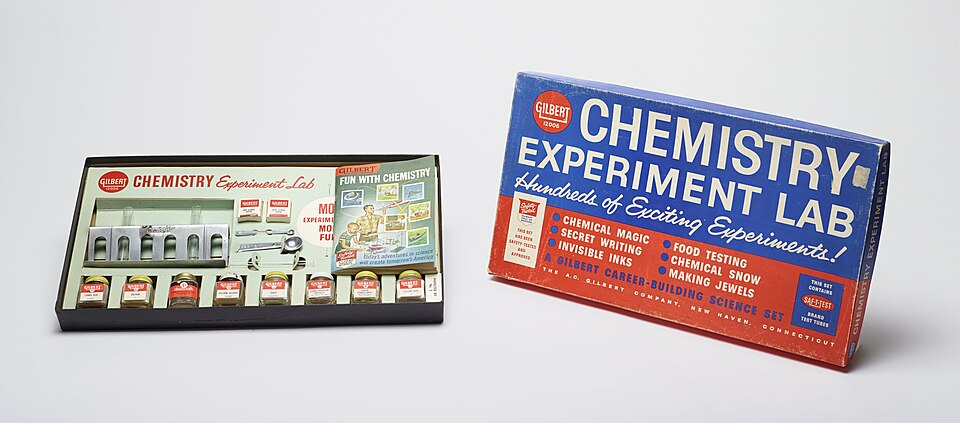
The mid-century chemistry set has become a kind of shorthand for a braver age, usually invoked by people arguing that modern childhood is over-protected. It is worth looking at what was actually in the box before deciding what the comparison proves.
These sets produced a real generation of American scientists, and the people who credit them are not wrong to. They were also, by any reasonable reading, a hazardous substances kit sold to twelve-year-olds with no eye protection and a manual that invited them to smell the results. Both of those are true, and the second one is the reason the first can no longer be reproduced in the same form. The chemistry involved in the pyrotechnic item below is deliberately not described. Here are sixteen components of a 1962 set and what became of each of them.
1. Concentrated acids, in glass bottles with cork stoppers
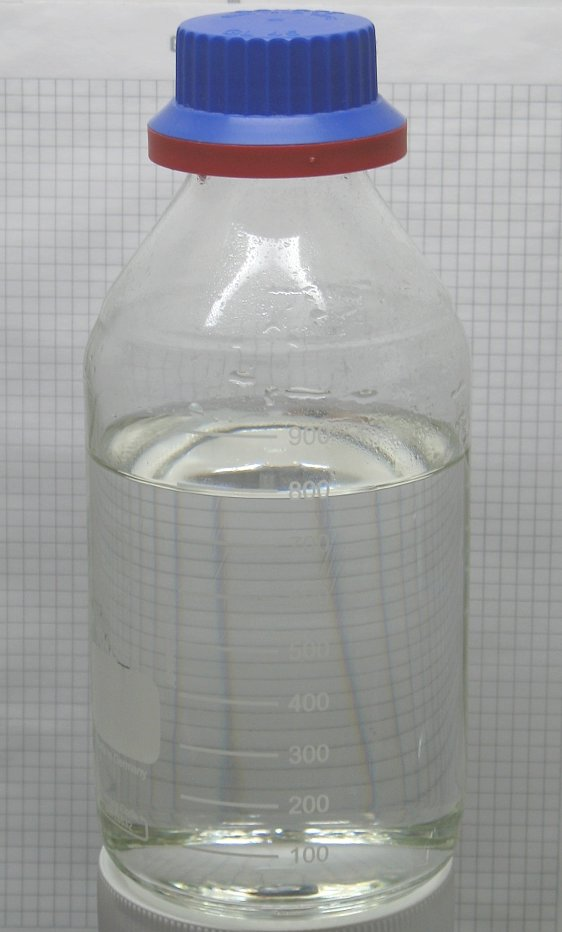
A full set came with acids at working strength, supplied in small glass bottles closed with a cork or a bakelite screw cap. There was no child-resistant closure, because no such thing was required, and the bottles sat in a wooden rack at a child’s chest height.
Chemicals of that hazard class cannot be supplied in a toy. American regulation of hazardous substances in products intended for children, which runs from the Federal Hazardous Substances Act of 1960 onward, closed off the category, and modern sets contain dilute, low-hazard reagents only.
The bottles are the thing collectors find first and the thing that most alarms them. A sealed 1962 set that has been in an attic is treated by people who handle such things as a disposal problem rather than a find.
Like our content? Follow us for more.
2. Strong alkali, which does more damage than the acid
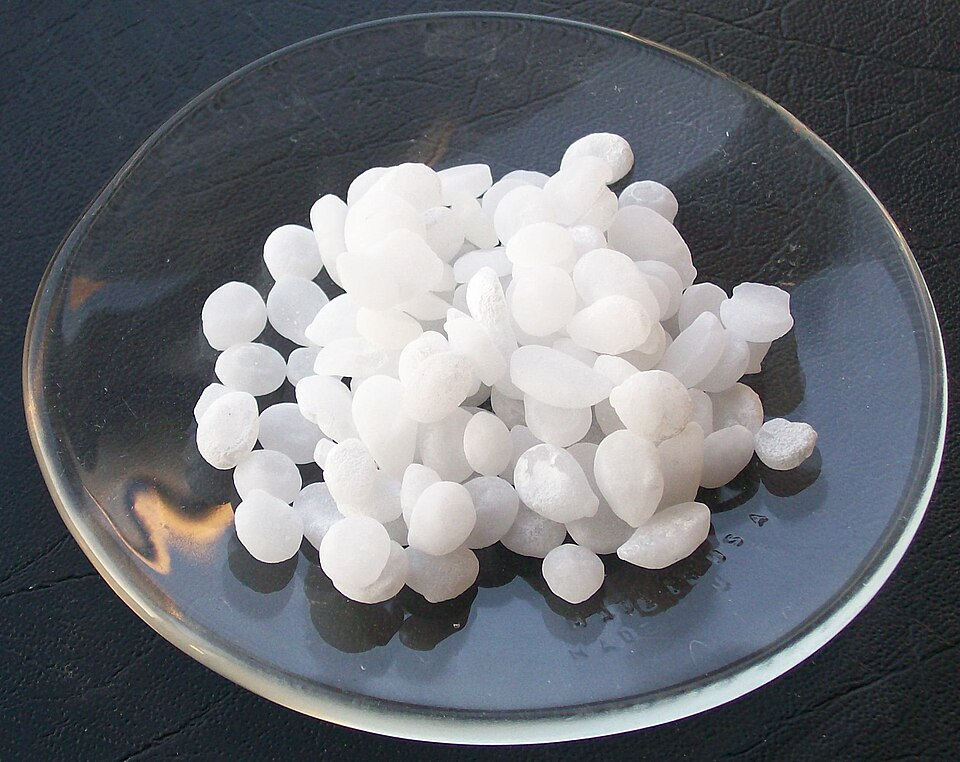
Sets included caustic alkali in solid form for making solutions, and the manual treated it as the mild partner to the acids. That is backwards: alkali burns are generally worse than acid burns and progress for longer.
It is no longer supplied in any product sold as a toy. The reasoning is the same as for the acids, with the additional point that the hazard is less obvious to a user, which makes a warning label less effective than it looks.
Nothing in a 1962 manual explained that distinction. The instruction was to be careful, which is what a manual says when the people writing it have not been required to think the question through.
3. A hexavalent chromium compound, for the volcano demonstration
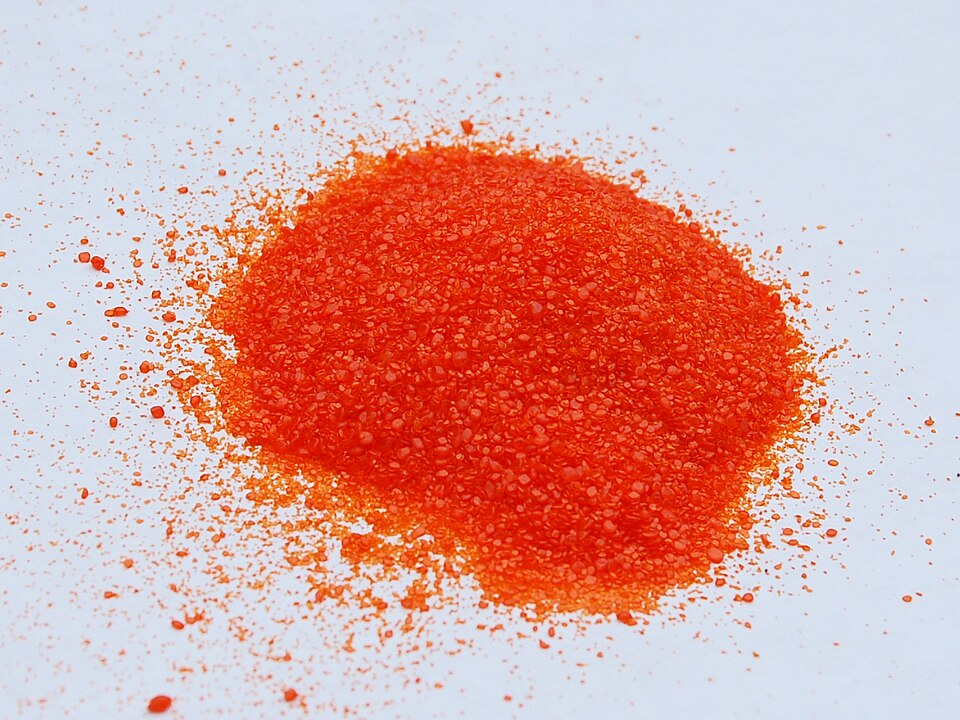
One of the best-remembered set experiments produced a growing cone of ash from a small heap of an orange crystalline salt. It was the showpiece, it appeared in the manual with an illustration, and the compound involved is a hexavalent chromium salt.
Hexavalent chromium compounds are classified as carcinogenic to humans and are tightly controlled in occupational settings. They are categorically unavailable in consumer products, let alone in a toy intended to be used on a kitchen table.
The demonstration is still occasionally performed in laboratories under proper controls, which is how people know how striking it is. The reason it is remembered so vividly by so many Americans is that it was genuinely the best thing in the box.
4. Lead compounds, including one historically called a sugar
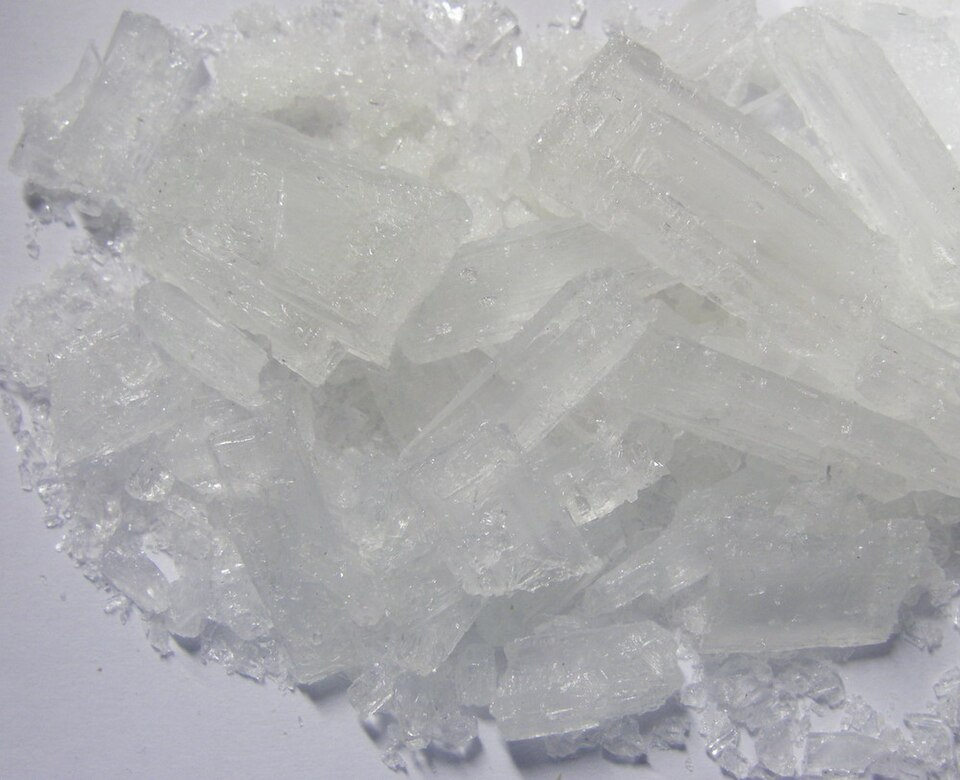
Lead salts appeared in sets as reagents, and one of them carries an old common name referring to its sweet taste, which tells you how it was once identified. The manuals used lead compounds in precipitation experiments because the results are visually clean.
Lead in products intended for children is now restricted to trace levels in the United States, following the 1978 paint restriction and the much broader children’s product limits set in 2008. No form of deliberate lead content is possible.
The old common name is the detail worth holding onto. It survives from a period when identifying a substance by tasting it was an ordinary analytical step, and it is the single clearest marker of how far the practice of chemistry has moved.
5. Cobalt and barium salts, for their colours
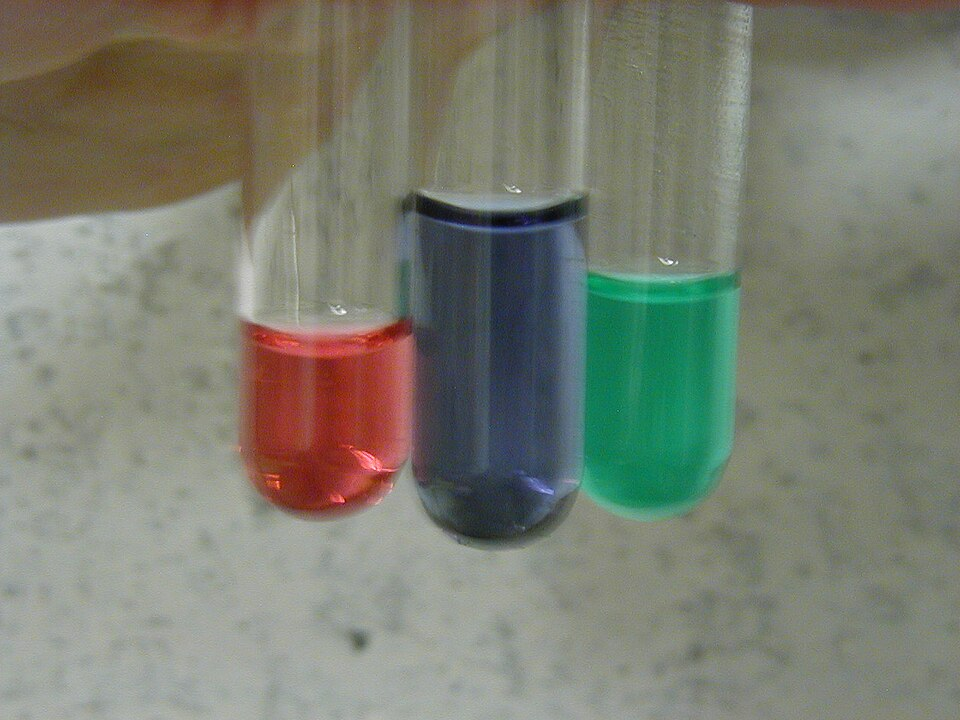
Coloured chemistry was the selling point, and several of the most reliable colour reagents in a 1962 set were cobalt and barium compounds. The cobalt chloride humidity indicator that changes from blue to pink was a standard set demonstration.
Both are now classified hazards — cobalt compounds for carcinogenicity and reproductive effects, soluble barium salts for acute toxicity — and neither is available in a consumer product. The humidity indicator survives commercially in sealed form only.
This is the pattern across the whole reagent list. The compounds that produce the most striking colour changes are disproportionately the ones with heavy metals in them, which is why a modern set’s experiments look so much tamer.
6. Mercury, as a liquid, to be handled
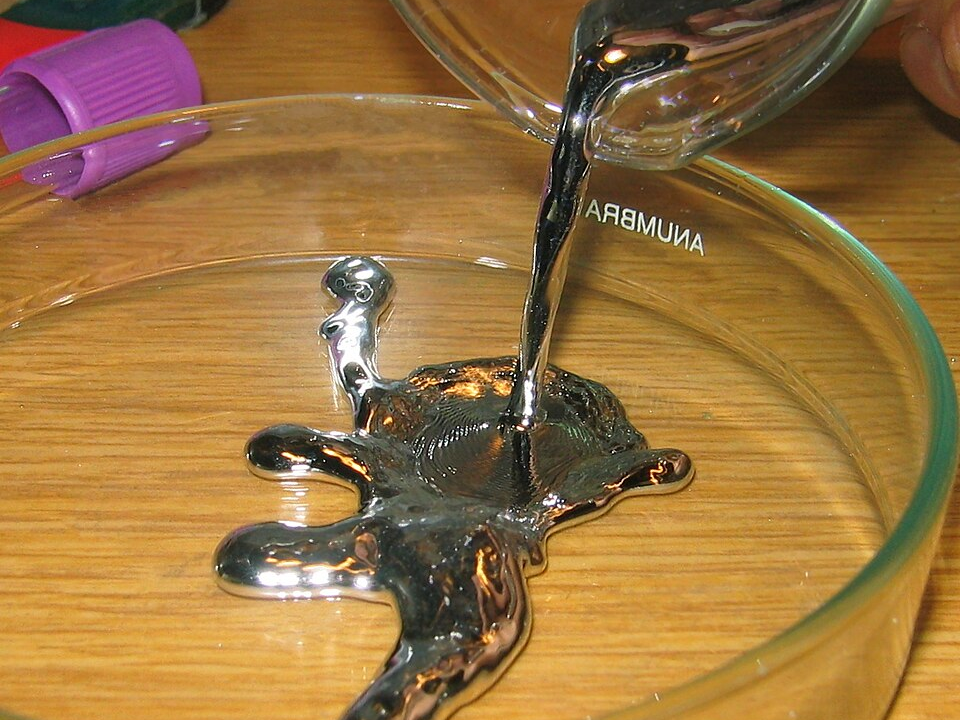
Some sets included metallic mercury, and the manual had the child pour it, roll it in a dish and observe its density and surface tension. It was a demonstration of physical properties rather than chemistry and it was very popular.
Mercury has been removed from American consumer products and from school science almost entirely, driven both by exposure concerns and by the fact that a spill in a carpeted room is a serious and expensive remediation problem.
Every adult who did this remembers it, and most of them remember losing some into the floorboards. That second half is the reason the first half is over.
7. A solvent that was later banned outright in consumer products
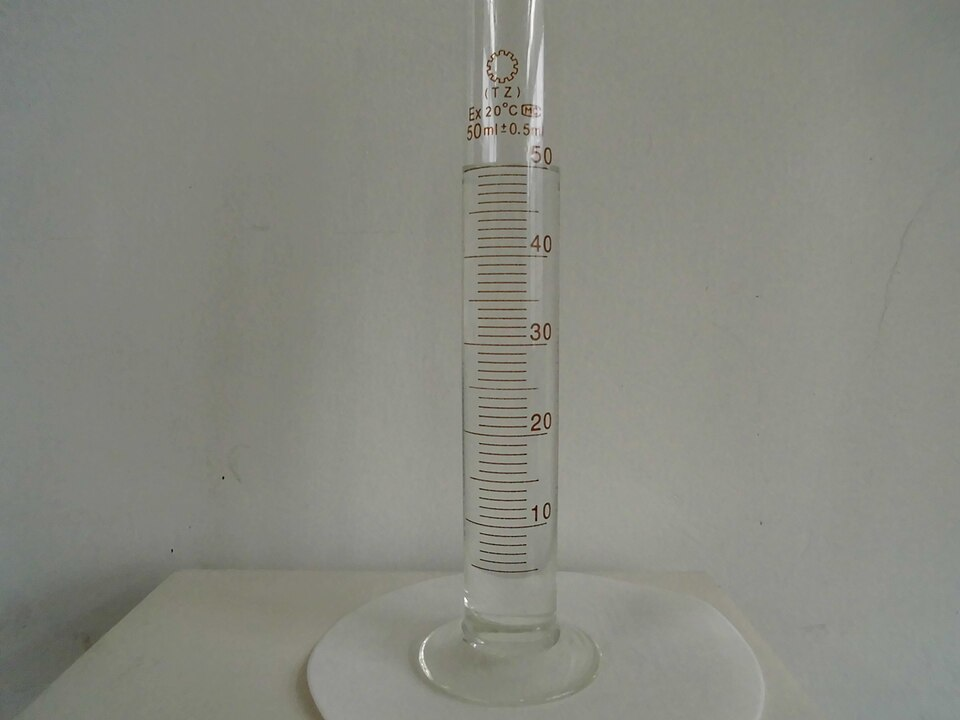
Chlorinated solvents were in the box as degreasers and as media for dissolving things, and at least one of them was the same compound that American households were buying as a spot remover and that was prohibited in consumer products in 1970.
The prohibition applies to any consumer product, which includes a toy by definition. Modern sets avoid organic solvents of that class entirely and work in water wherever possible, which constrains the chemistry considerably.
This item is a good illustration of the set’s real problem. It was not that toy companies were reckless by the standards of 1962. It was that the standards of 1962 permitted the same chemicals in a child’s box that they permitted under a kitchen sink.
8. An alcohol burner with an open flame and a loose wick
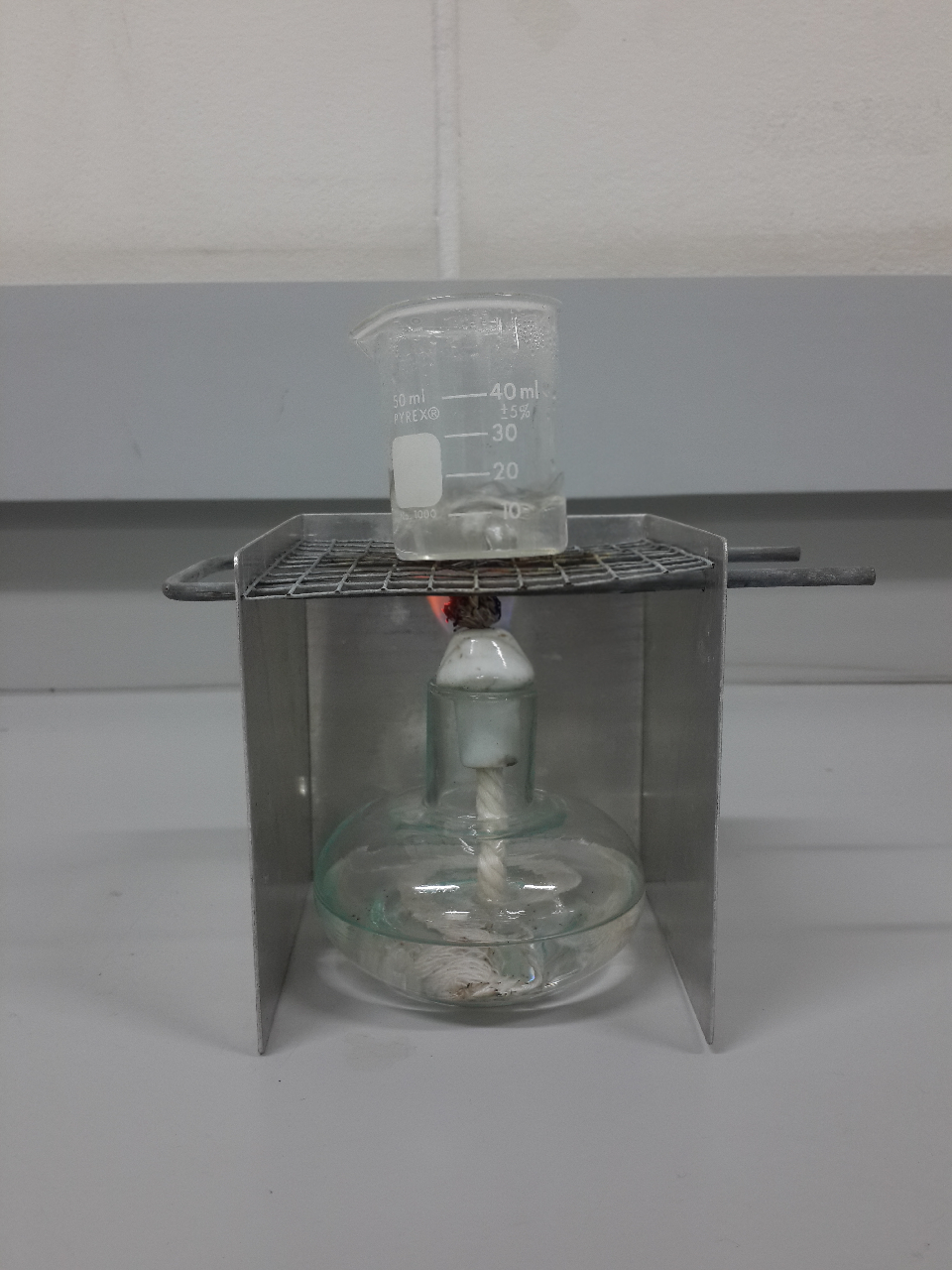
Heating was done over a spirit burner: a glass or metal reservoir, a wick, and a cap that was supposed to be kept on and frequently was not. The child lit it with a household match and worked over it.
Open-flame heating is not part of any toy sold in the United States. Modern sets use chemistry that proceeds at room temperature, or occasionally hot water from a tap, and the absence of a heat source is the single biggest functional difference.
Spilled burning alcohol spreads flat and is nearly invisible in daylight, which is the specific hazard and the one that a cap-on instruction does not address. It is also the reason so many of these burners survive with scorched bases.
9. An asbestos mat to stand the glassware on
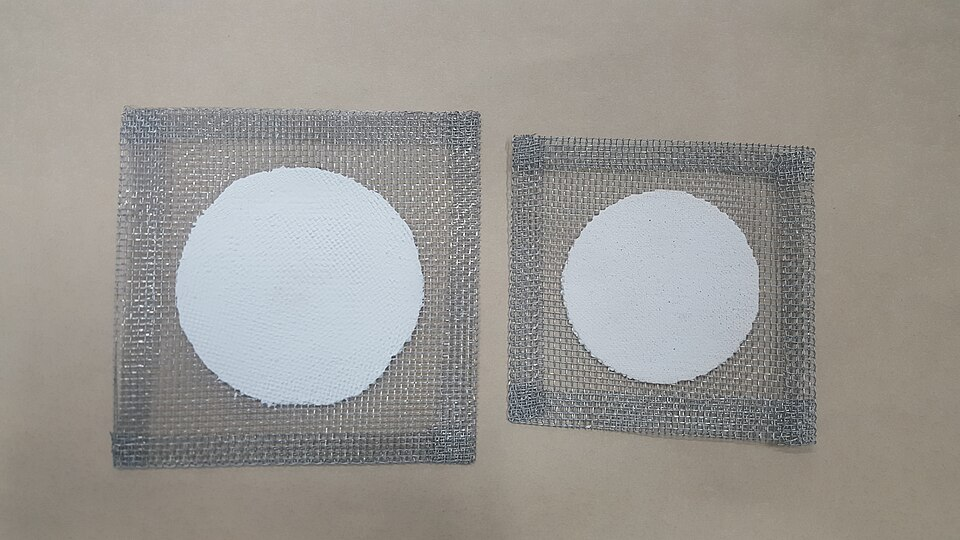
The heat-proof pad supplied with the set, and often the wire gauze as well, was asbestos. It was the obvious material for the job, it was cheap, and nothing about including it would have struck a manufacturer as a decision.
Asbestos is prohibited in American consumer products in this kind of application, and laboratory and school equivalents were replaced with ceramic and metal through the 1970s and 1980s. The substitutes work as well.
The mats are the component that most often turns up loose in secondhand sets, separated from the box, unlabelled and unrecognisable to whoever is holding it. People who deal in vintage science equipment treat any 1960s heat mat as suspect on principle.
10. Glass tubing the child was told to cut and bend in the flame
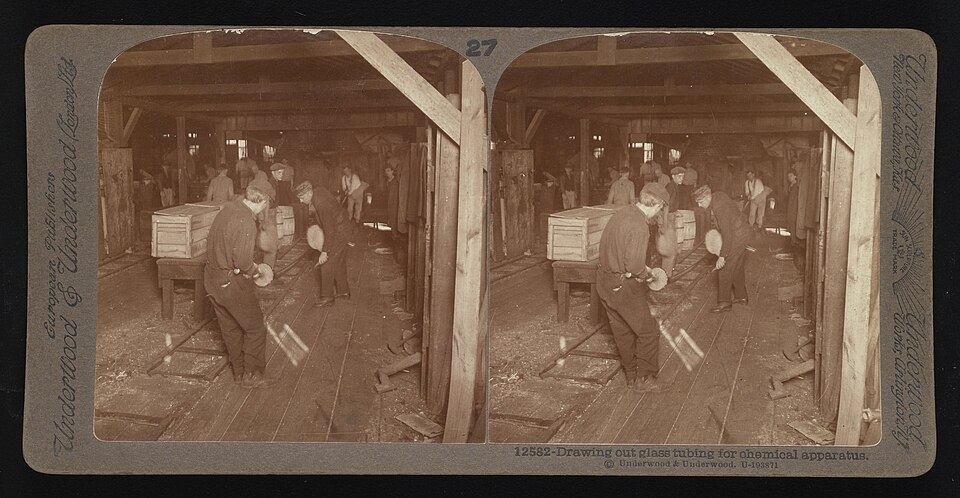
Making your own apparatus was part of the curriculum. The set contained lengths of glass tubing, and the manual explained how to score and snap it, and how to soften it in the burner flame and bend it into a delivery tube.
No toy includes this. It is a genuine laboratory skill, it is taught to students under supervision with proper eye protection, and the specific risks — a snapped end, hot glass that looks identical to cold glass — are exactly what supervision is for.
It also produced a generation of Americans who can still do it. People who went into the sciences from these sets mention glassworking more than any other single thing they learned from the box.
11. No eye protection in the box at all
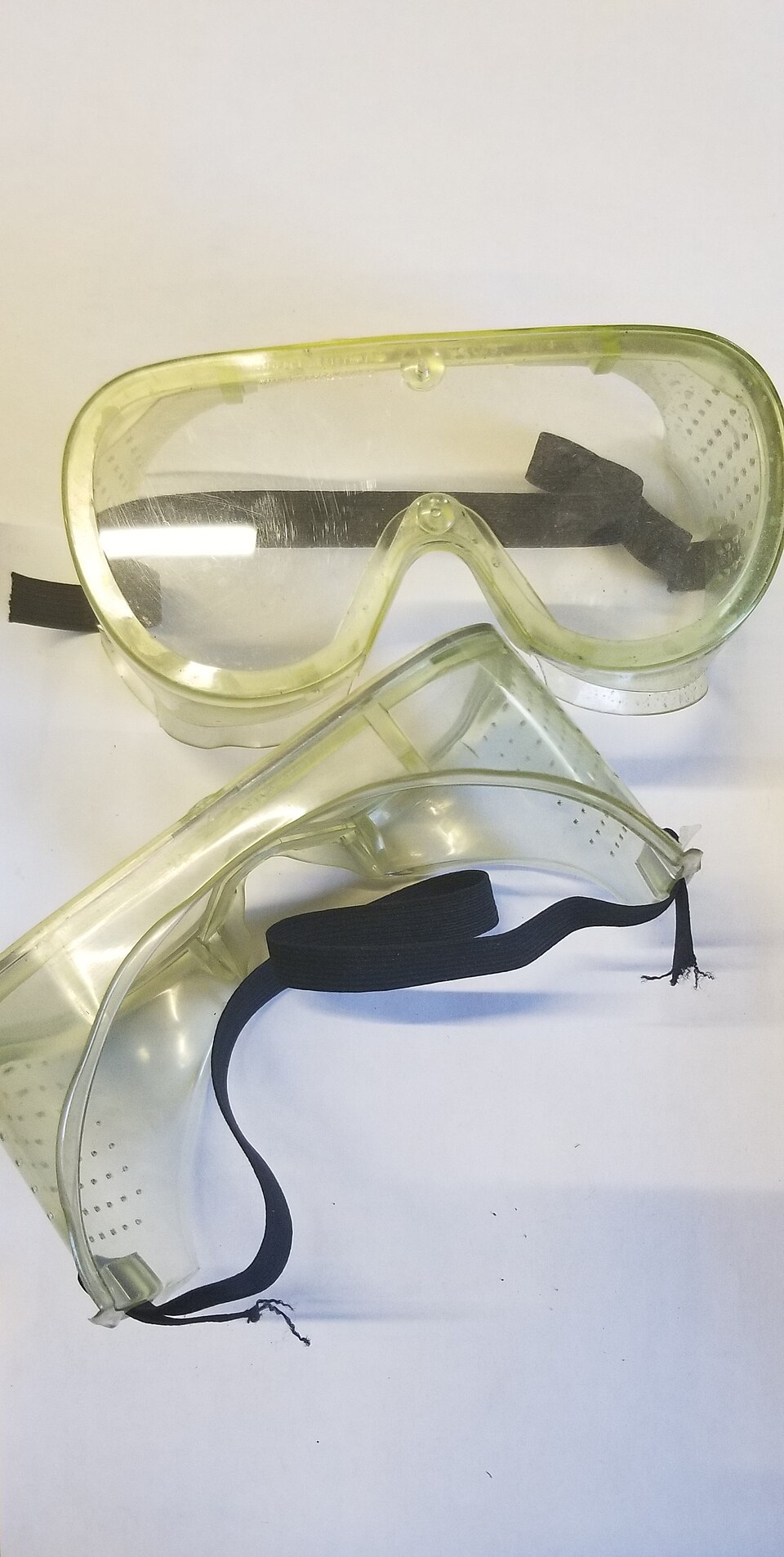
The sets supplied test tubes, a burner, acids, alkali and instructions involving heating and reaction, and they did not supply goggles. Many manuals did not mention eye protection, and the ones that did mentioned it once.
Eye protection is now included in, and required by, any set of this general kind sold in the United States, and the manuals open with it rather than footnote it. It is the cheapest single component and its absence is the most striking omission.
Of all the items here, this is the one that is hardest to explain as a product of its time. Safety glasses existed, cost almost nothing, and were standard in any laboratory. They were left out of the box because nobody required them to be in it.
12. Instructions that invited the child to smell and sometimes taste
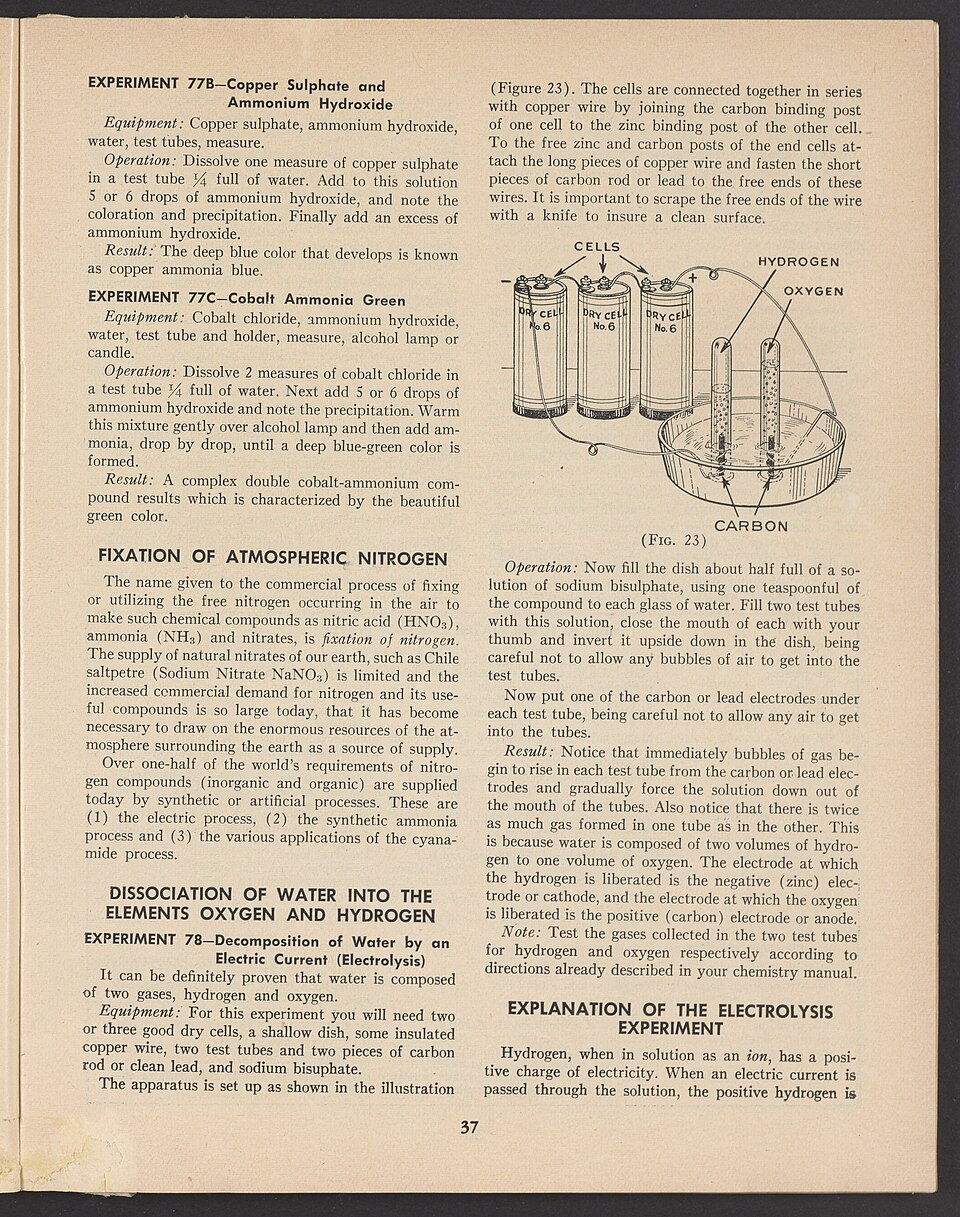
Manuals routinely directed the user to note the odour of a product, and older sets went further, describing tastes as identifying characteristics. Smelling a reaction directly over the mouth of a tube was presented as ordinary technique.
Current instruction at every level is the opposite: never taste anything, and waft rather than inhale. Modern sets state this prominently, and school practice has treated direct smelling as unacceptable for decades.
The taste instructions in particular read as astonishing now. They are a holdover from an older tradition of qualitative analysis in which the senses were legitimate instruments, carried into a children’s product long after laboratories had abandoned it.
13. An oxidiser and a fuel in the same box, with a manual showing what to do with them

Several sets of the period contained the components of pyrotechnic demonstrations and manuals that explained how to perform them, in the same spirit as the colour experiments. The chemistry involved is deliberately not described here.
This is the practice that did most to end the category. American hazardous substances regulation, and the toy safety legislation that followed from 1969 onward, closed off both the components and the instructions, and no modern set approaches it.
It is also the reason a certain kind of story about these sets gets told at reunions. The honest version of that story usually includes somebody’s eyebrows, and it is not a recommendation.
14. A mercury thermometer
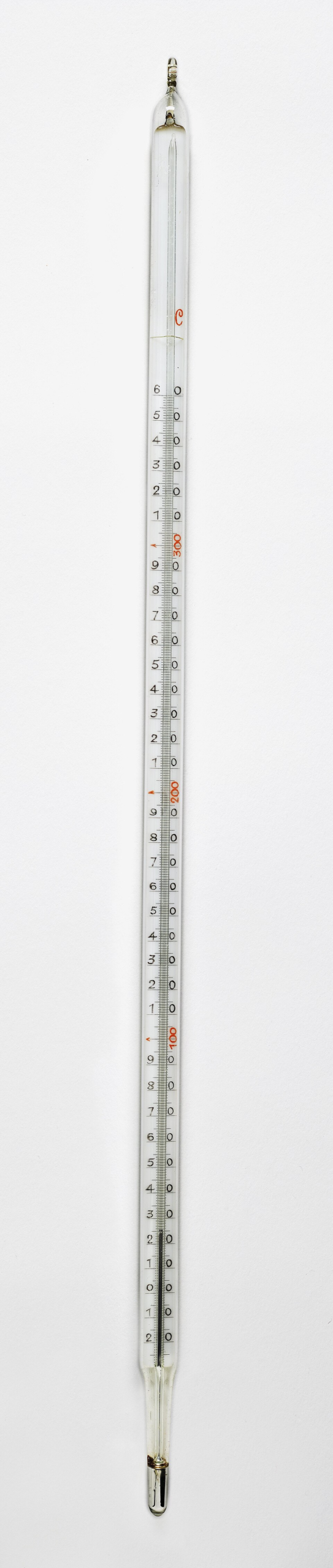
Temperature measurement meant a glass mercury thermometer, included loose in the tray, used in boiling water and by children with no training in handling it. Breakage was common and the spill was simply swept up.
Mercury thermometers have been withdrawn from American consumer and school use and replaced by spirit-filled and digital instruments. Several states prohibit their sale outright.
It is worth noting how recent that is. Mercury fever thermometers were still in American bathroom cabinets into the 2000s, so the chemistry set was not an outlier here; it was ahead of the household by exactly nothing.
15. No age grading, and no warning label system behind it
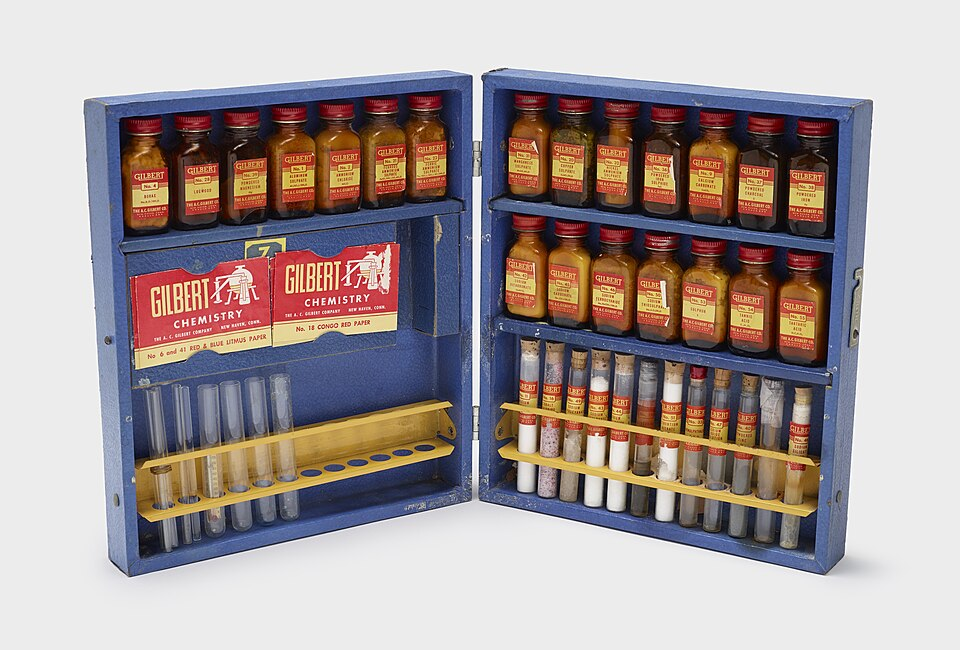
A 1962 set carried an advertising claim about the age it suited and nothing more. There was no required age grading, no hazard symbol, no standardised warning wording and no statement of contents in a form anybody could check.
American toys now carry age grading tied to the safety standards that apply, mandatory cautionary labelling for hazardous substances, and content disclosure. The Federal Hazardous Substances Act of 1960 began this and it was built out over the following two decades.
The 1962 box did carry warnings. They were written by the marketing department, in the same typeface as the claims about building a career in science, and a child reading the box could not distinguish between the two.
16. A marketing pitch aimed at boys, and almost nowhere else
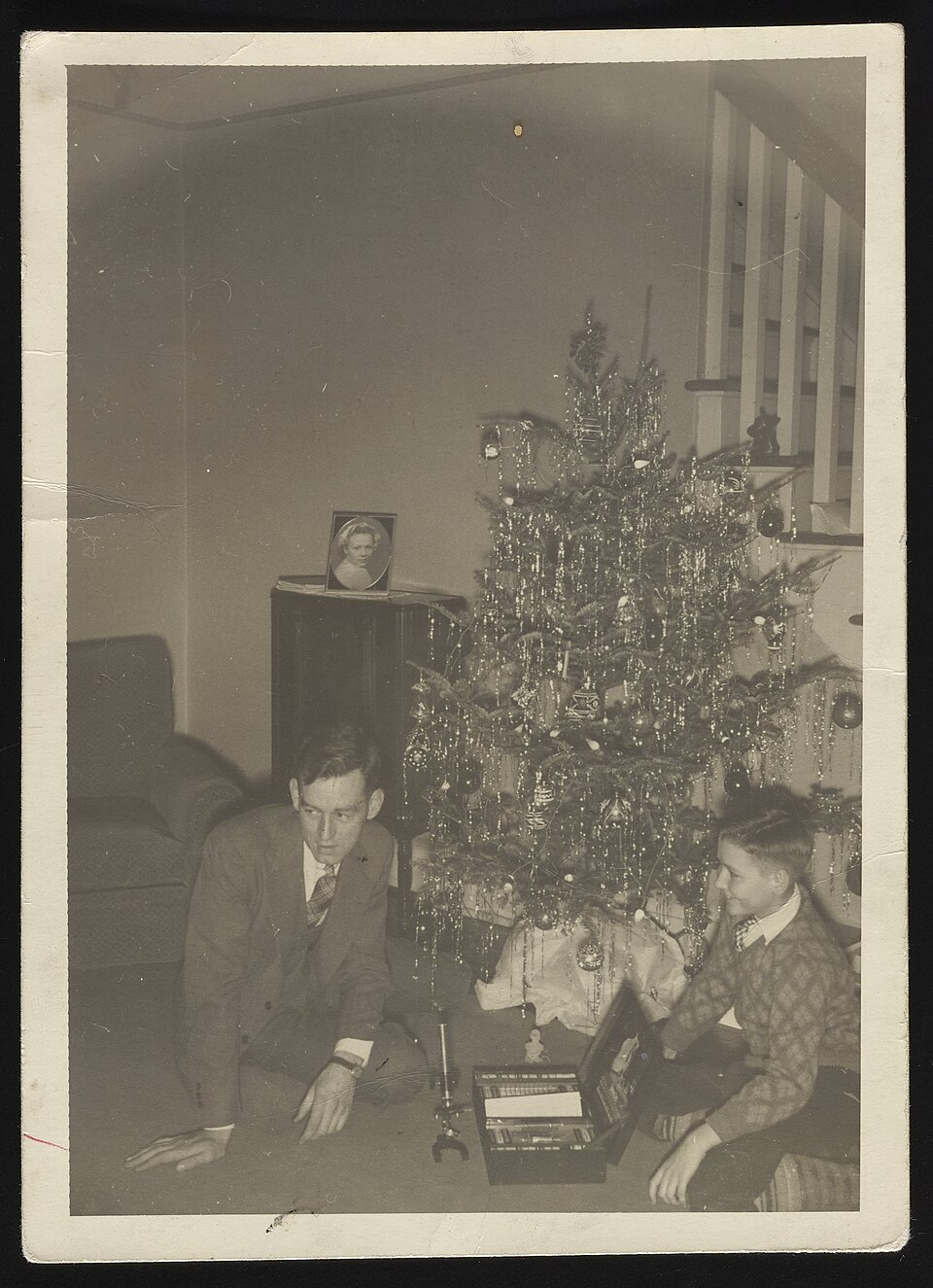
The sets were sold to boys. The box art showed boys, the copy addressed a future scientist in the masculine, and the sets designed for girls were cosmetics-making kits and perfume laboratories with a quite different and much milder chemistry.
Nothing prohibits a gendered toy. What has changed is that American science toys are no longer marketed that way, and the sets sold for girls are the same sets, because the industry eventually accepted an argument it had been given for decades.
This item is not about safety and it belongs on the list anyway. A great many American women of that generation describe watching a brother use the set, and the exclusion was as much a part of the product as the reagents were.
What replaced them, and what the replacement cannot do
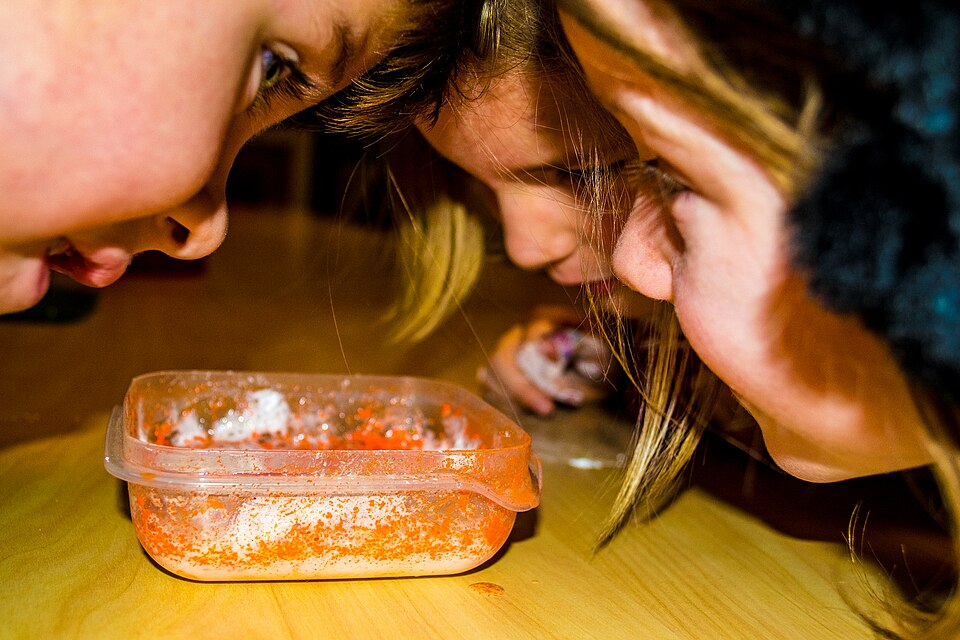
The modern science kit is a genuinely different product. The chemistry is low-hazard, the reactions are mostly colour changes and gas evolution at room temperature, eye protection is in the box, the instructions are written by people who have thought about a child reading them alone, and the whole thing is age graded against a standard.
It is also, by common consent including that of people who design them, less exciting. The striking demonstrations in a 1962 manual were striking because they involved heavy metals, strong reagents and fire. You cannot remove those and keep the effect, and the honest position is that something real was given up. The question is what it was given up for, and the answer is in the list above: eye injuries, burns, mercury in the floorboards, and a quantity of hexavalent chromium on kitchen tables across the United States that nobody ever counted.
If there is a case for the old sets, it is not that the chemicals were fine. It is that the sets took the user seriously: they assumed a child could follow a procedure, make apparatus, keep a notebook and be trusted with something that mattered. That assumption is separable from the acids, and it is the part worth trying to get back.
The goggles should have been in the box in 1962. Everything else is a harder argument.
Like our content? Follow us for more.