The coal furnace is the most physically demanding piece of equipment an ordinary American household ever operated. It had to be stoked, banked overnight, shaken down, de-clinkered and emptied of ashes, every day, through a winter, by somebody. In a great many houses that somebody was a child with a shovel before school.
It went away faster than almost any domestic technology, displaced by oil and then gas through the 1950s and 1960s, and what replaced it is unrecognisably different in every respect that matters. The installation described here would fail a modern inspection on at least five separate grounds, and it is worth going through them, because a surprising amount of the hardware is still in American basements even where the furnace itself is long gone.
The octopus, and how it actually worked
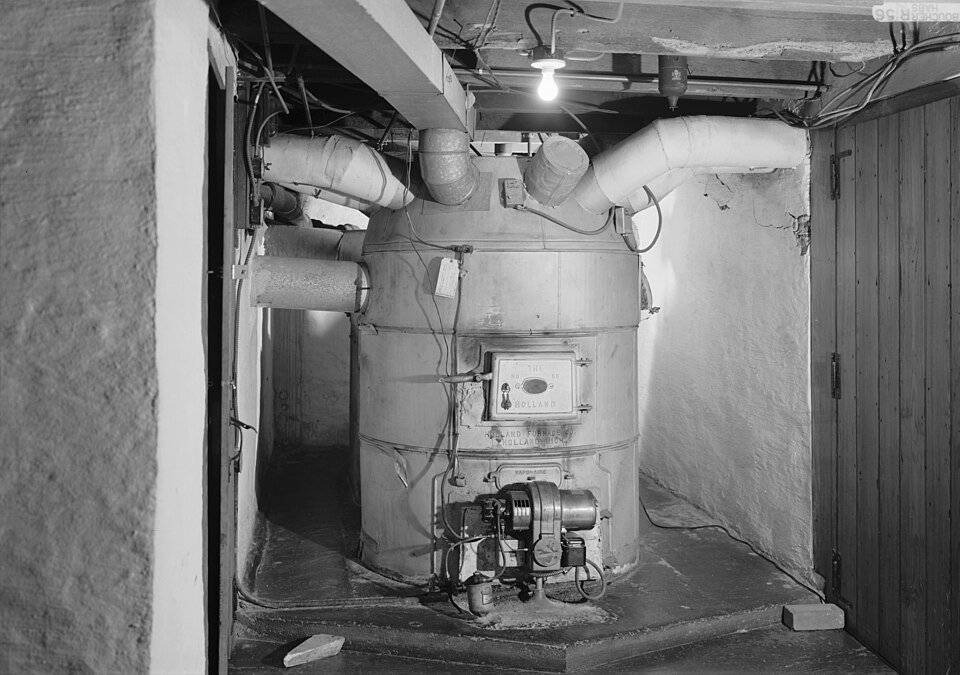
The classic unit was a gravity warm-air furnace, known universally as an octopus for the round ducts radiating from the top of it. There was no blower. Heated air rose through the ducts by convection alone and cool air returned by its own weight, which is why the ducts were enormous, why the furnace had to sit in the middle of the basement, and why the house warmed slowly and unevenly.
It was also hard to break and almost silent, which are the two things people remember fondly. Forced-air systems with a blower replaced it, and the ductwork of a converted house is frequently still the original: oversized, poorly sealed, and sized for a convection system that no longer exists, which is why so many older American homes with newer furnaces still heat unevenly. The furnace was replaced and the thing that actually determined comfort was not.
Like our content? Follow us for more.
The lagging was asbestos, and much of it is still there
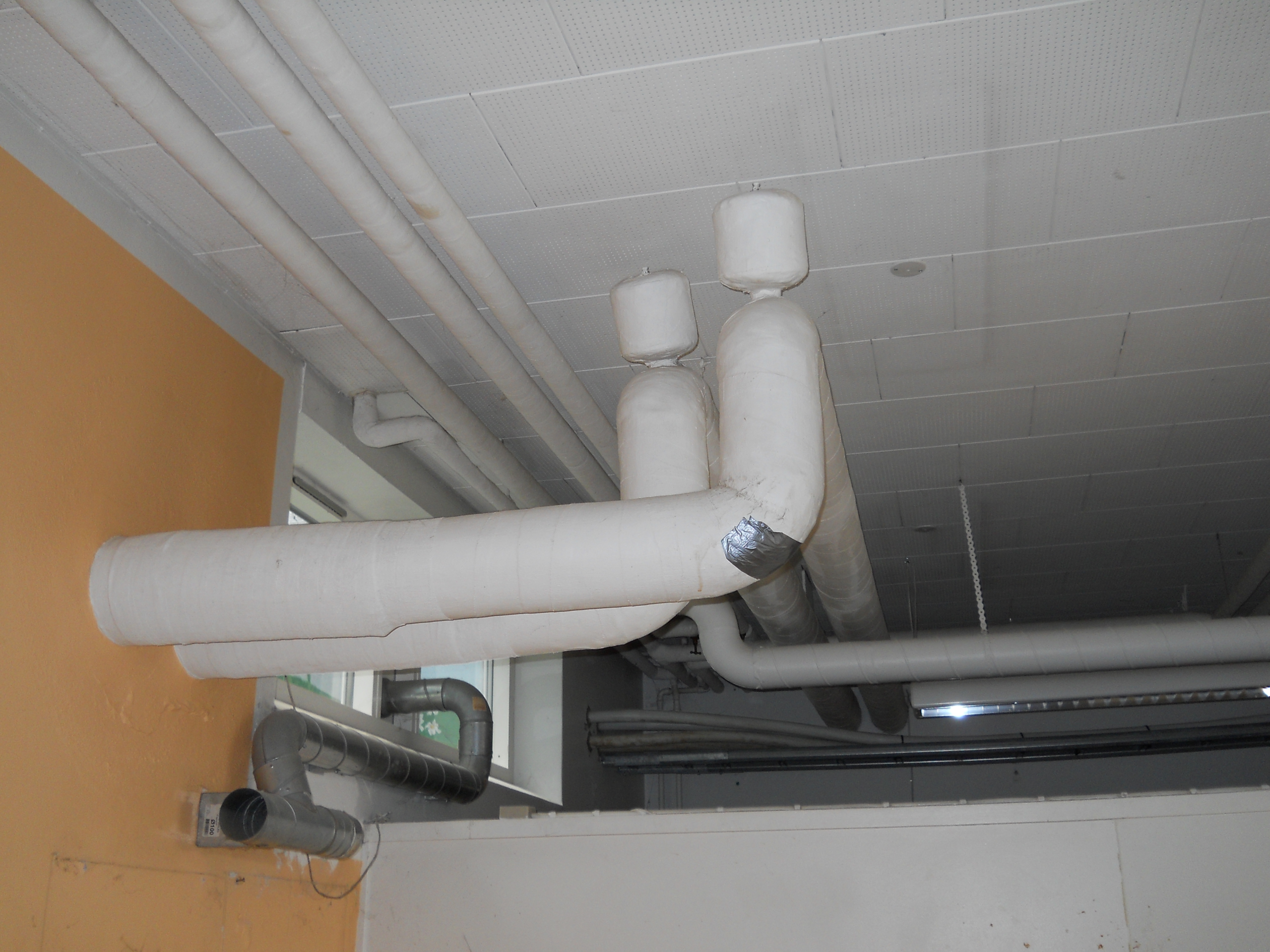
The furnace, the plenum, the ducts and the pipes were insulated with asbestos. The forms varied: a plaster-like coating troweled over the furnace body, corrugated paper wrap around pipes, cloth tape at the joints, and asbestos-containing cement in the seams. It was the correct material by the standards of the day, it worked, and it cost very little.
Asbestos regulation in American workplaces tightened from the early 1970s onward and specific rules govern its handling in buildings. The crucial point for a householder is that intact, undisturbed lagging is generally not the hazard; deteriorating, crumbling or disturbed lagging is. That distinction is why the standard advice is to leave it alone and have it assessed rather than to remove it, and why the single worst thing a homeowner can do is pull it off a pipe themselves on a Saturday. A very large number of American basements still have this material on pipework serving a furnace installed thirty years after the asbestos was. That mismatch is the thing to look for rather than the furnace’s age. A 1990s unit sitting in a 1920s basement is a completely ordinary arrangement, and the pipe runs above it may never have been touched, because replacing a furnace does not require anybody to deal with the insulation on the pipes it feeds.
No carbon monoxide detector in the building
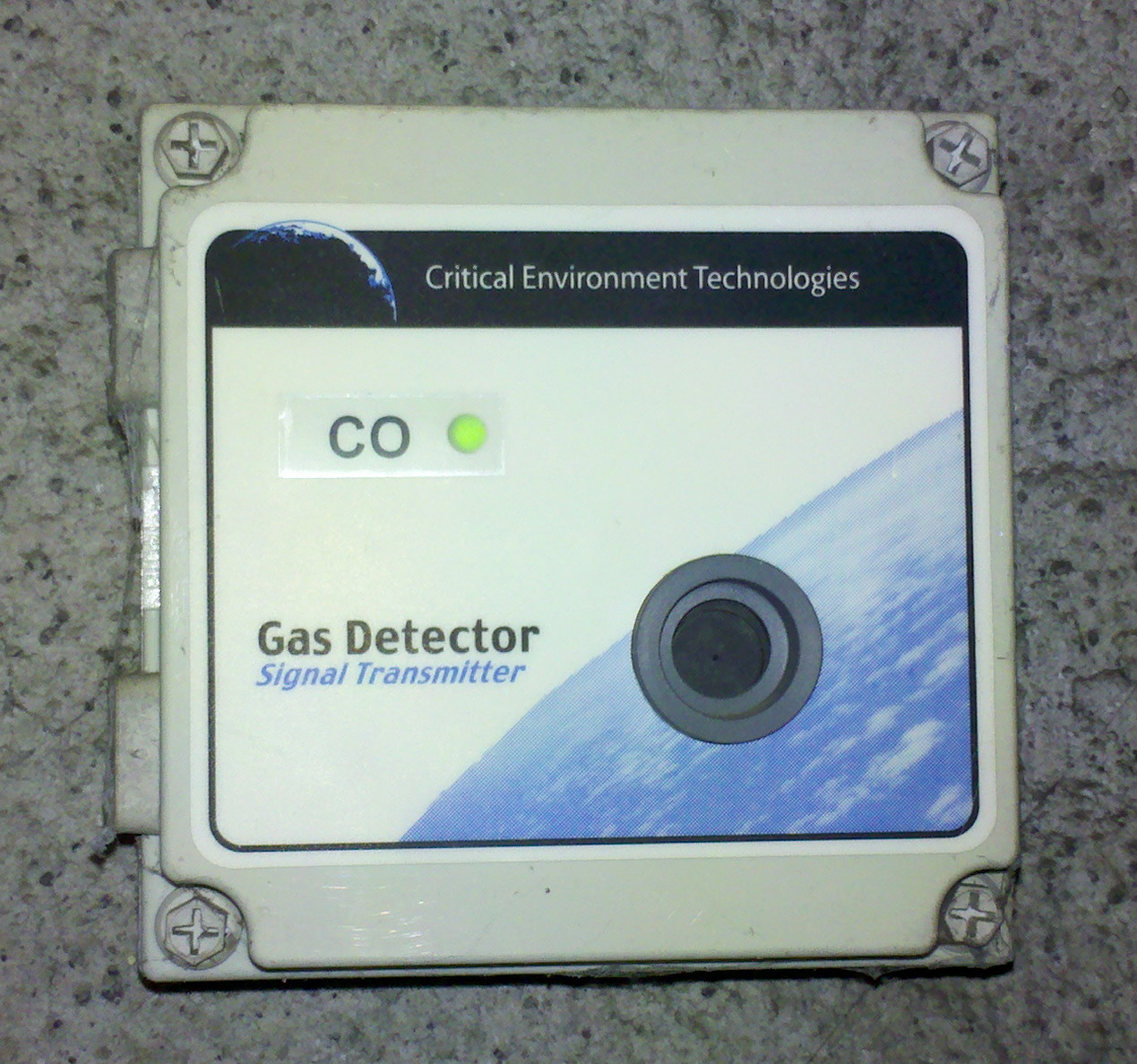
This is the largest safety gap and the simplest. A coal fire, an oil burner and a gas furnace all produce carbon monoxide, and the thing standing between that and the house is the integrity of the heat exchanger and the flue. In 1960 there was nothing monitoring either.
Affordable residential carbon monoxide alarms arrived in the 1990s, and requirements followed state by state through the 2000s, with most American states now mandating them in dwellings with fuel-burning appliances. The reason the gap mattered so much with a coal furnace specifically is that the failure modes were gradual: a cracked section, a partially blocked flue, a back-draught on a still night. Nothing about a slow failure announces itself, which is precisely what a detector is for, and a 1960 household’s only instrument was a headache.
Up an unlined masonry chimney
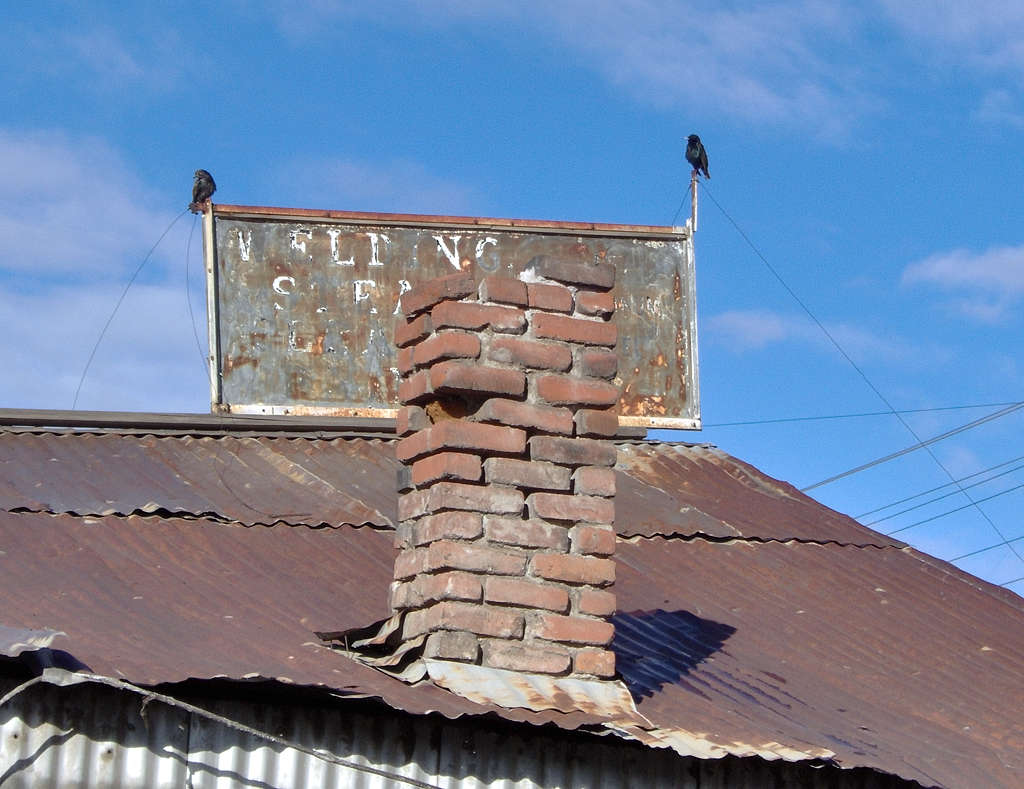
The flue was commonly a brick chimney with no liner. Combustion products went up bare masonry, and the mortar joints were attacked by acidic condensate, which over decades opens paths between the flue and the rest of the structure.
American codes now require a suitable liner, and the material is matched to the appliance, because the conversion from coal to oil and then to gas changed the flue gases substantially. A gas appliance in particular produces cooler, wetter exhaust than coal, which condenses in an oversized masonry flue and accelerates exactly the deterioration described above. So the common American sequence — coal furnace replaced by oil, oil replaced by gas, chimney never touched — produced a flue progressively less suited to each appliance that used it, and chimney relining is one of the most frequent findings when an older heating system is finally replaced properly.
No provision for combustion air
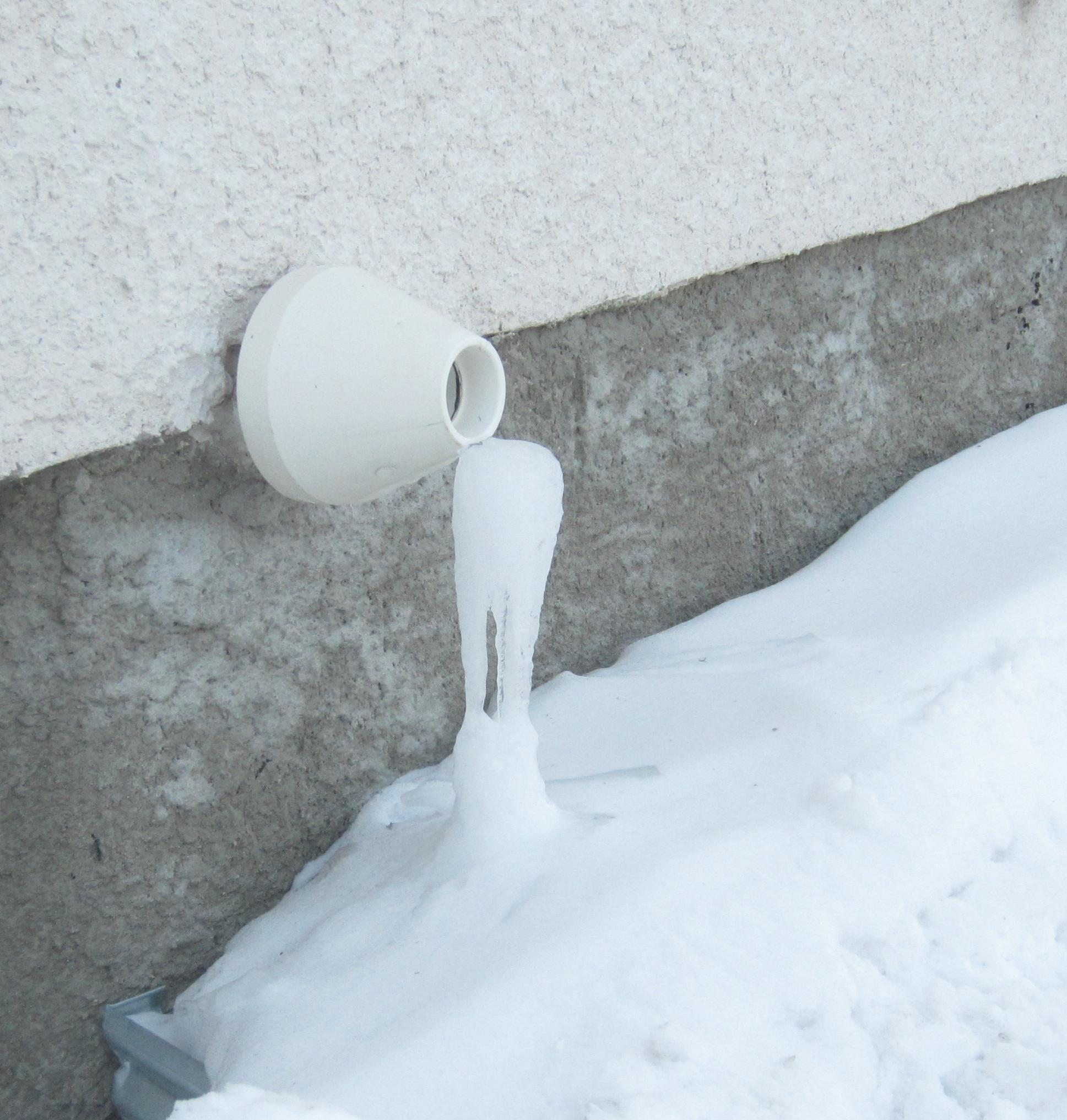
A fire needs air and a 1960 house supplied it by accident. Draughty windows, unsealed basements and uninsulated walls meant there was always air leaking in, so nobody had to think about where the furnace was getting it from.
That changed when houses were tightened. Through the energy retrofits of the 1970s onward, American homes were insulated, caulked, weather-stripped and fitted with replacement windows, and in a measurable number of cases an atmospherically vented appliance in a tightened basement began to struggle for air and to spill combustion products back into the room. Current codes address combustion air supply explicitly and sealed-combustion appliances draw their air directly from outside. It is a good example of a safety problem created by an improvement, which is a recurring pattern and a reason to treat retrofits as a system rather than a list of measures.
The ashes
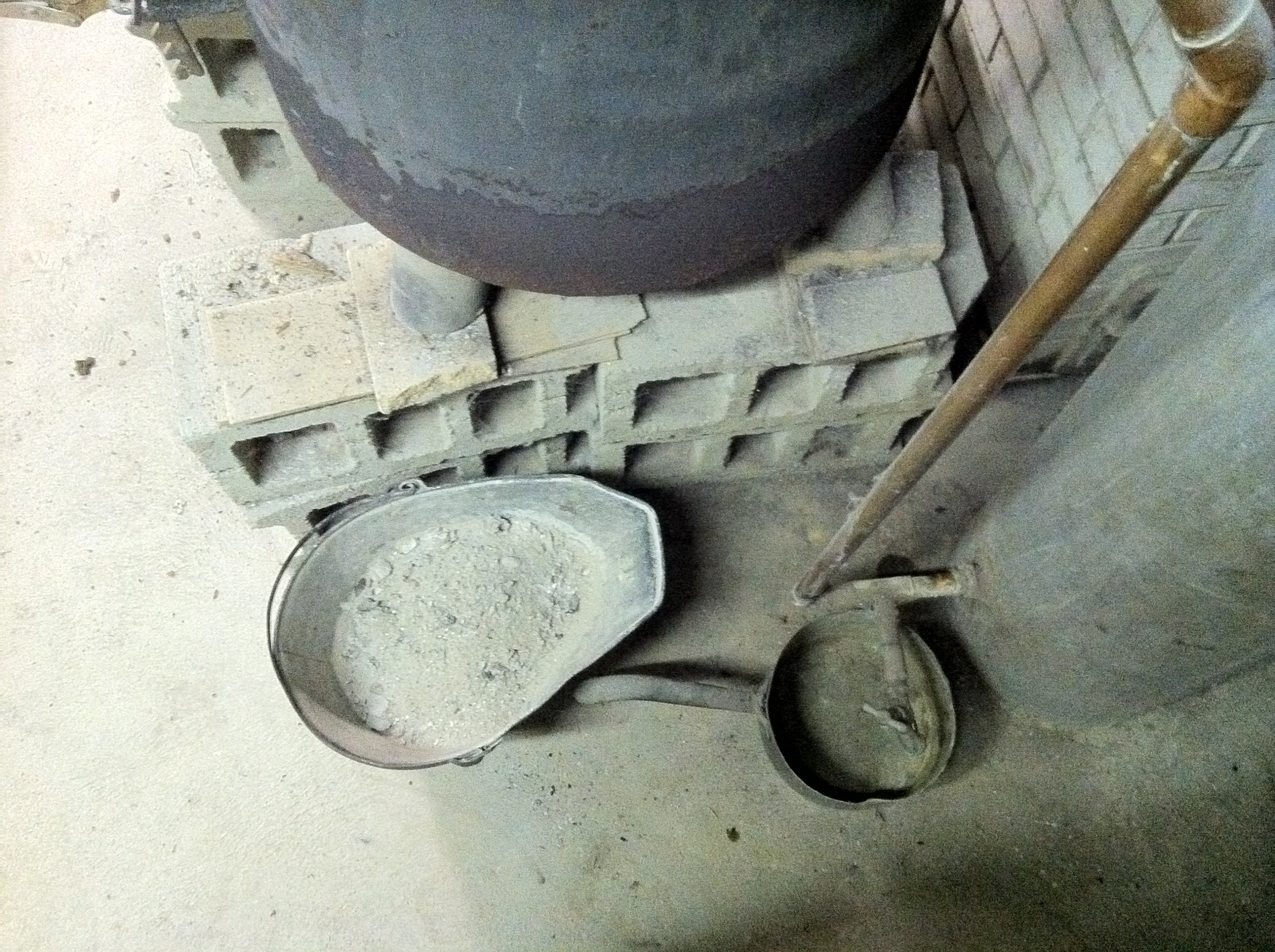
Nobody thinks about the ash and it caused the fires. A coal furnace produces a substantial volume of ash daily, and ash that looks cold retains live embers for a long time. It was shovelled into a metal bucket, carried up the basement stairs and put somewhere.
Where it was put is the whole problem: a wooden box on the porch, a bin against the house, a pile in the yard, or into a container with rubbish in it. Current guidance on any solid-fuel appliance is a metal container with a lid, on a non-combustible surface, away from the structure, with the contents treated as live for several days. That guidance exists because the alternative was one of the most common causes of American house fires for as long as solid fuel was the normal way to heat a house.
And the oil tank that came next
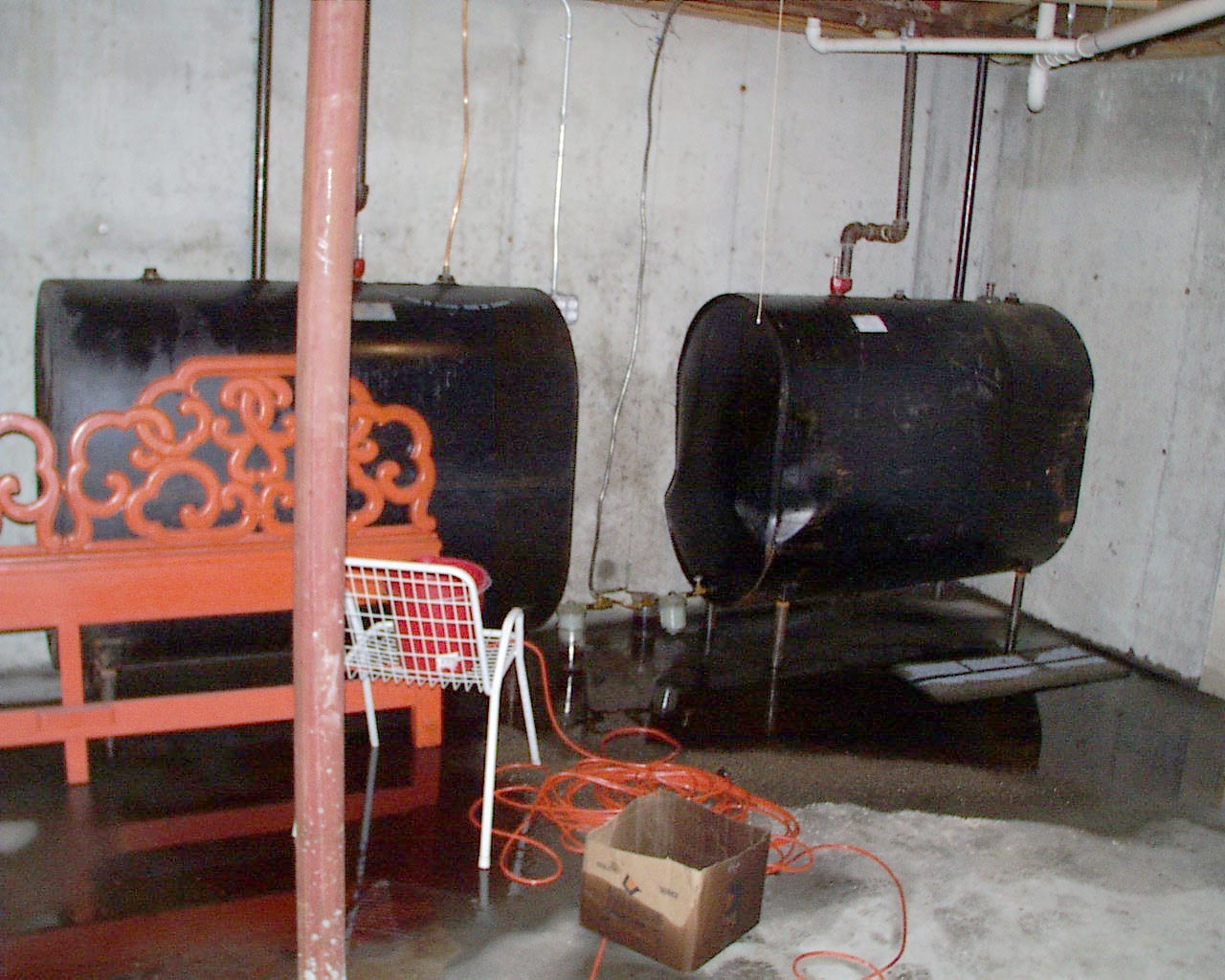
The conversion from coal to oil solved the shovelling and created a liability that outlasted it. Residential oil tanks were installed in basements and, very often, buried in yards, with no leak detection, no secondary containment and no record.
A buried steel tank corrodes from the outside, and a slow leak is invisible until it reaches groundwater or a neighbour’s basement. American states have dealt with this unevenly, and the practical position for a homeowner is that an abandoned buried tank is a real liability at the point of sale: assessment and remediation can be expensive, and lenders and insurers ask about it. A great many of these tanks were simply left in the ground when the house converted to gas, unmarked, and the owners of those houses frequently do not know they are there.
What was gained and what was actually lost
There is nothing to be nostalgic about in the work. Hauling coal, shaking grates, breaking clinkers and carrying ash is miserable labour, and the people who did it did not romanticise it. The modern sealed-combustion condensing furnace is safer, cleaner, enormously more efficient and requires nothing of the householder but a filter change, and federal minimum efficiency standards from 1987 onward drove most of that.
What was lost is a kind of knowledge rather than a comfort. A household that operated a coal furnace understood its own heating system — where the air came from, where the smoke went, what a bad draught smelled like — in a way almost nobody does now. That is not an argument for going back. It is the reason the carbon monoxide detector had to be invented: the house got safer, and the person in it stopped being able to tell.
That trade is worth stating plainly, because it recurs across every house system. A coal furnace announced its own condition continuously — the sound of the draught, the colour of the fire, the smell when something was wrong, the weight of the ash. A sealed appliance in a utility closet announces nothing at all, which is a enormous improvement in every respect except one, and the detector on the ceiling is the replacement for a sense the householder used to have.
Like our content? Follow us for more.