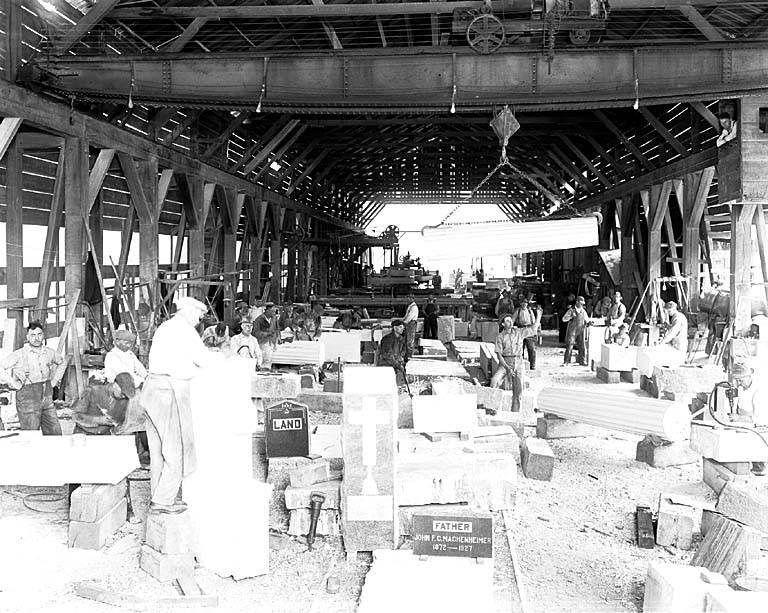
The monument trade is the clearest case in this series of a hazard that was fully understood and comprehensively unaddressed. Silicosis has been described since antiquity. It was known in every stone trade. A catastrophic American tunnelling project in the 1930s made it a national scandal. And the comprehensive federal standard governing respirable crystalline silica dates only to the past decade.
In between sat seventy years in which the work was done dry, blasted with sand, swept with a broom and blown down with compressed air, by men who knew what the dust was doing and had no mechanism to do anything about it. Here are fifteen things that yard did, and what each of them ran into.
1. Cut and carved granite dry, all day
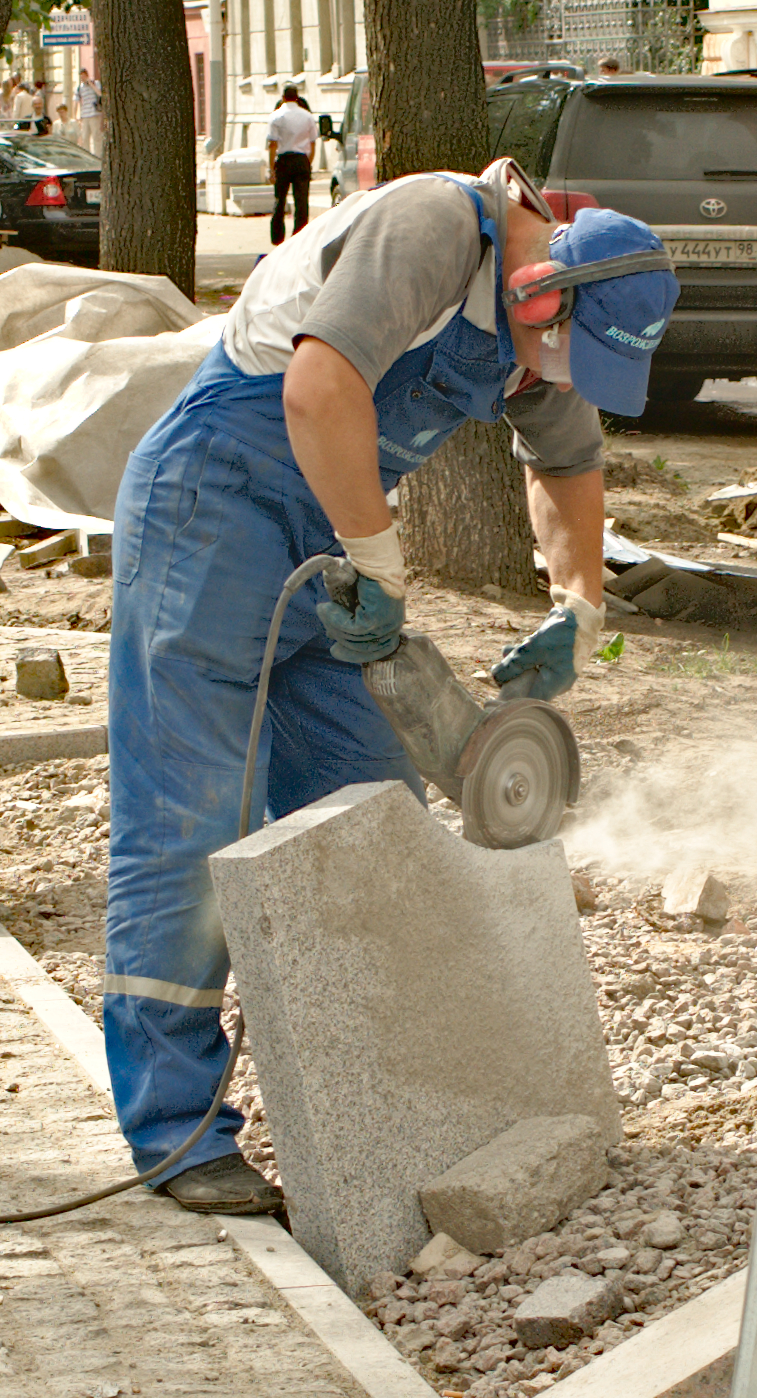
The monument trade worked stone dry. Pneumatic chisels, surfacing hammers, saws and carving tools were used without water, because water obscures the line a carver is following and because nothing required otherwise.
Respirable crystalline silica is released whenever stone containing quartz is cut, ground, drilled or carved, and American occupational rules now set a strict exposure limit with required engineering controls — water suppression at the point of cutting, or local exhaust ventilation — together with written exposure control plans.
Granite is a high-quartz stone, which makes this trade one of the highest-exposure occupations there has ever been. The dust is invisible at the size that matters: the particles that reach the deep lung are far too small to see, and a yard that looked clean was not.
Like our content? Follow us for more.
2. Sandblasted the lettering with silica sand
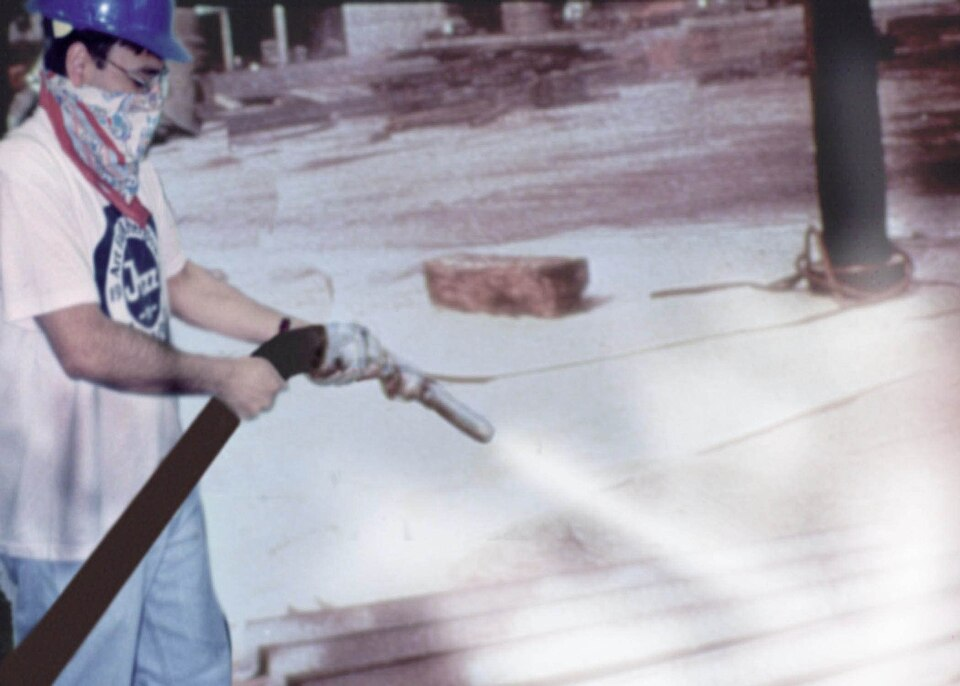
Inscriptions were cut by sandblasting through a rubber stencil, and the abrasive was sand, because sand was the abrasive. The operator stood at the stone with the nozzle, in the cloud, for as long as the lettering took.
Abrasive blasting with silica sand is prohibited in a number of American jurisdictions and is subject to the strictest controls everywhere else, with substitute abrasives — garnet, aluminium oxide, slag, glass bead, steel grit — standard. The substitutes work as well and cost more, which is why they were not used.
This was the single highest-exposure task in the yard and it was given to whoever was available. The cloud is the whole job, and the job used to take hours per stone.
3. Wore a hood that did not supply clean air
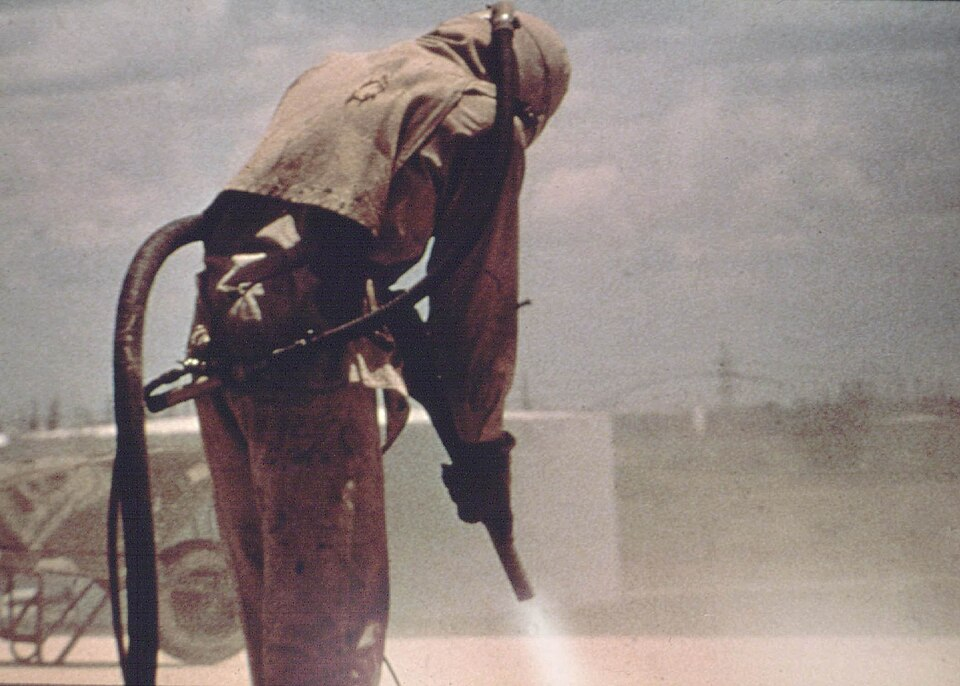
Blasting hoods existed and many were simply a canvas or leather hood with a window, which keeps the abrasive off your face and does nothing whatever about what you are breathing. Some yards used them, some used a cloth over the mouth, some used nothing.
American rules require abrasive blasting operators to use supplied-air respirators — a hood fed with clean air from outside the enclosure — rather than any filtering device, because the dust concentration inside a blasting enclosure is far beyond what a filter can handle.
The distinction between a hood that keeps grit out and a hood that supplies air is the entire difference, and it is invisible in a photograph. Every period image of a blaster in a hood looks like a man wearing protection.
4. Swept the shop floor dry at the end of the shift
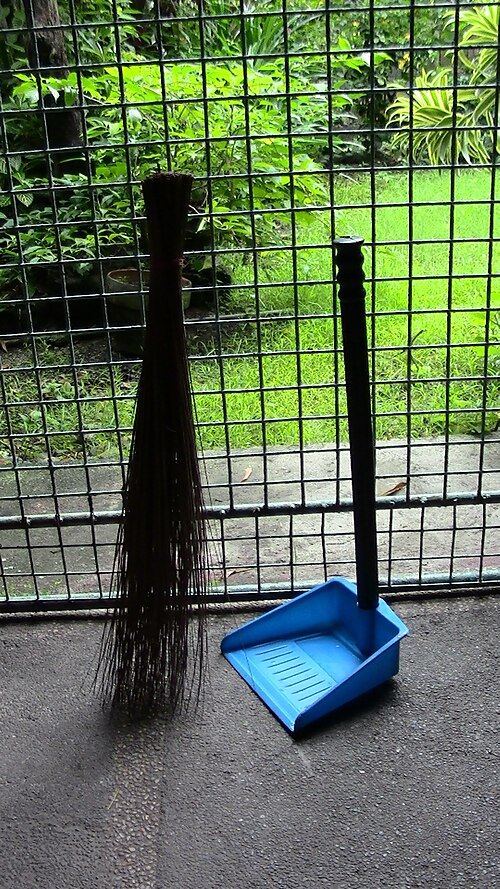
The floor was covered in stone dust and it was swept up with a broom, every day, which takes the finest fraction of the accumulated dust and returns it to the air a man had just spent eight hours in.
Dry sweeping of silica-containing dust is specifically prohibited under American rules, which require wet methods or vacuum equipment with appropriate filtration. The floor is a reservoir and a broom is a device for re-suspending it on a daily schedule.
This single habit probably contributed as much as any cutting operation, because it concentrated the respirable fraction and delivered it at close range to whoever was doing the sweeping — usually the apprentice.
5. Blew the dust off everything with compressed air
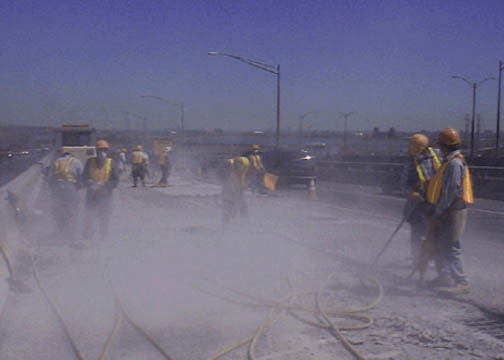
The air line cleaned the stone, the bench, the tools and the man. At the end of a job the carving was blown clear so the detail could be inspected, and when the shift finished the overalls were blown down.
American rules limit compressed air used for cleaning to a low nozzle pressure with chip guarding and eye protection, and prohibit its use on a person. For silica specifically it is the wrong tool entirely, because it converts settled dust into an airborne cloud.
The inspection step is the one that catches people out. A carver has to see the work, the fastest way to clear it was the air line, and the moment of looking closely at the detail was the moment of highest exposure.
6. Ran pneumatic tools with no dust control at all
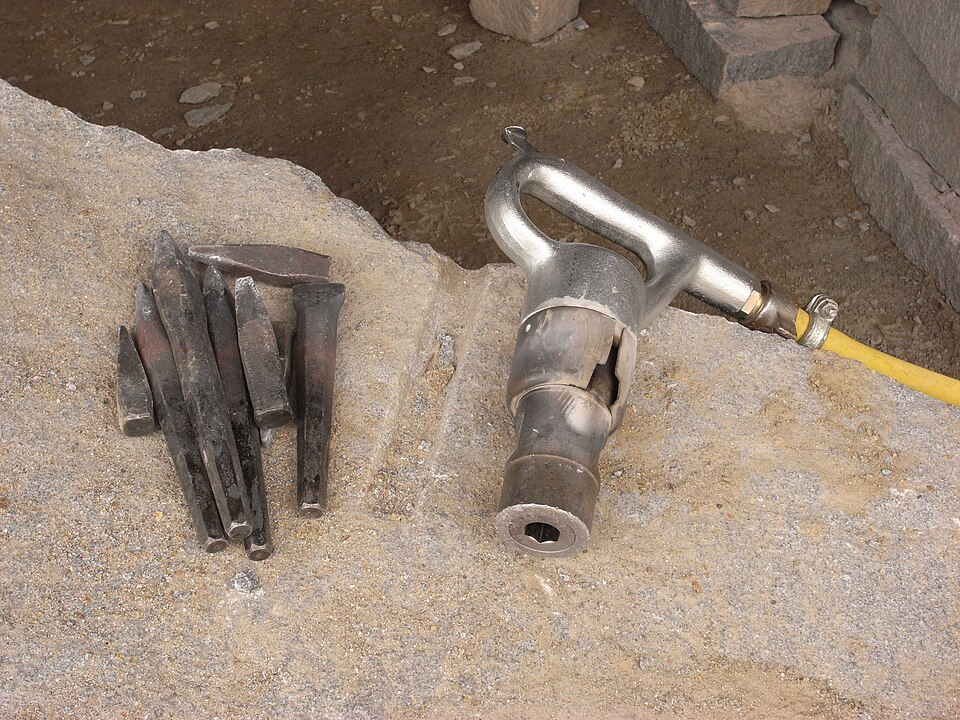
The air hammer and the pneumatic chisel transformed the trade and multiplied its dust. A hand chisel produces chips; a pneumatic tool at several thousand blows a minute produces a continuous fine cloud at the working face.
Modern tools for this work are available with integrated water feed or on-tool extraction, and American rules specify the control method for each listed task, including hand-operated stone tools, with respiratory protection required alongside rather than instead.
The mechanisation is the reason the disease pattern changed in the trade. The tools arrived decades before the controls, which meant a generation worked at pneumatic rates with hand-tool precautions, which were none.
7. Polished stone dry on a wheel
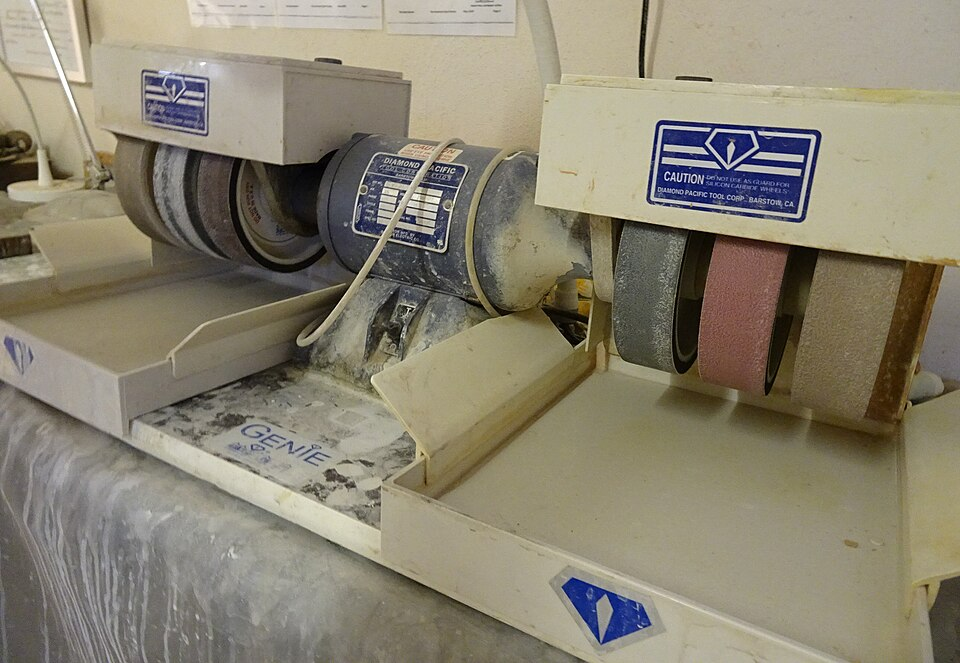
Finishing and polishing were done on wheels and with abrasive blocks, and the fine stages produce the finest dust of the whole process, from the stone and from the abrasive together.
Wet polishing is standard now and water is used throughout the finishing sequence, both for dust control and because it produces a better surface. Where dry work is unavoidable, extraction at the tool is required.
This item is the one where the modern method is simply better craft as well as safer, which is worth saying because it is not true of everything. A wet-polished granite face is a finer finish than a dry-polished one.
8. Measured nobody’s exposure to anything
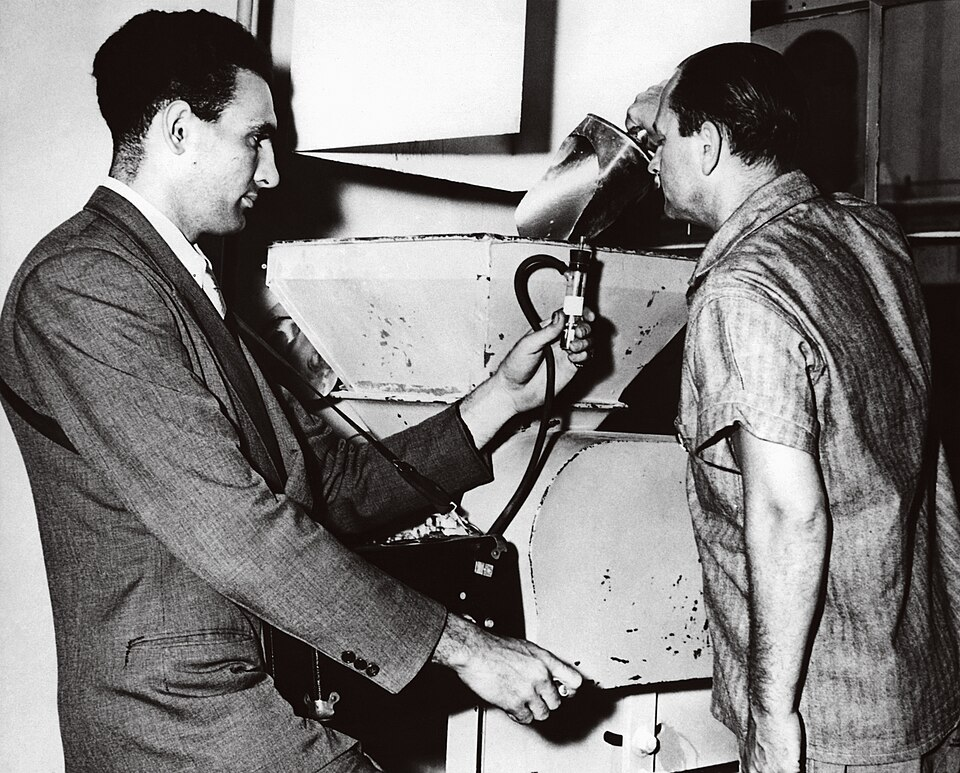
There was no air monitoring in the yard, no sampling, no record, and therefore no number anybody could point to. The dust was understood as an unpleasant feature of the work rather than as a measurable quantity.
American rules now require exposure assessment — either by air monitoring or by following a specified control method for a listed task — with records kept, and the obligation falls on the employer to establish the level rather than on the worker to complain about it.
That shift in where the burden sits is the substantive change. In 1960 a man who thought the dust was bad had an opinion. The modern framework produces a figure, and a figure can be compared with a limit.
9. Gave nobody a chest X-ray
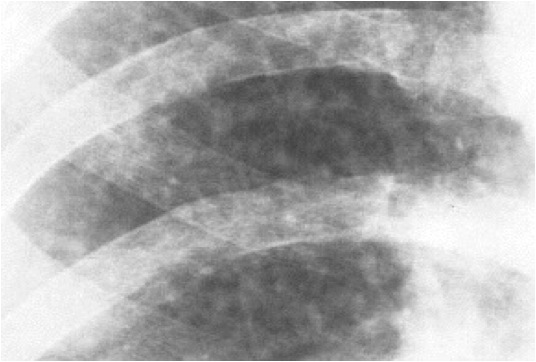
There was no medical surveillance. No baseline examination, no periodic chest radiograph, no lung function testing and no mechanism by which an early change would be found in a man who was still working comfortably.
American rules now require medical surveillance for workers exposed above a trigger level, including examination, chest radiography and lung function testing at defined intervals, with results provided to the worker and a route to be removed from exposure.
Early silicosis produces no symptoms, which is why the surveillance exists. A man who felt fine was not evidence of a safe yard, and the only way to know otherwise was an X-ray nobody was taking.
10. Treated the trade’s own disease as part of the job
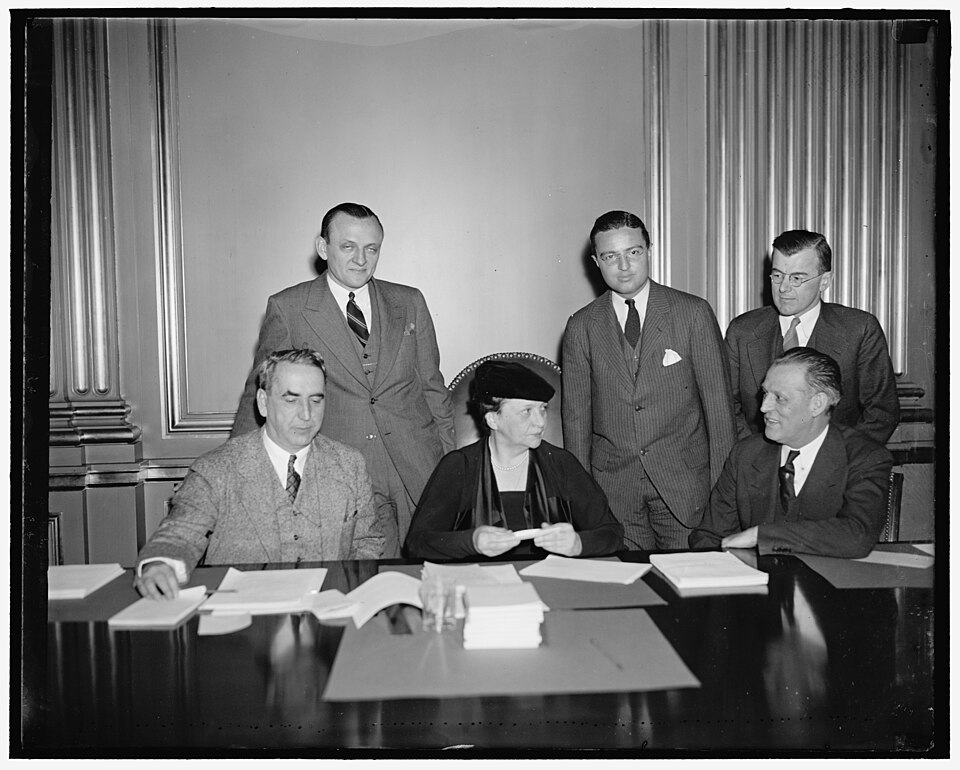
Silicosis was not a mystery in 1960. It had been described for centuries, it was known in every stone trade by name, and the industry’s own people understood that cutting stone shortened lives. It was accepted as the price of the work.
A catastrophic American tunnelling project of the 1930s put silicosis on the national agenda and produced the first substantial federal attention to industrial dust. The current comprehensive standard, with its exposure limit, control methods, exposure assessment and medical surveillance, dates only to the past decade.
That gap — known for centuries, nationally notorious from the 1930s, comprehensively regulated in the 2010s — is the longest lag in this entire series, and it is the reason this file exists. No incident is described here; the point is the delay.
11. Cut lead letters and painted the inscriptions with lead paint
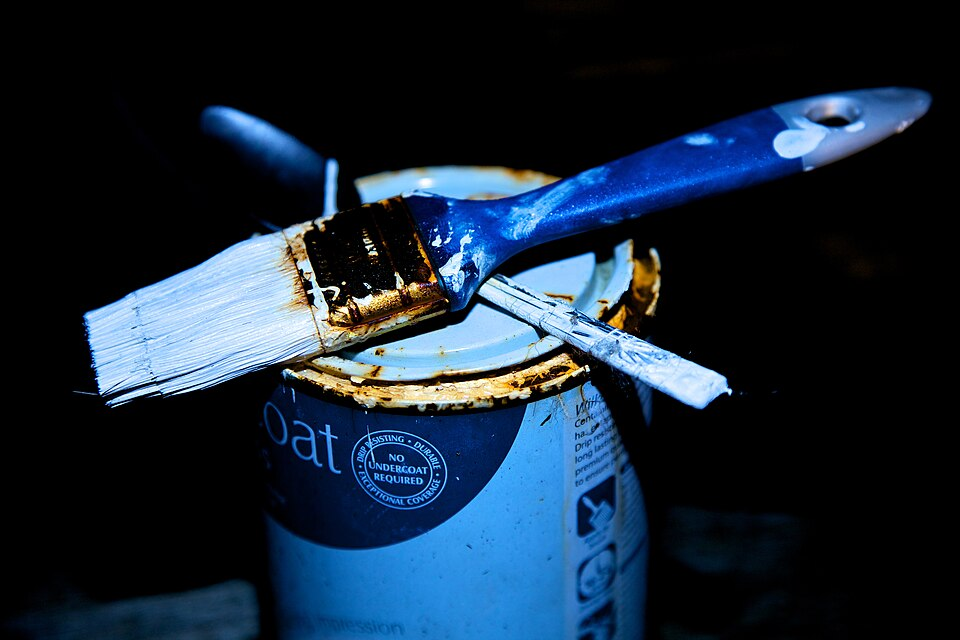
Lettering was finished with lead paint for contrast and durability, and lead letters were cast, cut and set into the stone by hand for the better memorials. Both involved handling lead at the bench.
The Consumer Product Safety Commission banned lead above a very low threshold in residential paint in 1978, and American occupational rules on lead require exposure assessment, hygiene facilities, protective clothing, blood monitoring and medical removal provisions.
Lead and silica in the same trade is an unusual combination and it means monument yards of the period carried two independent regulated hazards, neither of which was being assessed. Restoration of older memorials still raises the lead question.
12. Worked in noise with nothing over the ears
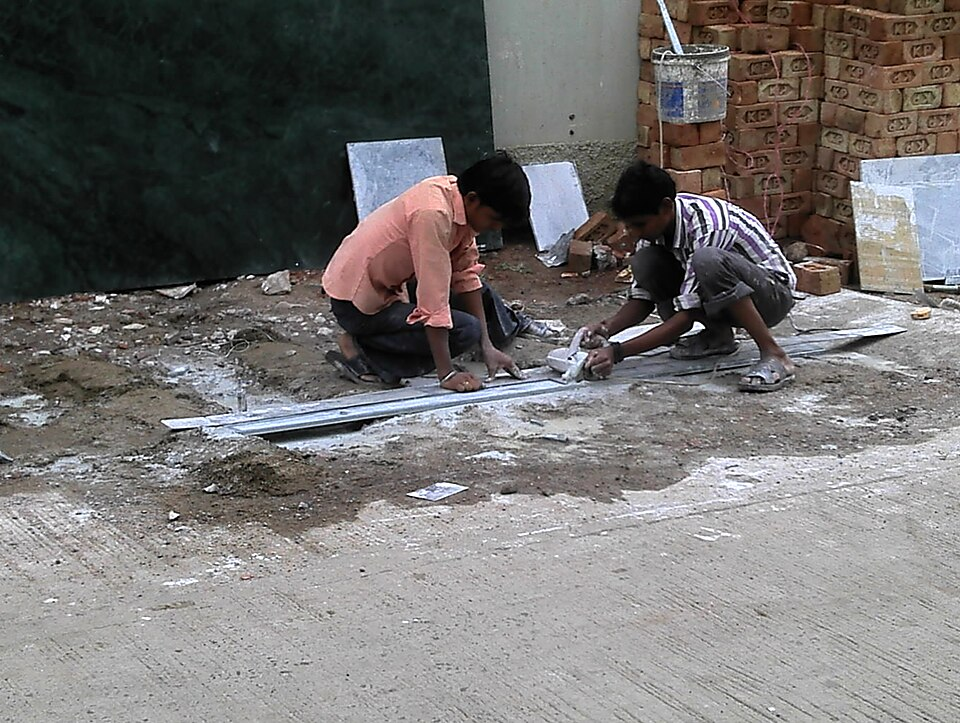
A yard runs pneumatic hammers, saws, compressors and a blasting cabinet, and the noise level is high and sustained. Hearing protection was not issued, not required and not worn.
American hearing conservation requirements set a measured action level with monitoring, provision of protection and audiometric testing. Occupational hearing loss is among the most commonly recorded industrial conditions in the country.
As in every workplace in this series, this is the cheapest thing on the list to have fixed and the one that affected the most people. Ear defenders cost almost nothing and were absent because nothing required them.
13. Lifted stone on chains nobody had rated
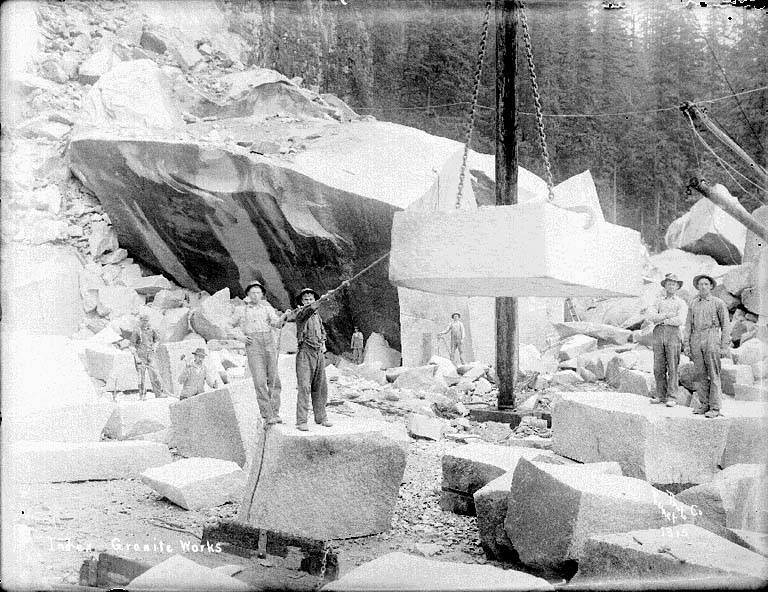
Monuments weigh hundreds or thousands of pounds and were moved with chain blocks, slings, rollers, levers and gantries assembled from what the yard had, by men using judgement about what would hold.
American rules now specify working load limits for every lifting device, require inspection and tagging, prohibit the use of unmarked or damaged equipment, and set requirements for the design and inspection of lifting gear and for keeping people out from under a suspended load.
No injury is described here. The relevant fact is that the loads were accurately understood by the men moving them and the equipment carried no stated capacity, which means the entire margin lived in one person’s assessment of a chain.
14. Took on apprentices at fifteen

Stone carving was a long apprenticeship entered young, and a boy of fifteen worked in the yard, swept the floor, held the stone and learned the tools alongside the men. It produced extraordinary craftsmen.
American federal child labour provisions restrict minors from hazardous occupations including power-driven machine operation, and the combination of silica exposure, lead, lifting and pneumatic tools places everything in this file out of reach of anybody under eighteen.
Both halves of this belong in the same sentence. The apprenticeship produced the carving on American memorials that nobody can now reproduce, and it put children in the dustiest building in the county holding the broom.
15. Had nothing written down about silica at all
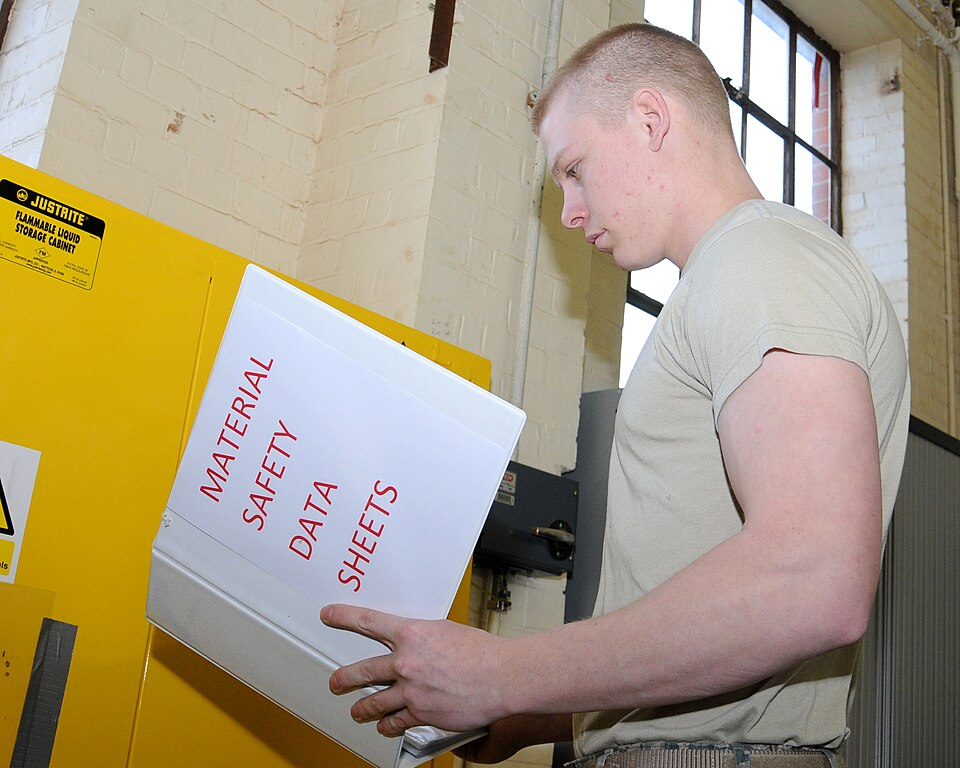
No exposure control plan, no safety data sheets, no training records, no air monitoring, no medical records and no written procedure for any of the above. The yard ran on what the men knew about stone, which was a great deal, and on nothing about dust.
The Occupational Safety and Health Act was passed in 1970, the hazard communication standard requiring that workers be told what they are handling followed in the 1980s, and the comprehensive silica standard with its written exposure control plan requirement is a product of the past decade.
That is the honest summary of the trade. The men who cut the monuments were masters of their material and nobody had given them a single piece of paper about the one thing in the yard that was going to shorten their lives.
Known, named, and regulated seventy years late
Every other workplace in this series has roughly the same shape: a practice was normal, somebody measured something, and a rule followed. The monument yard does not fit it, because nothing needed to be discovered. The disease had a name, the trade knew it, the dust was visibly everywhere, and the mechanism was not in dispute.
What was missing was the apparatus: an exposure limit expressed as a number, a specified control method for each task, a requirement to assess rather than to assume, medical surveillance that finds a change before a man notices it, and a written plan somebody could be held to. All of that arrived in the past decade, and the preceding seventy years are not a story about ignorance. They are a story about the difference between knowing a thing and being required to act on it.
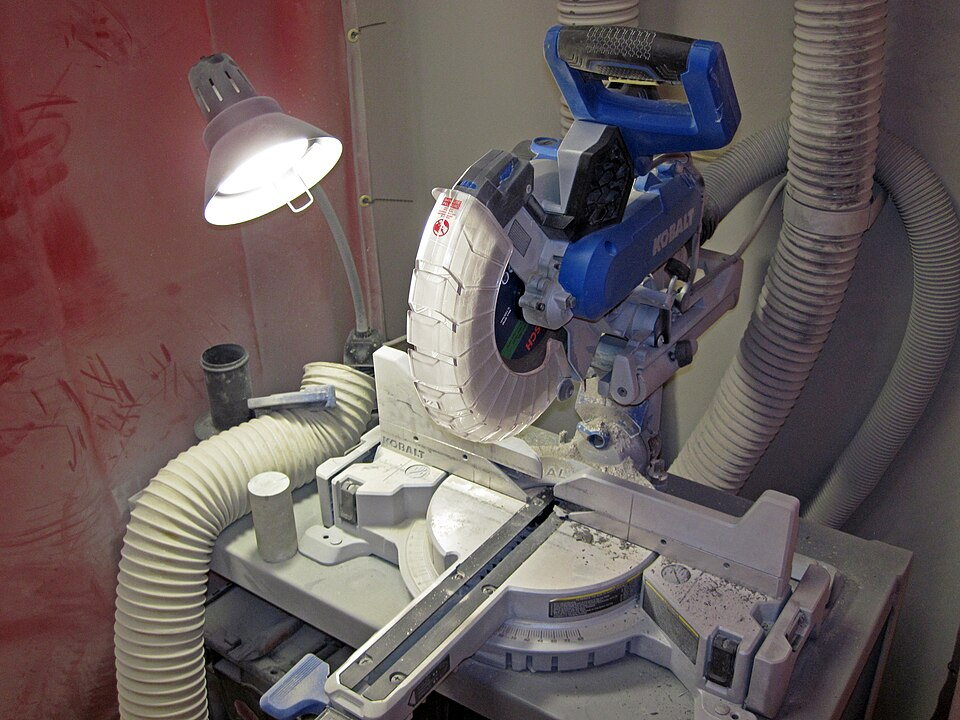
The two changes that did the most are both water. A water feed on the saw and the tool, and wet polishing through the finishing stages, remove the dust at the point it is created rather than catching it afterwards, and they produce a better surface as well.
The third is the hood that supplies air rather than merely keeping grit out, which is the single most important distinction in this file and the one that is invisible in every photograph of the old trade.
Like our content? Follow us for more.