

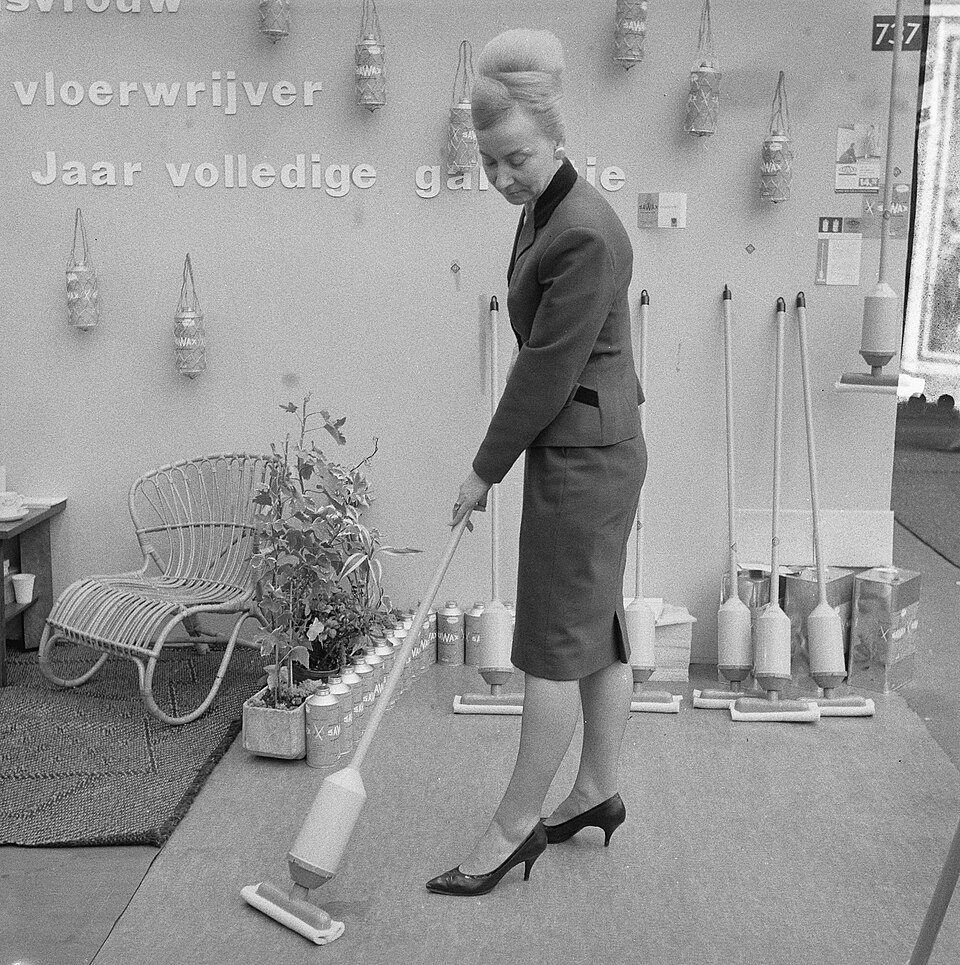
Polishing a floor in 1960 combined a solvent spread over the largest surface in the house, a mains appliance with a sparking motor run across it immediately afterwards, caustic strippers used by hand, and oily cloths put away crumpled when the job was finished.
The wax itself was almost harmless. Everything around it was the problem, and one item in the file can still start a fire in a modern house. Here are fourteen things about that job.
1. The paste wax was thinned with a volatile solvent
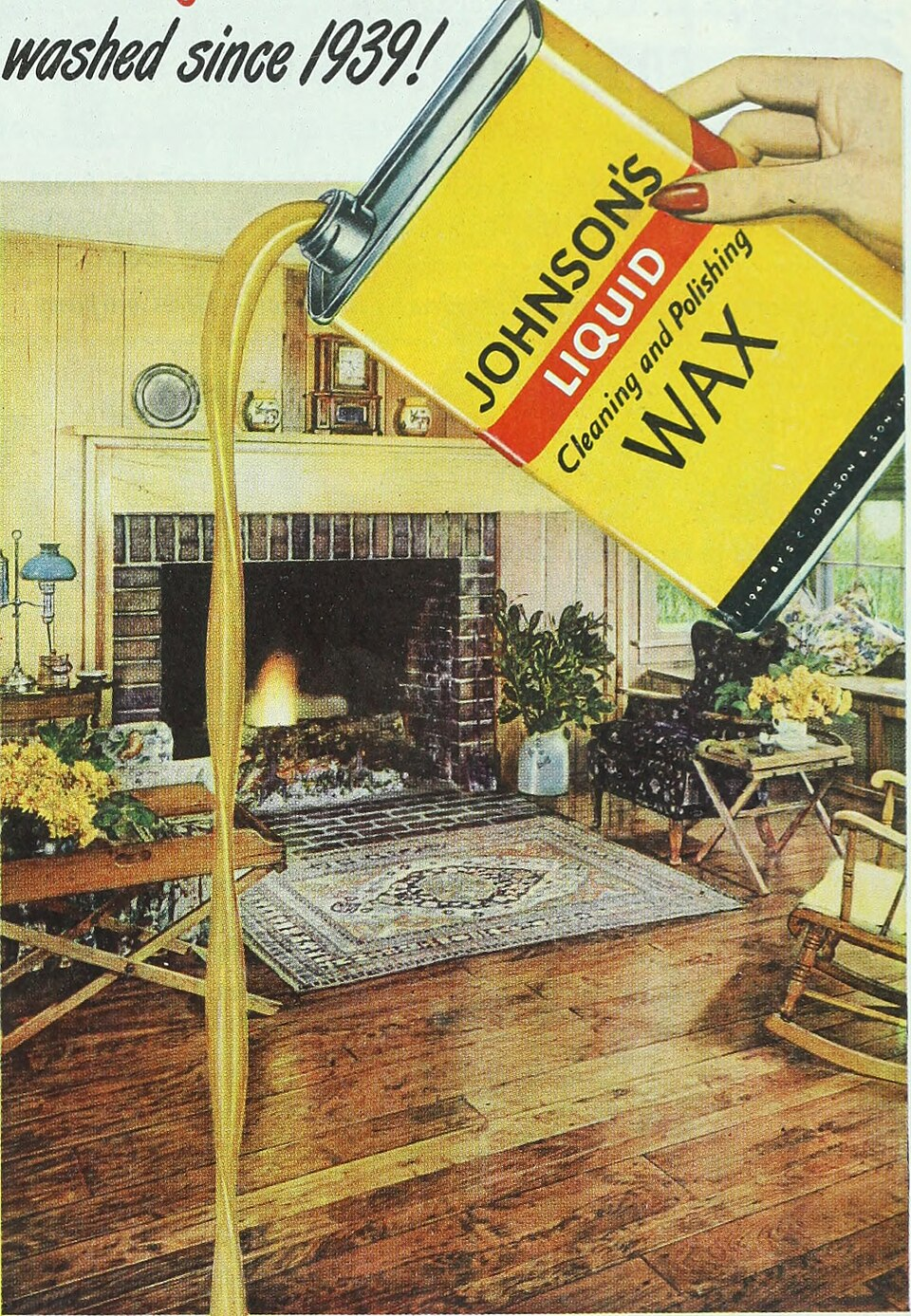
Floor and furniture paste wax was carnauba or beeswax carried in a petroleum solvent — naphtha, turpentine or a mineral spirit — which is what made it spreadable. Applying it released the whole of that solvent into the room as the wax dried.
The quantity is what distinguishes this from a spot of polish on a duster. Waxing a floor means spreading a solvent-carried paste across a large area in an enclosed room, and the vapour concentration that results is the reason modern domestic floor products are water-based and the solvent-based ones carry ventilation and ignition warnings.
A 1960 household waxed the floors with the windows shut in January, which is the combination that turned a mild product into a real exposure.
Like our content? Follow us for more.
2. Some liquid polishes contained benzene
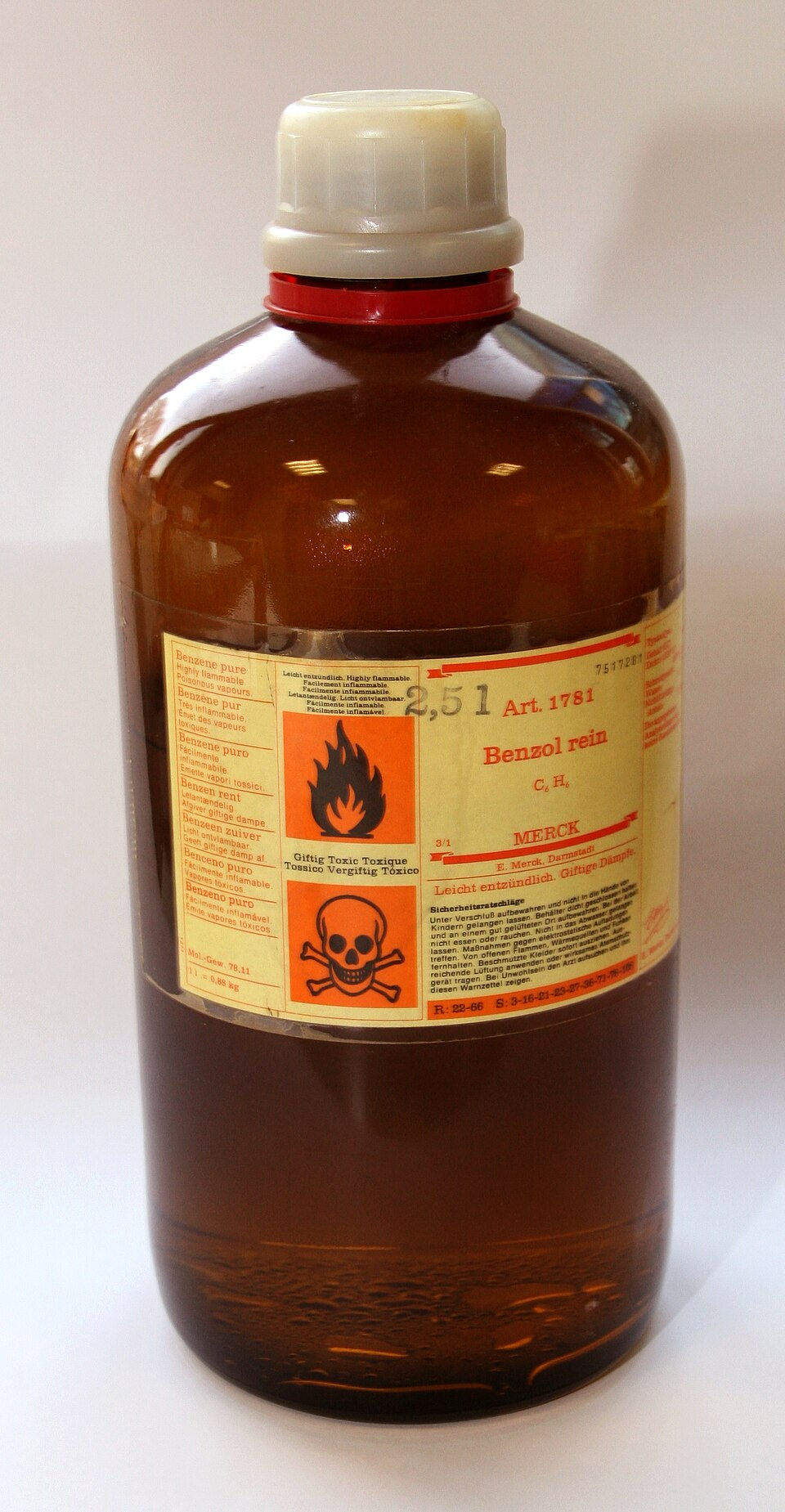
Period furniture and floor polish formulations, particularly the cheaper liquid ones, used benzene and benzene-containing petroleum fractions as solvents, because they cut old wax and evaporated cleanly.
Benzene is a recognised human carcinogen with no safe occupational exposure level and has been removed from consumer products entirely. The replacements do the same job and the only thing the householder noticed at the time was a change in smell.
It is the same compound that appears in the printing shop, the sign shop, the watch bench and the garage of the same period. The domestic polish bottle is the version that was in the most houses.
3. The electric buffer ran in a room full of solvent vapour
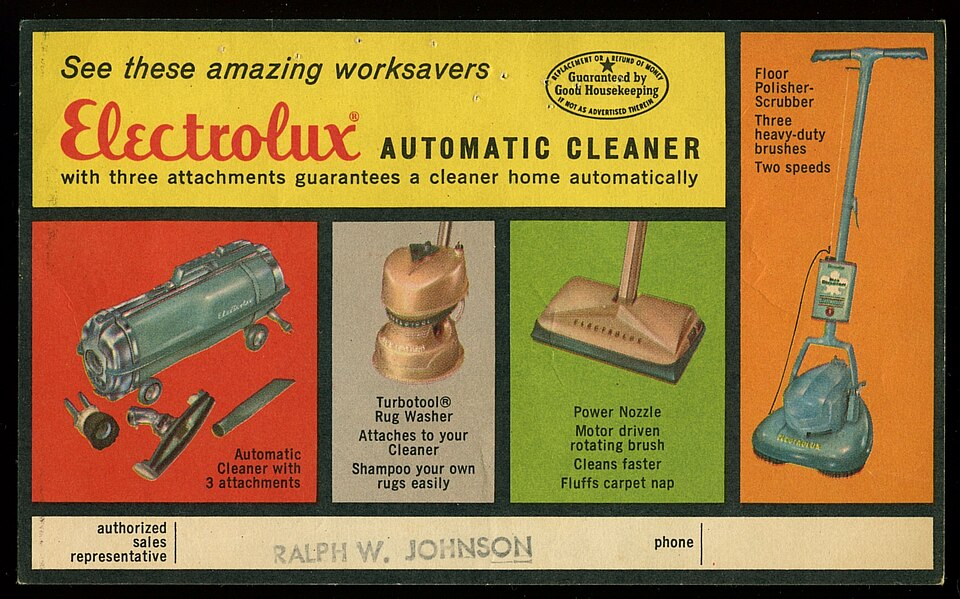
Floor polishers — a weighted rotary machine with felt or brush pads, rented or owned — were used immediately after the wax went down, with a mains motor, brushes sparking inside it, running across a floor giving off solvent.
The ignition risk is the obvious one and it was realised often enough to be a known domestic fire scenario. Modern equipment for the same job is designed for water-based products and the product and the machine are matched, which is a pairing that did not exist in 1960.
The combination of an open tin of solvent-based wax, a large treated area and a brush-motor appliance in the same room is the single most hazardous arrangement in this file.
4. Stripping old wax was done with ammonia and lye
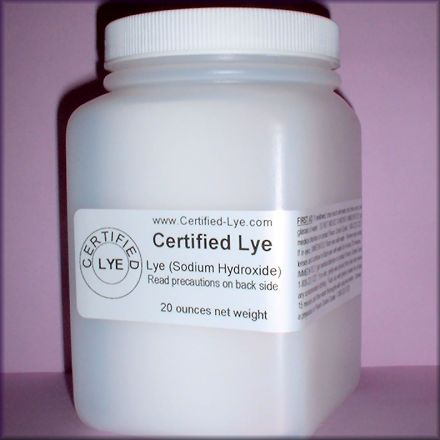
Built-up wax was removed with hot water, washing soda, ammonia or a lye-based stripper, scrubbed on hands and knees, and the stronger strippers were caustic enough to damage the floor as well as the hands using them.
Sodium hydroxide attacks skin progressively rather than immediately, so the warning signal arrives after the damage has begun, and the eyes are the serious exposure. Modern floor strippers are formulated to defined dilutions with gloves and eye protection specified and explicit instructions against combining them with other products.
The ammonia is the other half. A household that stripped a floor with ammonia and then cleaned something else with bleach in the same session was producing the reaction that remains the most common household chemical incident there is.
5. The dust mops and polishing cloths were stored oily in a cupboard
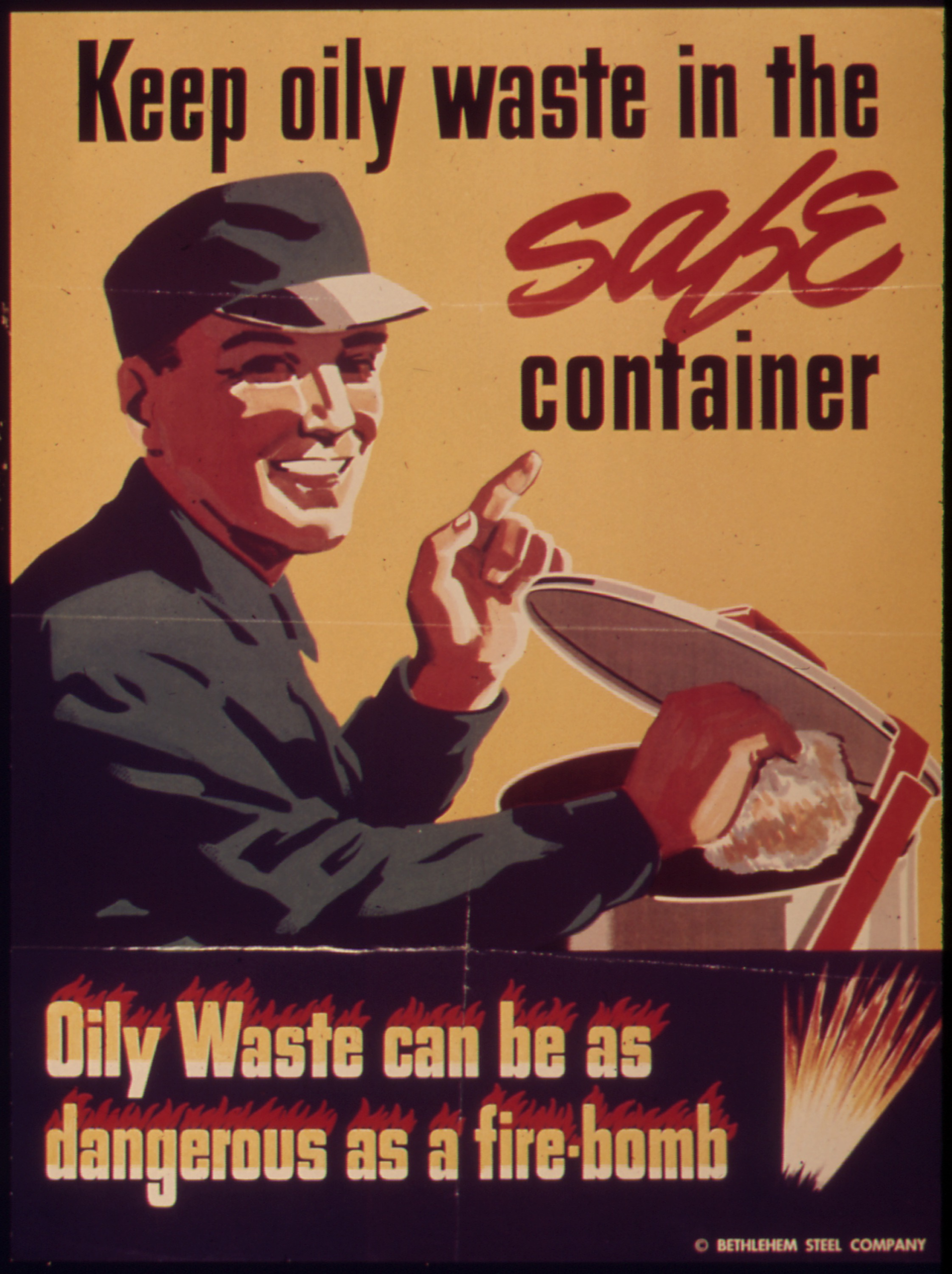
Oiled dust mops and the cloths used with oil-based polish and linseed oil furniture treatments were put away in a cupboard or a bucket at the end of the job, folded or crumpled.
Linseed and other drying oils cure by oxidation, the reaction generates heat, and a crumpled heap of oil-soaked textile insulates that heat well enough to reach ignition with no external source. The standard guidance is to lay such cloths flat to dry or submerge them in water in a sealed metal container.
This is the item in the file that can start a fire hours after everybody has gone to bed, and it is the one still happening, because oil-based furniture products remain in use and the warning is in small print on the tin.
6. Aerosol furniture polish arrived with the propellants of the period
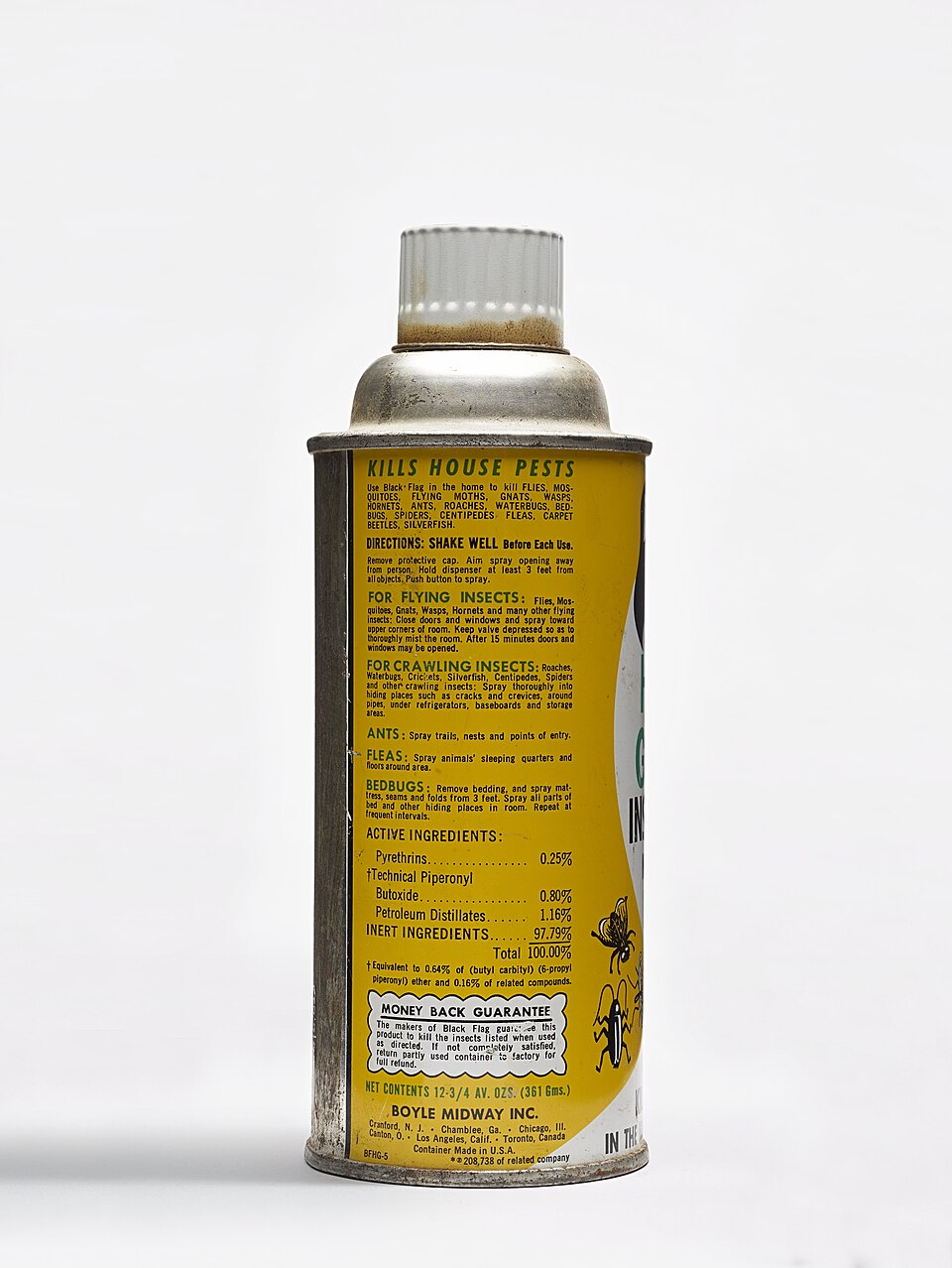
Spray furniture polish became a standard product through the 1960s and the propellants were chlorofluorocarbons and in a number of products vinyl chloride, with silicone oils as the active ingredient.
Vinyl chloride was identified as a human carcinogen and prohibited in American aerosol products in 1974. Chlorofluorocarbons were phased out of American aerosols from 1978 and then globally under the Montreal Protocol over stratospheric ozone depletion, replaced by hydrocarbons, compressed gases and pump mechanisms.
The can still sprays and the two reasons its contents changed have nothing to do with each other, which is the pattern across every aerosol product of the period.
7. The floor underneath was often vinyl asbestos tile
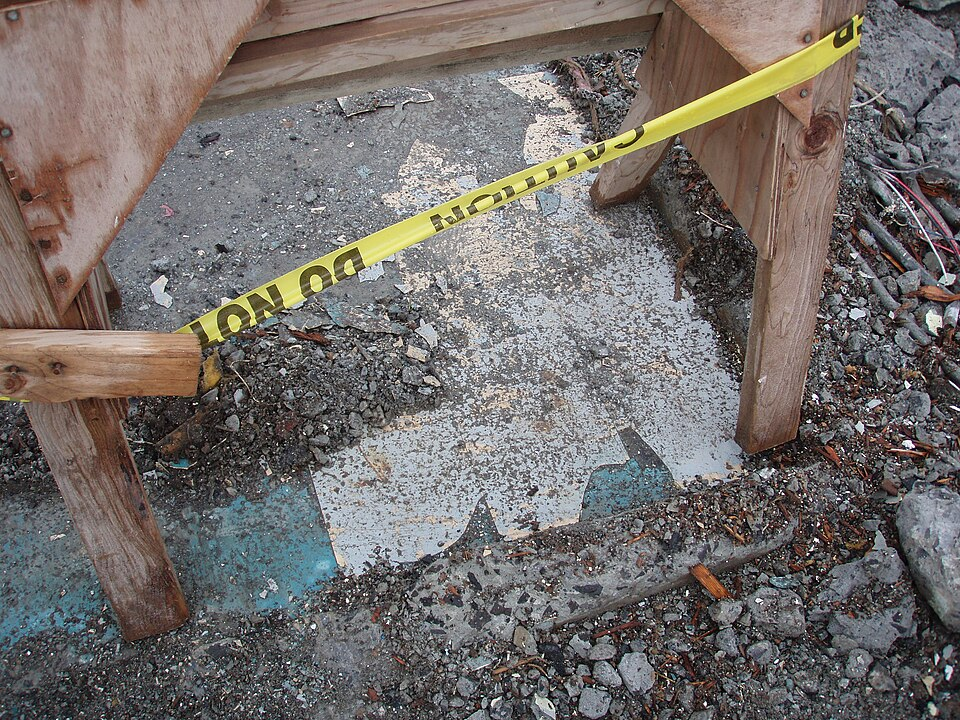
Vinyl asbestos floor tile was used across American housing from the 1950s into the 1980s, usually in nine-inch or twelve-inch squares, and it was frequently laid in a black bituminous mastic adhesive that also contained asbestos.
The federal position is that asbestos-containing material in good condition is left undisturbed and managed in place, and the specific hazards with flooring are sanding, grinding, dry scraping and breaking tiles up for removal, all of which are prohibited approaches. Intact tile under a covering is not a hazard and is routinely left in place and covered over.
The practical point is about renovation rather than polishing. A nine-inch tile in an older American house is treated as presumed asbestos-containing and is not lifted, broken or sanded without identification first.
8. Floor sanding released both lead and silica
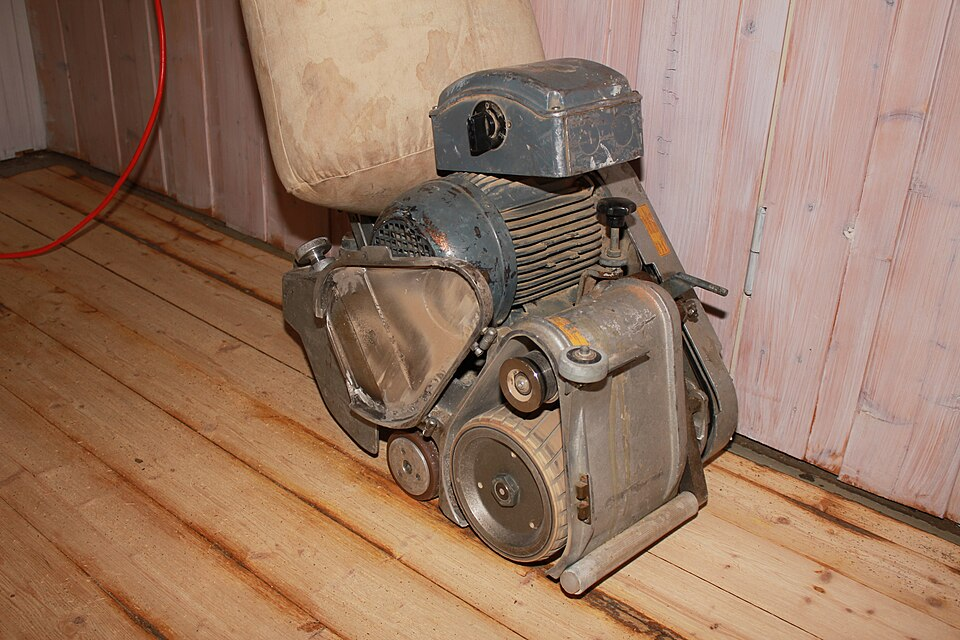
Refinishing a timber floor meant a drum sander, and in a house of that age the surface being removed was frequently old paint or varnish containing lead, over boards whose dust carries crystalline silica from the abrasive and the filler.
Dry sanding of lead paint is now specifically prohibited in American lead-safe renovation practice, and crystalline silica has its own exposure framework with wet methods and on-tool extraction specified. Modern floor sanding equipment is fitted with dust extraction as standard for exactly these reasons.
A 1960 householder sanding a floor with a rented drum machine and no extraction filled the house with a mixture of the two, and it settled everywhere and stayed.
9. Shellac and french polish were cut with denatured alcohol
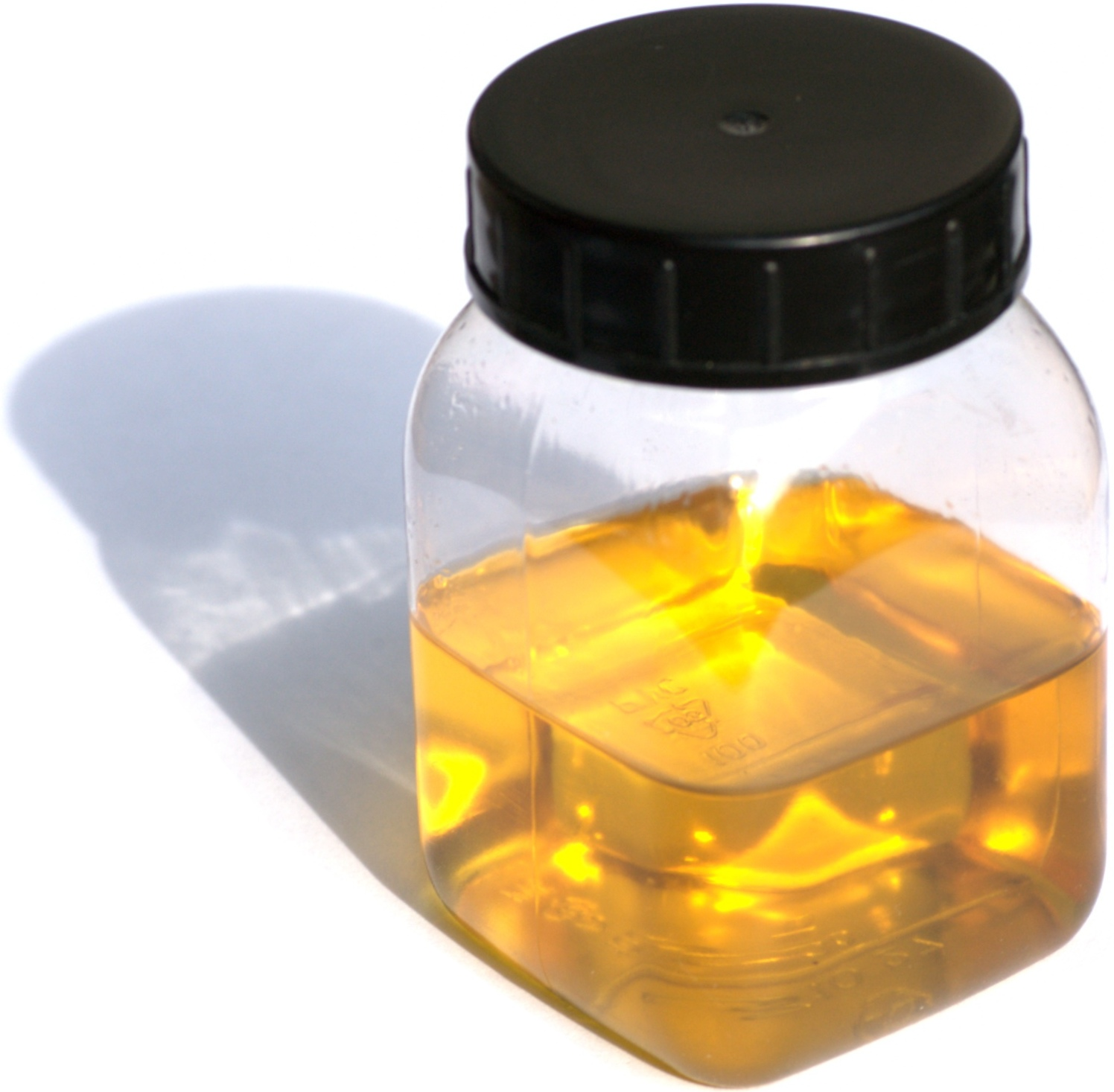
Traditional furniture finishing used shellac dissolved in denatured alcohol — methylated spirit — applied with a rubber or a cloth, and the same spirit was used for cleaning and for thinning.
Denatured alcohol contains methanol specifically so that it cannot be drunk, methanol is absorbed through skin and inhaled, and that is what makes it hazardous in a way ordinary alcohol is not. Current products carry explicit warnings with guidance on gloves, ventilation and avoiding prolonged skin contact.
It was treated as the mildest thing in the cupboard and handled with less caution than the wax, which is the opposite of the correct order.
10. A freshly waxed floor was lethally slippery and nobody mentioned it
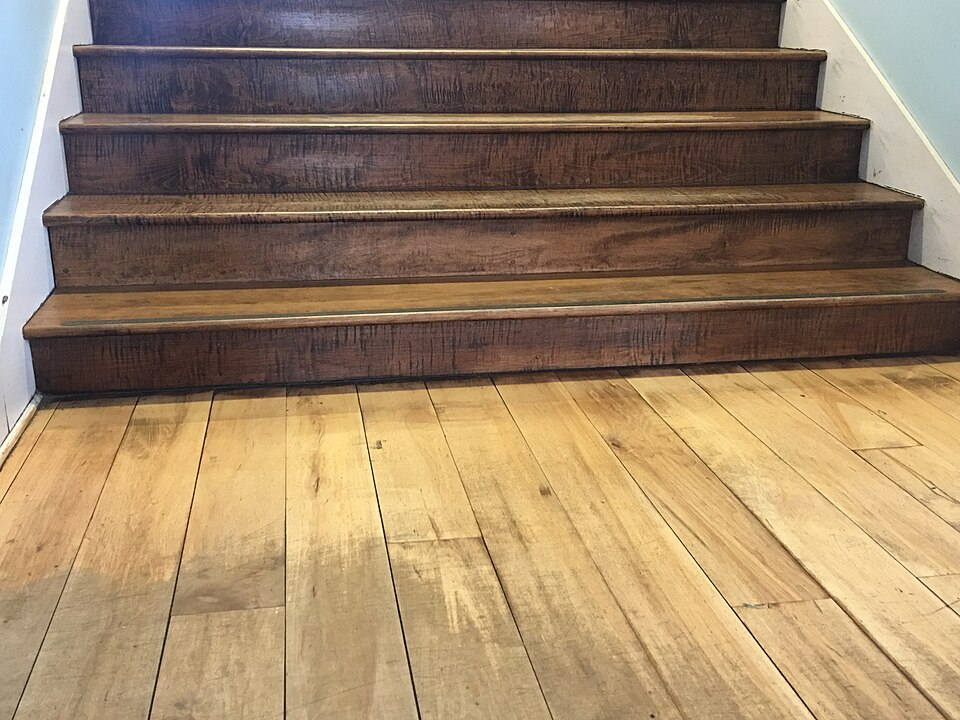
A high-gloss waxed and buffed floor, particularly under a loose rug, is slippery, and the aesthetic of the period actively rewarded it. Rugs were not secured, thresholds were not addressed and stair treads were waxed along with everything else.
Slip and trip prevention is now a defined area of domestic safety: non-slip backing or underlay for rugs, attention to thresholds and stair edges, and finishes specified by slip resistance for floors in service. Falls in the home remain the largest single category of domestic injury, overwhelmingly among older people.
The waxed stair tread is the specific detail worth naming. It was ordinary practice, it is the highest-consequence surface in a house, and it is the one place a modern finish specification matters most.
11. Everybody did it on their knees for hours
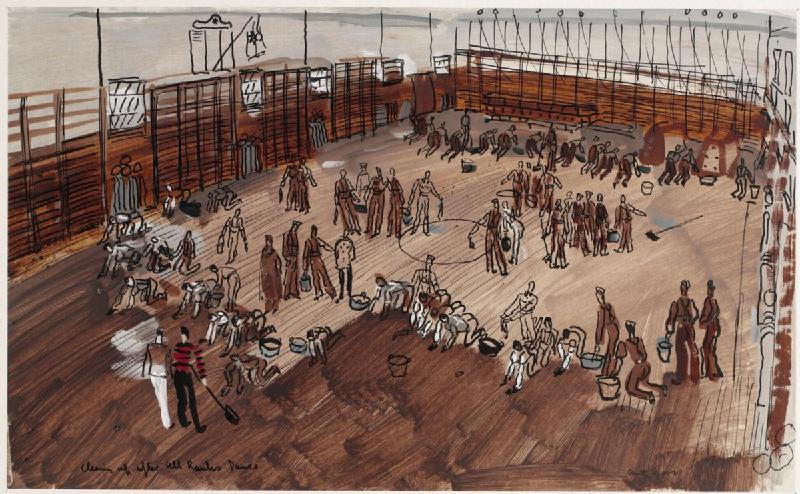
Floor work was done kneeling: stripping, waxing, buffing by hand where there was no machine, and in a large house that was a full day’s work on hard surfaces, repeated several times a year.
Musculoskeletal injury from sustained kneeling and repetitive work was not recorded as anything in a domestic context, and the modern equivalent of the same task uses long-handled applicators, knee protection and machines, which is why professional cleaning operations specify them.
This is the item that produced the most actual harm in the file and the least comment, because the people doing it were housewives and domestic staff and nobody was counting.
12. Smoking happened throughout
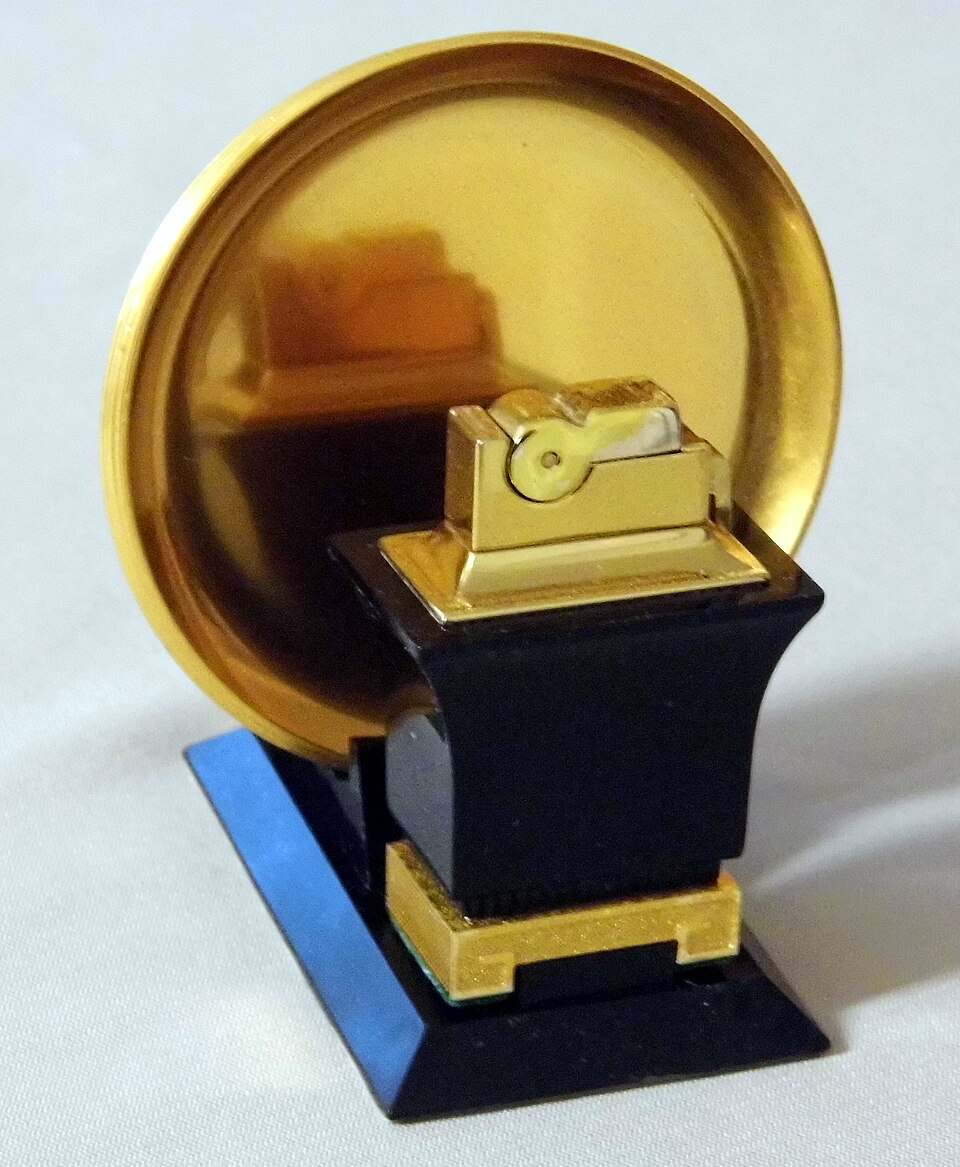
The householder or the cleaner smoked while working, in a room where a solvent-carried wax had just been spread across the whole floor, with an open tin and oily cloths nearby.
The fire risk needs no elaboration. The less obvious point is that the vapour from a freshly waxed floor is heavier than air and pools at floor level, which is exactly where somebody kneeling is breathing and where a dropped cigarette lands.
Every photograph of a 1960 interior being cleaned has an ashtray in it, and nobody at the time saw anything in that at all.
13. None of the tins told you anything
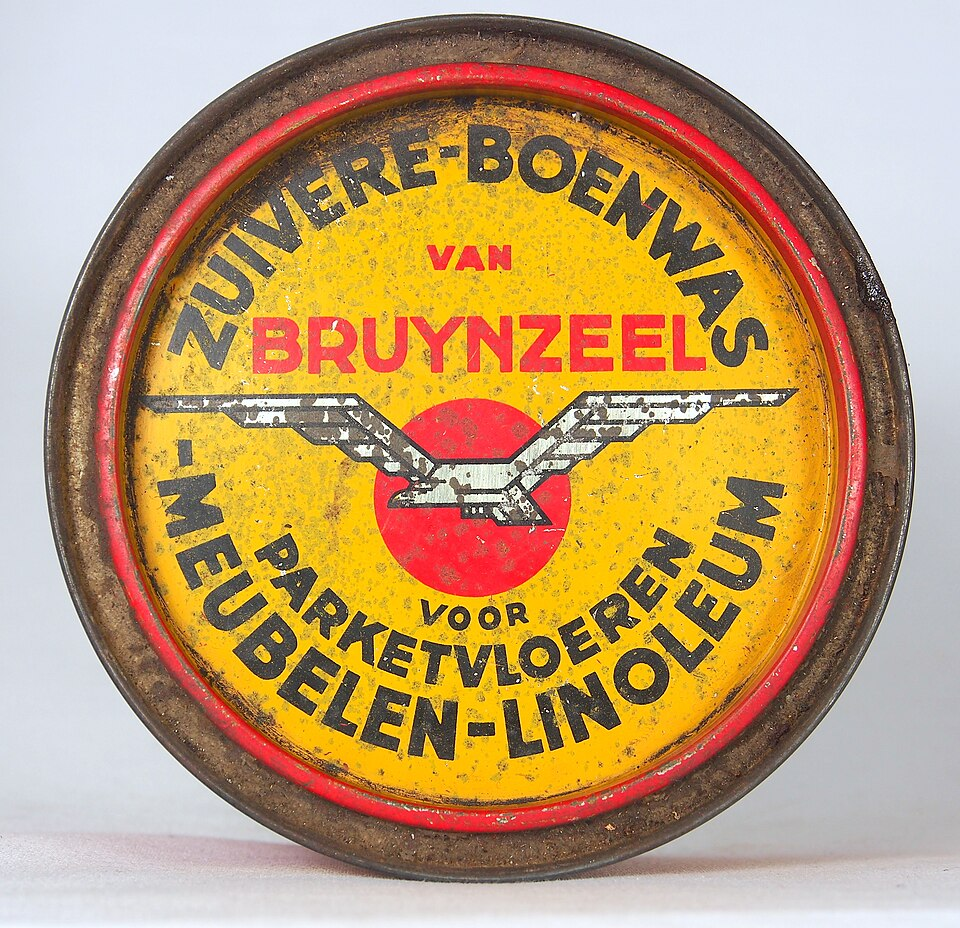
Labels gave the finish, the coverage and the shine. There was no hazard information, no ingredient disclosure, no ventilation instruction, no flammability warning beyond the word inflammable and no child-resistant closure.
The Federal Hazardous Substances Act of 1960 began requiring cautionary labelling on hazardous household products and the Poison Prevention Packaging Act of 1970 brought child-resistant closures, and the modern label with its signal word, hazard statement, precautionary statement and first aid information is the accumulated result of six decades of amendment.
The householder was using products as sold, as described, in the way described. The information that would have changed the method did not exist on the tin.
14. And what a waxed floor had that a sealed one does not
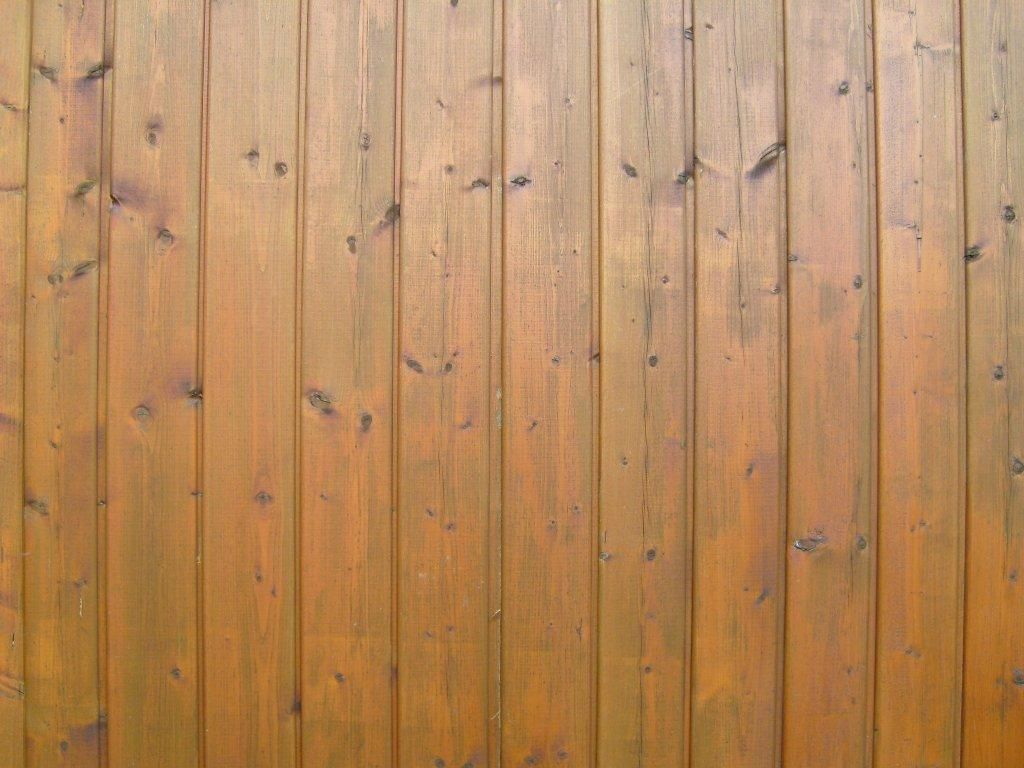
A wax-finished timber floor develops a depth and a softness of sheen that no modern film finish reproduces, it can be repaired in a patch rather than refinished whole, and it improves with age and maintenance rather than wearing through to bare wood in the traffic lanes.
That is a real and widely acknowledged argument, and it is why hard wax oil finishes have come back into use, applied with the modern formulations and with the ventilation the old ones needed and did not get. The maintenance commitment is the part that ended the practice rather than any safety concern.
The honest summary is that the solvents were the hazard rather than the wax, that the oily cloths are the one thing in the file that can still burn a house down, that the vinyl tile under the polish is a renovation question rather than a cleaning one, and that the finish itself was genuinely better and is available again.
The solvent, the cloth and the floor underneath
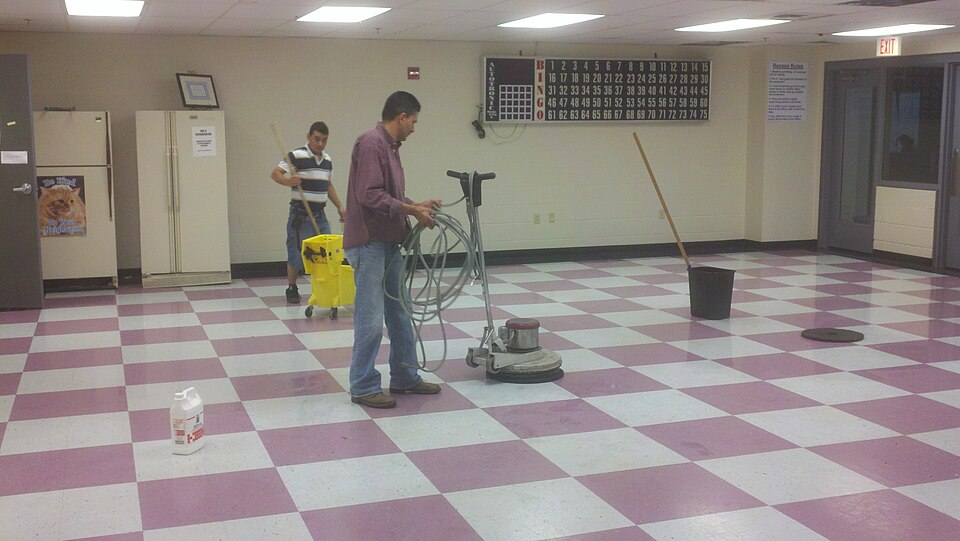
Three threads run through this file and they belong apart. The first is the solvent, which is the whole of the chemical hazard: the wax was benign, the carrier was volatile, the area treated was large, the room was closed and the vapour pooled at the level of the person kneeling in it. Modern water-based products removed that problem entirely rather than managing it.
The second is the oily cloth, which is the only item in this file that is a live hazard in a modern house. Linseed and other drying oils cure by oxidation, the reaction generates heat, and a crumpled heap of oil-soaked textile insulates that heat sufficiently to reach ignition with no external source. Oil-based furniture products remain in ordinary use and the remedy is free: lay the cloths flat to dry or submerge them in water in a sealed metal container.
The third is what is underneath. Vinyl asbestos tile is in a great many American houses of this period, usually in nine-inch or twelve-inch squares over a black asbestos-containing mastic, and the federal position is that intact material is left alone and managed in place. That makes it a renovation question rather than a cleaning one, and the prohibited approaches — sanding, grinding, dry scraping and breaking tiles for removal — are precisely the ones a householder would reach for.
Two actions are worth taking. Lay oil-soaked cloths flat or put them in water in a sealed metal tin, every time, without exception, because this is the one domestic fire mechanism in the whole series that needs no external ignition source.
And if there is nine-inch tile under a carpet in an older American house, it is presumed asbestos-containing until identified: it is not lifted, broken, sanded or scraped, and covering it over is the normal and approved approach.
Like our content? Follow us for more.
