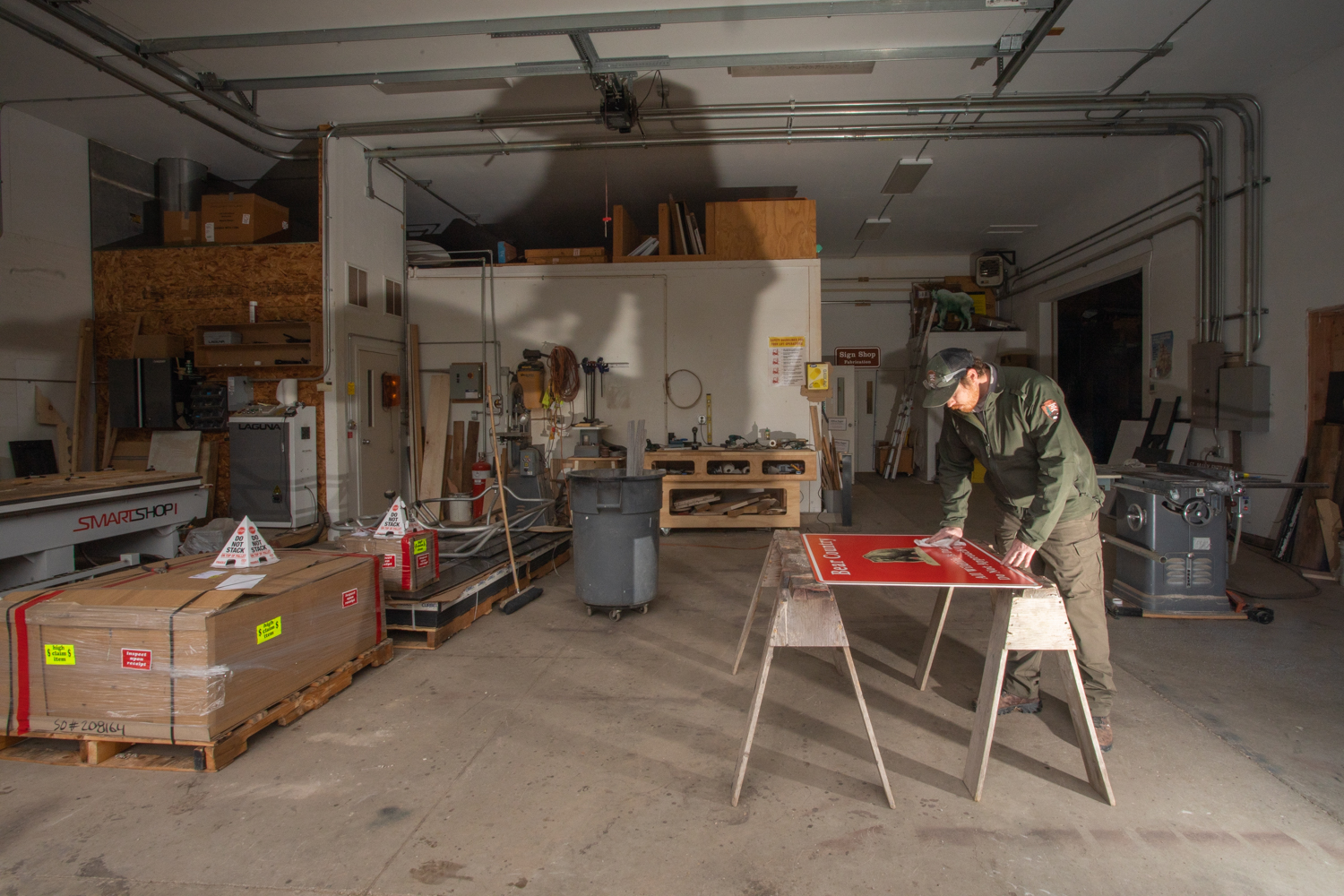
Sign writing in 1960 combined two kinds of hazard that rarely appear in the same trade. The materials were among the most toxic in general commercial use, and the work was performed at height from improvised equipment over public streets.
The craft itself was remarkable and is the reason the trade is remembered at all. What follows is an account of the conditions around that craft, almost none of which would survive an inspection now. Here are sixteen things about that shop.
1. The yellows and oranges were lead chromate
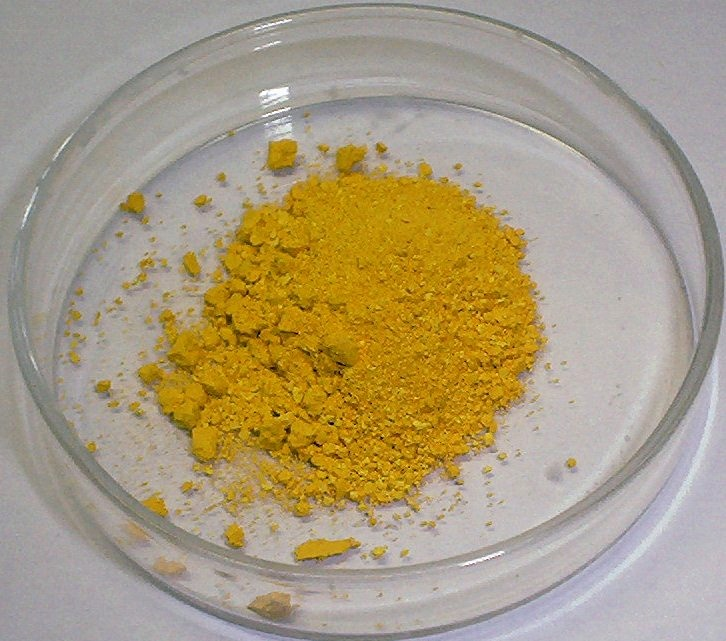
The brightest, most durable, most opaque yellows and oranges available to a sign writer were lead chromate pigments, and they were the trade’s standard for anything that had to be seen from a distance and last a decade outdoors. Road markings used the same chemistry.
Lead chromate carries both a lead and a hexavalent chromium hazard, and both have been progressively restricted in the United States and elsewhere, with the pigments withdrawn from general paint use and replaced by organic yellows and by bismuth-based inorganics. The modern equivalents took years to match the opacity.
A sign writer handled these dry as powder when mixing, wet on a brush, and as dust when rubbing down an old sign, which means all three exposure routes were in daily use.
Like our content? Follow us for more.
2. White lead was the base of everything
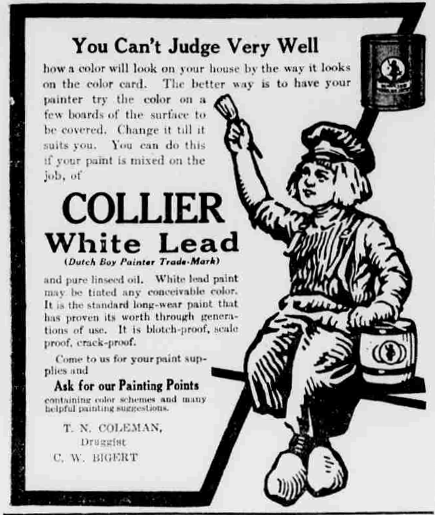
Lead carbonate white was the foundation pigment of the trade: in primers, in undercoats, in the lettering enamels themselves and in the bulletin colours used on outdoor boards. It covered better than anything else and it held up outdoors.
American restrictions on lead in paint arrived in stages, with the 1978 prohibition on lead in residential paint the decisive step, and the industrial and marine exemptions that followed have themselves narrowed. The current position in renovation work is that pre-1978 paint is presumed to contain lead unless tested.
That presumption is the practical legacy. Every old painted sign, every piece of lettering on a brick wall and every fascia board from the period is a lead-containing surface, and the hazard arrives when somebody sands or burns it.
3. Old signs were burned off with a blowlamp
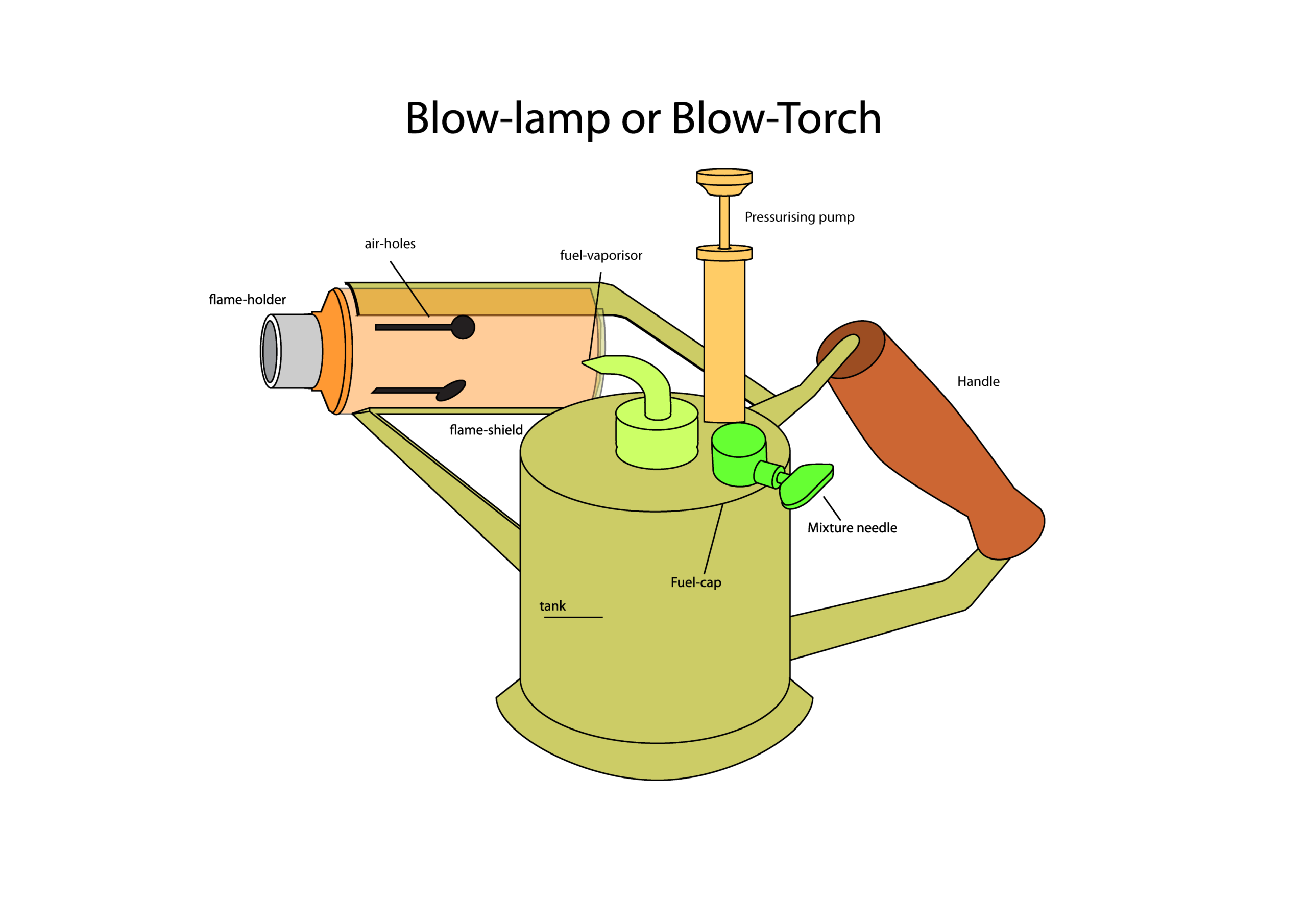
The quickest way to strip a fascia or a vehicle panel was heat: a paraffin blowlamp or a gas torch played over the old paint until it blistered, then a scraper. It was fast, it was standard, and it was done in a workshop or on a street.
Heating lead paint above a relatively modest temperature produces fume, and open-flame burning of lead paint is now specifically prohibited in American renovation practice, along with power sanding without containment and dry scraping. The permitted methods are wet methods, chemical stripping and containment with specialised extraction.
Of everything on this list this is the one with the most direct present-day application, because somebody renovating an old building is still tempted by a heat gun on old paintwork.
4. The solvents were whatever cut the paint fastest
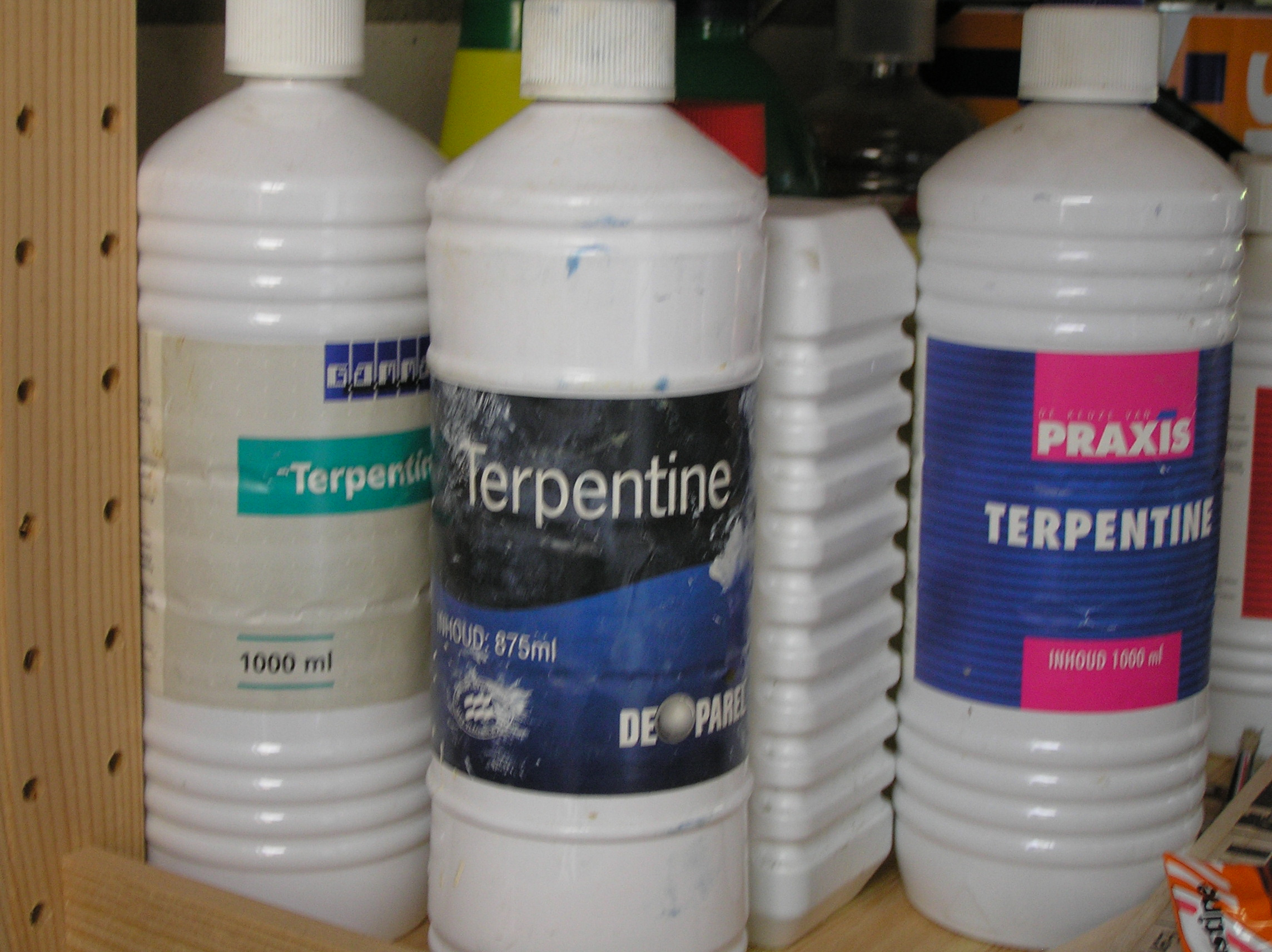
Brush cleaning, thinning and wiping down used naphtha, turpentine substitute, toluene, xylene and lacquer thinners, and in the earlier part of the period benzene appeared in some formulations and in some shops as a general solvent.
Benzene is a recognised human carcinogen with no safe occupational exposure level and has been removed from such general uses, while the aromatic solvents that replaced it carry their own exposure limits and require ventilation and respiratory protection in enclosed use. The modern shop uses lower-volatility products, closed containers and extraction.
The 1960 sign shop was a small enclosed room with open cans, rags soaking in solvent, and a man leaning over the work for eight hours. The exposure was continuous rather than incidental.
5. Spraying was done without a respirator
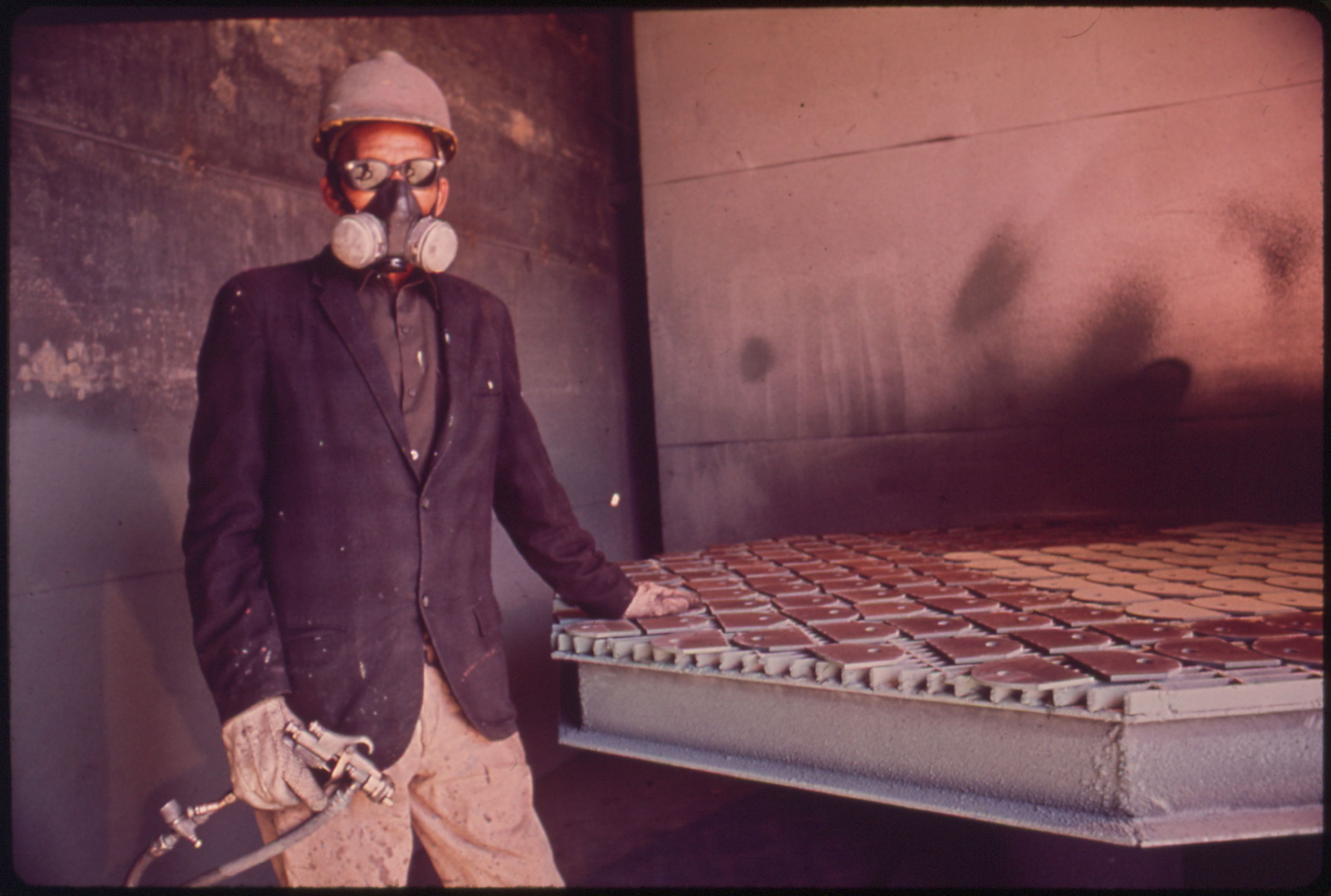
Spray equipment was in general use for backgrounds, vehicle work and large areas, and the protection worn was a cloth mask or nothing. The booth, where one existed, was an alcove with an extractor fan in the wall.
Spray application atomises both pigment and solvent into a respirable aerosol, which is why it is the operation modern regulation treats most seriously: enclosed booths with proper air movement, air-fed or appropriately filtered respirators, fit testing, and specific controls for isocyanate-containing products, which are the main cause of occupational asthma in vehicle refinishing.
The sign trade adopted spraying well before the protective practice caught up, and the men who did the most spraying in that period were the ones carrying the largest exposure.
6. Gold leaf work used a size nobody questioned
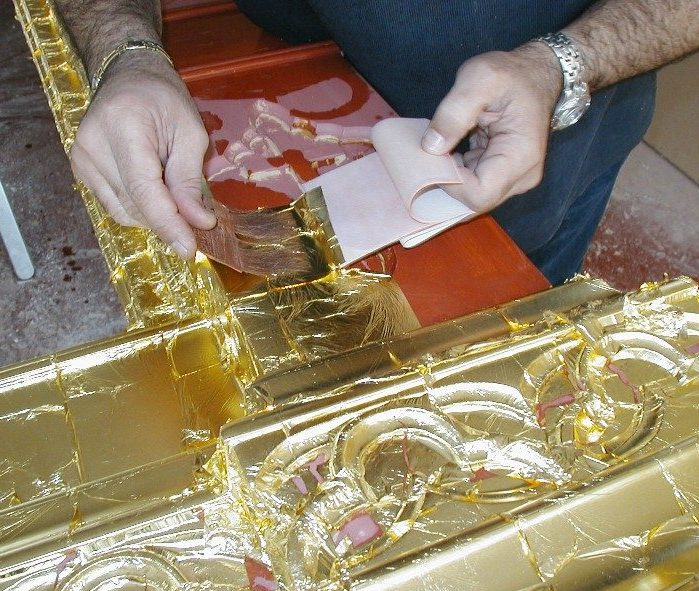
Water gilding and oil gilding on glass and on timber were the premium end of the trade, and the materials — gelatine size, oil size, bole, whiting — were mostly benign. The gold itself was beaten to a few millionths of an inch and was handled with a gilder’s tip and a breath.
This is the item with almost nothing wrong with it. The hazards in a gilding job were the solvents used around it and the lead in the paint underneath rather than anything in the gilding process, and the craft survives essentially unchanged because nothing in it needed changing.
It is included because it was the skill a sign writer was judged by, and because a hand-gilded glass sign remains an object that no modern process reproduces.
7. Glass signs were etched with hydrofluoric acid
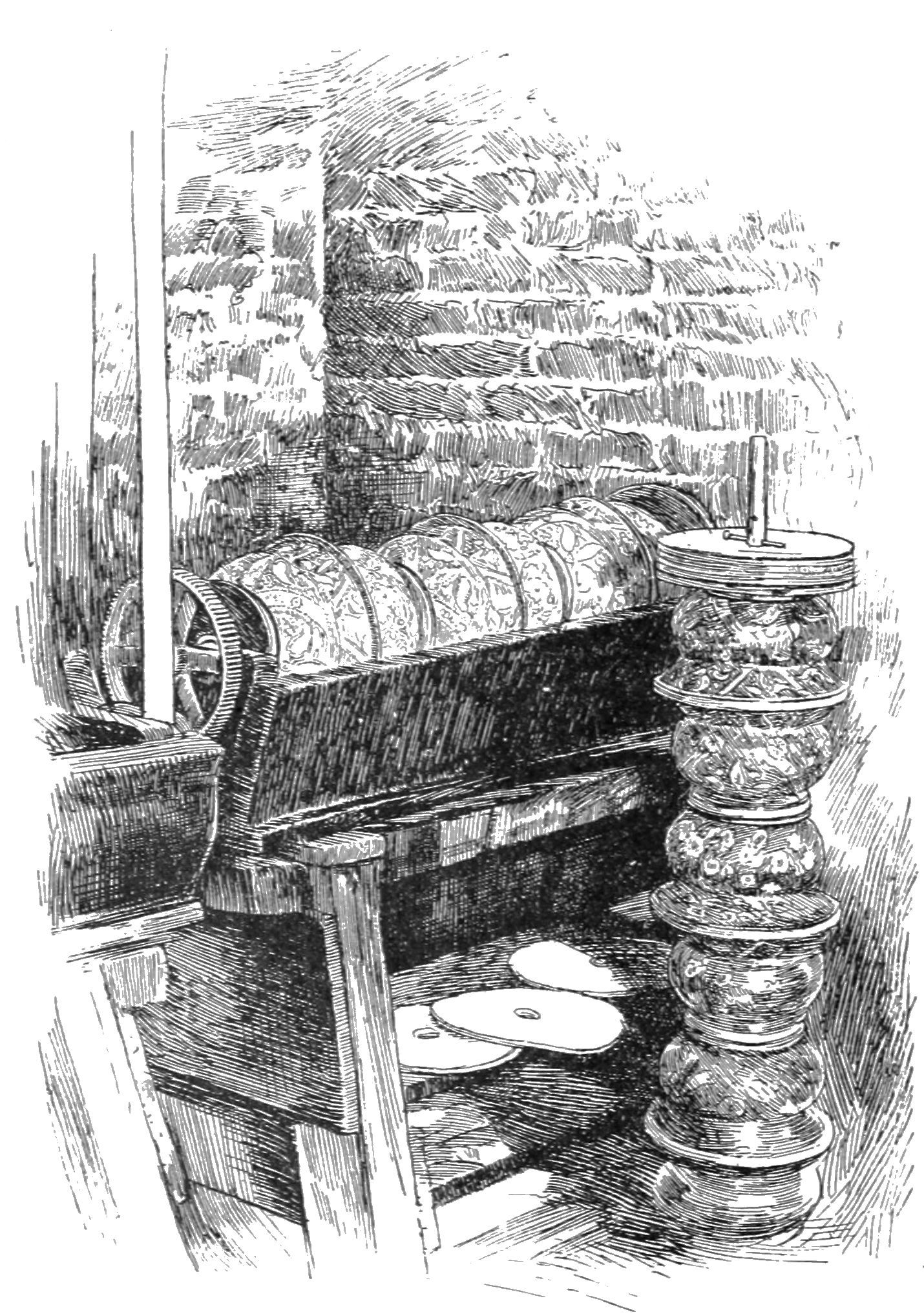
Decorative etching and frosting on glass signage was done with hydrofluoric acid or with ammonium bifluoride pastes, applied through a stencil in the shop. It gave a result nothing else could.
Hydrofluoric acid is the one chemical in this entire series that warrants being named as exceptional. It penetrates skin, the injury it produces is deep rather than superficial, and it interferes with the body’s calcium, which is why its handling requires specific training, specific protective equipment and a specific antidote held on site before any work begins.
No procedure, concentration, neutraliser or first aid measure is described here, deliberately. The relevant fact is that it was being used in small sign shops in 1960 by men who had been shown how once, and that it is now handled as a controlled operation.
8. Neon work meant mercury and high voltage
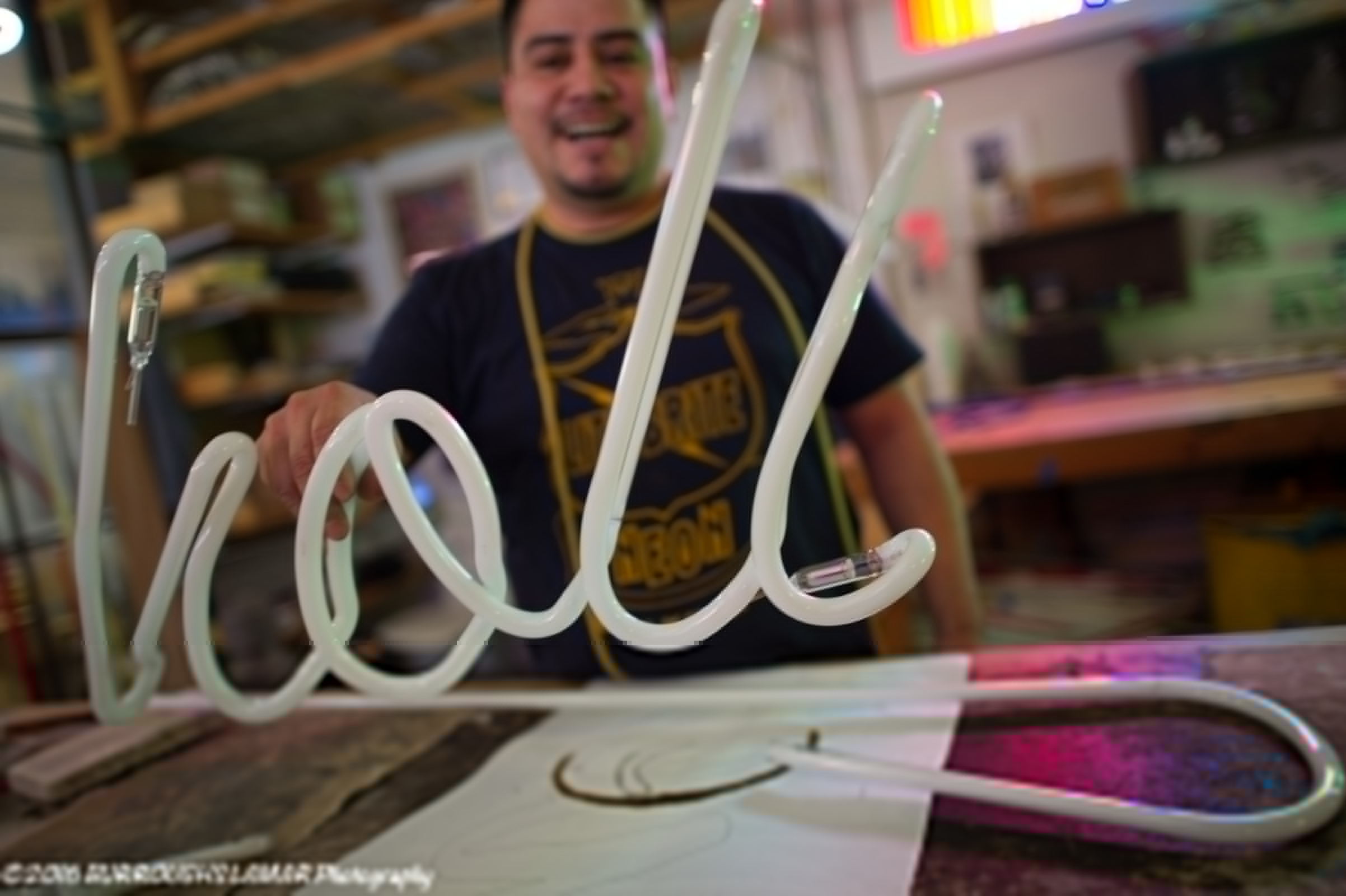
Sign shops that made their own neon bent glass tube over a gas ribbon burner, evacuated it, and filled it with neon or with argon and a measured quantity of liquid mercury to produce the blue end of the colour range. The tubes were then run at several thousand volts.
Both halves of that are now controlled. Mercury handling requires containment, spill procedures and waste routes, and mercury-containing lamps and tubes are regulated as hazardous waste at end of life rather than going in a skip. The high-voltage side is addressed by transformer standards, enclosure, earthing and installation rules.
The tube benders were a small group of highly skilled people and the trade is now a specialist craft rather than a general sign shop capability, which means the hazard has been concentrated into the hands of people trained for it.
9. Ladders were hooked over parapets and nobody was tied on
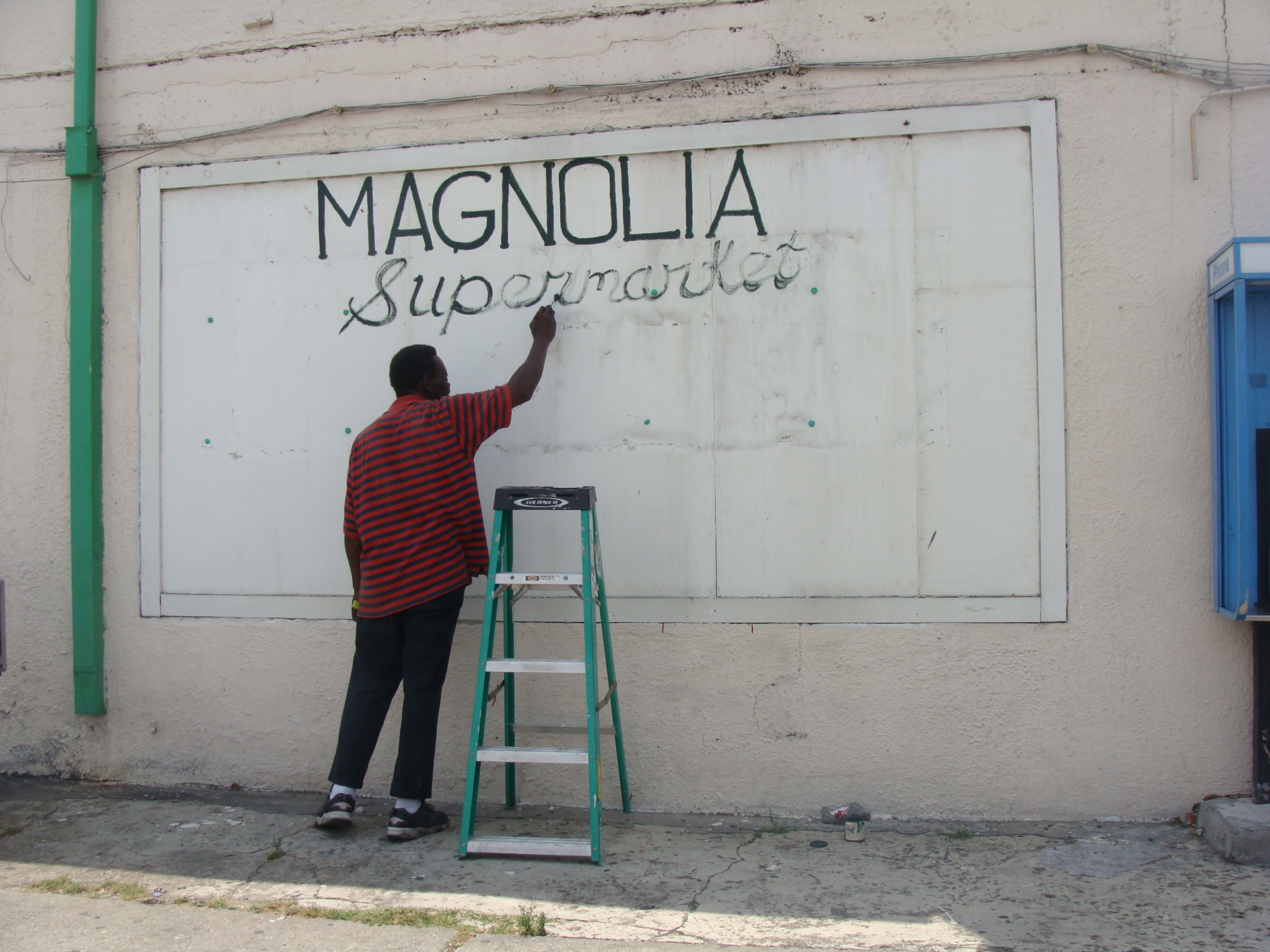
External work was done from a ladder, a hook ladder over a parapet, a plank between two ladders, or a bosun’s chair rigged by the painter himself. Fall protection consisted of experience and a good head for heights.
Fall protection is the single most heavily regulated area of American construction safety, with duty-to-protect thresholds above a stated height, requirements for guardrails, safety nets or personal fall arrest, inspection of equipment, and training. Falls remain the leading cause of serious injury in construction, which is why the rules are as prescriptive as they are.
The men in the photographs standing on a plank four storeys up painting a wall by hand were doing skilled work in conditions that no employer could now permit and no insurer would cover.
10. Swing stages were rigged by the painters themselves
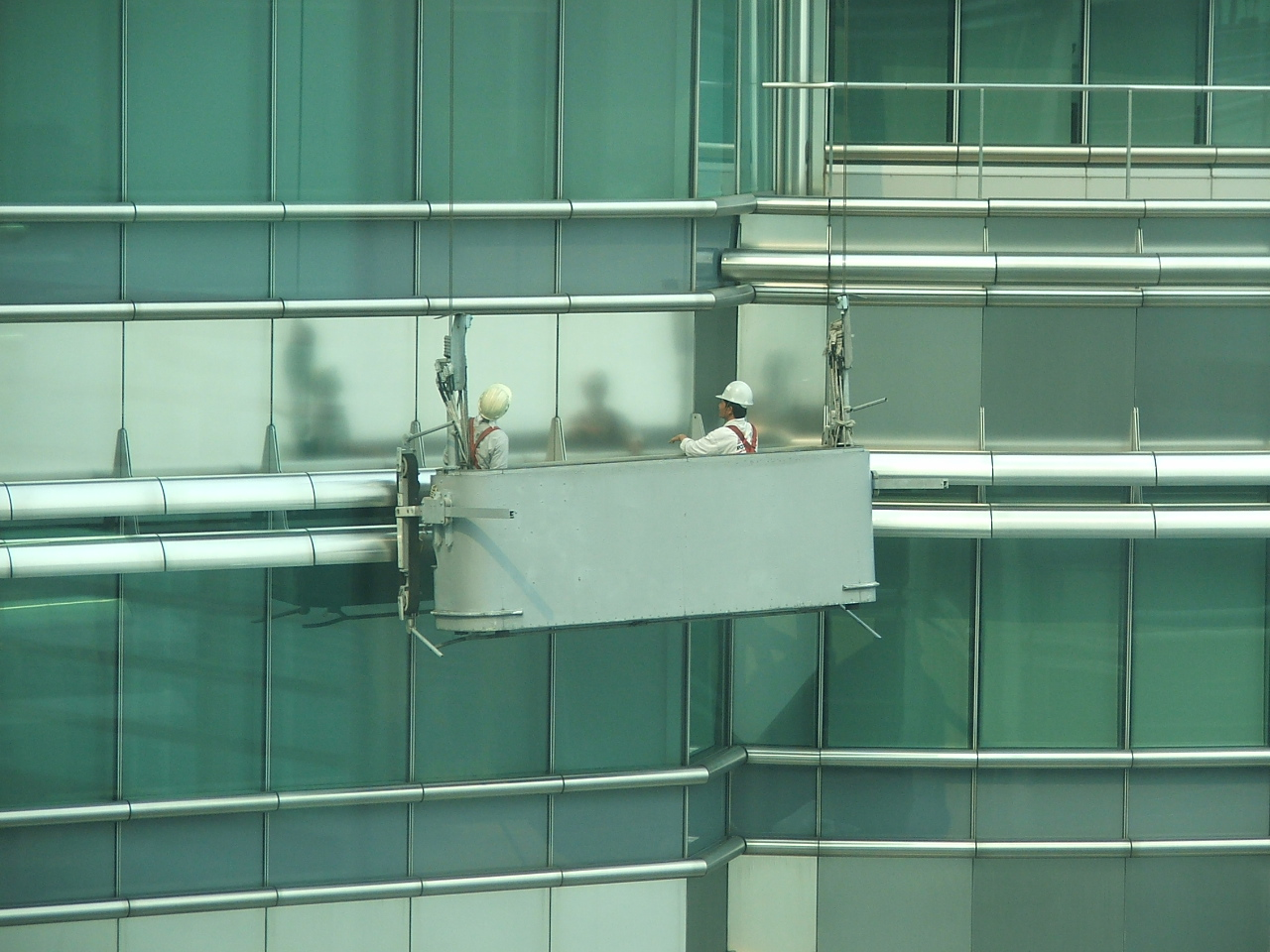
Where a parapet allowed it, a two-point suspended stage was hung on hooks and ropes assembled from what the shop had, raised and lowered by hand, and loaded with men, paint and equipment. The rigging was done by whoever was doing the job.
Suspended scaffolding is now a specialist discipline with requirements covering tiebacks, counterweights, rope inspection, load calculation, independent lifelines for each worker and competent-person oversight. The whole point of the modern approach is that the person using the equipment is not the person who decides whether it is adequate.
This item and the previous one are where the trade’s real hazard sat. The chemistry damaged people slowly and the heights did it instantly, and the heights are what the regulation addressed first.
11. The work was done over a public sidewalk with nothing below
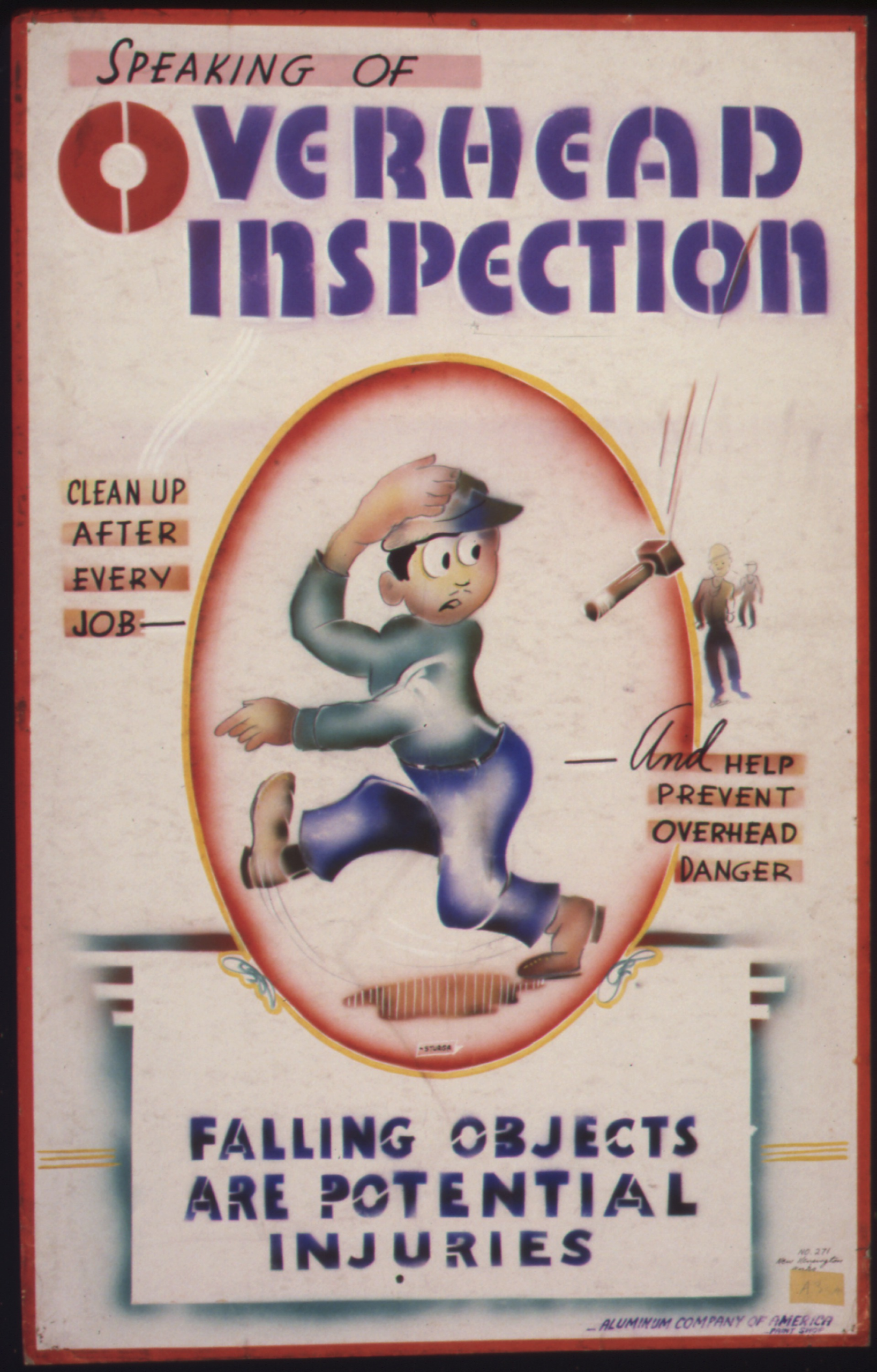
A sign writer on a ladder over a city pavement in 1960 worked above pedestrians with no barrier, no netting, no banksman and no cordon. Tools, paint and the occasional sign went down.
Protection of the public below overhead work is now a defined requirement: barricades, toe boards, debris netting, exclusion zones and a permit from the municipality for occupying the sidewalk. The requirements exist because the person at risk is somebody who has no idea the work is happening.
This is the clearest case on the list of a hazard that was carried by somebody with no connection to the trade at all.
12. The vehicle lettering was done in the shop with the doors shut
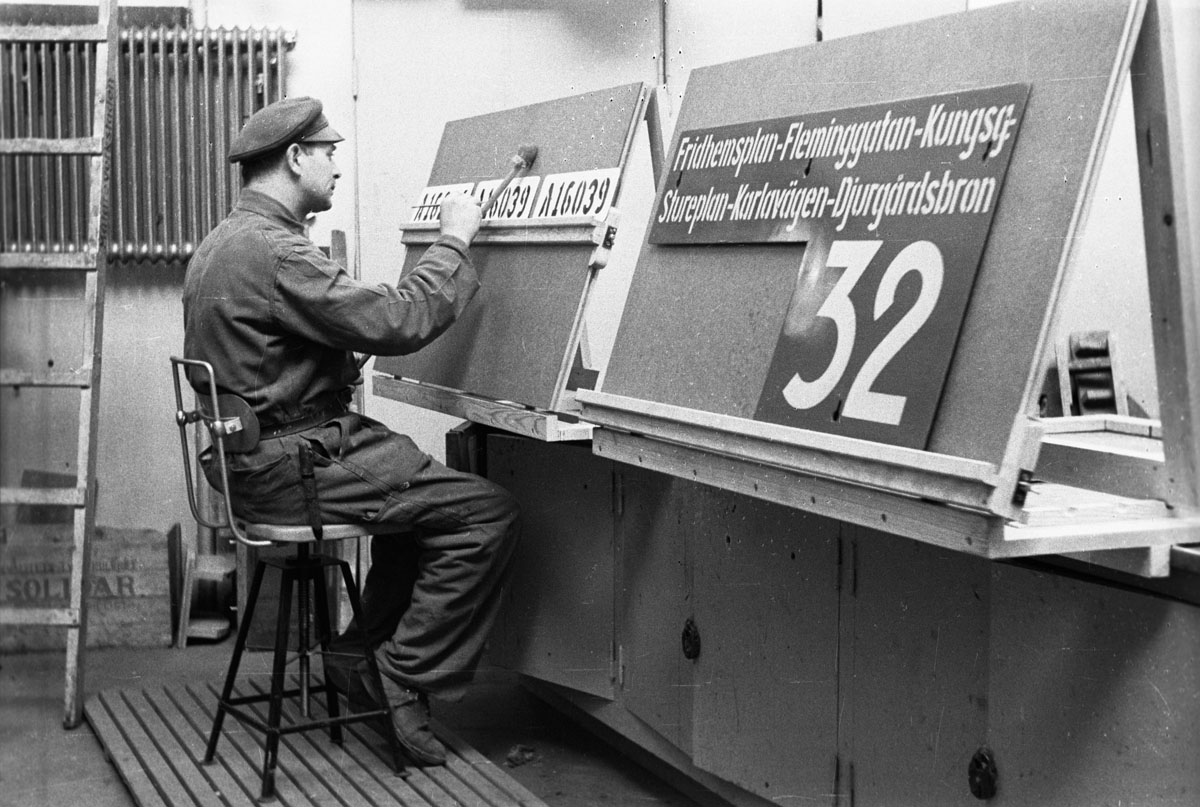
Commercial vehicle lettering and signwriting on trucks and vans was bread-and-butter work, done inside a small premises with the vehicle filling most of it, and in winter with the doors closed and a heater running.
Vehicle refinishing is now a regulated activity in its own right, with booth requirements, extraction, solvent emission limits and respiratory protection, and the combination of enclosed space, solvent vapour and a source of ignition is addressed specifically because solvent vapour and a space heater is a recognised fire and explosion scenario.
The 1960 arrangement combined the worst case of every hazard on this list in a single room, and the men working in it would have described it as a cold day with the doors shut.
13. Nobody wore eye protection for anything
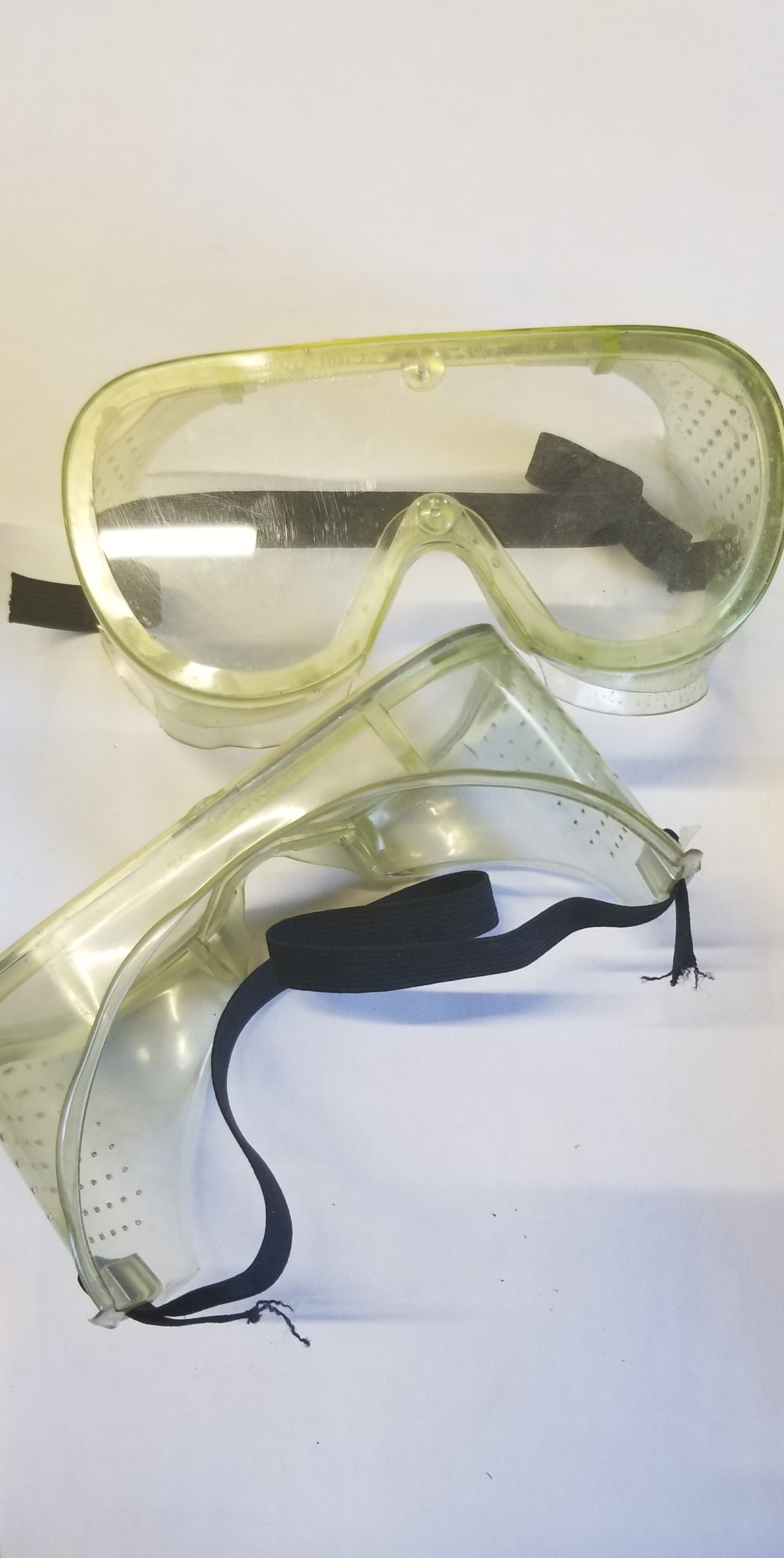
Rubbing down, chipping old paint, cutting glass, mixing dry pigment, spraying and acid etching were all done with bare eyes. Spectacles, where worn, were the operator’s own prescription glasses.
Eye protection is now required for essentially all of those operations, with specified standards for impact and for chemical splash, and separate requirements for the acid work. It is among the cheapest and most effective interventions in industrial safety and it took decades to become universal.
The trade’s own attitude was the obstacle rather than the cost. Protective equipment was understood to be for people who were not confident, which is a cultural problem that occupational safety had to solve before any equipment mattered.
14. The dust from rubbing down went everywhere
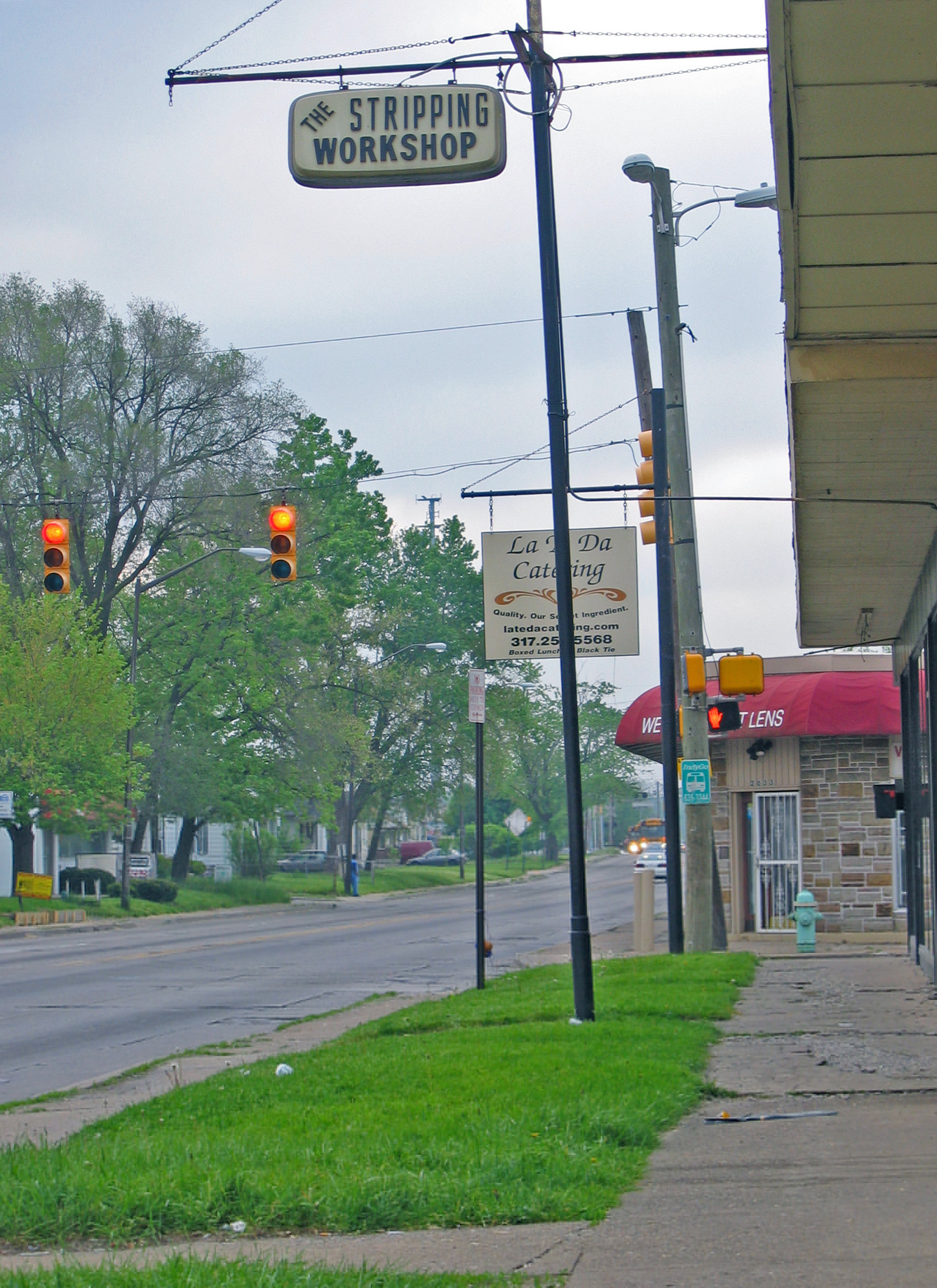
Preparing a surface meant dry rubbing with abrasive paper or a power sander, producing a cloud of paint dust in an enclosed shop or on a street, settling on surfaces, on clothing and in the man’s hair, and carried home when the shift finished.
Dry sanding of lead paint is now specifically prohibited in American renovation work, and the take-home exposure route — contaminated clothing carrying lead dust into a family home — is one of the better-documented findings in occupational health, which is why changing and washing facilities became a requirement in lead work.
The take-home point is the one worth emphasising, because it extended the exposure to people who had never been near the job.
15. The apprenticeship was six years and the training was all craft
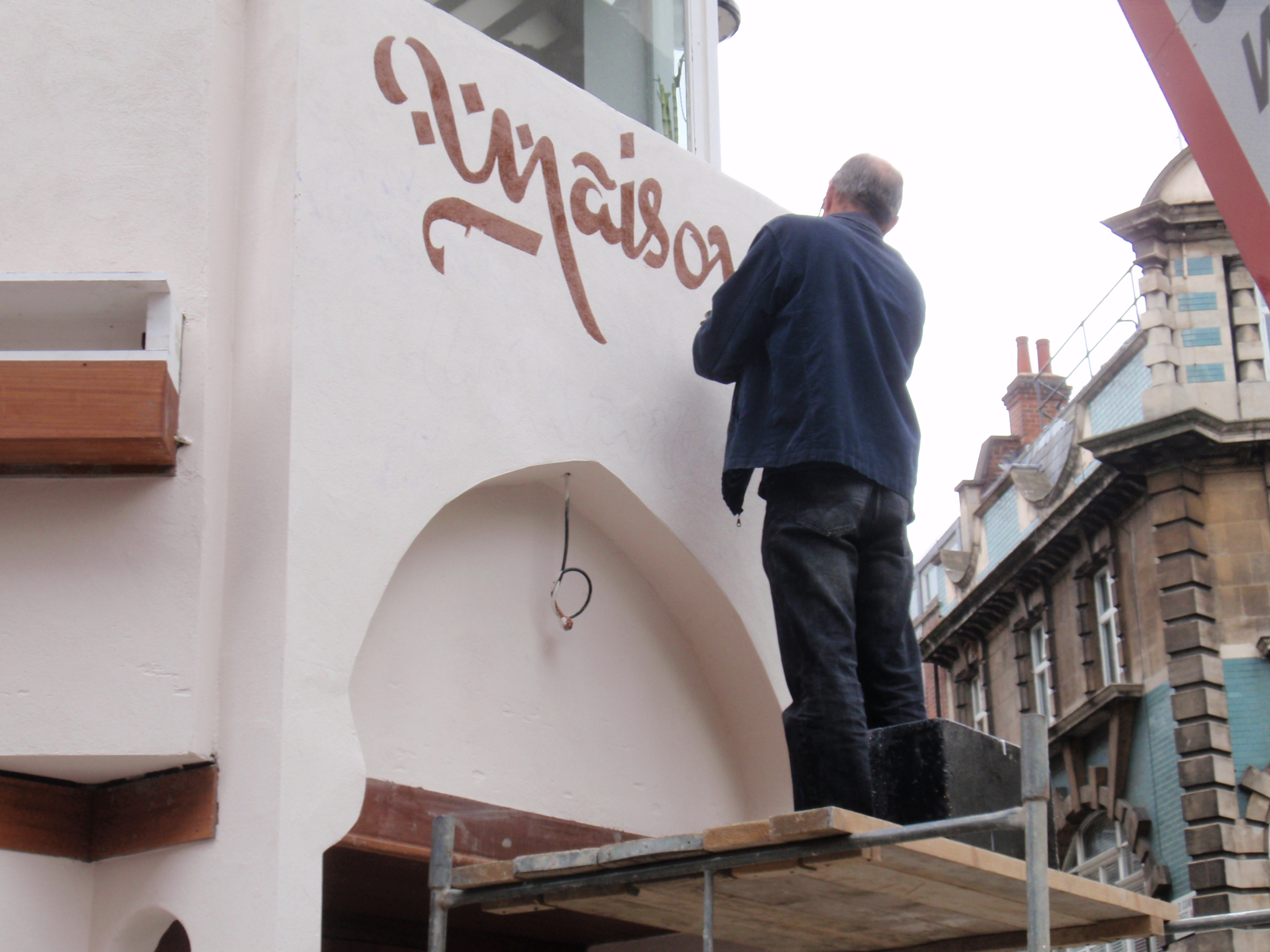
A sign writer served a long apprenticeship learning layout, letterform, brush control, gilding, glass work and colour mixing, and the content was entirely about producing good work. Nothing in it concerned the properties of the materials or the protection of the person using them.
Modern trade training in painting, coating and signage includes material safety, respiratory protection, fall protection, hazard communication and the specific regulatory requirements of lead and of coatings, because the regulatory framework now requires a trained worker rather than merely a skilled one.
The craft content of that old apprenticeship was extraordinary and is largely gone, and the safety content was zero. Both facts are true and the trade tends to remember only the first.
16. And what the trade could do that nothing has replaced

A sign writer could lay out and paint a line of lettering, freehand, in one stroke per letter, straight, evenly spaced and correctly proportioned, at any size, upside down on glass, in a colour mixed on the spot to match something a client pointed at. It took years and it was ordinary.
Vinyl cutting, large-format printing and digital layout replaced it, and they are faster, cheaper, more consistent and infinitely repeatable. What they do not do is what a one-stroke brush letter does, which is why hand-painted signage has come back as a premium craft and why the surviving practitioners are busy.
The honest summary of this list is that the materials were genuinely hazardous, the working-at-height practices were indefensible, the public below was unprotected, and the skill was magnificent. The modern sign trade has fixed the first three and has had to deliberately reconstruct the fourth.
The two hazards and the order they were addressed
Reading the list back, the heights were dealt with first and the chemistry second, which is the usual order. A fall produces an immediate, visible, attributable injury and a regulator can act on it; a pigment produces an effect twenty years later that is hard to attribute to any particular job. Fall protection requirements, suspended scaffolding rules and public protection below overhead work were therefore in place well before lead paint restrictions reached the industrial trades.
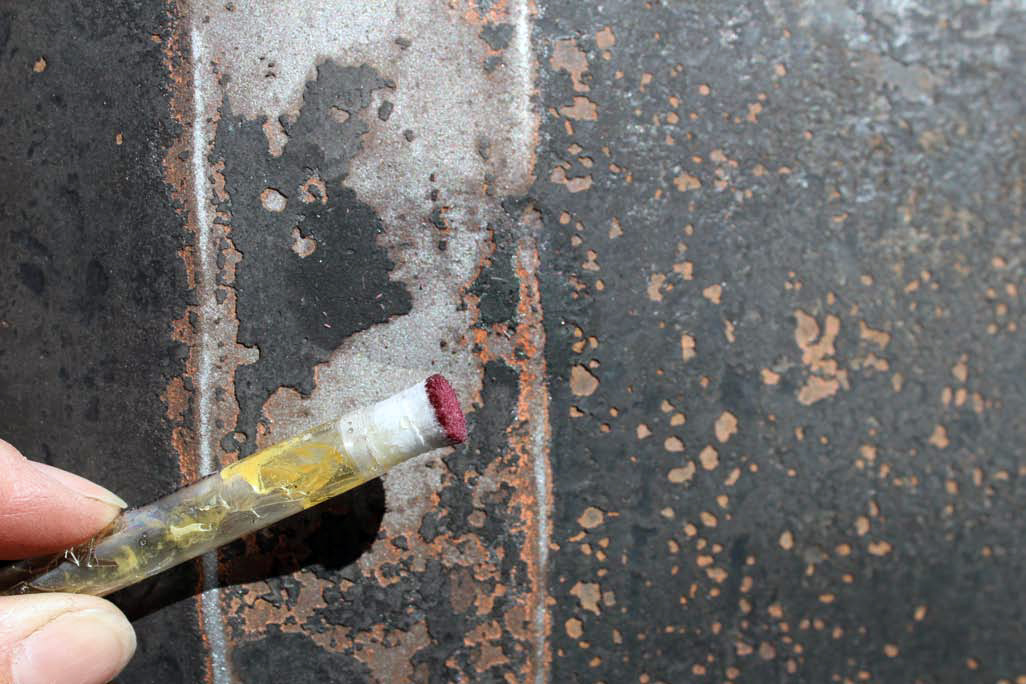
The lead story is still running. The 1978 residential prohibition is the date everybody knows, the industrial and marine exemptions narrowed afterwards, and the current framework is mostly about renovation rather than about new paint: pre-1978 paint is presumed to contain lead, and the prohibited methods — open-flame burning, dry power sanding, dry scraping without containment — are precisely the methods a 1960 sign shop used as standard.
The one genuinely exceptional material is the acid used for glass etching, and it is the only chemical in this entire series named as such. Its handling is a controlled operation requiring training, specific equipment and a specific antidote held on site, and the fact that it was in use in small sign shops by men shown how once is the most alarming sentence in the file.
The practical takeaway concerns old paintwork rather than old signs. If you are renovating anything painted before 1978, the heat gun and the power sander are the two tools to put down, because both turn a stable surface into an airborne one, and the take-home route on clothing is what reaches the rest of the household.
The part worth preserving is the lettering. Hand-painted signage has become a specialism people pay for precisely because the one-stroke brush letter was never improved on, only replaced.
Like our content? Follow us for more.