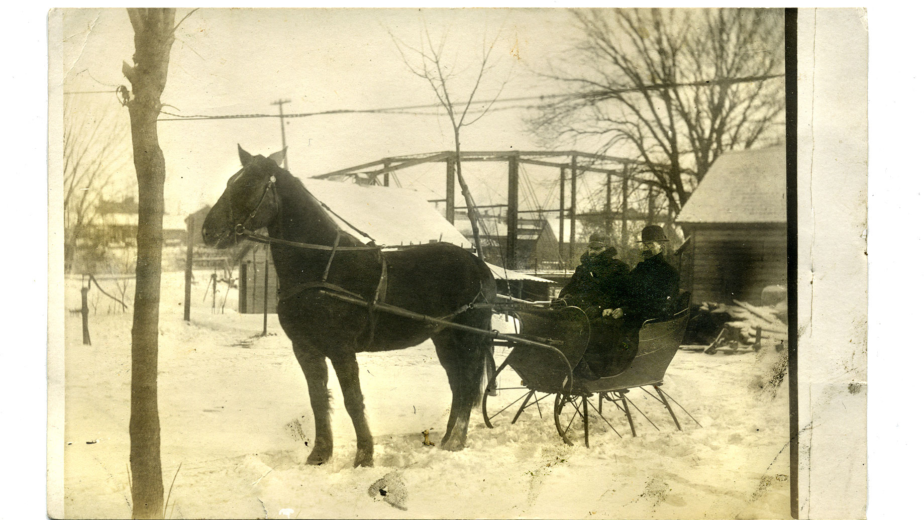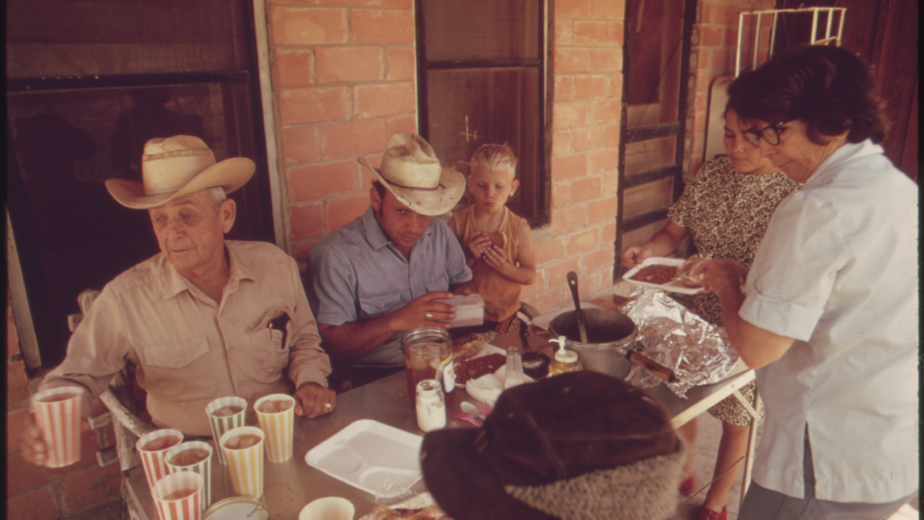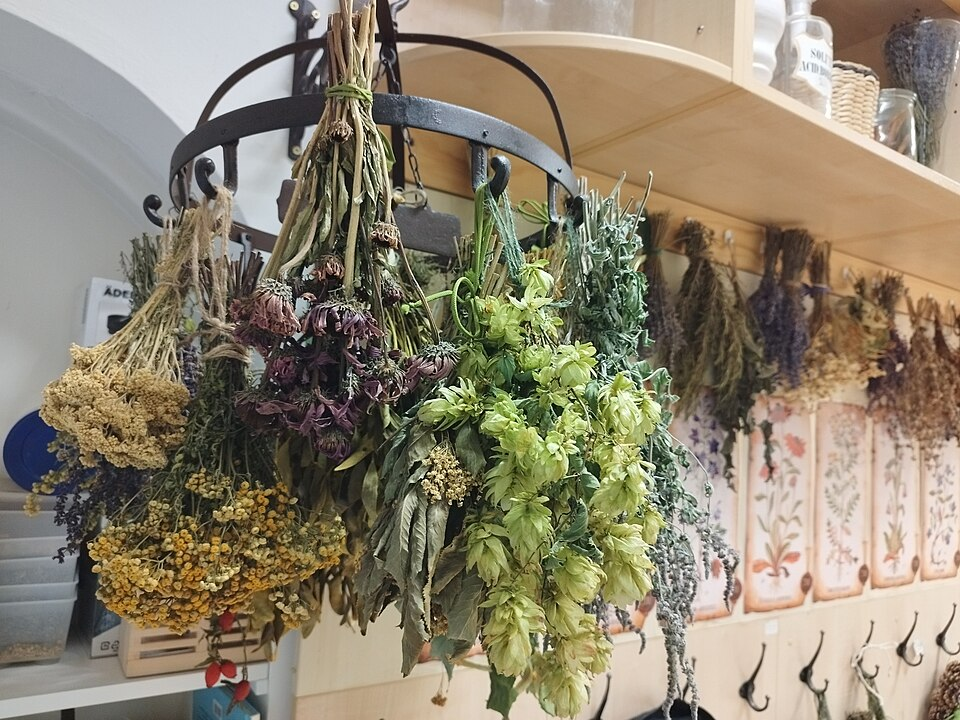
Drying herbs is one of the oldest domestic preservation methods and one of the easiest to get slightly wrong. The 1962 household did it from the garden every summer, in quantity, and the method varied from genuinely good to actively counterproductive depending entirely on where the bunches were hung.
The practice has come back, the equipment is better, and almost everything that changed is about two things the period had no way of thinking about: where the volatile oils go, and what grows in a leaf that was dried too slowly.
The oils are the point, and they leave
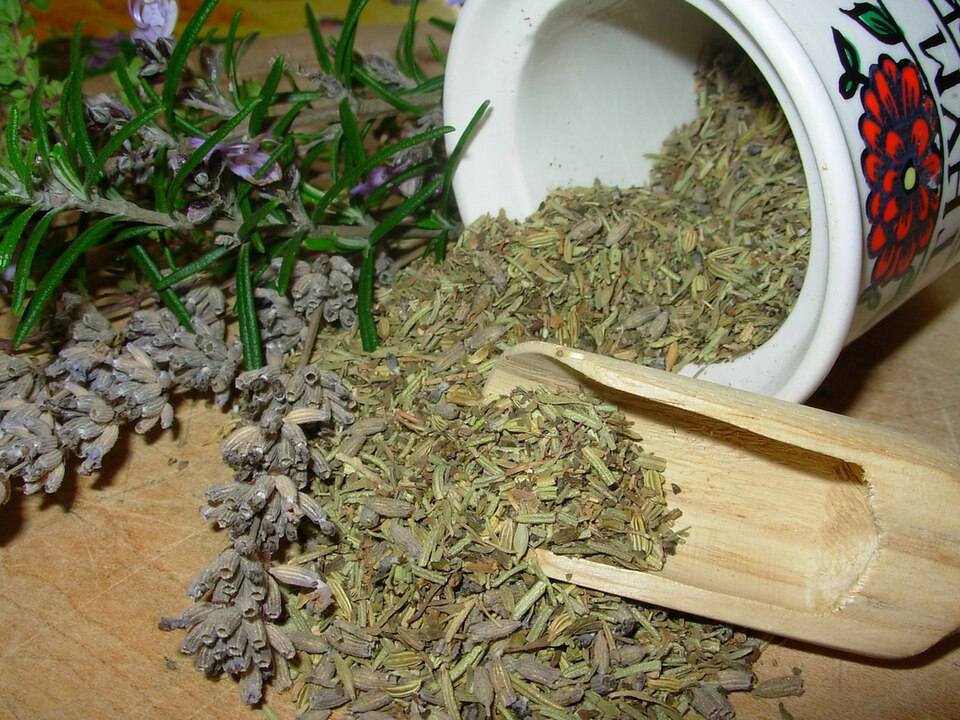
What makes a herb taste of anything is a set of volatile aromatic compounds held in the leaf, and the word volatile is doing all the work. They evaporate, they oxidise, and they degrade in heat and in light. Drying a herb is an exercise in removing the water while keeping as much of that as possible.
That gives the whole method its shape. Dry warm enough that the leaf loses moisture quickly, cool enough that the oils stay in it, in the dark, with air moving. Anything that raises the temperature much, or puts the leaves in sunlight, or slows the process down, costs flavour.
The modern figures published for this are specific and are the reason a dehydrator with a low setting or a warm airy room both work, while an oven on its lowest setting is generally too hot and a sunny windowsill is the worst of both — hot and bright at once.
That also explains why the useful part of a herb is not evenly distributed. The oil content is concentrated in the leaf rather than the stem, which is why stripping the stems before storage roughly doubles the strength of what is in the jar for the same volume, and why a bunch dried whole and stored whole is mostly packaging.
Like our content? Follow us for more.
Why the space above the stove is the wrong place
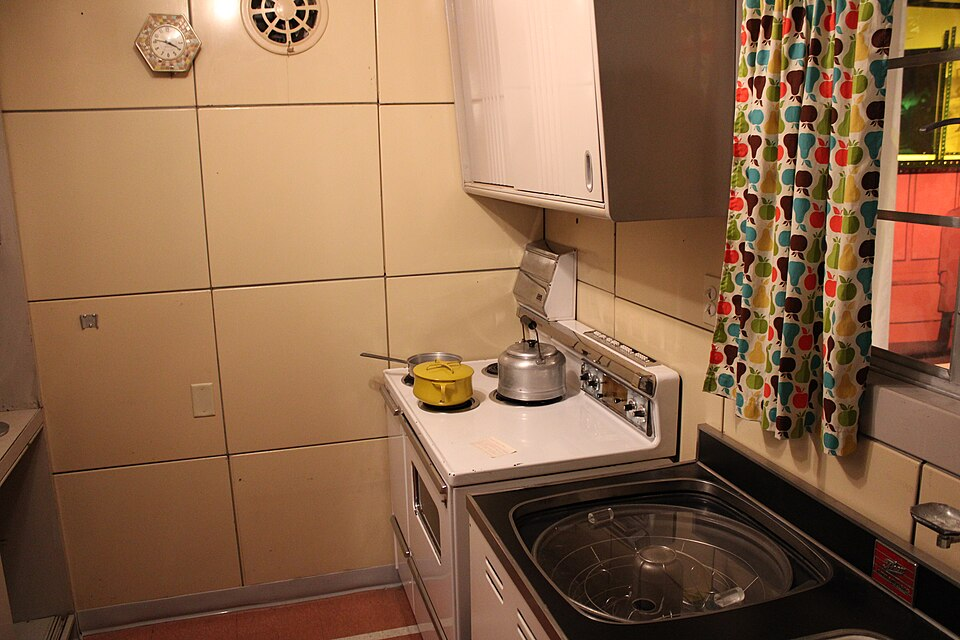
The beam over the range was the traditional spot and it fails on every count. It is hot, which drives off the oils. It is in the path of cooking steam, which puts moisture back into leaves you are trying to dry. And it carries airborne grease, which settles on the leaves and goes rancid.
The steam is the significant one, because it is what turns a drying bunch into a slowly spoiling one. A herb that takes a fortnight to dry in humid air has given mould time to establish in the thick part of the stem and in the centre of a dense bunch, and the household could not see it.
The places that work are the ones that were used for everything else: an attic, a loft, an airing space, a spare bedroom, a shed with the door propped open. Dark, dry, airy and unheated, which is the specification for storing almost everything in this series. The one additional requirement is that the space be free of anything that smells, because dried leaves take up odours readily and a loft full of paint tins will produce herbs that taste of them.
The mould problem nobody could detect
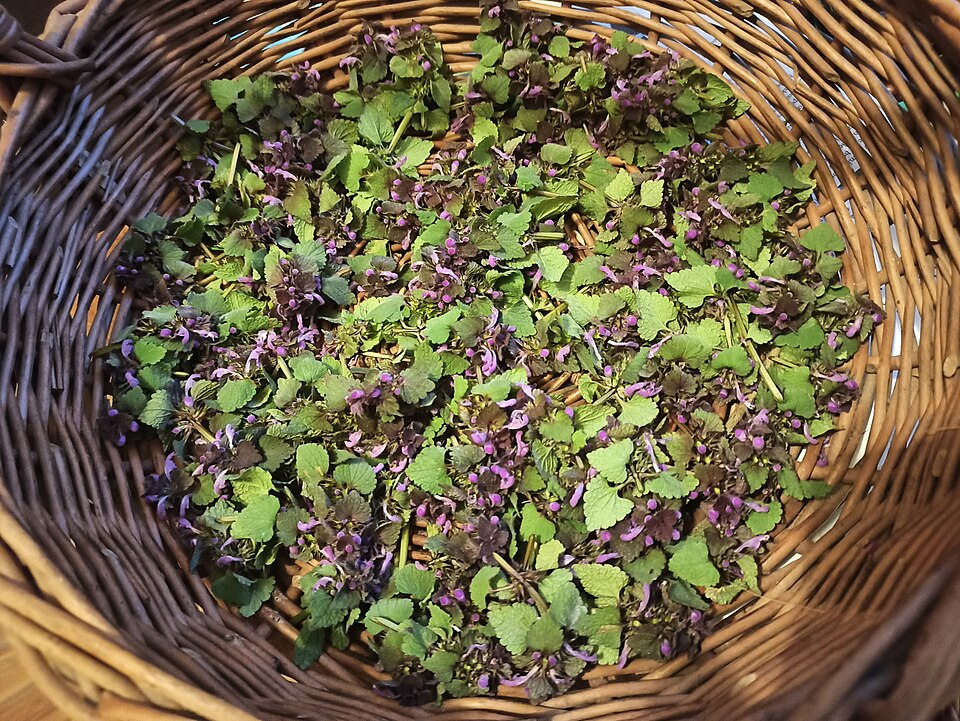
A thick bunch tied tightly at the stem and hung in still air dries from the outside in, and the middle stays damp. That is where mould grows, and it grows in the part of the bunch nobody looks at.
The modern practice addresses it mechanically rather than chemically. Bunches are made small and loose rather than large and tight, stems are stripped of the lower leaves so air can move through, and anything thick-stemmed — basil, mint, lovage — is better dried as stripped leaves on a tray or a screen than hung as a bunch at all. A paper bag tied over a bunch, which was common 1962 practice to catch falling leaves, makes the problem worse by restricting the airflow.
The test is simple and was always available: a properly dried leaf crumbles cleanly and a stem snaps rather than bending. Anything still flexible has water in it, and putting it into a sealed jar at that point is how a whole year’s herbs are lost to a jar that goes cloudy and smells wrong two months later. The 1962 instruction was to dry them until they looked dry, which is not the same test.
The roadside, which is the part that genuinely mattered
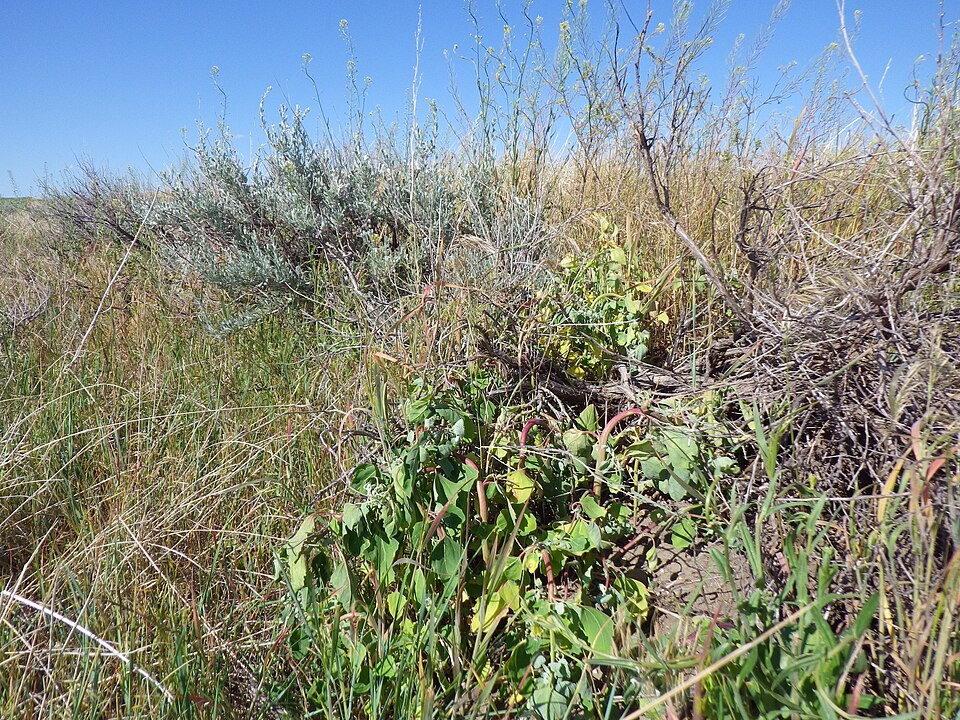
A great many households gathered herbs from hedgerows, verges, field edges and waste ground, and in 1962 that meant gathering them beside roads carrying traffic running on leaded petrol. Lead from exhaust was deposited on vegetation along road corridors in quantities that were measured at the time and are still detectable in soils now.
Tetraethyl lead was phased out of American motor fuel from the mid-1970s and the complete prohibition followed in 1996, and roadside lead deposition fell with it. The residual issue is soil rather than air: verges and field edges along old main roads retain lead in the top layer of soil, which is why urban foraging guidance consistently advises against gathering food from close to roads and from any ground whose history is unknown.
The other half of the same caution is spray. Field edges, amenity grass, parkland and railway land are all routinely treated, and a plant that looks wild may have been sprayed within the pre-harvest interval of something. Neither hazard is visible, which is the whole difficulty.
None of this argues against gathering wild herbs, which is a worthwhile thing to do. It argues for where: well back from a road, away from field margins and amenity grass, on ground whose use is known, and not from anywhere that has been obviously managed.
Storing them, which is where most of the flavour was lost
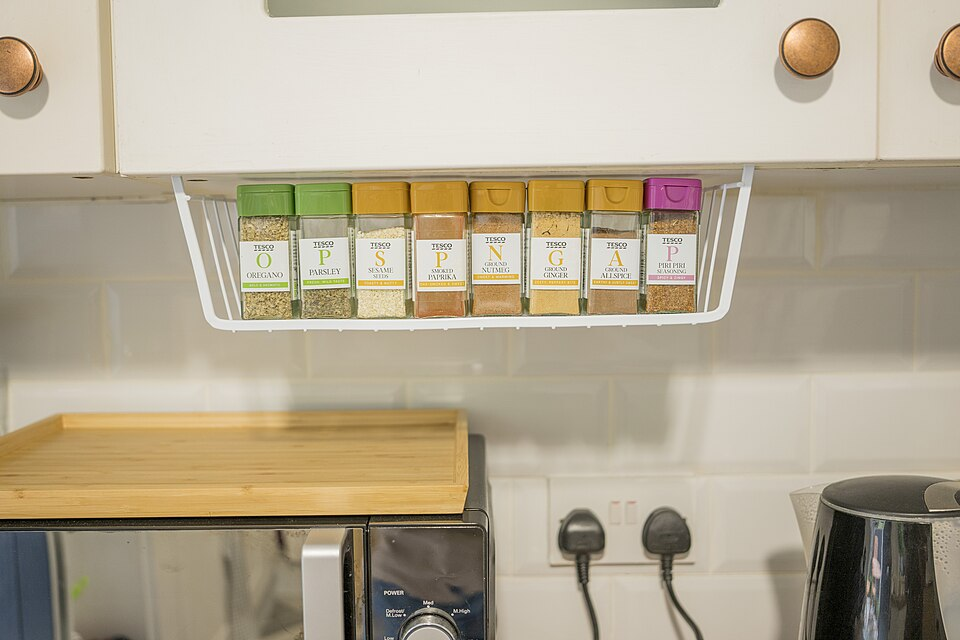
The 1962 household stored dried herbs in whatever was to hand: paper bags, screw-top jars on a sunny shelf, tins, and in many kitchens a row of clear glass jars in the window because they looked well.
Every element of that is wrong in the same direction. Light degrades the aromatic compounds, heat accelerates it, and air oxidises them, so a clear jar on a warm windowsill is the fastest possible way to turn a good herb into green dust. The modern guidance is airtight, opaque or dark, cool, away from the stove, with whole leaves rather than crumbled ones because a whole leaf has less surface exposed.
The other change is expectation. Dried herbs do not keep indefinitely; the usual advice is a year for leaf herbs and rather less for anything ground, after which they are not unsafe but are no longer doing the job. The jar at the back of the cupboard from four years ago is the reason a recipe tastes of nothing.
The oil jar on the windowsill
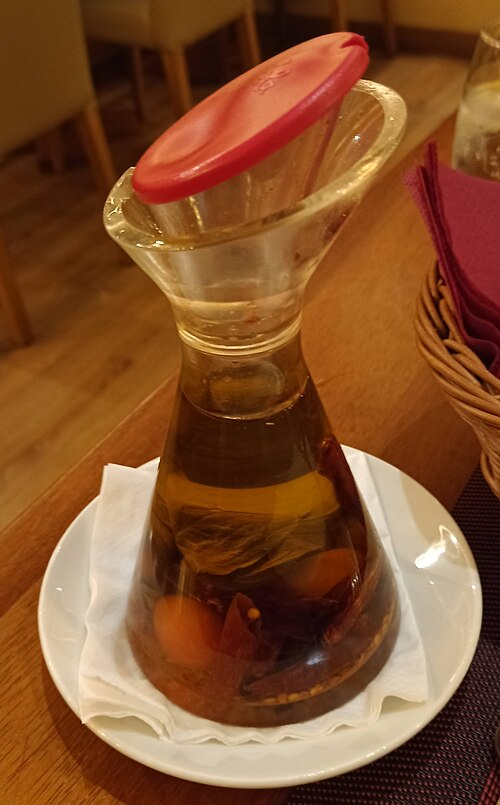
One practice from this period carries a real hazard and it persists: putting fresh or home-dried herbs, and particularly garlic, into a bottle of oil and leaving it at room temperature.
Oil is not acidic and it excludes air, and a low-acid ingredient suspended in it on a shelf is the specific combination modern guidance warns about. The remedy is refrigeration with a short use-by period, or acidification by a tested method, and the commercially produced flavoured oils are made to a specification for exactly that reason.
Properly dried herbs are safer in oil than fresh ones because the water has gone, and the guidance does not treat them as equivalent to a commercial product. If there is a bottle on a windowsill with a sprig in it, that is the item in this file to deal with today.
What the method got right
Almost all of it. Harvesting in the morning after the dew has gone and before the plant flowers, which is when the oil content is highest; drying quickly; keeping the leaves whole; crushing them only at the point of use. Every one of those is still the instruction, and the 1962 household did them because somebody had shown them rather than because anybody had measured the oils.
The errors were the stove beam, the clear jar in the window and the roadside, and two of those three are about where rather than how. A loft, a dark tin and a garden rather than a verge resolves the entire file.
It is also worth saying that home-dried herbs from a garden are substantially better than most of what is sold, because the shop jar has spent an unknown period in light and air and the leaves were ground before anybody bought them. The practice is worth the trouble and it always was.
What has genuinely improved is the ability to control the conditions. A 1962 household had the weather, the house and whatever rooms it was not using; a modern one can put a tray in a dehydrator at a known temperature and have the whole job finished in an afternoon with none of the mould risk and almost none of the oil loss. That is the rare case in this series of a traditional method that was sound and has simply been made easier.
Like our content? Follow us for more.