Here are fourteen rules that decide whether a bicycle reaches the other end with you and in one piece. The one most people never read is the liability term, which on many carriers means a damaged bicycle produces no claim at all. Everything here is general information dated 2026 rather than advice, and carrier, rail and ferry rules differ considerably and change.
1. A bicycle is special baggage with its own rules, not a large suitcase
Carriers handle bicycles under a separate category with its own booking requirement, its own fee, its own packing conditions and its own liability terms. It is not simply a heavy bag and it is not covered by a standard allowance on most airlines.
That category also means a bicycle is handled by different staff, through different parts of the airport, and loaded separately, which is where most of the practical difficulty comes from. Nothing about a bicycle fits the systems an airport is built around.
Book the bicycle as a separate item at the time you book the ticket. This file is general information dated 2026 and not advice; carrier rules differ considerably and change, and the operating carrier’s current conditions govern. A cycling forum from three seasons ago is not a source for any of this.
Like our content? Follow us for more.
2. The fee varies from nothing to more than the fare

Some airlines carry a bicycle within the standard checked allowance at no extra charge, some charge a modest sports-equipment fee, and some charge an oversize fee that can exceed a cheap fare for the flight itself.
The charge also differs between booking in advance online and paying at the airport, frequently by a large margin, and a few carriers will not accept a bicycle at all on certain aircraft or routes. Small regional aircraft are the usual reason.
Price the bicycle into the ticket comparison rather than treating it as an extra, because the cheapest fare is routinely not the cheapest way to move a bicycle. Two carriers twenty pounds apart on fare can be a hundred apart on the bicycle.
3. Size and weight limits apply, and the box counts
Oversize allowances are expressed as total linear dimensions and a weight limit, and the packing counts toward both. A hard case can weigh a great deal on its own and a bicycle that is comfortably under the limit naked can be over it boxed.
Exceeding the limit produces an additional charge at the airport, applied per item and at airport rates, and in some cases a refusal to carry. At which point the trip has a bicycle-shaped hole in it.
Weigh and measure the bicycle in its actual packing before travelling, not the bicycle alone, and check the specific figures for every carrier on the itinerary. Mixed-carrier bookings are where the limits quietly change mid-journey.
4. The packing you choose is a trade-off with no right answer
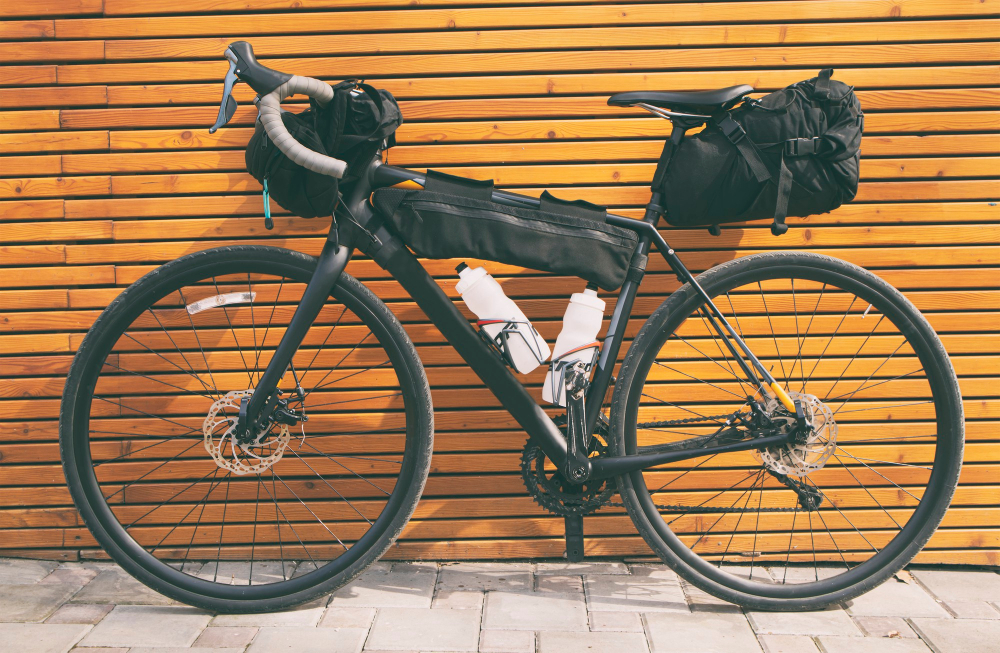
A hard case gives the best protection, is heavy, is expensive, and has to be stored somewhere at the destination for the duration of the trip. A padded soft bag is lighter and cheaper and protects less. It also folds flat, which solves the storage problem the hard case creates.
A cardboard bike box from a shop is free or nearly free, protects adequately if packed well, can be recycled at the destination and replaced for the return, and is the choice of most people touring one way.
Choose by trip shape rather than by protection alone: a return trip to one place suits a hard case, a one-way or multi-stop tour suits cardboard, and a frequently repeated short trip suits a soft bag. Most people own the wrong one of the three because they bought it for a different kind of trip.
5. Partial disassembly is normally required and is specified

Carriers typically require the pedals removed or turned in, the handlebars turned or removed, and the bicycle packed so that nothing protrudes. Some require the front wheel removed and secured alongside the frame.
The requirements differ and are stated in the carrier’s conditions, and a bicycle presented not meeting them can be refused at the desk even when the fee has been paid. The fee buys carriage, not a waiver of the packing rules.
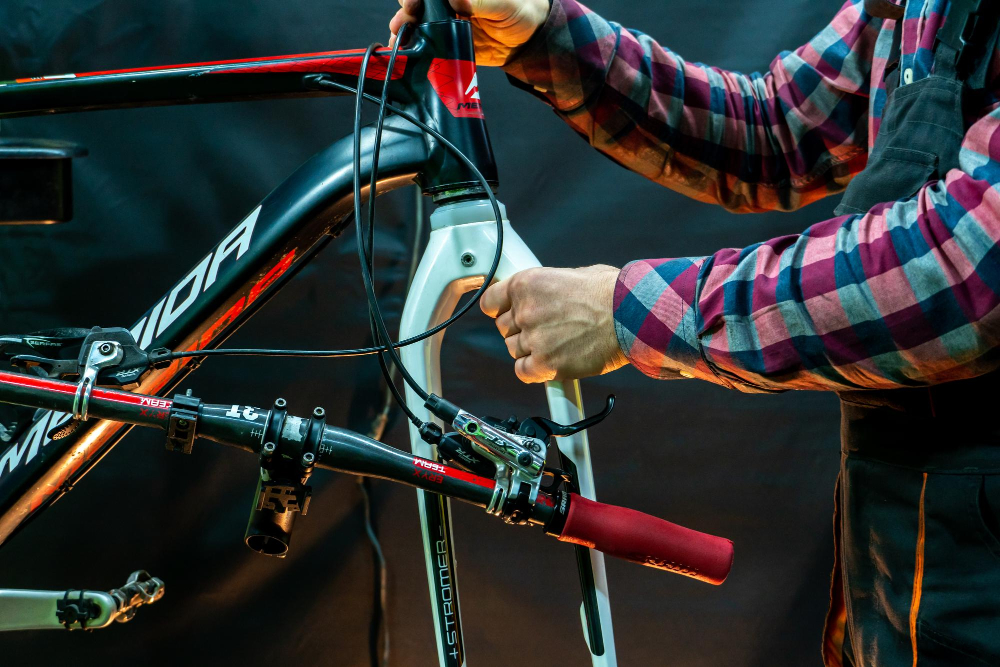
Read the specific requirements, practise the disassembly at home with the tools you will carry, and pack those tools in the bicycle’s own packing rather than in your cabin bag where they may not be permitted. A multi-tool in hand luggage is a predictable way to lose a multi-tool.
6. The deflate-the-tyres instruction is mostly folklore and sometimes a rule
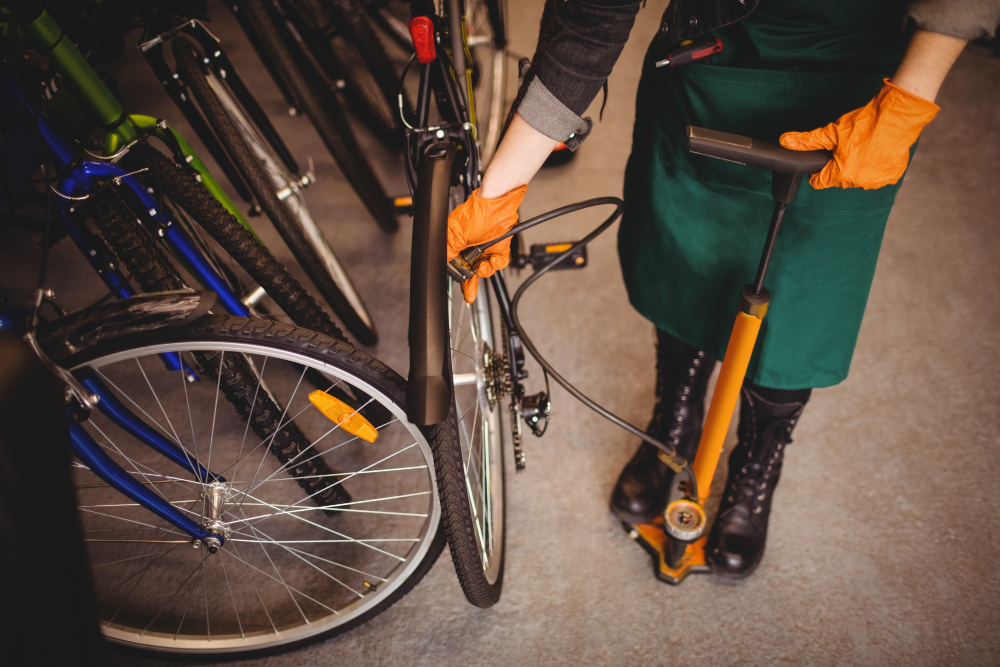
Aircraft holds are pressurised and a bicycle tyre at normal pressure will not burst, so the engineering basis for full deflation is weak. The requirement nonetheless appears in some carriers’ conditions.
Where it is stated, it is a condition of carriage and arguing the physics at the desk will not help. Where it is not stated, partially deflating protects the rim from a hard knock and costs nothing. It takes ten seconds and removes an argument.
Check whether your carrier requires it, and let some pressure out either way. Carry a pump capable of reinflating at the destination rather than relying on finding one. A floor pump is not going to be waiting for you at the oversize desk.
7. Compressed gas cartridges are a separate problem
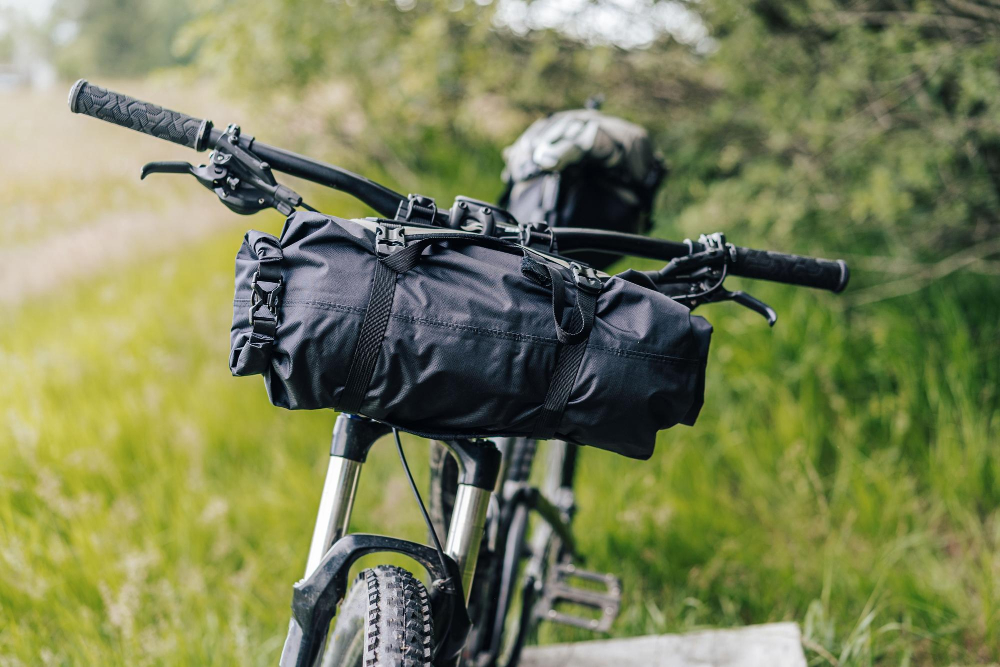
The small compressed carbon dioxide cartridges used for emergency inflation are restricted dangerous goods, with limits on number and sometimes an outright prohibition, and they are a common cause of a bag being opened.
They are also easy to forget, because they live in a saddle bag permanently and are not thought of as a hazardous item by their owner. Which is precisely why they turn up in screening so often.
Check the carrier’s position before travelling, take them out of the saddle bag deliberately, and buy replacements at the destination rather than carrying them. They cost very little and are sold in every bike shop in the world.
8. An electric bicycle is a different proposition entirely
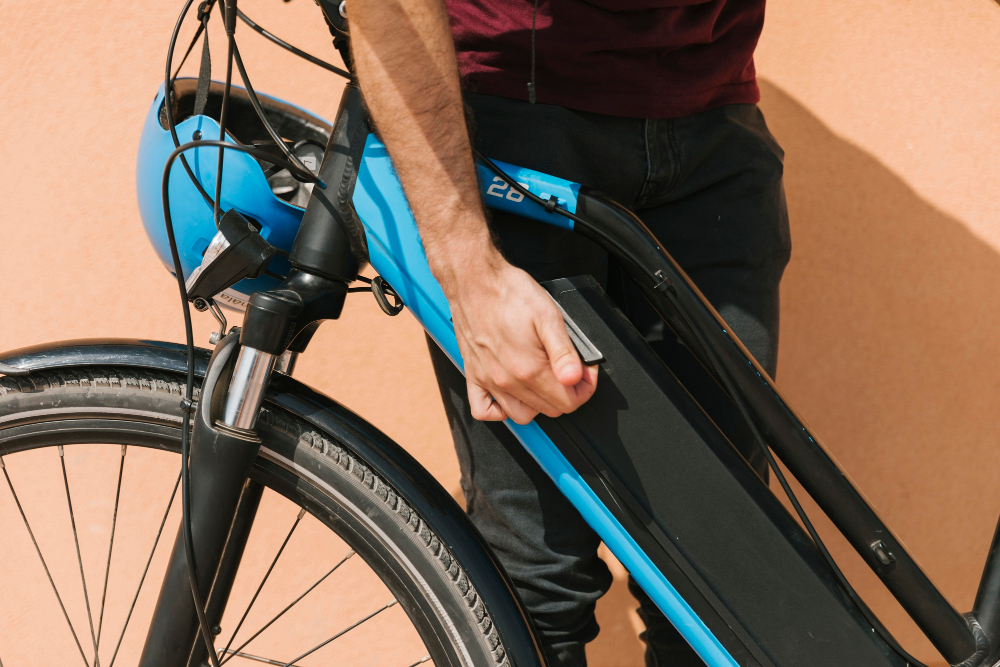
The battery in an electric bicycle is far above the limits for passenger baggage and carriers almost universally refuse it, which means the bicycle and the battery cannot travel together on a passenger flight.
The frame without the battery may be acceptable as ordinary oversize baggage, and the battery requires specialist freight with dangerous goods handling, which is a separate arrangement made in advance. Freight bookings for batteries are not same-week arrangements.
That subject is covered in detail elsewhere in this series. For planning purposes, treat an electric bicycle as something that cannot be flown with you and arrange accordingly. Hiring one at the destination is frequently cheaper than freighting your own.
9. Liability for damage is limited and frequently excluded
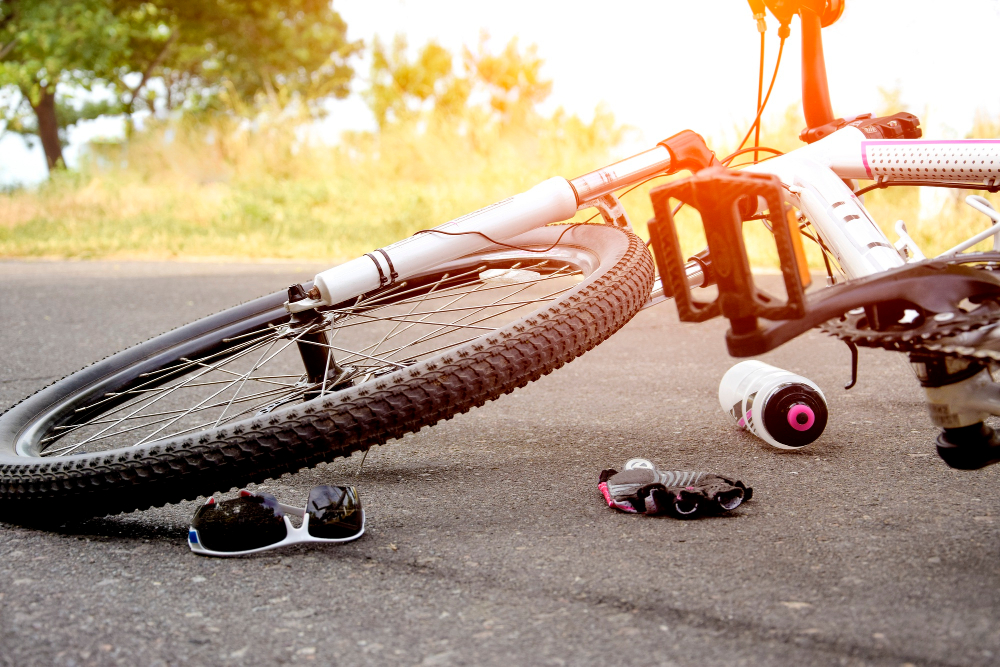
Carriers commonly accept bicycles subject to a limitation or exclusion of liability for damage, sometimes requiring a release to be signed at the desk, on the basis that a bicycle is fragile and the packing is the passenger’s choice.
So a bicycle damaged in transit may produce no claim against the airline at all, regardless of how it happened, which is the opposite of the position for an ordinary suitcase. Most people assume the two are treated alike and they are not.
Read what you are signing, photograph the bicycle and its packing before handing it over with a timestamp, and arrange insurance that covers the bicycle in transit separately from the airline’s liability. The photograph with a timestamp is what makes any claim of any kind possible.
10. Oversize baggage has its own drop-off and its own collection point
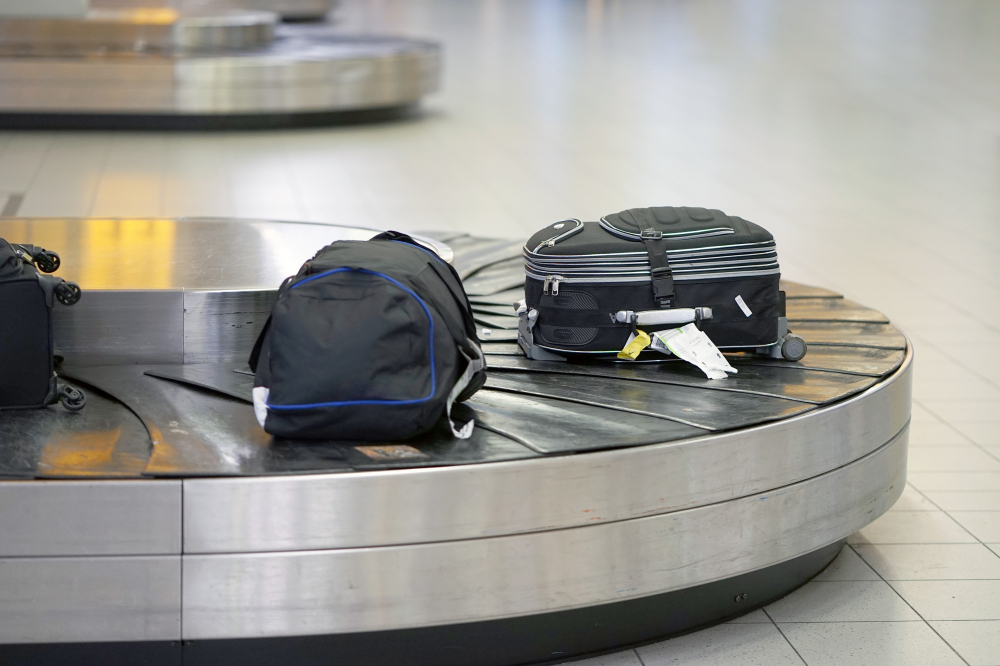
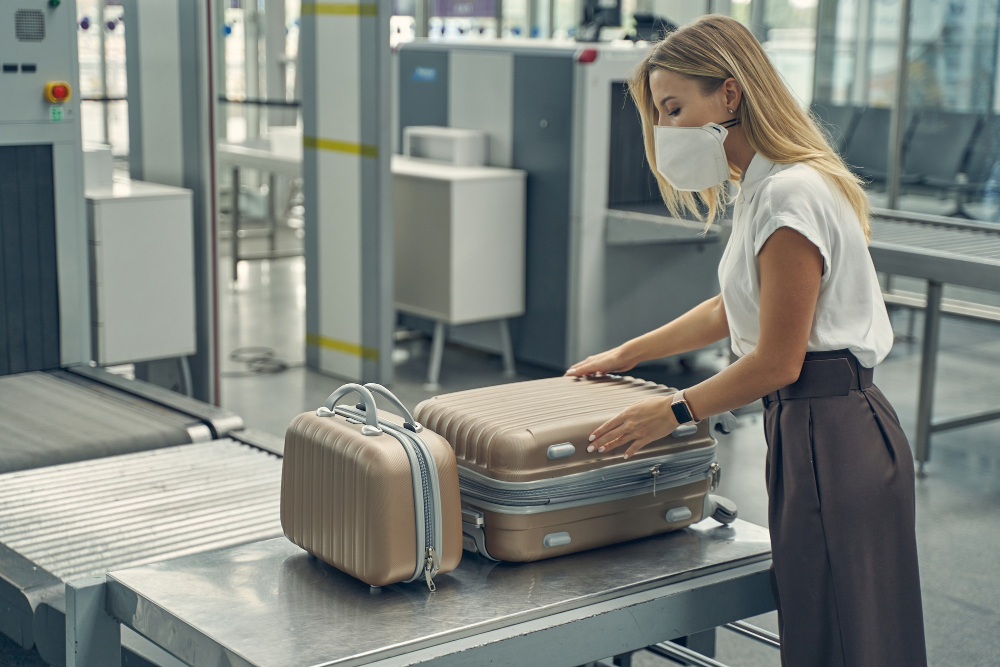
A bicycle is checked in at the desk and then taken to a separate oversize or outsize baggage position, and at the destination it arrives at a separate collection point rather than on the carousel.
Travellers wait at the carousel, conclude the bicycle is lost, and find it in a different hall. The collection point is frequently signposted badly and sometimes staffed only on request. Ask at the carousel rather than wandering.
Allow extra time at both ends, ask where the oversize point is before leaving the arrivals hall, and do not report a bicycle missing until you have checked it. A great many bicycles reported lost are standing in the next hall.
11. Trains are usually possible, frequently reserved, and never consistent
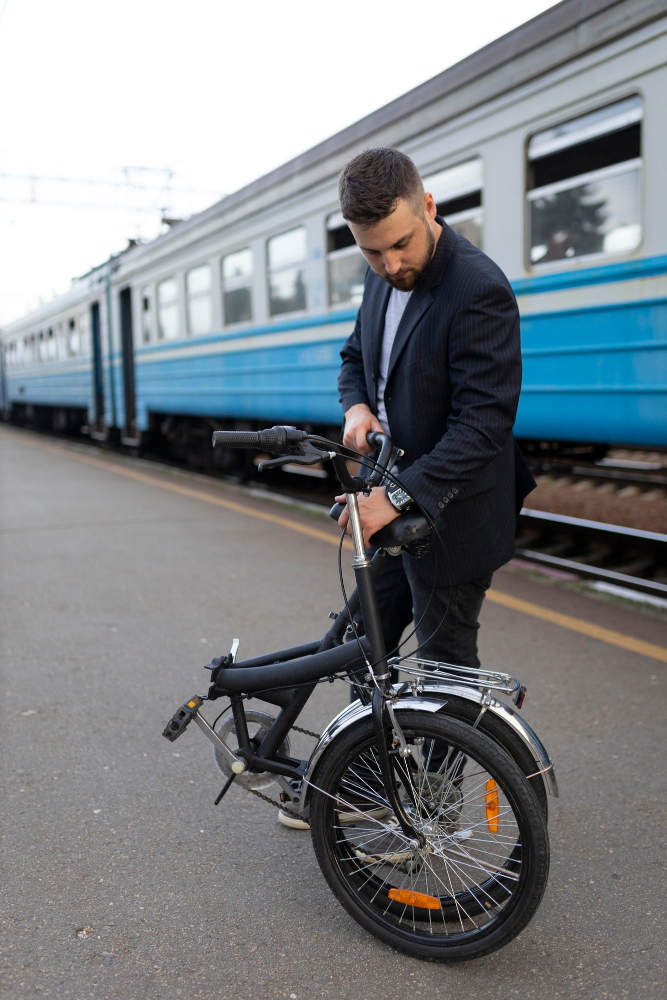
Carriage of bicycles on trains varies by country, by operator and by individual service. Some trains have dedicated spaces requiring a reservation, some take a limited number first come first served, and some accept a bicycle only if it is dismantled and bagged.
High-speed services are the most restrictive and regional services the most relaxed, which is the opposite of what a traveller planning a long journey would hope. The fast train across the country is the one that will not take it.
Reserve the bicycle space at the same time as the seat, print the reservation, and check each leg of a multi-operator journey separately because one refusal strands the whole itinerary. A bicycle refused at an interchange leaves you on a platform with it.
12. Ferries are the easy option and usually the cheapest
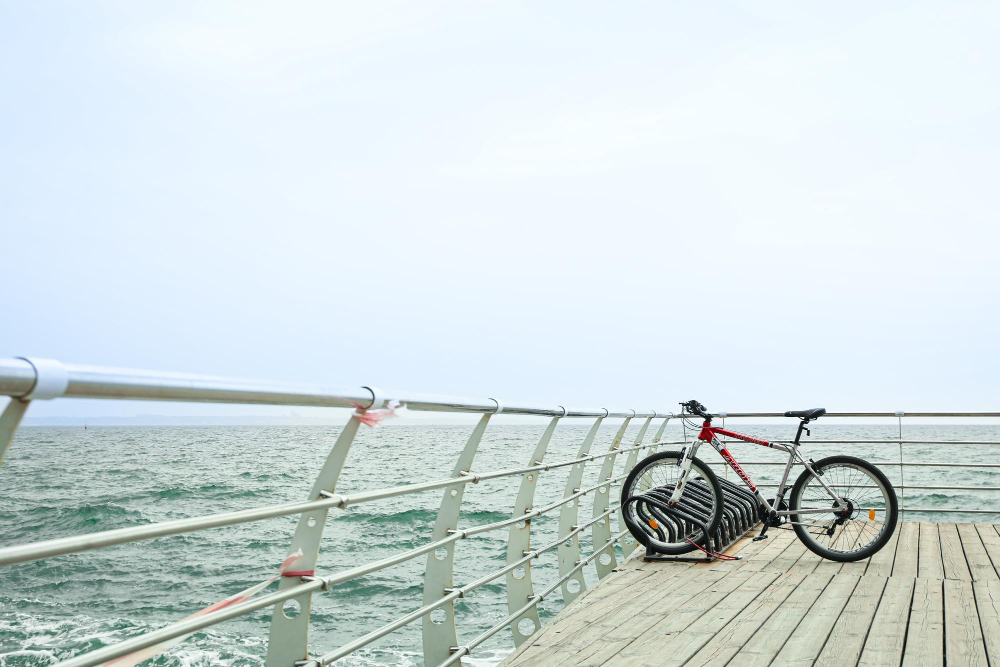
Ferry operators generally carry bicycles for a small charge or free, with the cyclist boarding through the vehicle deck, and the arrangement is simple and reliable in a way the other modes are not.
The bicycle is normally secured on the vehicle deck, which is not accessible during the crossing, so anything needed en route comes off the bicycle beforehand. Including the things in the handlebar bag you will want in the first hour.
If an itinerary can be routed by ferry instead of by air, the bicycle is an argument for doing it, and the saving is frequently larger than the extra travelling time costs. It is also a far less anxious way to travel with something valuable.
13. Insure the bicycle itself, separately and deliberately
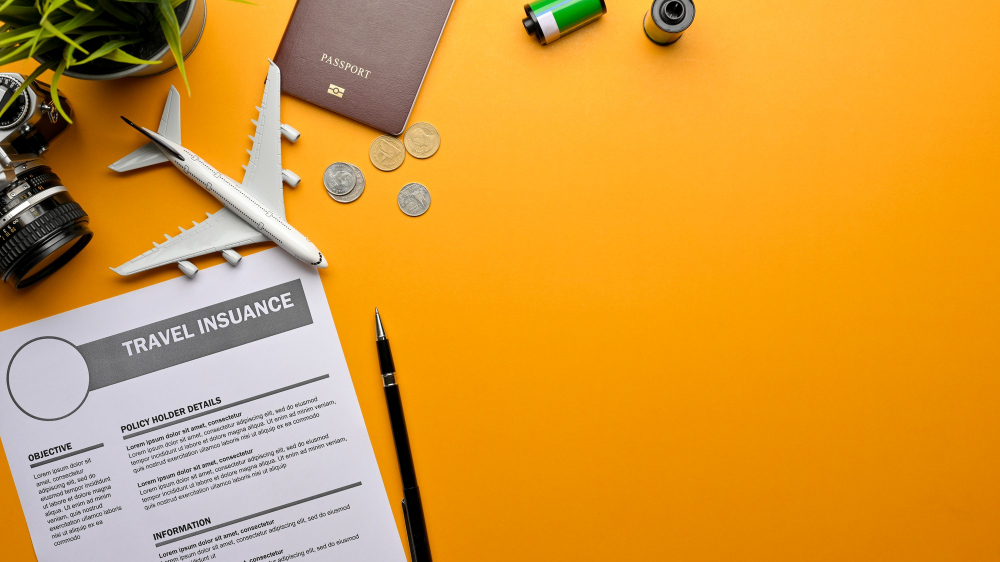
Standard travel insurance commonly treats a bicycle as a high-value item with a single-article limit well below the value of a decent machine, and may exclude it in transit or while being used.
Specialist cycle insurance, or an extension to a home policy, is the usual answer, and the terms to check are transit cover, cover while riding abroad, the territorial limits and whether the airline’s exclusion of liability affects the claim.
Read the single-article limit and the transit wording before the trip, and keep the purchase receipt and photographs of the bicycle with the serial number recorded. No receipt and no serial number means no claim, however good the policy.
14. And the checklist that makes it uneventful
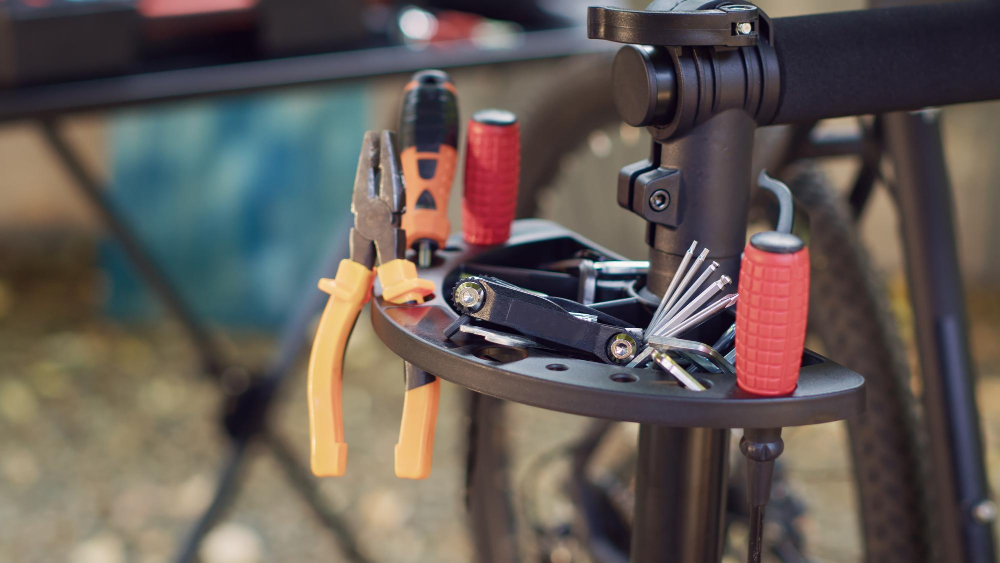
At booking: add the bicycle, pay the advance rate, check the dimension and weight limits for every carrier, and confirm the disassembly requirements. Before travelling: weigh and measure it packed, practise the disassembly, pack the tools with the bicycle, remove the gas cartridges, photograph everything with a timestamp, and check the insurance wording.
On the day: allow extra time, take it to the oversize position, and at the destination find the oversize collection point before concluding anything has gone wrong. For an electric bicycle, plan on the battery travelling separately or not at all.
Everything here is general information dated 2026 and not advice. Carrier, rail and ferry rules on bicycles differ considerably and change, and the operating carrier’s or operator’s current conditions are what govern.
Three decisions, made in this order
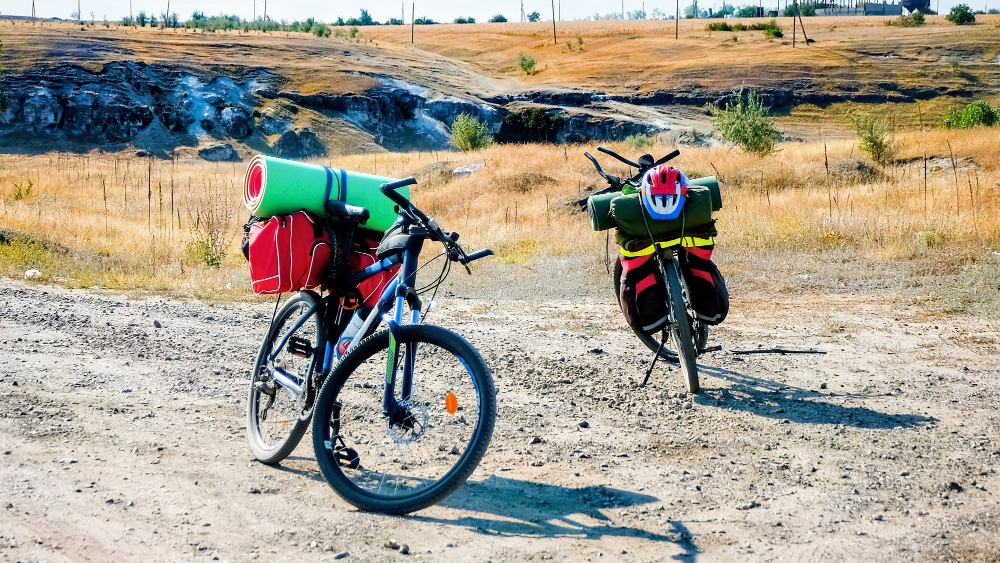
First, how the bicycle is packed, because that choice follows the shape of the trip rather than the level of protection. A return trip to one base suits a hard case if you have somewhere to store it; a one-way or multi-stop tour suits a cardboard box you can recycle and replace; a short trip repeated often suits a soft bag.
Second, the fee and the limits, which have to be priced in at booking rather than discovered at the airport. The advance rate and the airport rate differ sharply on many carriers, oversize charges are applied per item at airport rates, and the packing counts toward both the dimension and the weight limit, which is where a bicycle that was comfortably under goes over.
Third, the insurance, because the airline’s limitation or exclusion of liability means the bicycle is frequently not the carrier’s problem if it arrives broken. Standard travel policies treat a bicycle as a high-value item with a single-article limit well below what a decent machine costs, so the cover usually has to come from a specialist policy or a home-insurance extension, and the wording to read is transit cover and territorial limits.
If the itinerary can be routed by ferry rather than by air, do it. Ferry operators carry bicycles for very little, the cyclist rides on through the vehicle deck, and none of the packing, dimension, liability or oversize-collection problems in this list arise at all.
Like our content? Follow us for more.