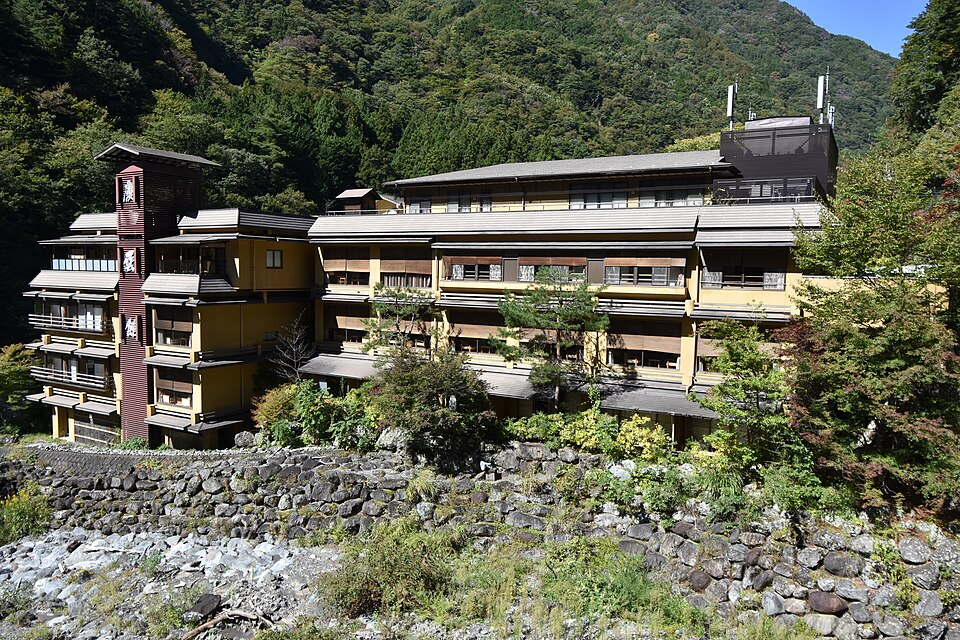
There is a hot spring inn in the mountains of Yamanashi prefecture that has been taking paying guests since the year 705. It was founded while the Tang dynasty was in power in China and before the Anglo-Saxon kingdoms of England had been unified, and it has not closed.
Guinness World Records recognised it in 2011 as the oldest hotel in the world. Fifty-two generations of one family ran it, including adopted heirs, across more than thirteen hundred years, and that run ended in 2017 when nobody in the family would take it on. That ending is the part almost every article about the place still gets wrong.
What it is and where
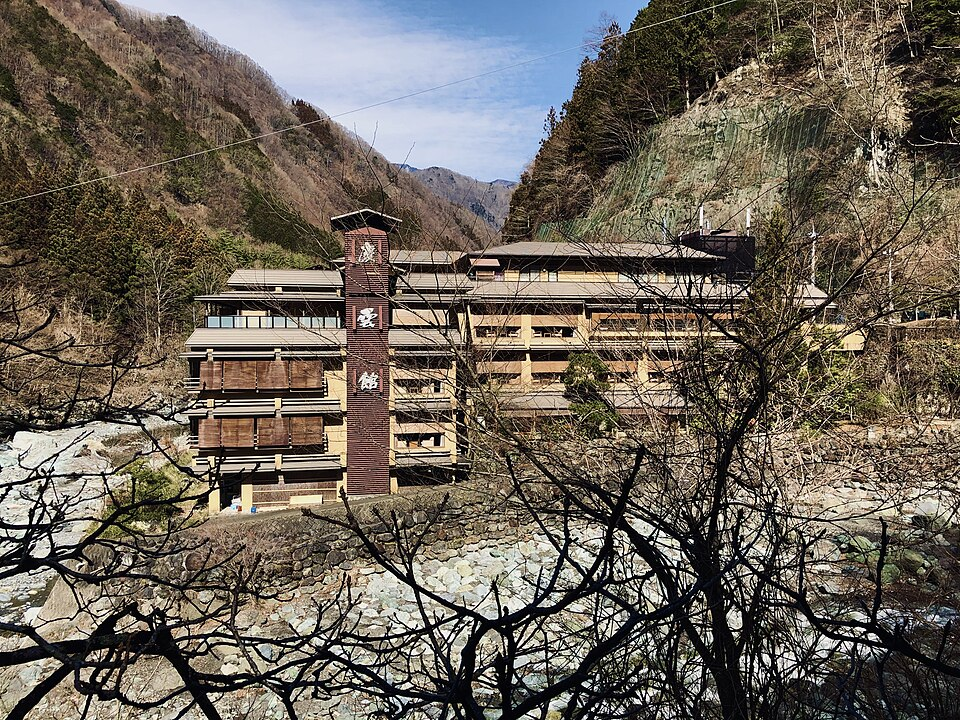
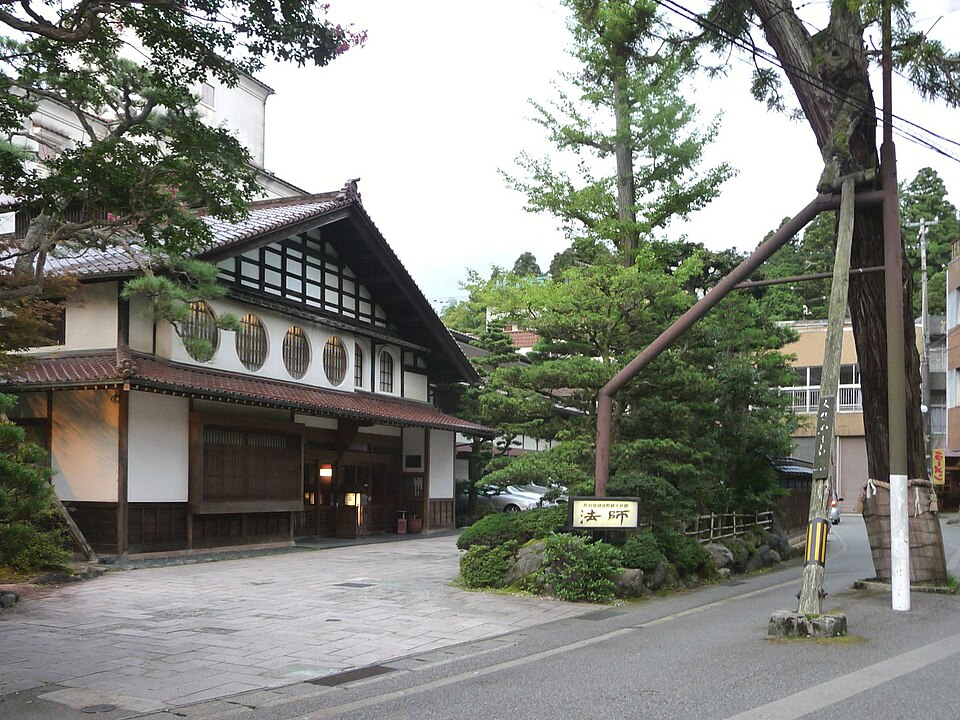
Nishiyama Onsen Keiunkan is a ryokan — a Japanese inn — at Hayakawa in Yamanashi prefecture, at the foot of the Akaishi mountains, which are also called the Southern Alps of Japan.
It was founded in 705 by Fujiwara no Mahito, and the dating of that founding is what the record rests on. It has 37 rooms.
The location is the whole explanation for its existence and its survival. It sits on hot springs, and a hot spring in Japan is not a feature but a reason for a settlement: people have travelled to bathe at specific springs for their reputed properties for as long as there are records of them doing anything.
So the inn is not an old building that happens to be a hotel. It is a bathing establishment at a water source, which is a business with an unusually durable reason to exist. A spring does not relocate, go out of fashion or get undercut by a competitor on the next street.
Like our content? Follow us for more.
Thirteen hundred years of continuity, and what that actually means
Fifty-two generations is the figure, and it includes adopted heirs, which is the detail that makes it possible and that most accounts skip.
Adoption of an adult heir to continue a family business is a long-established practice in Japan, and it is precisely how a line survives thirteen centuries of the ordinary demographic accidents — no sons, no surviving children, an unsuitable successor — that would otherwise end it several times over.
That is worth stating plainly because the phrase fifty-two generations of the same family suggests an unbroken biological descent and means something more interesting: an unbroken institution with a deliberate mechanism for continuing itself.
The continuity is of the business and the name rather than of a genome, and by the standards of commercial history that is a far more remarkable thing. A genome is luck; an institution with a succession mechanism is design.
The run ended in 2017, and most accounts have not caught up
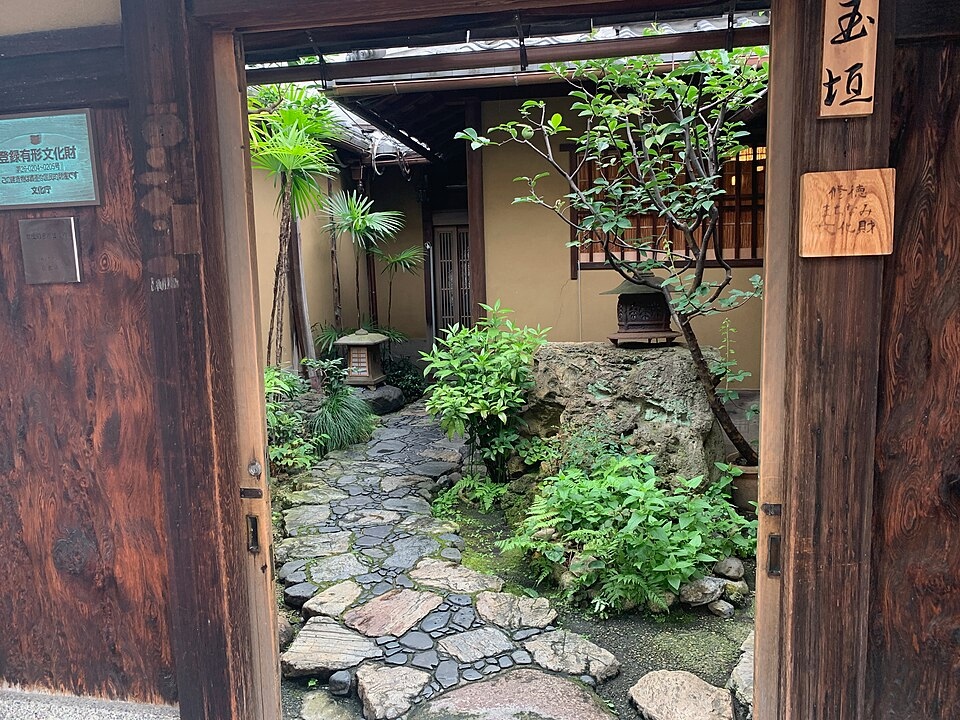
In 2017 ownership transferred to a limited company, Nishiyama Onsen Keiunkan Limited, because no family member would take over, and a new president took charge.
A great many articles about the hotel are written in the present tense about the family, which was accurate when they were written and is not now. If you are quoting the fifty-two generations, the honest form is that they ran it until 2017.
The inn continues to operate, which is the point of the record. The record is for the oldest hotel still taking guests, not for the oldest family business, and the change of ownership does not affect it.
It is also a recognisable modern problem. Succession in long-established family businesses is a live issue in Japan and elsewhere, and this is the most dramatic possible illustration of it. Thirteen centuries of succession solved, and then a generation that did not want it.
The water, which is the business
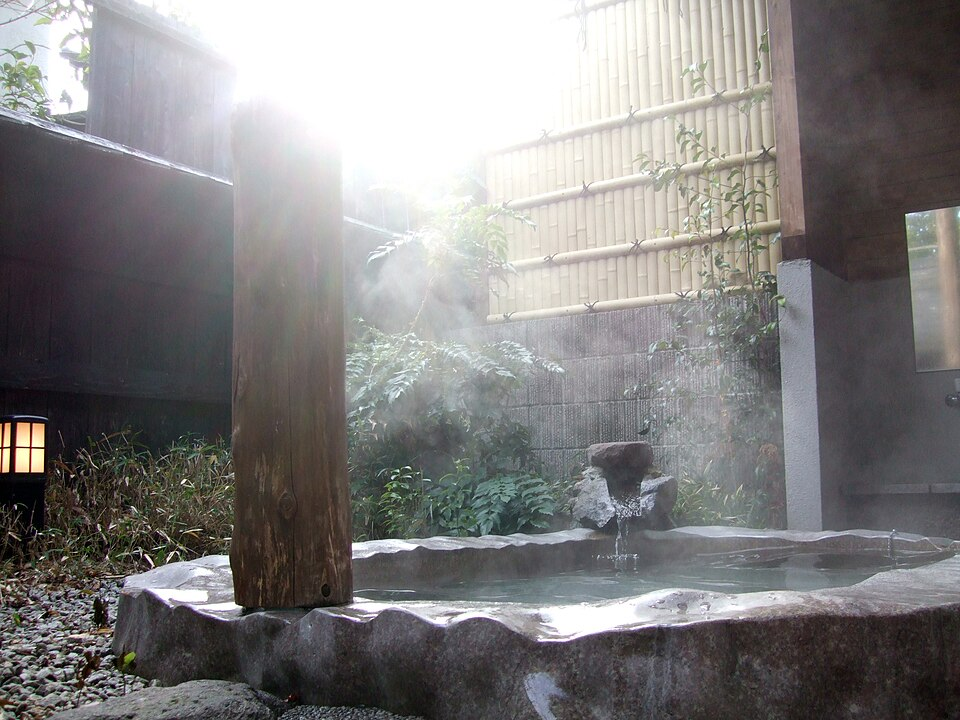
Water comes directly from the local Hakuho springs, and the inn pumps around a thousand litres of naturally heated water a minute, with plans at one point to double that capacity.
A thousand litres a minute is a substantial flow and it matters because of what Japanese bathing culture expects: water that arrives, is used and leaves, rather than water that is heated, filtered and recirculated.
That distinction is the one connoisseurs care about and it is a real engineering difference. A continuously replaced bath needs a source with enough flow to supply it, which is why the quality of an onsen is partly a question of hydrology. Guests who know what they are looking for ask about the flow before they ask about the rooms.
From 2005 every room has had its own private free-flowing hot spring bath, which is a considerable statement about the available flow as much as about the accommodation. Thirty-seven private baths all running continuously is a great deal of water.
It has been rebuilt and modernised repeatedly
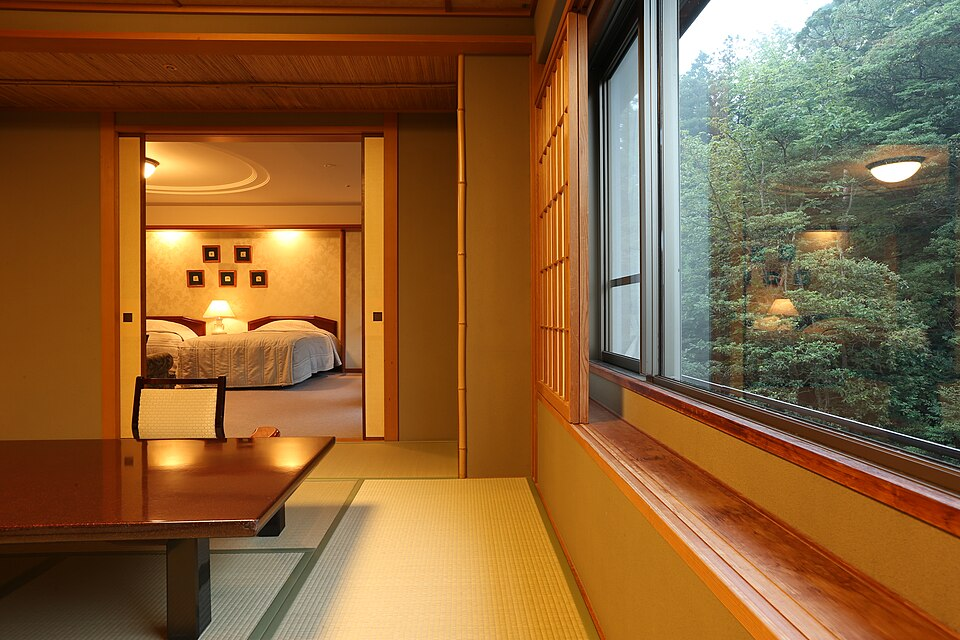
This is the usual objection to any very old building and it deserves a direct answer. The inn has been modernised substantially and recently: converted to a ryokan with private rooms, futons and half board in 1997, private baths added to every room in 2005, and wireless internet throughout by 2019.
None of that is hidden and none of it affects the claim, because the record is for continuous operation as a hotel rather than for the age of the fabric.
That is the right way to measure it. Japanese building tradition in timber assumes periodic rebuilding, and a structure maintained by replacement is a normal rather than a compromised form of continuity in that context. The institution is the thing being preserved, and the timber is consumable.
Anybody who objects that it is not the original building is applying a European stone-built standard to a timber-built culture where the standard does not apply. It is the wrong question asked confidently, which is the hardest kind to answer briefly.
Why the record is in Japan and why it is hard to beat
Two reasons. First, hot springs give a business a fixed and non-transferable reason to be in one place, which is the single best protection against the ordinary causes of commercial death.
Second, Japan has an unusual concentration of extremely old businesses, supported by the adoption practice described above, by strong norms around continuing a family trade, and by a long period of relative internal stability.
There are other contenders, including a second Japanese inn with a founding date in the eighth century, and the ordering between them depends on how continuity is assessed and which documentary evidence is accepted.
That is the honest position on the record: the claim is well founded and it sits within a small group of Japanese onsen inns of comparable antiquity rather than standing alone by centuries. Which is more interesting than the simple version, because it means the conditions that produced it were general rather than freakish.
Staying there
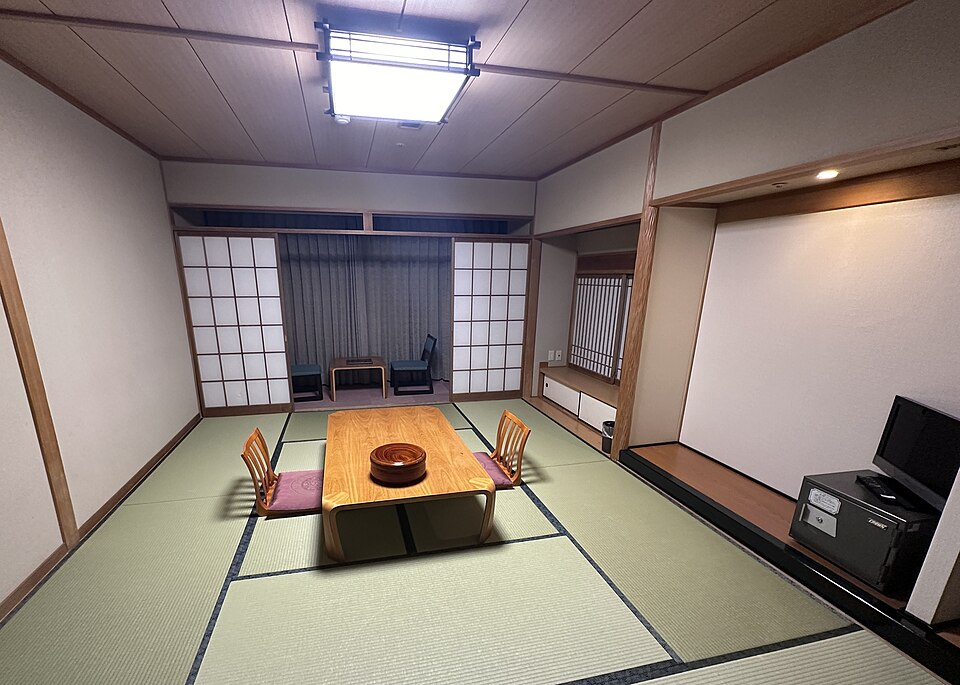
It is a working ryokan with 37 rooms, it takes bookings, and the format is the Japanese one: half board with dinner and breakfast included, futons on tatami, and bathing as the central activity rather than an amenity.
That format matters for a visitor who has not stayed in a ryokan before. Dinner is at a set time, the meal is substantial and regional, yukata are provided and worn, and the bathing has an etiquette that is worth reading about in advance.
It is remote. Hayakawa is a mountain municipality with a very small population, reached by a long drive or a combination of train and road, and that remoteness is part of why it survived.
Booking is the constraint rather than cost. Thirty-seven rooms in the oldest hotel in the world is not a large supply, and the people who want to stay there know what it is. It is not a place you come across; it is a place you decide on.
What the record is really evidence of
Not architectural persistence, and not even really hospitality. It is evidence that a business built on a fixed natural resource, in a culture with a deliberate mechanism for passing an institution to a successor, can outlast almost anything else humans construct.
Thirteen hundred years spans the entire history of most countries’ commercial institutions several times over. The inn was operating before the oldest surviving bank, the oldest surviving university and the oldest surviving company in almost every other country existed.
And the thing that finally interrupted the family line was not war, fire, earthquake or economics. It was that in 2017 nobody wanted to take it on, which is a very modern ending to a very old story. Nothing in thirteen hundred years had managed what a change in what people want from a life managed in one generation.
The honest summary: Nishiyama Onsen Keiunkan at Hayakawa in Yamanashi prefecture, Japan, was founded in 705 by Fujiwara no Mahito and was recognised by Guinness World Records in 2011 as the world’s oldest hotel; fifty-two generations of one family, including adopted heirs, ran it until 2017, when ownership passed to a limited company because no family member would take over; it has 37 rooms, draws water directly from the Hakuho springs at around a thousand litres a minute, and has had a private free-flowing hot spring bath in every room since 2005; it was converted to a modern ryokan format in 1997 and has been modernised since, which does not affect a record measured by continuous operation rather than by the age of the fabric; and it sits within a small group of Japanese onsen inns of comparable antiquity rather than standing alone.
Like our content? Follow us for more.