
Banks abroad have to verify identity, address and sometimes the source of funds, and a new arrival has none of those documents yet. Here are fourteen obstacles and the order that gets past them.
1. Opening an account abroad is an identity exercise before it is a banking one

Banks are required to verify who a customer is, where they live and in some cases where their money comes from, and those requirements are set by financial regulation rather than by the branch.
For a resident of the country the documents exist already; for somebody who has just arrived, each one has to be obtained, and several of them require each other.
That is why opening an account is so often described as the hardest part of moving abroad: it is not reluctance, it is a documentary sequence. The bank’s own account-opening page lists what it needs, and the list is the thing to work backwards from rather than turning up and asking. The bank’s own account-opening page lists what it needs, and the list is the thing to work backwards from rather than turning up and asking. Two banks in the same city will often publish different lists, which is itself useful information, because the shorter list is the one to start with while the longer one waits for documents still in the post.
Like our content? Follow us for more.
2. The circular problem is an address you cannot prove until you have an account

A bank usually wants proof of a local address; a landlord often wants a local bank account or a local payment method; a utility account, which is the classic proof of address, often wants both.
That circle is the single most common obstacle, and it is resolved differently in different countries rather than by a universal trick.
Common routes out of it include a registration certificate from the local authority, an employer’s letter, a tenancy agreement, or a bank that accepts a foreign address for an initial account. Which of those works is a local question, and the people who know the answer are the bank, the local authority and anybody who has recently done it in the same place. Which of those works is a local question, and the people who know the answer are the bank, the local authority and anybody who has recently done it in the same place. Recent experience matters more than general advice here, because the accepted documents change when regulation changes, and a route that worked three years ago may have closed.
3. American applicants face an additional reporting regime and banks react to it

The United States requires foreign financial institutions to identify and report accounts held by US persons, and it applies penalties to institutions that do not comply.
The consequence is that some banks abroad decline US-person customers altogether, and others accept them but ask for additional forms and information at account opening.
This is a compliance decision by each institution, it varies considerably between banks in the same country, and it is not personal. So an American applicant should expect to be asked for a taxpayer identification number and a self-certification form, and should expect to shop between banks rather than conclude after one refusal that it cannot be done.
4. A US citizen’s reporting obligations do not stop at the border
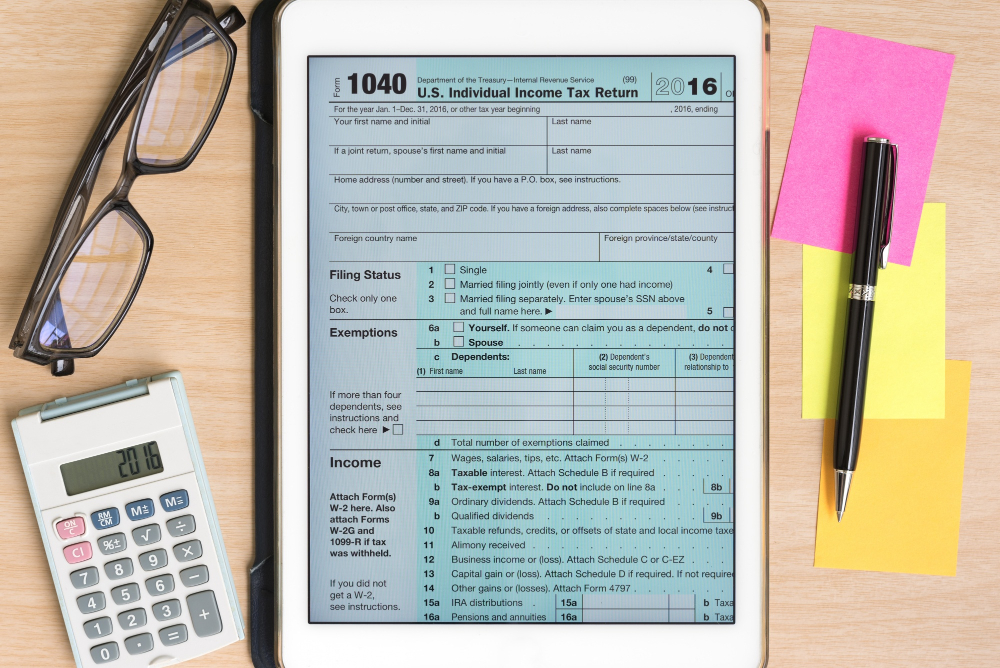
US citizens and permanent residents generally remain subject to US tax filing and foreign account reporting obligations regardless of where they live, which is unusual among countries and routinely surprises people.
There are separate reporting requirements for foreign financial accounts, with their own thresholds, forms and deadlines, independent of whether any tax is owed.
The interaction between two countries’ systems, and any treaty between them, is genuinely complicated and the penalties for getting the reporting wrong can be significant. This is the clearest case in this file for professional advice: a cross-border tax specialist, before opening anything, is cheaper than a correction afterwards. This file states that the obligations exist and gives no threshold, form, deadline or figure, because they change and because the detail is advice.
5. A residence permit and an account are each other’s precondition in some places

In some countries a bank will not open a full account without a residence permit or a local identification number, and the permit process requires evidence of means or of a local account.
Where that happens the usual resolution is a limited or basic account, available on less documentation, which is then upgraded once the permit is issued.
Basic payment accounts of that kind are a legal entitlement in several jurisdictions and are not advertised, so they have to be asked for by name. Asking the bank directly what account it can open today, with the documents you have today, is a far more productive question than asking whether you can open an account.
6. A tax identification number is the key to almost everything

Most countries issue a tax or national identification number, and in many of them it is required for a bank account, a tenancy, a phone contract, a utility and employment.
Obtaining it is usually a separate appointment at a separate office, often before the bank visit, and the appointment itself can be weeks away.
It is frequently the genuine first step of settling in, ahead of banking, and getting it early removes several later obstacles at once. The issuing authority’s own page states who may apply and what is required, and that is the place to start rather than a general article. The issuing authority’s own page states who may apply and what is required, and that is the place to start rather than a general article. In several countries the application can be begun before arrival or on a short visit, which is worth establishing early because it converts the longest wait in the sequence into something that happens in the background.
7. A non-resident account and a resident account are different products

Many banks offer a non-resident account with a foreign address, which is useful for receiving funds and paying local bills, and which usually has higher charges and fewer features.
A resident account generally requires proof of local residence and gives access to local payments, direct debits, credit and savings products.
Moving from one to the other is an administrative change rather than a new application in most banks, but it has to be requested. Starting with whichever one you qualify for today, rather than waiting until you qualify for the better one, is usually the faster route to being able to pay for things.
8. The branch, the appointment and the language are practical obstacles

In a great many countries account opening is done in a branch, by appointment, with original documents, and not online, because the identity check has to be performed in person.
The appointment may be weeks ahead, the forms may be in the local language only, and a member of staff who can conduct the meeting in another language may be available only at certain branches.
Some banks have an international or expatriate desk precisely for this, and it is worth asking for by that name. Turning up with every document, including ones that may not be needed, is the approach that avoids a second appointment at the back of the same queue.
9. Fees, minimum balances and inactivity rules are the terms people skip
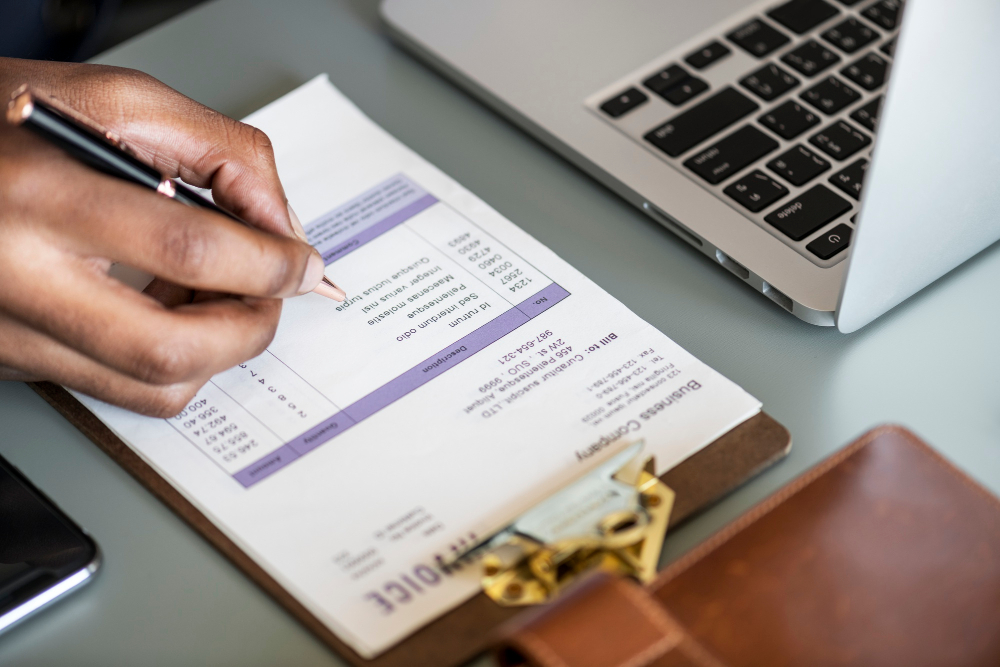
Account charges abroad are frequently structured differently from what a customer is used to: monthly maintenance fees, per-transaction charges, card fees and charges for a paper statement are common where they may not be at home.
Minimum balance requirements, below which fees apply or the account is converted, are also common and are stated in the fee schedule rather than on the account page.
Inactivity rules matter for anybody who leaves the country but keeps the account, because a dormant account can be closed or can accrue charges. The published fee schedule is a document, every bank has one, and comparing two of them takes less time than most people spend choosing an account on other grounds.
10. Keeping the home account open is usually sensible and has conditions

Most people keep their original account for pensions, investments, existing direct debits and the simple value of continuity, and that is normally the right instinct.
But home banks sometimes restrict or close accounts for customers who are no longer resident, particularly where the bank would then have regulatory obligations in the new country, and they do not always ask first.
So telling the home bank the new address is both a condition of the account and a risk to it, which is an uncomfortable position with no general answer. Asking the home bank what its policy is for non-resident customers, before moving, is the only way to know which situation you are in.
11. Transferring money between the two is where the costs hide

A cross-border transfer carries an exchange rate margin, a sending fee, sometimes an intermediary bank fee and sometimes a receiving fee, and the margin is usually the largest of them and the least visible.
The total cost is the difference between the amount sent and the amount arriving, and that is the only comparison worth making between providers.
For regular transfers — a salary, a pension, rent — the margin compounds, and that is where attention is worth paying. This file names no provider and recommends none; the point is to compare the amount received rather than the advertised fee.
12. A card issued abroad behaves differently and not always better

Local debit cards are generally cheaper for local spending and may be required for some local services, including some government payments and some parking and transport systems.
But a locally issued card may be poorly accepted when travelling, may not work for online purchases in other countries, and may not carry the travel or purchase protections a card from home does.
Many people end up carrying one of each for exactly these reasons, which is a reasonable arrangement rather than a failure to decide. What each card actually covers is in its own terms, and the protections differ between card networks, issuers and jurisdictions. What each card actually covers is in its own terms, and the protections differ between card networks, issuers and jurisdictions. Those documents are dull and short, and reading the two that apply to the cards in your own wallet is the only way to know which one to reach for when something goes wrong with a purchase.
13. Mortgages, credit and insurance all start from zero

Credit history is national and does not transfer, so an established borrower at home arrives abroad with no record at all, which affects credit cards, car finance, mortgages and sometimes mobile contracts and rentals.
Building a local record takes time and ordinary use of local products, and some banks give weight to a relationship, a local income and a deposit instead.
For a mortgage in particular, lending to a recently arrived non-citizen is a specialist area with different terms, and advice from somebody who does it locally is worth more than a comparison site. Nothing in this file is financial advice, and decisions of this size belong with a regulated adviser in the country concerned.
14. Closing an account from abroad is harder than opening one

Account closure often requires a signed instruction, sometimes in person or notarised, and a final balance has to be transferred somewhere that still exists.
People routinely leave an account open with a small balance because closing it is inconvenient, and then lose access when the contact details go stale or the account goes dormant.
So the end of a stay is worth planning: close or formally convert the account, update the address, and keep the final statements, which are the documents a tax authority may later ask about. The summary: treat account opening as a documentary sequence and work backwards from the bank’s own list; get the local tax or identification number first because almost everything needs it; expect the address-proof circle and ask the bank, the local authority and recent arrivals how it is broken locally; American applicants should expect additional forms, expect variation between banks, and get cross-border tax advice before opening anything; ask for a basic or non-resident account today rather than waiting to qualify for a better one; read the fee schedule and the inactivity rule; compare transfers on the amount received; and plan the closing as deliberately as the opening.
A sequence, not a decision

The reason banking is the hardest part of moving abroad is that it sits at the centre of a documentary circle: the bank wants an address, the landlord wants an account, the utility wants both, and the tax number is required by all three. The way through is to work backwards from the bank’s own published list, get the local identification number first, and ask what can be opened today rather than whether an account is possible. For American movers there is an extra layer, because institutions abroad carry reporting obligations for US-person accounts and respond to them differently, which makes shopping between banks necessary rather than optional.
The one thing worth paying for: cross-border tax advice before opening anything, because US citizens and permanent residents generally keep their US filing and foreign account reporting obligations wherever they live.
Like our content? Follow us for more.