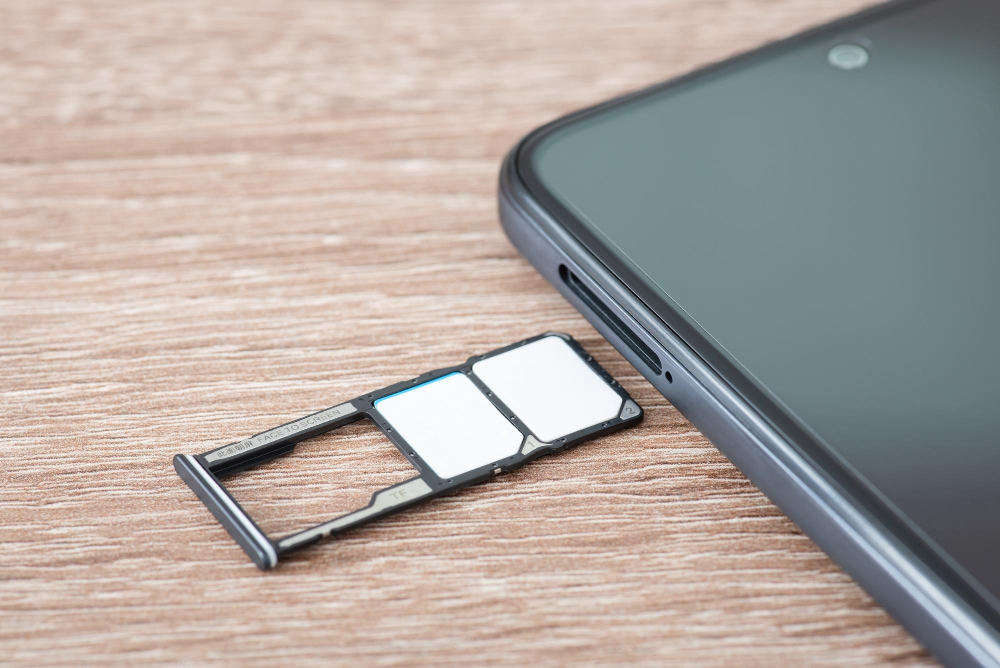
Choosing between roaming, a local SIM and an eSIM looks like a question about price per gigabyte, and it is really a question about what your phone number is used for. Here are fifteen things that decide it.
1. Roaming, a local SIM and an eSIM are three different products
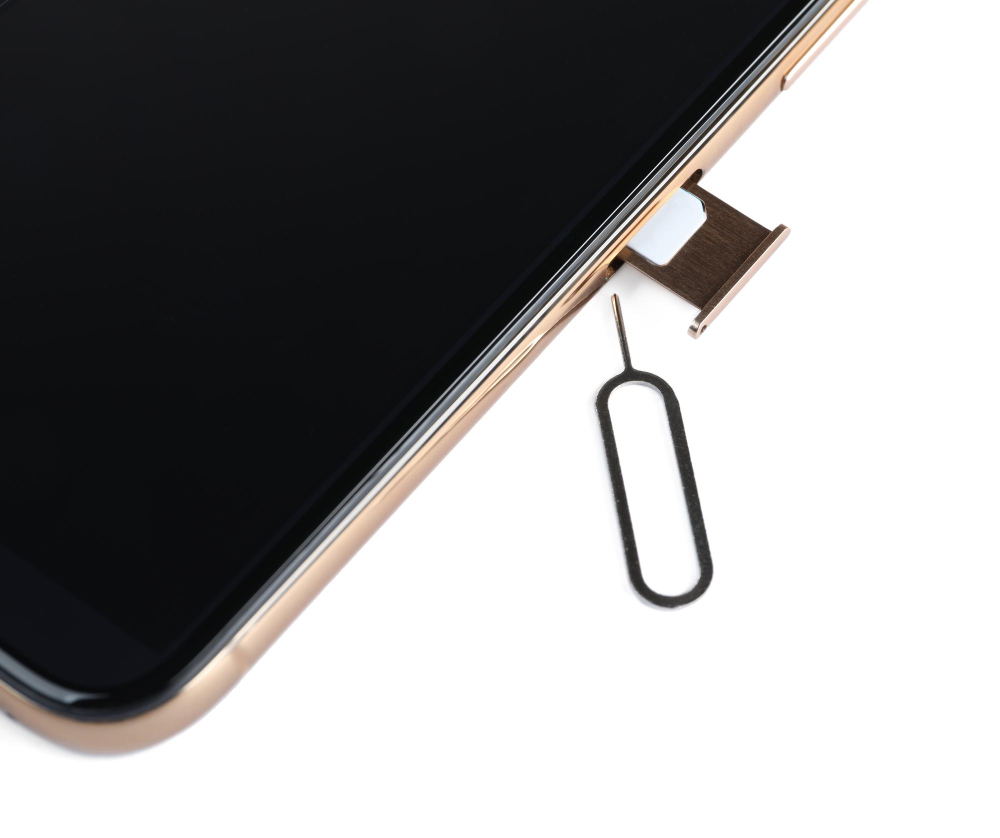
Roaming uses your own number on a foreign network under an agreement between operators; a local SIM gives you a local number on a local plan; an eSIM is a profile downloaded to the handset, which may be either a roaming product or a local one.
They differ in what they cost, what number you keep, what happens to incoming calls and texts, and how much paperwork is involved.
People treat them as interchangeable and then find that the cheap option broke something they needed. The choice depends far more on what your number is used for than on the price per gigabyte, and that is the thing to work out before you leave.
Like our content? Follow us for more.
2. The number is the part that matters, not the data

Data is easy to replace: a local SIM, an eSIM or hotel wifi all provide it, and messaging apps work over any of them.
Your phone number is not easily replaceable, because it is the address your bank, your government services, your airline and your email recovery all send codes to.
So a plan that gives you cheap data on a new number while making your own number unreachable has solved the wrong problem. The arrangement most travellers actually want is data on a local or travel eSIM with the original number still active for incoming texts, which modern dual-SIM handsets do natively.
3. One-time codes are the thing that breaks, and they break quietly
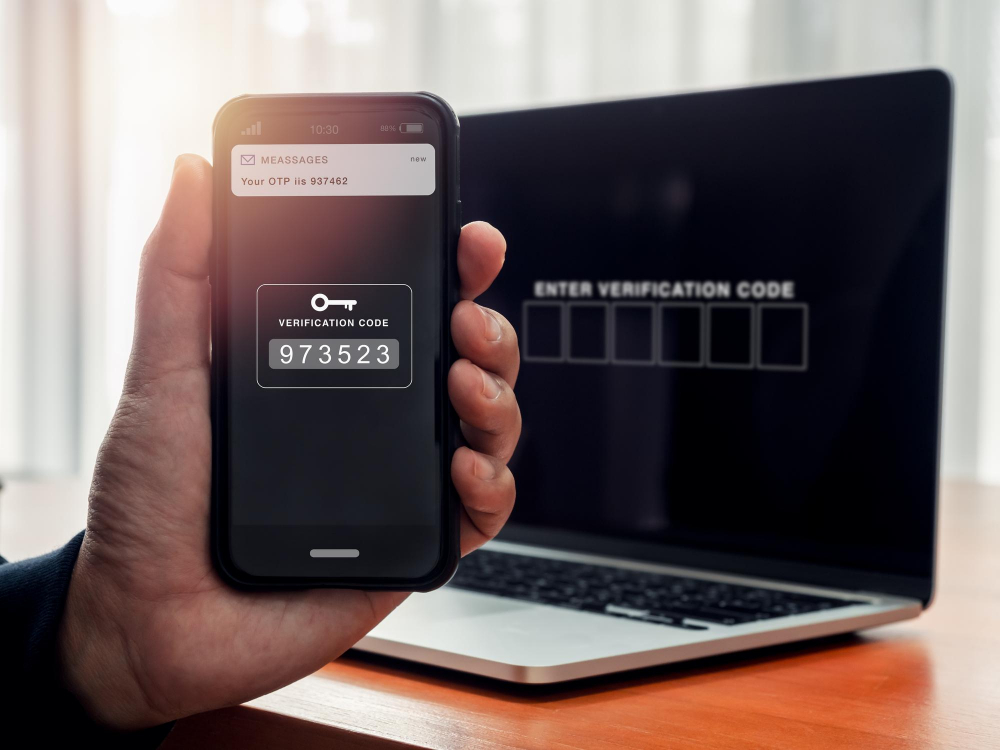
Banks, government portals, airlines and email providers send one-time codes by text to a specific number, and that is frequently the only route they offer.
If that number is switched off, out of coverage, or in a handset that has been replaced, the code goes nowhere and you cannot get into the account to change the arrangement, because changing it requires the code.
This is a circular failure and it is the single most disruptive connectivity problem travellers encounter, far more than cost. The fix is to set up at least one route into each important account that does not depend on receiving a text on that handset, and to do it before travelling while you still have access.
4. An authenticator app is independent of the network and the number
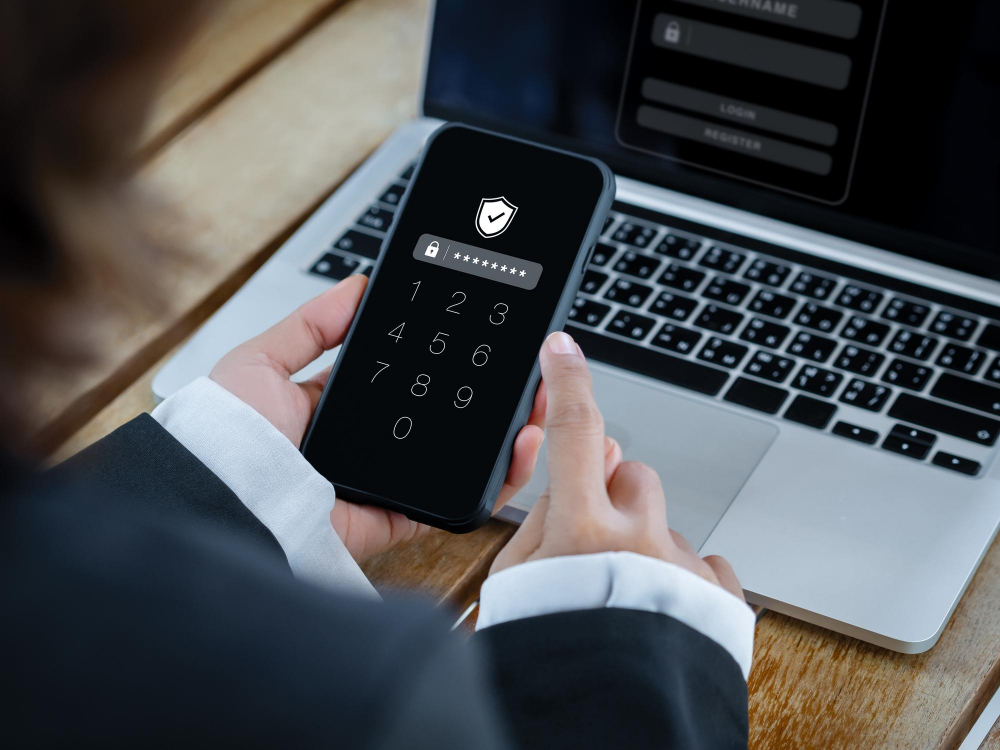
App-based authentication generates codes on the device itself, with no network and no text message involved, so it keeps working on aeroplane mode, on a foreign network, or on wifi only.
Moving an account from text codes to an app is a deliberate change made in the account’s security settings, and it takes a few minutes per account.
Recovery codes — the printed or saved list most services issue when you set this up — are the backstop, and they only help if they are somewhere other than the phone. This is the preparation that converts a lost or unreachable handset from a crisis into an inconvenience.
5. Buying a local SIM usually requires identification and registration

A large number of countries require prepaid SIM cards to be registered to an identified person, which means a passport at the point of sale and sometimes a local address.
In some places the registration is immediate and in others the card takes hours to activate while it is processed, which is unhelpful if you are relying on it from the airport.
A few countries restrict or prohibit sales to visitors entirely, or require the purchase to be made at an official operator shop rather than a kiosk. The operator’s own stores, including airport branches, are the route that reliably works, and they will know the registration requirement.
6. An eSIM avoids the counter but not every handset supports it
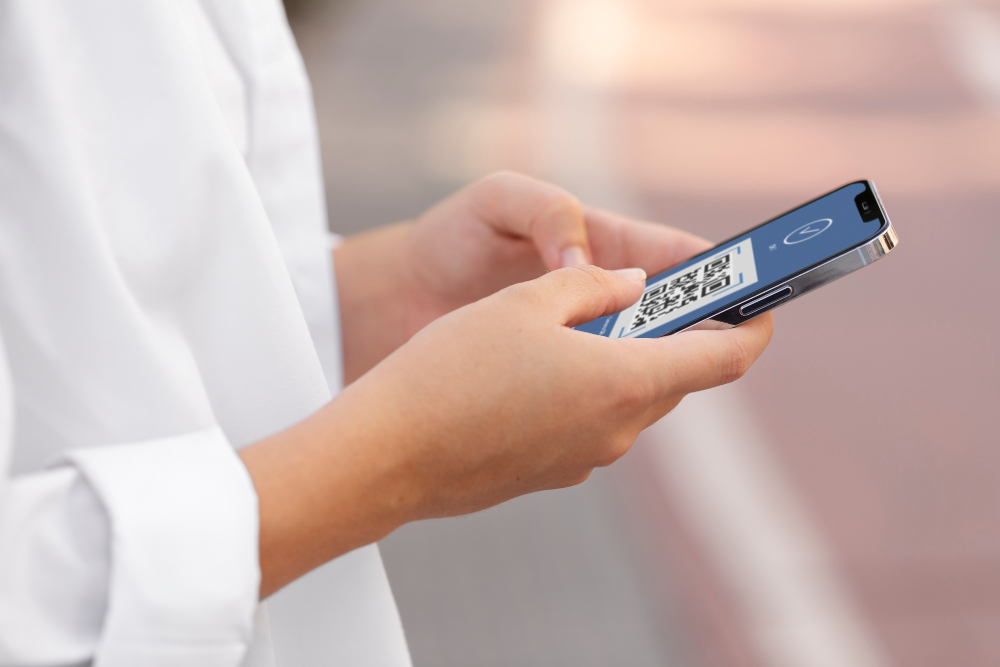
An eSIM is downloaded, so it can be bought and installed before departure and activated on arrival without finding a shop, which is why travel eSIMs have become the default for many people.
But the handset has to support eSIM, it must not be locked to a carrier, and some carrier-supplied handsets are restricted in ways that only appear when you try.
Travel eSIMs are usually data-only, with no voice calls and no text messages, which is fine if everything you do runs over apps and a problem if anything does not. Checking eSIM support and whether the handset is carrier-locked is a five-minute job at home and an expensive one at an airport.
7. Data-only means no texts, which includes the codes
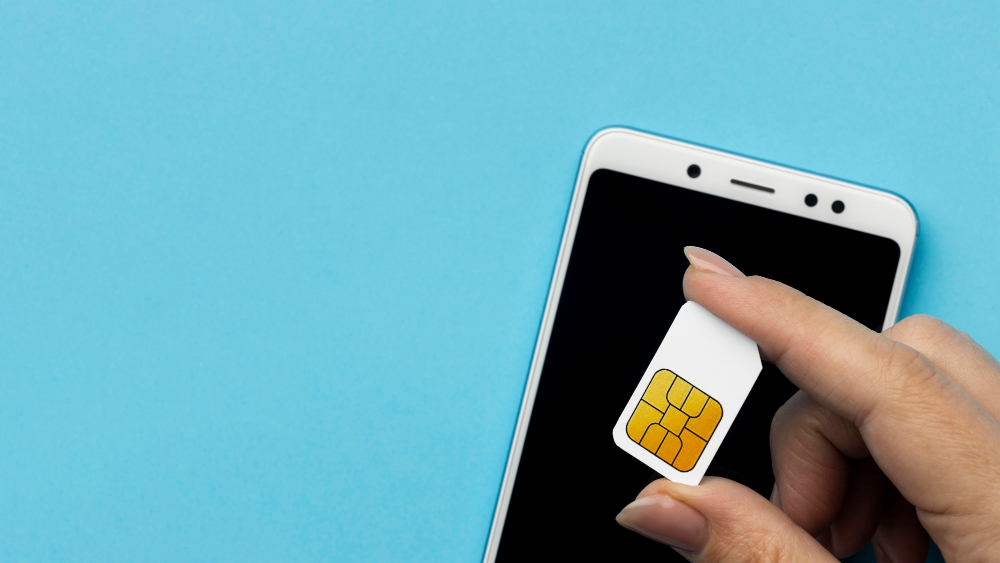
A data-only eSIM or data plan carries no SMS at all, which is easy to miss because messaging apps keep working perfectly.
That means any service that insists on a text code is unreachable on that connection, and the code has to arrive on the original number instead.
So the common working arrangement is two active profiles: the travel data plan for everything, and the home number kept on for incoming texts only. Incoming texts while roaming are free or nearly free in many arrangements, but that depends entirely on the home operator’s terms and is worth confirming rather than assuming.
8. Your home operator’s roaming terms are a document worth reading once

Roaming charges, inclusive allowances and the zones they apply to are set by the home operator and vary enormously, including within the same company’s own plans.
Many plans include roaming in a defined group of countries and charge substantially outside it, and the boundary is not always where a traveller would expect geographically.
Fair-use caps apply even to inclusive roaming, after which charges or throttling begin, and the cap is stated in the terms rather than in the advertising. Some operators also sell a daily travel pass that is simpler than either roaming rates or a local SIM, and whether it is good value depends on the trip length.
9. Accidental roaming happens at borders and on water
Near a land border a handset can register on the neighbouring country’s network without you moving, and on a ferry or a coastal road it can pick up a maritime or satellite network which is charged at a completely different rate.
Maritime and in-flight networks are usually outside every roaming agreement and every inclusive allowance, and they are the source of most genuinely shocking bills.
Turning data roaming off, or selecting the network manually, prevents it, and handsets will warn about it if the relevant setting is enabled. This is one of the few connectivity problems that is purely a settings question and is entirely preventable.
10. Spending caps and alerts exist and are usually off by default

Most operators offer a data roaming spend cap or a bill limit, and in several jurisdictions one is required by law unless the customer opts out.
Where it exists it stops service rather than continuing to charge, which is the behaviour most travellers would choose if asked.
The cap and the alert thresholds are set in the account rather than on the phone, so they have to be arranged with the operator before travelling. They are also the only mechanism that protects against a device updating itself over a roaming connection, which remains a common cause of large bills.
11. Keeping your number while abroad long-term is its own problem
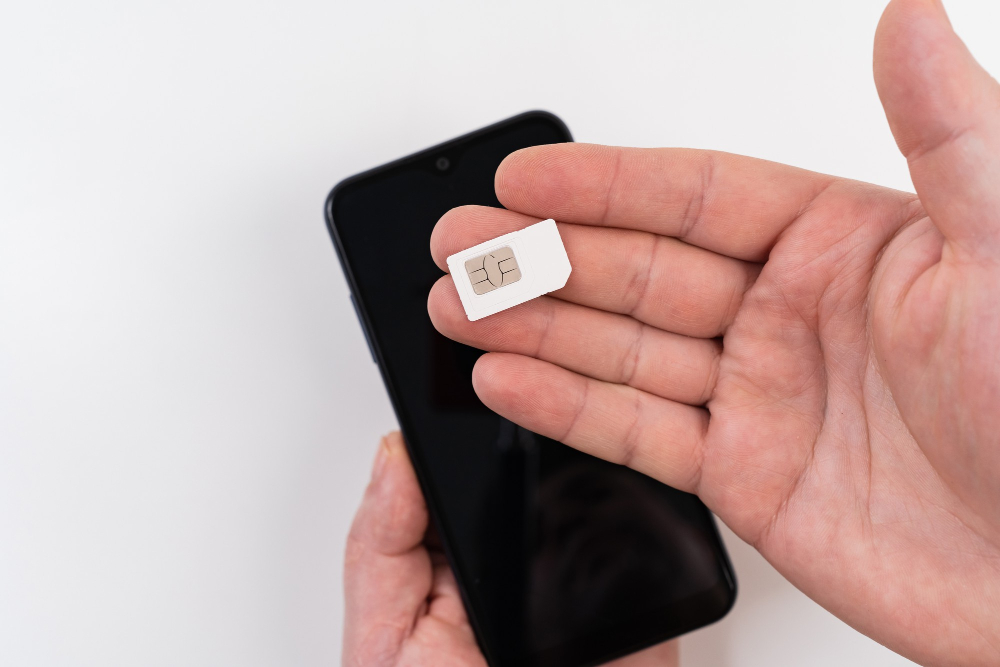
Prepaid home numbers expire if unused, and some operators disconnect a number after a period without activity or without a top-up, which means a long trip can lose the number the accounts depend on.
Contract numbers are safer but can still be affected by permanent-roaming clauses, which allow an operator to restrict a line that has been abroad continuously for months.
Where a number matters, keeping the line active with minimal periodic use, and knowing the operator’s inactivity rule, is the practical answer. Number portability within a country is routine, but porting a number to a foreign operator generally is not possible at all.
12. Wifi calling changes the picture and depends on the home network

Wifi calling routes calls and texts over an internet connection as if you were at home, which can make the home number work normally abroad at no roaming cost.
Whether it works depends on the home operator enabling it for use abroad, on the handset supporting it, and on the wifi connection being good enough, and operators differ considerably on the first of those.
Where it does work it solves the code problem entirely, because texts arrive over wifi. It has to be tested before departure rather than discovered on arrival, because the setting is easy to enable and easy to assume is working.
13. Public wifi is fine for most things and not for others
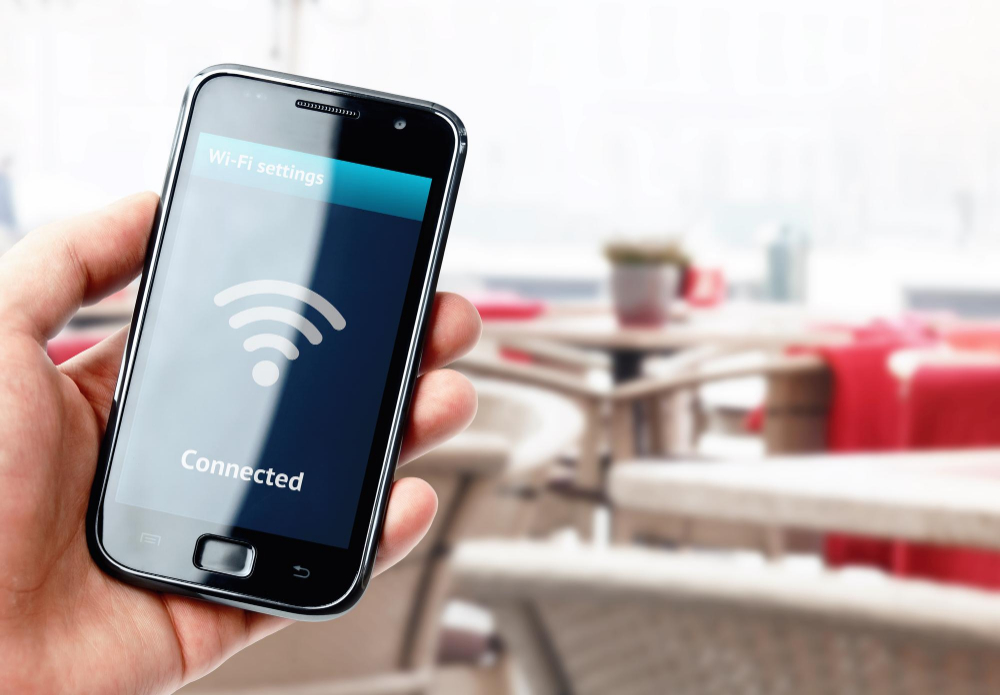
Modern web connections are encrypted, so ordinary browsing, banking apps and messaging on hotel or coffee-shop wifi are not the exposure they once were.
The practical risks on a shared network are more mundane: captive portals that do not load, connections that drop mid-transaction, and networks that block the protocols a particular app or a work connection needs.
Using mobile data for anything that must not be interrupted, and wifi for bulk downloads, is a reasonable allocation. Using mobile data for anything that must not be interrupted, and wifi for bulk downloads, is a reasonable allocation. It also keeps the expensive connection for the things that are worth paying for, which is the whole point of having two. Where an employer requires a specific secure connection, that requirement comes from the employer and their guidance applies, not a general rule from an article.
14. Some networks and services are restricted in some countries

A number of countries restrict particular messaging and calling services, block voice calls over the internet, or require specific apps, and what is available changes.
That means a traveller’s usual way of contacting people may simply not function, and the alternative is whatever the local arrangement is.
This is a matter of local law and operator configuration rather than a technical fault, and a traveller is subject to local law like anybody else. The current position for a specific country comes from a current source, and this file does not state any country’s rules or offer any means of working around them.
15. Being contactable in an emergency is a separate requirement

Emergency numbers generally work from any handset with any SIM and often with no SIM at all, which is a deliberate design and is independent of your plan.
But being reachable — by family, by an airline, by a tour operator, by a hospital — depends on somebody knowing which number you are actually using, which changes when you buy a local SIM.
So telling the people who might need you, and updating the number on any booking that matters, is the step people forget after sorting out a cheap plan. The summary: work out what your number is used for before you choose a product, because data is replaceable and the number is not; move important accounts off text codes and onto an authenticator app, with recovery codes stored off the handset, before you travel; expect identification and registration to buy a local SIM and expect a travel eSIM to be data-only with no texts; read the home operator’s roaming zones and fair-use cap once; turn off data roaming near borders and on water, where maritime and in-flight networks sit outside every agreement; set a spend cap with the operator rather than on the phone; and tell the people who may need to reach you which number you are on.
The number is the asset
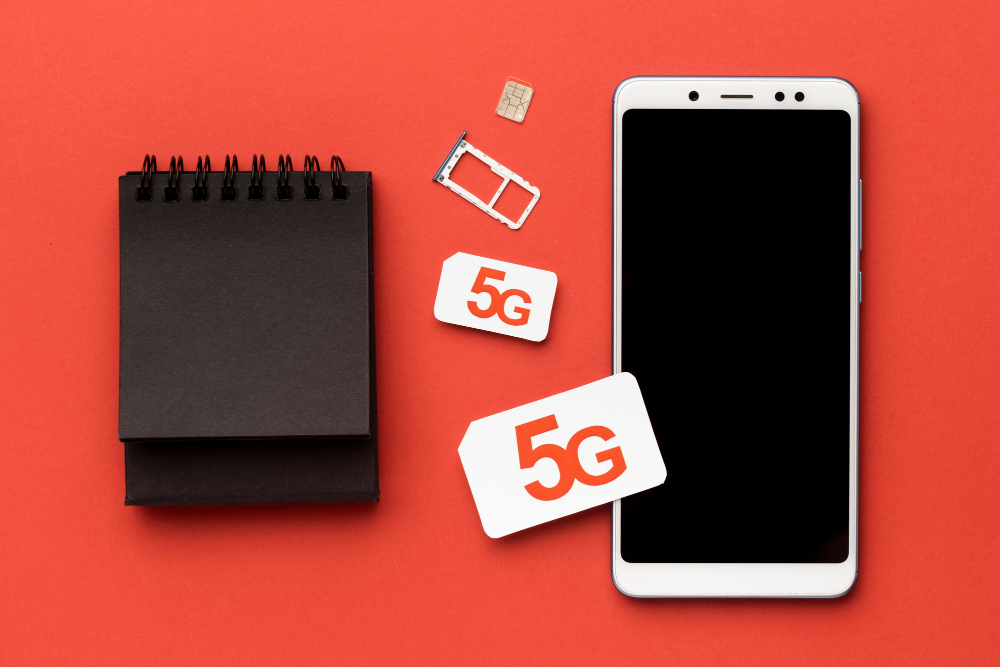
Almost every serious connectivity problem abroad comes from the same misunderstanding: people optimise for cheap data and then find that something which only ever speaks to their original number has stopped working. Banks, government portals, airlines and email recovery send one-time codes by text, often with no alternative, and a number that is switched off or in a replaced handset makes those accounts unreachable in a way that cannot be fixed from abroad without the code. Moving the important accounts to an authenticator app before travelling, with recovery codes held somewhere other than the phone, is the single preparation that makes the rest of it a matter of price.
Two settings are worth checking before you fly: data roaming off, so a border or a ferry cannot register you on a network outside every agreement, and a spend cap arranged with the operator rather than on the handset.
Like our content? Follow us for more.