

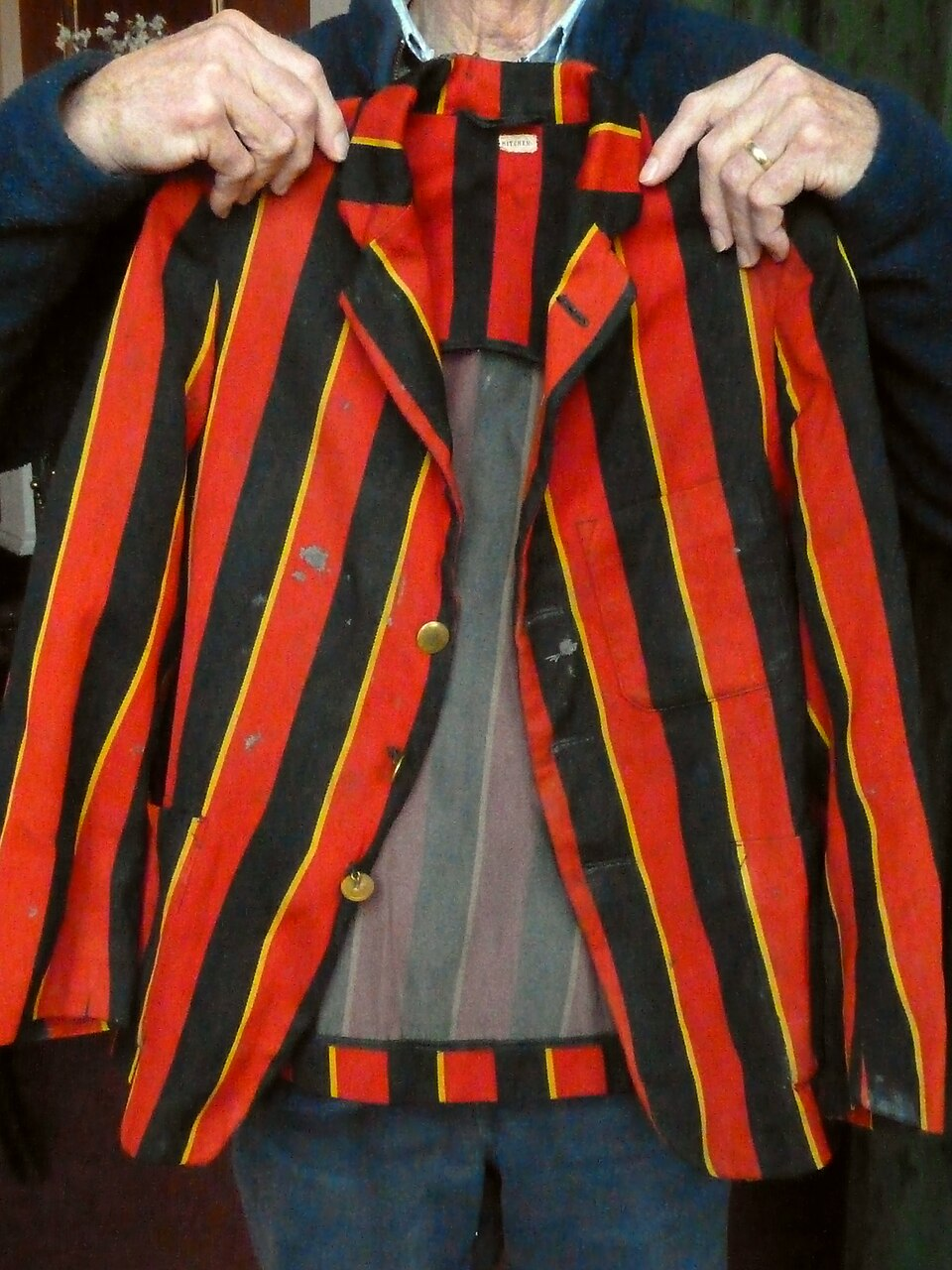
A uniform list in 1964 was a procurement schedule with a named supplier, not a suggestion. Here are fifteen things on it that had to be bought exactly.
1. The list was printed and it was a specification, not a suggestion
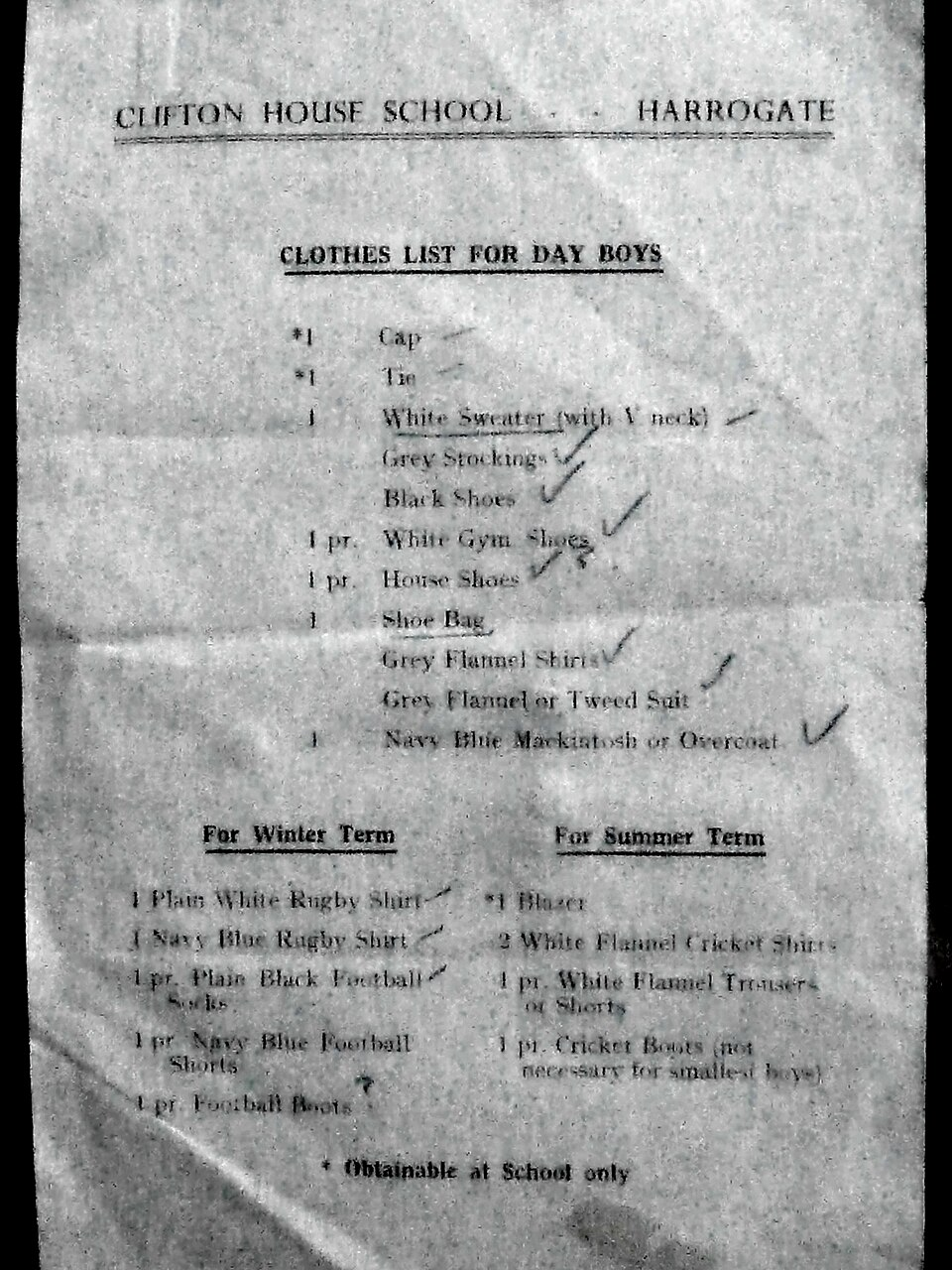
A school issued a uniform list as a document: every garment, the colour, the material in some cases, the quantity required, and frequently the shop that sold it.
It read like a procurement schedule because that is what it was. A family was not being advised what to buy; they were being told, item by item, and compliance was checked.
Schools still publish uniform requirements and the character of the document has changed substantially: fewer compulsory branded items, more items specified by colour and type rather than by supplier, and in a number of jurisdictions a legal duty to keep the cost down and to limit branded requirements. The list became a policy with a cost test attached.
Like our content? Follow us for more.
2. One shop usually sold it and there was no alternative

A great many schools named a single outfitter, and that shop held the exclusive supply of the blazer, the badge, the tie, the cap and anything else carrying a school marking.
That is a monopoly on a compulsory purchase, and the price reflected it. Families had no competitive option for the items that mattered most, and the shop’s stock position in August determined whether a child started term correctly dressed.
Single-supplier arrangements are now restricted or discouraged in a number of jurisdictions, with requirements to allow more than one retailer, to keep branded items to a minimum and in some systems to demonstrate that the arrangement is in families’ interest. It is the single most consequential change in the economics of school uniform. It is the single most consequential change in the economics of school uniform. A list that can be filled from a supermarket and a sew-on badge costs a fraction of a list that can only be filled from one shop, and the difference falls entirely on the household.
3. The blazer carried a badge and the badge was the whole point
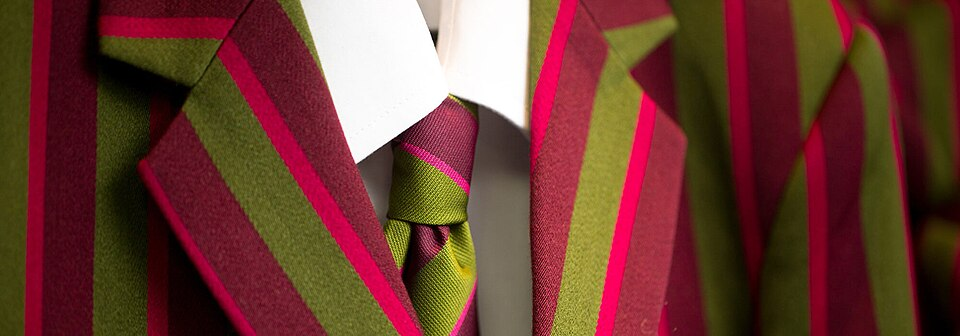
The item that could not be substituted was the blazer with the school’s badge, embroidered or as a sewn-on patch, because that was the marker of the institution and the thing an inspection looked for.
Everything else on a list could in principle be a generic garment of the right colour; the badge could not, which is why it was the expensive item and the one bought from the named shop.
The modern restriction on branded items targets exactly this. Where a school requires a badge, the approach now favoured is an iron-on or sew-on badge applied to a generic garment, which collapses the cost difference and is why so many schools have moved to it.
4. Caps were compulsory and were the first thing to go
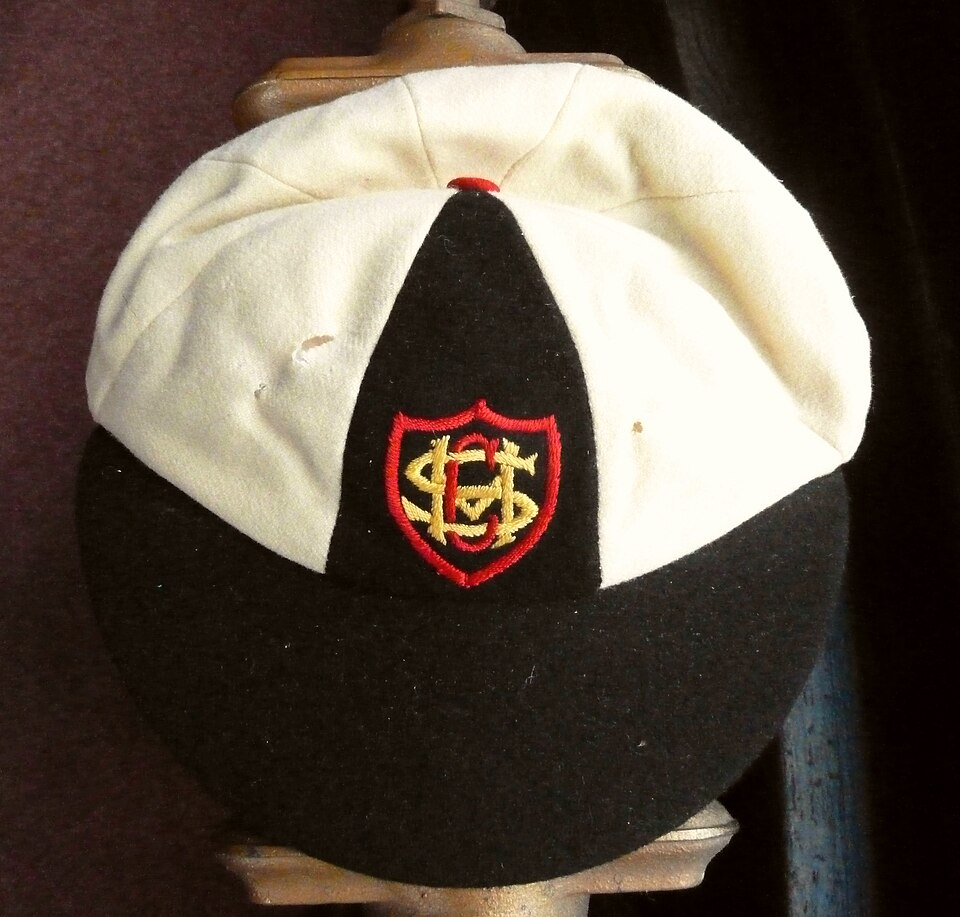
A cap was on a great many lists, was required to be worn to and from school, and was the subject of more enforcement than almost any other item.
It disappeared from school uniform almost completely over the following two decades, faster than any other garment, and nothing replaced it.
That is unusual and worth noticing: most uniform items evolved, and the cap was simply abandoned. It survives in a handful of schools as a deliberate tradition rather than as a requirement anybody defends on practical grounds. It survives in a handful of schools as a deliberate tradition rather than as a requirement anybody defends on practical grounds. Nobody has ever produced an argument for a school cap that did not rest on it being the way things were done.
5. Indoor and outdoor shoes were two separate purchases
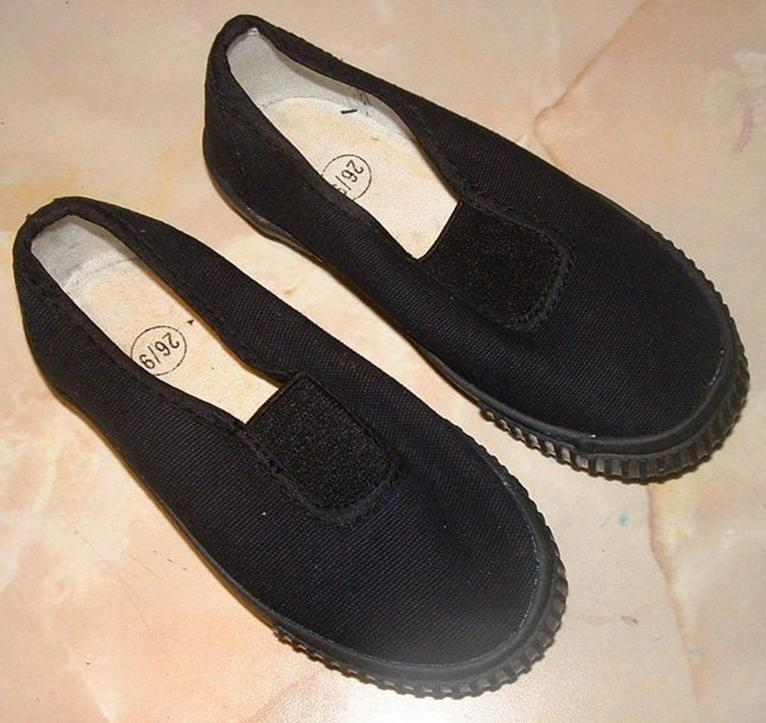
A great many lists required both outdoor shoes and a separate pair of indoor shoes or plimsolls, changed at the cloakroom, which doubled the footwear requirement for every child in the school.
The reason was the floor: a school with parquet or boards and no entrance matting had a real maintenance problem, and changing shoes solved it at the families’ expense.
Indoor shoes have largely disappeared outside specialist settings, because entrance matting, washable flooring and modern cleaning made the practice unnecessary. The cost fell on families and the saving went to the school, which is a transfer worth noticing.
6. Name tapes had to be sewn into everything
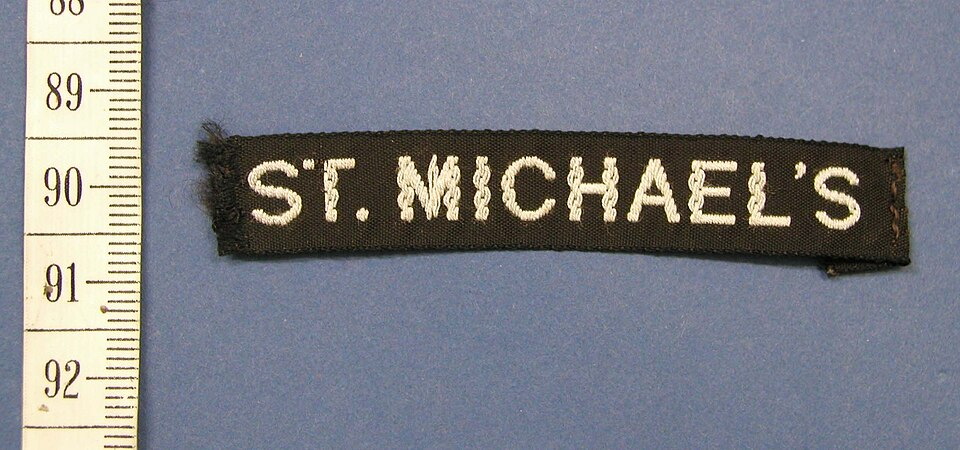
Every garment required the child’s name, and the standard method was a woven name tape ordered in bulk and sewn in by hand, into each item, by somebody at home.
That is several hours of work per child per year, performed almost entirely by mothers, and it was simply assumed as part of the arrangement.
Iron-on labels, printed labels, stick-on labels and marker pens have replaced it, and the requirement to label is unchanged because a school with four hundred children and no labels cannot return anything. The labour was reduced by a factor of twenty and nobody has suggested going back. The labour was reduced by a factor of twenty and nobody has suggested going back. It is the clearest example in this batch of unpaid domestic work that a cheap product simply eliminated, and the people who did it are the ones most pleased about it.
7. Gym kit was specified separately and was its own list
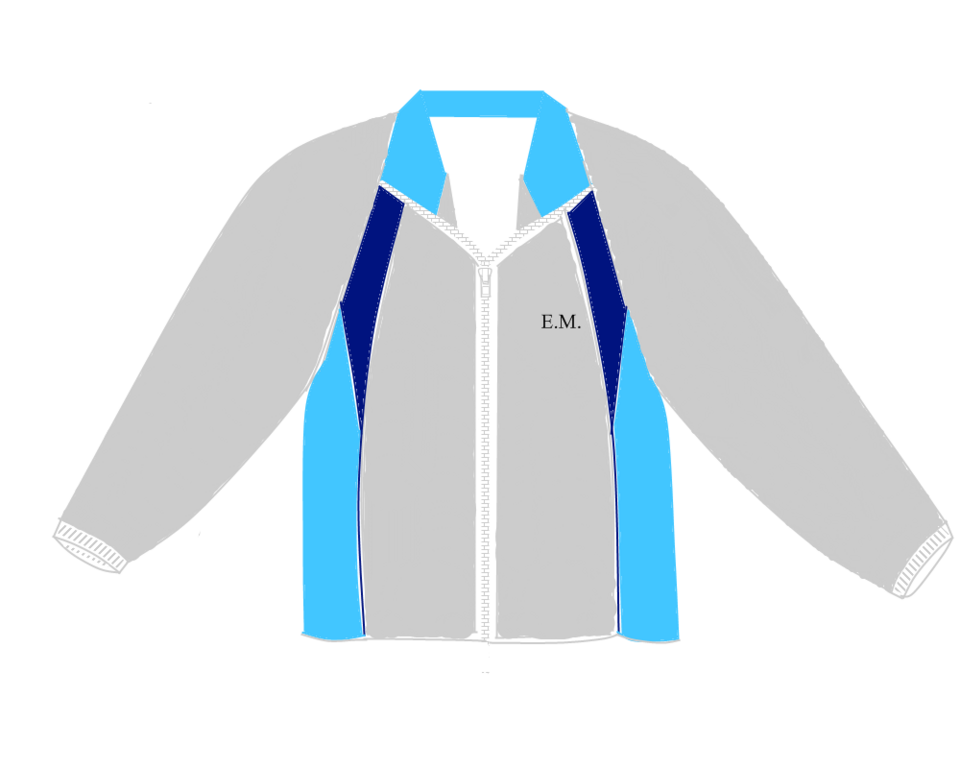
Physical education required its own set: a shirt, shorts or a tunic, plimsolls, a bag, and in some schools a separate set for outdoor games, all specified and all additional.
That effectively meant two uniforms, and the second one was used twice a week and outgrown at the same rate as the first.
Schools now generally specify physical education kit in plain colours and types rather than as branded items, and a number have reduced it to a single set usable indoors and out. This file makes no comment about any child’s appearance, body or participation in physical education, and the subject here is the purchase list.
8. The coat was specified too, and it was gabardine

A great many lists named the outdoor coat, in a stated colour and frequently a stated material, which meant a family could not simply use a coat they already had.
That is the item that most directly affected a household’s winter, because a child needs a warm coat whether or not it is the right one, and a list that specifies it forecloses the cheaper option.
Outerwear is now rarely specified beyond a request for plain colours, and in many schools not at all, which is one of the quieter and more significant relaxations in school uniform policy.
9. Everything was bought big and worn for years
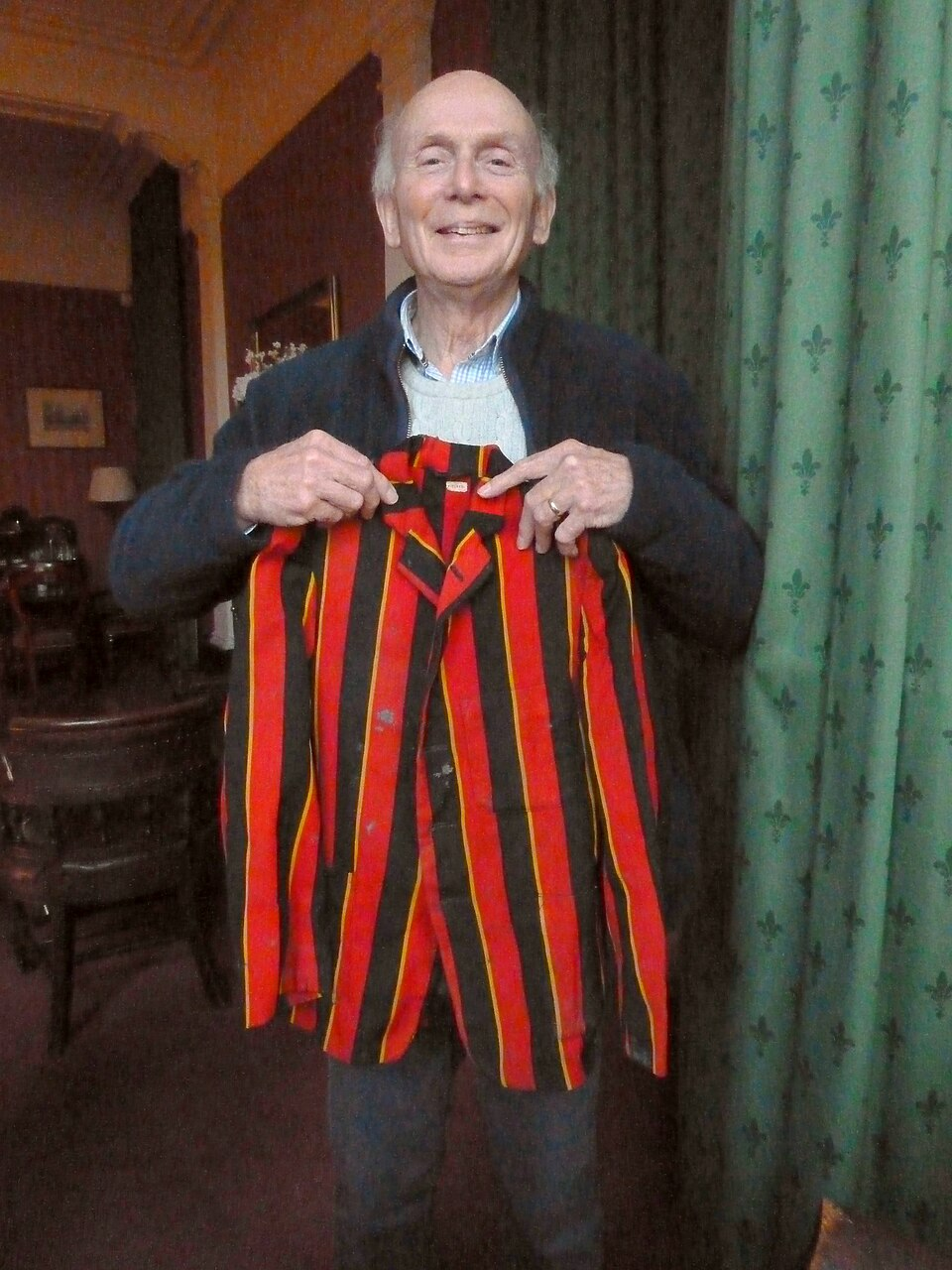
The standard practice was to buy a size or two above, so a blazer was worn with the sleeves turned up in the first year and strained across the shoulders in the third, and a child was rarely wearing anything that fitted.
That was a rational response to cost and growth and it was universal, and it is why photographs of the period show children in garments that are visibly the wrong size in both directions.
Schools now generally understand this and accommodate it, and the practice continues wherever uniform is expensive. It is the clearest indicator in any school photograph of what a uniform cost relative to a household income.
10. Second-hand was how most families managed and it was informal
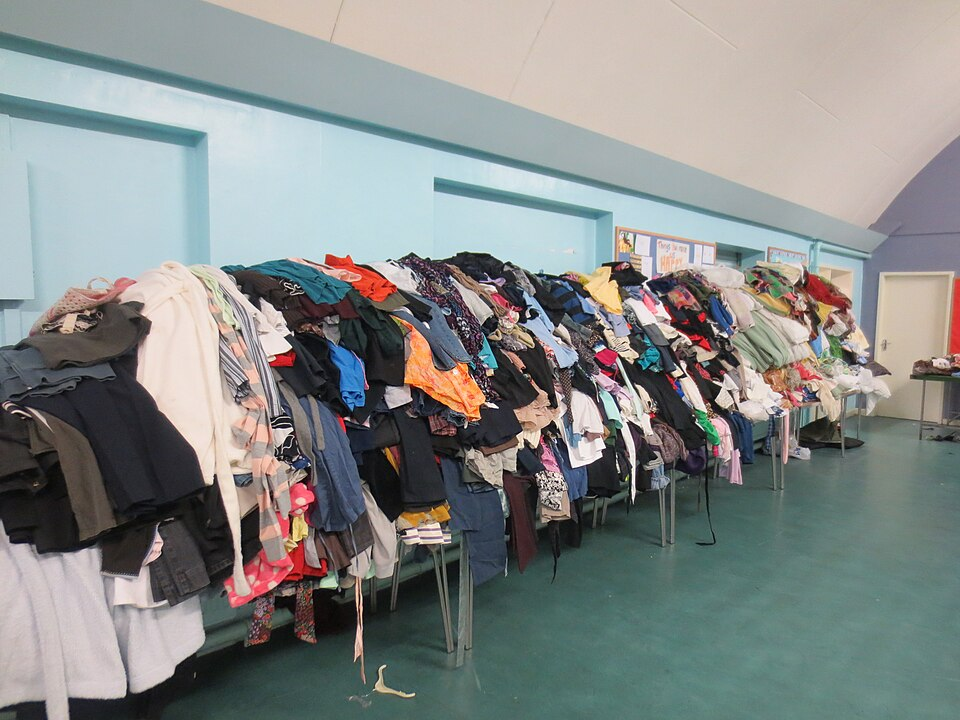
Uniform passed between siblings, between neighbours and through a jumble sale or a sale organised by the parents’ association, and the second-hand market was the mechanism that made a specified list affordable at all.
It was also unreliable: whether a garment in the right size existed at the right time was luck, and a family that missed the sale bought new.
Schools now frequently run organised second-hand provision, with a stocked store, published arrangements and in some systems a duty to make second-hand items available. Making the informal market an institution is a straightforward improvement. Making the informal market an institution is a straightforward improvement. It also removes the awkwardness, because a school store with a published opening time is a place anybody can use without it being a statement about their circumstances.
11. Non-compliance had consequences and they fell on the child
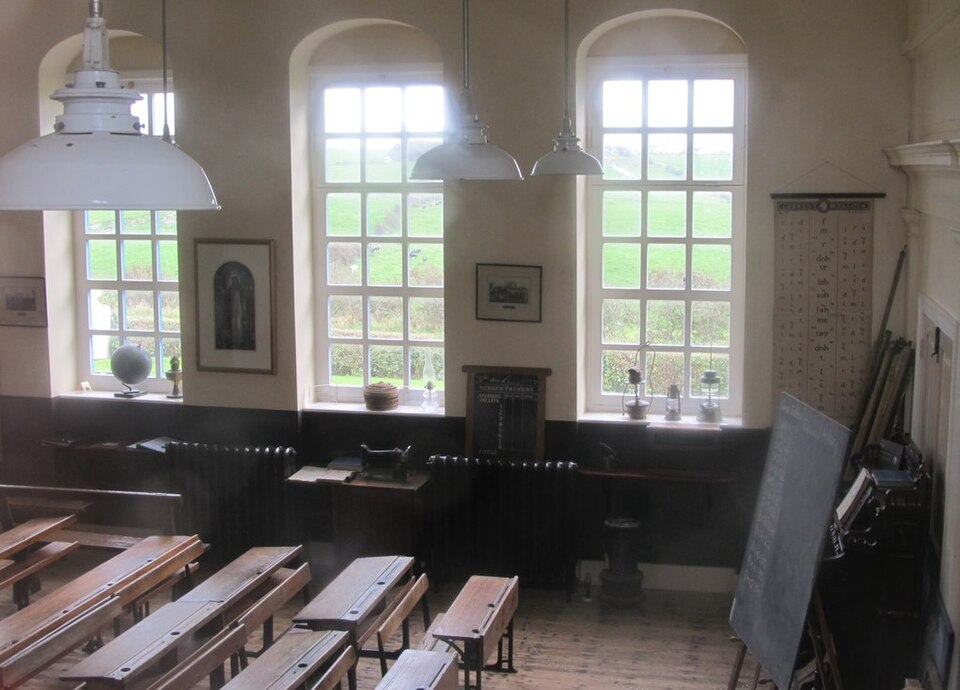
Uniform was enforced, the enforcement was directed at the pupil rather than at the family, and a child in the wrong garment answered for a decision they had not made and frequently could not explain.
That is the aspect of the whole arrangement that is hardest to defend, and it was understood at the time by a good many teachers who made quiet exceptions.
Modern uniform policy is expected to recognise the difference between a pupil’s choice and a family’s circumstances, with discretion, support, loan items and a route to assistance rather than sanction. This file describes no sanction, names no practice and recounts no case, and the point is where the consequence landed.
12. The cost arrived all at once, in August
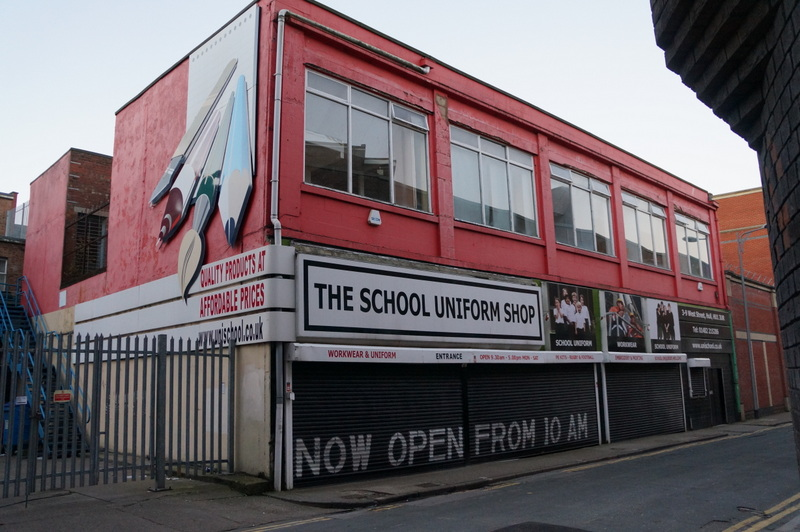
The entire list had to be bought before the start of term, in a single period, alongside shoes, a bag and everything else, which concentrated a substantial expense into a few weeks of the year.
For a household with more than one child changing school in the same year the concentration was severe, and the arrangements for help were patchy, locally variable and in many places required an application most families did not know existed.
Uniform assistance now exists in various forms, including grants, vouchers, school funds and charitable schemes, and the provision varies by country and by authority. This file names no scheme and gives no figures, and anybody who needs help with uniform costs should ask the school directly, which is the route that works and the one schools say is underused.
13. The list was a statement about what kind of school it was
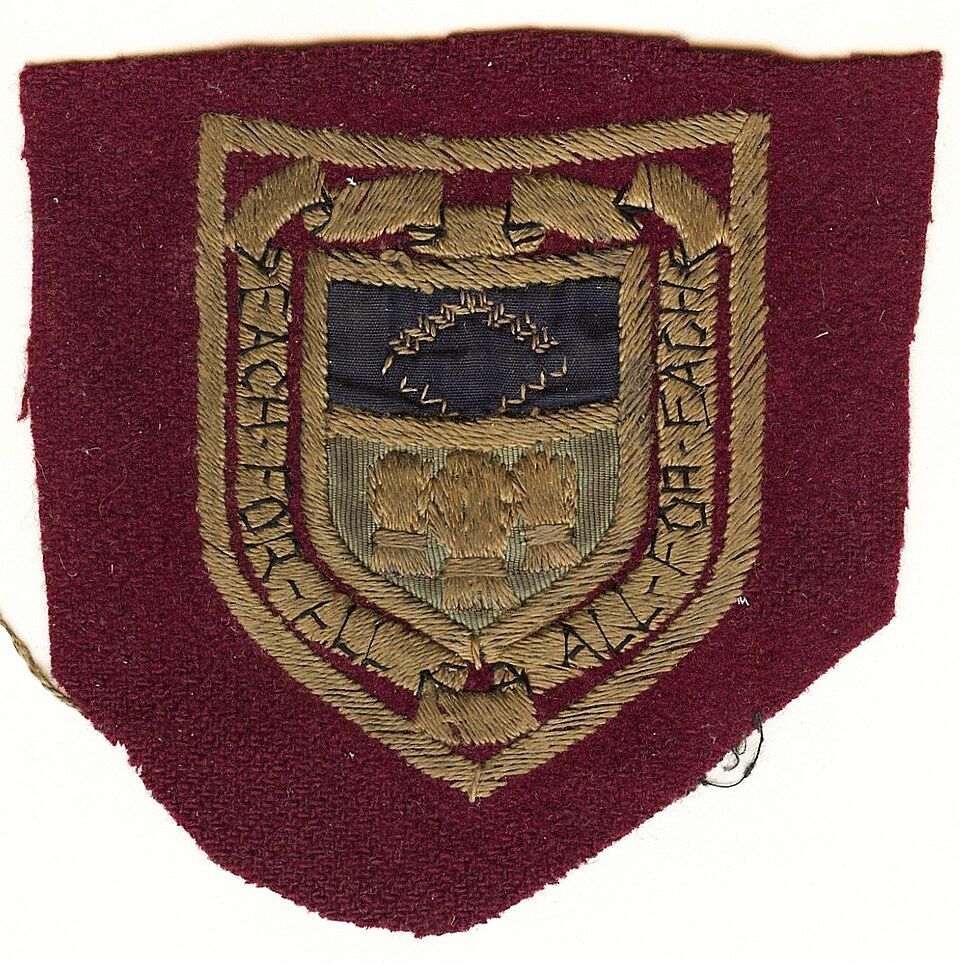
A long, specific, branded list signalled formality, tradition and expectation, and schools used it deliberately as a statement to parents about the institution they were choosing.
That signalling function is the reason uniform lists persisted long after the practical arguments for them had weakened, and it is still in play.
Uniform remains a live and genuinely contested question, argued about in terms of cost, equality, discipline, identity, comfort and whether it affects anything measurable, by people who disagree about the evidence. This file takes no position on school uniform, in any country, at any period.
14. Girls’ and boys’ lists were entirely separate documents
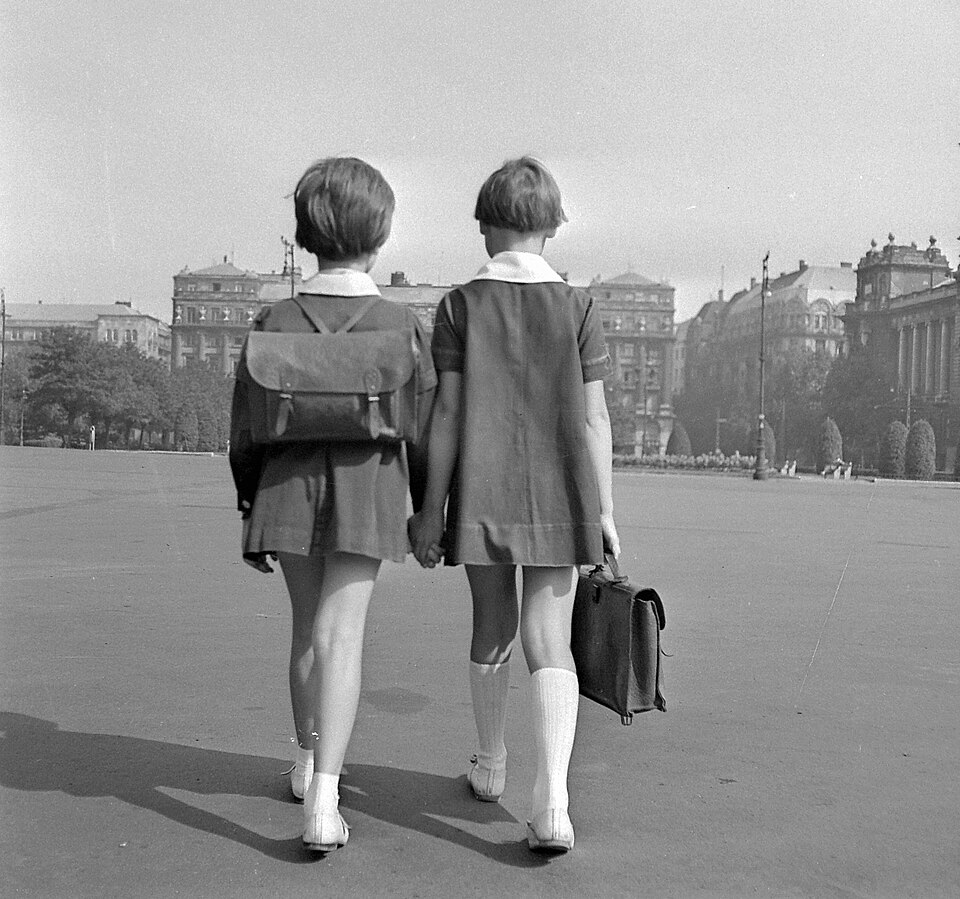
A 1964 list specified different garments by sex, with no choice available in either direction, and the arrangements for cold weather in particular differed sharply between them.
That has changed substantially, with a great many schools now publishing a single list of items any pupil may wear, and in some jurisdictions guidance or requirements to that effect.
It is one of the clearest and least arguable improvements in uniform policy, and it also solved a practical problem nobody had been willing to name. No garment is identified here and no comment is made about any pupil.
15. The uniform outlasted the school in a lot of households
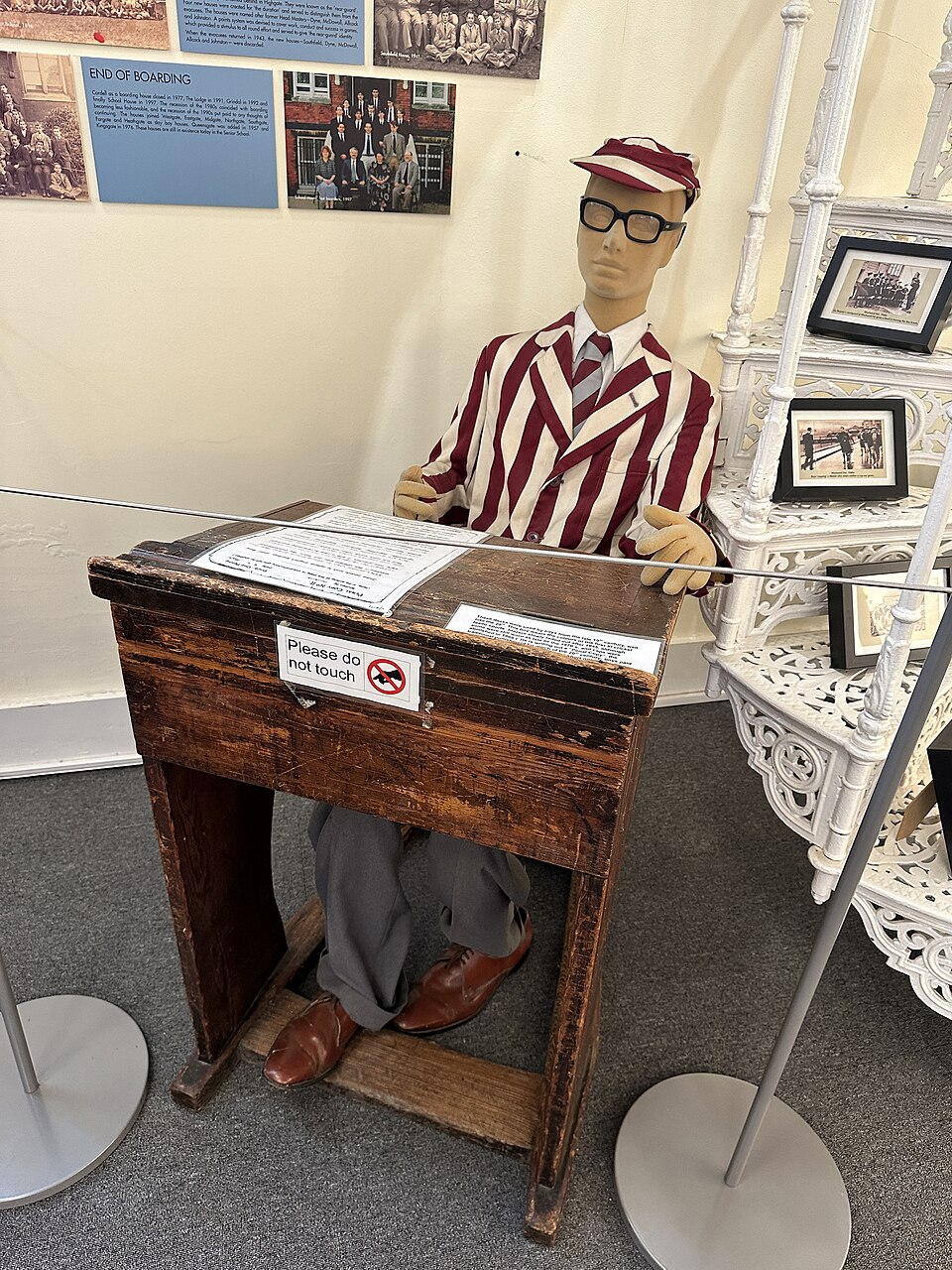
Blazers with badges, caps and ties survive in attics, in costume boxes and in school archives in very large numbers, because a garment with a badge on it is difficult to throw away.
That is why uniform is so well represented in local museum collections and why it is the thing most reliably produced at a school anniversary.
The summary: a 1964 uniform list was a printed specification naming every garment and frequently the single shop that sold it, with the badged blazer as the item that could not be substituted, a compulsory cap, separate indoor and outdoor shoes, a specified coat, a second gym kit and a woven name tape sewn by hand into everything; it was bought large and worn for years, made affordable by an informal second-hand market, concentrated into August, and enforced against the child rather than the family; and the decisive changes are the restrictions on branded items and single-supplier arrangements, the duty in a number of jurisdictions to keep costs down, organised second-hand provision, and single lists that any pupil may wear.
The economics changed, not the garments

Most of the items are recognisable and some are unchanged. What has been reformed is the money. Single-supplier arrangements are now restricted or discouraged in a number of jurisdictions, branded items are to be kept to a minimum with an iron-on badge on a generic garment the favoured approach, there is a legal duty in several systems to keep the cost down, second-hand provision has been turned from a jumble sale into a stocked store with published arrangements, and separate boys’ and girls’ lists have largely become one list any pupil may wear. The cap simply vanished, which no other garment did.
If you need help with uniform costs, ask the school directly. Grants, vouchers, school funds and charitable schemes exist in various forms and vary by country and authority, and schools consistently say the help available is underused.
Like our content? Follow us for more.
