

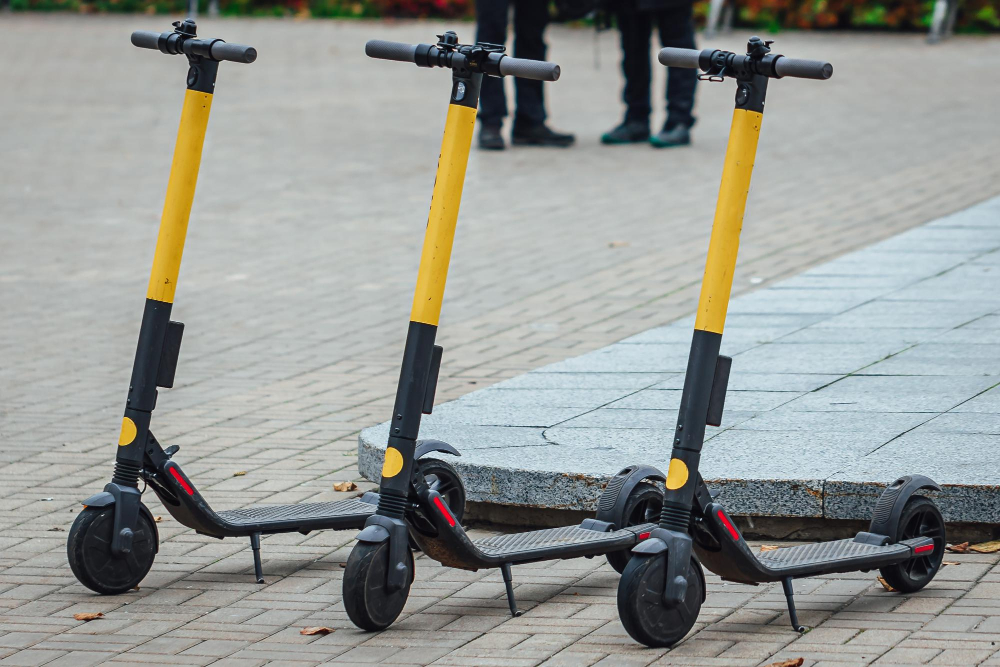
Hiring a bike or a scooter abroad is a legal question before it is a convenience, and the answer changes by city. Here are fifteen rules travellers meet.
1. Electric scooters are prohibited outright in some countries and cities

Private and rental electric scooters are banned in some jurisdictions, restricted to private land in others, permitted only as part of a licensed rental scheme in others again, and freely allowed in the rest.
That means the first question is not where to hire one but whether riding one is lawful where you are, and the answer changes by country and frequently by city within a country.
Some cities that ran rental schemes have since ended them by referendum or by council decision, so a scheme that existed on a previous visit may be gone. The city authority and the national transport ministry publish the current position, and this file names no country, no city and no scheme. The city authority and the national transport ministry publish the current position, and this file names no country, no city and no scheme. A search for the city’s name and the word micromobility usually finds the page in one go, and it is the only source that is current.
Like our content? Follow us for more.
2. American travellers meet a far stricter regime than at home

In much of the United States electric scooters and bicycle rental schemes operate under local ordinance with relatively light requirements, and in a great many cities a visitor can release one with a card and ride immediately.
Abroad the same vehicle may require a driving licence, a minimum age, registration, insurance, a helmet by law, and may be prohibited from the places an American rider would expect to use.
So the instinct that a rental scooter is a casual, unregulated convenience is specifically an American instinct, and it is the single most common reason visitors are fined. Checking the local rules takes a few minutes and is the whole of the advice this file offers.
3. Some classes of vehicle need a driving licence

Where an electric scooter or a more powerful electric bicycle is classified as a motor vehicle, a licence appropriate to the class may be required, and in some countries a visitor needs an international driving permit alongside their own licence.
The classification depends on the vehicle’s power and assisted speed rather than on what it looks like, so two superficially identical machines can fall on opposite sides of a legal boundary.
The rental operator should state the requirement and in a well-run scheme will check it, but the obligation rests on the rider. The national transport authority publishes the classifications, and this file gives no threshold because the thresholds differ. The national transport authority publishes the classifications, and this file gives no threshold because the thresholds differ. Where a scheme operates two kinds of machine, the heavier or faster one is the one more likely to carry a requirement, and the app usually says which is which.
4. Helmet requirements are law in some places and are enforced

Helmet use for scooters and for bicycles is mandatory in some jurisdictions, mandatory below a certain age in others, and not required at all elsewhere, with enforcement that varies from routine to none.
Whether helmet wearing should be required is a long and genuine argument among researchers, cycling organisations and public health bodies, and this file takes no position on it, in any country, at any period.
What is relevant to a traveller is narrower: find out whether it is a legal requirement where you are riding, and whether the rental includes one, because a great many schemes do not supply helmets at all.
5. Age limits apply and the app may not check them

Minimum ages for riding a rental scooter or a hire bicycle are set locally and are frequently higher than travellers assume, and in some jurisdictions a minor may not ride one at all regardless of supervision.
An app that accepts a payment card is not verifying anybody’s age, and an operator’s terms placing the obligation on the account holder do not change the law.
For families this is the item that matters most. The rules on who may ride, and whether a child may be carried on an adult’s vehicle, are set by local law and published by the city or the transport authority, and this file states no age and gives no advice about any child.
6. Where you may ride is the rule most often broken
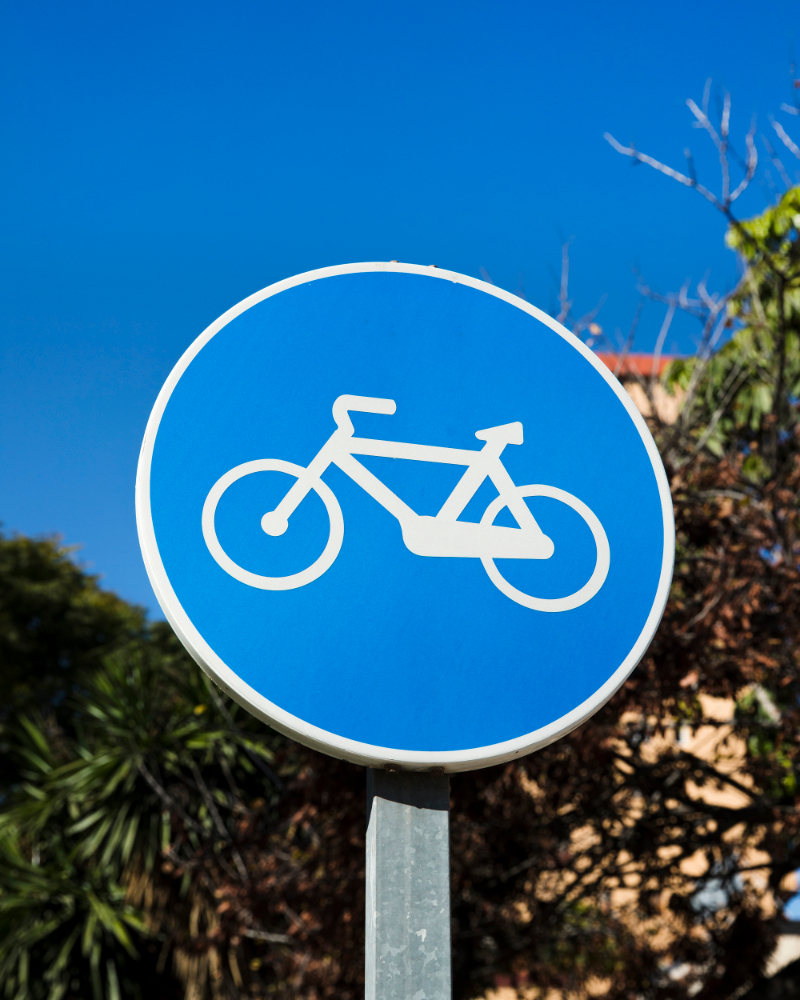
Riding on the pavement is prohibited in most places, and whether a scooter belongs on the road, in a cycle lane, in a bus lane or in a pedestrian zone differs by jurisdiction and sometimes by street.
Visitors get this wrong because the vehicle feels like a pedestrian object and the surrounding city treats it as a vehicle, and enforcement against pavement riding has been a priority in a number of cities precisely because of the conflict with people on foot.
The city’s own cycling and micromobility pages set out where riding is permitted, usually with a map, and that is the source. This file gives no riding instruction and names no place.
7. Parking it badly is a separate offence from riding it badly
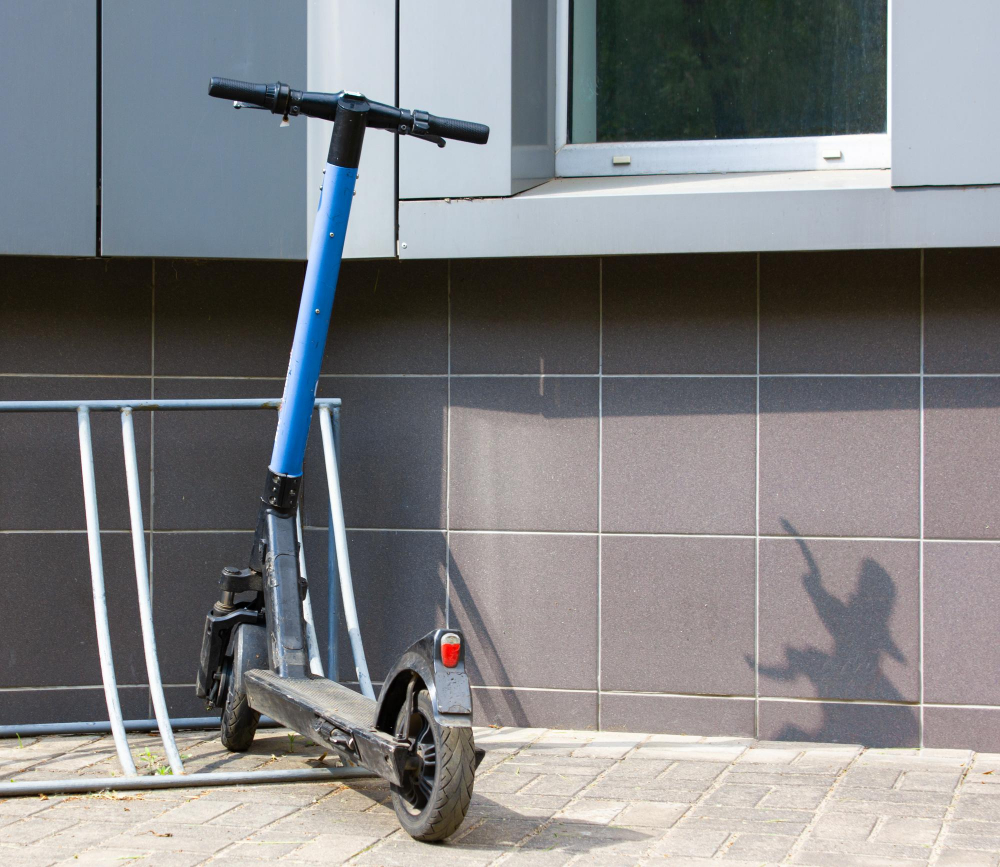
Free-floating schemes require the vehicle to be left in a permitted place, and cities have introduced designated bays, prohibited zones, and fines or charges for a vehicle left obstructing a footway, an entrance or a crossing.
The charge usually falls on the last rider through the app, which means a traveller can incur a penalty hours after finishing, for a vehicle they left in what looked like a reasonable spot.
The end-of-hire photograph most apps now require exists for exactly this reason and is worth taking carefully. Where the scheme is dock-based the question does not arise, which is one of the practical advantages of docks.
8. The app usually needs a local payment method and sometimes identification
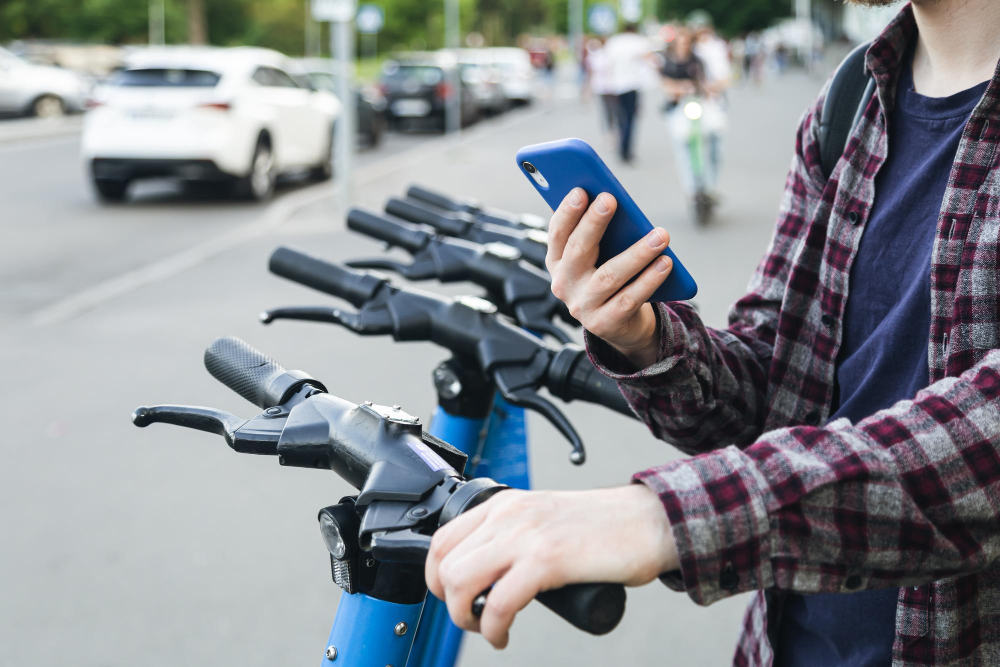
Registration commonly requires a payment card the scheme accepts, a mobile number that can receive a verification code, and in some jurisdictions identity or licence verification before the first ride.
That combination defeats a good many visitors: a foreign card declined, a code sent to a number that is switched off abroad, or an identity check that cannot be completed on the spot.
Setting the account up before travelling, where the scheme allows it, removes the problem. This is the same connectivity issue the series has covered elsewhere and it bites hardest on arrival at a station with luggage. This is the same connectivity issue the series has covered elsewhere and it bites hardest on arrival at a station with luggage. Downloading the app and completing registration at home, over a connection you trust, converts it from a problem into a formality.
9. A deposit or a pre-authorisation is held and it reduces your balance
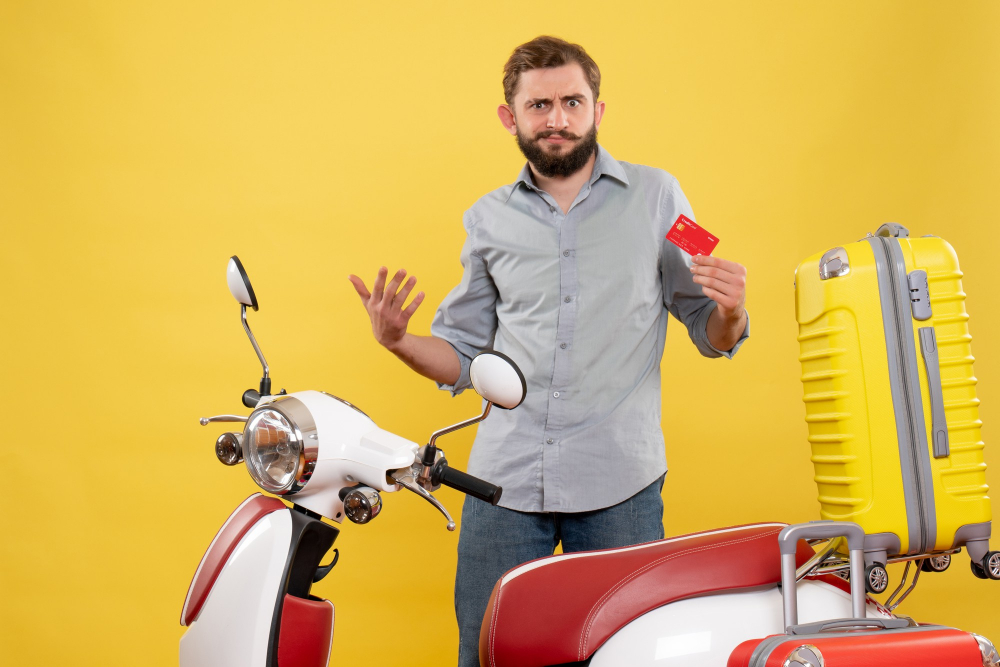
Most schemes take a pre-authorisation against the card, and some take a refundable deposit, which is released after the ride or after a period and in the meantime reduces the funds available.
On a trip budgeted close to the limit, several simultaneous pre-authorisations across several services add up, and a declined payment later in the day is frequently caused by them.
The amount, the hold period and the release timing are in the scheme’s terms, and a traveller using several schemes should expect the holds to overlap. This file names no amount. The amount, the hold period and the release timing are in the scheme’s terms, and a traveller using several schemes should expect the holds to overlap. This file names no amount. The practical consequence is that a card used for several schemes in a day is not a good card to rely on for an evening meal.
10. Damage and loss charges are in the terms and can be substantial
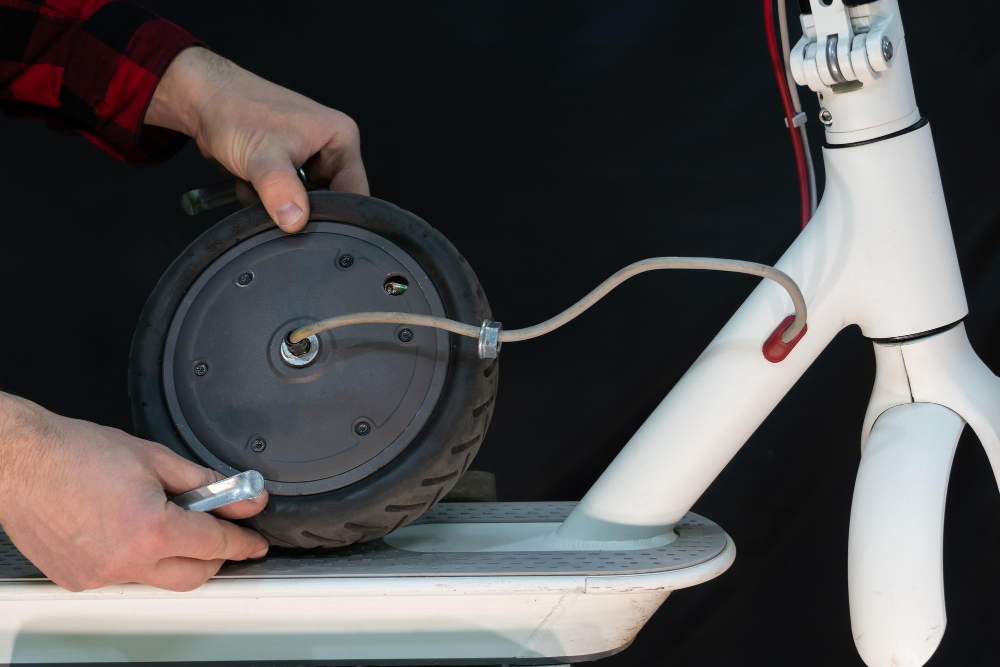
If the vehicle is damaged, lost or not returned, the rider is liable under the hire agreement, and the charge is set by the operator rather than by the value of the machine.
Whether that liability is covered by anything else is the important question, and the answer is frequently no: many travel insurance policies exclude the use of motorised vehicles, and a policy that covers a bicycle may not cover an electric scooter.
The policy wording and the hire agreement are the two documents that settle it, and reading the exclusions for motorised vehicles before hiring anything is the step most travellers skip.
11. Theft during a hire is the rider’s problem in most schemes
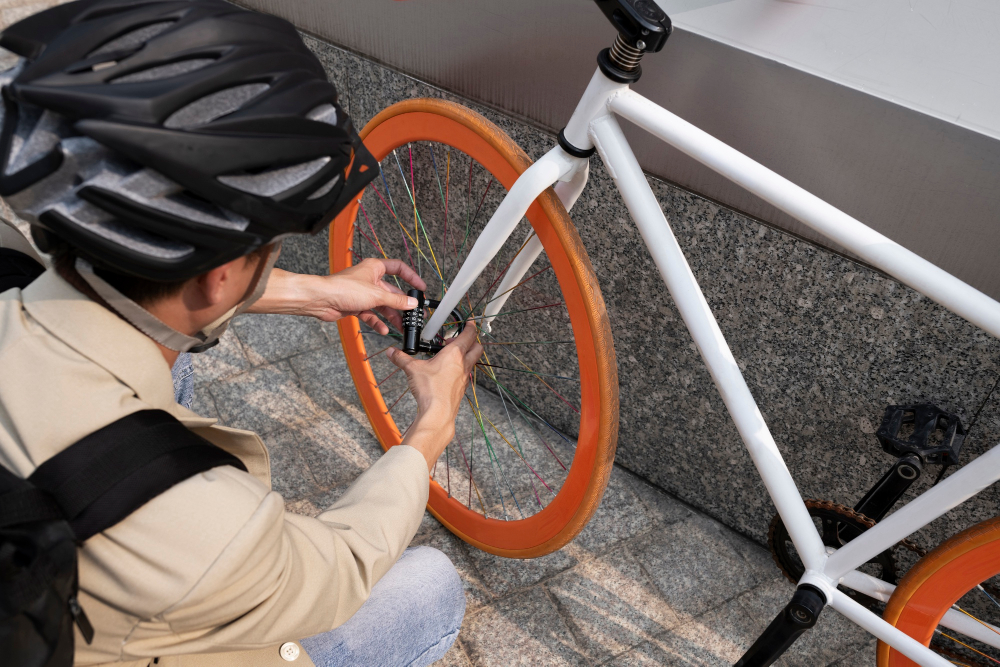
If a hired bicycle is taken while the hire is active, the terms generally make the rider responsible, sometimes up to a stated maximum and sometimes in full.
That changes how a traveller should treat a hire bicycle left outside a cafe, and it is why schemes with docks and short-hop pricing are often the better choice for a day of errands.
The lock supplied, if any, and the procedure for reporting a theft are set out in the terms, and a police report is usually required for any claim. The series’ file on reporting a theft abroad covers that procedure and this file does not repeat it.
12. Drink-driving law applies to these vehicles in many jurisdictions
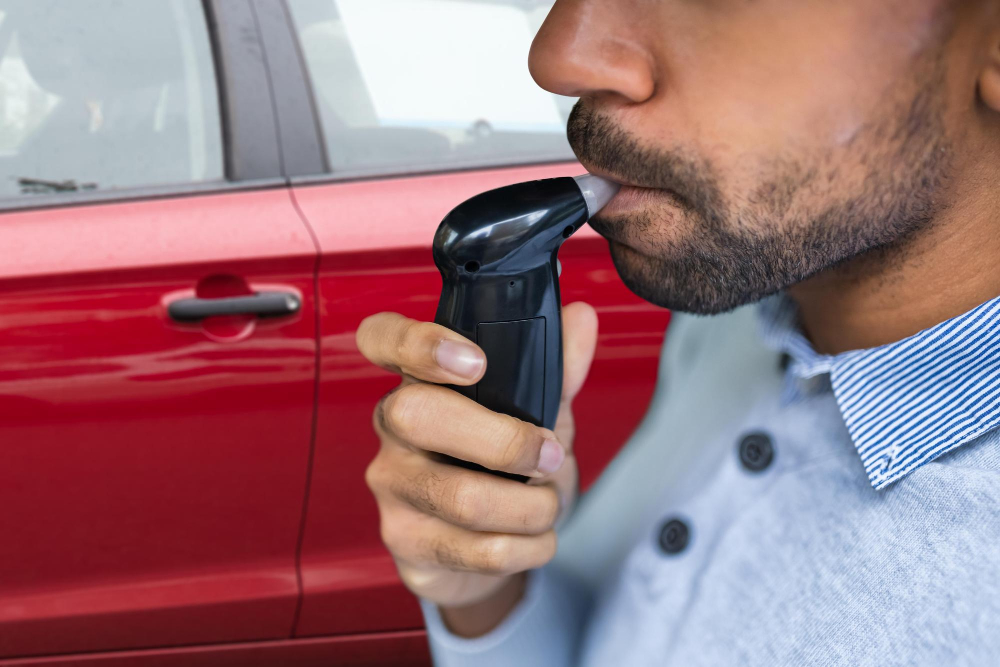
In a number of countries an electric scooter is a motor vehicle for the purposes of drink and drug driving law, which means the same limits, the same testing and the same penalties apply as to a car, including possible endorsement of a driving licence.
That catches visitors badly, because the vehicle is rented casually, is used in the evening, and does not feel like driving.
The national position is published by the transport or justice authority and this file states no limit, gives no advice and takes no position. The relevant fact for a traveller is simply that the question exists and that assuming otherwise has consequences.
13. One rider per vehicle, and it is enforced

Carrying a passenger on a rental scooter is prohibited in essentially every scheme and in most jurisdictions, and it is one of the most visible and most frequently penalised breaches.
It is also the one most travellers see other people doing, which makes it look permitted, and tourists in particular are penalised for it because enforcement concentrates where visitors concentrate.
The scheme’s terms and the local traffic rules both prohibit it, and this file gives no further detail because none is needed. The scheme’s terms and the local traffic rules both prohibit it, and this file gives no further detail because none is needed. It is also the breach most likely to void any cover the hire agreement provides, which is a consequence travellers rarely consider.
14. Geofencing stops the vehicle and that is a feature
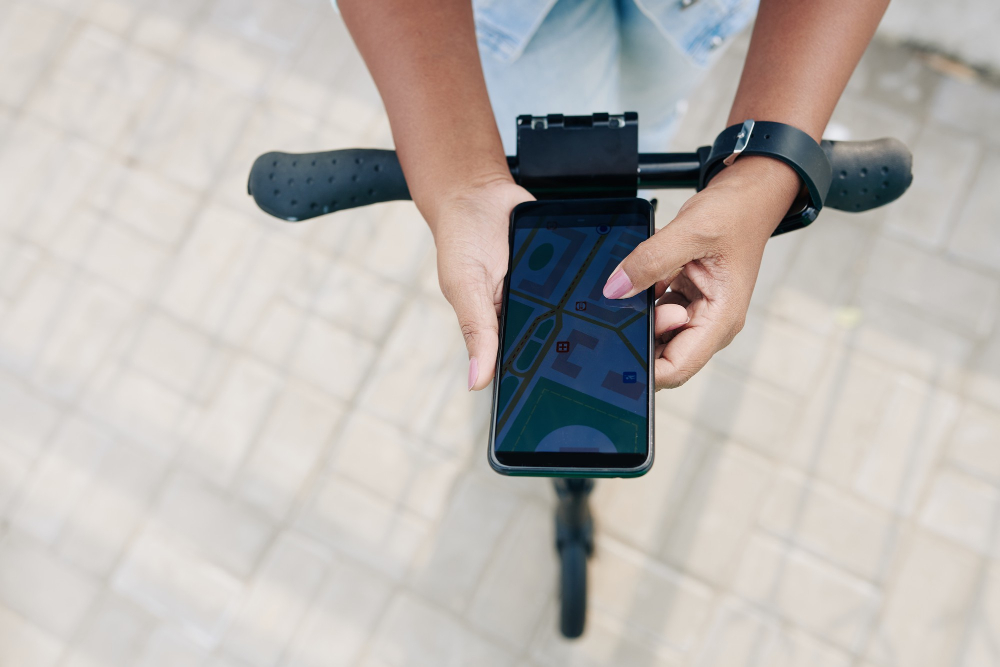
Many schemes use location limits so that a vehicle slows or stops in restricted zones, will not end a hire outside the operating area, and may refuse to start in a prohibited district.
A vehicle slowing unexpectedly is usually the system working rather than a fault, and travellers unfamiliar with it conclude the machine is broken.
The operating area and the restricted zones are shown in the app, and looking at the map before setting off prevents the specific and common problem of being unable to end a hire where you have arrived.
15. The cheapest option is frequently the city’s own hire scheme
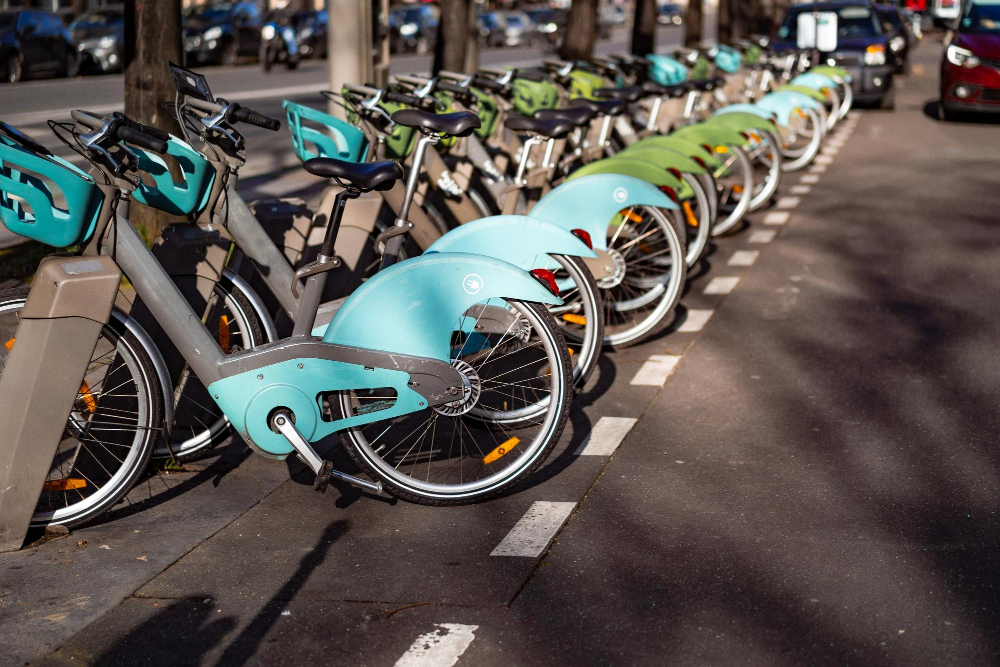
Many cities run a public bicycle scheme alongside the commercial operators, with docks, a day or short-term pass, and pricing designed for short journeys rather than for leisure hire.
For a visitor making several short trips that is usually the cheapest and simplest arrangement, and the pass is frequently sold in the same place as a transport ticket.
The summary: establish whether the vehicle is lawful where you are before anything else, because electric scooters are prohibited in some places entirely; expect a licence requirement, a minimum age, a helmet law or all three in some jurisdictions; know that pavement riding is prohibited almost everywhere and that parking it badly is a separate charge levied through the app; set the account up before you travel because registration needs a card and a code; read your travel insurance for the motorised-vehicle exclusion before hiring anything; and assume drink-driving law applies, because in a number of countries it does.
Lawful first, cheap second

The American instinct that a rental scooter is a casual, lightly regulated convenience is specifically an American instinct, and it is the most common reason visitors are fined. Abroad the same machine may be prohibited outright, may be classified as a motor vehicle requiring a licence, may carry a helmet requirement with real enforcement, may have a minimum age the app does not check, and in a number of countries falls under drink-driving law with the same limits and penalties as a car. None of that is obvious from an app that releases a machine with a card. The city authority and the national transport ministry publish the position, and checking it takes a few minutes.
Two documents settle most disputes: the hire agreement, which makes you liable for damage, loss and theft during the hire, and your travel insurance policy, which may exclude motorised vehicles entirely. Read the exclusions before you hire anything.
Like our content? Follow us for more.

