It is imperative to prepare for potential shortages as several everyday items are on the verge of becoming obsolete or difficult to procure. These items are disappearing due to a confluence of factors, including evolving consumer preferences, technological advancements, and global supply chain disruptions. Staying informed about these trends can help mitigate the impact of these changes.
1. CDs and DVDs

Physical media such as CDs and DVDs are rapidly declining in relevance due to the overwhelming convenience and accessibility of streaming services. While a niche market for collectors still exists, mass-market appeal has diminished significantly. Stores are increasingly discontinuing sales, and production is shifting towards more specialized, collector-focused releases like 4K Blu-rays. This trend is driven by consumer preference for digital access and the evolving entertainment landscape, where on-demand streaming has become the dominant mode of consumption.
2. Cash

The prevalence of digital payment methods, including credit cards, debit cards, and mobile payment applications, is leading to a decline in the use of physical cash. Many consumers, particularly younger demographics, now rarely use cash for their daily transactions. This shift is further accelerated by the rise of e-commerce and contactless payments, which became even more prominent during the pandemic. While cash may persist for some time, its role as a primary medium of exchange is diminishing, with some major economies already showing single-digit cash usage.
3. Physical Keys

Traditional physical keys are being replaced by increasingly sophisticated digital and biometric access systems. Smart locks, smartphone-controlled entry, keypads, and voice or fingerprint recognition are becoming the norm in securing homes and vehicles. Younger generations may grow up without ever needing to use a physical key, as convenience and enhanced security offered by these modern solutions gain traction. The transition away from physical keys is a clear indicator of the broader trend towards a more integrated and automated living environment.
4. Bottled Water

The environmental impact of single-use plastic is a growing concern, leading to a significant push towards sustainable alternatives. While plastic packaging has been a convenient and cost-effective choice for many products, including bottled water, its ecological footprint is no longer sustainable. Consumers are increasingly opting for reusable options like stainless steel bottles and glass containers, and there’s a growing demand for biodegradable and compostable packaging. This shift away from plastic is driven by environmental consciousness and the availability of viable, eco-friendly alternatives.
5. Landline Telephones

The ubiquity of smartphones has rendered traditional landline telephones increasingly obsolete. While landlines once served as the primary communication device for households, they are now largely being phased out. AT&T, for instance, is planning to discontinue landlines in 2027. This transition is driven by the convenience, portability, and extensive features offered by mobile devices, which have become indispensable tools for communication, information access, and daily life management.
6. LCD Computer Monitors

The market for LCD computer monitors is facing a significant decline as consumers increasingly opt for laptops and tablets. While desktop computers are not expected to disappear entirely, they are becoming a niche product for specific users like gamers and some businesses. Shipments for desktop monitors are projected to remain flat, while laptops and tablets continue to grow in popularity, fulfilling many tasks previously handled by desktop setups. This shift reflects a broader trend towards more portable and versatile computing devices.
7. Specific Food Ingredients (e.g., Vanilla)
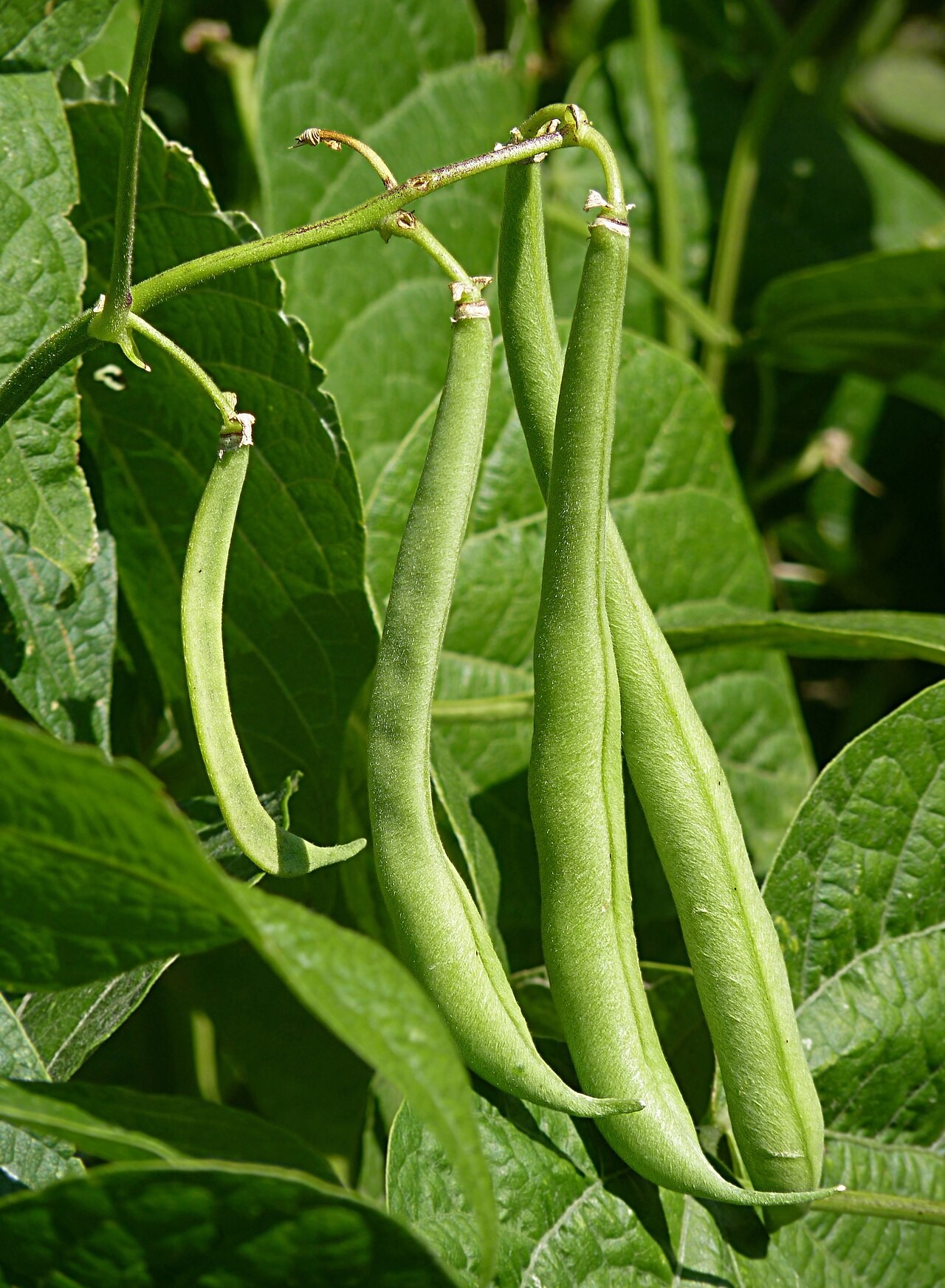
Global supply chain disruptions and climate change are posing significant threats to the availability of certain food ingredients. For example, two powerful cyclones in Madagascar, a major vanilla producer, wiped out a significant portion of vanilla orchids, leading to a 40% decrease in production and a sharp price increase for vanilla extract. Similar climate-related issues are impacting coffee and cocoa production, threatening global supplies. These vulnerabilities highlight the fragility of our food systems and the potential for specific ingredients to become scarce or prohibitively expensive.
8. Certain Breakfast Cereals
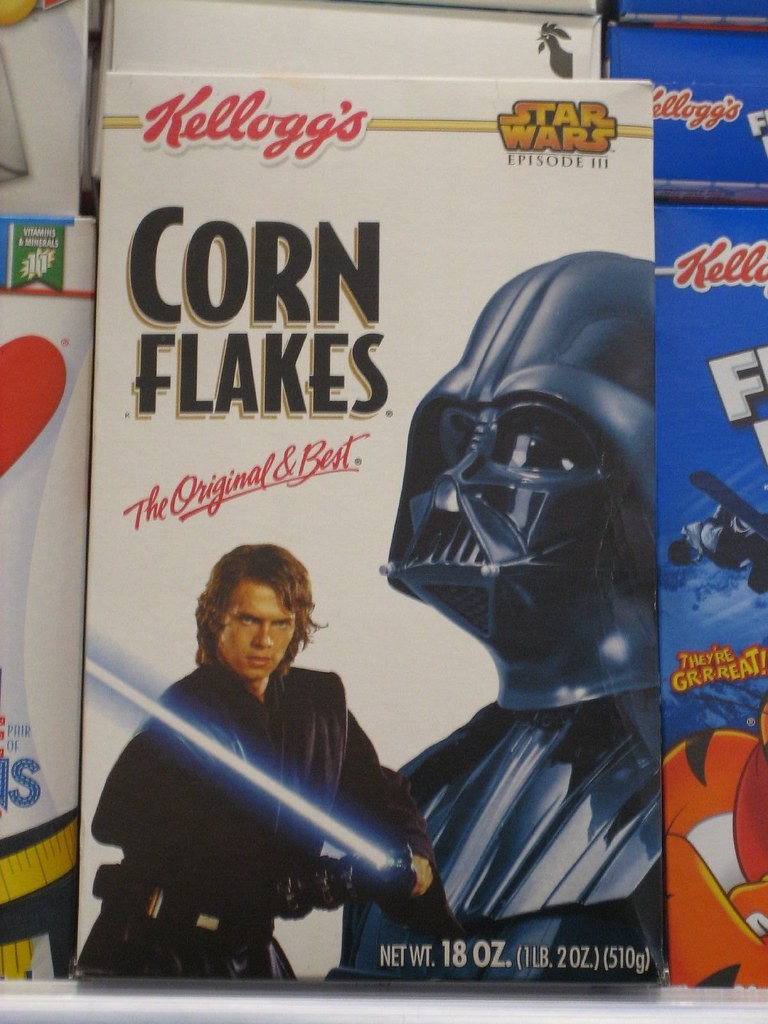
The breakfast cereal market is experiencing a notable decline, with major manufacturers discontinuing product lines due to falling sales and shifting consumer preferences. General Mills, for instance, has discontinued several of its Honey Nut Cheerios variants, reflecting a broader trend where consumers are eating less cereal, particularly sugary varieties. This decline is attributed to evolving perceptions of healthy eating and a move towards more health-conscious breakfast options, such as protein cereals and granolas.
9. Traditional Plastic Packaging
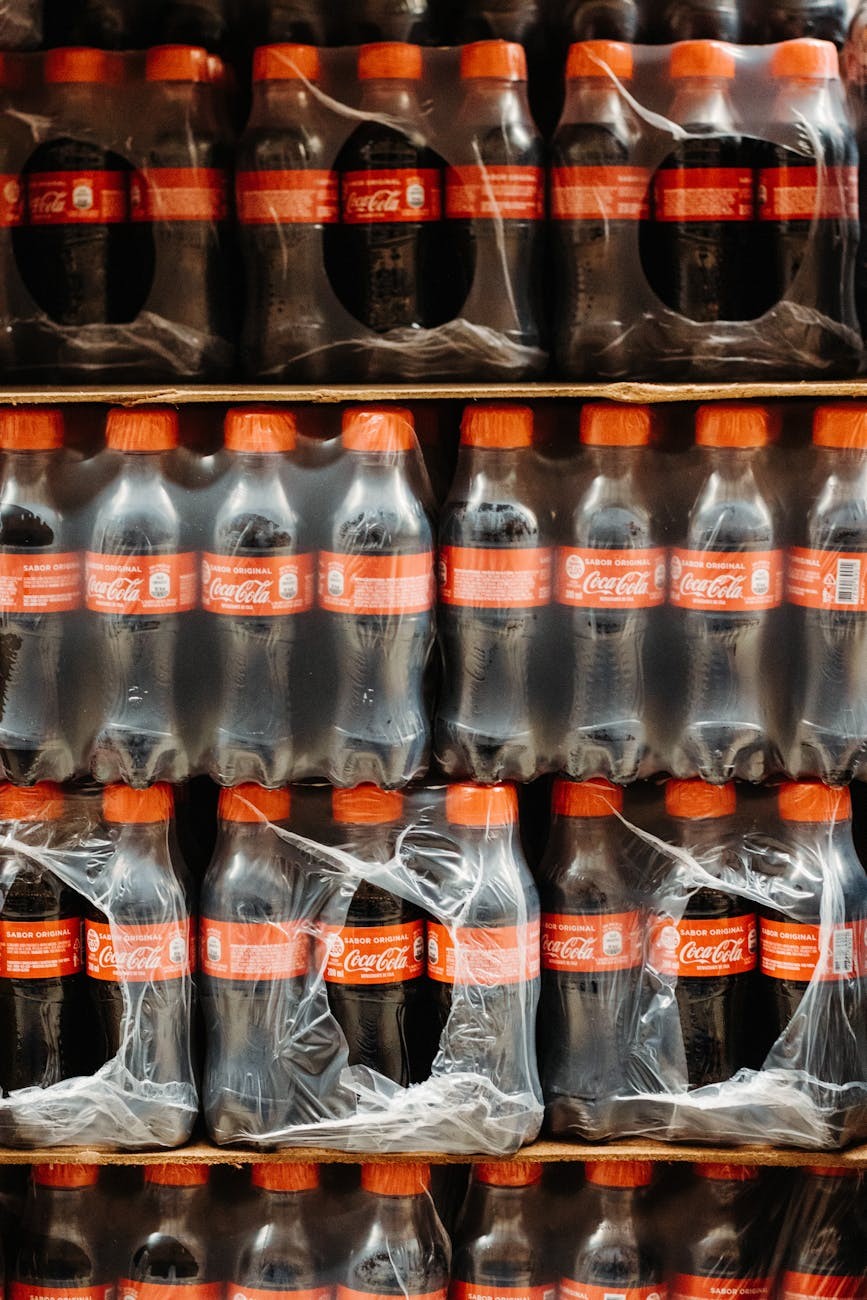
The global push for sustainability is significantly impacting the use of traditional plastic packaging. Concerns over environmental pollution, microplastic contamination, and reliance on fossil fuels are driving a demand for alternatives. Consumers are increasingly choosing products with biodegradable or compostable packaging, putting pressure on companies to adopt more eco-friendly solutions. While challenges in availability, cost, and material strength remain, the transition away from single-use plastics is accelerating, making many conventional plastic-packaged items candidates for obsolescence.