Duct tape was invented by an Illinois mother of two Navy sons who wrote to President Roosevelt. The microwave oven came from a melted candy bar in an engineer’s pocket. Here are 15 inventions you use today that came directly out of WWII military necessity.
The five years between 1939 and 1945 produced more rapid scientific and technological development than any comparable period in human history. The Allied and Axis governments funded research and development at unprecedented scale, and the urgency of war collapsed development timelines that would have taken decades in peacetime down to months. Most of these inventions were intended for military purposes — but a remarkable number of them quickly found their way into ordinary American kitchens, garages, and pharmacies in the years immediately after the war.
Here are 15 of the most consequential, with the actual stories of how each one was developed.
1: Duct tape
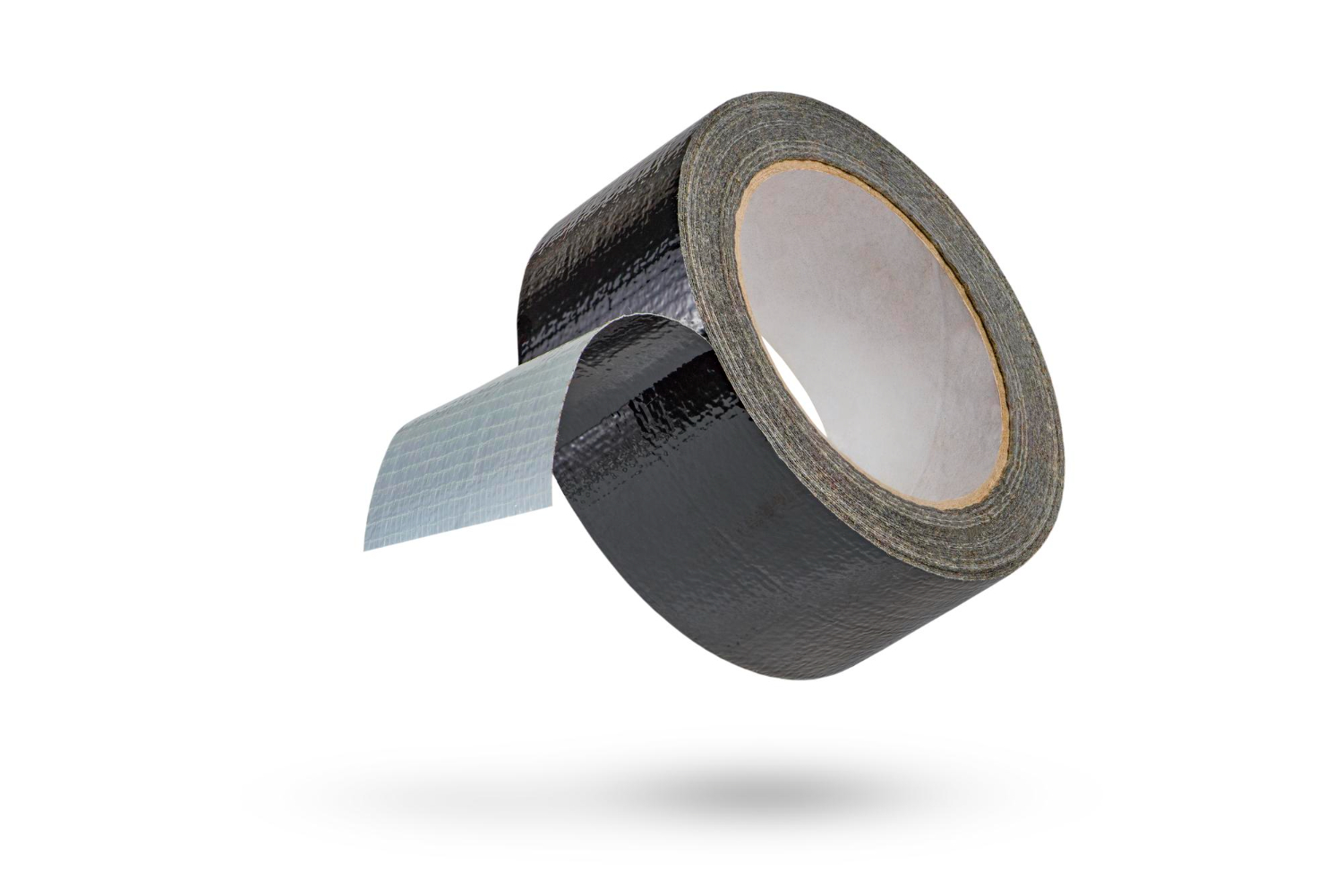
Duct tape was invented in 1943 by Vesta Stoudt, a mother of two Navy servicemen who worked at the Green River Ordnance Plant in Illinois. Stoudt noticed that the paper-and-wax tape used to seal ammunition boxes was difficult to remove, costing soldiers critical seconds in combat. She designed a strong, waterproof cloth tape and wrote directly to President Franklin D. Roosevelt with her idea. Roosevelt approved her proposal for mass production, and Johnson & Johnson produced the first version. The military called it “duck tape” for its water-resistant properties; it was renamed “duct tape” after the war when it became widely used to seal ventilation ducts.
2: The microwave oven
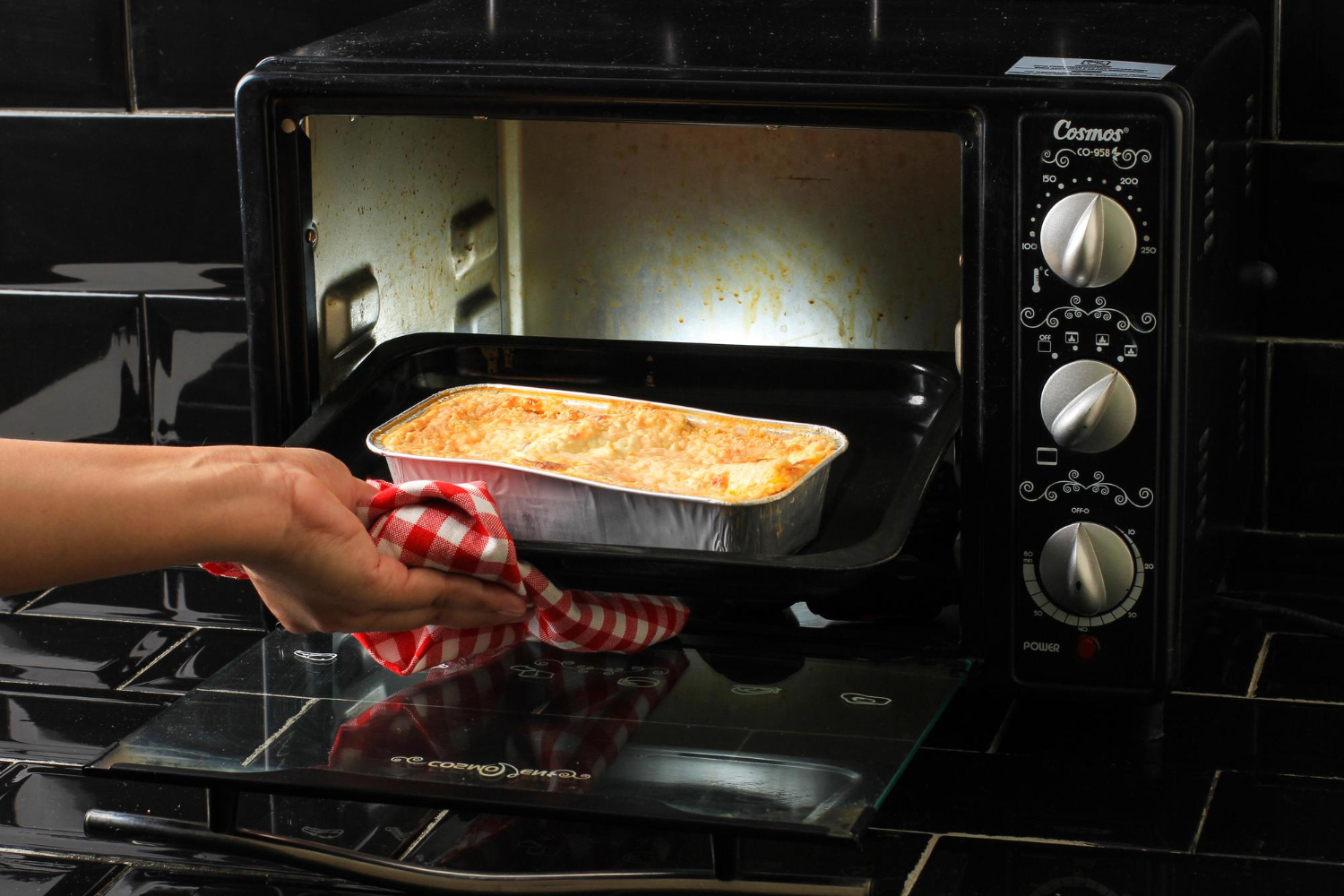
The microwave oven was invented in 1945 by Percy Spencer, a Raytheon engineer working on radar magnetrons (the device that generates microwave radiation in radar systems). Spencer noticed that a chocolate bar in his pocket had melted while he was working near an active radar set. Recognizing what was happening, he experimented further by placing popcorn kernels and an egg near the magnetron — the popcorn popped, and the egg exploded. Raytheon patented the microwave cooking technology in 1945. The first commercial microwave oven, the Radarange, went on sale in 1947, weighing 750 pounds and costing $5,000.
3: Penicillin (mass production)
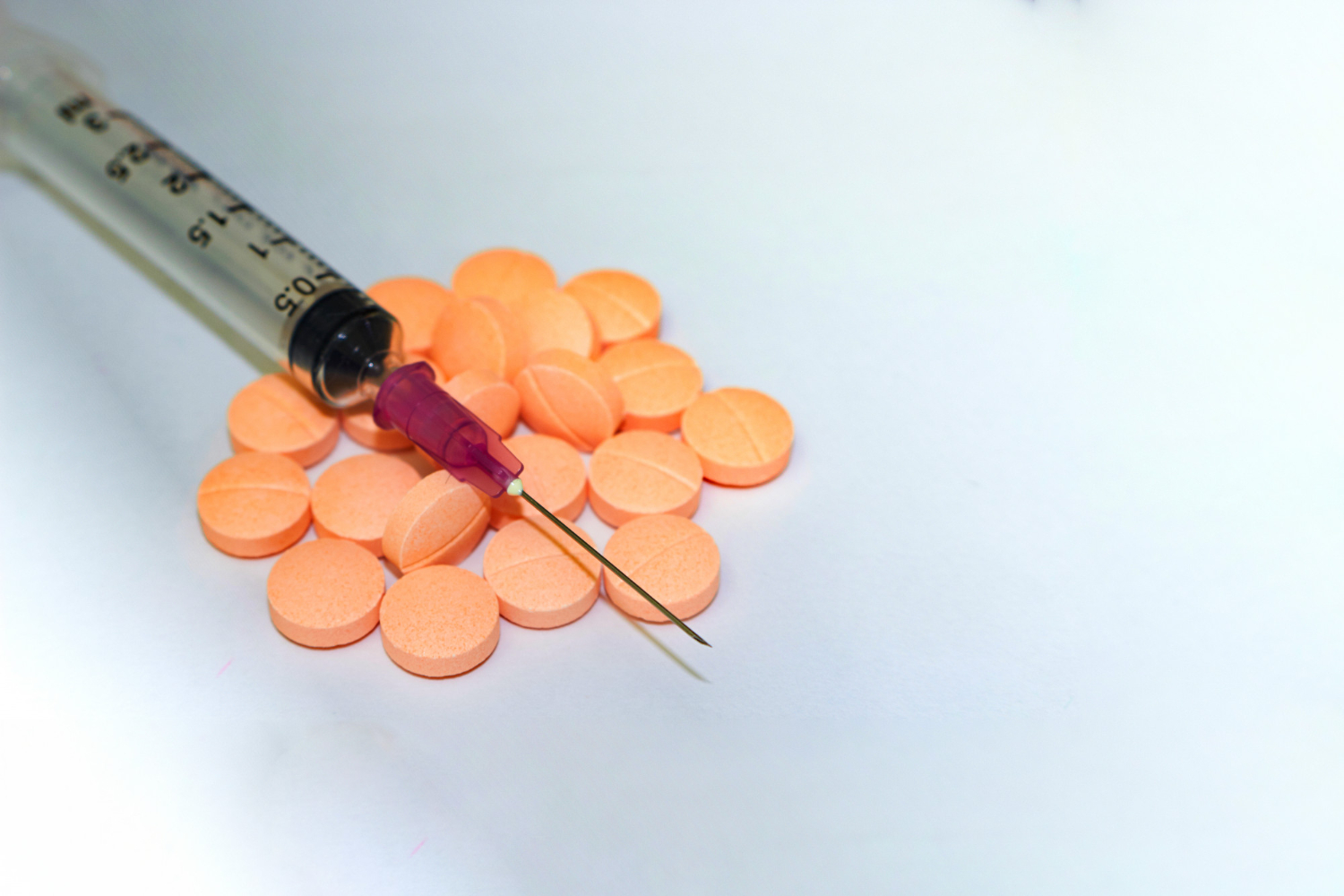
Penicillin was discovered in 1928 by Scottish scientist Alexander Fleming, but it remained a laboratory curiosity for over a decade — researchers couldn’t figure out how to produce it in meaningful quantities. The U.S. War Department made penicillin mass production a major priority during WWII, calling it “a race against death.” Australian scientist Howard Florey led the British research effort. By the 1944 Normandy landings, the United States had manufactured over 2 million doses of the drug. The mass production techniques developed during the war made penicillin commercially available to civilians immediately after, transforming medicine.
4: Super glue
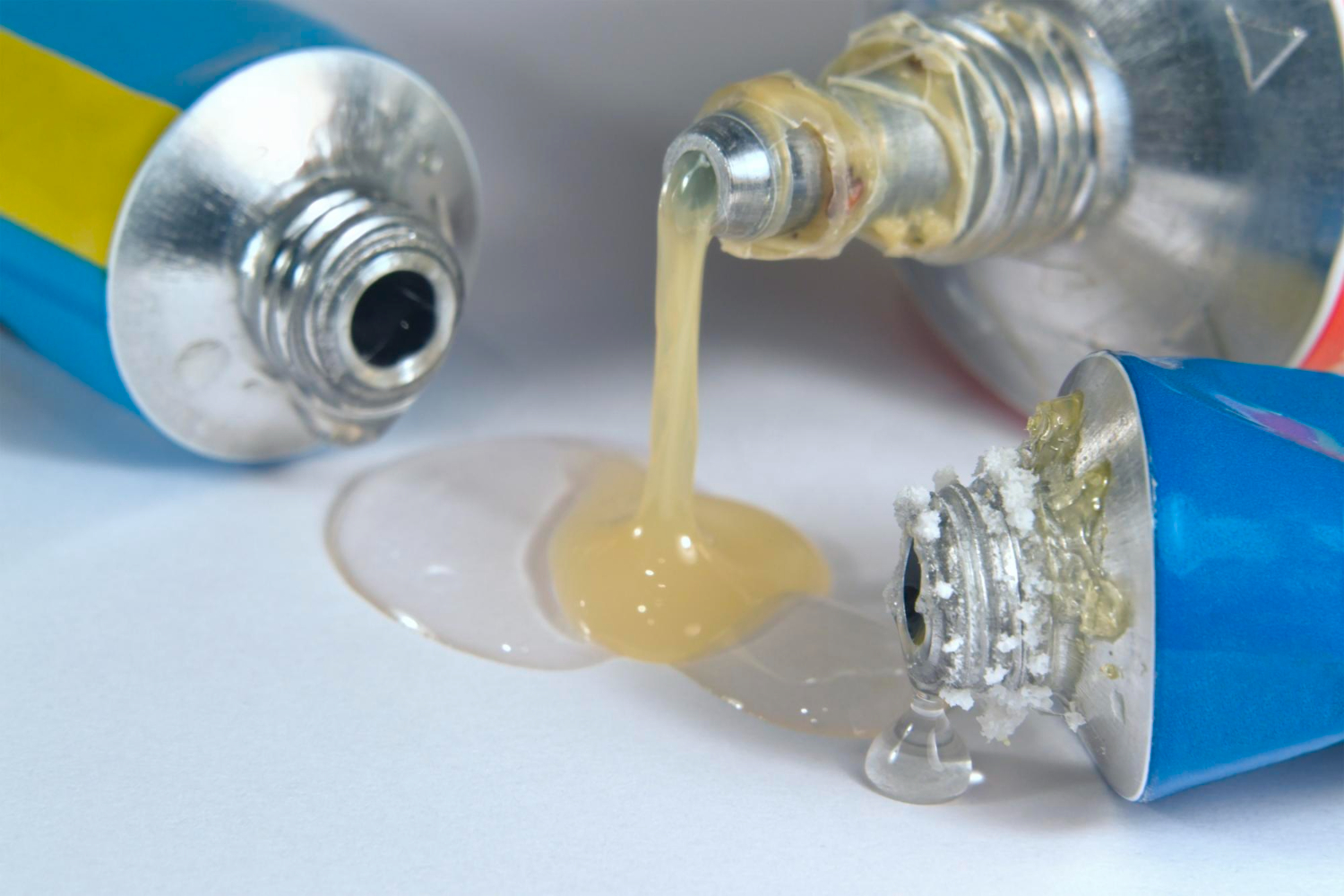
Super glue (cyanoacrylate) was discovered accidentally in 1942 by Dr. Harry Coover, an American scientist working for Eastman Kodak. Coover was trying to create clear plastic gun sights for the military and kept producing a substance that was uselessly sticky for that purpose. The formula was set aside until Coover rediscovered it in 1951 and recognized its commercial potential. Super glue was famously used in the Vietnam War to seal battlefield wounds quickly, saving lives by stopping bleeding faster than traditional bandages.
5: The ballpoint pen
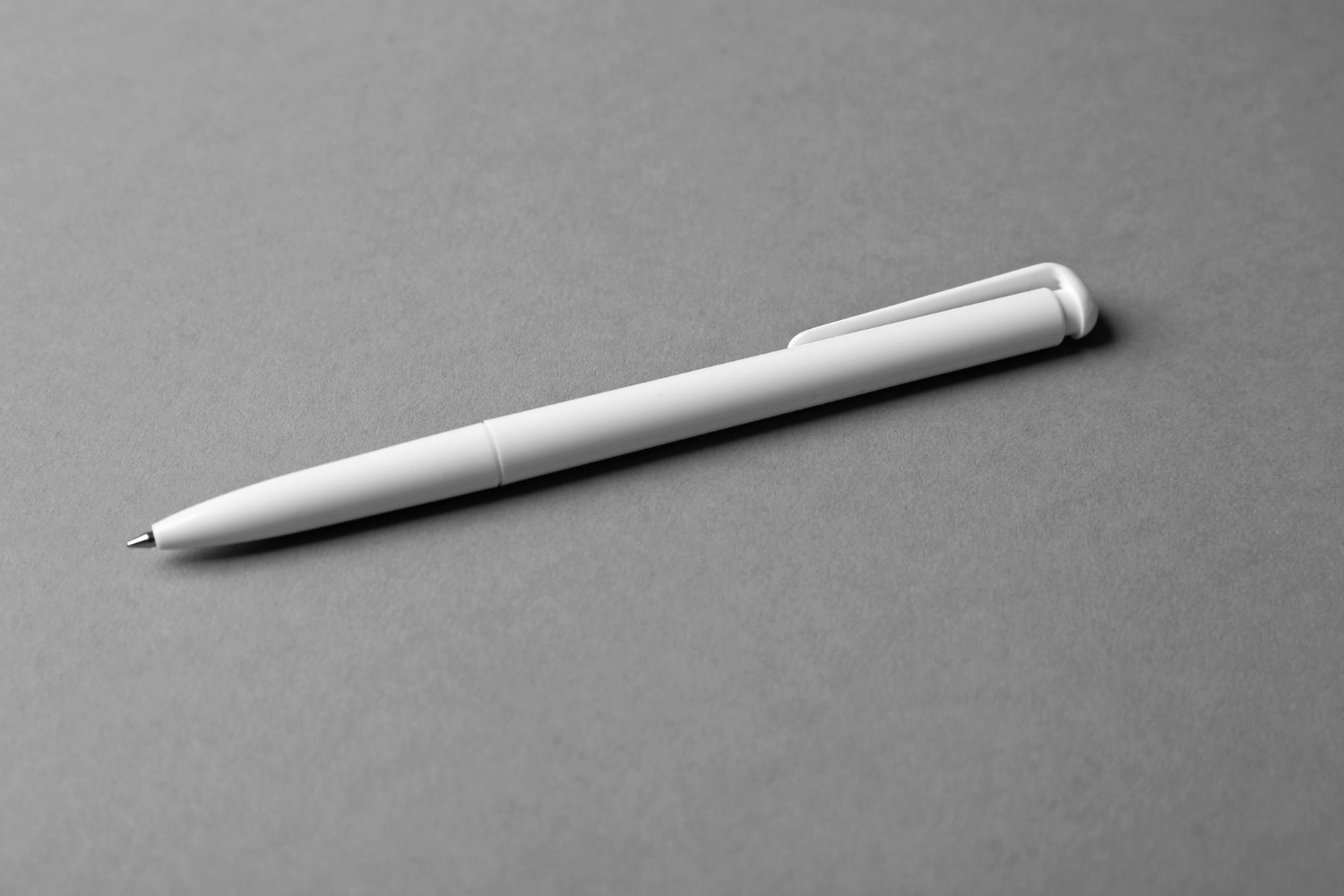
The ballpoint pen was invented by Hungarian-Argentine journalist László Bíró, who patented it in 1938 — but it became widely used because of WWII. Bíró noticed that newspaper printing ink dried much faster than the ink in his fountain pen, which constantly smudged. With his brother György (a chemist), he developed a pen with a small rotating ball that picked up ink from a reservoir. The British Royal Air Force adopted the pen during the war because it worked at high altitudes where fountain pens leaked. After the war, Marcel Bich’s Bic Cristal pen made the technology globally affordable.
6: Jet engines (commercial aviation)
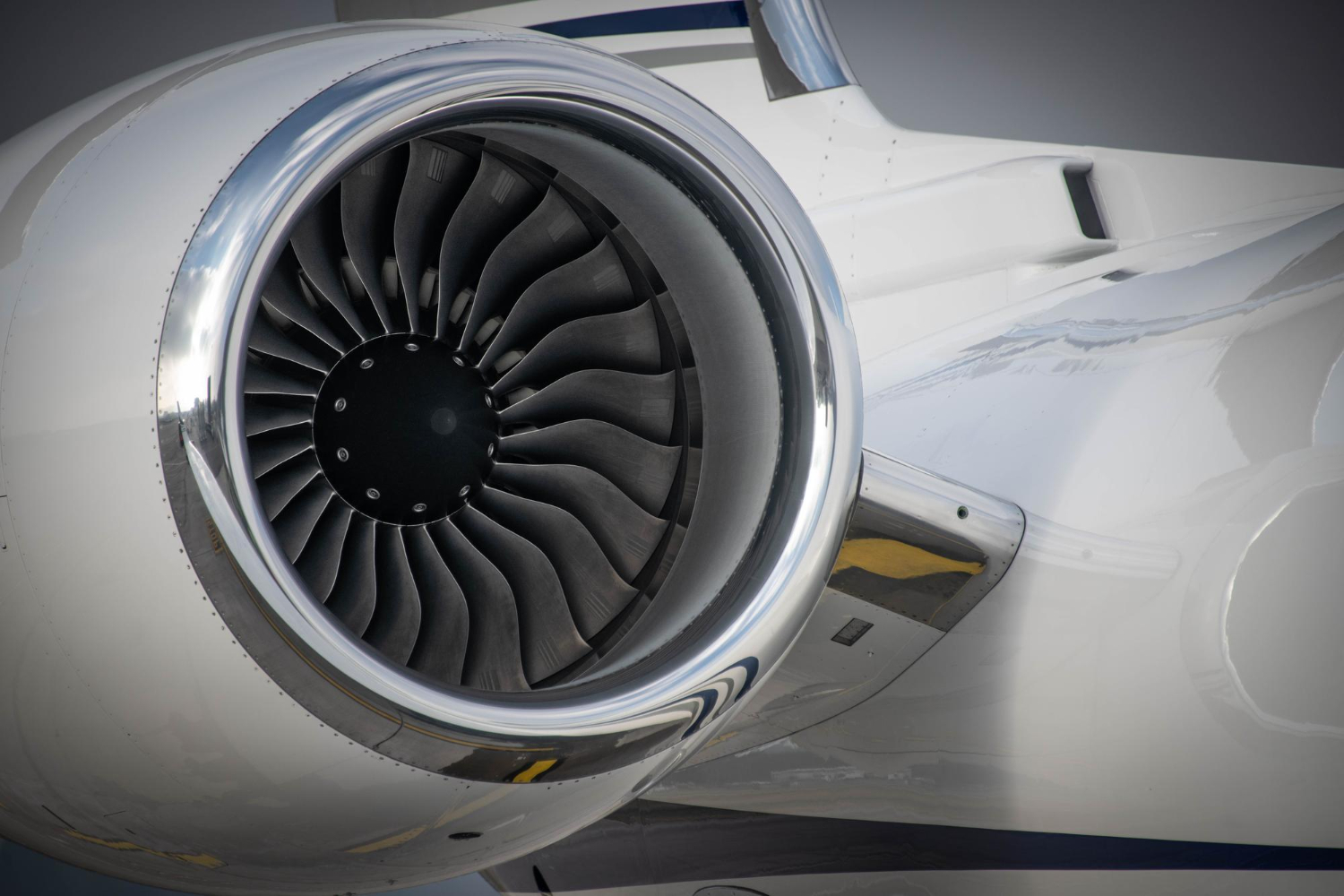
Jet engine technology was developed simultaneously by British engineer Frank Whittle (who patented his design in 1930) and German engineer Hans von Ohain (who flew the first jet aircraft in 1939). WWII accelerated jet aircraft development dramatically — the Messerschmitt Me 262 became the first operational jet fighter in 1944. After the war, the same technology was rapidly adapted for commercial passenger aircraft. The de Havilland Comet, the world’s first commercial jetliner, began passenger service in 1952. Modern commercial aviation as we know it is a direct descendant of WWII military jet research.
7: Computers (the digital electronic computer)
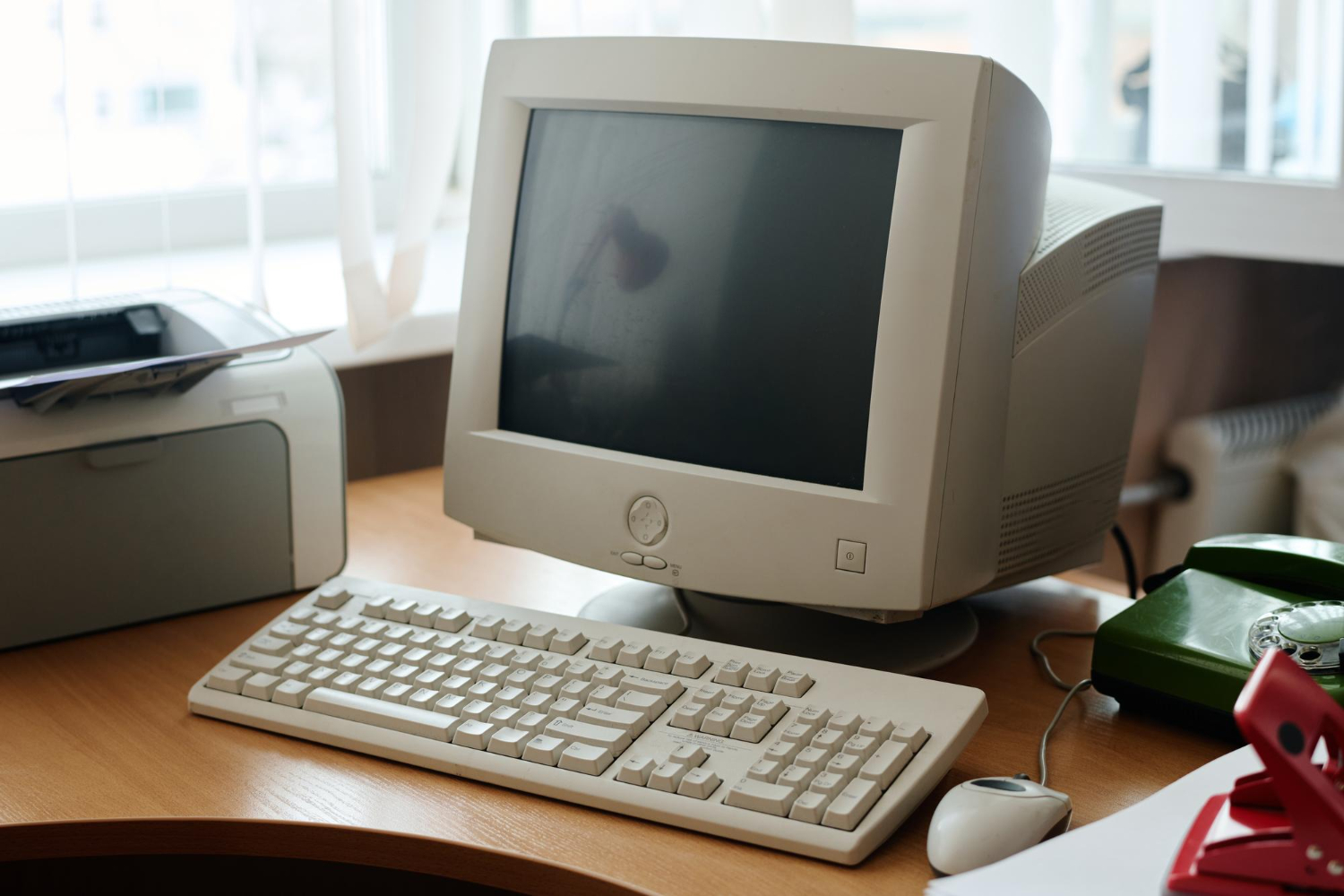
The first programmable digital electronic computer, Colossus, was built in 1943 at Britain’s Bletchley Park codebreaking facility, where Alan Turing and his colleagues used it to help break encrypted German military communications. The American ENIAC computer, completed in 1945, was originally designed to calculate artillery firing tables. Both machines were classified for years after the war, but the underlying technology — vacuum-tube digital computation — became the foundation of the entire postwar computer industry. The British government didn’t declassify the existence of Colossus until the 1970s.
8: Radar
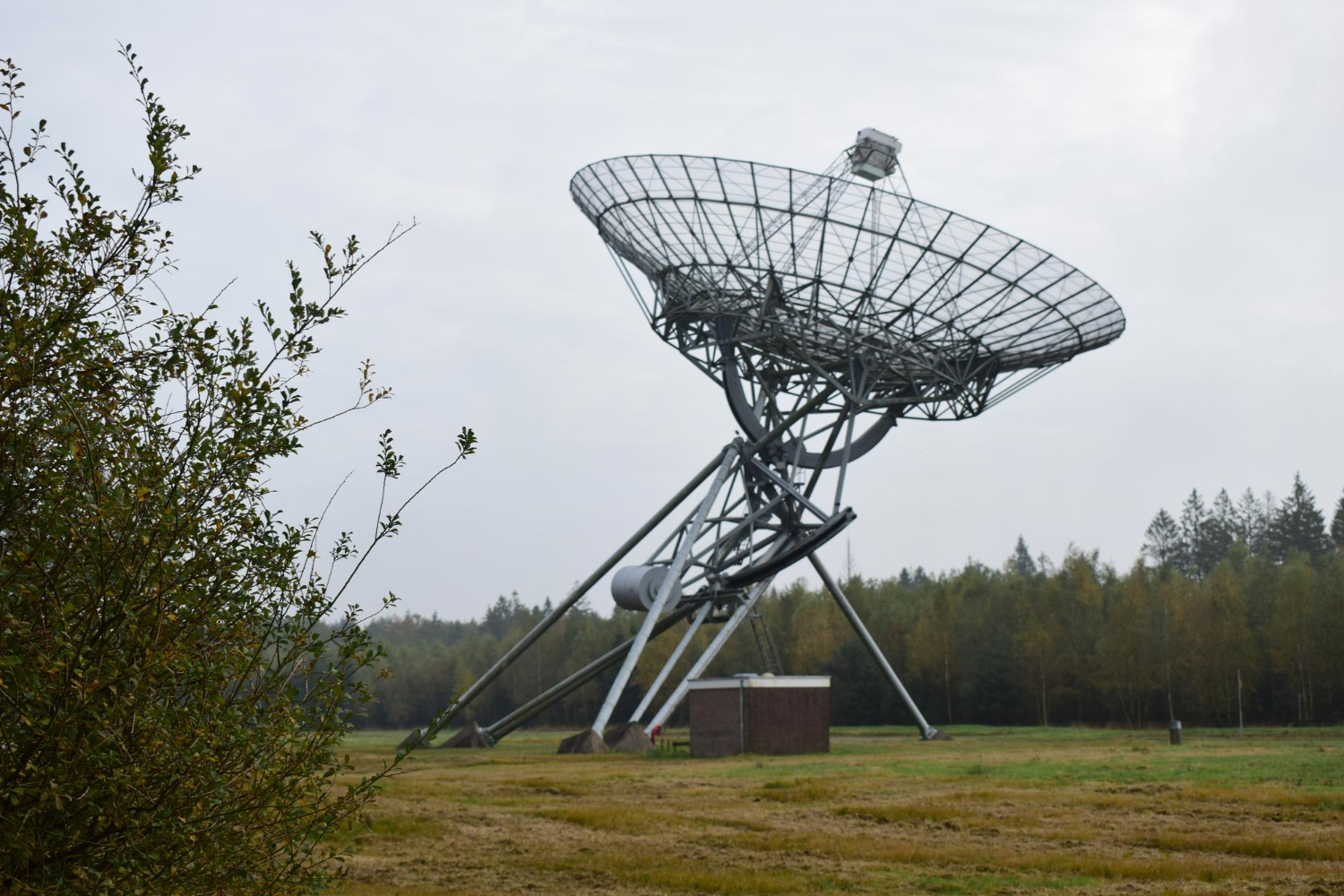
The first practical radar system was produced in 1935 by British physicist Sir Robert Watson-Watt. By 1939, England had built a network of radar stations along its south and east coasts called Chain Home, which proved decisive in the 1940 Battle of Britain by allowing the RAF to detect incoming German bombers in time to intercept them. After the war, radar technology found peacetime applications in weather forecasting, air traffic control, and eventually consumer products like speed cameras (which work on radar technology) and even automotive cruise control systems. Modern GPS navigation owes its conceptual origins to wartime radar.
9: Synthetic rubber
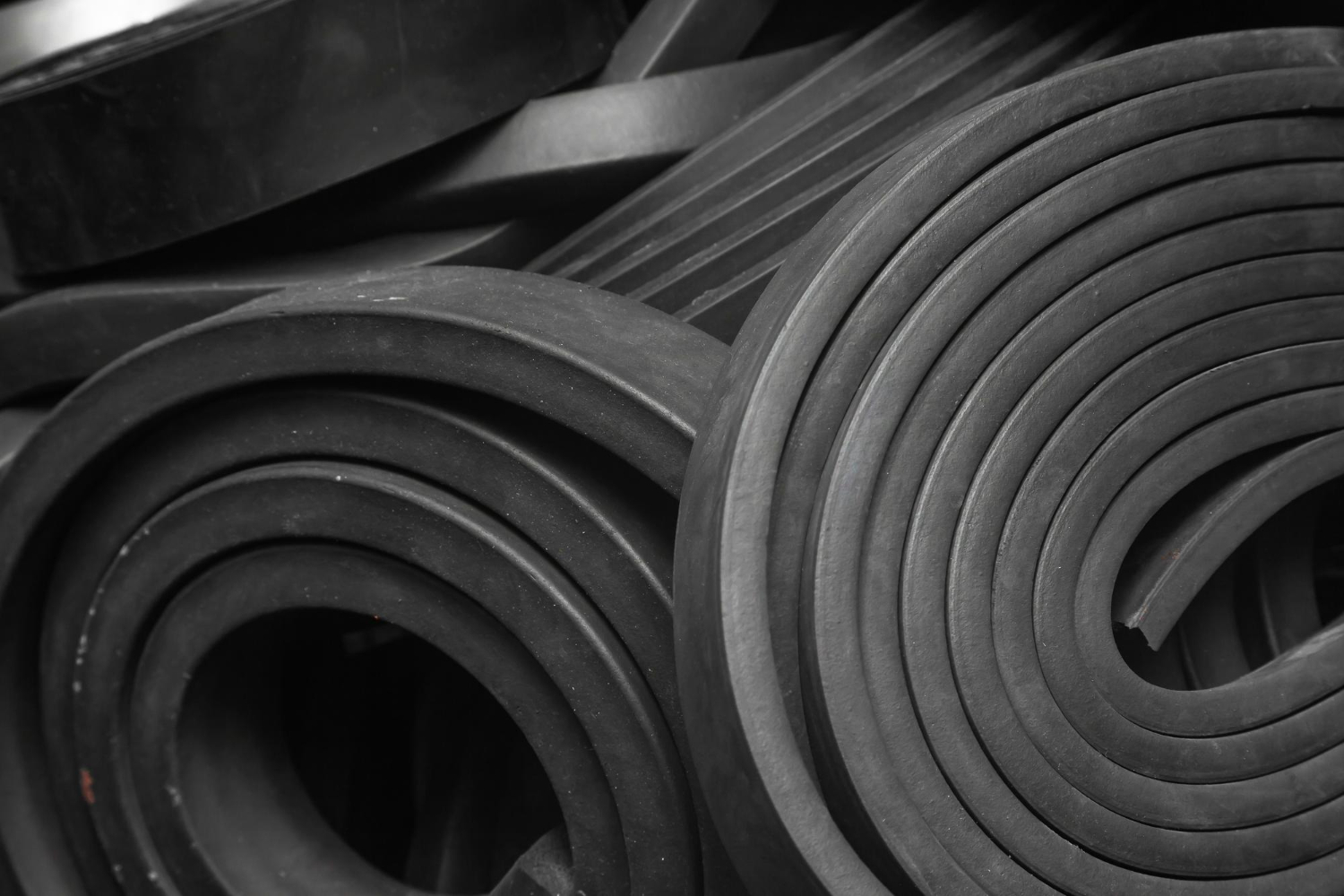
When Japan captured the rubber-producing regions of Southeast Asia in 1942, the United States lost access to roughly 90% of its natural rubber supply — a catastrophic problem for vehicle tires, gaskets, and military equipment. The U.S. government invested $700 million (about $13 billion in current dollars) in a crash program to develop synthetic rubber. Within two years, the United States was producing over 800,000 tons of synthetic rubber annually. The technology developed during the war is still the basis for most synthetic rubber production today, including the rubber in modern car tires.
10: Nylon stockings (and parachutes)
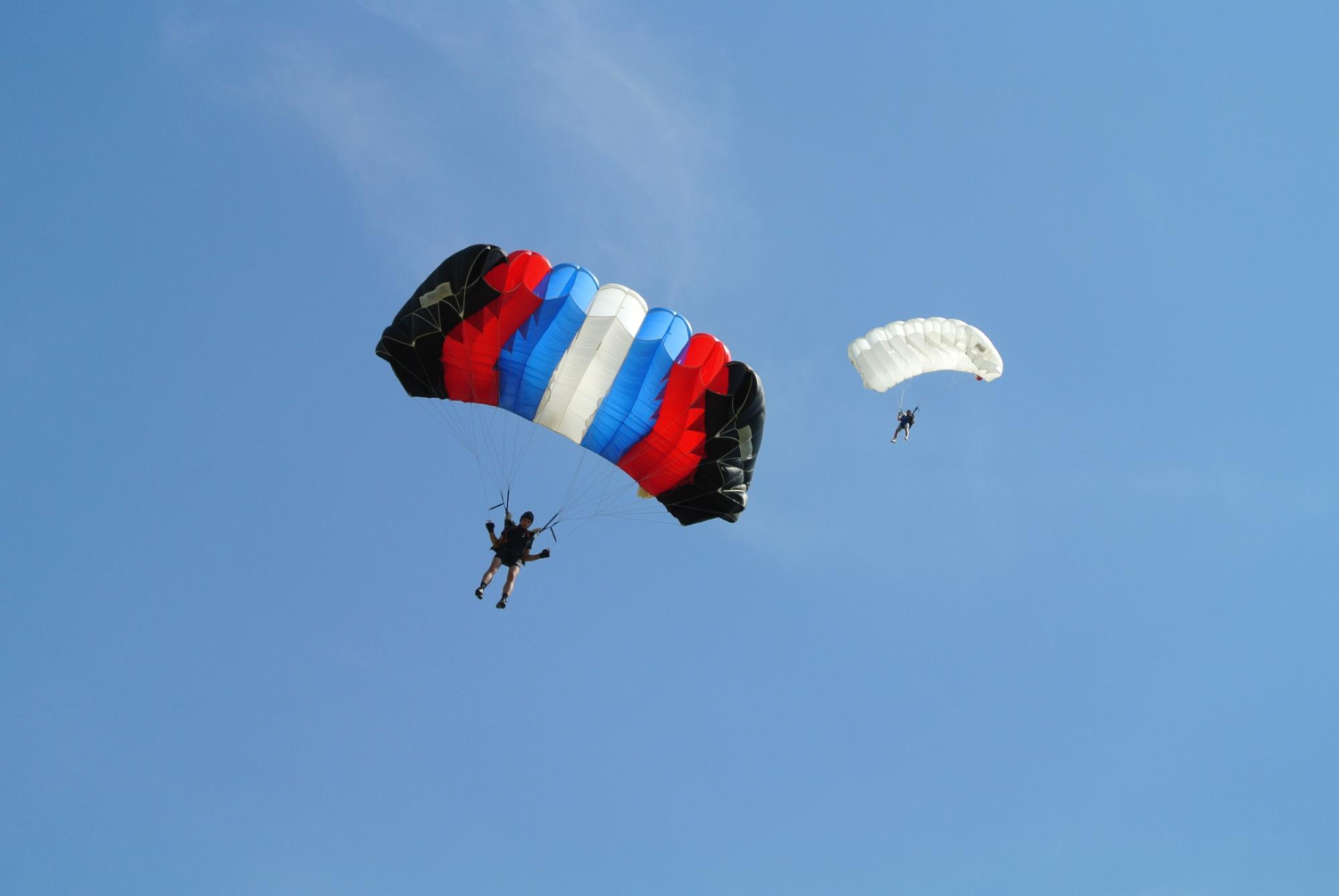
Nylon was invented by DuPont chemist Wallace Carothers in 1935, with commercial production of nylon stockings beginning in 1940. When the United States entered WWII in late 1941, all nylon production was redirected to military uses — primarily parachutes, ropes, and tents — leaving American women without nylon stockings for the duration of the war. The mass production techniques developed during wartime allowed nylon to become a ubiquitous material after the war. Modern carpets, ropes, fishing line, and synthetic fabrics all descend from wartime nylon manufacturing.
11: The Jeep

The Jeep was developed in 1940-1941 in response to a U.S. Army request for a small, lightweight, all-terrain reconnaissance vehicle. The American Bantam Car Company designed the original prototype in 49 days. Willys-Overland and Ford ultimately produced the production versions, with over 640,000 Jeeps manufactured during the war. After the war, the Jeep was sold to civilians as the world’s first mass-produced sport utility vehicle, fundamentally creating the SUV category. Modern Jeep Wranglers still retain design DNA from the WWII original.
12: Aerosol spray cans
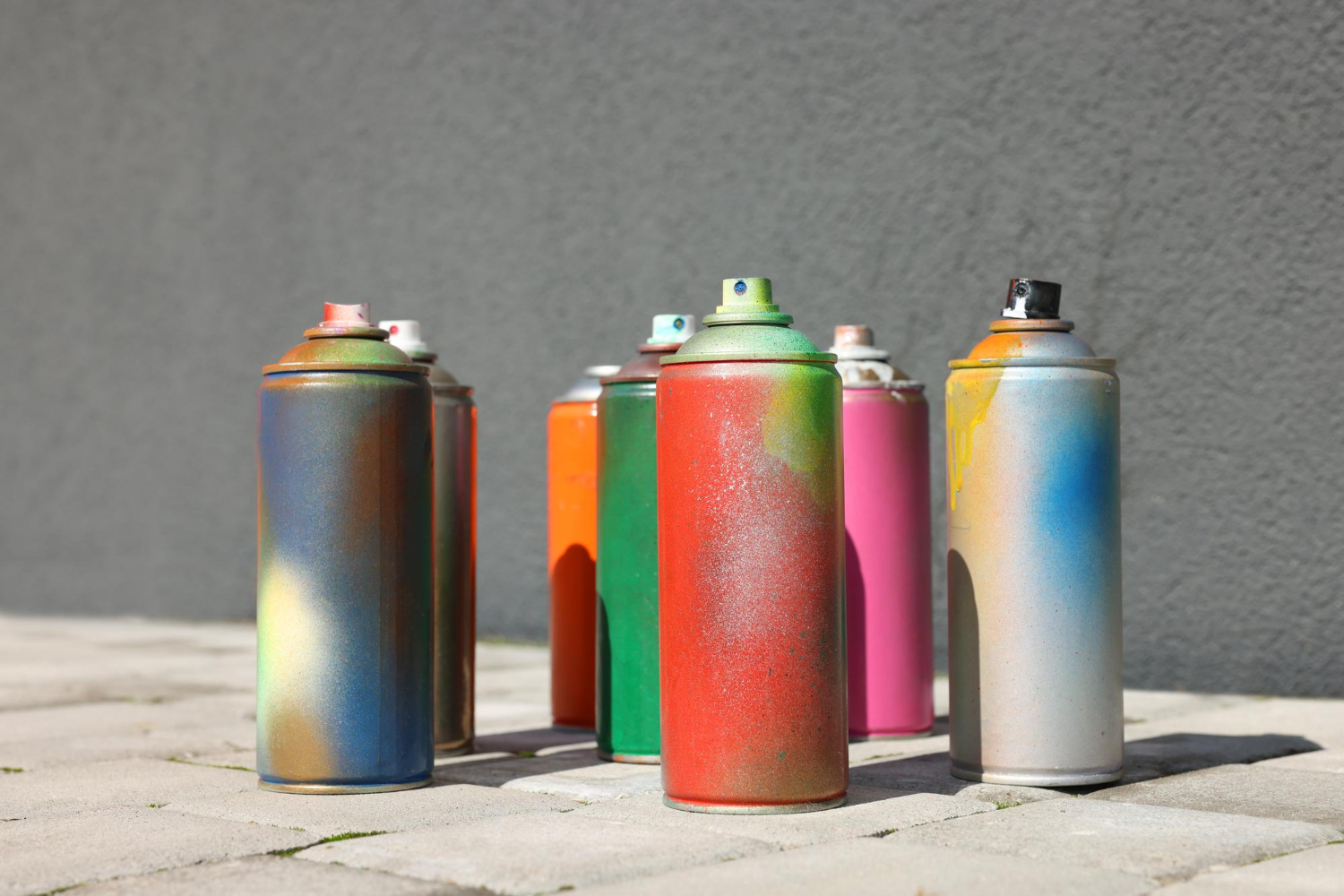
The pressurized aerosol spray can was invented in 1941 by USDA researchers Lyle Goodhue and William Sullivan, who were working on a way to deliver insecticide to soldiers fighting in malarial regions of the Pacific. The “bug bomb” they developed could spray DDT in a controlled mist, dramatically reducing malaria casualties. After the war, the aerosol technology was adapted for hairspray (1948), spray paint (1949), spray deodorant (1965), and dozens of other consumer products. The chlorofluorocarbon propellants used in early aerosols were later phased out due to ozone-layer concerns.
13: Synthetic blood plasma
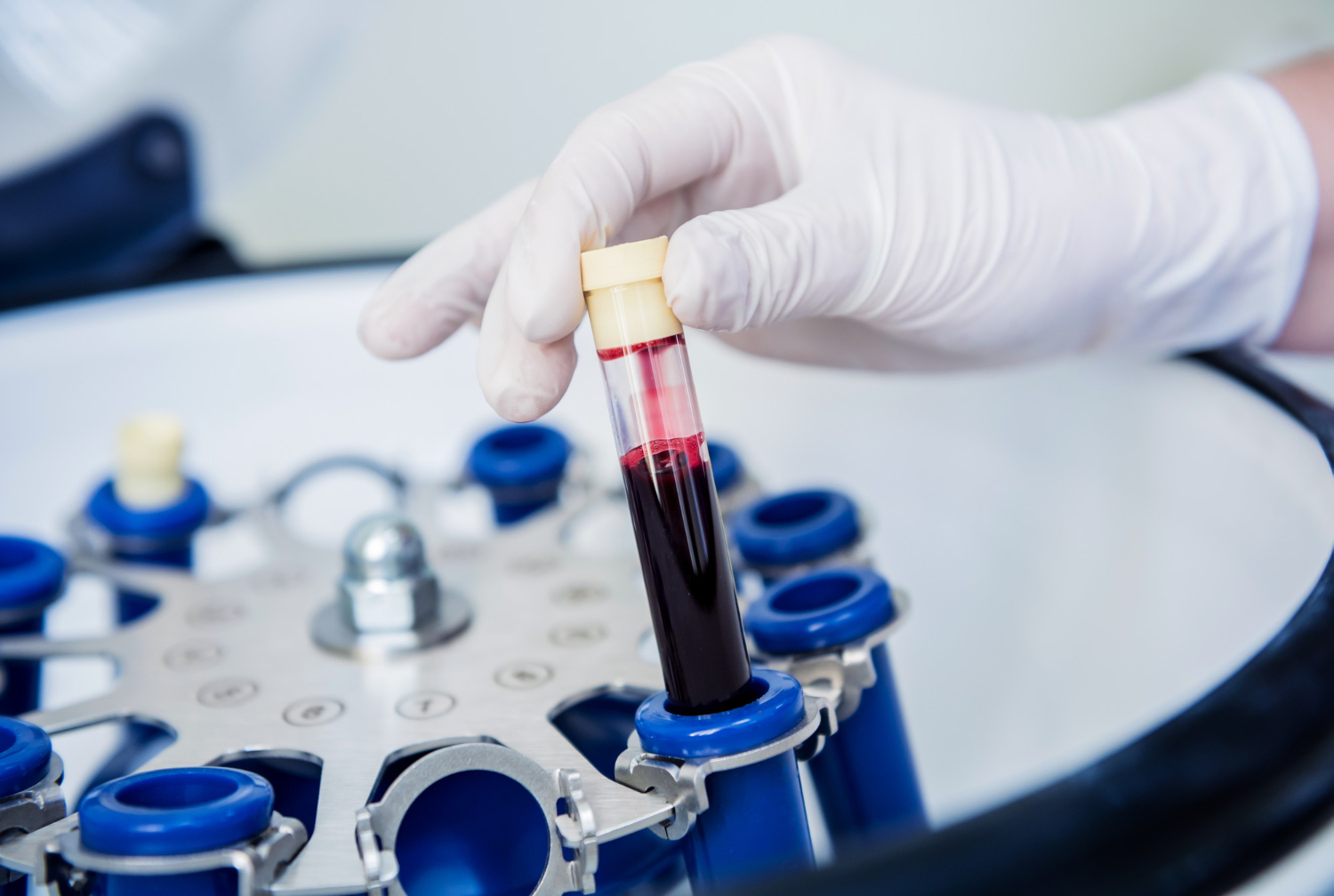
The development of dried plasma during WWII transformed battlefield medicine. Dr. Charles Drew, an African-American surgeon at Columbia University, led the “Blood for Britain” project that figured out how to dry plasma into a powder that could be shipped without refrigeration and reconstituted with sterile water at field hospitals. The technique allowed the U.S. military to provide blood transfusions to wounded soldiers within minutes of injury — a capability that didn’t exist in WWI and that dramatically reduced battlefield deaths. The same technology made modern blood banking possible.
14: Atomic energy

The Manhattan Project produced the first atomic weapons, but the same research program created the foundation for civilian nuclear power. The first sustained nuclear chain reaction was achieved by Enrico Fermi’s team at the University of Chicago on December 2, 1942 — the underlying physics that the entire modern nuclear power industry depends on. The Atomic Energy Act of 1946 transferred control of nuclear research from the military to a civilian agency, and the first commercial nuclear power plant in the U.S. (Shippingport Atomic Power Station in Pennsylvania) began operating in 1957. Approximately 10% of global electricity today comes from nuclear power plants whose technology descends from Manhattan Project research.
15: Instant coffee (Nescafé)

Nescafé wasn’t invented during WWII — Nestlé developed the freeze-drying process that made the modern instant coffee product viable in 1938 — but the war made instant coffee a global staple. The U.S. military bought enormous quantities of Nescafé to send to soldiers overseas, where brewing fresh coffee was impractical. American soldiers became habituated to instant coffee during the war and continued drinking it after returning home, transforming the U.S. coffee market. By 1953, instant coffee accounted for roughly 17% of all coffee consumed in the United States. The same vacuum-drying technology used to produce penicillin was also used to perfect freeze-dried coffee after the war.