From Nassau (Level 2 advisory, sexual assaults by jet ski operators reported in 2025) to Belize City (Level 3 advisory, armed robbery risk) to Roatán (Level 3 advisory, drug trafficking concerns), several popular cruise ports carry specific U.S. State Department warnings that don’t appear in cruise marketing materials. Here’s what the actual advisories say and what cruise lines won’t tell you upfront.
When you book a Caribbean or Mexican Riviera cruise, the marketing materials emphasize blue water, white sand, palm trees, and rum drinks. The cruise line’s website lists the ports of call with photos of pristine beaches and historical attractions. The shore excursions appear on the booking interface alongside reassuring descriptions of “explore the local culture” and “discover hidden gems.”
What the cruise marketing typically doesn’t mention: several of those ports carry specific U.S. State Department travel advisories warning of crime risks substantially higher than typical American tourist destinations. The Bahamas — home to Nassau, the most popular cruise port in the Caribbean (5.6 million guests in 2024) — carries a Level 2 “Exercise Increased Caution” advisory. Belize City, which receives nearly one million cruise visitors annually, is under a Level 3 “Reconsider Travel” advisory. Roatán, Honduras (a popular Western Caribbean stop) carries a Level 3 advisory. Several other major cruise destinations have similar warnings.
This isn’t about avoiding cruises or avoiding these destinations entirely. The U.S. State Department’s advisory levels are calibrated to provide context, not panic — millions of Americans visit these destinations annually without incident. But cruise passengers who walk off the ship assuming the destination is safe simply because their cruise visits it are operating on incomplete information. The cruise lines have specific economic interests in not emphasizing the risks. The State Department has no such conflict and provides the most authoritative warnings.
Here are 6 cruise ports where tourists face elevated safety risks, what the actual U.S. State Department advisories say, and the specific protective measures cruise passengers should consider.
Understanding the U.S. State Department advisory system
Before diving into specific ports, the four advisory levels:
Level 1 — Exercise Normal Precautions. Standard travel awareness. Most major American tourist destinations and most of Western Europe.
Level 2 — Exercise Increased Caution. Elevated risks present (crime, terrorism, civil unrest, health). Travel proceeds but with heightened awareness. Includes most Mexican states, much of Eastern Europe, and various other destinations.
Level 3 — Reconsider Travel. Serious risks present. Travelers should reconsider whether to visit. Includes Belize, Honduras, Trinidad and Tobago, and others.
Level 4 — Do Not Travel. Very high risk. State Department advises against travel entirely. Includes Haiti, parts of Venezuela, and various conflict zones.
The advisories are based on multiple factors: violent crime rates, political stability, terrorism risk, health risks, natural disaster risk, and quality of local emergency response services.
For cruise passengers, the relevant question is: what do these advisories mean for someone spending 6-10 hours in a port and then returning to the ship?
1. Nassau, Bahamas (Level 2 — but with specific 2025 warnings)
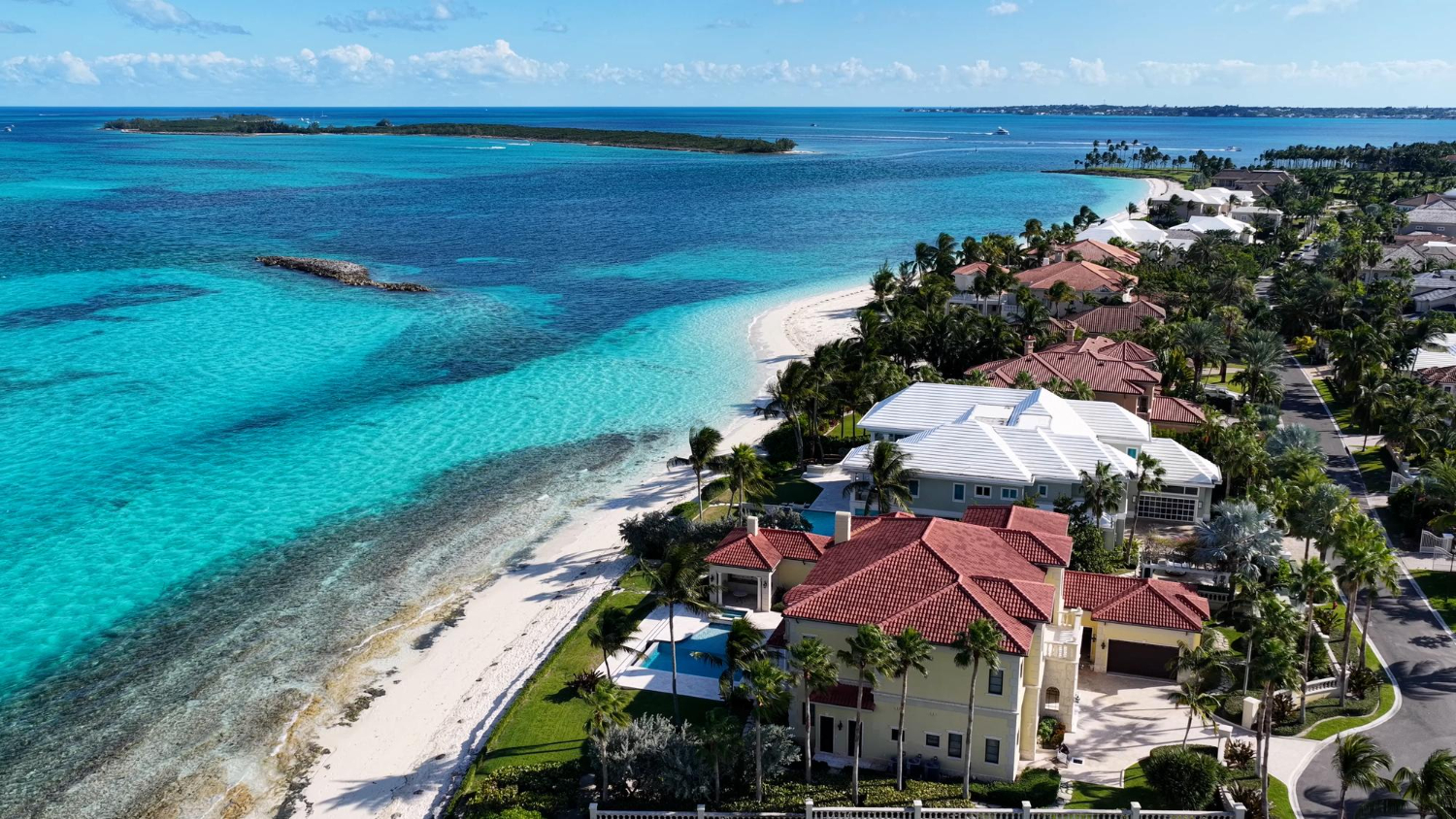
Nassau is the most popular cruise port in the Caribbean. In 2024, Nassau welcomed a record-breaking 5.6 million cruise guests. The 2025 numbers were even higher. Major cruise lines stopping at Nassau include Carnival, Disney, Royal Caribbean, Norwegian, Virgin Voyages, MSC Cruises, and many smaller operators.
Current advisory: Level 2 “Exercise Increased Caution”
Specific concerns reported in 2025:
- Sexual assaults by jet ski operators reported at Nassau beaches. This is a documented pattern that emerged in 2025 reporting. Tourists renting jet skis from beach vendors have been victimized. Cruise lines have begun explicitly warning passengers about this risk.
- Spiked drinks at bars and restaurants outside the cruise port area.
- Taxi scams — overcharging, taking unnecessarily long routes to inflate fares, and in some cases robbery.
- Credit card and ATM fraud — particularly skimming at machines outside major hotels.
- “Over the Hill” area (south of Shirley Street, less touristy areas) has substantially elevated crime including gang activity. Cruise passengers venturing into these areas face significantly higher risk than those staying in the main tourist zones.
The cruise line response. Recognizing these issues, Royal Caribbean, Disney, Norwegian, and others have invested heavily in private island alternatives — CocoCay, Castaway Cay, Great Stirrup Cay, Half Moon Cay, Ocean Cay — that allow passengers to enjoy “Bahamas” experiences without actually visiting Nassau. Many cruise itineraries now feature private islands instead of Nassau, or in addition to Nassau.
What cruise lines don’t volunteer: The 2025 sexual assault reports specifically. The “Over the Hill” boundaries that mark dramatically different safety zones. The specific recommendation to use only cruise-arranged transportation rather than independent taxis.
2. Belize City, Belize (Level 3)
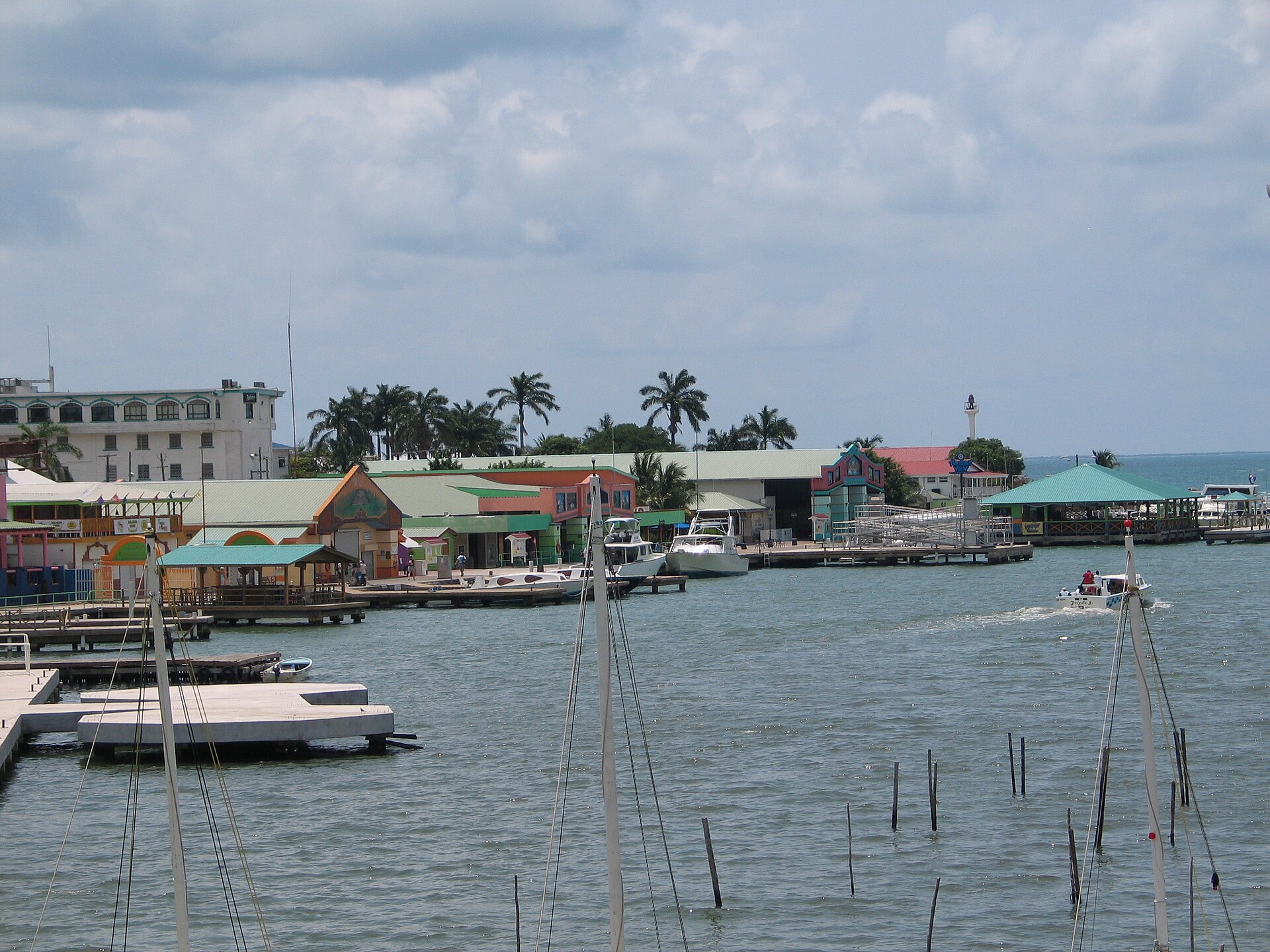
Belize City receives approximately one million cruise visitors annually through the Belize Fort Street Tourism Village. Major cruise lines including Royal Caribbean, Norwegian, Princess, Holland America, and Carnival regularly stop here.
Current advisory: Level 3 “Reconsider Travel”
Specific concerns:
- Armed robbery in urban areas away from tourist zones
- Gang violence affecting some neighborhoods
- Theft targeting tourists
- Limited police response capability in high-crime areas
The geographic reality. The Tourism Village area where cruise ships dock is heavily secured and generally safe during cruise visit hours. However, walking even a few blocks beyond the secured area substantially increases risk. The State Department specifically advises against independent exploration of Belize City beyond the Tourism Village.
The alternatives. Many Belize cruise excursions are designed to bypass Belize City entirely. Options include:
- Mayan ruins tours (Altun Ha, Lamanai, Xunantunich) that take passengers directly from the port to the ruins and back
- Cave tubing and zipline excursions in interior Belize
- Snorkeling at the Belize Barrier Reef (the world’s second-longest reef system)
- Harvest Caye (Norwegian’s private island off the Belize coast) which some cruise lines visit instead of Belize City entirely
What cruise lines don’t volunteer: The specific Level 3 advisory designation. The marked difference between the Tourism Village (secured) and surrounding areas (substantially riskier). The cruise excursions that effectively bypass Belize City entirely.
3. Roatán, Honduras (Level 3)
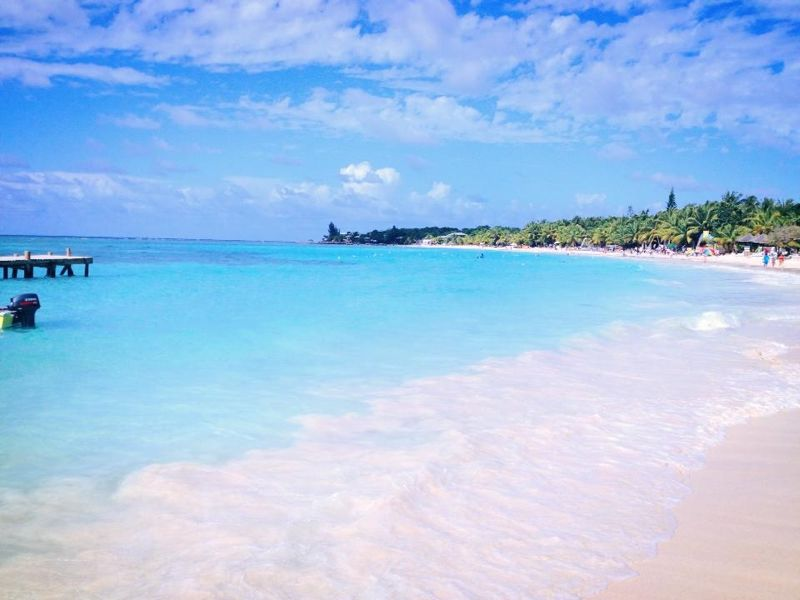
Roatán is a popular Western Caribbean cruise destination. Brands stopping here include Carnival, Royal Caribbean, Norwegian, MSC, Princess, TUI, and Virgin Voyages.
Current advisory: Honduras carries a Level 3 “Reconsider Travel” advisory due to crime including armed robbery, homicide, and gang activity. Drug and human trafficking are significant concerns.
Specific concerns for cruise passengers:
- The mainland of Honduras has serious crime concerns
- Roatán island itself is generally considered safer than mainland Honduras
- Mahogany Bay and Coxen Hole (the two main cruise ports) are heavily secured
- Outside the secured port areas, risks increase substantially
- Tour operators of varying quality and security
The geographic context. Roatán is an island off the Honduran mainland. Crime patterns on Roatán are different from mainland Honduras — violent crime is substantially less common. But Roatán is not crime-free, and the elevated mainland advisory affects how the State Department classifies Honduras overall.
The cruise excursion approach. Most cruise passengers visit Roatán through cruise-arranged excursions:
- Beach day at West Bay Beach or West End Beach — generally safe with appropriate awareness
- Snorkeling excursions to the Mesoamerican Barrier Reef
- Zipline and adventure tours
- Cultural tours of Honduran traditions
What cruise lines don’t volunteer: The Level 3 advisory specifically. The clear distinction between Mahogany Bay/Coxen Hole (secured) and surrounding areas. The fact that mainland Honduras carries substantially higher risks than Roatán island.
4. Cozumel, Mexico (recently elevated concerns)
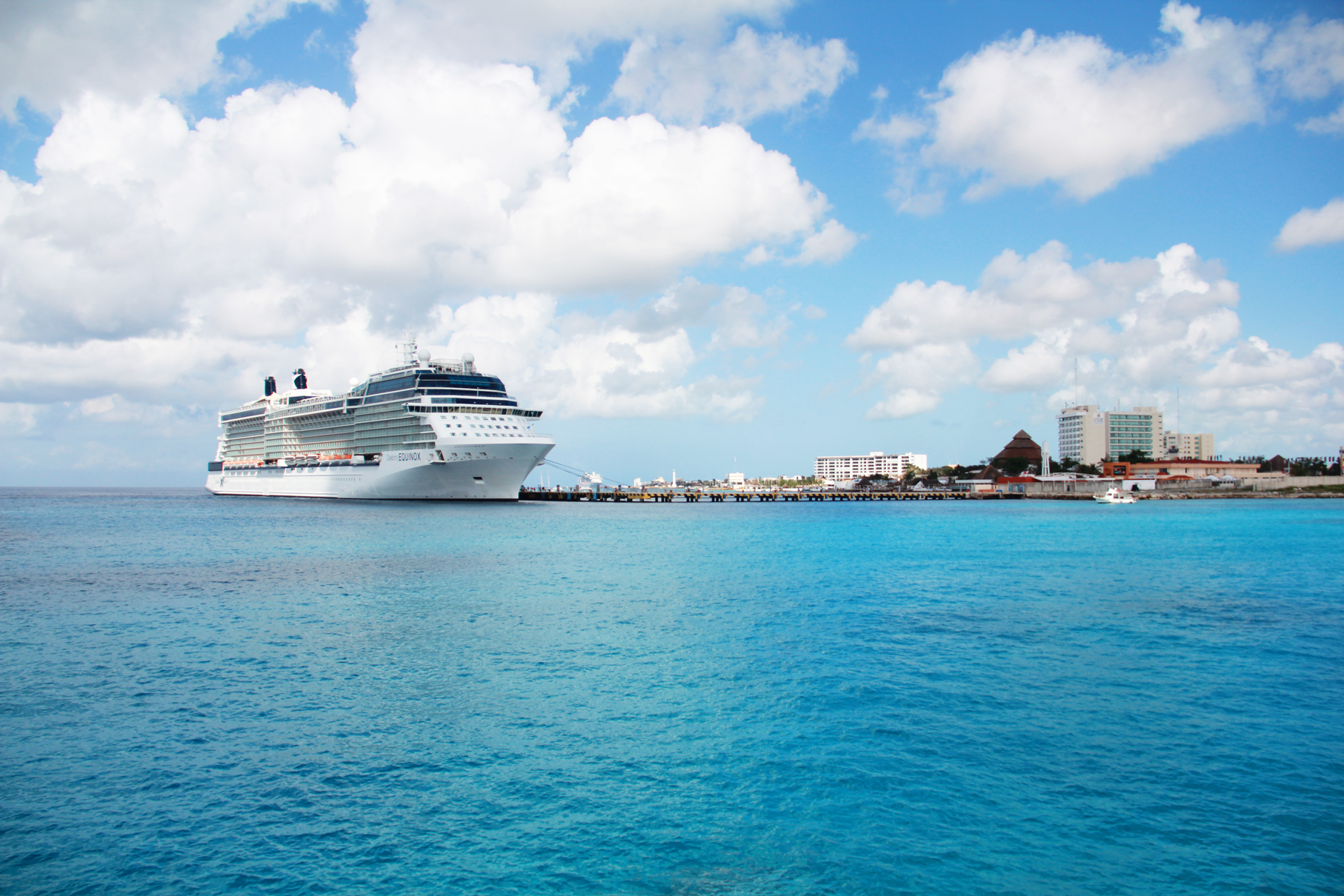
Cozumel is one of the most popular Mexican cruise destinations. It’s located off the east coast of Mexico’s Yucatán Peninsula, near Playa del Carmen.
Current advisory: Mexico generally carries a Level 2 advisory. The state of Quintana Roo (where Cozumel is located) is generally safer than mainland Mexican states (some of which carry Level 3 or even Level 4 advisories), but recent incidents have raised concerns.
Specific 2024-2025 concerns:
- Drug trafficking-related violence has affected mainland Yucatán areas
- Increased reports of crimes targeting tourists in Playa del Carmen (often visited from Cozumel via ferry)
- Petty crime including theft in tourist zones
- Scams targeting cruise passengers by ferry operators and beach vendors
The geographic context. Cozumel itself is generally safer than mainland Mexico. The island has limited connectivity with mainland drug trafficking organizations. However, many cruise passengers visit Playa del Carmen via ferry as part of cruise excursions, and Playa del Carmen has experienced escalating violence in recent years.
The cruise excursion landscape:
- Beach days at Cozumel resorts — generally safe
- Snorkeling at Palancar Reef — generally safe
- Cozumel-only tours — generally safe
- Ferries to Playa del Carmen and Tulum — increased caution warranted
- Tequila tours and cultural experiences — depend on specific operator
What cruise lines don’t volunteer: The shifting safety conditions in Quintana Roo over the past 2-3 years. The substantial differences in safety profile between Cozumel itself (safer) and Playa del Carmen/Tulum (less safe). The specific concerns about ferry operators.
5. Puerto Vallarta, Mexico (Level 3 state advisory)
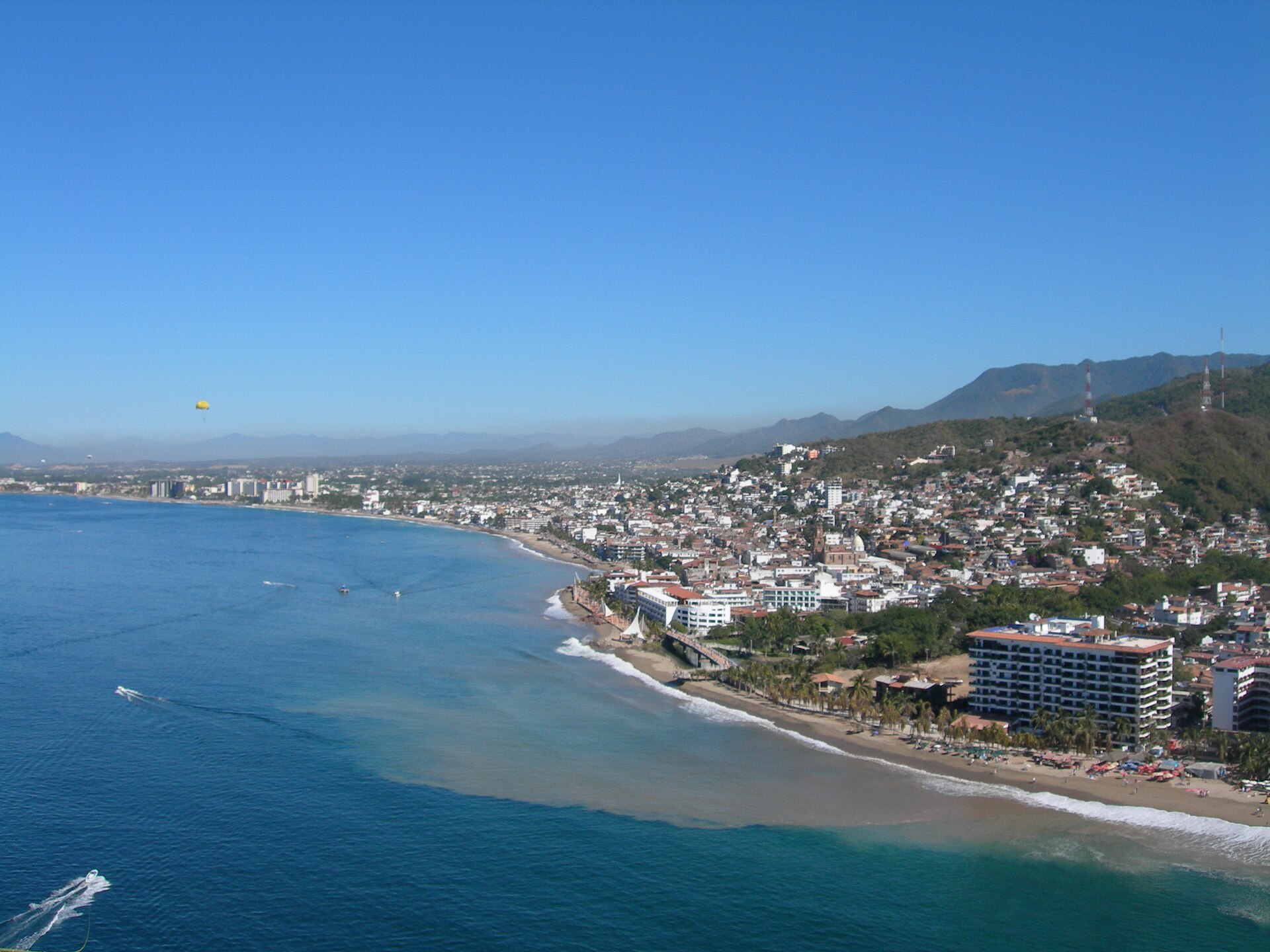
Puerto Vallarta is a major Mexican Pacific Coast cruise destination. Brands stopping here include Royal Caribbean, Carnival, Princess, Disney, Celebrity, and Holland America.
Current advisory: Puerto Vallarta is in the state of Jalisco, which carries a Level 3 “Reconsider Travel” advisory due to terrorism, crime, and kidnapping. The State Department warns of risk of violence from terrorist groups, cartels, gangs, and other criminal organizations, especially when venturing outside main tourist hot spots.
Specific concerns:
- Cartel activity in the broader Jalisco region
- Targeted violence between criminal organizations
- Risk to tourists who venture into non-tourist areas
- Potential kidnapping risk in certain areas
The geographic reality. Puerto Vallarta’s main tourist zone (the malecón and Zona Romántica) is heavily secured and generally safe for cruise passengers staying within tourist boundaries. The cruise port itself is well-managed. However, the broader Jalisco state Level 3 advisory reflects real risks that can affect tourists who venture beyond main tourist zones.
The cruise excursion approach:
- Whale watching tours (December-March) — generally safe
- Beach excursions — generally safe within tourist areas
- Cultural tours of historic district — generally safe with reputable operators
- Adventure excursions (zipline, ATV, etc.) — vary by operator
What cruise lines don’t volunteer: The Level 3 state-level advisory. The specific cartel-related risks affecting the broader region. The recommendations against independent exploration beyond main tourist zones.
6. Port-au-Prince and Haitian ports (Level 4 — Do Not Travel)
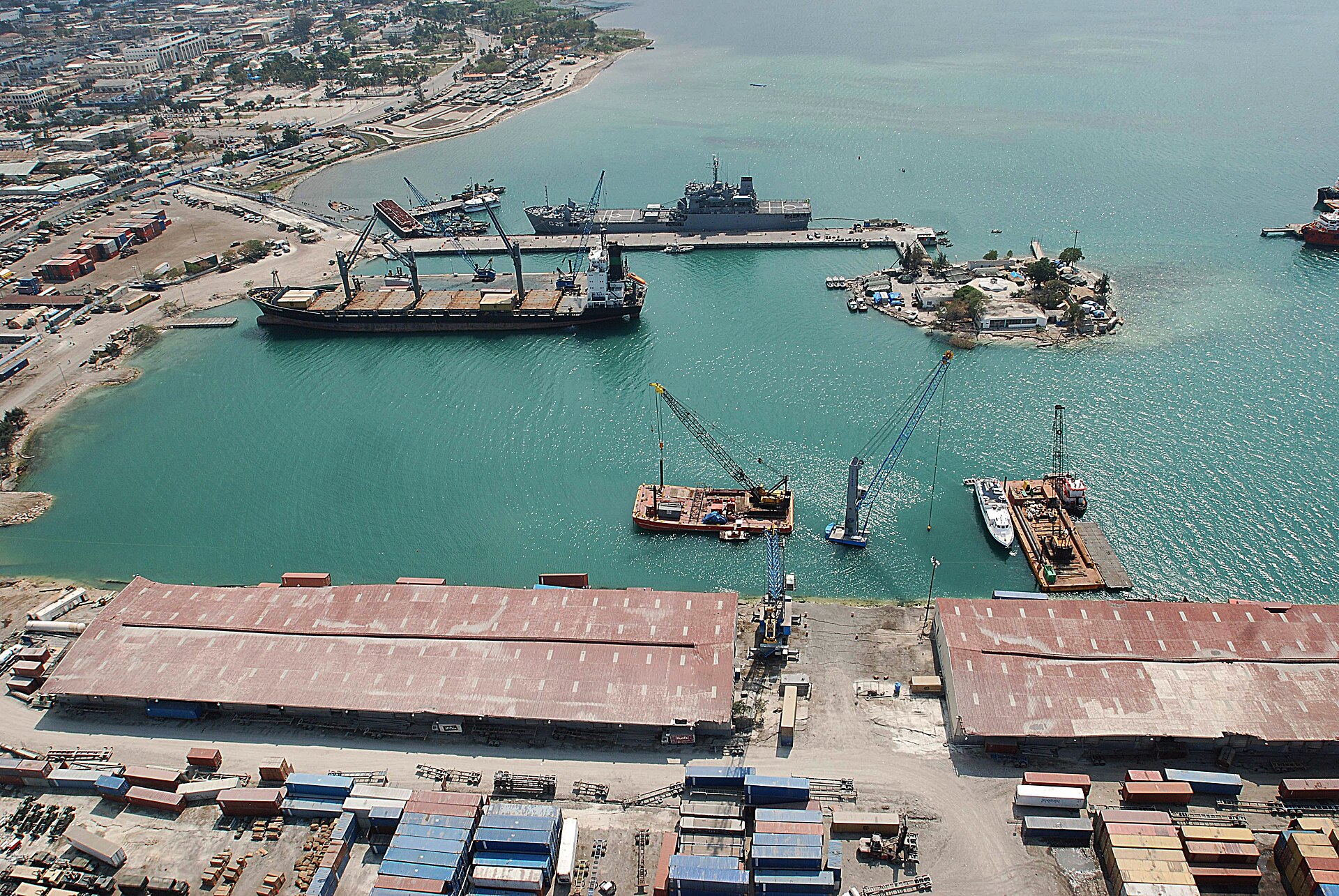
Haiti is currently under a Level 4 “Do Not Travel” advisory — the highest level the State Department issues. This is the most extreme cruise port safety situation among major Caribbean destinations.
Current situation: Haiti has experienced sustained civil unrest, gang violence, kidnappings, and political instability. The country’s overall security situation deteriorated significantly through 2023-2025.
Cruise line response: Most major cruise lines have cancelled or suspended Haiti port stops. Royal Caribbean’s private port at Labadee (located on Haiti’s northern coast, 128 miles from Port-au-Prince and physically isolated from Haiti’s main population centers) has continued to operate intermittently, with security significantly enhanced.
Specific concerns:
- Gang violence affecting major cities including Port-au-Prince
- Kidnapping risk including organized kidnap-for-ransom operations
- Civil unrest and protests affecting tourist areas
- Limited emergency response capabilities
- Risk to organized cruise excursions outside Labadee’s secured perimeter
What cruise lines don’t volunteer: The Level 4 designation. The fact that Labadee’s security depends on specific arrangements with Haitian authorities that could deteriorate rapidly. The recommendation to specifically research current conditions before any Haiti-related cruise travel.
What cruise lines specifically don’t tell you
Across all of these destinations, certain patterns of information that cruise lines typically don’t volunteer:
Specific State Department advisory levels. Cruise marketing materials almost never reference U.S. State Department advisories or quote them directly. Passengers who want this information must research it independently before departure.
Recent specific incidents. When sexual assaults by jet ski operators occurred at Nassau beaches in 2025, the cruise lines didn’t email passengers warning them. The information was reported in industry publications and news media but not communicated through the cruise marketing channels.
The geographic distinctions within destinations. Belize City’s Tourism Village (secured) versus surrounding areas (substantially riskier) is critical safety information that’s rarely emphasized in cruise marketing.
The economic incentives behind port choices. Cruise lines have specific contractual arrangements with port destinations. Some “must visit” ports in cruise marketing reflect these contracts rather than passenger safety considerations.
The increasing reliance on private islands. The shift toward CocoCay, Castaway Cay, Half Moon Cay, Harvest Caye, Ocean Cay, and similar private destinations partly reflects cruise line concerns about traditional port safety. But the marketing presents these as enhanced “exclusive” experiences rather than safety-driven alternatives.
What protective measures actually work for cruise passengers
For passengers planning cruises that include any of these destinations, several specific protective measures substantially reduce risk:
Use cruise-organized excursions. Cruise excursions go through vetted operators, follow established routes, include cruise line liability coverage, and have emergency response infrastructure. Independent excursions typically lack these protections.
Stay within secured port areas when not on excursions. The cruise port “Tourism Village” or equivalent secured area is typically safe. Walking outside these areas substantially increases risk.
Use only cruise-arranged transportation. Independent taxi services in some destinations involve scams, overcharging, and occasional violence. Cruise-arranged transportation has accountability the independent options lack.
Don’t display valuables. Expensive jewelry, large amounts of cash, expensive cameras, and visible electronics make tourists targets. Bring only what you need and leave valuable items in your cabin safe.
Stay alert in tourist areas. Even in heavily secured areas, pickpockets and petty criminals operate. Maintain situational awareness.
Avoid solo exploration in higher-risk destinations. Solo female travelers face elevated risks in some destinations. Group travel substantially reduces risks.
Don’t accept rides from unofficial operators. Beach vendors offering jet ski rentals, taxi services, or “private tours” should be approached with significant caution. The cruise line’s official partners are vetted; independent operators are not.
Know how to reach the local U.S. embassy. The State Department’s Smart Traveler Enrollment Program (STEP) registers your travel and provides emergency contact information.
Carry the cruise line’s port agent contact information. Each cruise has a designated port agent who can help with emergencies. The contact information is in the daily ship newsletter.
Don’t return to the ship close to departure time. Cruise ships will leave passengers behind who are late. Build buffer time into shore excursions to handle unexpected delays.
Consider staying on the ship in the highest-risk ports. Some passengers choose to remain on the ship during stops at the most concerning destinations. This is a perfectly reasonable choice — modern cruise ships offer extensive amenities that don’t require leaving the vessel.
What this all reveals about cruise marketing versus reality
Cruise marketing presents Caribbean and Mexican Riviera vacations as essentially uniform in safety and quality. The reality is dramatically more variable. Some cruise destinations are genuinely safe for typical tourist activities. Others carry significant elevated risks that the marketing doesn’t emphasize.
The economic reality: cruise lines compete substantially on itinerary attractiveness. Adding controversial destinations to itineraries (Nassau despite the 2025 incidents, Belize City despite the Level 3 advisory, etc.) provides marketing differentiation that affects bookings. Removing these destinations or providing substantial warnings could affect revenue.
The shift toward private island destinations (CocoCay, Castaway Cay, etc.) represents the cruise industry’s partial response — providing “premium” experiences that bypass the most concerning destinations while preserving the visual and marketing appeal of “Caribbean cruising.” But this isn’t framed as a safety response; it’s framed as enhanced exclusivity.
For passengers, the practical implications are clear:
Research destinations before booking. Use the U.S. State Department’s travel.state.gov advisory system. Look up specific port safety information. Read recent traveler reviews.
Don’t assume cruise inclusion means destination safety. Many cruise ports carry travel advisories that the cruise lines don’t emphasize. The cruise’s inclusion of a destination does not constitute State Department-level safety endorsement.
Adjust shore excursion choices to risk levels. In Level 3 destinations (Belize, Honduras, Haiti), default to cruise-organized excursions that minimize independent exposure. In Level 2 destinations (Bahamas, Mexico), independent exploration is more reasonable but should still include appropriate precautions.
Consider the value of staying on board. Modern cruise ships offer substantial entertainment, dining, and recreation options. For destinations you’re concerned about, staying on the ship is a perfectly reasonable choice that doesn’t significantly diminish the overall cruise experience.
Prioritize itineraries with private island stops. Cruise itineraries that include CocoCay, Castaway Cay, Harvest Caye, or similar private destinations provide guaranteed safety in those stops while still visiting various Caribbean destinations.
The cruise industry serves over 30 million passengers annually with generally excellent safety records. The vast majority of cruise port visits proceed without incident. But the specific destinations on this list represent measurably elevated risk that the cruise marketing doesn’t fully convey. Passengers who understand these risks and take appropriate precautions can enjoy Caribbean and Mexican cruises with substantially reduced exposure to the specific concerns the State Department has identified. The cruise lines won’t tell you about all these risks. But the State Department will, and so will travel.state.gov, which costs nothing to consult and could save you from becoming a statistic in next year’s cruise port crime reports.