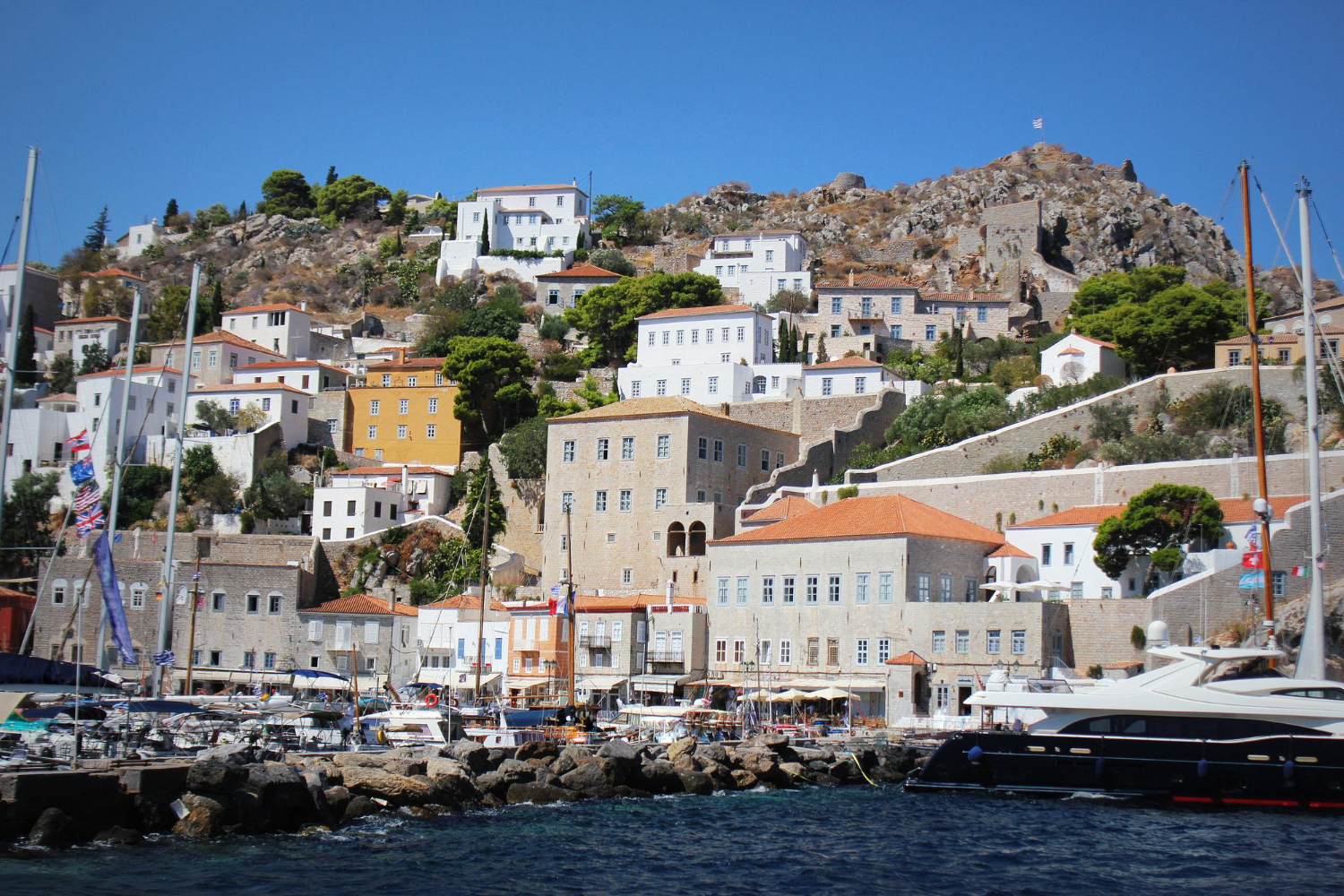
Hydra sits 90 minutes by ferry from Athens. The island has approximately 2,500-3,000 permanent residents, no cars, no motorbikes, no bicycles, no scooters. Wheeled vehicles of any kind are prohibited by Greek law. Transportation operates through approximately 500 donkeys and mules, water taxis, and human walking. Garbage trucks and ambulances are the only motorized exceptions. The island has maintained this arrangement for decades despite massive tourism pressure. Here’s how it actually works — and why Leonard Cohen, Sophia Loren, and various other artists have made Hydra their refuge for over 60 years.
The Greek island of Hydra (pronounced EE-drah) occupies a specific position in modern Mediterranean tourism — visually stunning, historically significant, and uniquely committed to maintaining traditional patterns against modernization pressure. The complete prohibition on wheeled vehicles isn’t tourism marketing or partial restriction. It’s comprehensive Greek law strictly enforced throughout the island. The combination produces a specific atmospheric quality that’s genuinely difficult to find elsewhere in modern Europe and substantially impossible elsewhere in the Mediterranean.
The Geography and Population
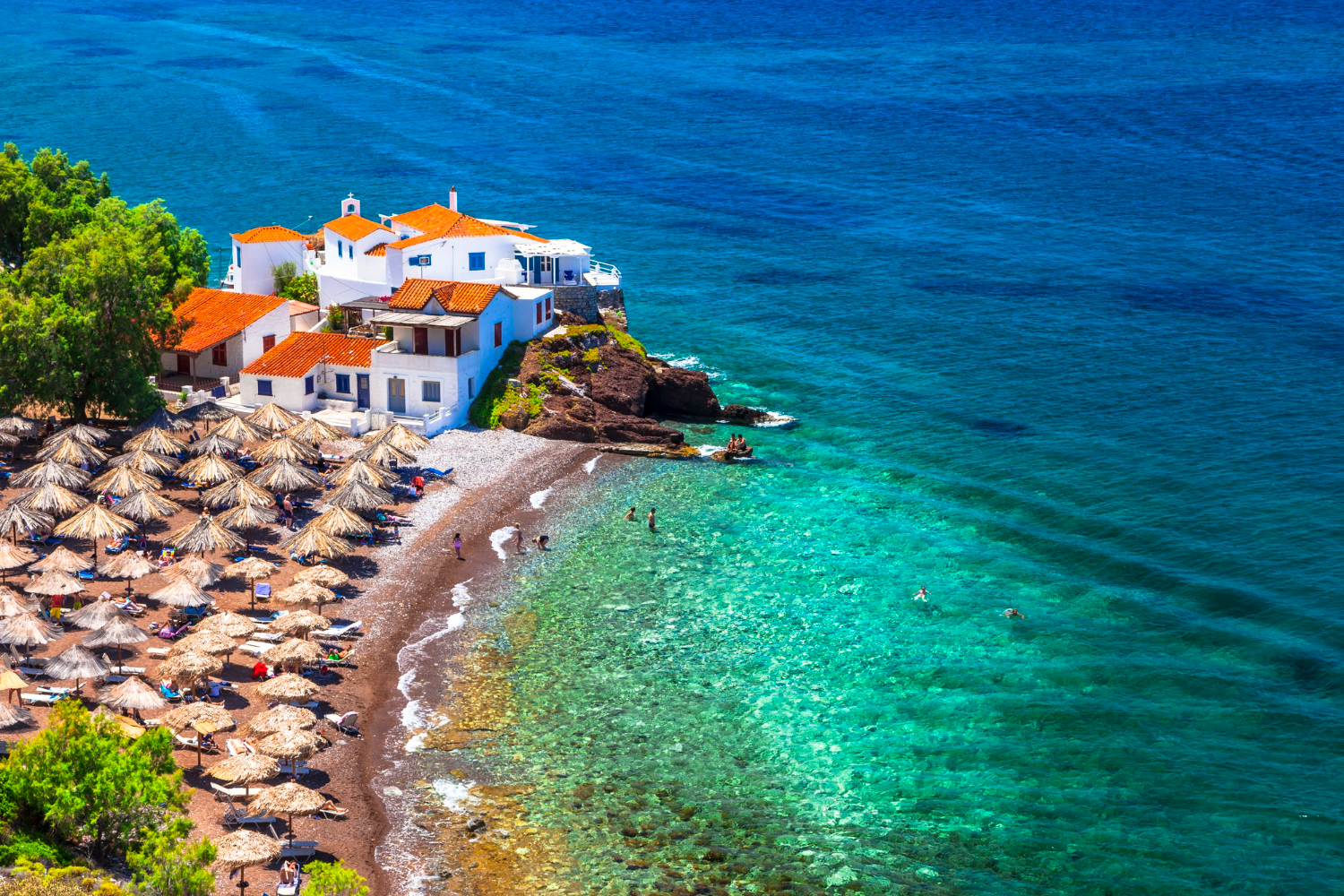
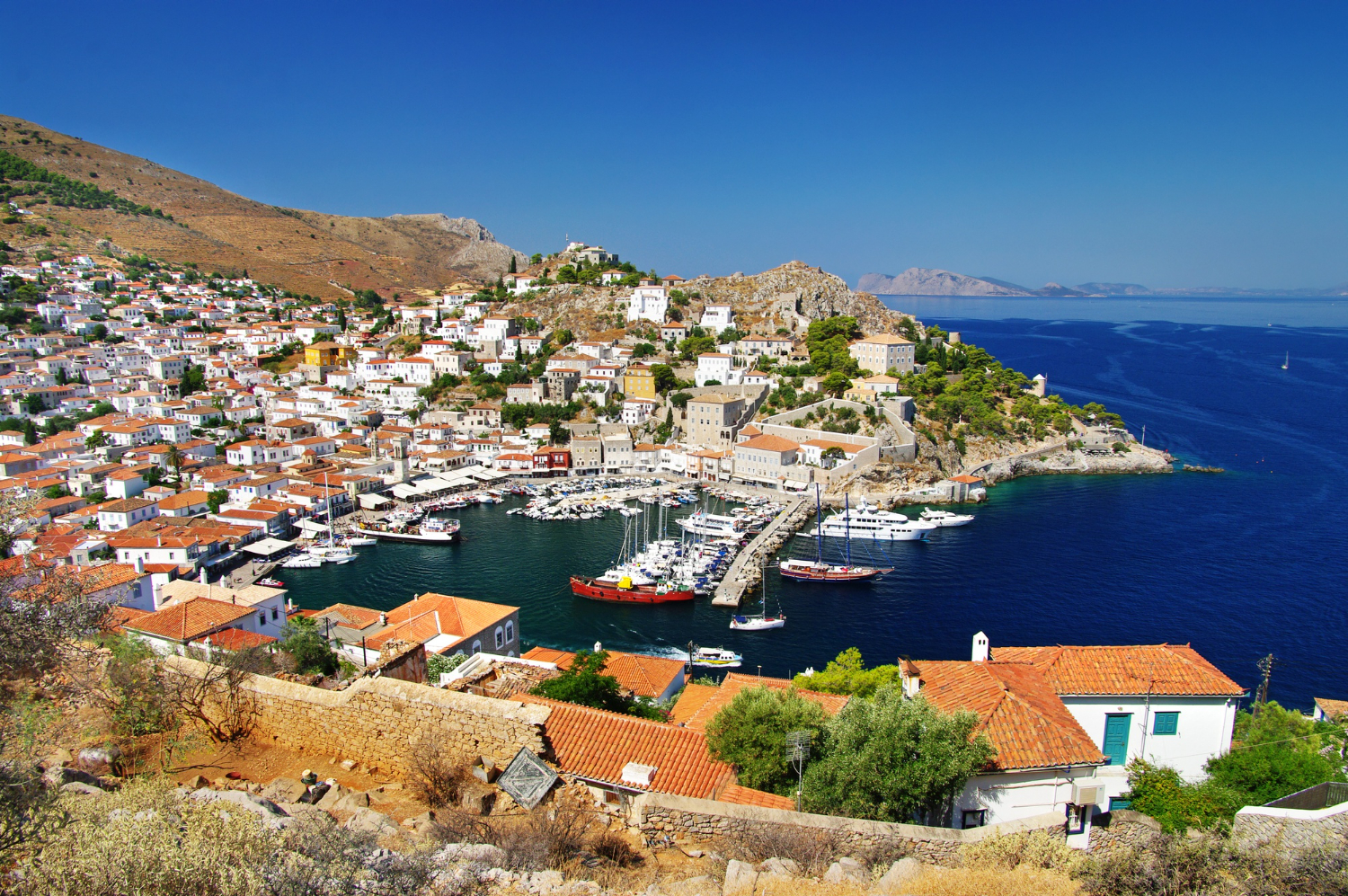
Hydra sits in the Saronic Gulf approximately 100 nautical miles southwest of Athens. The island measures approximately 19 square miles (50 square kilometers). Population: approximately 2,500-3,000 permanent residents, with substantial summer tourism increases. The main town (also called Hydra) has approximately 1,900 residents and serves as the island’s primary harbor and commercial center.
The island’s geography substantially shaped its modern transportation arrangements. Steep rocky terrain rises sharply from the harbor. Narrow stone streets follow paths laid out centuries ago when transportation was primarily by foot or animal. The combination makes wheeled vehicle access genuinely impractical even if it were legally permitted. The narrow streets simply cannot accommodate cars without destroying the historical infrastructure that defines the island’s character.
The Car Ban Itself
Greek law specifically prohibits motor vehicles, motorcycles, and bicycles on Hydra. The prohibition has been maintained for decades and is strictly enforced. Visitors arriving on ferries cannot bring cars or motorcycles. Residents cannot acquire personal motor vehicles. The few exceptions — garbage collection trucks and emergency vehicles — operate under specific authorizations and limited circumstances.
The ban substantially predates modern environmental policy. It originated through practical considerations during the 20th century when motorization spread across Greece. Hydra’s narrow streets and steep terrain made cars genuinely impractical. The community chose to maintain traditional transportation methods rather than modify the historical infrastructure. The cumulative effect across decades has produced an island that functions substantially as it did in the 19th century in terms of how people and goods actually move around.
How Donkeys Actually Work
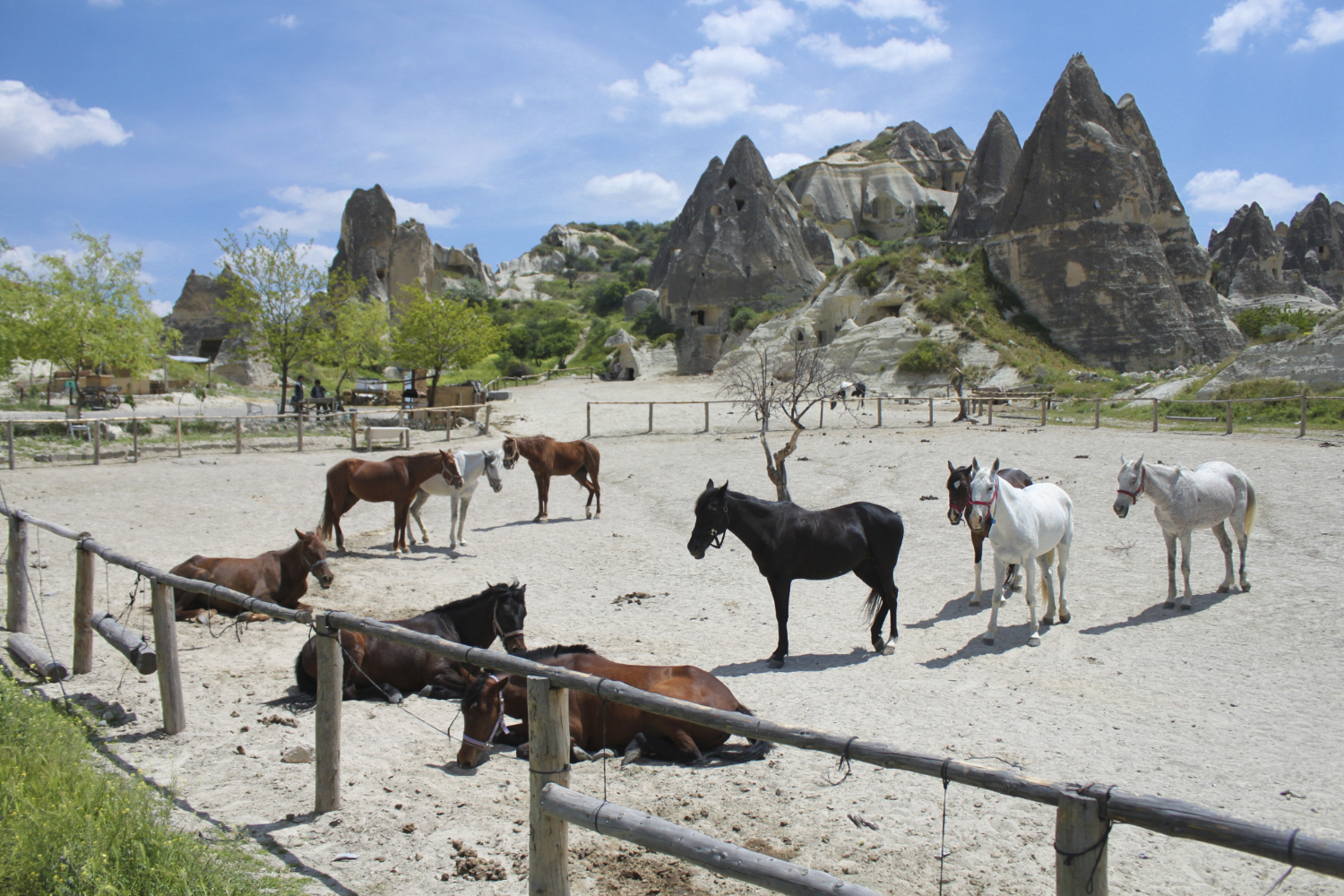
Approximately 500 donkeys, mules, and small horses provide most of Hydra’s transportation services. The animals are owned by specific local families who operate them as small businesses — transporting tourists’ luggage from the ferry to accommodations, hauling building materials for renovation projects, carrying groceries and supplies for local residents, and various other commercial functions.
The system requires substantial coordination. Donkey owners maintain specific routes and rates. Animals are matched to specific cargoes and routes appropriate to their abilities. Care for the animals — feeding, veterinary attention, retirement of older animals — represents substantial ongoing work. The donkeys aren’t tourist gimmicks but functional infrastructure that residents rely on for daily life. Tourists who hire donkeys are essentially using the same transportation system locals use.
The Daily Life Reality
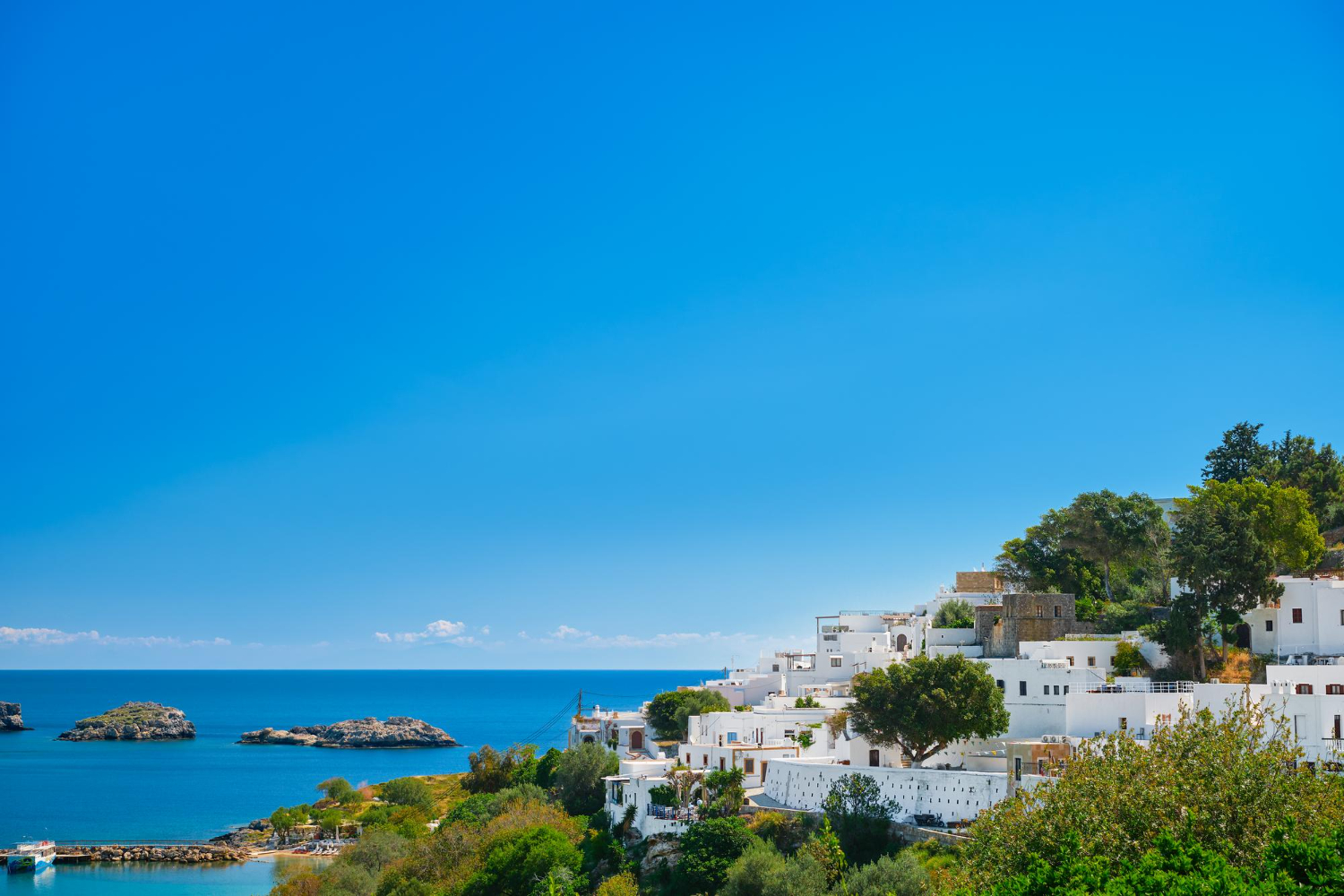
Modern Hydra residents organize their lives around walking and donkey-based transportation. Distances that would be trivial by car in mainland Greece become substantial in Hydra. Carrying heavy items requires either donkey assistance or sustained physical effort. Construction projects need careful logistical planning. The cumulative effect produces lifestyles substantially different from contemporary mainland Greek patterns.
The constraints produce specific benefits. Air quality is exceptional. Noise levels are dramatically lower than typical Mediterranean towns. The pace of daily life is genuinely slower. Children can play in streets without traffic concerns. Elderly residents face fewer mobility hazards. Various other quality-of-life factors that motorization has reduced elsewhere remain intact on Hydra. The trade-offs are real on both sides — Hydra residents accept inconvenience that mainland Greeks would find unacceptable in exchange for benefits mainland life cannot provide.
The Artistic Heritage
Hydra has been substantially significant in modern artistic culture for over 60 years. Canadian singer-songwriter Leonard Cohen lived on the island for several years starting in 1960, writing portions of “Bird on the Wire” and various other works during his time there. He purchased a house that remained his property until his 2016 death. The “Odos Leonard Cohen” street sign in Hydra acknowledges his significance to the island’s recent history.
Other notable artists who lived on or visited Hydra include: Sophia Loren (filmed “Boy on a Dolphin” on the island in 1956, dramatically increasing international awareness), Pablo Picasso, John Lennon, Allen Ginsberg, painters Brice Marden and Nikos Hadjikyriakos-Ghikas, author Henry Miller, and various others. The combination of dramatic visual beauty plus traditional atmosphere plus relative inaccessibility has made Hydra a recurring artistic refuge through decades of changing artistic communities.
The Maritime History
Beyond modern artistic significance, Hydra has substantial historical importance through its 18th-19th century maritime power. The island’s commercial fleet was among the largest in the Eastern Mediterranean during the late Ottoman period. Hydriot captains and crews participated in trade across the Mediterranean and beyond. The wealth generated through maritime commerce funded substantial mansions that still define Hydra’s architectural character.
The island played central role in the Greek War of Independence (1821-1829). Hydriot ships and sailors fought against Ottoman naval forces. Several major battles involved Hydra’s fleet. The island’s contribution to Greek independence is commemorated in multiple museums and historical sites throughout the modern town. The maritime heritage substantially explains why Hydra has the architectural grandeur of much larger places — the captain’s mansions and merchant houses reflect substantial wealth accumulated during the maritime era.
How to Actually Visit
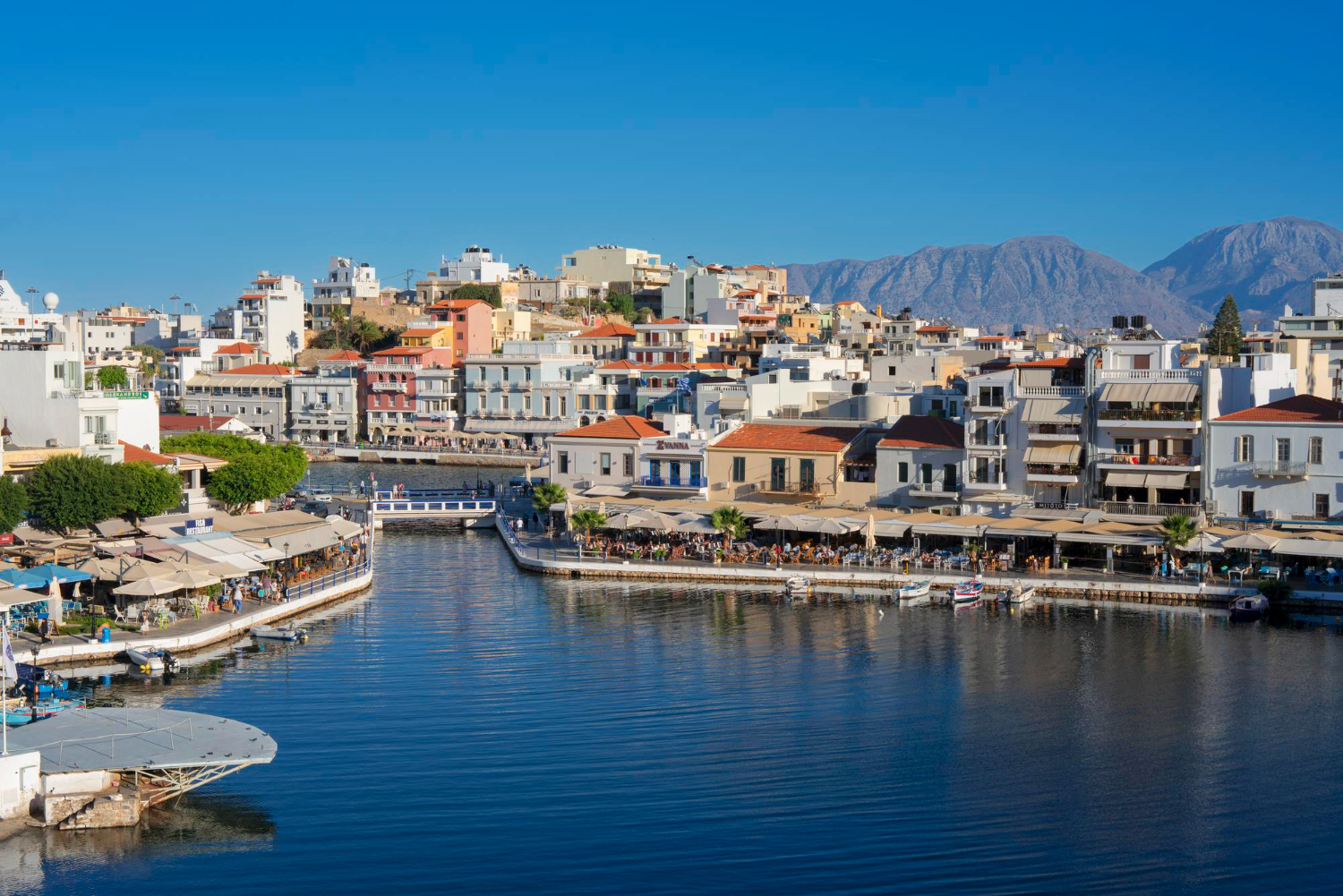
Practical guidance for Hydra visits. The island is accessible by ferry from Athens (Piraeus port) — typically 90 minutes by fast ferry, longer by traditional ferry. Multiple daily departures during summer season; reduced winter schedules. No flights — the island has no airport. Same-day round-trip visits are possible but provide minimal experience of the island’s specific atmosphere.
Multi-day stays substantially improve the experience. Accommodations range from boutique hotels in restored historical mansions to traditional pensions to vacation rentals. Costs vary substantially by season — high summer rates can be substantial; spring and autumn offer better value. Walking shoes are essential — cobblestone streets and steep terrain require appropriate footwear. Pack lightly; remember that bringing luggage to your accommodations may require donkey transport or substantial walking with bags.
What Hydra Actually Represents
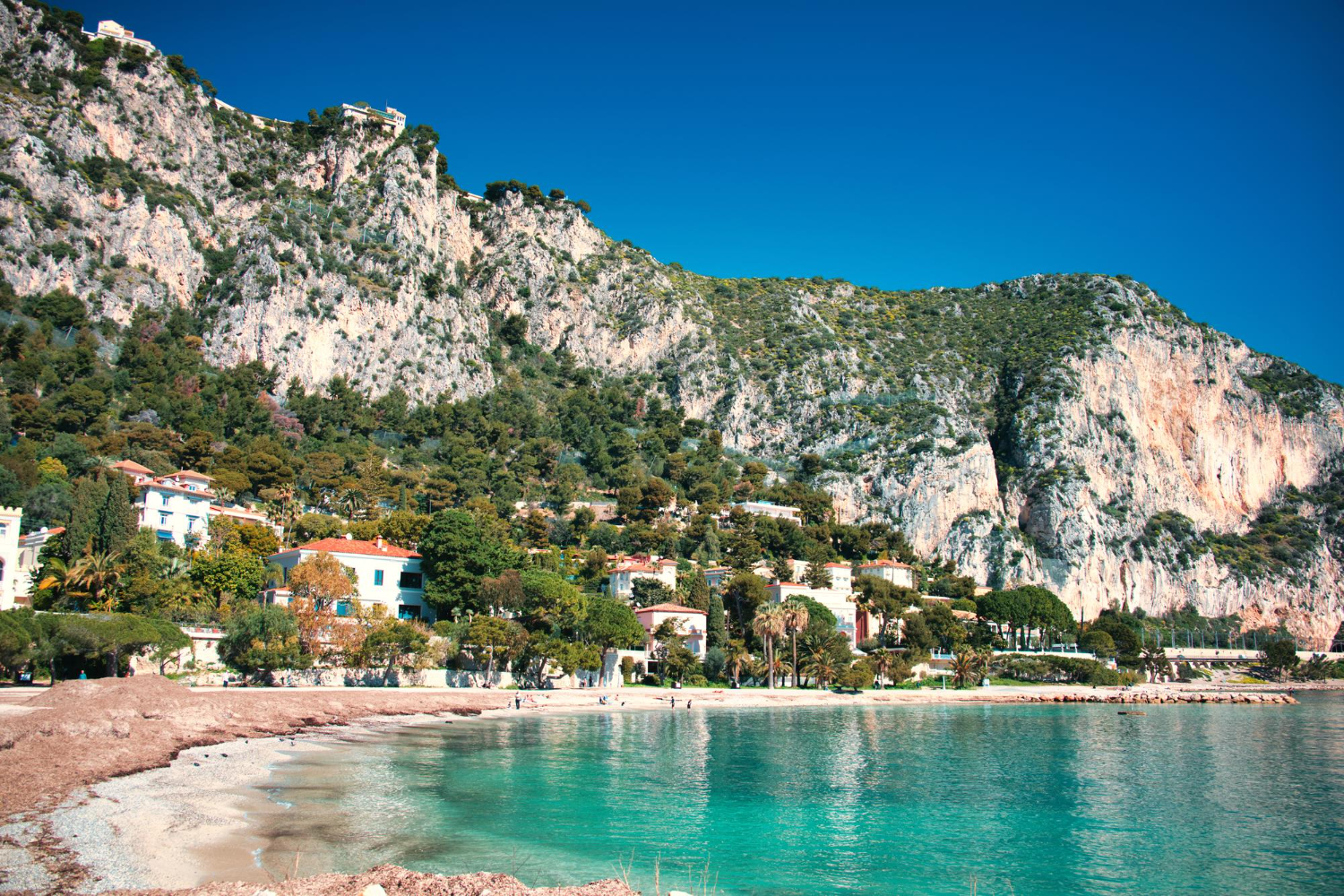
Hydra represents what’s possible when communities deliberately maintain traditional patterns against modernization pressure. The car ban isn’t picturesque tourism gimmick — it’s substantive policy choice that residents have maintained for decades despite various pressures. The cumulative effect produces a Mediterranean island experience that exists nowhere else in quite the same way. Visitors get specific atmospheric quality (silence, traditional pace, historical authenticity) that mainstream tourism has largely eliminated from competing Mediterranean destinations.
What These Tradeoffs Reveal
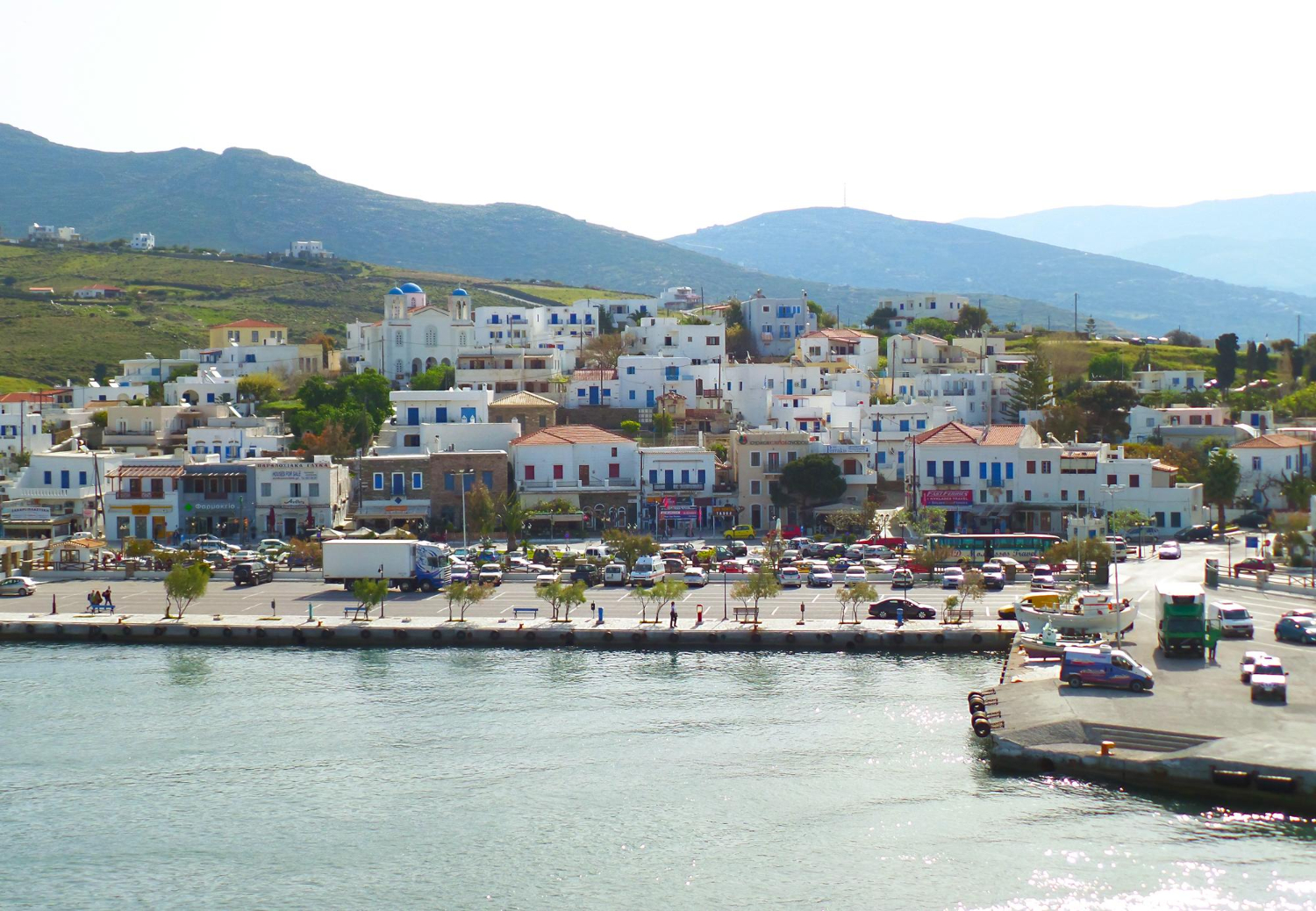
The Hydra model demonstrates real tradeoffs that other Mediterranean destinations have generally chosen differently. Convenience versus atmosphere. Modernization versus heritage preservation. Individual mobility versus community traffic patterns. Hydra has consistently chosen the less-modern alternatives. The result is a destination that some visitors find magical and others find inconvenient. Both reactions are legitimate. The community has decided that the benefits justify the costs. Other Mediterranean communities have decided differently and produced substantially different (typically more convenient but less distinctive) destinations. For travelers willing to accept the inconvenience, Hydra provides specific experiences that genuine convenience-focused destinations cannot replicate. The 500 donkeys are not tourism props. They’re functional infrastructure that maintains an island experience genuinely impossible elsewhere in modern Europe. The fact that Greece allowed and continues to allow this arrangement reflects specific cultural commitments to preserving certain traditional places intact rather than modernizing them out of recognition. Hydra represents one of the more successful examples globally of preserved traditional community within otherwise heavily modernized regional context.