Bhutan is the only country on Earth that charges international tourists a substantial daily fee just to be present in the country. The “Sustainable Development Fee” (SDF) — currently $100 per person per day for most international visitors, set to return to $200 in September 2027 — funds free healthcare, free education, and environmental preservation for all Bhutanese citizens. The policy has produced one of the world’s most distinctive tourism economies. Annual visitor numbers remain deliberately low. The country has no traffic lights anywhere, prohibits substantial commercial advertising, and measures national success through Gross National Happiness rather than GDP. Here’s how it actually works.
1: A Kingdom Between China and India
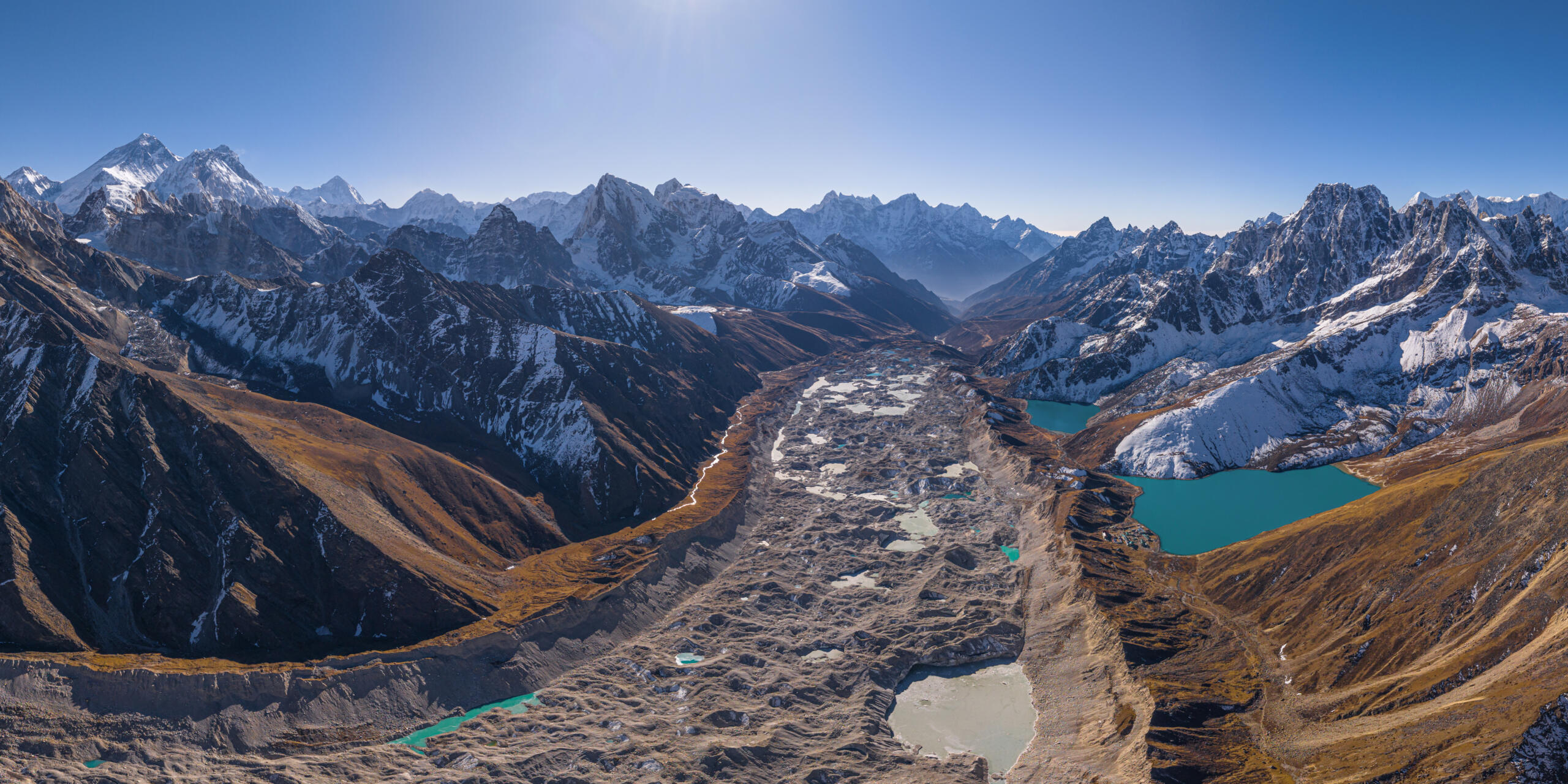
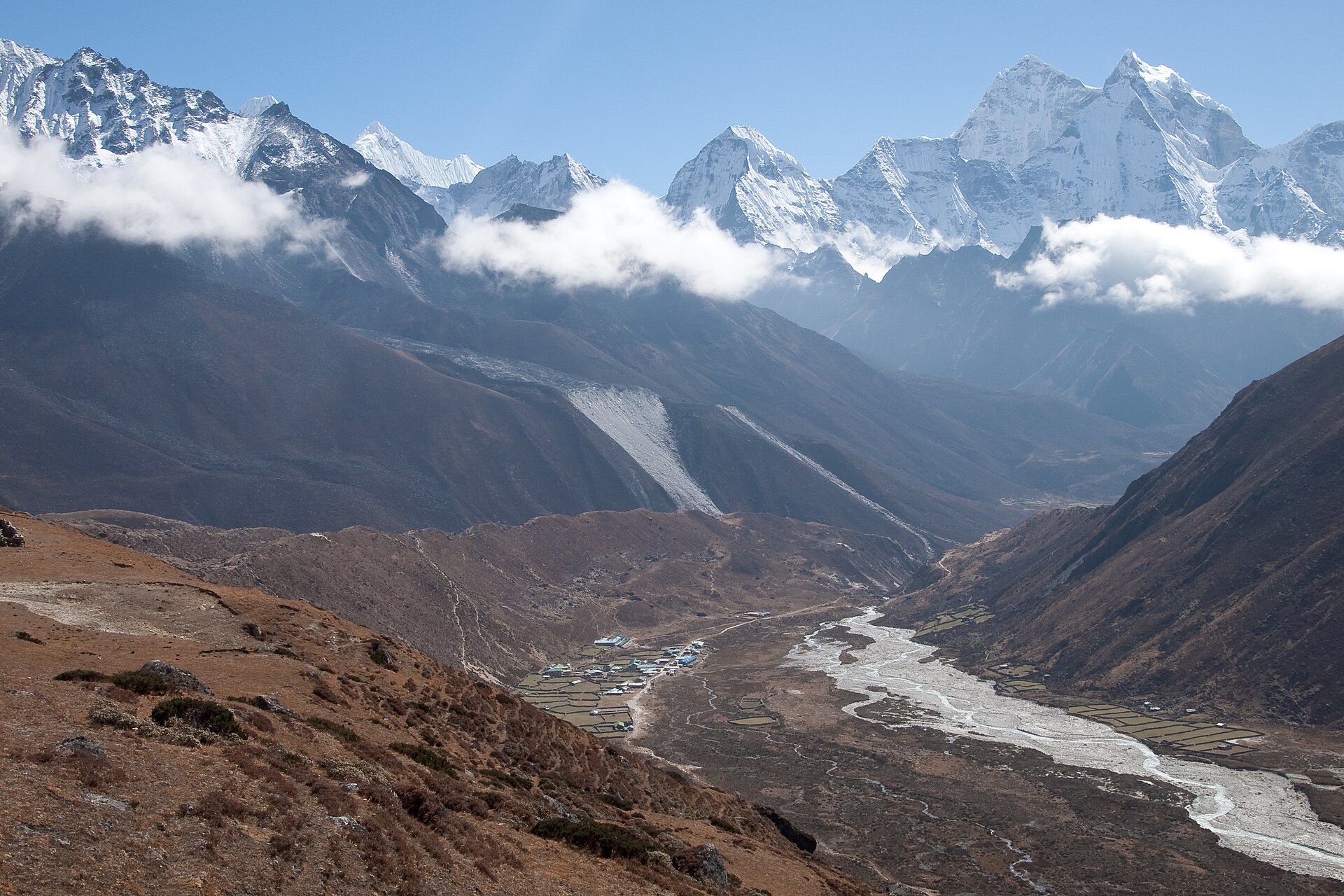
Bhutan is a small landlocked Buddhist kingdom on the eastern edge of the Himalayas, sandwiched between China and India. Total population: approximately 800,000. Total area: 38,394 square kilometers (about the size of Switzerland). Capital: Thimphu. Official language: Dzongkha. State religion: Vajrayana Buddhism. The country occupies dramatic mountain terrain ranging from approximately 200 meters elevation in southern subtropical valleys to over 7,000 meters in the northern Himalayan peaks.
Bhutan deliberately remained closed to international tourism until 1974. Television and internet weren’t legalized until 1999 — among the latest national introductions of these technologies anywhere in the world. The country has never been colonized, maintaining continuous cultural sovereignty across centuries while neighbors experienced various foreign occupations. The combination of geographic isolation, deliberate policy choices, and continuous cultural sovereignty has produced a society distinctly different from essentially anywhere else.
2: The Original Tourism Policy (1974)
Bhutan’s tourism policy has been substantially distinctive since the country first opened to international visitors in 1974. The founding principle was “high value, low volume” — deliberately limiting visitor numbers while ensuring those who came contributed substantially to the country. The policy reflected concerns about preserving Bhutanese culture, environment, and traditional way of life against the disruptive effects that mass tourism had produced elsewhere in the Himalayas (notably Nepal).
The original system required all foreign visitors to book through licensed Bhutanese tour operators and pay minimum daily package rates. The packages typically included accommodation, transportation, meals, guide services, and various other necessities. International visitors essentially could not travel independently — all visits required pre-arranged tours with specific Bhutanese operators. The system substantially limited visitor flexibility but ensured tourism revenue flowed primarily to Bhutanese businesses and government rather than international tour companies.
3: The 2022 Reforms
In June 2022, Bhutan implemented major reforms to its tourism policy. The previous Minimum Daily Package Rate (MDPR) system was abolished. The Sustainable Development Fee (SDF), which had been $65 per person per day as part of the package rate, was raised to $200 per person per day as standalone fee. International visitors could now book accommodation, transportation, and various services independently rather than through mandatory all-inclusive packages.
The 2022 reforms substantially changed visitor experience. Previously, the daily $250 package rate covered most expenses; now, tourists pay $200 SDF plus accommodation, food, transportation, and various other costs separately. Total daily costs for many visitors actually increased substantially under the new system. The reforms reflected specific government decisions about prioritizing higher-quality tourism over total visitor numbers, even at the cost of reduced overall tourism volume during the post-pandemic recovery period.
4: The 2023 Reduction to $100
In September 2023, the Bhutanese government reduced the SDF from $200 to $100 per person per day for most international visitors. The reduction was specifically temporary — applying through August 31, 2027, after which the fee is scheduled to return to $200. The temporary reduction was implemented to encourage tourism recovery after the substantial decline that followed the 2022 reforms and ongoing pandemic effects.
Children received specific discounted rates: ages 6-12 pay $50 per day, while children under 6 pay nothing. Indian nationals pay substantially reduced fees (approximately 1,200 Bhutanese ngultrum or $14-17 per night). Day-trippers from India are exempt from the fee entirely. Various other specific exemptions apply to diplomatic visitors, certain pilgrims, and various other categories. The reduced fee structure has produced some recovery in tourist numbers but levels remain well below pre-pandemic patterns.
5: What the Money Actually Funds
The Sustainable Development Fee revenues fund specific Bhutanese government programs. Free universal healthcare for all Bhutanese citizens. Free education through university level. Environmental preservation programs including extensive forest protection. Cultural heritage preservation. Infrastructure development serving rural areas. Various other programs supporting Bhutan’s distinctive social model.
The funding model substantially differs from typical tourism economies elsewhere. Most tourism revenue globally flows primarily to private businesses with secondary government tax effects. Bhutan’s SDF flows directly to government programs supporting public welfare. Tourists essentially pay direct contributions to Bhutanese social services as condition of visiting. The transparent connection between visitor payments and public benefits is part of Bhutan’s tourism marketing — visitors are explicitly framed as participating in sustainable development rather than just consuming tourism services.
6: Gross National Happiness
Bhutan is famous for measuring national success through Gross National Happiness (GNH) rather than purely economic indicators like GDP. The concept was articulated by King Jigme Singye Wangchuck in 1972 and has been formalized through specific government policies since. GNH is measured across nine domains: psychological wellbeing, health, education, time use, cultural diversity, good governance, community vitality, environmental diversity, and living standards.
The GNH framework substantially affects various Bhutanese policies. Decisions about development projects are evaluated through GNH impact assessments. Education curricula incorporate GNH concepts. Various government programs are designed around GNH principles. The framework isn’t just symbolic — it produces specific decisions that distinguish Bhutan from countries operating purely on economic metrics. Critics argue GNH provides cover for various policy limitations; supporters argue it produces genuinely better outcomes than purely economic optimization.
7: The Carbon-Negative Country
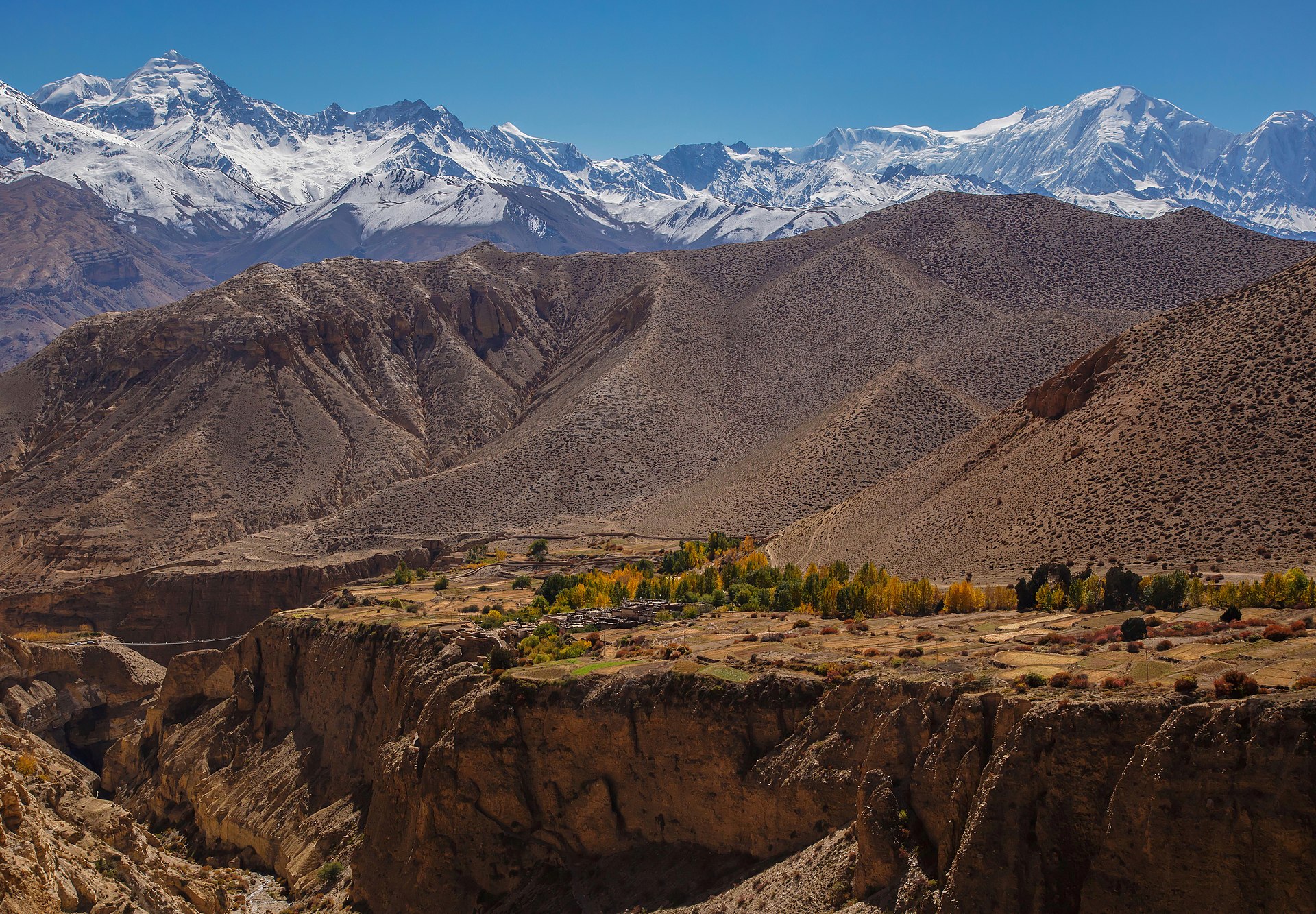
Bhutan is one of only two countries in the world (along with Suriname) currently rated as carbon-negative — absorbing more CO2 than it produces. The status results from specific policy choices: constitutional requirement that 60% of land area must remain forested permanently (current actual forest coverage is approximately 70%+), strict limits on industrial development, hydroelectric power generation that exports clean electricity to India, traditional agricultural practices that minimize emissions, and various other factors.
The carbon-negative status is genuinely notable globally — most countries struggle to reduce emissions even modestly while Bhutan absorbs more than it produces. The achievement isn’t accidental or temporary; it results from deliberate constitutional and policy commitments that Bhutan has maintained across decades. The combination of substantial forest preservation, limited industrialization, and abundant hydroelectric power produces specific environmental outcome that few other countries have achieved.
8: Tiger’s Nest Monastery
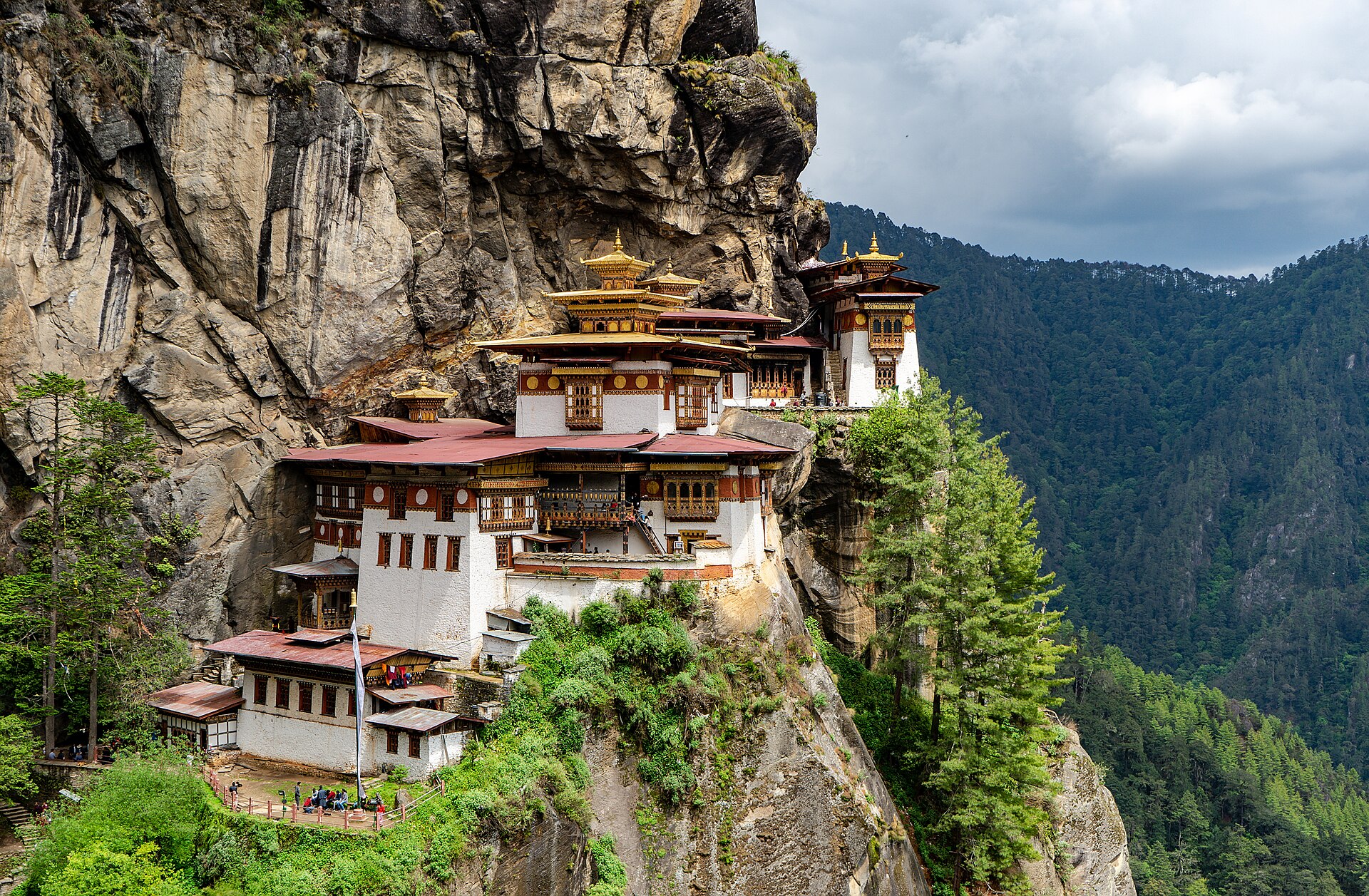
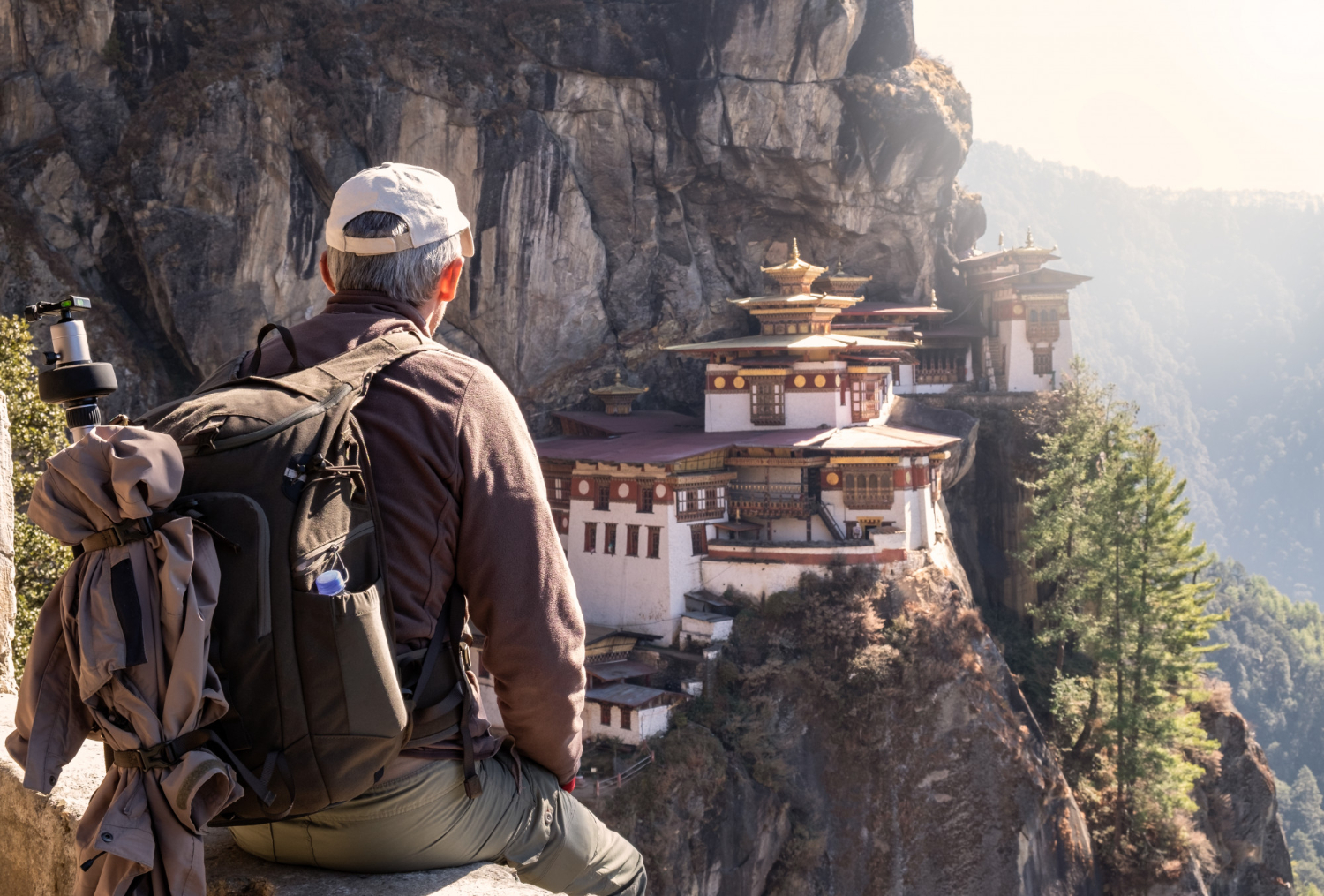
The most-photographed location in Bhutan is Paro Taktsang — better known as Tiger’s Nest Monastery. The complex clings dramatically to a cliff face approximately 900 meters above the Paro Valley, at total elevation of 3,120 meters. The monastery was built in 1692 around the cave where Padmasambhava (also known as Guru Rinpoche), who introduced Buddhism to Bhutan in the 8th century, is said to have meditated for three years.
Reaching Tiger’s Nest requires substantial hiking effort. The trail from the parking area takes 2-3 hours each way, climbing approximately 700 meters in elevation. Most visitors describe the hike as challenging but manageable for moderately fit adults. The dramatic cliff-face location and the spiritual significance combine to produce one of the most distinctive religious sites globally. The 1998 fire that destroyed substantial portions of the monastery was followed by careful reconstruction completed in 2005, with the current structure maintaining historically appropriate construction methods.
9: The Dzongs
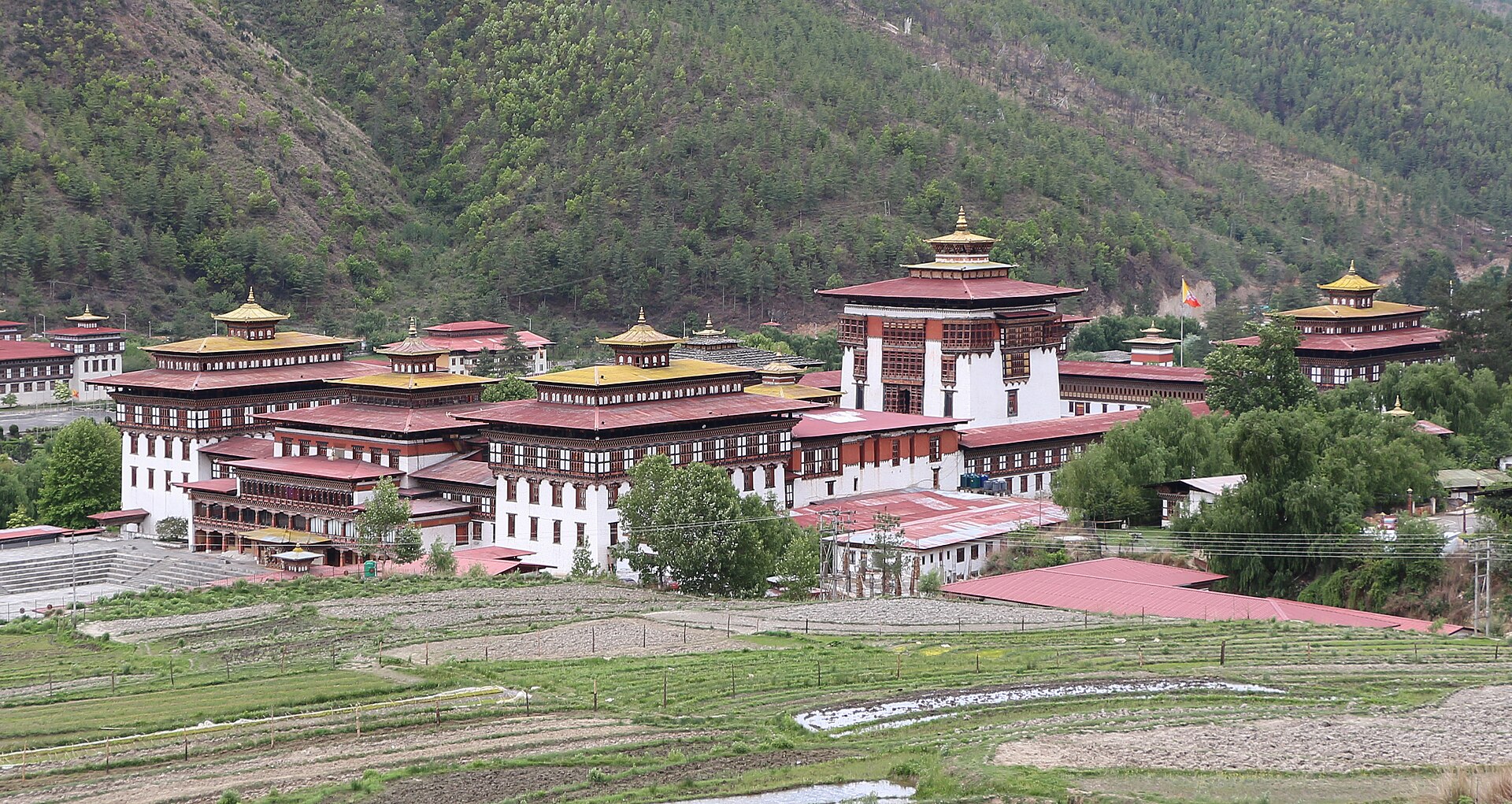
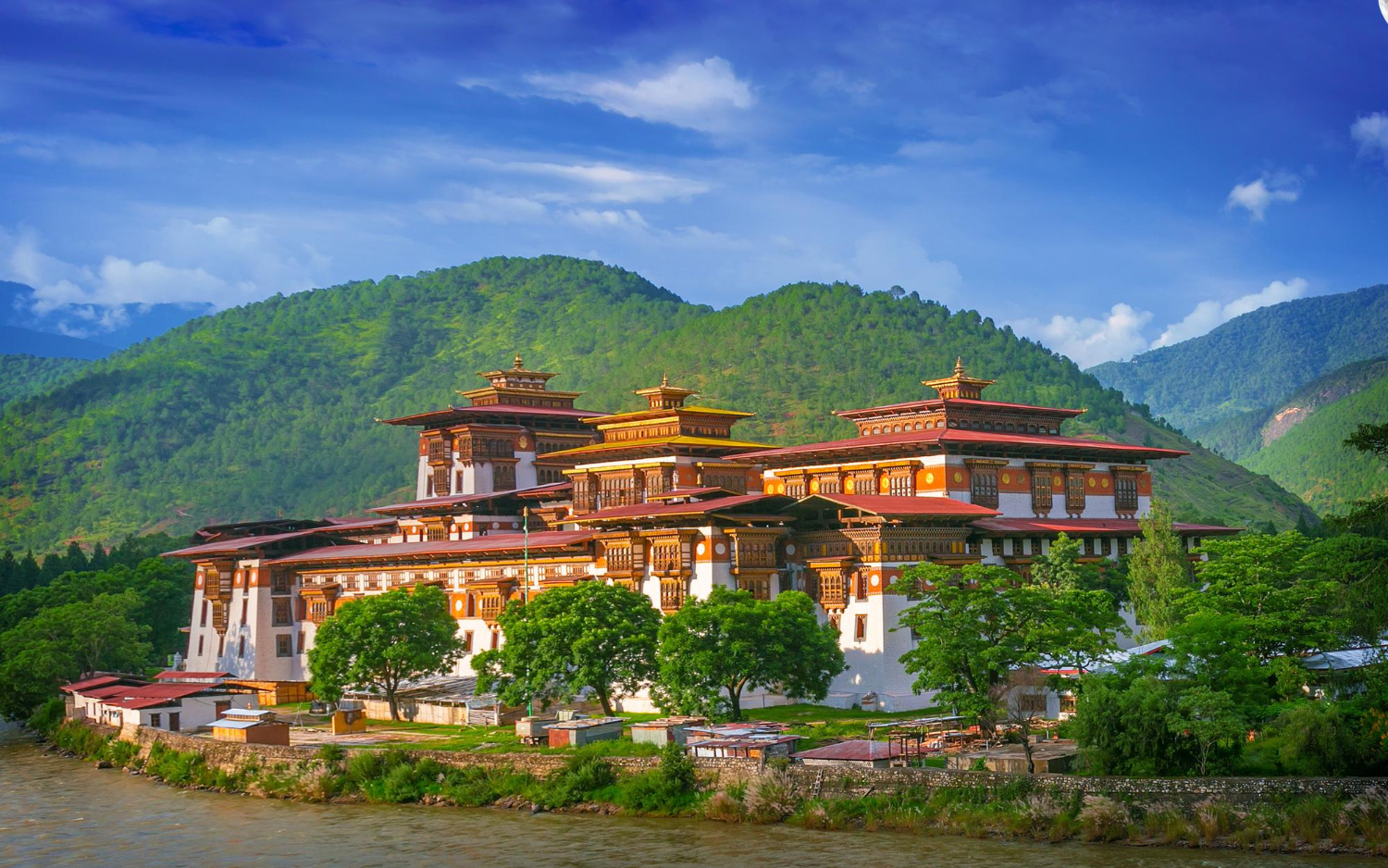
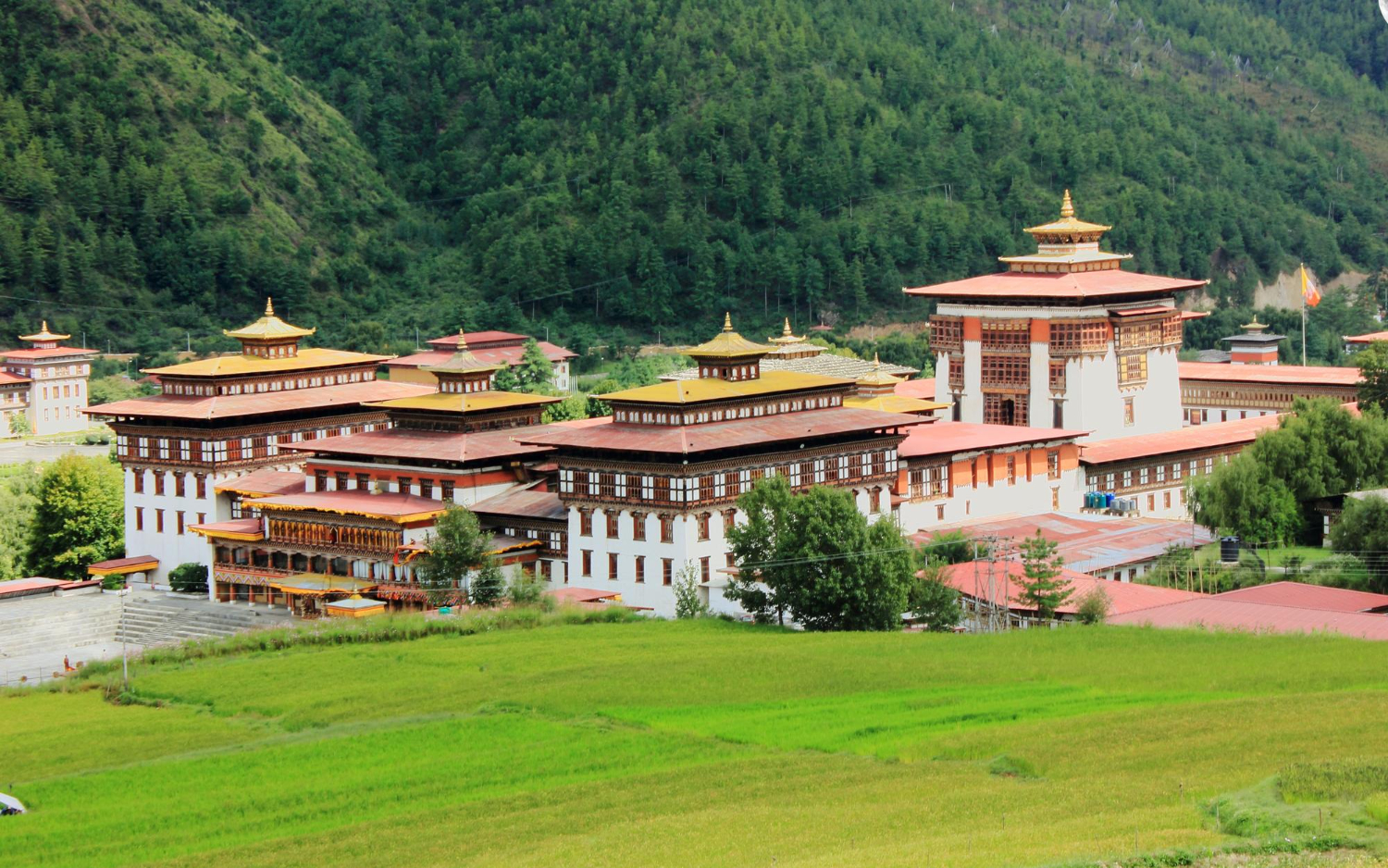
Bhutan’s traditional administrative and religious centers are dzongs — substantial fortress-monasteries that have served as combined seats of government and religious institutions for centuries. Each district has its central dzong serving both functions. Major examples include: Punakha Dzong (the most famous and historically significant, sitting at the confluence of two rivers), Trongsa Dzong (the largest), Paro Dzong (near the international airport), Thimphu Dzong / Tashichho Dzong (the current seat of government), and various others.
The dzong architecture is genuinely distinctive — massive whitewashed walls, traditional Bhutanese decorative elements, central courtyards, separate sections for government and religious functions. Most dzongs were built between the 16th and 18th centuries, though periodic reconstruction has occurred after fires and earthquakes. The dzongs continue functioning as active institutions rather than serving primarily as tourist attractions — visitors observe ongoing government and religious activities during visits.
10: The Cultural Restrictions
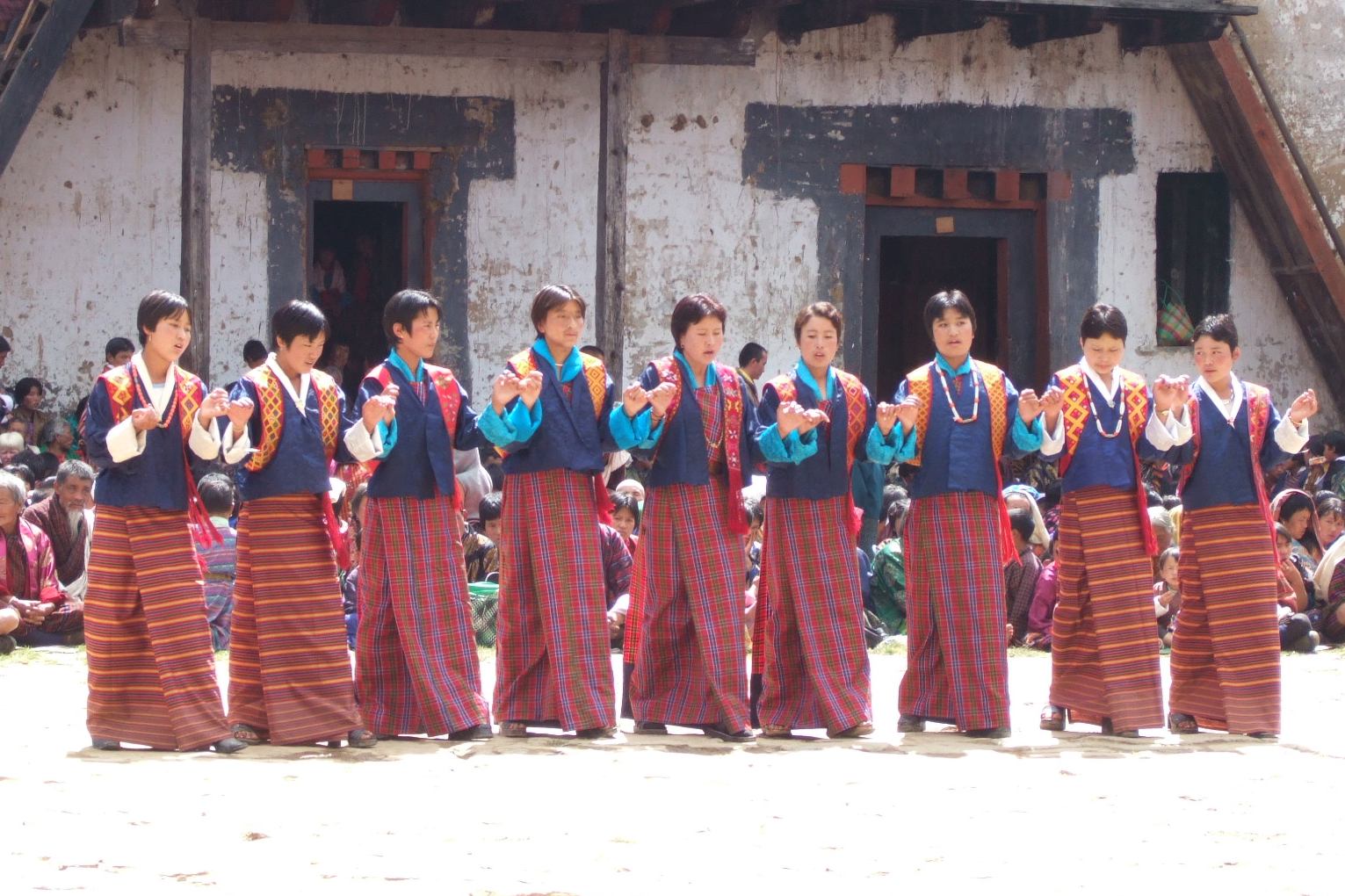
Bhutan maintains specific cultural policies that international visitors must respect. Traditional dress (gho for men, kira for women) is required for Bhutanese citizens in government buildings, schools, and various official contexts. Foreign visitors aren’t required to wear traditional dress but must dress respectfully — particularly when visiting religious sites. Photography of religious objects, monks, and various other subjects requires specific permission.
Various other restrictions apply. Smoking is essentially prohibited in public spaces (Bhutan was the first country to ban tobacco sales nationally in 2010, though this was modified during COVID-19 to permit limited tobacco import). Certain mountains over 6,000 meters cannot be climbed (considered sacred). Plastic bags are banned. Various other specific restrictions reflect Bhutan’s distinctive cultural and environmental priorities. International visitors who research and respect these restrictions typically have substantially better experiences than those who don’t.
11: How to Actually Visit Bhutan
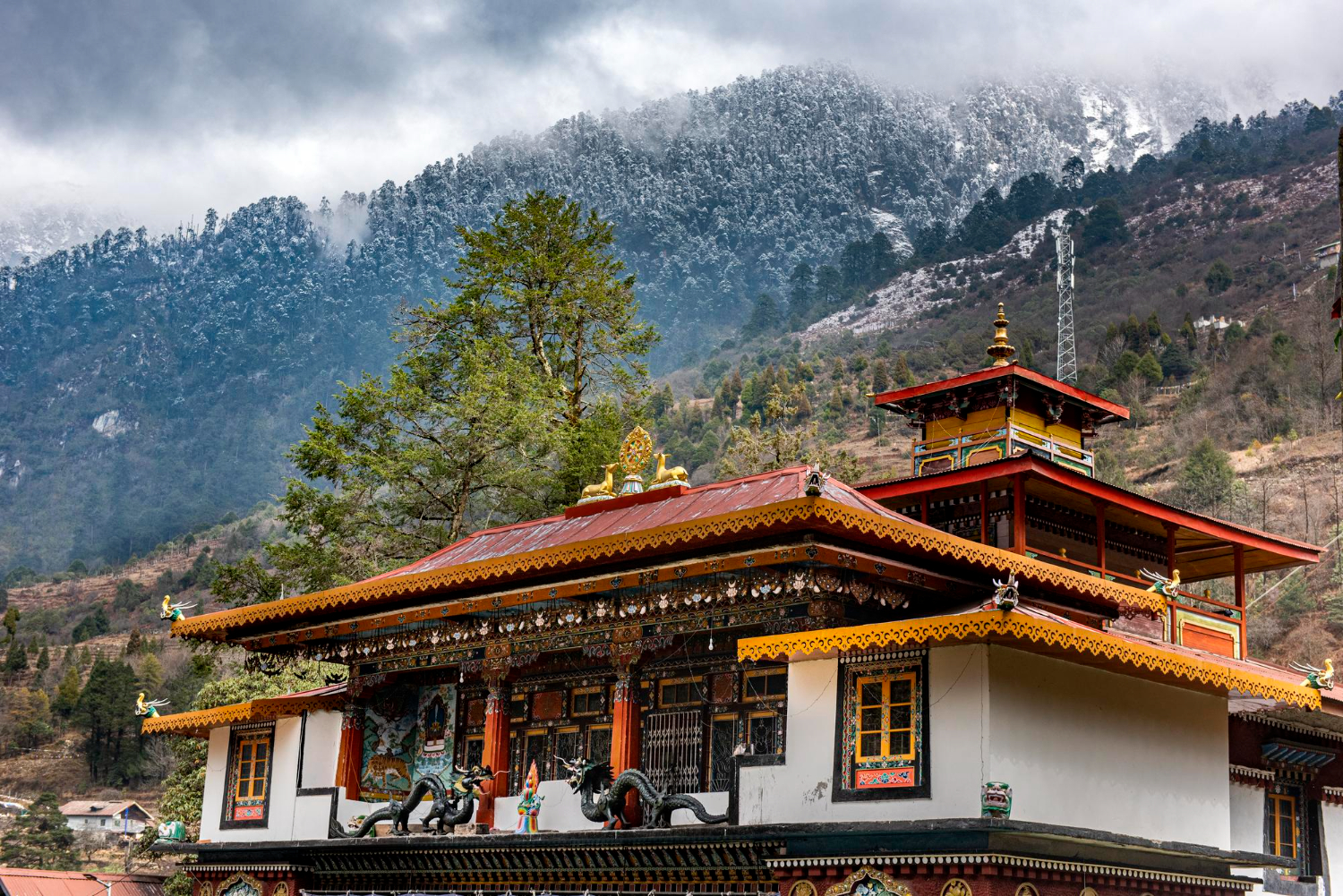
Practical guidance for travelers planning Bhutan trips. Most international visitors enter via the international airport in Paro. Drukair and Bhutan Airlines are the only airlines serving Paro Airport — flights typically connect from Bangkok, Delhi, Kathmandu, Singapore, and various other Asian cities. The runway at Paro is genuinely challenging — only specifically certified pilots fly into the airport due to surrounding mountain terrain.
Visa requirements: All international visitors except Indian nationals require visas, which are processed through licensed Bhutanese tour operators. SDF must be paid in advance as part of visa application. Total daily costs for typical international visitors run $200-400+ per day after accounting for SDF, accommodation, transportation, food, guides, and various other expenses. Multi-day trips of 7-14 days are typical. Costs for traditional Bhutanese travel substantially exceed equivalent budgets in other Asian countries — Bhutan is genuinely expensive by Asian standards.
12: The Visitor Numbers Reality
Bhutan deliberately maintains low visitor numbers compared to other tourism destinations. Pre-pandemic peak: approximately 315,000 international tourist arrivals annually (2019). Post-pandemic recovery has been substantial but slow: approximately 100,000 international visitors in 2023, with continued recovery toward pre-pandemic levels. Government targets approximately 300,000 annual visitors with emphasis on “third country” (non-regional, non-Indian) visitors paying full SDF rates.
For comparison, Nepal receives approximately 1+ million annual international tourists. Bhutan’s deliberate volume restrictions produce substantially different visitor experiences than mainstream tourism destinations. Visitors aren’t competing for access to attractions, accommodations, or guide services. The relatively few foreign visitors present at any specific time creates more intimate cultural experience than densely-touristed destinations can provide. The trade-off — substantially higher costs in exchange for substantially less crowded experience — represents specific value proposition that some travelers specifically seek.
What Bhutan Actually Represents
The Bhutanese tourism model represents specific deliberate alternative to mainstream tourism economics. Most countries pursue maximum tourism volume to maximize revenue. Bhutan deliberately restricts volume to preserve cultural and environmental values that mass tourism would degrade. The Sustainable Development Fee directly funds public services that benefit Bhutanese citizens rather than just generating private business revenues. The combination produces specific outcomes — more preserved environment, less-disrupted culture, better-funded public services, but substantially less tourism revenue and lower visitor numbers.
Whether the Bhutanese model represents superior approach depends substantially on values. Critics argue that Bhutan’s tourism restrictions limit economic opportunity for Bhutanese citizens who might benefit from increased tourism flows. Supporters argue that Bhutan’s cultural and environmental preservation provides specific value that economic optimization would destroy. Both positions have legitimate elements. What’s clear: the Bhutanese model has produced specific outcomes that few other countries have achieved — sustained carbon-negative status, preserved traditional culture, distinctive social services funded by tourism, and deliberately maintained character that mass tourism elsewhere has degraded substantially. For international visitors willing to accept the substantial costs and limited flexibility, Bhutan provides genuine experience of a place that has deliberately chosen to remain different from typical tourism destinations.