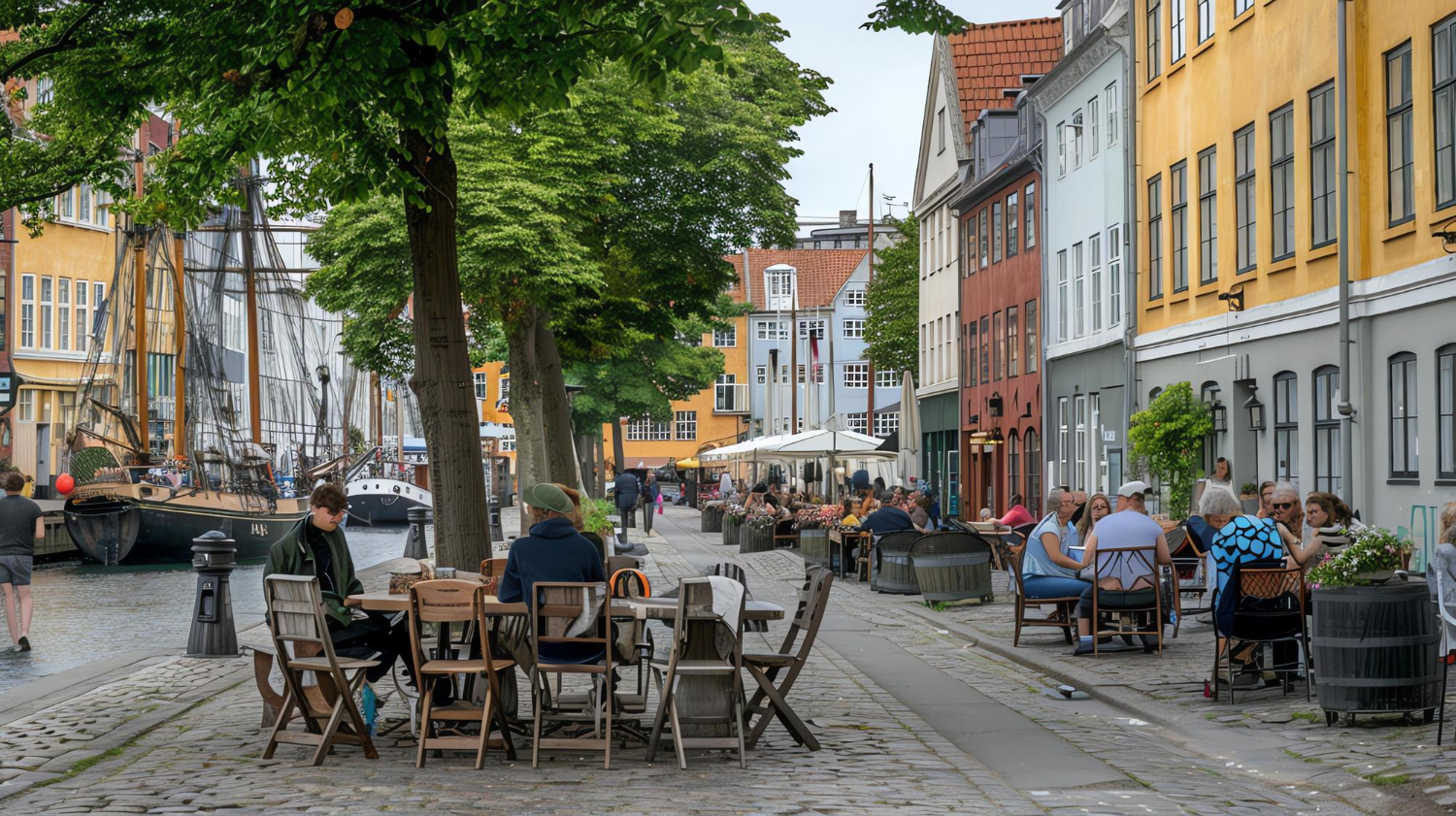
If you’ve traveled in Denmark, Sweden, or Norway and noticed sleeping babies left unattended in strollers outside cafés while parents drink coffee inside, there’s a specific Scandinavian cultural reason. The practice — called “luftbarn” (air-children) in Danish — reflects substantial cultural beliefs about fresh-air sleep benefits, social trust, and child-rearing philosophy that differs substantially from American parenting norms. The practice has produced specific international incidents when Scandinavian parents traveling abroad have continued the habit. Here’s the actual reasoning — and why it’s not negligence to Danish parents.
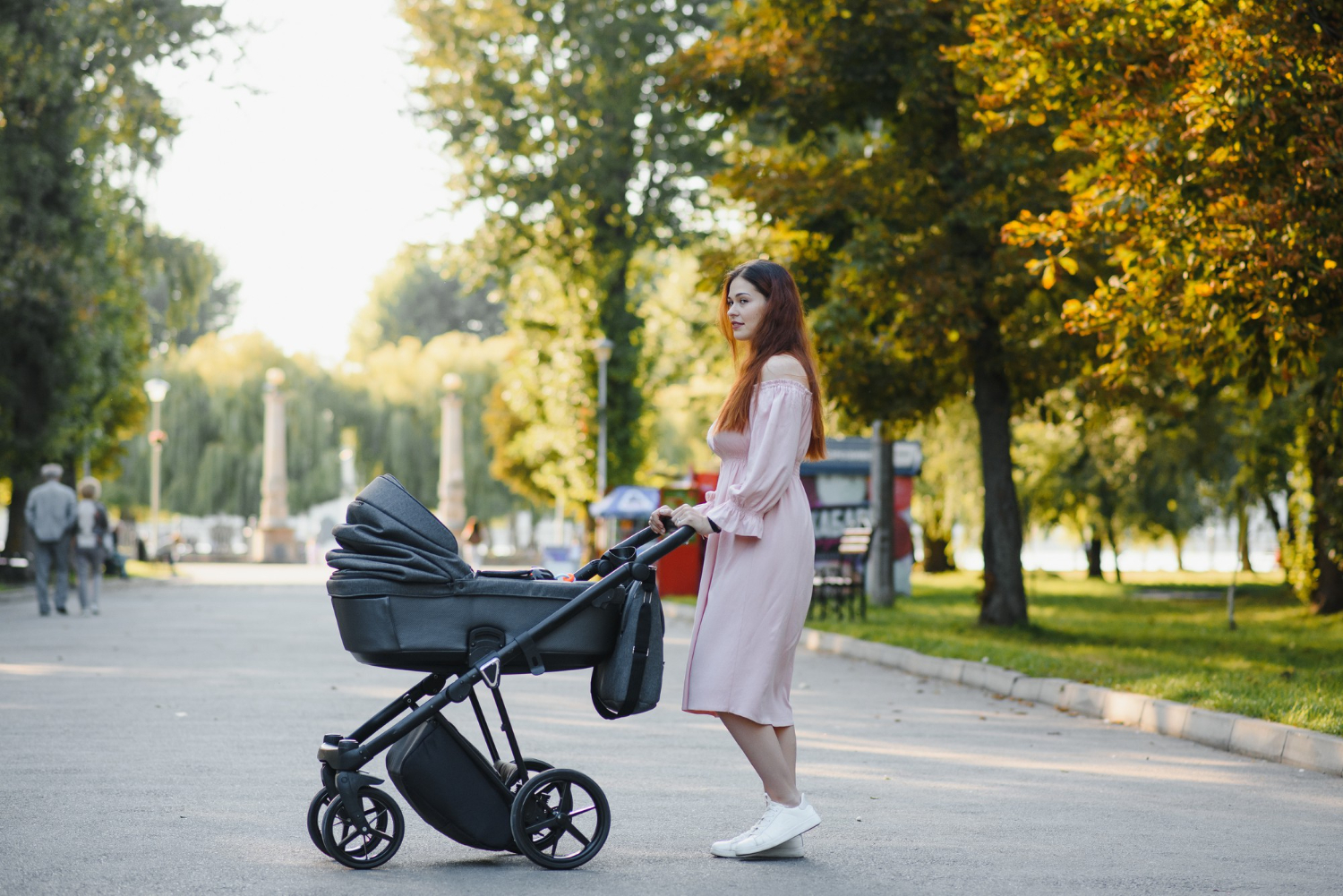
The Scandinavian practice of leaving sleeping babies in strollers outside cafés represents one of the most distinctive cultural differences between Nordic and American parenting. The practice is genuinely common throughout Denmark, Sweden, Norway, and Finland — visitors to Copenhagen, Stockholm, and various other Scandinavian cities routinely observe rows of strollers outside coffee shops with sleeping babies inside. Parents enjoy coffee, conversation, and various other activities inside while babies nap outside. The practice substantially shocks American visitors who interpret it through entirely different cultural framework about child safety.
The “Friluftsliv” Cultural Foundation

The practice connects to broader Scandinavian cultural concept called “friluftsliv” (Norwegian/Swedish/Danish term meaning roughly “free air life”). The concept emphasizes substantial benefits from outdoor exposure, including for very young children. Friluftsliv has been substantially documented in Scandinavian cultural studies and continues affecting various aspects of Nordic daily life including childhood, education, recreation, and various other domains.
The cultural assumption: regular outdoor exposure provides substantial health benefits including better sleep quality, stronger immune systems, better physical development, and various other benefits. The application to infants reflects belief that babies specifically benefit from outdoor sleep regardless of weather conditions (within reasonable limits — extreme cold/heat are exceptions). The cumulative cultural framework treats outdoor baby sleep as positive parenting practice rather than dangerous neglect.
The Sleep Quality Belief

Scandinavian parents specifically believe that babies sleep better outdoors than indoors. The belief has substantial traditional support and some modern research support. Various studies have suggested that babies who nap outdoors often sleep longer and more deeply than babies who nap exclusively indoors. The cumulative tradition reflects centuries of accumulated parenting practice supporting outdoor infant sleep.
Specific weather adaptations are made. In cold weather, babies are dressed in substantial insulated clothing including specifically designed baby sleeping bags (“kørepose” in Danish). Temperatures down to approximately -10°C (14°F) are considered acceptable for outdoor baby naps with appropriate clothing. Below those temperatures, indoor sleep is typically preferred. In hot weather, shade and ventilation are essential. The cumulative practice reflects substantial accumulated knowledge about appropriate weather adaptations rather than ignoring weather considerations.
The Social Trust Foundation
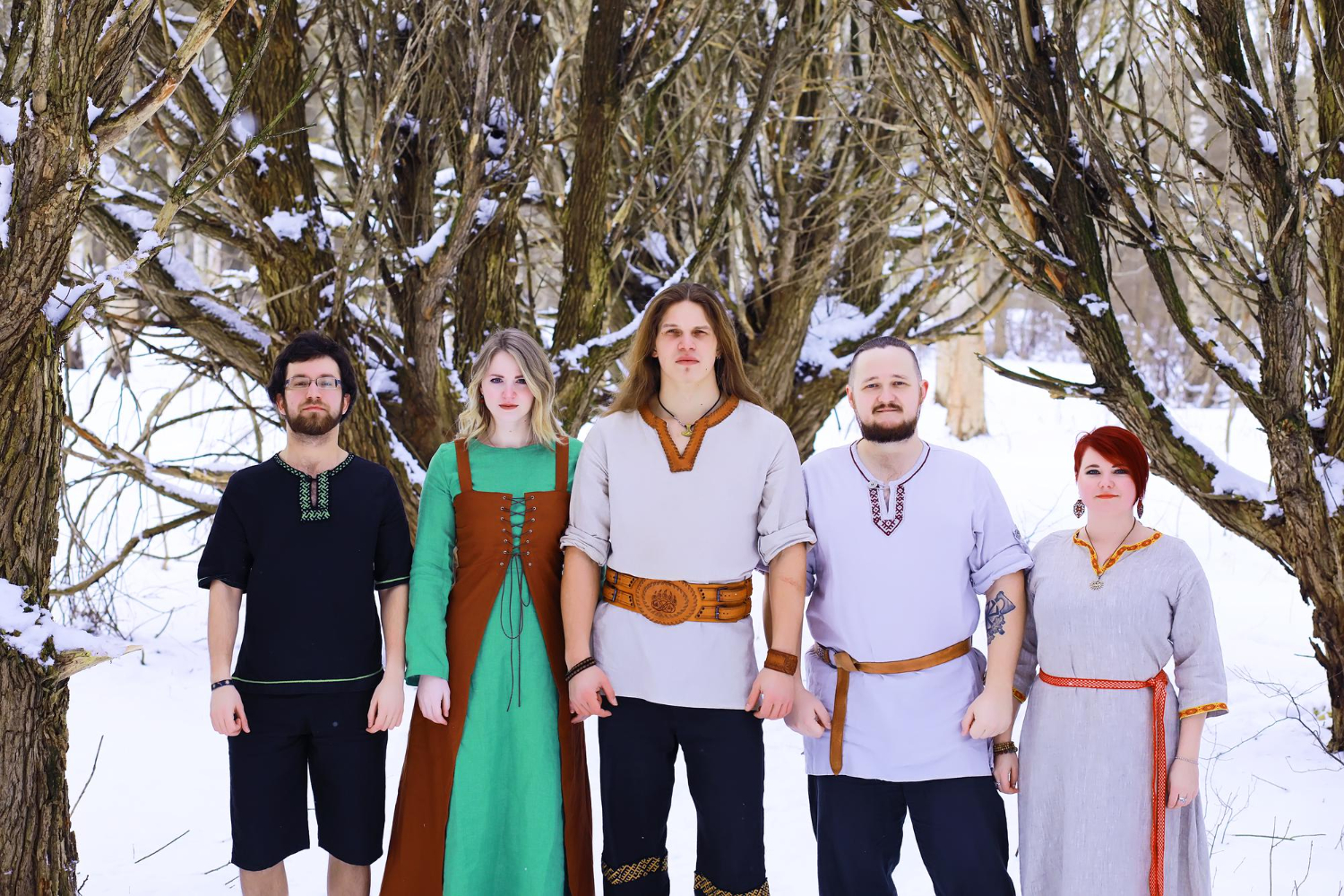
The practice reflects substantial Scandinavian social trust that doesn’t exist equivalently in many other countries. Scandinavian societies consistently rank among the world’s highest-trust societies — measured through various social science studies of generalized trust in strangers. The cumulative trust environment makes parents comfortable leaving babies temporarily unattended in public spaces in ways that would seem inconceivable in lower-trust societies.
The trust isn’t naive — Scandinavians understand that crime exists and child abduction occurs occasionally. But base rates of child abduction by strangers are genuinely very low in Scandinavian societies. The risk-benefit calculation that Scandinavian parents make produces substantially different conclusions than American parents make. Both calculations may be locally correct given the different actual risk environments. American base rates of stranger abduction are also genuinely very low but the cultural risk perception is substantially different from Scandinavian perceptions.
The 1997 New York Incident

A famous specific incident illustrated the cultural difference dramatically. In May 1997, a Danish woman named Annette Sørensen left her 14-month-old daughter sleeping in a stroller outside a Manhattan restaurant while she ate inside (where she could see the stroller through the window). Restaurant patrons called police. Sørensen and her American partner were arrested for child endangerment. The baby was placed in temporary foster care.
The incident produced substantial international media coverage and diplomatic complications. Sørensen genuinely didn’t understand that she was doing anything wrong — the practice was completely normal in Copenhagen and she was acting consistently with Danish parenting norms. American authorities and media treated the incident as clear child neglect requiring criminal response. The cumulative case illustrated that practices considered completely acceptable in Scandinavia can produce serious legal consequences elsewhere. The case was eventually resolved with Sørensen returning to Denmark with her daughter, but it produced substantial discussion about cultural differences in parenting norms.
The Fresh Air Health Tradition

Scandinavian medical tradition has substantially supported fresh air exposure for children including infants. Various Scandinavian pediatric guidelines have specifically recommended outdoor naps for babies. The recommendations have continued from earlier generations through modern medical practice. Modern Scandinavian pediatric guidance continues supporting outdoor baby naps when weather conditions are appropriate.
The medical tradition reflects specific beliefs about respiratory health, immune system development, sleep quality, and various other factors. Some specific elements have substantial scientific support — fresh air exposure does have various health benefits, and outdoor sleep can improve some sleep quality measures. Other elements reflect cultural tradition more than rigorous research support. The cumulative medical and cultural framework continues supporting the outdoor baby sleep practice across modern Scandinavian societies despite various international questioning of the practice.
The Infrastructure Adaptation

Scandinavian cities have substantially adapted infrastructure to support the outdoor baby sleep practice. Cafés typically have substantial sidewalk areas with stroller parking. Restaurants accommodate stroller storage. Various other businesses provide specific provisions for parents who want to leave babies outside. The cumulative urban design supports the practice in ways that wouldn’t function in cities not adapted to support it.
The cumulative infrastructure represents substantial cultural commitment. Scandinavian cities have made specific architectural and zoning decisions over decades that support the parenting practices. Various other Scandinavian social policies (parental leave, public transportation, healthcare) also support the broader parenting framework that includes outdoor baby sleep. The practice doesn’t exist in isolation — it’s part of broader cultural and policy framework that supports Scandinavian family life in specific ways that differ substantially from American patterns.
The American Cultural Comparison

American parenting culture has moved substantially in opposite direction over recent decades. Various incidents of children being left alone in cars or other public situations have produced specific legal and social responses. Several states have specific laws criminalizing leaving young children unattended in various contexts. The cumulative American cultural framework treats brief unattended periods for young children as substantially more concerning than Scandinavian frameworks do.
The differences reflect substantial cultural rather than purely safety calculations. American base rates of child abduction by strangers remain genuinely very low — comparable to or lower than Scandinavian base rates. But American cultural perception of risk has intensified substantially since approximately the 1980s through various cumulative factors including specific high-profile cases, media coverage patterns, demographic changes, and various other factors. The cumulative perception affects parenting practices, legal frameworks, and various other aspects of American family life in ways that substantially differ from Scandinavian patterns.
What This Reveals About Cultural Difference
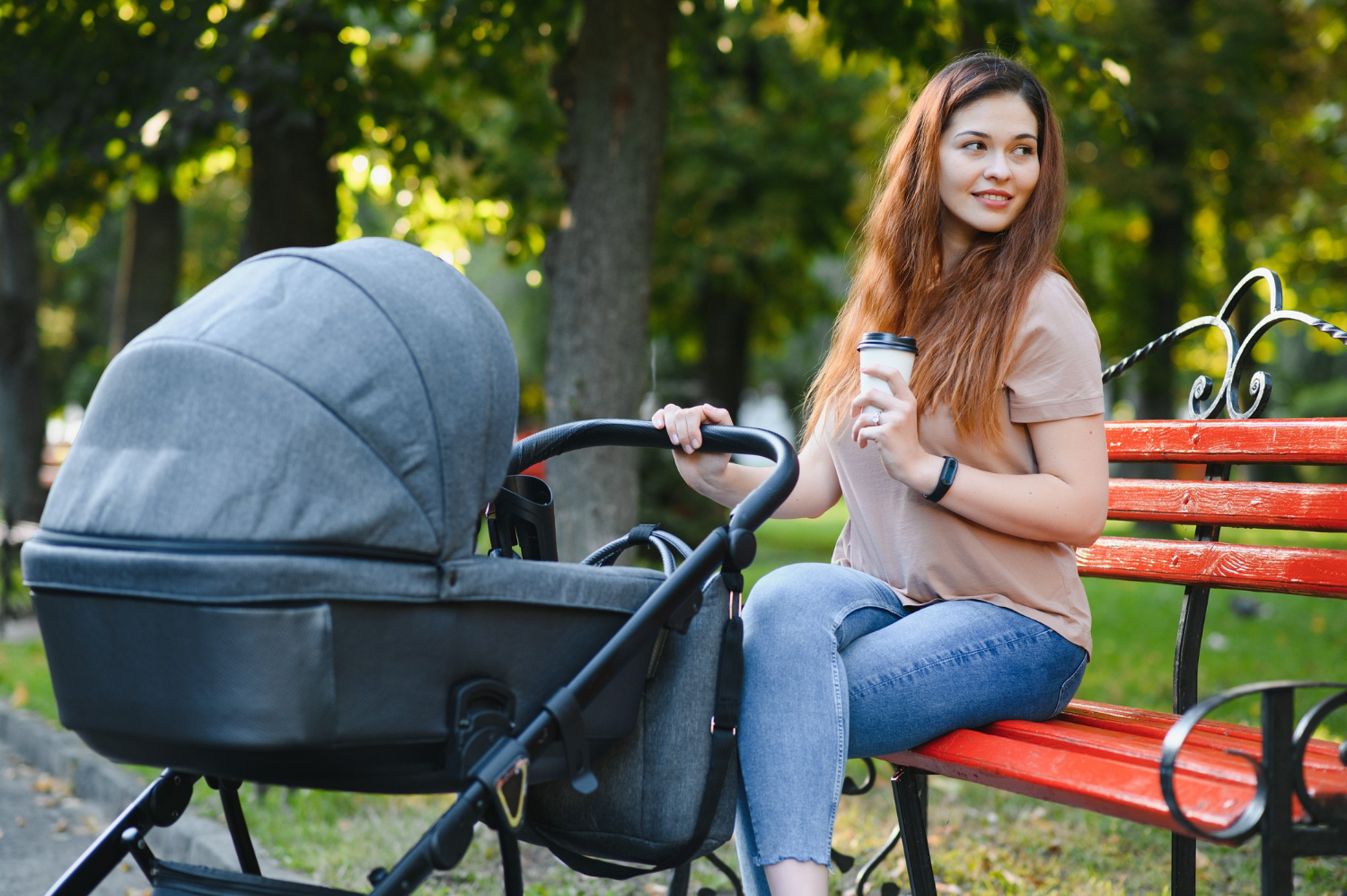
The Danish baby stroller practice represents specific aspect of broader cultural differences between Nordic and American societies. The practice isn’t simply about babies in strollers — it reflects accumulated cultural choices about social trust, parenting philosophy, urban design, medical practice, and various other interconnected factors. The specific practice works in Scandinavian context because of all the supporting cultural and infrastructure elements that have developed alongside it over generations.
For international travelers visiting Scandinavia, the practice provides specific window into substantial cultural differences. Visitors who observe the practice without judgment often find it provides genuine insight into how Scandinavian societies actually function. Various other Scandinavian practices (extensive nudity in saunas, casual approach to alcohol, specific work-life balance norms, various other elements) similarly reflect substantial cultural differences that visitors should observe with curiosity rather than judgment. The cumulative cultural exposure can substantially affect understanding of Scandinavian societies in ways that mainstream tourism rarely provides.
What Travelers Should Actually Do

Practical guidance for international travelers in Scandinavia. Don’t intervene when observing Scandinavian parents leaving babies in strollers — the practice is normal and parents are typically nearby and watching. Don’t assume Scandinavian-style behaviors are appropriate for traveling Scandinavians visiting other countries — the cultural context that supports the practice doesn’t exist universally. American visitors continuing American parenting practices in Scandinavia is generally fine; Scandinavian visitors continuing Scandinavian practices in America can produce serious legal consequences (as the 1997 Sørensen case demonstrated).
The cumulative observation provides substantial cultural learning opportunity. Various aspects of Scandinavian parenting (delayed pacifier use, specific weaning practices, particular educational approaches, various other elements) represent substantially different parenting philosophies than typical American patterns. International travelers interested in cross-cultural parenting comparison should specifically observe and discuss these differences with Scandinavian parents when opportunities arise. Most Scandinavian parents are happy to discuss their specific practices and reasoning with curious international visitors.
What This All Represents
The Danish baby stroller practice represents specific intersection of cultural values, social trust, medical tradition, and infrastructure development that produces something genuinely different from typical American parenting patterns. The practice shocks American visitors precisely because it reflects substantially different assumptions about child safety, social cooperation, and parenting philosophy. Neither approach is objectively superior — both reflect specific cultural responses to specific cultural environments that have developed over generations. For international travelers interested in understanding cultural diversity in family life, the Danish stroller practice provides specific tangible example of how substantial cultural differences manifest in everyday observable behaviors. The practice continues across modern Scandinavia despite various international questioning because the underlying cultural and infrastructure framework continues supporting it. Whether the practice will persist indefinitely or change in response to various pressures remains an open question — but currently it represents one of the more distinctive aspects of Scandinavian daily life that international visitors regularly encounter.