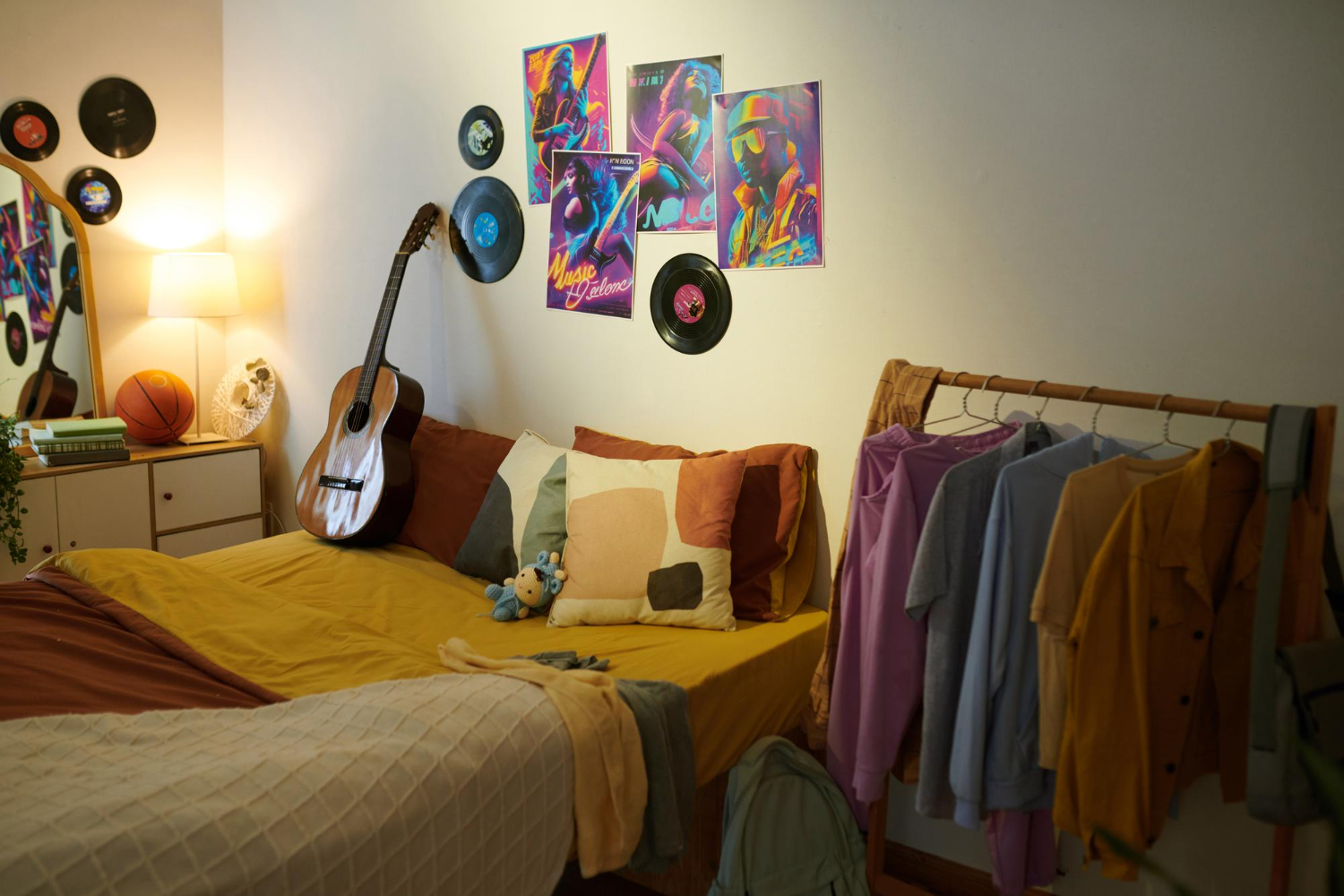
The 1992 American teenage bedroom contained specific items that defined the pre-internet teen experience. The boombox or specific stereo with substantial speakers. The corded telephone (often with very long cord that allowed dragging into the room). The substantial poster collection. The specific decorative items. Various other elements. Most of these specific items have disappeared from current American teen bedrooms — replaced by smartphones, digital alternatives, and various other specific changes that have transformed teenage personal space across one generation.
The 1992 American teenage bedroom represents specific cultural moment when various items, decorative elements, and entertainment infrastructure defined teen personal space. Walking through what was actually in that bedroom reveals substantial transformation in American teen culture across approximately 34 years. Adults who were teenagers in 1992 can readily identify the specific items that defined their personal spaces; current teenagers often find descriptions of these items genuinely incomprehensible despite the basic teen bedroom function remaining substantially consistent.
The Boombox or Stereo System
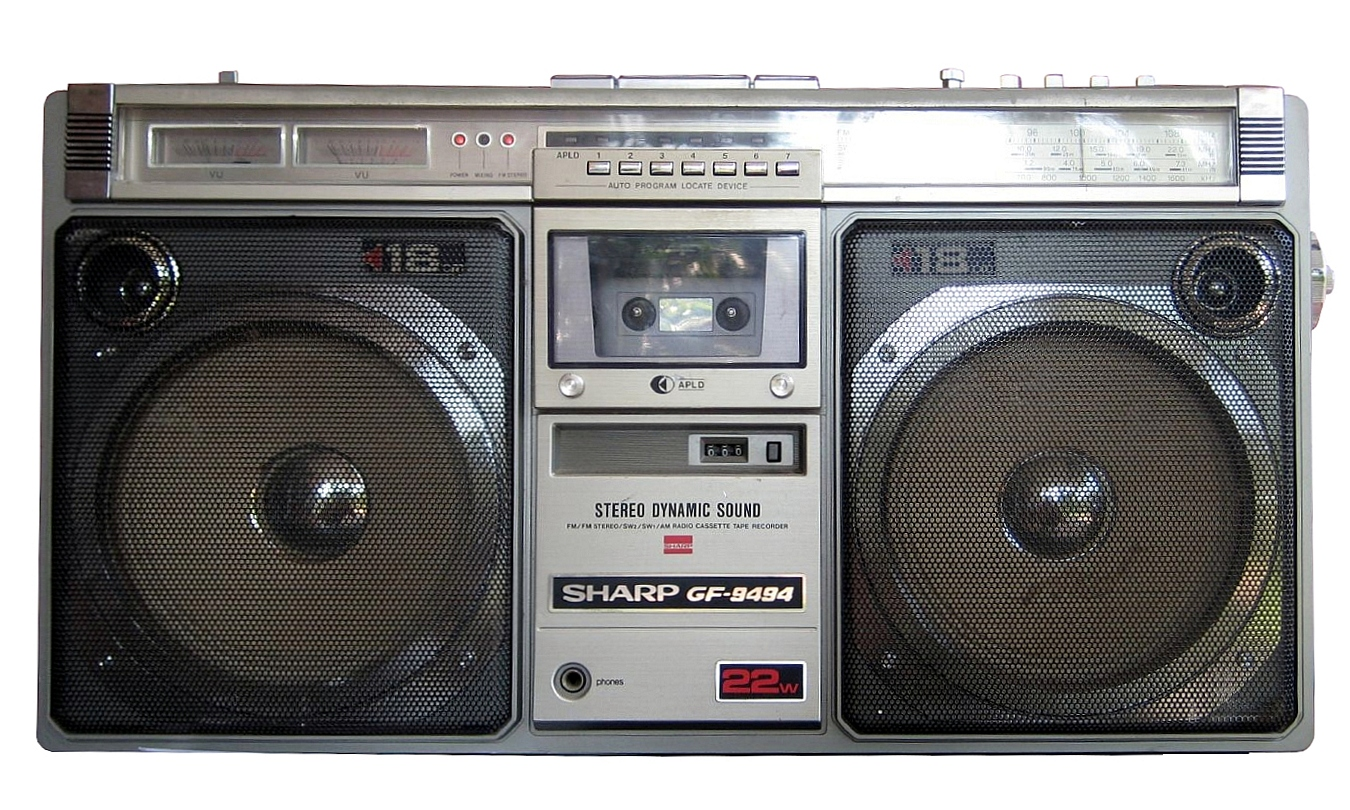
The 1992 American teen bedroom typically featured substantial audio equipment — either portable boombox (with dual cassette deck plus CD player by 1992) or dedicated stereo system with separate components. Brands like Sony, Panasonic, JVC, Pioneer, and various others dominated specific market segments. The cumulative equipment occupied substantial space and represented substantial financial investment ($150-500+ in 1992 dollars).
Modern American teen bedrooms typically lack dedicated audio equipment. Smartphones plus Bluetooth speakers provide essentially all music functions in substantially compressed form. Various specific elements of 1992 audio culture (cassette tape collections, CD collections, vinyl revival) operate differently in 2026 contexts. The cumulative audio equipment that occupied substantial space in 1992 teen bedrooms has substantially compressed into smartphone-plus-speaker combinations that occupy minimal space.
The Cassette Tape Collection
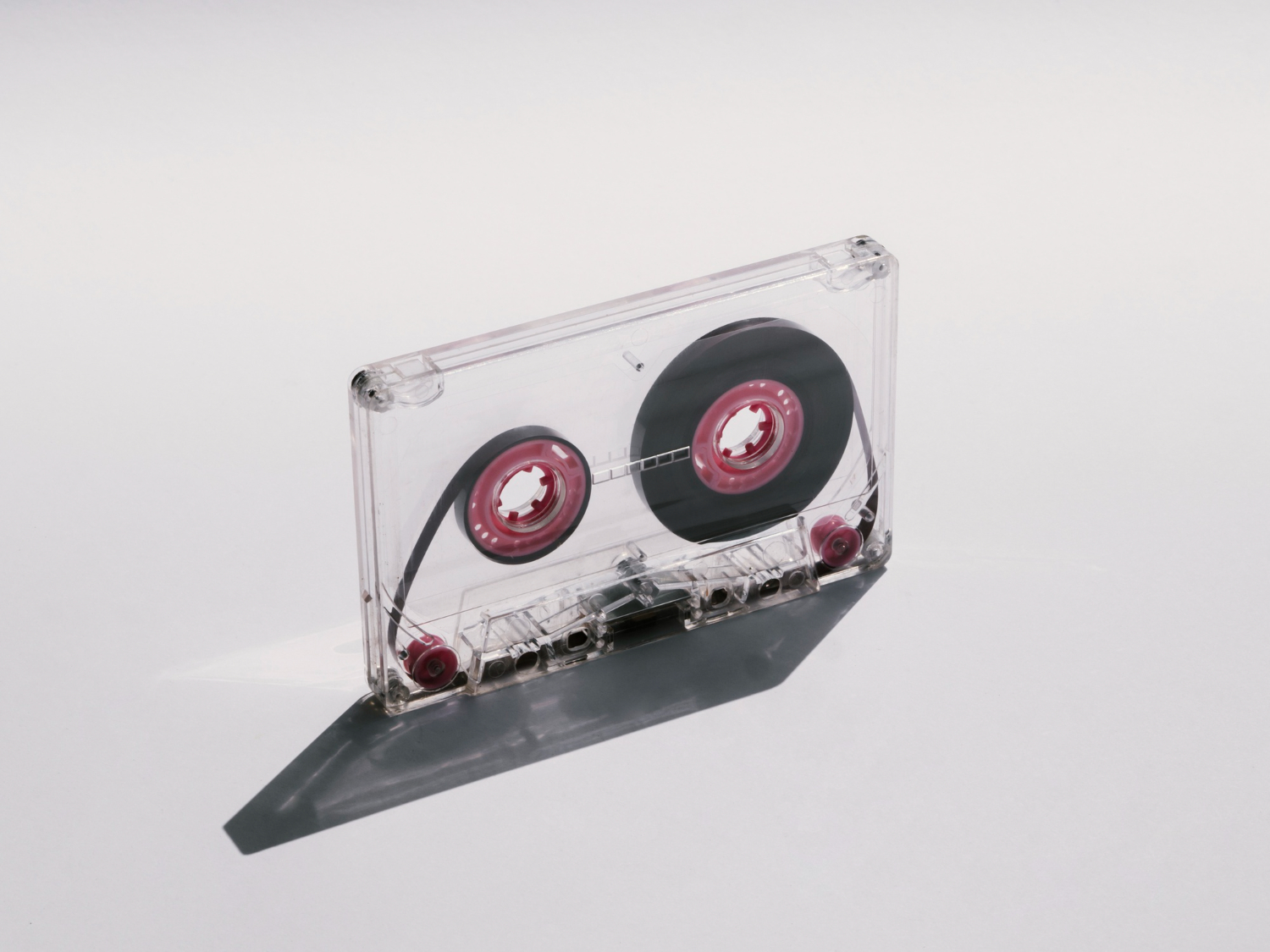
A specific feature of 1992 teen bedrooms involved substantial cassette tape collections. Tapes were typically organized in specific carrying cases, drawers, or display systems. The cumulative collection often contained 50-200 cassettes including purchased albums, mixtapes made by friends, recordings from radio (the “tape it from the radio” tradition with specific button-pressing skills), and various other specific tape categories.
The cassette tape collection has essentially disappeared from American teen culture. CD collections briefly replaced cassettes through the late 1990s and early 2000s before digital music services (iTunes 2001, streaming services subsequently) substantially eliminated physical music ownership. The cumulative physical music storage that defined 1992 teen bedrooms has been replaced by streaming subscriptions providing essentially unlimited music access without physical infrastructure. The specific 1992 cassette culture represents specific era that has substantially ended.
The Specific Phone Setup

The 1992 American teen bedroom often featured specific phone setup — either dedicated bedroom phone line (substantial luxury for teens whose parents could afford it) or substantial long-cord access from main household phone. The cumulative phone setup substantially organized teen social communication patterns. Specific phone calls with friends extending for hours represented substantial portion of teen social time.
Modern American teen bedrooms essentially never feature traditional phone equipment. Mobile phones carried by individual teens have eliminated dedicated bedroom phone infrastructure. Various specific social patterns (extended phone calls, calling friends from specific phone locations, conference calling tricks, various other 1992 phone culture elements) have substantially disappeared. The cumulative communication infrastructure has compressed into mobile devices while social patterns have shifted to text-based and various other digital communication modes.
The Substantial Poster Collection
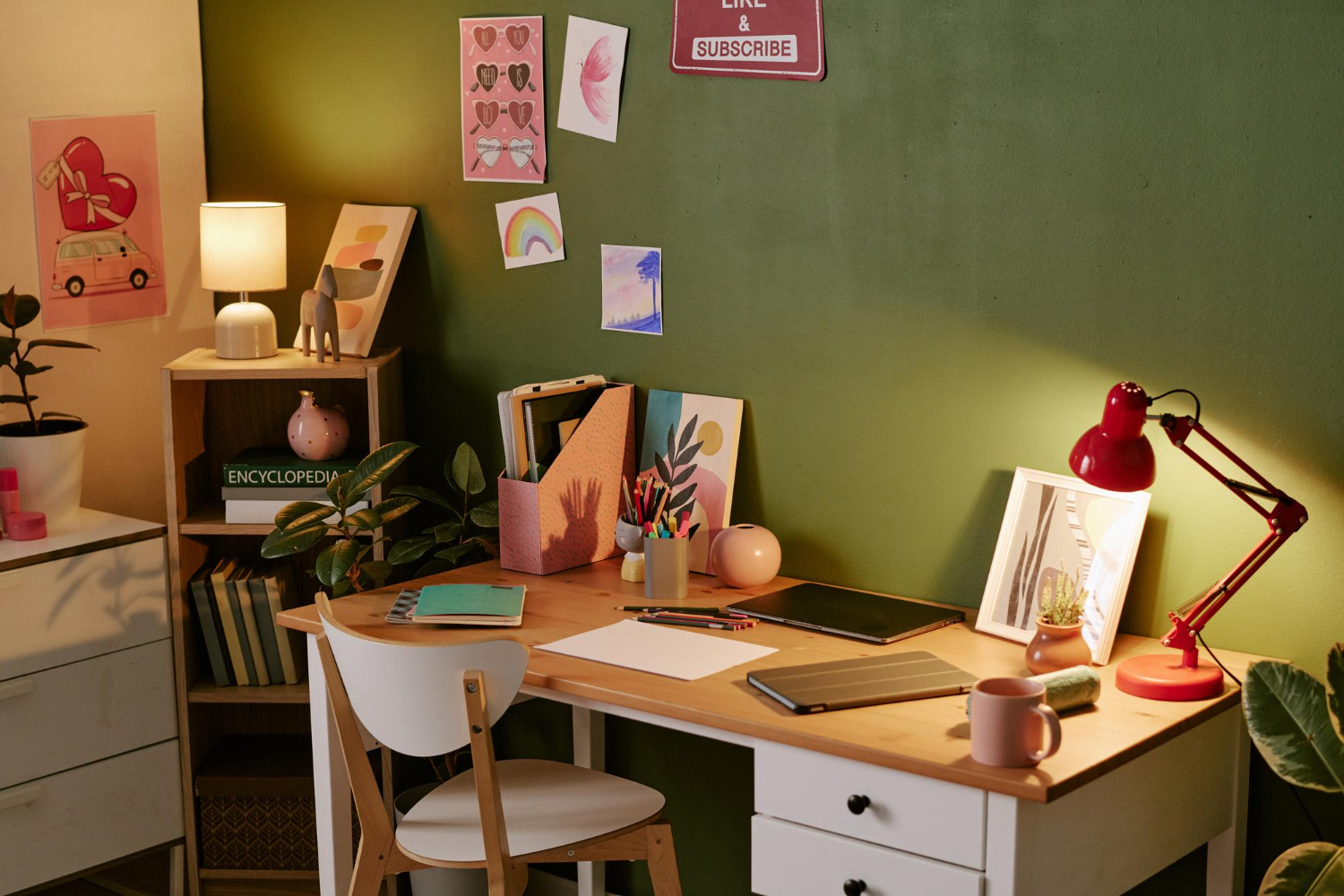
1992 American teen bedrooms typically featured substantial poster collections. Common subjects included: music groups (specific bands prominently featured based on teen musical preferences), movie posters (various contemporary and classic films), sports figures (specific athletes based on local team allegiances), specific pop culture icons. The cumulative poster decoration often covered substantial wall space.
Modern American teen bedrooms feature substantially less poster decoration. Various reasons contribute: less mass-produced poster availability, different teen aesthetic preferences, increased digital wall display alternatives, various other factors. Some specific teen subcultures continue substantial poster decoration but the universal 1992 practice has substantially declined. The cumulative wall decoration approach has substantially diversified rather than maintaining 1992 standardization around mass-produced posters.
The Specific TV Setup
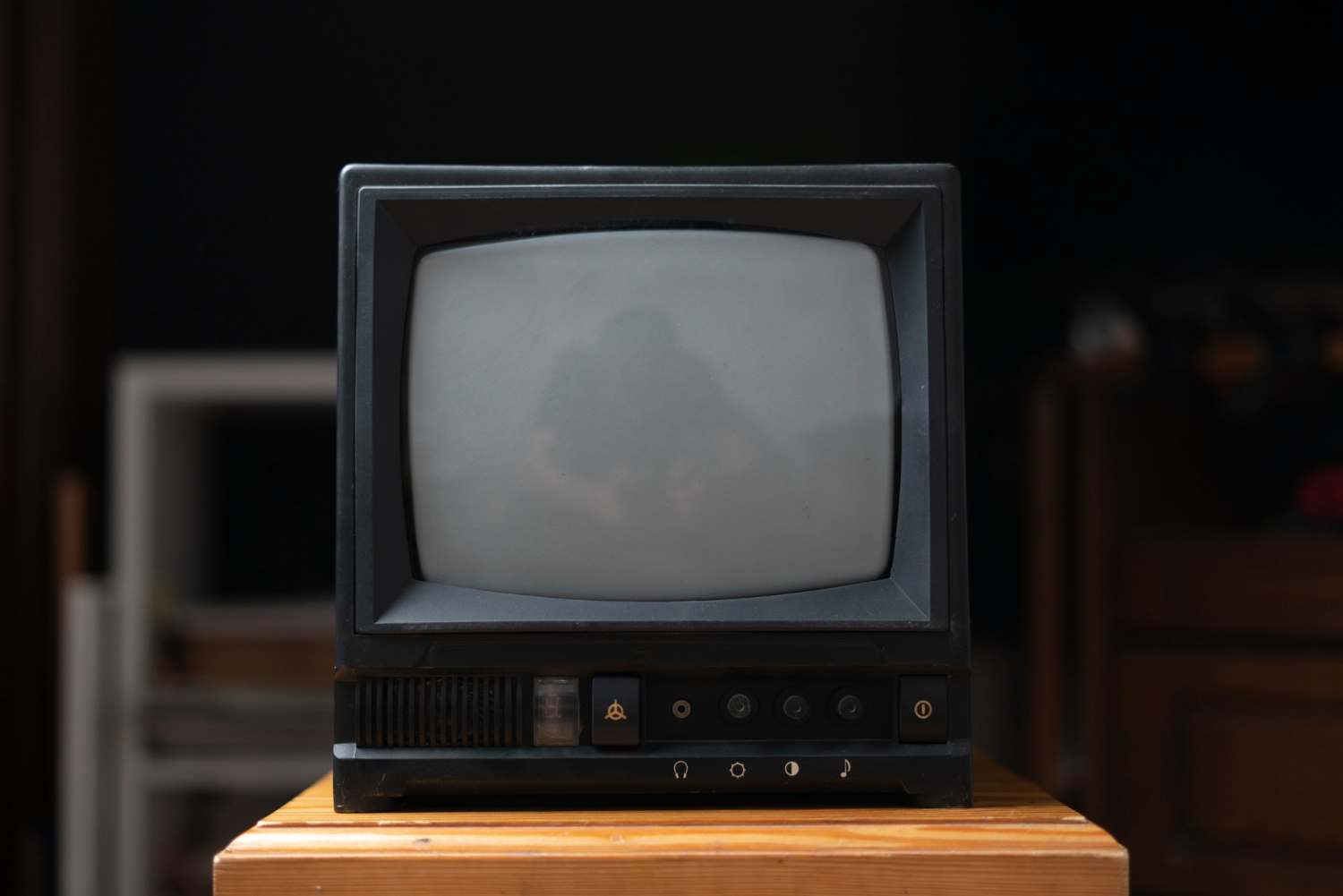
1992 American teen bedrooms often featured small dedicated television — typically 13-19 inch CRT TVs. The cumulative bedroom TV represented substantial luxury for teens whose parents allowed it. Specific channels were available depending on household cable subscriptions. MTV played essentially central role for teen culture during this era — substantial portion of teen TV watching specifically involved MTV programming. The cumulative bedroom TV culture organized substantial portion of teen leisure time.
Modern American teens essentially never have dedicated bedroom TVs. Smartphones, tablets, and laptops provide essentially all video viewing functions in substantially compressed form. Streaming services have replaced specific channel-based viewing. Various specific 1992 TV culture elements (MTV music videos, specific must-watch shows, various other cumulative TV experiences) have substantially disappeared from teen culture. The cumulative video infrastructure has fundamentally transformed from dedicated TV equipment to portable digital devices.
The Substantial Book Collection

1992 American teen bedrooms typically featured substantial physical book collections. Specific genres reflected teen interests: young adult fiction series (Sweet Valley High, Goosebumps for younger teens, various others), specific authors with substantial teen followings (Stephen King, various others), school-related books, various magazines, comic book collections. The cumulative reading material occupied substantial bookshelf or storage space.
Modern American teen book reading has substantially diversified. Some teens continue substantial physical book reading. Others read primarily through e-readers (Kindle, various other devices). Various other teens have substantially reduced book reading in favor of digital content consumption. The cumulative 1992 standardization around substantial physical book ownership has been replaced by substantial variation. Some teens still maintain substantial physical libraries; others have minimal physical books while consuming substantial digital content.
The Specific Decorative Items
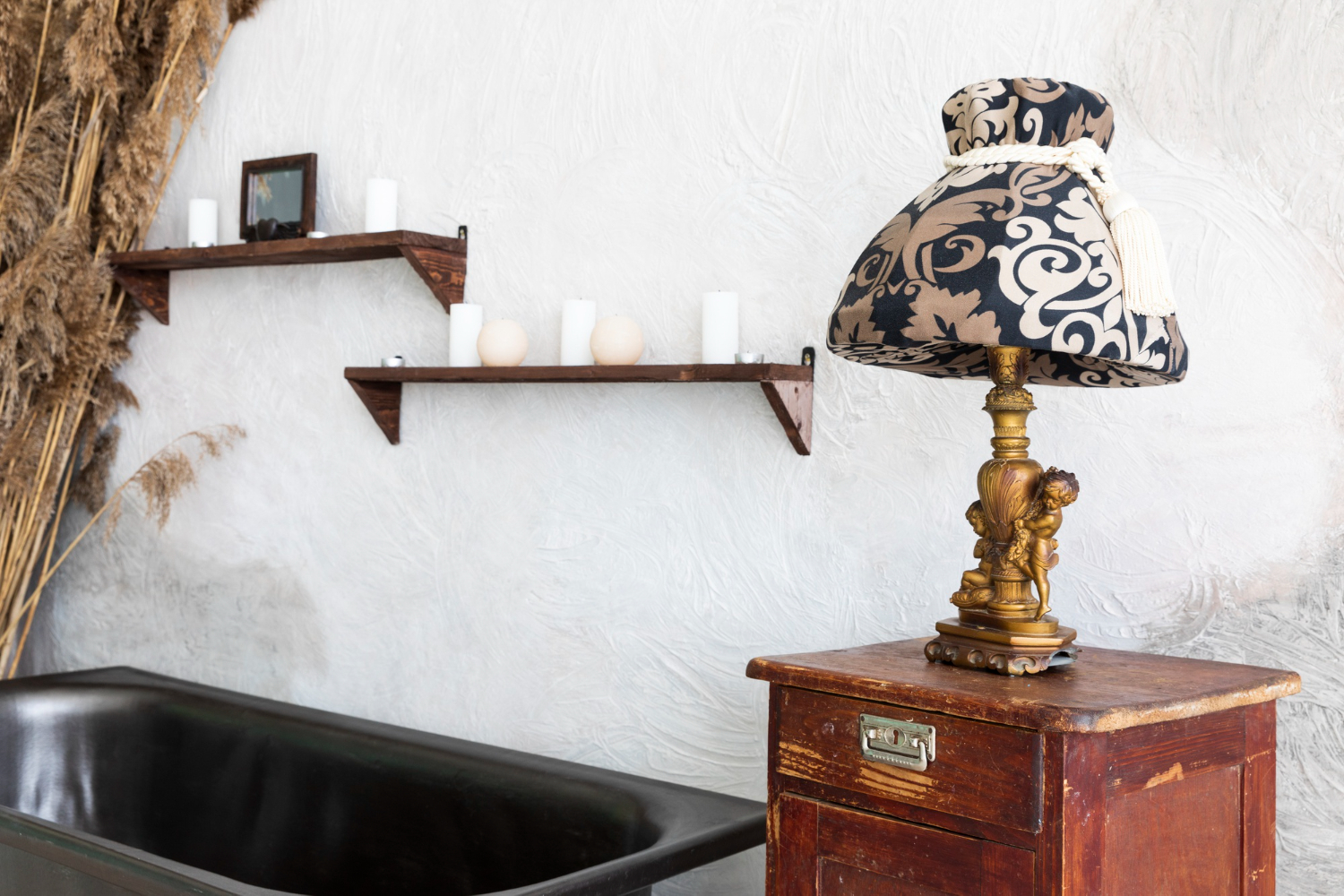
1992 American teen bedrooms featured specific decorative elements that reflected the era. Lava lamps (briefly substantial revival during early 1990s). Specific candle collections. Various souvenirs from family vacations or specific events. Stuffed animals from earlier childhood phases (often substantially maintained into teen years). Specific collections (sports memorabilia, music memorabilia, various other categories). The cumulative decoration represented substantial accumulated personal expression.
Modern American teen bedrooms feature substantially varied decorative approaches. Some specific elements have continued (string lights, specific aesthetic preferences). Others have substantially declined (lava lamps, specific decorative trends). Various new elements have emerged (LED light strips, smart home elements, various other technological additions). The cumulative decoration approach has substantially diversified rather than maintaining 1992 standardization.
The Closet Reality
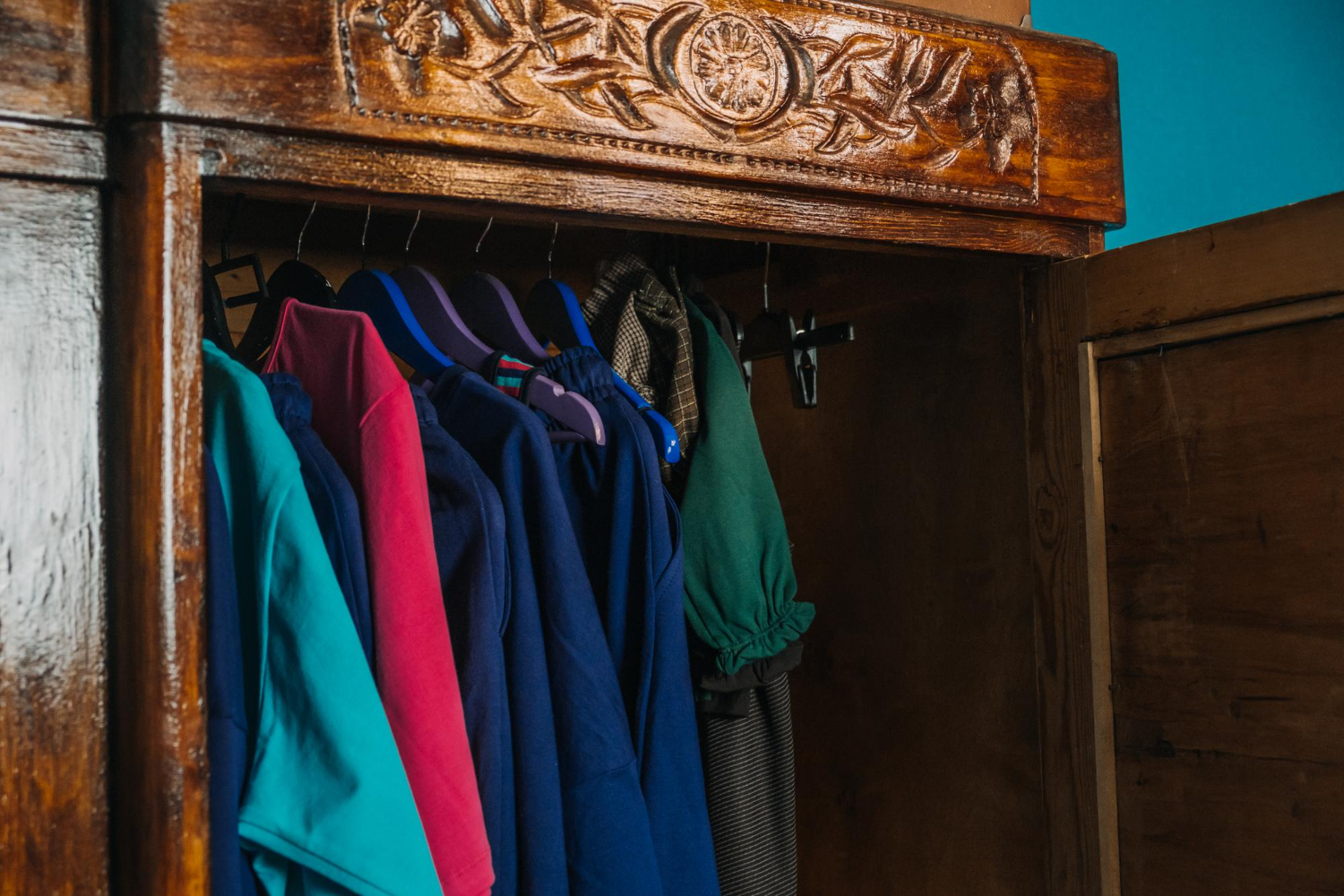
1992 American teen bedroom closets typically contained specific clothing patterns. Specific brands had substantial teen presence: Gap, Banana Republic, J. Crew, Levi’s, Champion, Nike, Adidas, various others. Specific clothing items defined the era: flannel shirts (substantial grunge influence), high-waisted jeans, specific sneaker brands, various other items. The cumulative wardrobe represented substantial accumulated purchases and gifts.
Modern American teen clothing has substantially evolved. Various specific brands have maintained presence; others have substantially declined. Specific clothing aesthetics have shifted multiple times across the 34 years. Various sustainable and ethical fashion considerations have substantially influenced teen clothing choices. The cumulative clothing culture has substantially transformed while maintaining basic function of substantial teen wardrobe space.
The Yearbook and Photo Collection
1992 American teen bedrooms typically contained specific photographic elements. School yearbooks (substantially central to teen documentation culture). Photo albums with prints from various rolls of film. Specific framed photos. Various photo collages. The cumulative photographic documentation represented substantial accumulated visual records of teen social life. Specific photo development (typically at drugstores like CVS or Walgreens) represented specific social ritual.
Modern American teens essentially never maintain substantial physical photo collections. Smartphone cameras have eliminated film development. Digital photo sharing through social media has replaced physical photo collections. Various specific photo development culture (waiting for prints, photo albums, various other elements) has substantially disappeared. The cumulative documentation has shifted entirely to digital alternatives that don’t require physical bedroom storage space.
What This Transformation Actually Reveals
The 1992 American teenage bedroom represents specific cultural moment that has substantially disappeared within one generation. The various specific items, decorative elements, and entertainment infrastructure that defined teen personal space have been progressively replaced by smartphone-centered digital alternatives. Walking through what was actually in that 1992 bedroom reveals substantial transformation in American teen culture across approximately 34 years. The cumulative changes affect essentially every aspect of teen personal space — entertainment, communication, decoration, documentation, music consumption, and various other elements. The specific 1992 cultural moment represented specific technological and aesthetic peak that subsequent technological development has fundamentally transformed. Whether the change represents progress or loss depends on specific values about what teen personal space should provide. What’s clear: the 1992 American teenage bedroom has substantially disappeared, replaced by alternatives that look and function substantially differently. Current teens have substantially different relationships with personal space, music, communication, and various other elements compared to 1992 teens — and the cumulative differences continue evolving as technology continues developing. The basic teenage bedroom function (private personal space for developing adolescent identity) persists across these transformations, but specific implementations have substantially changed in ways that 1992 teenagers would find genuinely incomprehensible.