There is a category of problem that looks impossible from the outside and turns out to be merely extremely difficult, and decipherment sits squarely in it.
When Egyptian hieroglyphs were solved, the crucial advantage was a stone carrying the same decree in three scripts, one of which was already readable. That is an enormous head start: you know what the text says, and the task becomes matching it up.
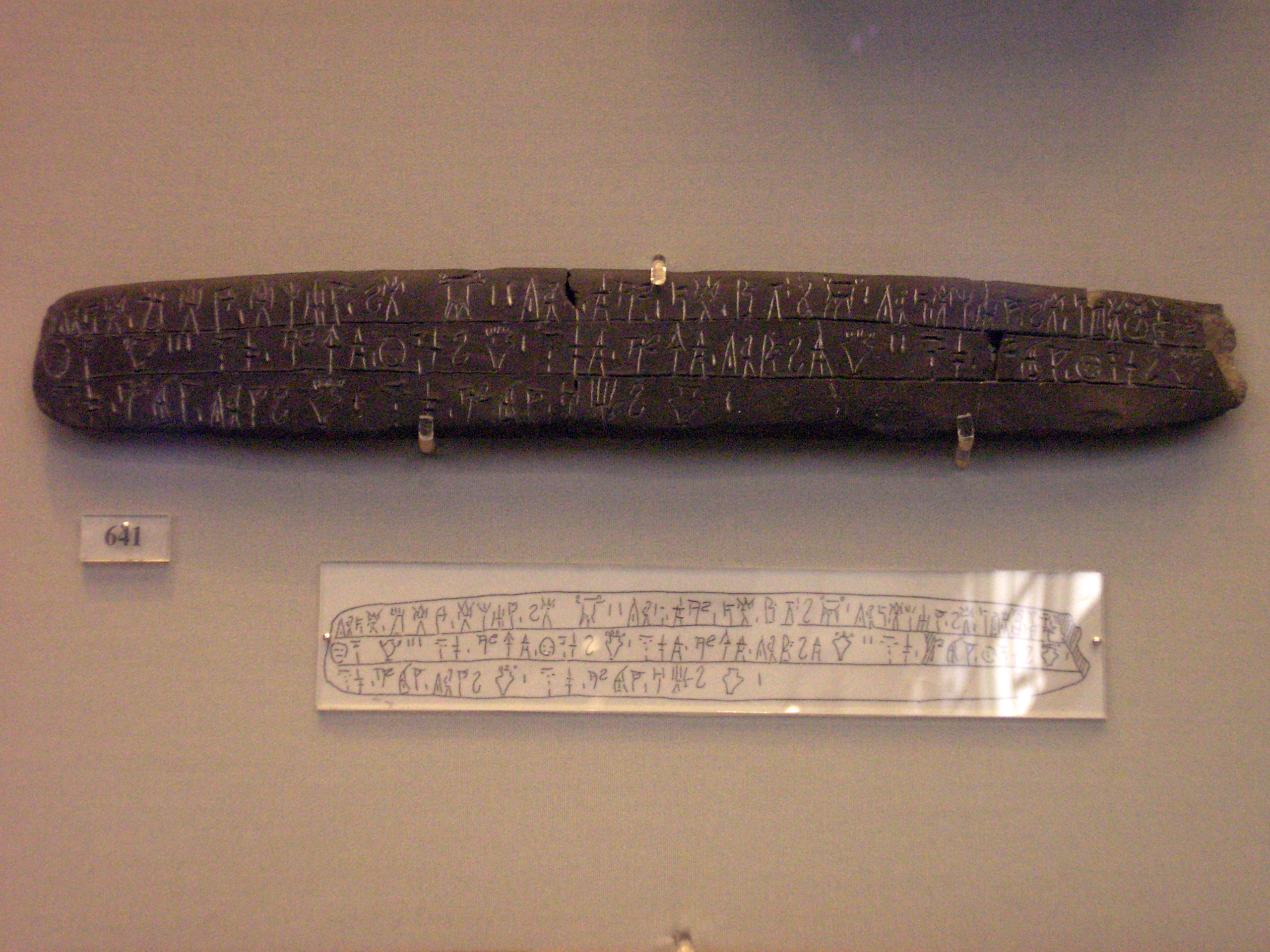
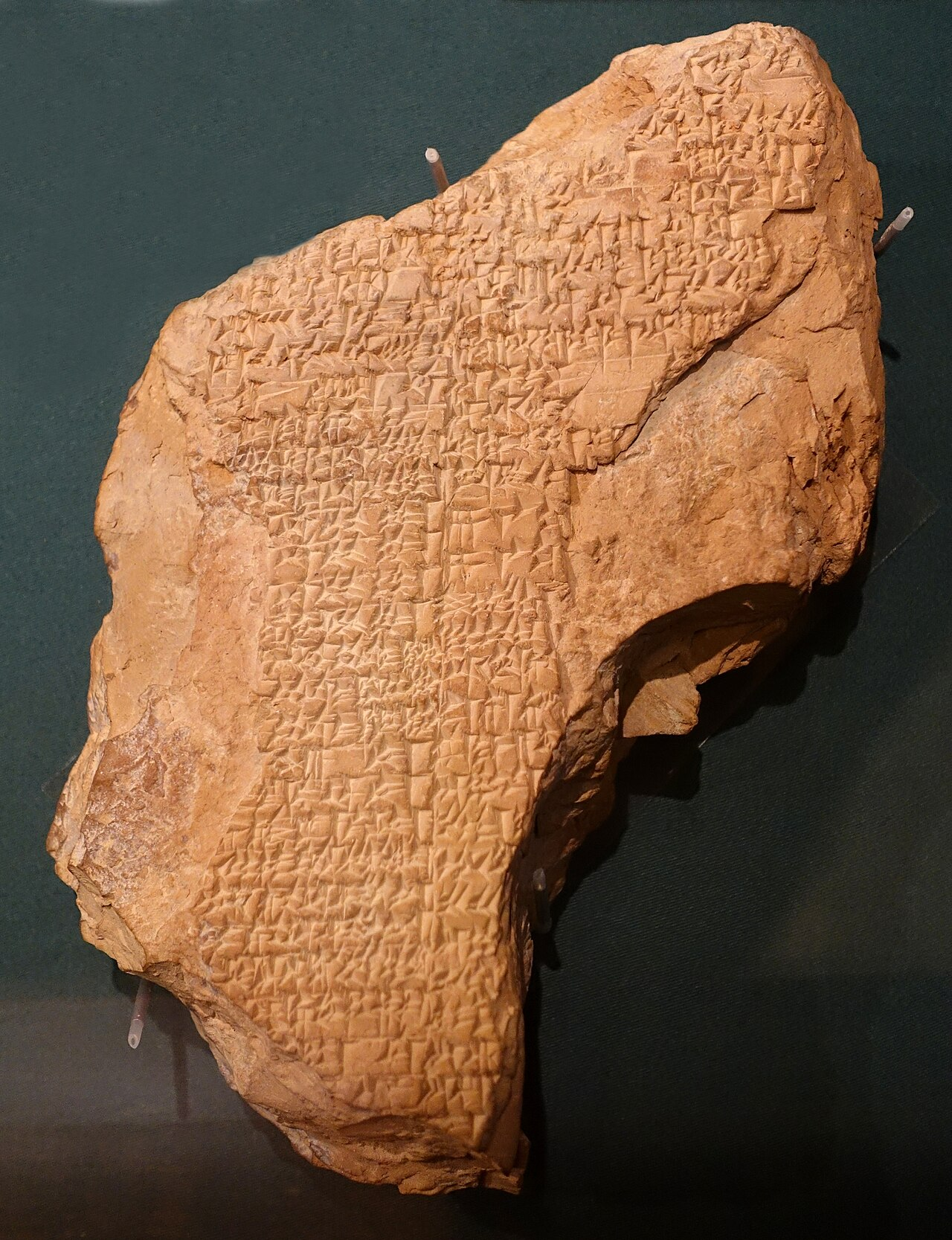
Linear B offered nothing comparable. Clay tablets excavated in Crete and later on the Greek mainland carried a script nobody could read, in a language nobody could identify, with no parallel text in anything known. The excavator who found them assumed they recorded the language of the Minoan civilisation, and that assumption held for half a century.
It was wrong, and proving it wrong is one of the more remarkable pieces of reasoning of the twentieth century.
What They Were Working With
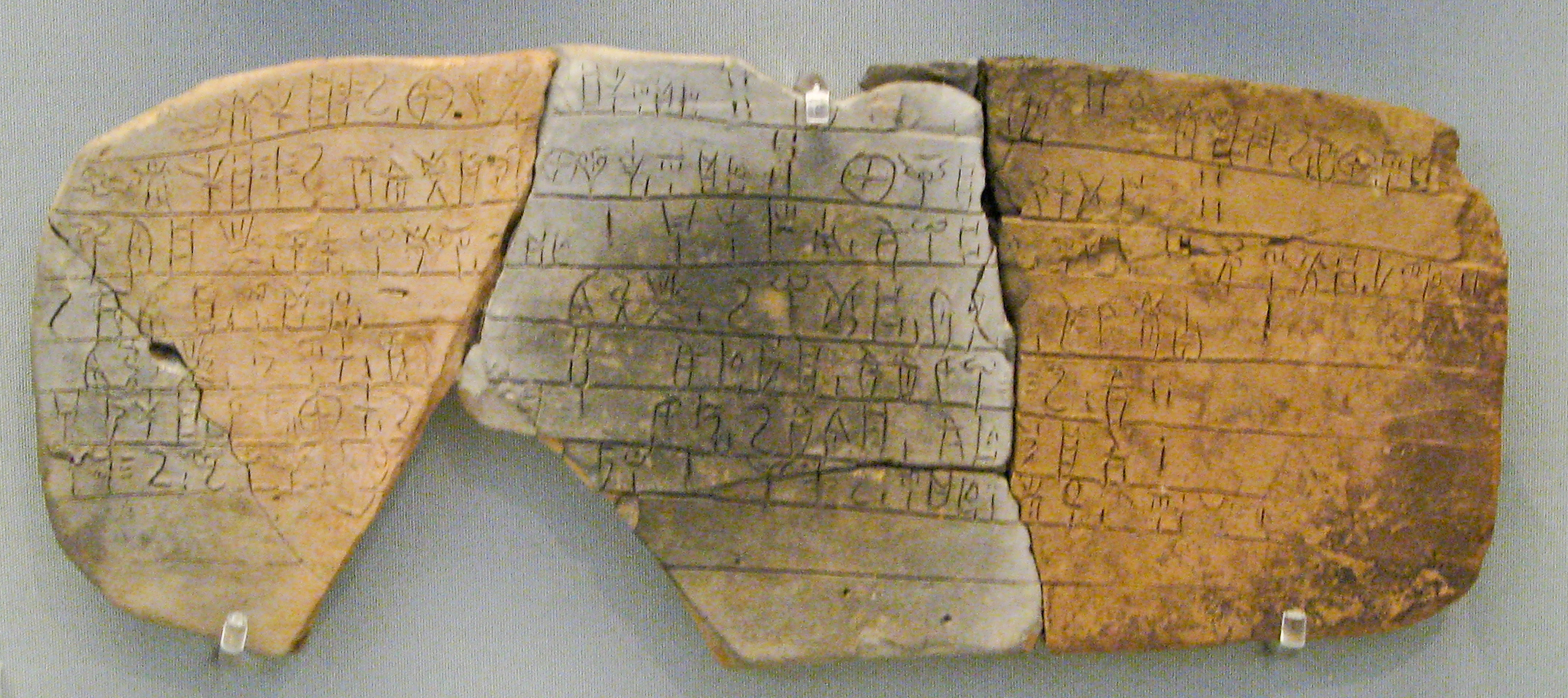
The tablets were clay, not intended to last. They survived because the buildings holding them burned, which fired the clay and preserved documents that were meant to be temporary records.
The script is syllabic rather than alphabetic. Each sign stands for a syllable — typically a consonant followed by a vowel — rather than a single sound. A place name like Knossos would be written as three signs reading roughly ko-no-so.
That structure creates a specific difficulty. In an alphabet, a decipherer can hunt for single letters and short words. In a syllabary, every sign carries two sounds at once, and the number of signs is large enough that guessing is hopeless.
There was also no vocabulary to check against. The working assumption that the language was Minoan meant scholars were searching for connections to languages that were themselves unknown or barely attested.
An essential and frequently overlooked piece of groundwork came from Emmett Bennett, who established which visual variations represented truly different signs and which were merely the same sign written by a different hand. Without a reliable inventory of what the signs actually were, no decipherment could proceed at all.
Like our content? Follow us for more.
Alice Kober and the Triplets
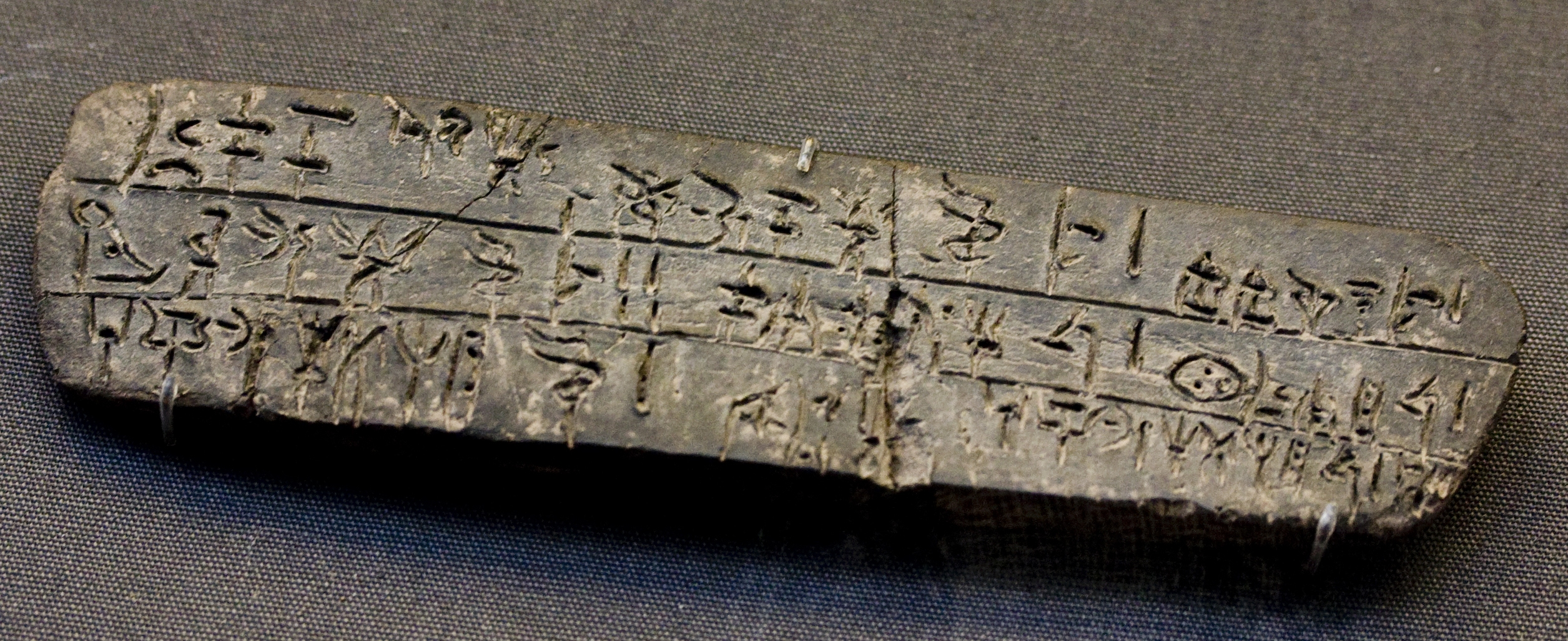
The decisive analytical breakthrough came from Alice Kober, an American classicist teaching at Brooklyn College, who worked on the problem privately from the 1930s.
Her approach was to extract structure from the text without assuming any language at all — to ask what the script was doing rather than what it said.
She learned an extraordinary range of languages to prepare, including Hittite, Akkadian, Sumerian, Old Persian, Tocharian, Old Irish, Basque, Chinese and Sanskrit, on the reasoning that she could not recognise a pattern in a language family she did not know.
The work was done by hand on a card system, running to something in the order of a hundred and eighty thousand cards and dozens of notebooks, in an era with no computing assistance and severe shortages of everything including paper.
What she found was that certain words appeared in sets of three, identical for most of their length and differing only in the final signs — and that the same pattern of variation recurred across different words. That is the signature of inflection: a language attaching endings to roots to indicate grammatical function.
More than that, the pattern let her build a grid. If two words differ in the same way, then certain signs must share a consonant or share a vowel, even though nobody knew which consonant or which vowel. She was mapping relationships between signs without knowing any of their values.
That grid is the thing on which everything afterwards rests. She died in 1950, aged 43, before phonetic values could be assigned to it.
Ventris and the Place Names
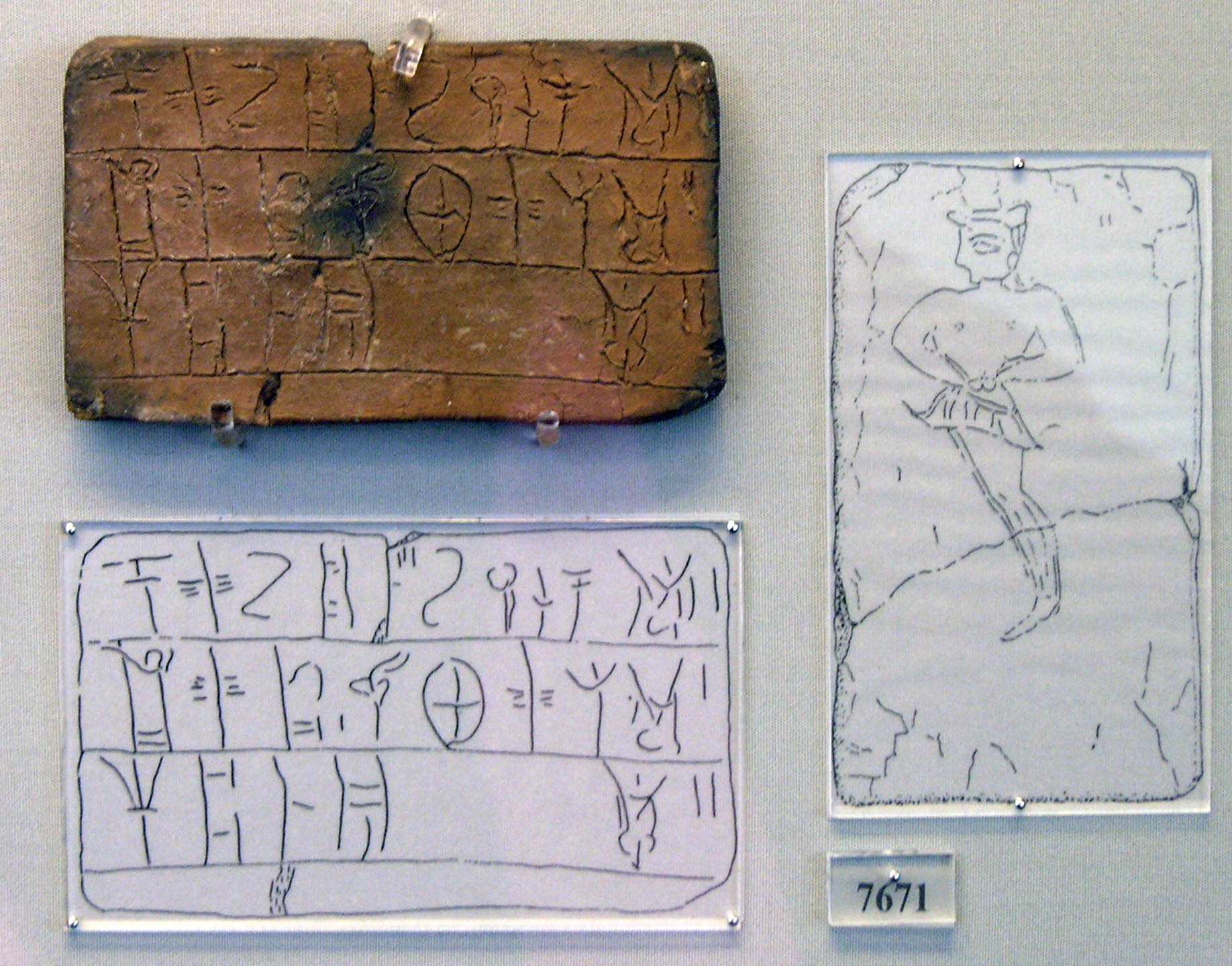
Michael Ventris was an architect by profession and an amateur in the field, who had encountered the tablets as a schoolboy and never let go of the problem.
He worked in a notably open way, circulating progress reports to other scholars — a set of Work Notes and a questionnaire canvassing opinion on the Aegean scripts — which was unusual conduct for someone hoping to solve a famous puzzle first.
His breakthrough was a guess with a structure behind it. He took Kober’s inflected word-groups and wondered whether some might be place names in Crete, since an administrative archive would list locations constantly.
Trying Cretan place names against the grid produced matches. A sequence resolved to a-mi-ni-so, corresponding to Amnisos, and the derived form a-mi-ni-si-jo would then mean something like men of Amnisos. Another resolved to ko-no-so, Knossos.
Once a few signs had values, the grid propagated them. Sharing a vowel or consonant with a known sign constrains what the neighbouring signs can be, and the solution spirals outward — Ventris himself compared it to a crossword with the positions of the black squares left off.
Then came the part he had not anticipated. As words emerged, they were not Minoan. They were Greek — archaic, abbreviated, difficult, but recognisably Greek.
He announced it on a radio broadcast in July 1952, saying, with some understatement, that he had come to the conclusion the tablets must after all be written in Greek. He described it as a difficult and archaic form, five hundred years older than Homer, but Greek nevertheless.
Why It Mattered So Much
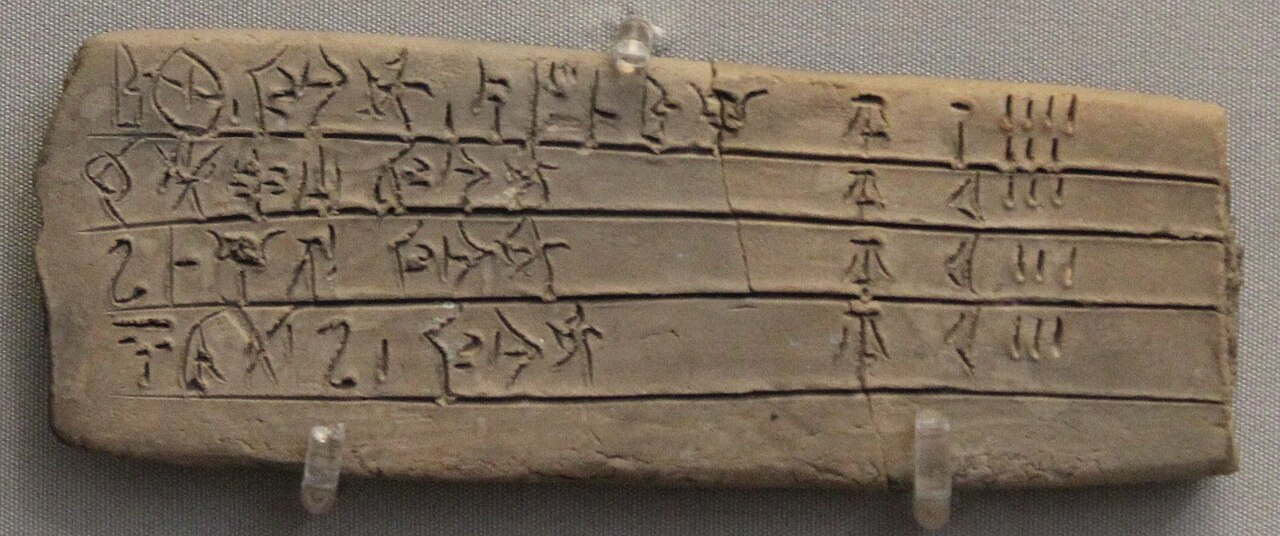
The finding overturned the accepted picture of the Bronze Age Aegean.
If the tablets from Knossos were in Greek, then Greek-speaking Mycenaeans were administering Crete, which reversed the assumed relationship between mainland and island. It pushed the documented history of the Greek language back half a millennium before Homer, into a period previously accessible only through archaeology.
The classicist John Chadwick, who had worked on codebreaking during the war, recognised the solution as sound and collaborated with Ventris on the scholarly publication that established it.
What the tablets actually say is worth noting, because it deflates any expectation of literature. They are inventories: quantities of grain, oil, livestock, personnel, offerings, and equipment. One much-reproduced example records tripod cauldrons and describes them as of Cretan workmanship.
That is an administrative archive rather than a library — which is precisely why it survived, since nobody archives accounts on anything durable, and only a fire preserved them.
The Credit Problem
There is an uncomfortable part of this story that recent scholarship has been more willing to state.
Kober’s contribution was foundational. The inflection finding and the grid are what made assigning values possible, and without them Ventris would have been working with no structure at all. She was also, by any account, on the verge of the solution herself.
Ventris gave her little credit in his initial broadcast and mentioned her only occasionally afterwards. Bennett’s work on sign identification has been similarly underweighted in popular accounts.
This is not a story about villainy — Ventris made the final leap and deserves the recognition he has, and he died young in 1956, shortly after the joint publication appeared. But the standard version, in which a brilliant amateur solves an ancient mystery alone, is not accurate, and the correction is worth making.
What Is Still Unread
Linear B was not the only script in the Aegean, and the others remain open, which puts the achievement in perspective.
Linear A, the earlier script from which Linear B was adapted, has not been deciphered. This is a peculiar situation: because the two scripts share many signs, the sounds of Linear A can be guessed at with some confidence by reading the Linear B values across.
So Linear A can, in a limited sense, be pronounced. What nobody can do is understand it, because the resulting words do not correspond to any known language. The underlying tongue is simply unidentified.
That is the reverse of the usual decipherment problem. With Linear B, the signs were unknown and the language turned out to be one nobody expected. With Linear A, approximate sign values are available and the language remains unrecoverable.
The obstacle is partly volume. Linear A survives in a far smaller corpus, and decipherment depends on having enough text for patterns to become statistically visible rather than coincidental. Kober needed a great many tablets to find her triplets, and the equivalent material does not exist.
Which is a useful reminder about what the earlier success actually required: not only insight, but a large enough archive of somebody’s accounts to make the insight testable.
A Puzzle Solved From the Inside
What makes this decipherment worth understanding is its method.
There was no key. Nobody supplied a translation, a related language or a bilingual inscription. The solution came entirely from internal structure — from noticing that a script behaved in a particular way, mapping those behaviours without knowing any values, and then finding one place where the internal map touched the outside world.
That is a remarkable way to solve anything, and it required two quite different temperaments: someone prepared to spend two decades building a hundred and eighty thousand index cards without a single readable word to show for it, and someone prepared to make a bold guess about what those cards might mean.
The tablets themselves were rubbish, in the literal sense. Temporary records of quantities of grain, written on unfired clay by administrators who assumed nobody would read them next season, preserved because a building burned down.
Three thousand years later, two people who never met worked out what they said.
Like our content? Follow us for more.