

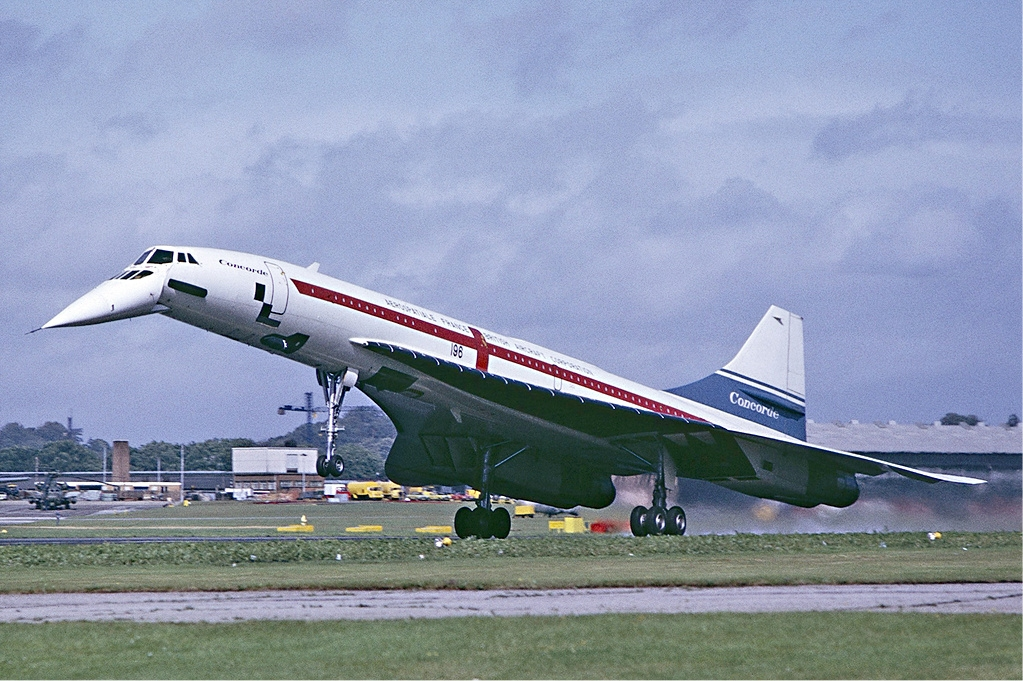
For 27 years, ordinary travelers, admittedly, ordinary travelers with extraordinary budgets, could cross the Atlantic faster than a rifle bullet, sipping champagne at the edge of space aboard the Concorde, and then, in 2003, the whole capability simply ended. Here are nine things about the jet nothing has replaced, counted down one by one.
1. It Cruised at Mach 2 — Over 1,300 Miles Per Hour
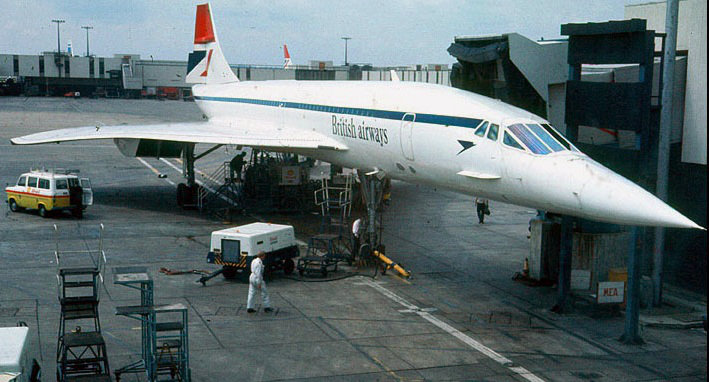
Twice the speed of sound was routine cruise. The jet outran the sunset flying west.
The Concorde cruised at just over Mach 2, more than 1,300 miles per hour, roughly twice the speed of today’s airliners, fast enough that westbound evening flights famously outran the sunset, landing in New York at an earlier local hour than they’d left London. It cruised at Mach 2, over 1,300 miles per hour, and no passenger aircraft since has come close to that pace.
Like our content? Follow us for more.
2. New York to London in About Three and a Half Hours
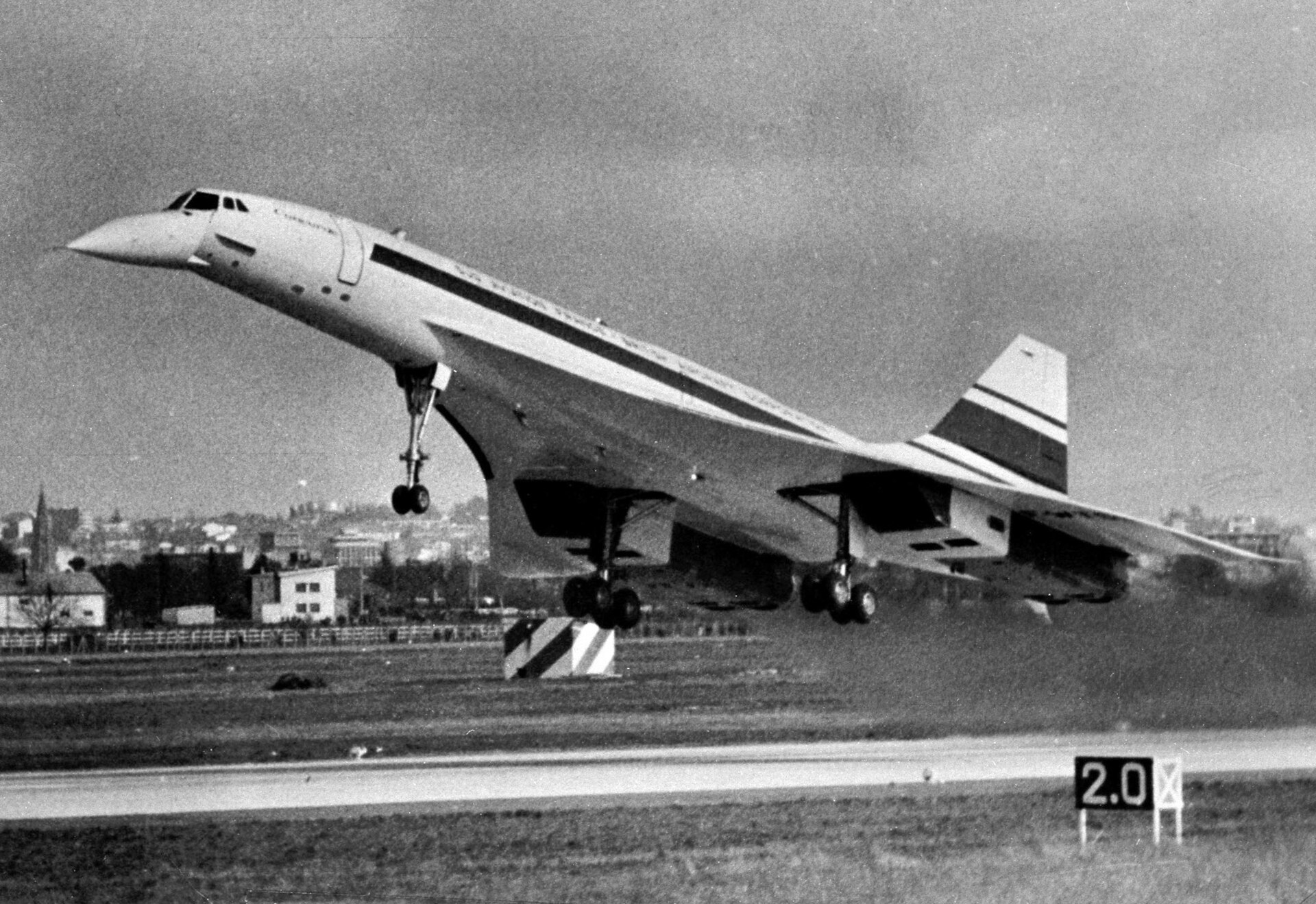
The Atlantic shrank to a long lunch. Regular jets take roughly twice as long.
The signature route, New York to London or Paris, took about three and a half hours, roughly half the time of a conventional jet, close enough to a long lunch that executives genuinely flew over for meetings and returned the same day. New York to London in about three and a half hours was the Concorde’s entire sales pitch, and it never needed a second one.
3. It Flew So High Passengers Could See the Earth Curve
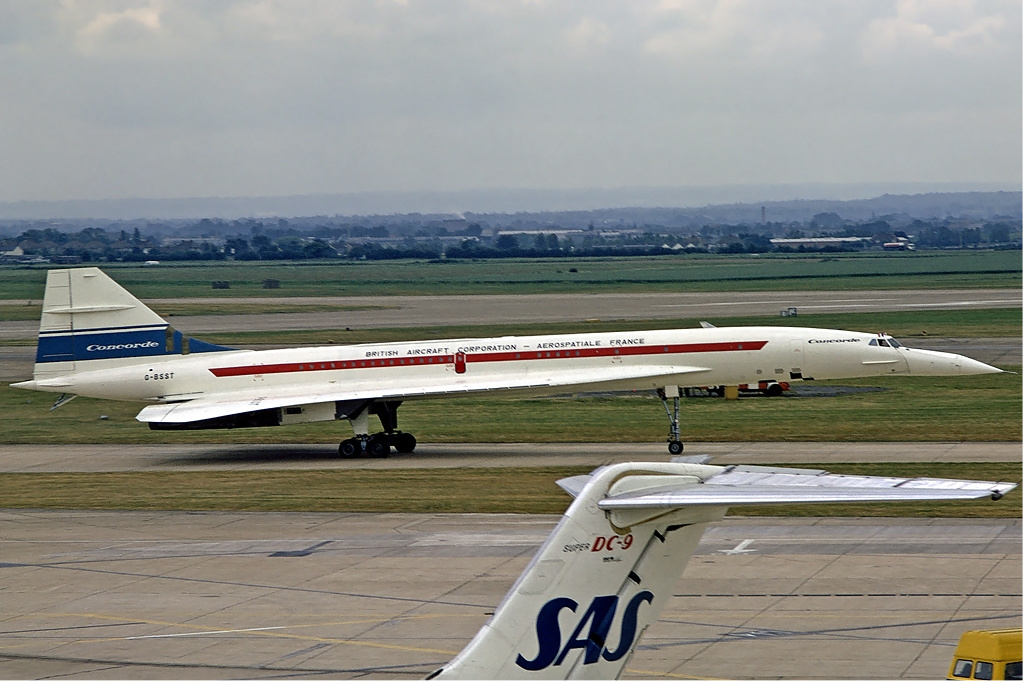
Cruise altitude reached around 60,000 feet. The window view was the edge of space.
Cruising near 60,000 feet, miles above ordinary traffic and most weather, the Concorde gave its passengers a window view no airliner offers today, a sky shading toward deep indigo and a horizon with a visible curve, the Earth politely confirming it is round. It flew so high passengers could see the Earth curve, which made even the window seat a destination.
4. The Cabin Was Surprisingly Small — and Nobody Cared
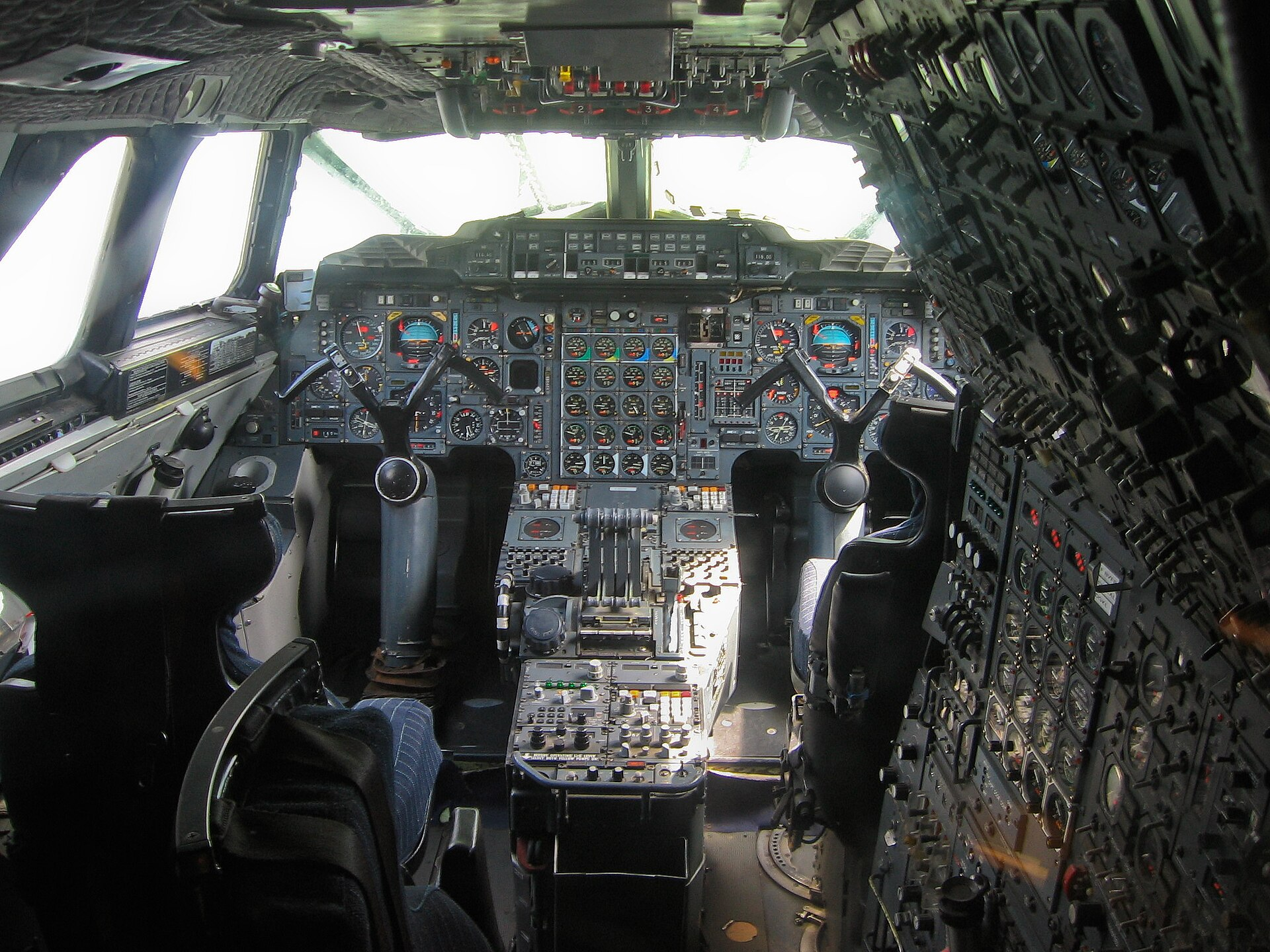
About 100 seats, narrow and cozy. The champagne and the clock did the luxury’s work.
First-time passengers were routinely startled by the cabin, a slim tube of about 100 seats with modest legroom and small windows, luxurious in service, champagne, caviar-era catering, but physically cozier than any first-class suite today. The cabin was surprisingly small, and nobody cared, because the true luxury was the clock: arriving before lunch instead of after dinner.
5. Tickets Cost Thousands — Each Way
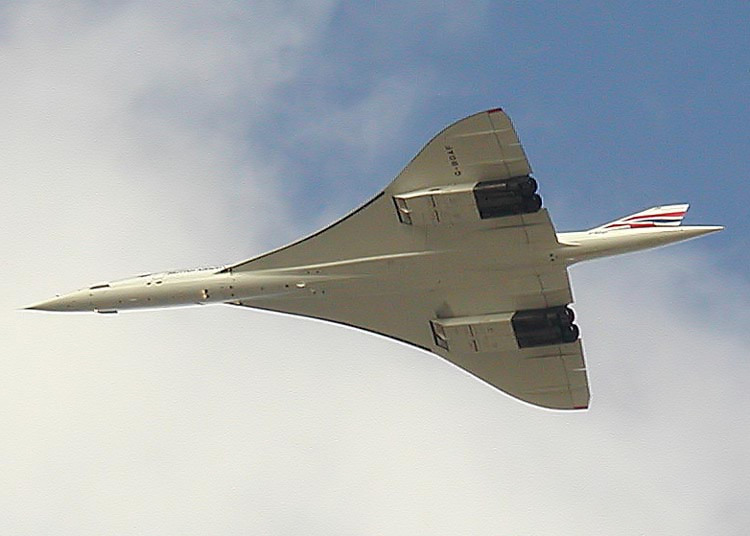
Fares ran to many thousands of dollars round trip. Speed was the product, and it was priced accordingly.
Crossing at Mach 2 was priced like the miracle it was, with round-trip transatlantic fares in the final years commonly running to many thousands of dollars, roughly ten times an economy ticket, filling the cabin with executives, celebrities, and travelers cashing in a once-in-a-lifetime splurge. Tickets cost thousands each way, and the seats sold anyway, because the Concorde sold the one thing money usually can’t buy back: time.
6. The Sonic Boom Kept It Over the Ocean
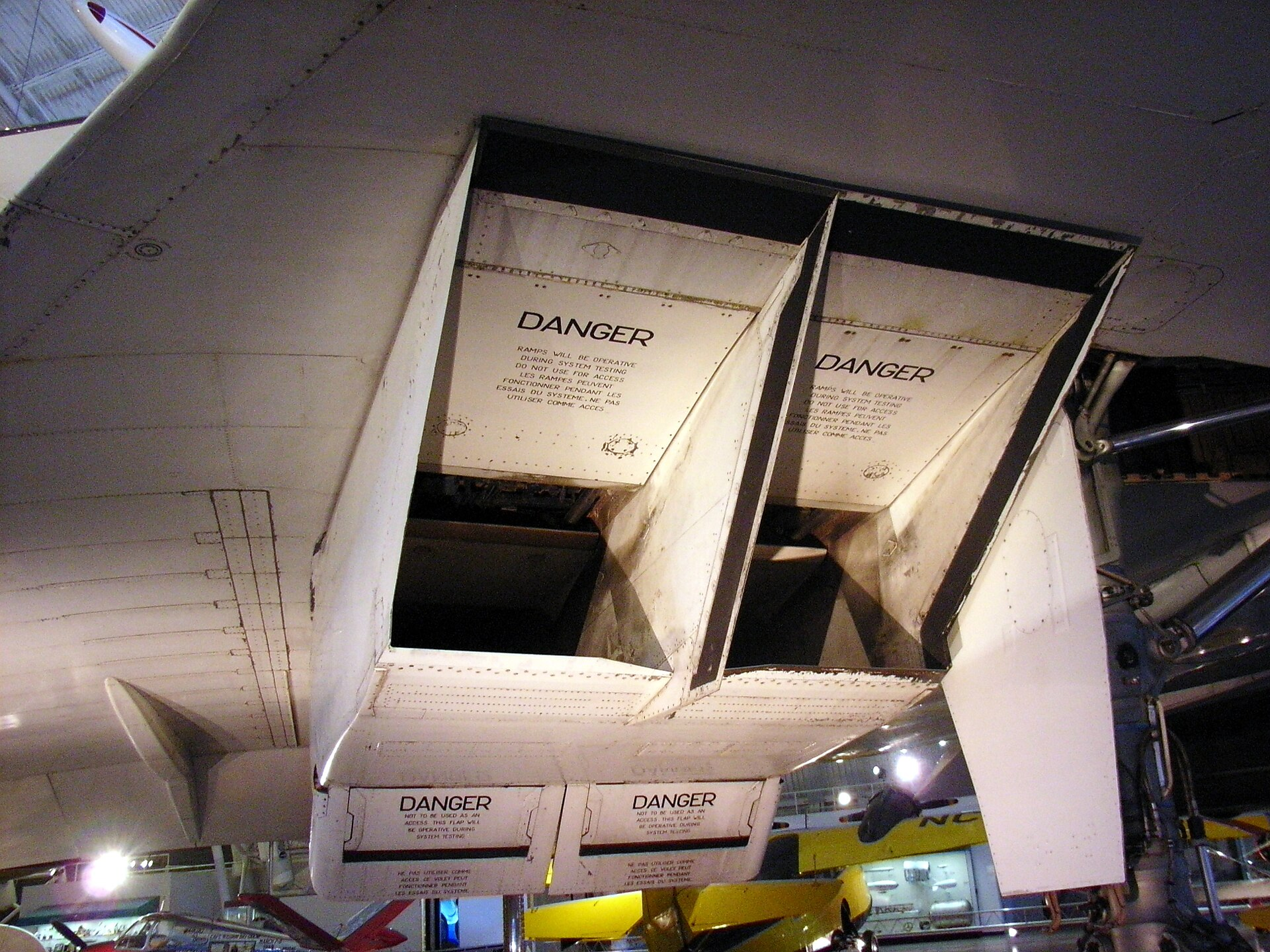
Supersonic flight over land was banned in the U.S. The boom confined the jet to ocean routes.
The Concorde’s fatal business constraint was its own thunder: the sonic boom led the U.S. and most countries to prohibit supersonic flight over land, confining the jet to a handful of ocean routes and locking it out of the vast domestic markets that might have made the economics work. The sonic boom kept it over the ocean, and an airplane built to shrink the world was allowed to shrink only the Atlantic.
7. It Flew for 27 Years — Then Retired in 2003
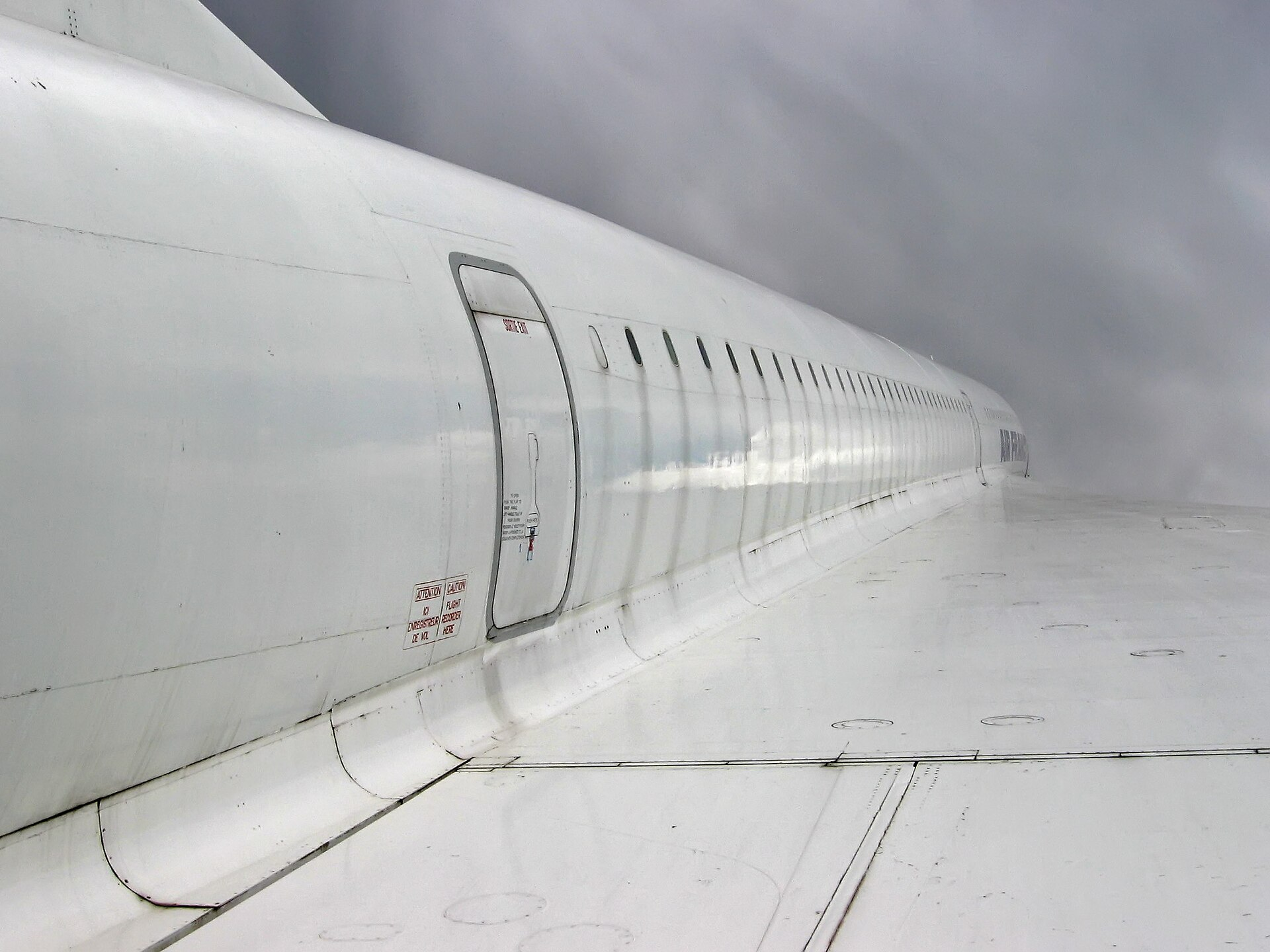
Service ran from 1976 to 2003. A 2000 tragedy, rising costs, and a changed industry ended it.
The Concorde carried passengers from 1976 until 2003, when the fleet retired following the 2000 Paris crash that claimed 113 lives, a costly grounding and safety overhaul, and an air-travel economy transformed after 2001, a combination that ended supersonic passenger flight entirely. It flew for 27 years, then retired in 2003, and the day it stopped, commercial aviation became slower than it had been the day before, a first in the industry’s history.
8. You Can Still Board One — in a Museum
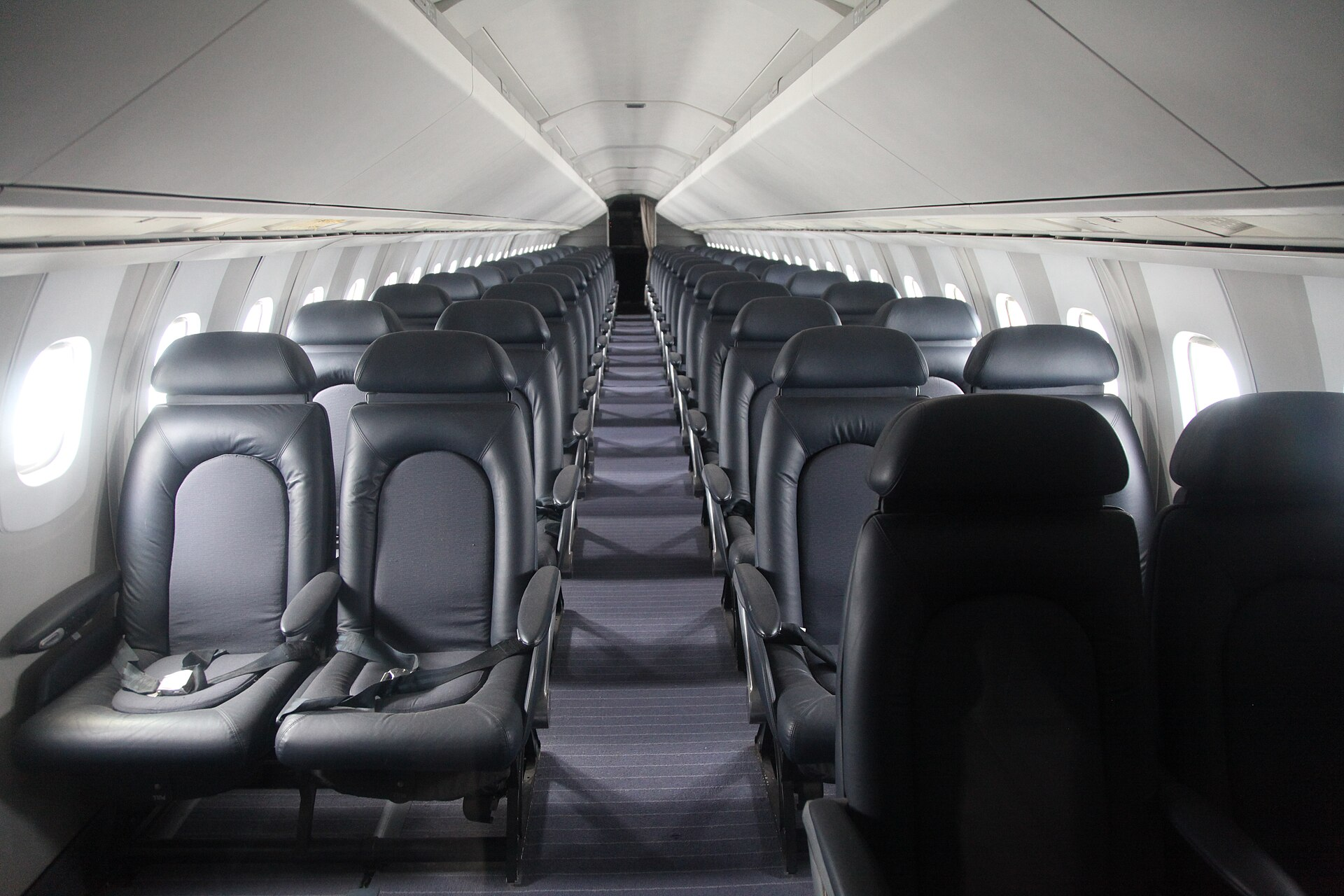
Retired Concordes went to museums on both sides of the Atlantic. Walking the cabin is a pilgrimage for aviation fans.
The surviving jets scattered to museums across the U.S., Britain, France, and beyond, several with cabins open to walk through, and standing in that slim aisle, seeing the machmeter that once read 2.00, remains a small pilgrimage for travelers who rode it and for the far larger crowd who always meant to. You can still board one, in a museum, which is currently the only boarding pass the supersonic age offers.
9. Its Successors Are Being Built Right Now
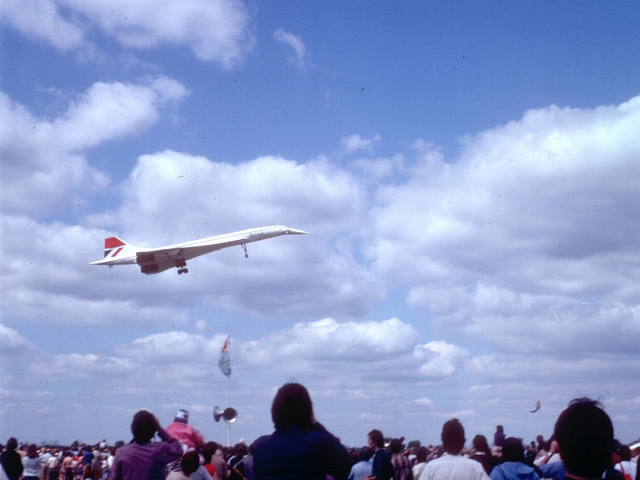
New supersonic airliners are in development. The race to replace the Concorde has finally begun.
After two silent decades, the successor race is genuinely underway, with new supersonic airliner programs flying demonstrator aircraft, airlines placing orders, and engineers working on quieter designs intended to soften the boom that grounded the original. Its successors are being built right now, which means the Concorde may eventually become what it never expected to be, not the end of an era, but the beginning of one that paused.
The Fastest the World Has Ever Traveled
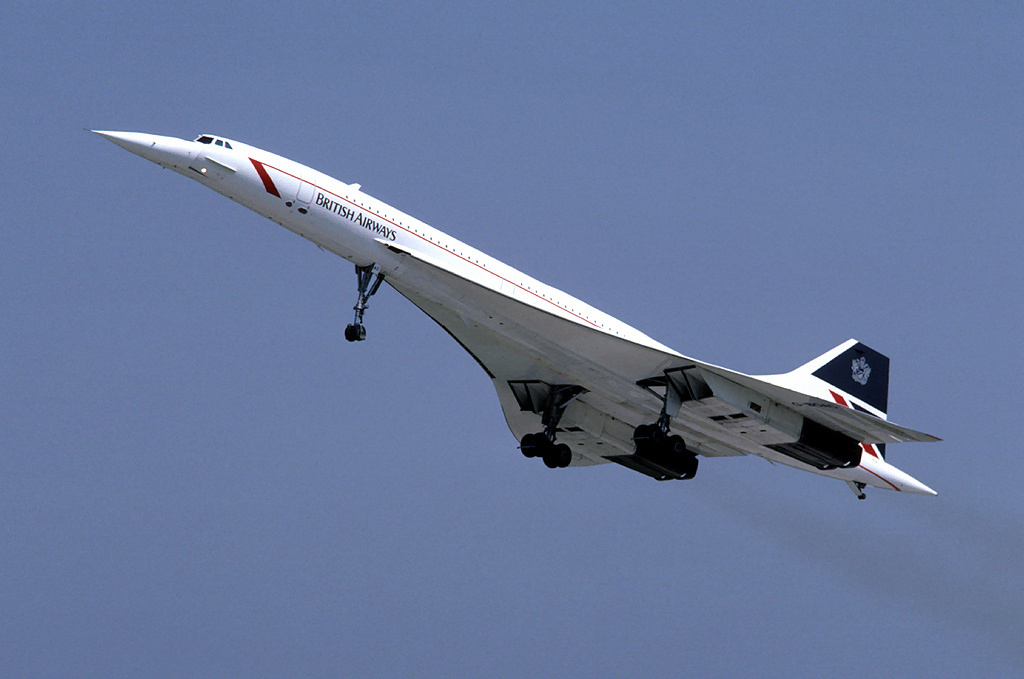
Taken together, these nine things measure what retired in 2003, Mach 2, the visible curve of the Earth, and an Atlantic three and a half hours wide, a capability the world built, operated for 27 years, and then set down. Every airliner flying today is, by the Concorde’s stopwatch, taking the slow road.
The Concorde endures in memory because it represents something rare, a future that arrived, worked, and was then withdrawn, leaving everyone who ever watched that needle nose lift off certain they’d seen the fastest the world would travel for a long time. They were right, so far. Until the successors prove out, the answer to the question stands: the Concorde flew at twice the speed of sound, over 1,300 miles per hour, and more than twenty years after its last landing, nothing you can buy a ticket on comes close.
Like our content? Follow us for more.

![boats docked near seaside promenade]](https://travelandtannins.com/wp-content/uploads/2025/12/YfM6mqWf-unsplash-Prb-sjOUBFs-924x520.jpg)