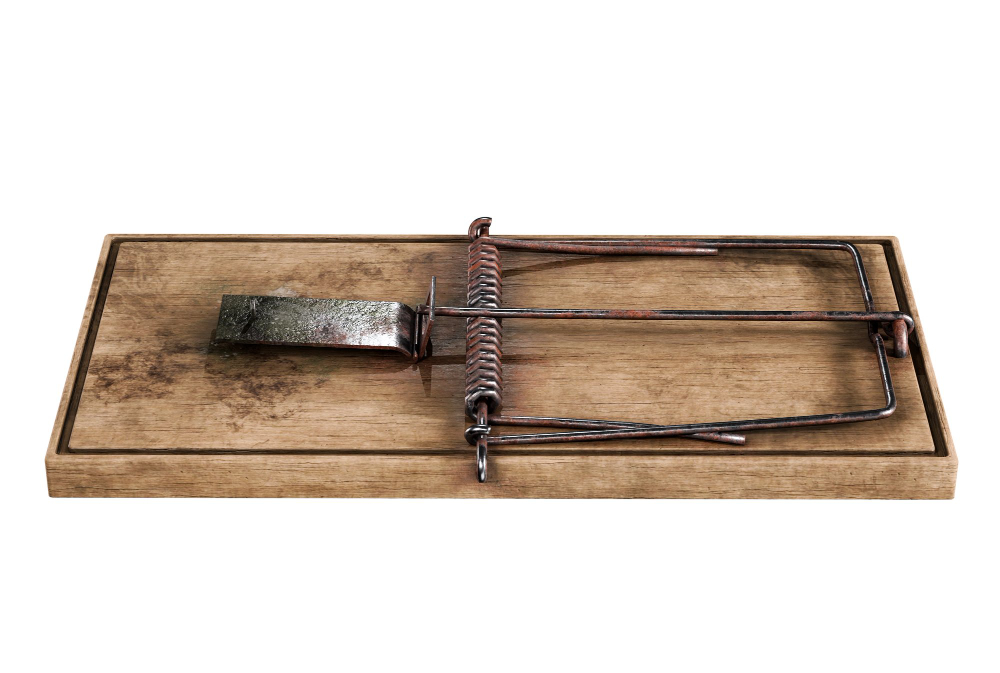
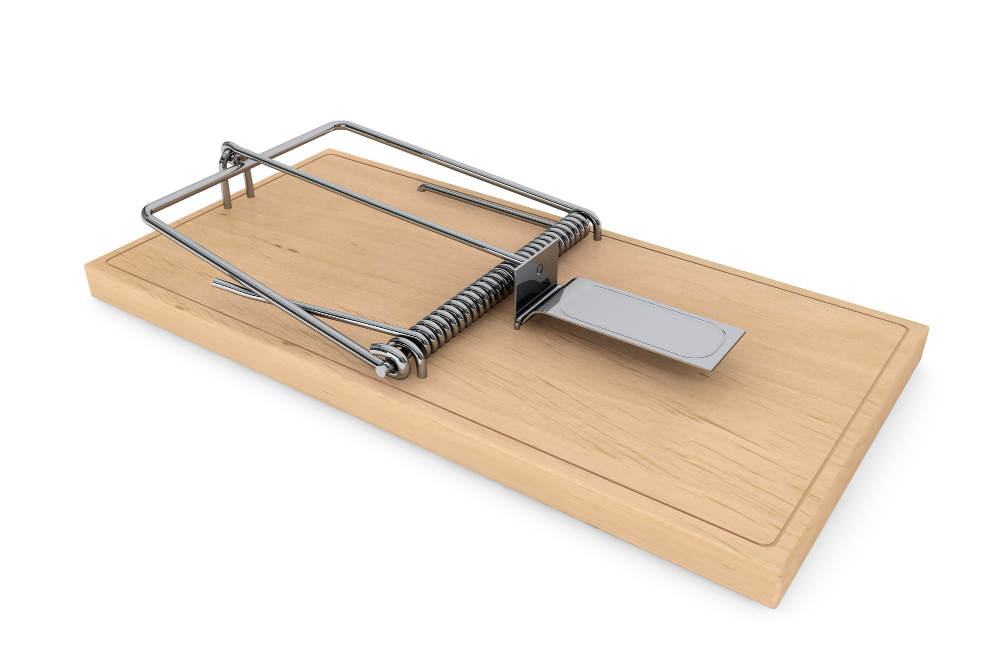
The mousetrap is the standard example used by patent offices and inventors’ organisations when they want to explain that a better idea is not the same thing as a better product.
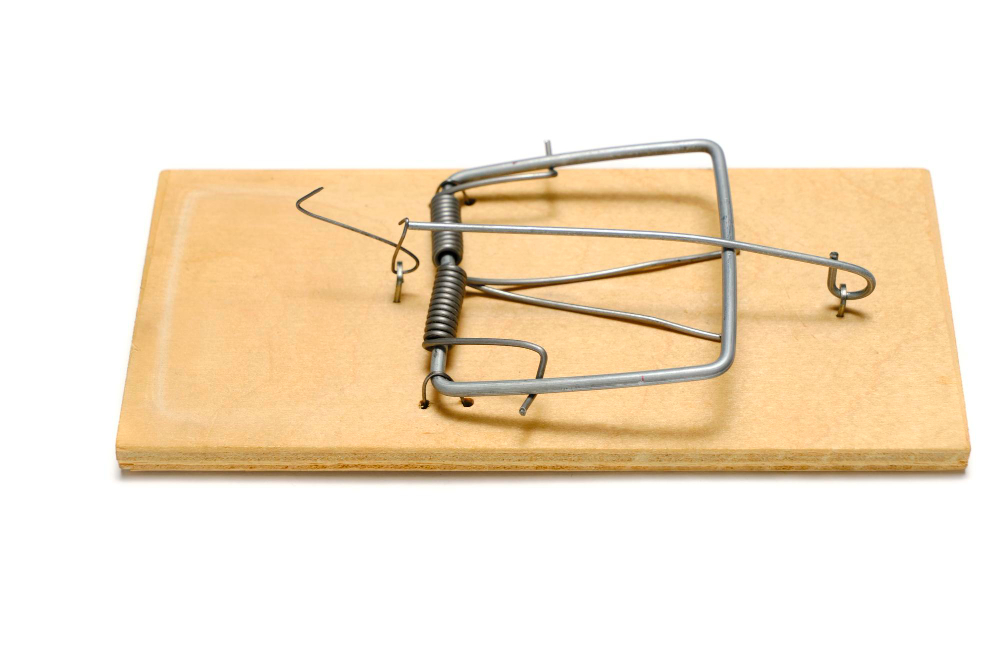
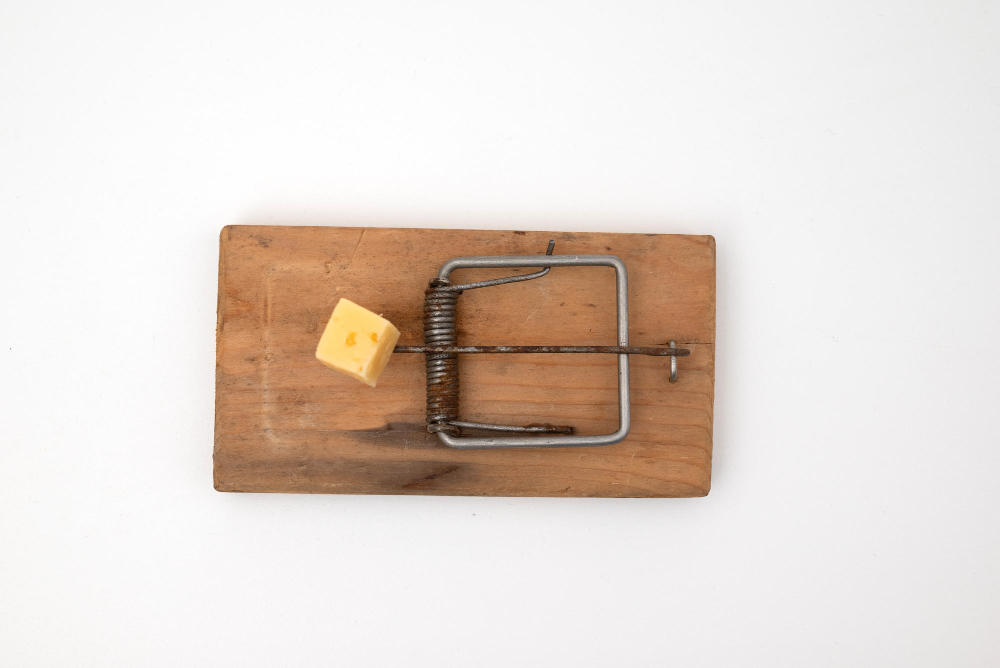
Thousands of mousetrap patents have been filed, which makes it one of the most heavily patented devices in history. The overwhelming majority were never manufactured, never sold and never made anybody any money. The design that dominates the market is a flat piece of wood with a spring on it, patented in the 1890s, and the reason it wins has almost nothing to do with how well it catches mice.
Build a Better Mousetrap Is a Misquotation
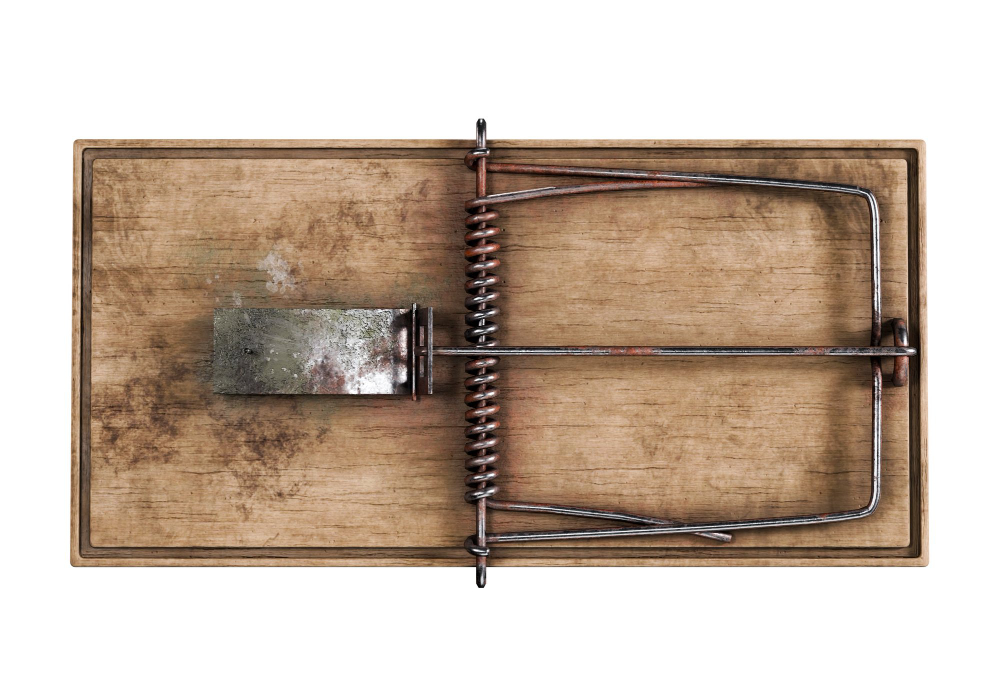
The phrase everybody knows – build a better mousetrap and the world will beat a path to your door – is a paraphrase of a line attributed to Ralph Waldo Emerson, and the version he is recorded as writing does not mention mousetraps at all. It refers more generally to making something better than anybody else.
The mousetrap version appeared later, became enormously popular, and then became the thing it was warning against: a tidy slogan that encouraged a very large number of people to believe that inventing a superior device was sufficient.
Patent offices and inventors’ advisory bodies now routinely cite the mousetrap as the counter-example. It is the device people are most likely to try to improve, and it is the clearest demonstration that improvement alone sells nothing.
Like our content? Follow us for more.
Why the Wooden Snap Trap Is Almost Unbeatable
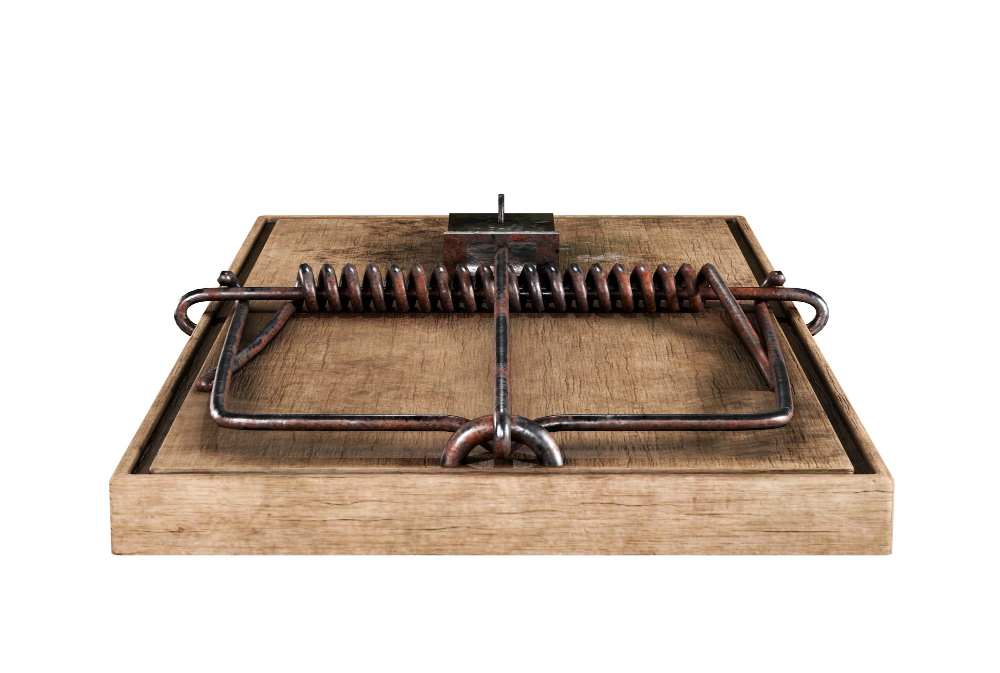
The incumbent has a set of advantages that are nothing to do with performance.
It costs very little. A rectangle of softwood, a spring, a few wire parts and two staples, assembled by machine. Any competitor has to be comparable in price, and most improvements add parts.
It requires no instructions. Everybody already knows how it works, which means no packaging explanation, no learning, and no customer support.
It is disposable, which is what a great many buyers actually want. The usual complaint about a trap is dealing with the result, and a cheap trap can be thrown away entire.
It works adequately. Not brilliantly – trap performance depends enormously on placement, and most failures are the user’s rather than the trap’s – but adequately and predictably.
And it is already in every shop. Shelf space is the hardest thing for any new product to obtain, and it is obtained by displacing something that is already selling.
The Improvements Are Real and Mostly Do Not Matter
Better traps genuinely exist and several are superior in ways anybody would acknowledge.
Enclosed plastic snap traps catch the animal out of sight and can be emptied without touching anything, which addresses the most common objection to the wooden version.
Live-capture traps catch the animal unharmed, which matters to a significant number of people and is the reason that category sells at all.
Electronic traps deliver a rapid lethal shock in a sealed chamber and signal when they have operated, which is the most humane of the lethal options by most assessments and is also the most expensive by a wide margin.
Multi-catch traps hold several animals, which suits a commercial setting where somebody checks them on a schedule.
Each is better at something. None is cheaper, and in a market where the product costs less than a cup of coffee and is bought reluctantly in a moment of annoyance, price dominates almost everything else.
What Actually Determines Whether a Trap Works
Since the trap is rarely the problem, it is worth saying what is.
Placement decides nearly everything. Mice move along walls and skirting rather than across open floors, so a trap in the middle of a room catches nothing while the same trap set against a wall with the trigger end towards it catches readily. They travel the same routes repeatedly, and those routes are identifiable from droppings and from smears along skirting.
Quantity matters more than quality. Professionals set many traps rather than a good one, because the population is larger than the householder thinks and because any individual trap has a modest chance on any given night.
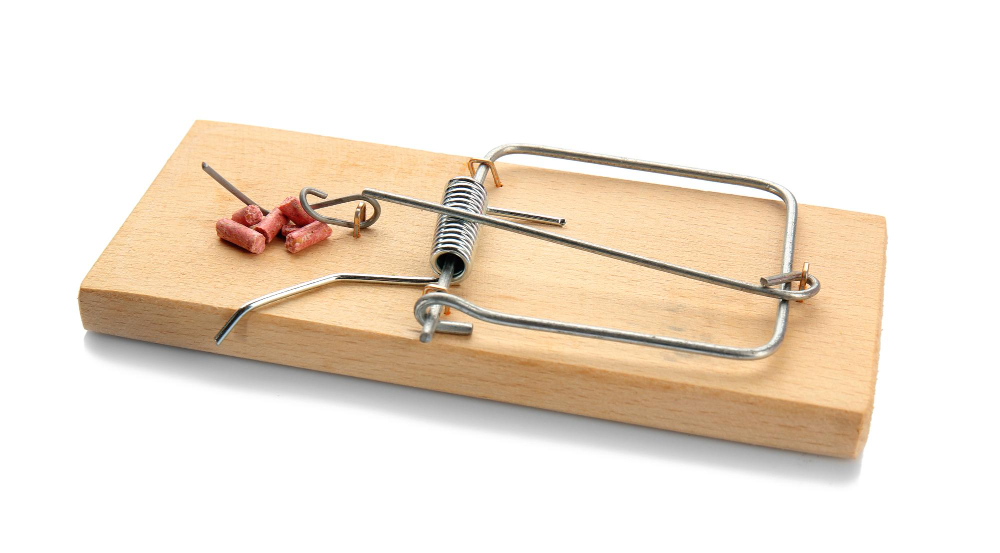
Bait is the part people get wrong. A very small amount of something sticky is more effective than a large piece, which can be taken without triggering. The traditional cheese is mediocre.
And none of it works at all without dealing with the entry point, because a house that mice can get into will continue to contain mice. Finding and closing the gap is the actual job, and the trap is dealing with the ones already inside.
Live Capture Is More Complicated Than It Looks
Anybody choosing a humane trap for good reasons deserves to know what the choice actually involves.
A live-caught mouse released nearby returns, because it is within its home range and knows the way. Released far away, it is in unfamiliar territory with no shelter, no cached food and established competitors, and survival rates in that situation are poor – so the humane option is frequently humane at the point of capture and not afterwards.
A trap left unchecked kills the animal slowly through stress, cold and dehydration, which is worse than any lethal trap. Live traps have to be checked frequently, which in practice means more often than most people do.
And in some jurisdictions releasing a captured animal elsewhere is restricted or prohibited, for sound reasons about spreading disease and introducing animals into other people’s property.
The honest summary is that the humane choice requires more commitment than the lethal one, and that a badly used live trap is the worst of the available options. Anybody dealing with a serious infestation, or uncertain what is appropriate where they live, should be talking to a pest control professional or their local authority.
What People Used Before the Spring
The snap trap is a late arrival, and the methods it displaced were in use for thousands of years.
The cat is the oldest answer and remains the only one that finds the mice rather than waiting for them. The usual account of why cats became domestic animals at all is that stored grain attracted rodents, rodents attracted small predators, and the arrangement suited both species well enough to become permanent.
Beyond the cat, the historical traps fall into a few families. The deadfall drops a weight when the bait is disturbed, which requires balancing something heavy and is as dangerous to fingers as to mice. The pit trap is a container the animal falls into and cannot climb out of, frequently with a tipping lid. The cage trap has a door held by a trigger. And there were elaborate multi-chamber wooden traps, built by carpenters as serious pieces of joinery, some of which survive in museums.
Every one of those is a device somebody had to make, and that is the point. Before cheap manufactured springs and machine-cut timber, a mousetrap was either a carpenter’s product or something improvised from a bucket and a plank.
What the 1890s design did was take a problem that had been solved a hundred ways by hand and make one of the solutions cost almost nothing – which is exactly the step that killed every competing design, including the good ones.
The Patent Numbers Say Something About Inventors
The reason the mousetrap collected so many patents is worth examining, because it is not that the problem was unsolved.
It is a problem everybody understands without explanation. It needs no technical training to think about. The existing solution is visible, cheap and obviously imperfect. And the device is simple enough that an individual with no resources can build a prototype on a kitchen table.
That combination attracts a very large number of independent inventors, and the pattern repeats across a small set of objects – the mousetrap, the bottle opener, the umbrella, the toothbrush, the can opener, the fishing lure. Each is simple, universally understood, visibly improvable and cheap to prototype.
Patent advisory services describe this directly and warn about it, because filing a patent costs real money and a patent on an unmanufacturable or unsellable improvement is a bill rather than an asset. The advice they give is to establish that somebody will buy the thing before protecting it, which is the opposite of the order most people do it in.
The Lesson Is Not About Mice
The mousetrap is a small object carrying a large and uncomfortable point about how things actually succeed.
A better product does not displace a worse one. A product displaces another product when it is better on the dimension the buyer is actually deciding on, at a price the buyer will pay, in a place the buyer is already shopping, with no additional explanation required.
The wooden snap trap wins on price, familiarity, availability and disposability, and loses on everything else – and the dimensions it wins on are the ones that decide a purchase made grudgingly, in a hurry, for a problem the buyer wants to stop thinking about.
Which is why it is still on the shelf, essentially unchanged, after more than a century, surrounded by several thousand patented devices that are better than it and are not there.
Like our content? Follow us for more.