

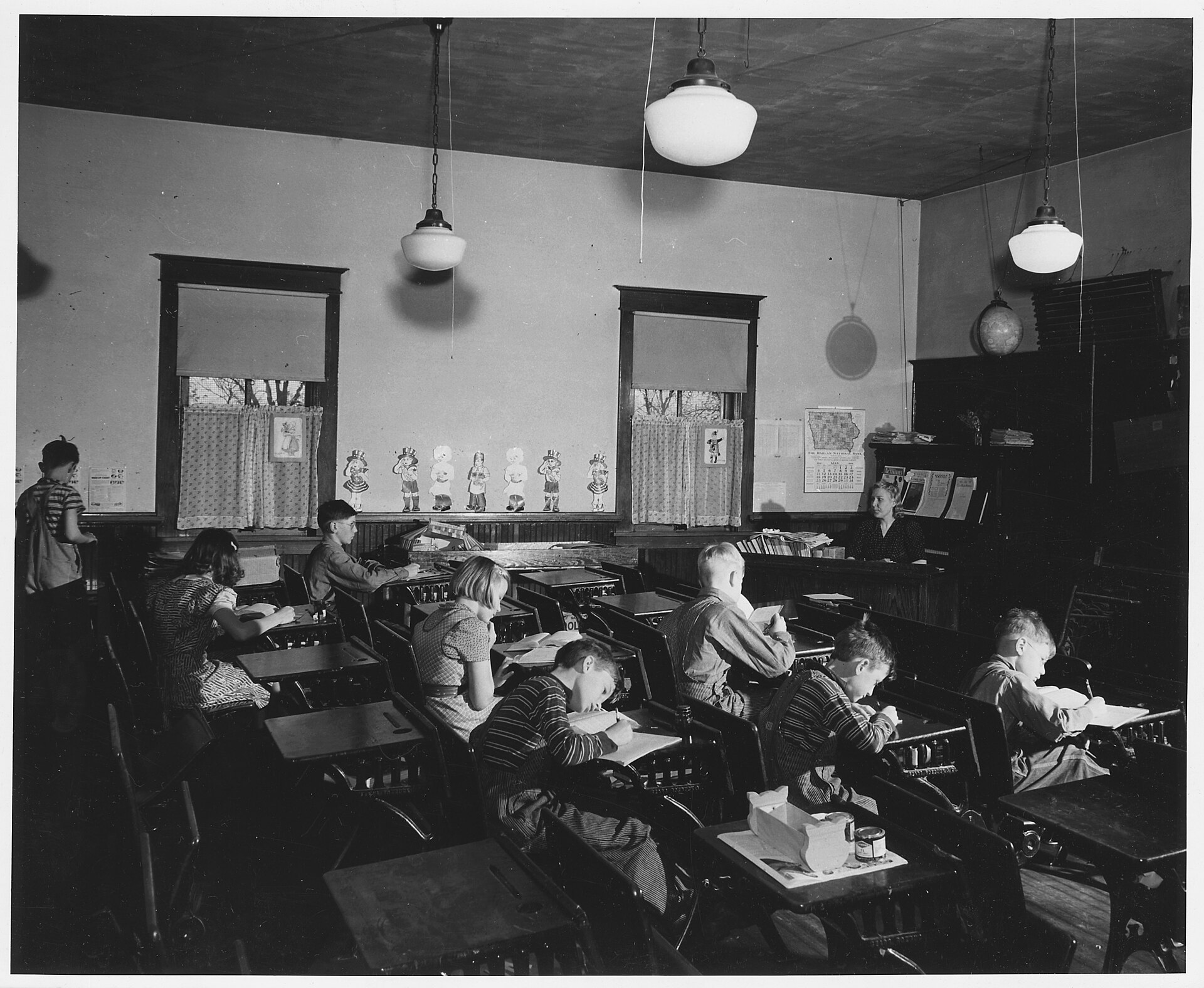
Ask an American why the school year stops for ten or eleven weeks in the summer and you will get the same answer almost every time. The children were needed on the farm. Crops had to be brought in, hands were short, and the school calendar bent around the agricultural one.
It is a tidy story, it explains something otherwise arbitrary, and essentially every part of it is false.
The farm calendar does not actually have its busiest stretch in midsummer. Rural schools, when they were organised around farming, ran in the summer. And the long uninterrupted summer break that Americans now treat as the natural shape of a school year was assembled in the second half of the nineteenth century, in cities, for reasons that had to do with heat, disease, wealthy families leaving town and a push to make schooling look the same everywhere.
What the Farm Year Actually Looks Like

Start with the part of the story that is easiest to check, which is when farm labour is actually needed.
The two demanding periods on a mixed family farm are spring and autumn. Spring is ploughing, planting and the arrival of young animals. Autumn is harvest, which for most American staple crops falls somewhere between late August and November depending on the crop and the latitude. Both are periods when every available person works.
Midsummer is not one of those periods. Crops are in the ground and growing. There is weeding, there is haying, there is maintenance and there are animals to tend, but it is the slackest stretch of the productive year on most farms. Deep winter is slacker still.
So a calendar built to free children for farm work would do the opposite of what the American calendar does. It would release them in spring and autumn and hold them in school through midsummer and midwinter.
And that is more or less exactly what rural American schools did.
Like our content? Follow us for more.
Rural Schools Ran in Summer
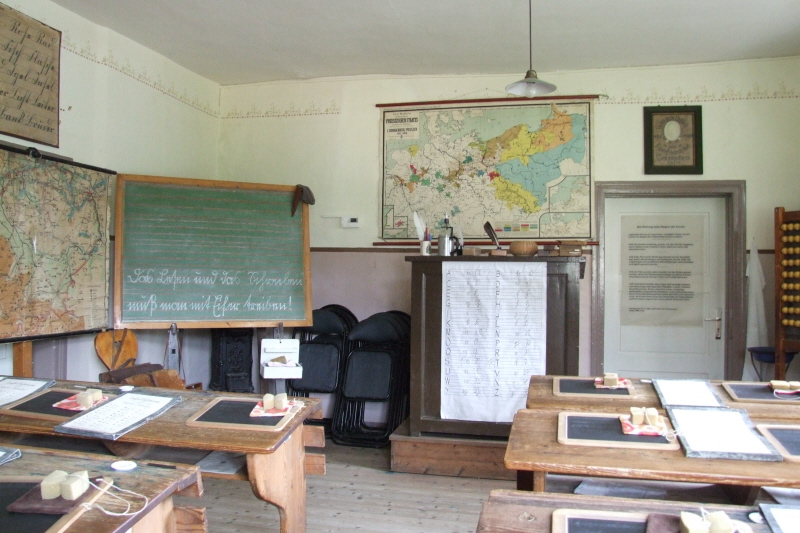
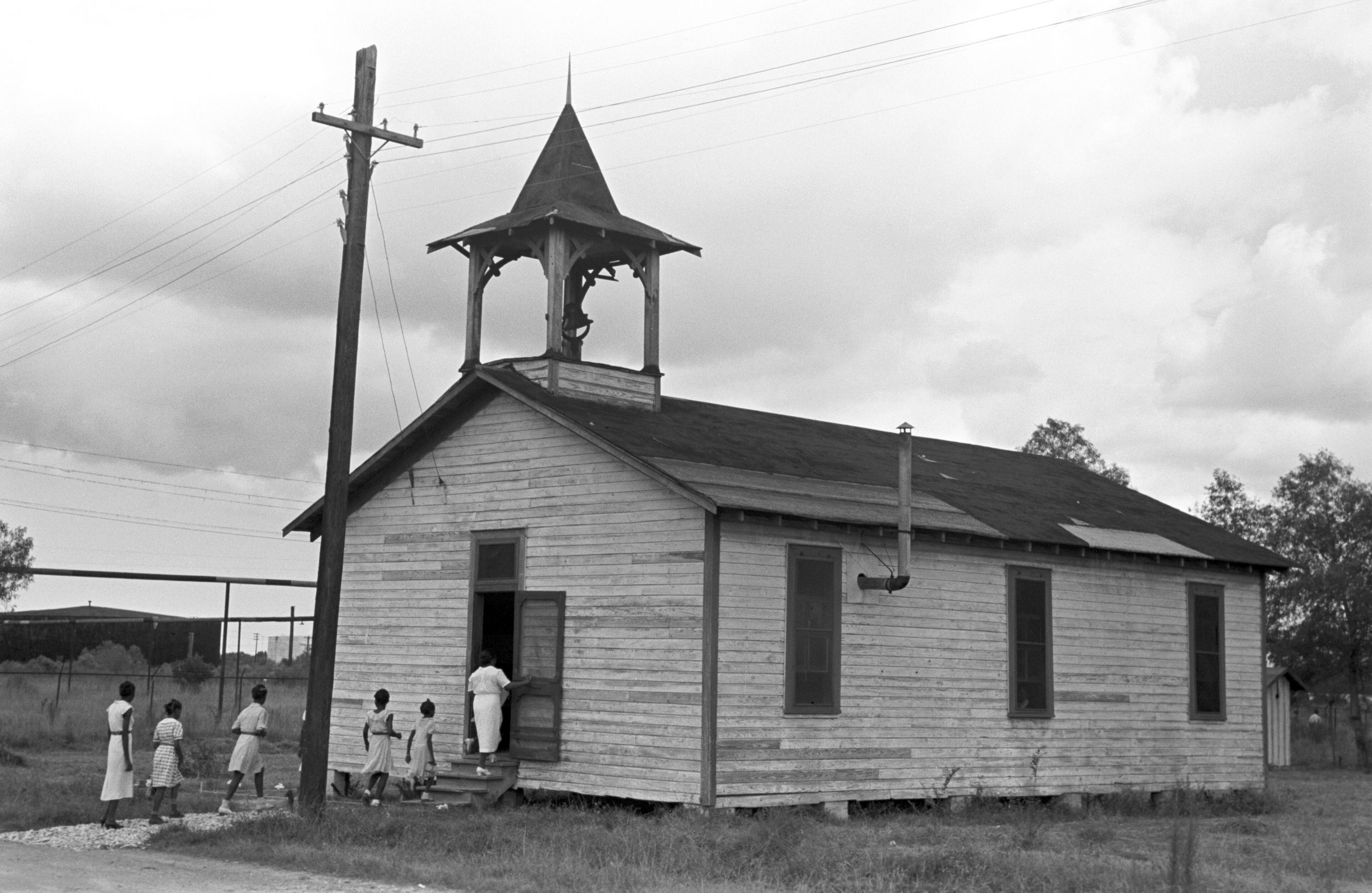
Through much of the nineteenth century, country schools in the United States commonly ran two short terms. There was a summer term, and there was a winter term, and the gaps between them fell in spring and autumn.
The arrangement makes immediate sense once the farm calendar is the organising principle rather than an afterthought. The terms sat in the two periods when children could be spared. The breaks sat in planting and harvest, when they could not.
There were other considerations layered on. The summer term was often taught by a young woman and attended largely by younger children, because older boys were more likely to be working even in the slack season. The winter term, which the older boys did attend, was frequently taught by a man, partly for reasons of discipline that nineteenth-century school committees discussed with some frankness.
The terms were also short. A rural school year of twelve or sixteen weeks total was unremarkable. Schooling was not yet the long continuous thing it became, and it fitted into the spaces the farm year left.
None of this looks anything like the modern calendar. The modern calendar has one long break, it falls in midsummer, and it is immovable. That shape did not come from the countryside.
City Schools Ran Almost All Year
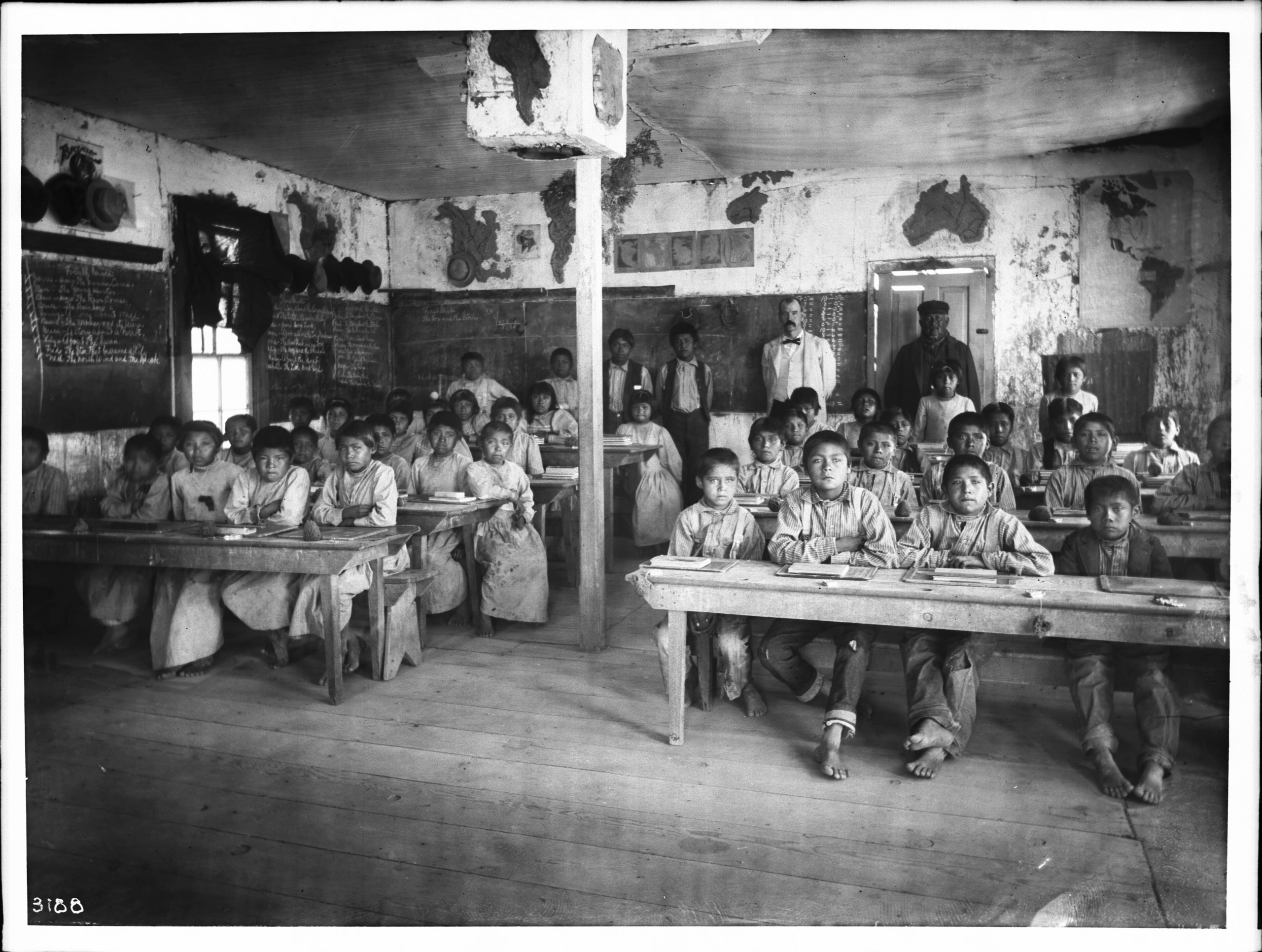
At the other end of the country, urban schools had the opposite problem and the opposite schedule.
Nineteenth-century American city schools often ran something close to year-round. Terms of forty-eight or more weeks were recorded in several large cities, with short breaks scattered through the year rather than one long one. Attendance was not compulsory in the modern sense and was frequently poor, but the schoolhouse was open, and for families who sent their children regularly the year was long.
The logic was straightforward. City children were not needed for planting or harvest. School was supervision as much as instruction, especially for the children of working parents, and a school that closed for months left them on the street. There was no agricultural reason to close, so cities did not close.
So the United States in, say, the eighteen-forties had two incompatible school calendars running simultaneously. A rural calendar of two short terms with gaps at planting and harvest, and an urban calendar of near-continuous terms with short scattered breaks. Neither one had a long summer holiday.
The Long Summer Break Was a City Invention
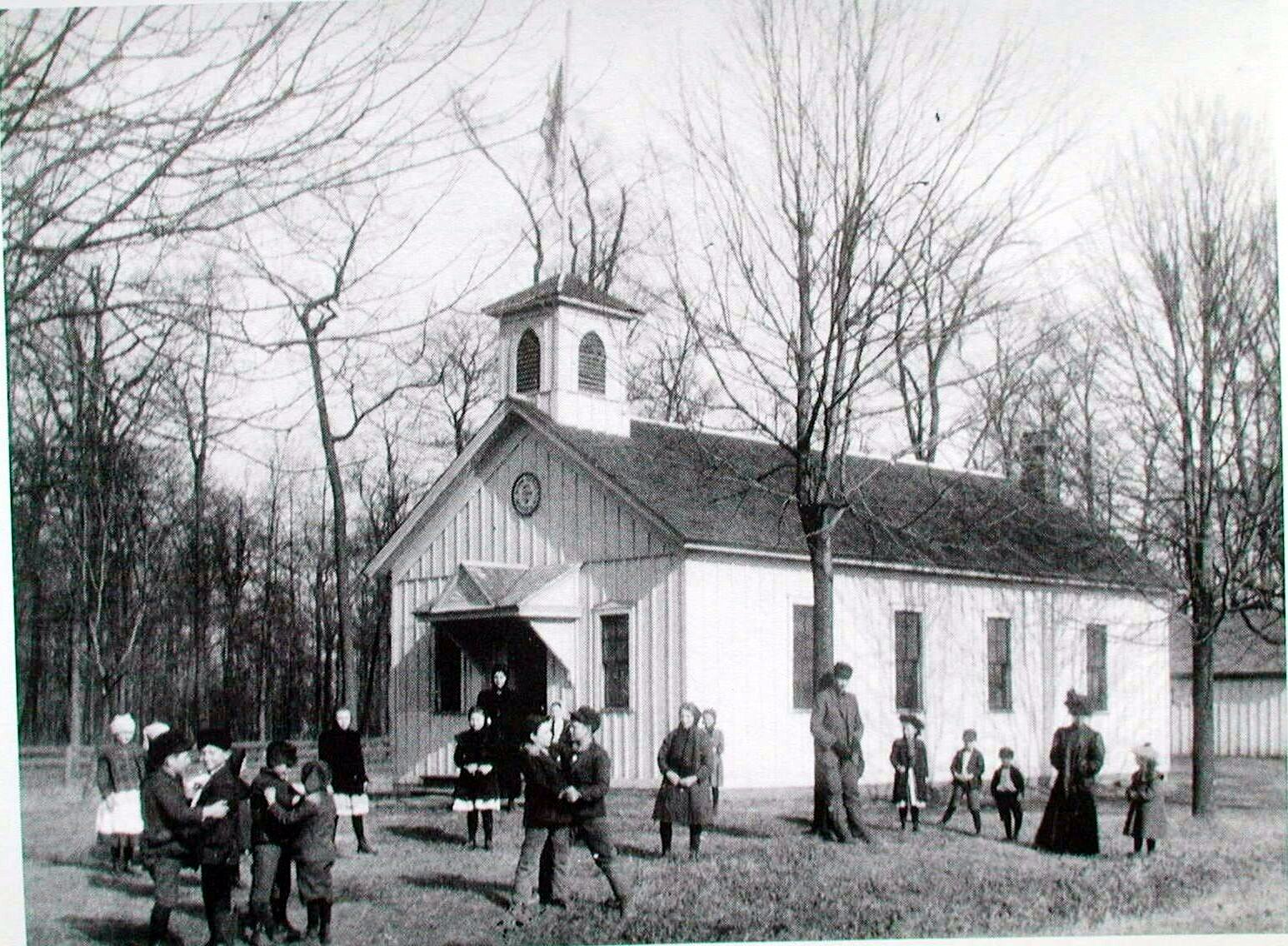
The modern calendar emerged in the second half of the nineteenth century, and the pressure for it came from the urban side.
Several things pushed in the same direction at once.
Heat was the most immediate. A crowded brick or timber school building in an American city in July, with no mechanical cooling, high ceilings being the only concession to the climate, and thirty or fifty children in a room, was genuinely unpleasant and widely regarded as unhealthy. Nineteenth-century medical thinking connected summer heat, bad air and the summer peaks in infectious disease that cities reliably experienced. Closing the schools in the hottest weeks was treated as a sanitary measure.
Wealth was the second. Families with means increasingly left American cities in summer, to the coast, to the mountains, to relatives in the country. Attendance in July and August collapsed in exactly the neighbourhoods whose parents sat on the school boards. Running a school for a fraction of its pupils is expensive and hard to justify.
Teacher training was the third. As teaching professionalised, teachers needed time for the institutes and summer courses through which qualifications were increasingly obtained. A block of weeks when school was closed was useful to the people running the system, not just to the children in it.
And the fourth was standardisation, which is the one that actually did the work.
Somebody Had to Make the Two Calendars Match
By the later nineteenth century there was a strong reform movement in American education pushing towards uniformity. The argument was that a child’s schooling should not depend on which district they happened to live in, that graded classes with annual promotion required everybody to start and finish together, that textbooks and curricula should be comparable, and that attendance and funding should be measurable against a common standard.
Uniformity meant one calendar. One calendar meant reconciling a rural year of two short terms around planting and harvest with an urban year of nearly continuous terms.
The compromise is the calendar Americans now have. The rural side gave up its two-term structure and accepted a long continuous year. The urban side gave up its summer weeks and accepted a long break. The break was placed in summer because that is where the urban pressure already pointed, because the heat argument was real, and because it was the one period in which a rural family could spare a child for a long stretch without losing a planting or a harvest.
The result satisfied nobody’s original logic. It was a negotiated settlement between two systems, and the summer break is where the negotiation landed – not an accommodation to the harvest, which it does not accommodate at all.
Why the Farm Story Stuck
If the agricultural explanation is wrong, the question becomes why essentially everybody believes it.
It is a good story, for one thing. It has a clear cause, a sympathetic image, and it makes an arbitrary institutional fact feel grounded in something honest and old. Explanations with that shape travel well regardless of accuracy.
It is also partly true in a way that misleads. Farm children did work, children were kept out of school for agricultural labour, and rural attendance did fall in the busy seasons well into the twentieth century. All of that is real. The error is in the direction of causation. Farm work affected whether individual children attended; it did not create the long summer break, and the break does not fall when the farm work falls.
And the story has been useful. It has been offered for over a century in arguments about whether the calendar should change – usually by people arguing that a holdover from an agrarian past no longer fits a country that is not agrarian. The argument’s conclusion may be reasonable, but its premise is a myth, and repeating it in print thousands of times has made it common knowledge.
The Honest Version
The long American summer holiday is not a relic of farming. It is a nineteenth-century compromise, and the pieces of it are these.
Country schools ran in summer and winter, with their breaks in spring and autumn, because that is when the farm year actually has room. City schools ran nearly year-round, because city children had no agricultural work to go to and the school building served a custodial purpose.
A reform movement that wanted a single comparable school year across the country had to reconcile those two calendars, and it settled on a long continuous year with one long break. Summer took the break because urban heat and disease made summer closure attractive, because wealthy urban families had already stopped attending in July and August, because teachers needed training time, and because it was the least disruptive long block for a farming family.
So the calendar is a city calendar with a rural concession in it, not a farm calendar at all. The next time somebody explains that the children were needed for the harvest, the accurate reply is that if they had been, school would have been closed in October.
Like our content? Follow us for more.
