

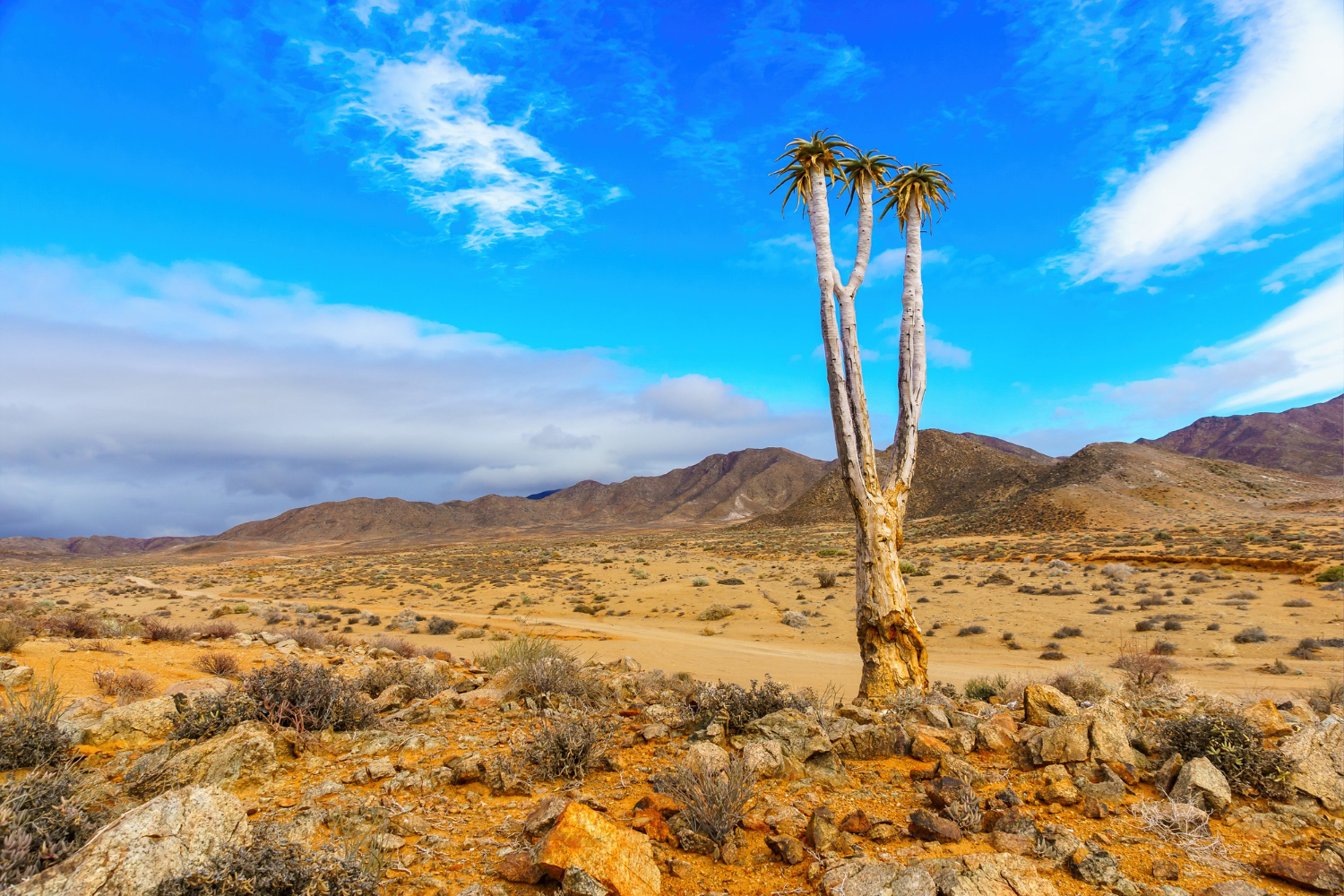
On a map of northeastern Africa, along the border between Egypt and Sudan, there is a small landlocked rectangle of desert with a peculiar distinction: it belongs to no one. Not disputed between rival claimants, not fought over, not occupied — simply unclaimed, a piece of the Earth’s habitable surface that two neighboring countries have each formally decided they do not want. It is called Bir Tawil, and it is one of the last real terra nullius — “nobody’s land” — on the planet, a geographic oddity so counterintuitive that people struggle to believe it’s real.
The strangeness of Bir Tawil isn’t that two nations both claim it. That happens all the time, all over the world. The strangeness is the opposite: two nations both refuse it. Neither Egypt nor Sudan wants to own this stretch of desert, and the reason why is a truly fascinating puzzle rooted in the way colonial powers drew lines on maps over a century ago — a puzzle in which claiming the worthless desert would mean surrendering a claim to a much larger, more valuable territory nearby. It’s a story about how the arbitrary decisions of long-dead officials can leave a permanent, bizarre mark on the map, and about the one place on Earth where the usual logic of nations wanting land is turned completely upside down.
Two Borders, Drawn Two Different Ways
To understand why nobody wants Bir Tawil, you have to understand a conflict over a different, much more desirable piece of land — and the fact that the Egypt-Sudan border was, confusingly, drawn in two different places at two different times. In 1899, the colonial administration governing the region set the border between Egypt and Sudan along a simple straight line of latitude — the 22nd parallel. This clean, straight boundary put Bir Tawil on one side and a larger coastal territory to the northeast, known as the Hala’ib Triangle, on the other.
A few years later, in 1902, a separate administrative boundary was drawn that followed not a straight line but the actual distribution of the local tribes and their lands. This second, winding border reassigned the territories: under the 1902 line, the valuable Hala’ib Triangle — a much larger area, and one with a coastline on the Red Sea — was grouped with one country, while the small, dry, landlocked Bir Tawil was grouped with the other. The result was two competing borders that assign the two territories in opposite ways, and this is the crux of the entire puzzle. There is no version of the border under which a country gets both Hala’ib and Bir Tawil. Claiming one border means claiming one territory and giving up the other.
Like our content? Follow us for more.
The Prize Nobody Wants, Because of the Prize Everybody Wants
Here is where the counterintuitive logic locks into place. The Hala’ib Triangle is the desirable land: it is far larger than Bir Tawil, and critically, it has a Red Sea coastline, making it strategically and economically valuable. Bir Tawil, by contrast, is small, entirely landlocked, and consists of dry, largely barren desert with little to offer. Both Egypt and Sudan want the Hala’ib Triangle, and each bases its claim to Hala’ib on whichever of the two borders assigns Hala’ib to it.
But because of how the two borders are drawn, the very same argument that lets a country claim Hala’ib forces it to disclaim Bir Tawil. If a country insists on the border that gives it the valuable Hala’ib Triangle, that same border assigns Bir Tawil to the other nation. To claim Bir Tawil, a country would have to insist on the other border — the one that would hand the far more valuable Hala’ib Triangle to its rival. In simple terms: you can claim the good land or the bad land, but the border logic won’t let you have both, and no country is willing to trade away its claim to a valuable Red Sea territory just to gain a worthless patch of landlocked desert. So both nations claim Hala’ib and both renounce Bir Tawil, leaving the desert rectangle as an orphan — land that exists in the strange gap between two competing claims, wanted by neither, precisely because both are chasing the bigger prize.
Nobody’s Land, and the People Who Tried to Claim It
Bir Tawil’s status as unclaimed land has given it a peculiar fame, because true unclaimed habitable territory is almost unheard of on a planet where virtually every scrap of land is spoken for by some nation. This has, predictably, attracted a parade of dreamers, eccentrics, and internet personalities who have “claimed” Bir Tawil for themselves, declaring it their own personal kingdom or micronation, sometimes traveling to plant a flag in the sand. The most widely publicized of these involved a man who journeyed to the territory and declared it a kingdom so that, by his account, his young daughter could be a princess — a story that captured international attention for its charm and its audacity.
None of these claims carry any real legal weight, of course. Planting a flag and declaring sovereignty does not create a recognized nation, and the various self-proclaimed kingdoms of Bir Tawil exist only as novelties and thought experiments. But their persistence points to something real about the human imagination: the idea of a really unclaimed piece of the world exerts a powerful pull, tapping into old dreams of frontier, discovery, and the founding of new places. In a world that feels entirely mapped, measured, and owned, Bir Tawil is a rare blank space — and blank spaces have always drawn those who dream of filling them.
A Harsh and Empty Place
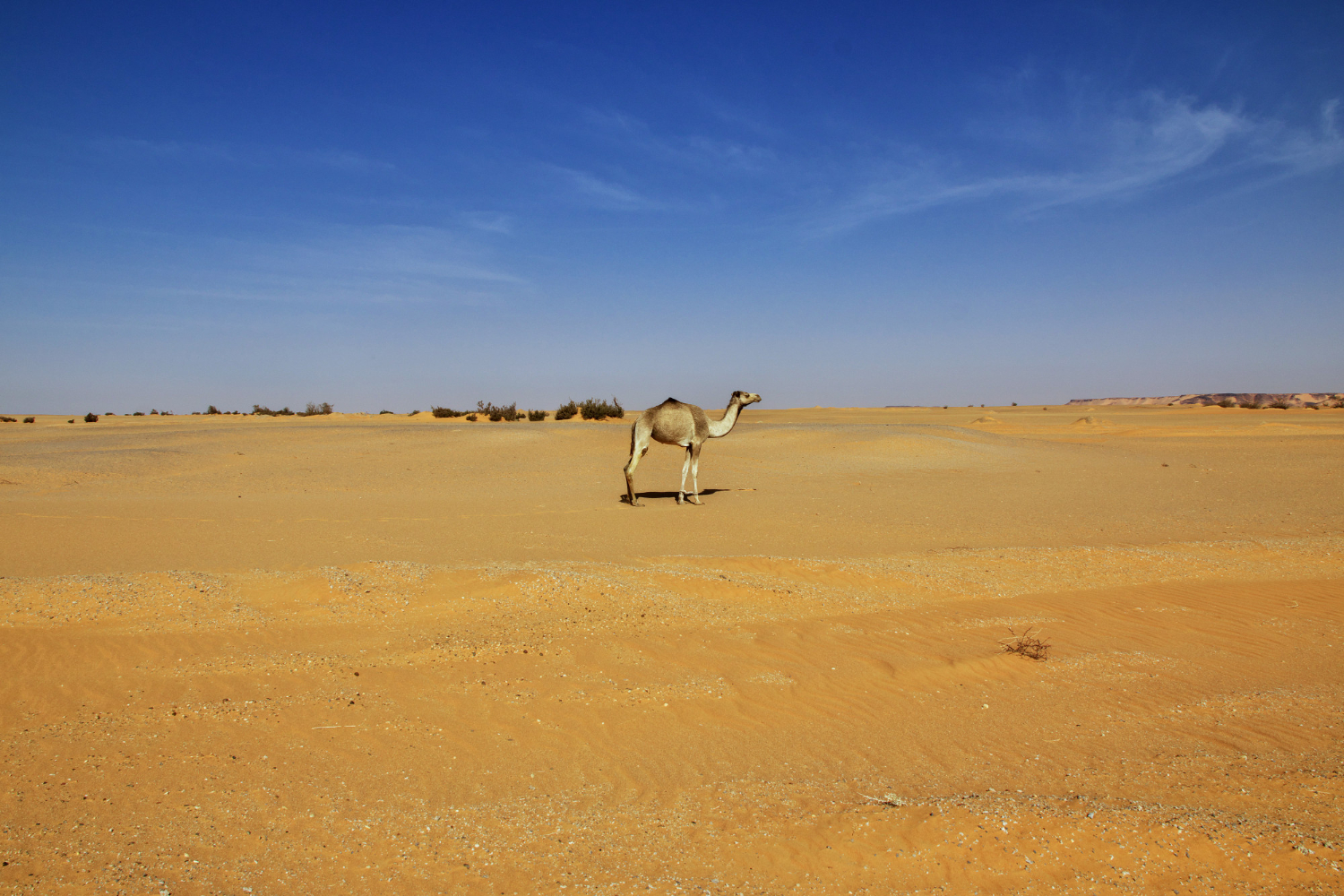
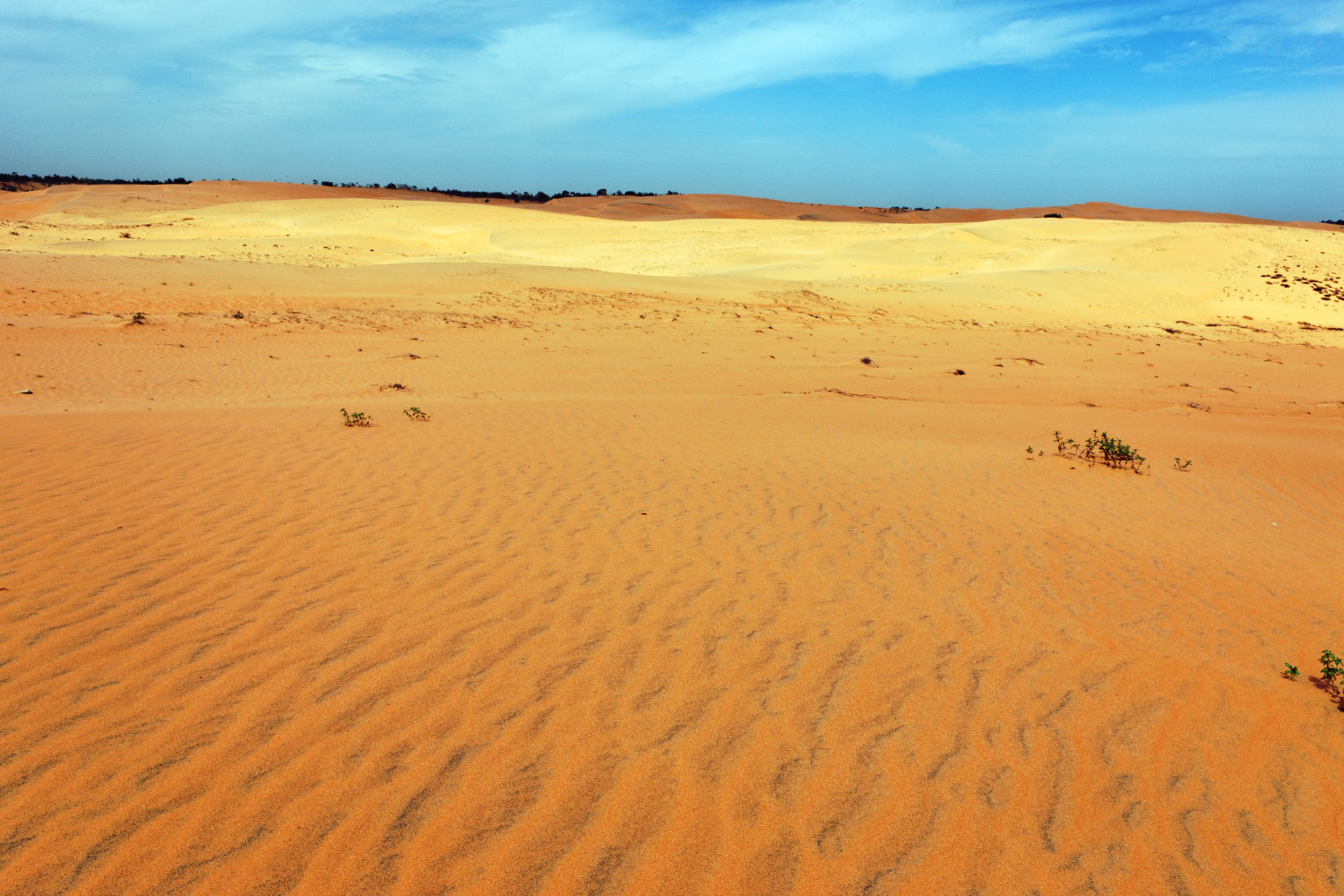
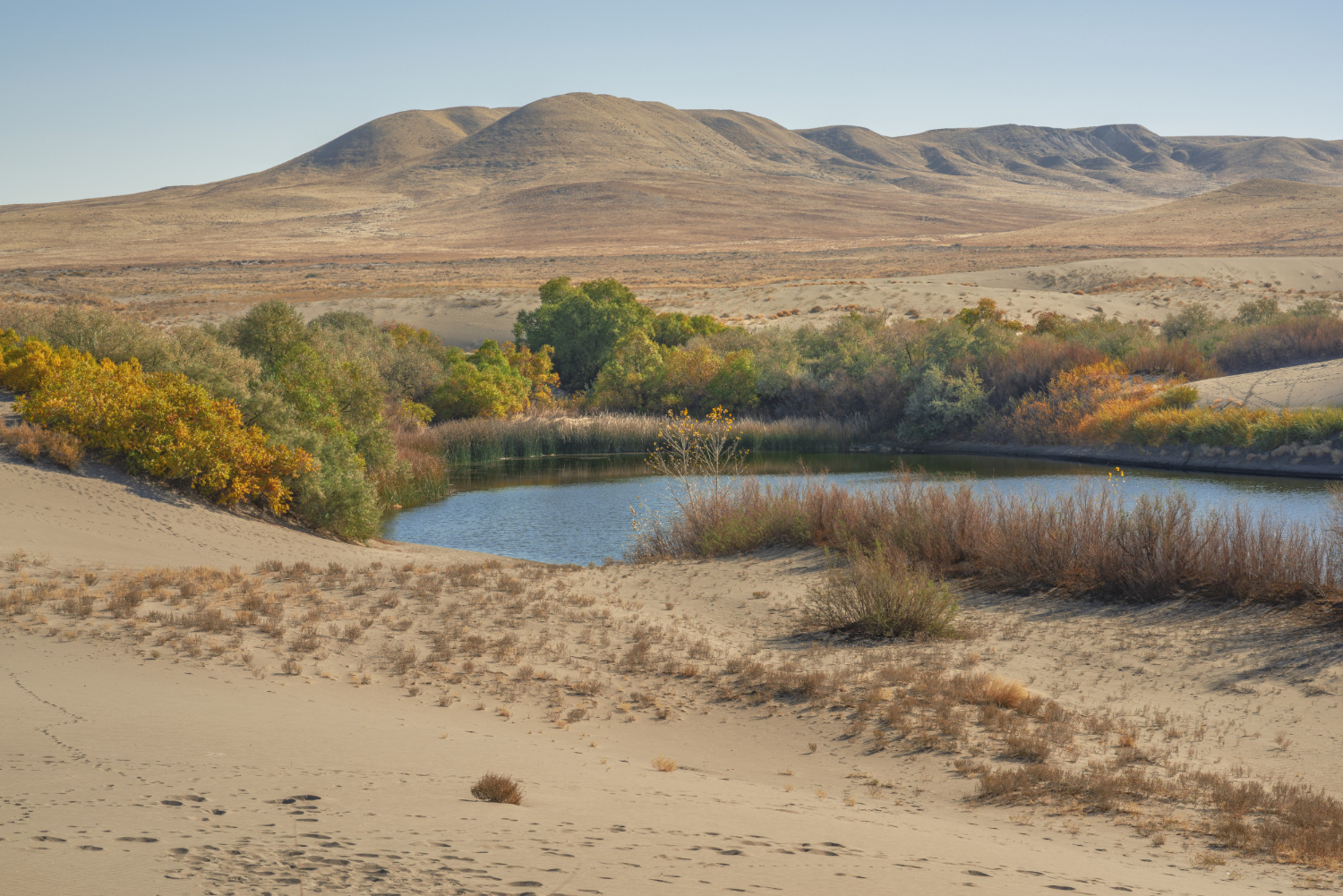
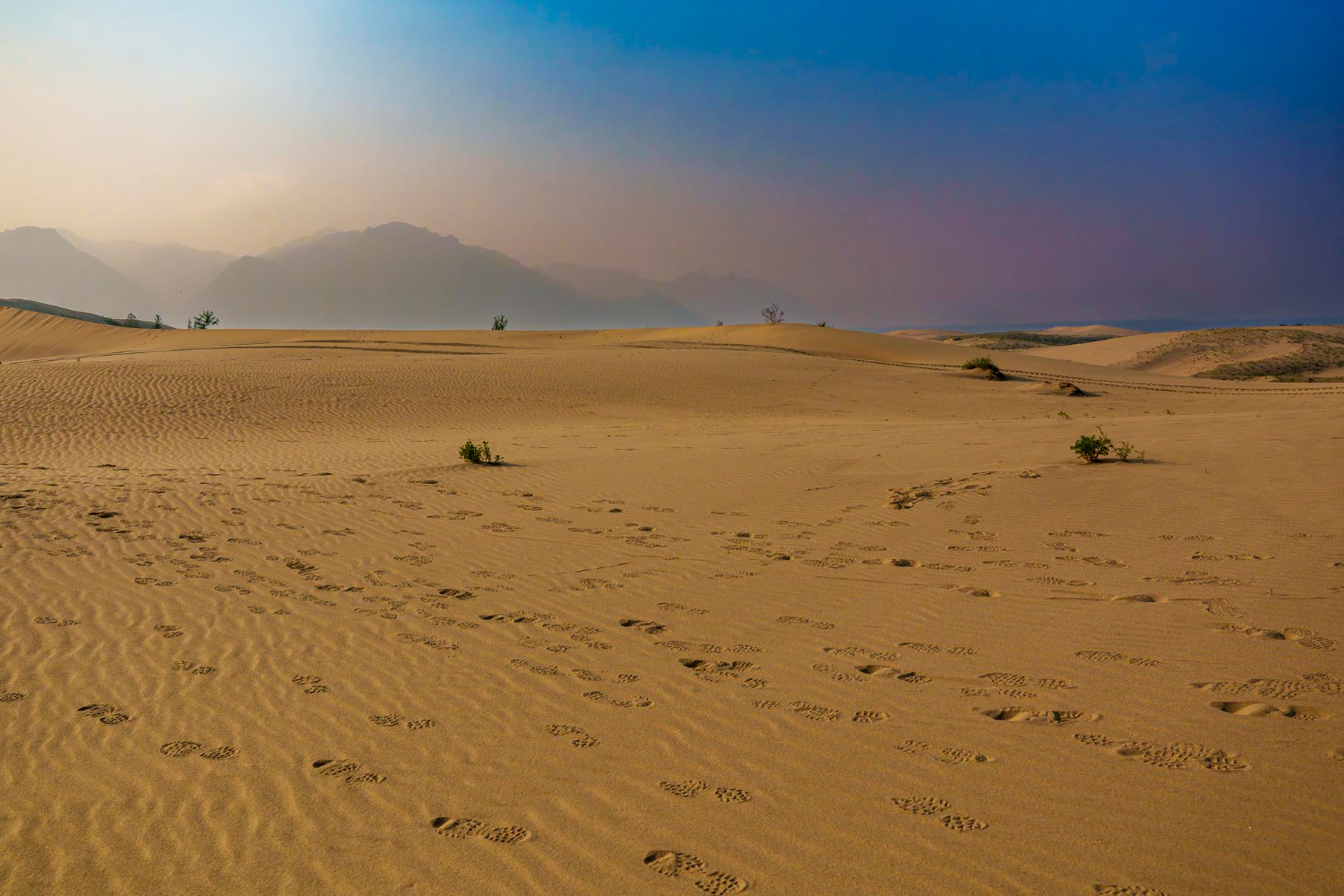
For all the romance the concept inspires, the reality of Bir Tawil is decidedly unglamorous, which is precisely why no nation covets it. The territory is a stretch of remote, arid desert covering roughly 800 square miles, with a harsh climate, little water, and no permanent population. It is not a hidden paradise or a resource-rich prize waiting to be exploited; by all accounts it is exactly what its unclaimed status suggests — marginal, difficult land that offers little reason for anyone to want to govern it, especially at the cost of a far more valuable claim elsewhere.
The region is not entirely devoid of human presence — nomadic groups have historically used the wider area — but as a defined territory, Bir Tawil sits essentially empty, a piece of desert going about its geological existence outside the framework of nations that organizes nearly all the rest of the inhabited world. It is a reminder that the value of land is not intrinsic but assigned, dependent on coastlines, resources, strategy, and the accidents of history, and that a place can be simultaneously part of the Earth and part of no country at all.
The Value of an Empty Space
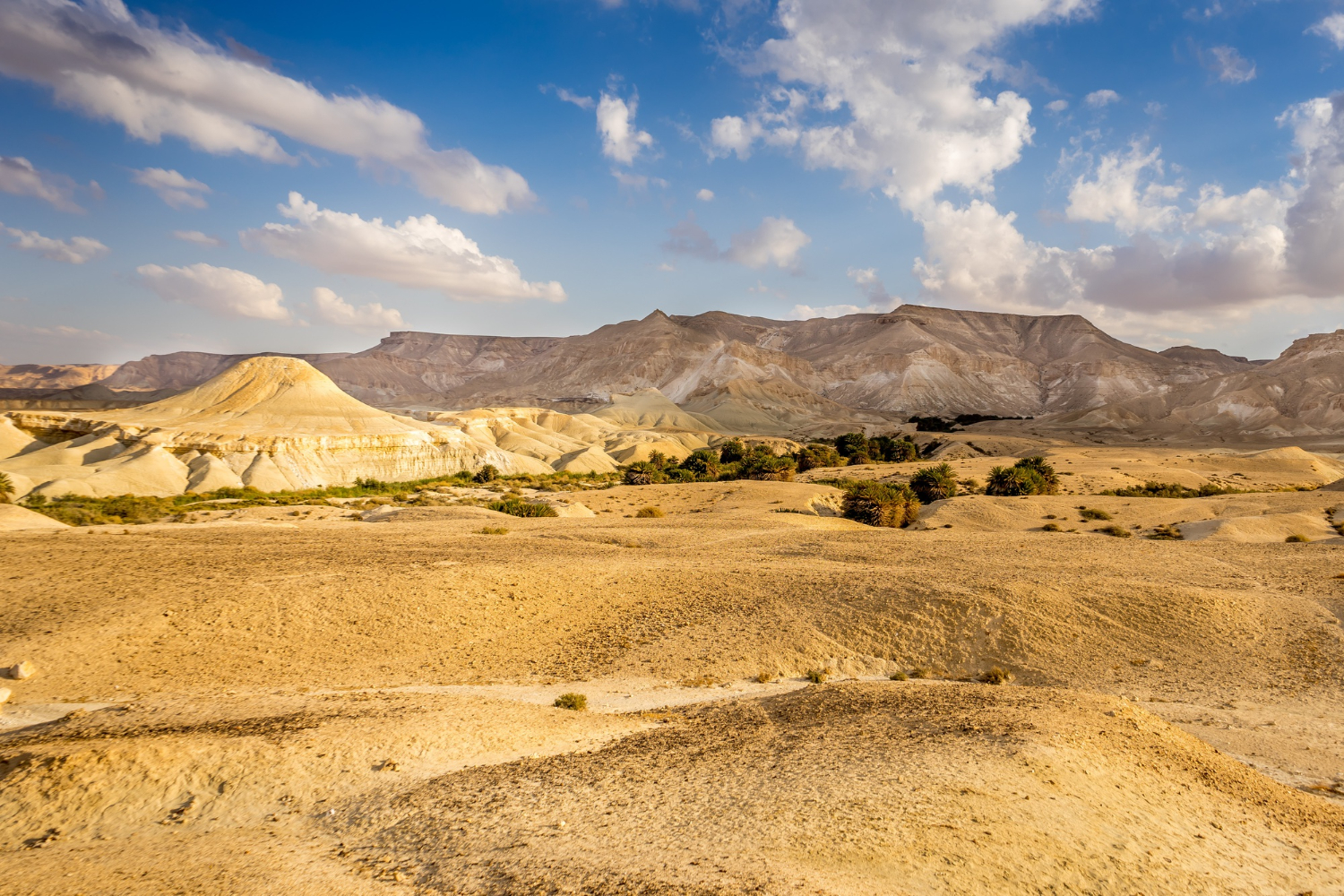
Bir Tawil has also become a real object of academic and legal curiosity, precisely because true unclaimed land is so vanishingly rare. Scholars of international law point to it as a real-world example of terra nullius, a concept usually confined to history books, and use it to explore questions about how territory is claimed, recognized, and governed. Because no state exercises authority there, the territory exists in a real legal vacuum — a place where the usual apparatus of laws, borders, and governments simply does not reach.
This makes Bir Tawil a fascinating thought experiment as much as a physical place. It raises questions that are easy to ignore elsewhere: What makes land belong to a country? What happens to a piece of the Earth that every nation refuses? Is unclaimed honestly the same as free? The desert itself offers no answers, sitting silent and empty between two borders, but the questions it poses have kept geographers, legal scholars, and armchair philosophers fascinated for years — proof that a worthless patch of sand can be one of the most intellectually valuable places on the map.
The Map’s Strangest Blank Space
Bir Tawil endures as one of geography’s most delicious puzzles — a place that exposes the arbitrary, human-made nature of the borders we treat as permanent facts, and that flips the entire logic of territorial ambition on its head. Every schoolchild learns that nations covet land and fight over borders; Bir Tawil is the exception that proves how contingent that logic really is, a piece of the world that two countries actively refuse because the rules they’ve chosen for a different, better piece of land force them to. It is the map’s great blank space in an age when blank spaces have all but vanished.
There’s something steadily profound in its emptiness. In a world where every mountain has been climbed, every coastline charted, and every acre assigned to some flag, Bir Tawil persists as a small, stubborn reminder that the neat order of the map is a human invention full of gaps, contradictions, and accidents — that the lines we draw don’t always cover everything, and that somewhere in the deserts of northeastern Africa there is a piece of the Earth that belongs, in the fullest sense, to no one. It’s not a place most people will ever visit, and it offers little to those who do. But as an idea — as the one habitable place on the planet that every nation has looked at and said “no thank you” — Bir Tawil is unforgettable, a real geographic wonder hiding in plain sight on the border of two ordinary countries.
Like our content? Follow us for more.
