The paper drinking straw is not a modern environmental compromise. It is the original manufactured straw, patented in 1888, and the thing it replaced was an actual straw – a hollow stalk of rye grass, which is where the word comes from.
The problem with rye was that it behaved exactly as a dried stalk of grass would. It softened in liquid within minutes, it shed small grassy particles into the drink, and it flavoured whatever was being drunk with the taste of hay.
The Pencil and the Paper
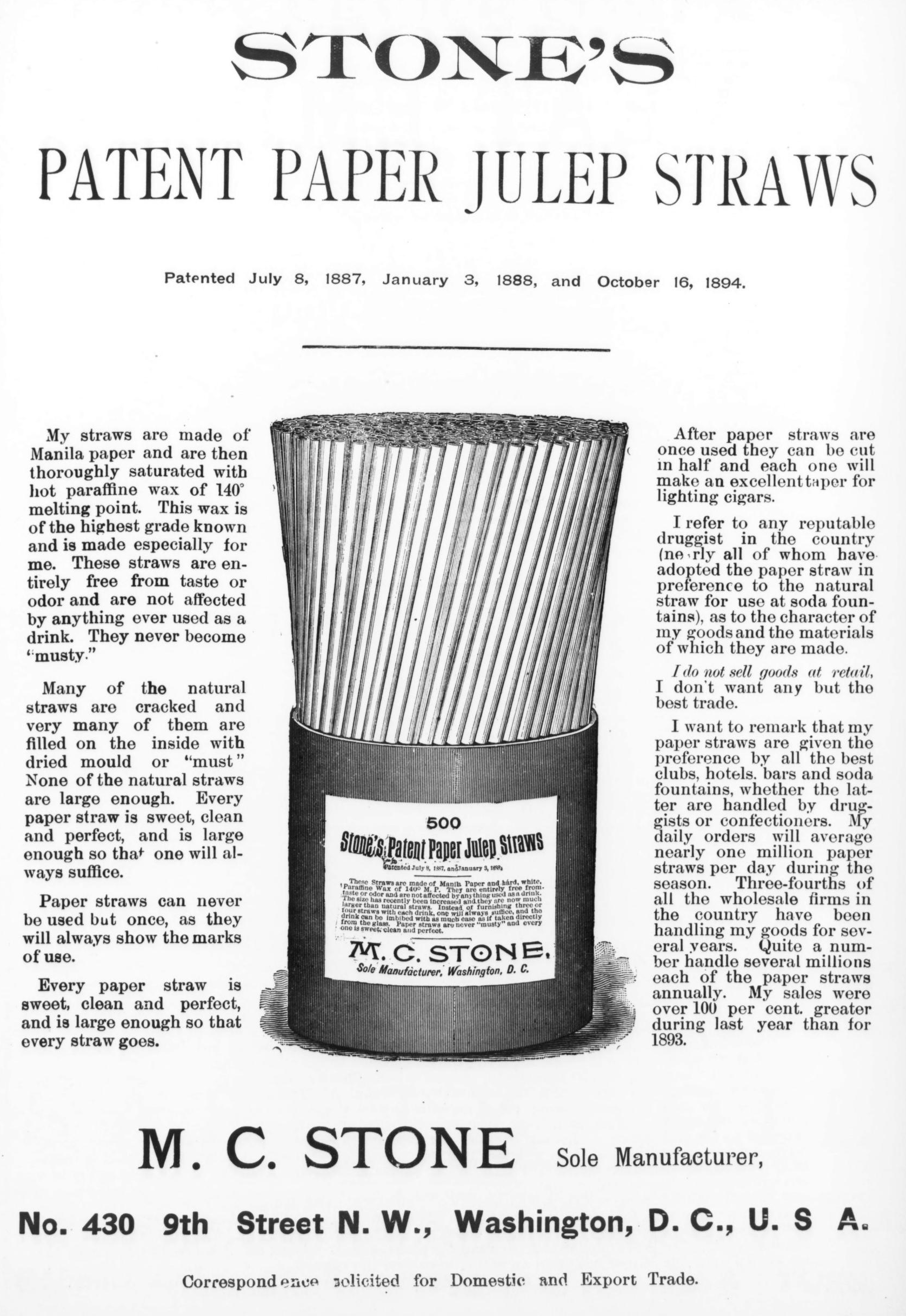
The man usually credited is Marvin Stone, a manufacturer in Washington who made paper cigarette holders – thin paper tubes, wound on a mandrel and glued. The story is that he was drinking a mint julep through a rye stalk, found it unpleasant for the reasons above, and realised he already owned the machinery to make something better.
The prototype was paper wound round a pencil and glued along the seam. The production version used paraffin-coated manila paper so the glue would not dissolve and the tube would hold its shape in liquid, and the patent was granted in 1888. Within a few years his factory was producing more straws than cigarette holders.
The design is still essentially what a paper straw is: a strip of paper wound in a spiral and bonded, which is why a paper straw has a visible helical seam and why it unwinds rather than splits when it fails.
Like our content? Follow us for more.
The Bend Was Invented for a Child in a Hospital Bed
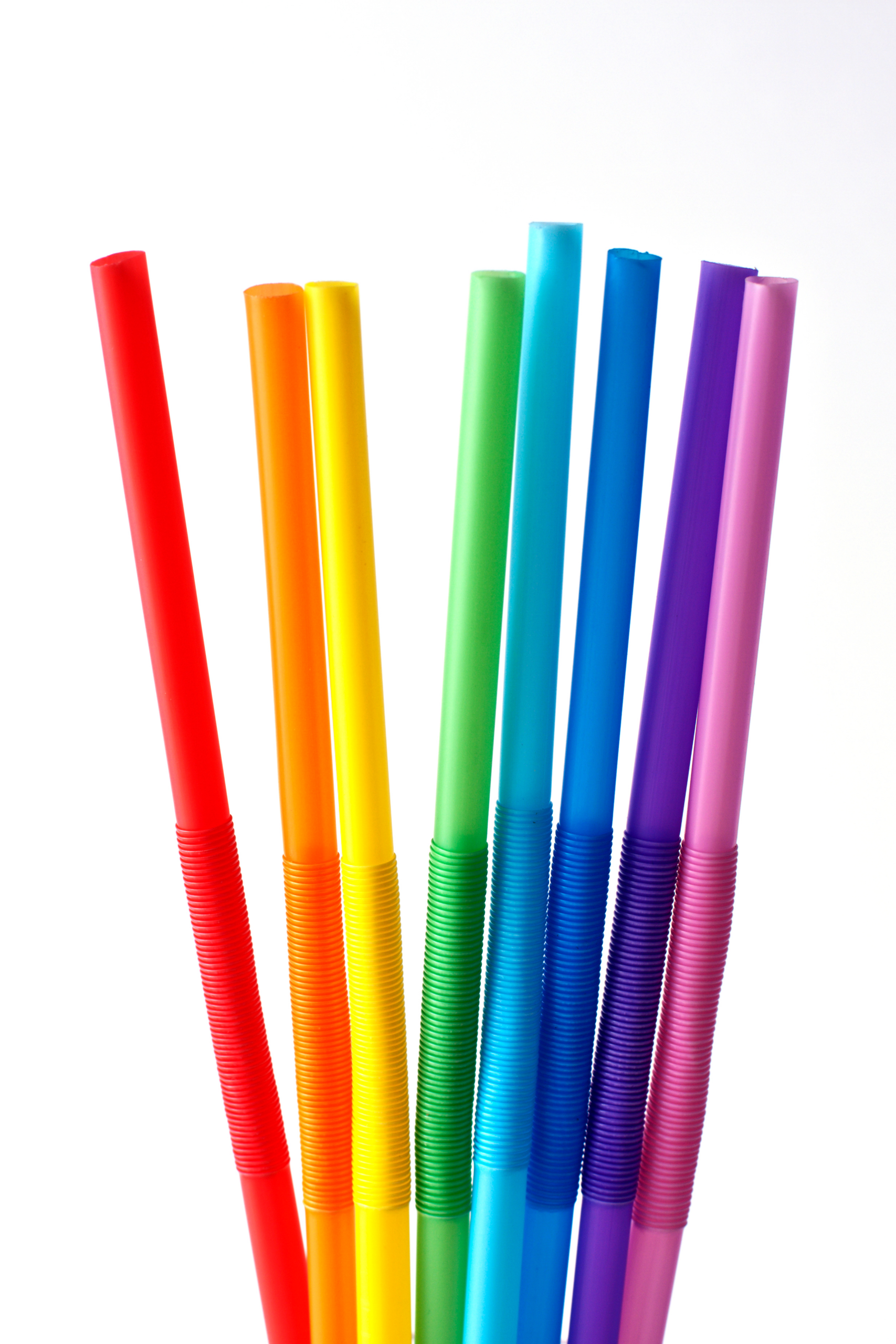
The second great development came around 1937, and the account given by the inventor’s family is specific.
Joseph Friedman was watching his young daughter at a soda fountain counter, struggling with a straight paper straw that was too tall for her to reach comfortably. He took a straw home, inserted a screw into it, wound dental floss tightly around the outside following the screw thread, and withdrew the screw. The paper had been corrugated into a short concertina section, which would bend without kinking shut.
The commercial market he eventually found was not children in cafes. It was hospitals. A bendable straw lets somebody drink while lying down or propped up, without being lifted, and without a nurse holding a cup. It is one of a small group of objects – the adjustable bed, the lightweight wheelchair, the rolling drip stand – that quietly made it possible for a bedbound person to do something for themselves.
That origin is worth holding onto, because it is the single strongest argument in the modern debate about straws, and it is routinely left out of it.
Plastic Took Over Because It Was Better
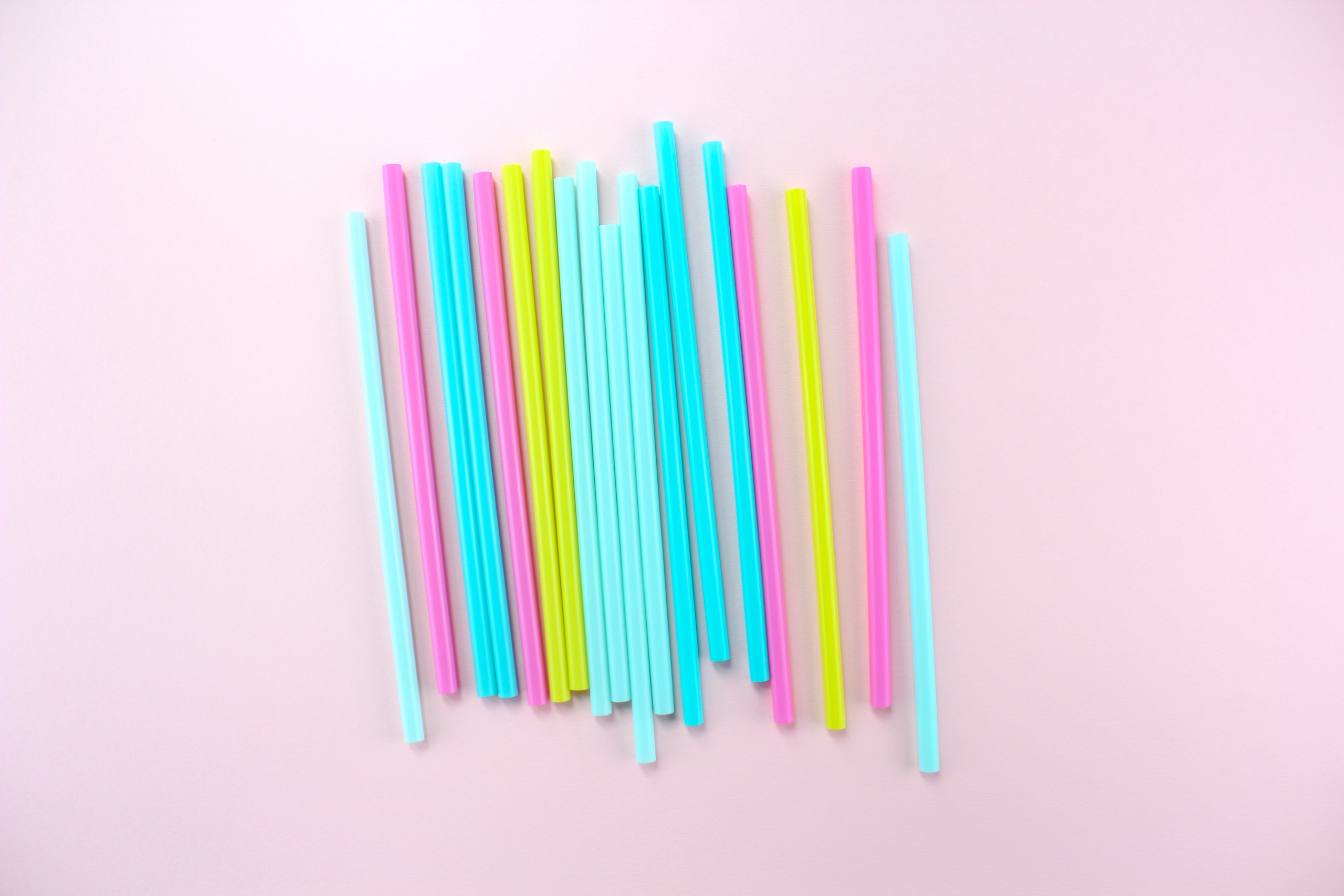
Paper straws dominated for roughly seventy years and then lost comprehensively to plastic through the 1960s, and it is worth being honest that they lost on merit.
A polypropylene straw does not go soft. It does not collapse when you bite it. It does not impart a taste. It survives a thick milkshake, which a paper straw of that era did not. It cost a fraction as much to produce, it could be extruded continuously at enormous speed, and it could be made in any colour, including transparent, which mattered more to the beverage industry than it sounds.
The expansion of drive-through service and the takeaway cup settled it. A lidded cup needs a straw that will push through a cross-cut lid without buckling, and paper of that period would not do it reliably.
By the 1970s the paper straw had effectively disappeared from general use, surviving only in specialist and nostalgic applications, and it stayed gone for about forty years.
Then It Came Back, for Reasons That Are Partly Symbolic
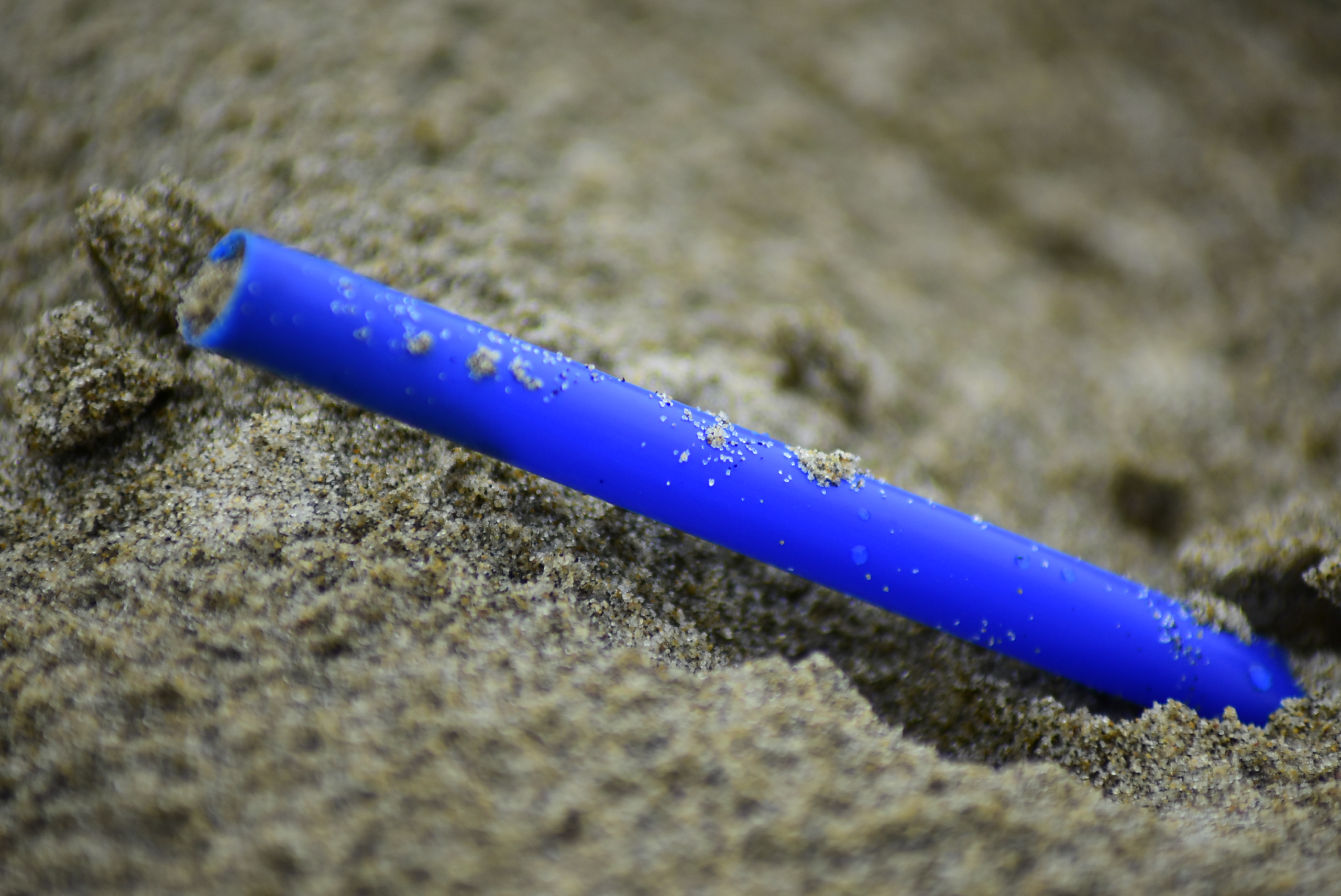
Plastic straws became the emblem of single-use plastic in the 2010s, driven substantially by a widely shared video of a sea turtle with a straw lodged in its nostril, and by the striking and frequently repeated estimate of hundreds of millions used daily in the United States alone.
That figure deserves a flag. It originated in work done by a schoolchild for a project, based on telephone calls to manufacturers, and was then repeated by campaigners, companies and news organisations until it had the appearance of an official statistic. The order of magnitude may well be roughly right. The provenance is not what most people assume.
It is also true that straws are a very small fraction of plastic entering the ocean by weight – the great majority is fishing gear, packaging and fragments from larger items. A complete global elimination of drinking straws would not measurably change the mass of plastic in the sea.
None of which makes the switch pointless. Straws are unusually visible, they are almost never recycled because they are too small and light to be sorted mechanically, and they are a genuine entanglement and ingestion hazard at the size animals encounter them. A campaign that changes behaviour on a visible item is doing something that a campaign about discarded fishing nets has never managed.
Modern Paper Straws Are Not the Same Product
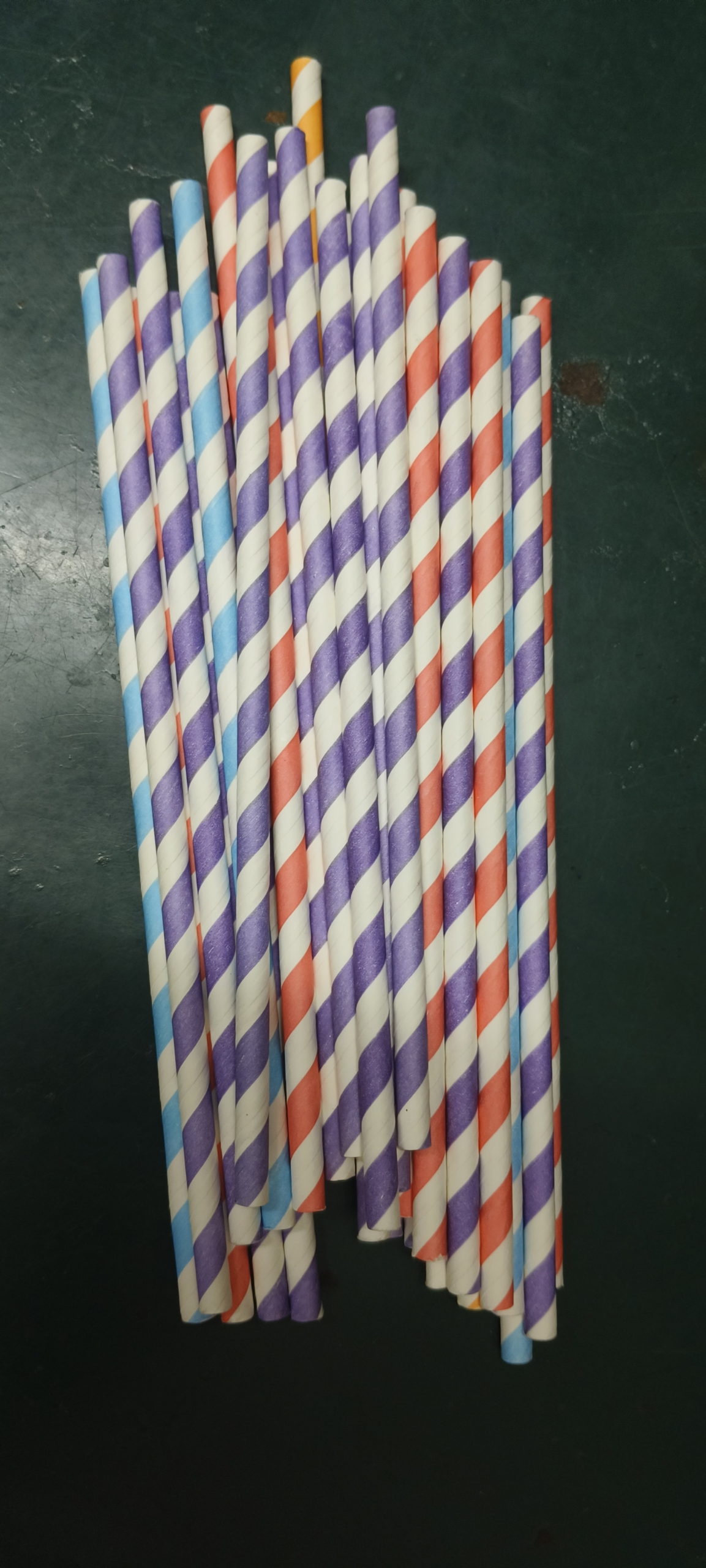
A great many people who dislike the paper straws of the last few years assume they are drinking through the 1888 design. They are not, and the difference explains most of the complaints.
The classic paper straw was made from paper impregnated or coated with paraffin wax, which is what kept it stiff and kept the glue from dissolving. Wax is a petroleum product and it is not compostable in the way a straw marketed as compostable needs to be, so the revived versions largely abandoned it in favour of uncoated paper, plant-based coatings or wound laminates.
Those perform worse. An uncoated straw softens faster, and the failure mode everybody complains about – the straw going limp halfway through a cold drink – is a direct consequence of removing the coating that solved that problem a century ago. Manufacturers compensated by using more plies of thicker paper, which is why a modern paper straw is noticeably stiffer at the start and has a smaller bore than it looks.
There is a further wrinkle. Some paper and plant-based straws have been found in testing to contain per- and polyfluoroalkyl substances, applied to make the paper resist liquid – the same family of water-repellent chemistry used in food packaging generally. This is an active area of regulatory attention rather than a settled question, and it is one reason some operators moved to no straw at all, or to a lid designed to be drunk from directly, rather than to a replacement straw.
The point is not that paper is bad. It is that the version most people are judging was reformulated to meet requirements the original never faced.
The Argument Nobody Wanted to Have
The straw bans ran into an objection that caught a lot of people by surprise, and it goes directly back to 1937.
A significant number of disabled people rely on a flexible straw to drink independently. The requirements are specific: it must bend and hold position, it must not collapse when bitten – which matters for people with limited jaw control – it must tolerate hot liquid for some users, and it must be safe against injury if the user’s head moves suddenly.
Paper collapses when chewed and softens in hot drinks. Metal conducts heat and is a serious injury risk for anybody with spasms or involuntary movement. Glass is worse. Silicone is the closest alternative but is expensive, requires washing, and is not practical for somebody who is out of the house or in a hospital. Reusable anything presumes access to washing facilities and the ability to use them.
The plastic bendable straw is, for a number of people, an accessibility device rather than a convenience. Most well-drafted restrictions now include exemptions – straws available on request rather than banned outright, or carve-outs for medical use – and the ones that caused the most distress were the early blanket bans that did not.
It is a small, clean example of a general problem: a rule written to address a visible harm, by people who do not use the object in question the way everybody does, with the exemption added after the complaints arrive. The object itself has been quietly solving somebody’s problem since a man wrapped dental floss round a screw in 1937, and that is not a reason to keep producing it in the billions, but it is a reason to find out who is using it before taking it away.
What the whole sequence shows, from rye grass to paraffin paper to polypropylene and back, is that the straw has never once been chosen on its merits as an object. It has been chosen on what the surrounding system needed at the time – a cleaner drink, a cheaper production line, a lid that could be punctured, a visible environmental gesture – and the people actually drinking through it have been consulted least of all.
Which is a lot of history for something that gets used for four minutes and thrown away, and is roughly why it has turned out to be so difficult to replace.
Like our content? Follow us for more.