

It Is One of the Only Parts of Your Insides You Can Actually See
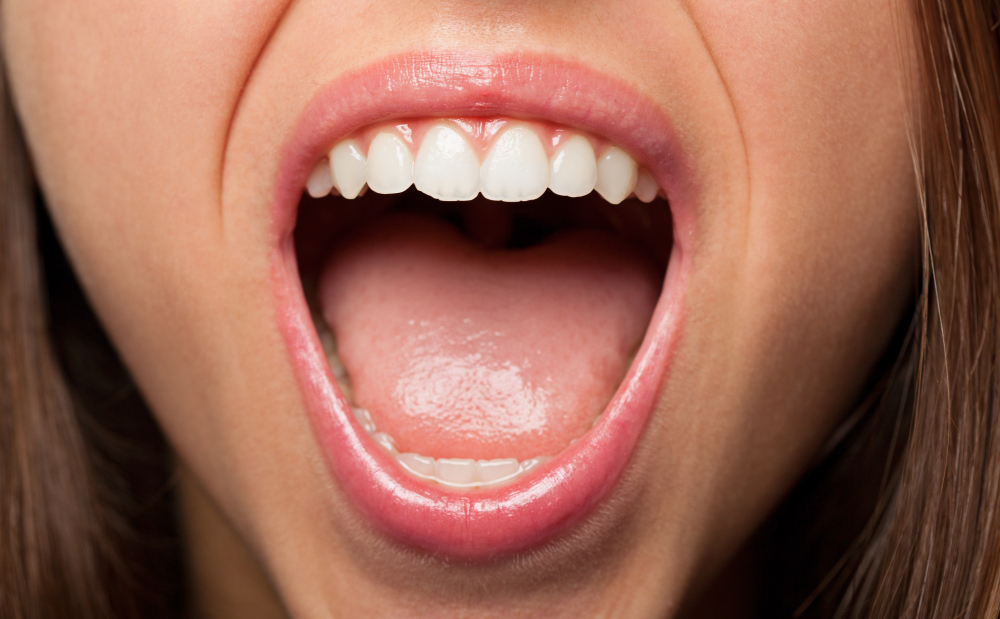
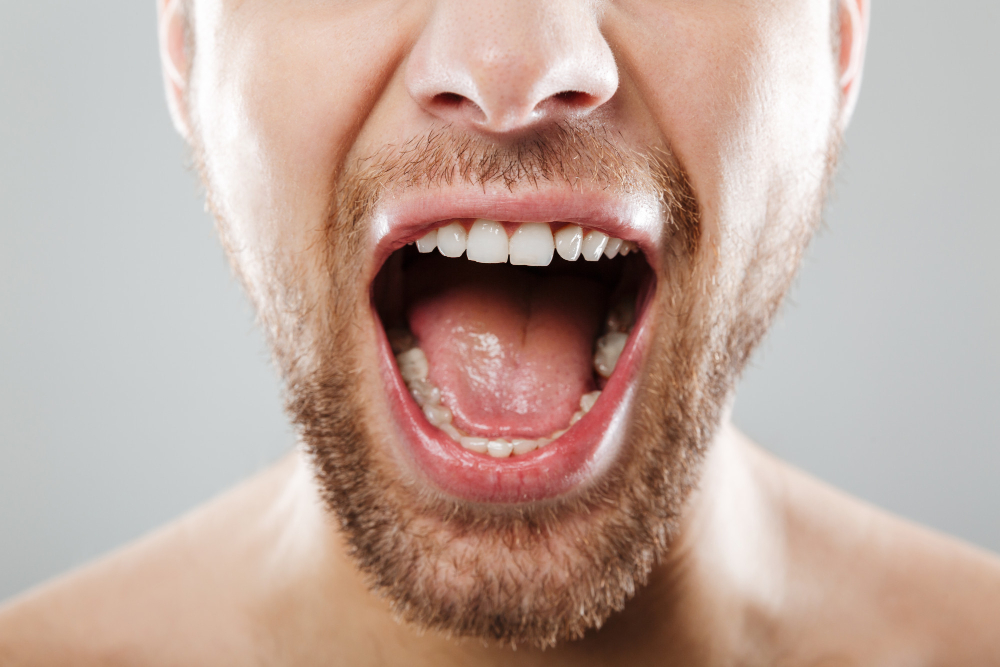
Open your mouth in front of a mirror and there it is – a soft teardrop hanging down at the back, in the middle, from the rear edge of the roof of your mouth.
That is remarkable on its own. Almost nothing else inside you is visible without equipment. You cannot look at your own stomach or your own liver or your own lungs. You can look at this whenever you like, and most people have been looking past it for their entire lives without ever asking what it is for.
It is not a lump of gristle and it is not a leftover flap of skin. It is a distinct anatomical structure with muscle in it, its own blood supply, a great many glands and its own name, hanging off the back of the soft palate – the mobile rear portion of the roof of your mouth.
Like our content? Follow us for more.
Nobody Has Settled What It Is For
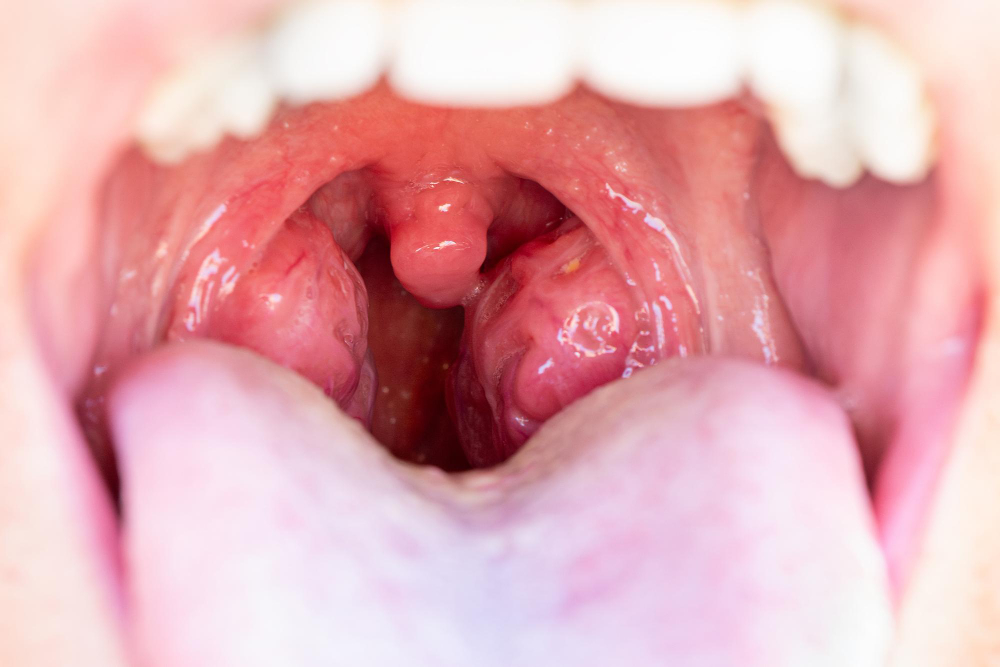
The uncomfortable fact at the centre of the subject is that there is no single agreed answer, and this is not for want of asking.
It is doing several things that can be identified. The dispute is about which of them it exists for, because none of them obviously requires a dangling pendulum specifically, and because the structure is substantially more developed in humans than in other mammals – most have something rudimentary or nothing.
That asymmetry is the real puzzle. If the uvula were simply part of the swallowing apparatus, you would expect to find comparable ones throughout the animals that swallow, and you do not. Something about humans has made it worth having, and working out what has turned into one of the longer-running small arguments in anatomy.
It Is a Gland, and an Unusually Productive One
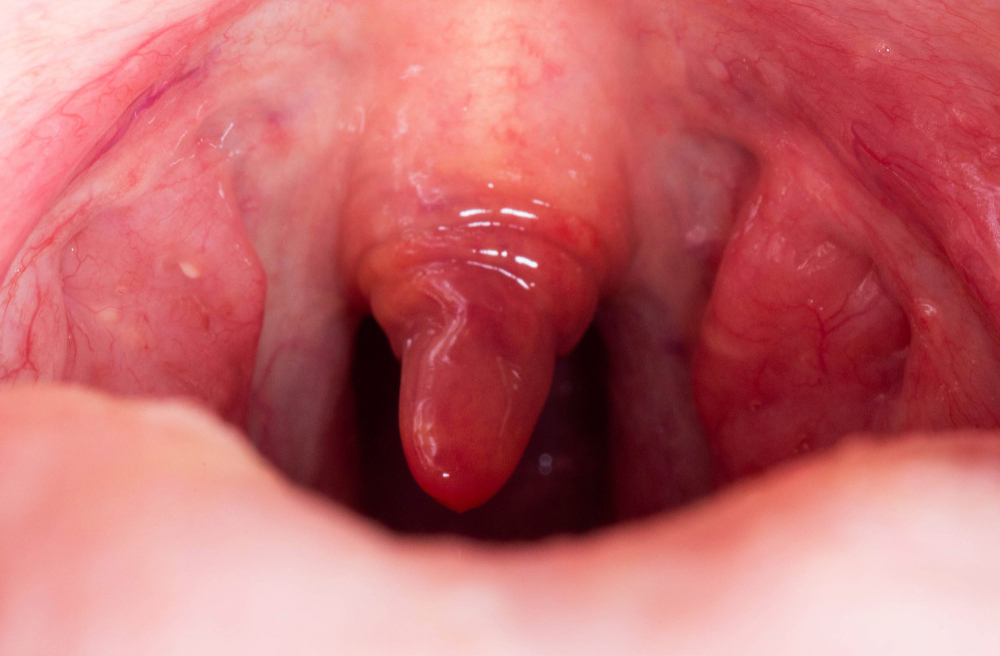
The thing it does most measurably is produce liquid, in quantities out of proportion to its size.
The uvula is packed with glands producing thin, watery saliva – a far higher concentration of them per unit of tissue than most of the surrounding structures. It is, functionally, a dedicated moisture dispenser aimed down the back of the throat.
Thin saliva matters more than it sounds. The thick stuff from the large salivary glands is for food. A watery film across the back of the throat is for keeping soft tissues from drying out and sticking together while they move against each other rapidly, which is a requirement of continuous talking rather than of eating.
That is the first hint about what the organ might really be for, and it is not about digestion.
It Helps Shut the Door Between Your Mouth and Your Nose
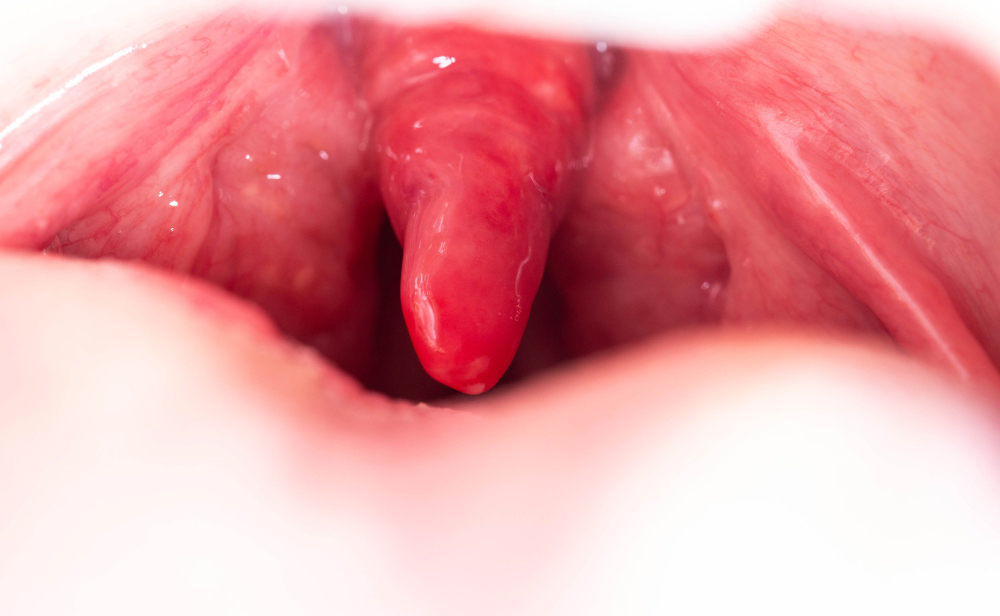
There is a door at the back of your mouth, and the uvula is part of its seal.
When you swallow, the soft palate lifts and presses backwards against the rear wall of the throat, closing off the passage up into the nose. Without that seal, every mouthful would send some of itself upward. The soft palate does the heavy work and the uvula sits at the trailing edge of it, filling the last part of the gap.
The same closure is used constantly in speech. Most consonants require the nasal passage to be shut; a handful require it open. The switch between the two happens many times a second in ordinary talking, and it has to be fast and complete, because a leak turns every sound nasal.
So the uvula sits at the edge of a valve that opens and closes continuously whether you are eating or talking – which is why both explanations have supporters, and why the evidence has been hard to separate.
In a Great Many Languages It Is a Working Consonant
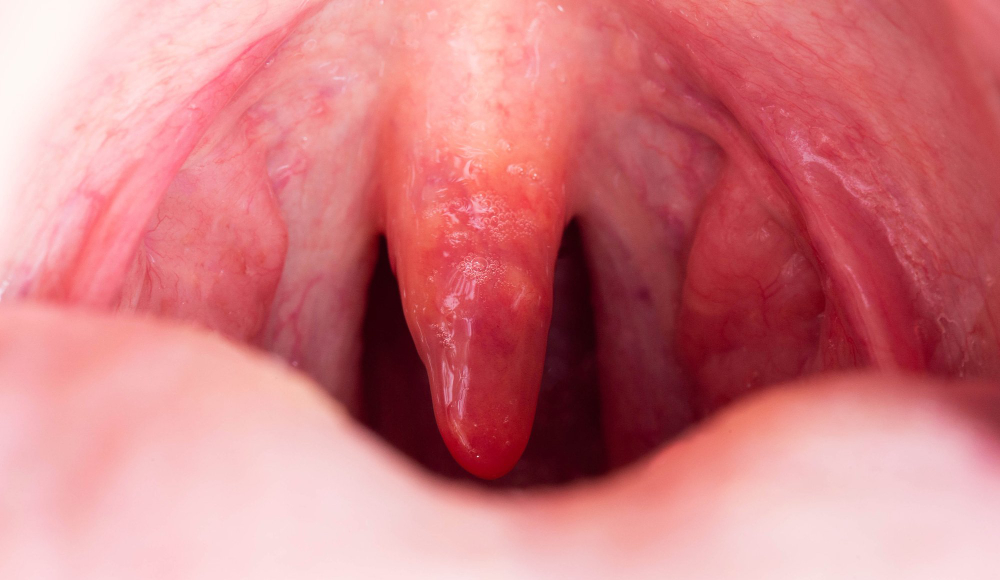
This is the fact that reframes the whole organ: the uvula is an articulator, and across a large share of the world’s languages it is doing active phonetic work.
Sounds made by bringing the back of the tongue up against the uvula, or by letting the uvula itself vibrate, are entirely ordinary in a great many language families. The characteristic rasping r of several European languages is one. A set of consonants in Arabic and Hebrew are others. Languages across Asia, Africa and the Americas use them too.
English does not. There is no sound in standard English that uses the uvula as its point of articulation, which is precisely why English speakers find certain foreign sounds so hard to produce and have no idea which part of themselves they should be moving.
So a native English speaker can reach the end of a long life having never once deliberately used an organ that other people operate several hundred times a day.
Which Is the Leading Explanation for Why Ours Is So Big
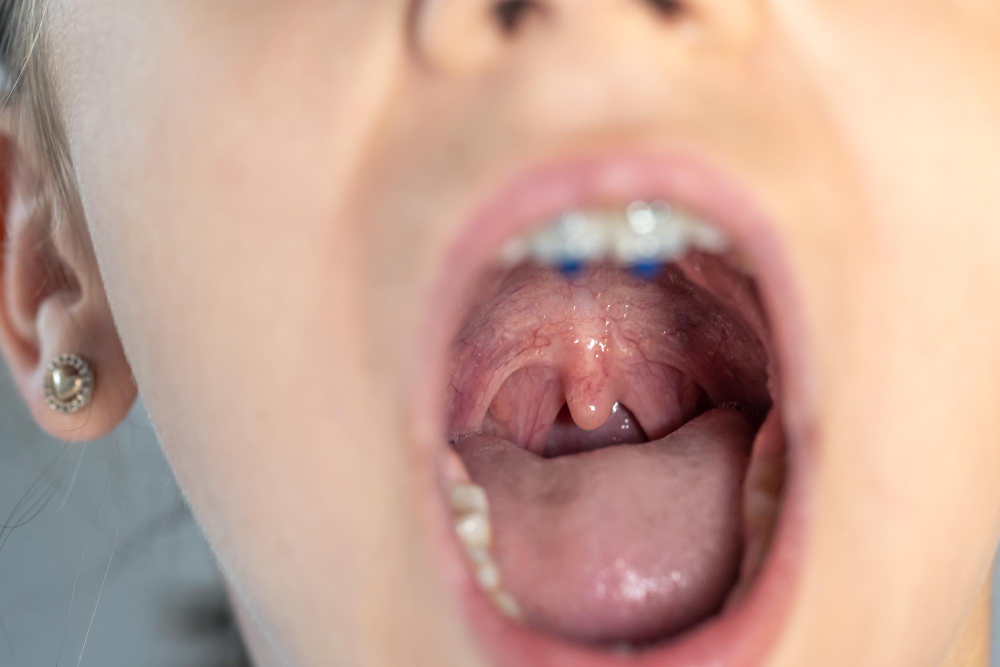
Put the glands and the valve and the articulation together and you get the hypothesis most people in the field would bet on: the uvula is as developed as it is in humans because of speech.
The argument runs like this. Speech makes demands on this region that nothing else does. It requires the nose-and-mouth valve to open and shut far faster and far more often than swallowing ever asks. It requires the soft tissues to stay lubricated through hours of continuous movement. And in many languages it requires a mobile structure at exactly that position to make sounds with.
Humans talk and other mammals do not, humans have a prominent uvula and other mammals mostly do not, and the things a uvula is good at are things talking needs.
It is a decent argument and it is not proof. The difficulty is that you cannot run the experiment, the structure is small and hard to study in motion, and the languages that use it most are not the ones that most anatomy was written in.
You Can Live Without One, and What Changes Says What It Did
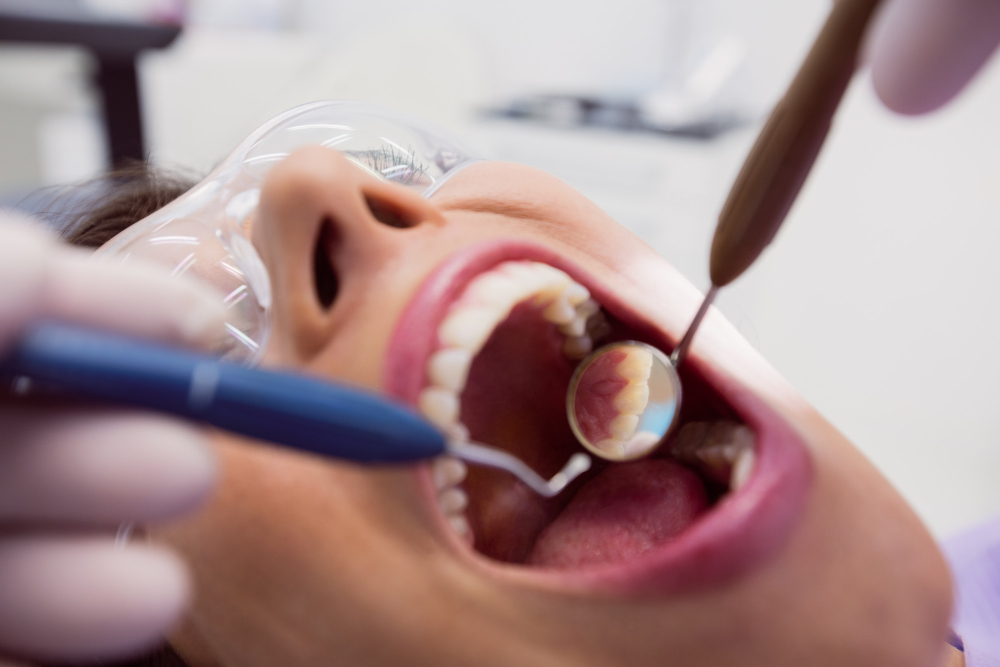
The uvula is removed surgically often enough that the consequences are well described, and they line up neatly with the sealing and resonance explanations.
People manage without it. Eating, drinking and talking all continue, and most of the function is taken over by the rest of the soft palate.
What is reported afterwards is instructive. Some people get liquid going up into the nose, particularly when drinking quickly – which is exactly the failure the seal exists to prevent. Some report a change in the sound of their own voice, because the shape of the cavity the voice resonates in has been altered. Some get a persistent sensation of dryness or of something being stuck.
Each of those is the predicted consequence of removing a bit of seal, a bit of resonating chamber and a lot of glands. The deficits are mild, which is why the operation exists, and they are specific, which is why they are useful evidence.
It Is What Flutters When Somebody Snores
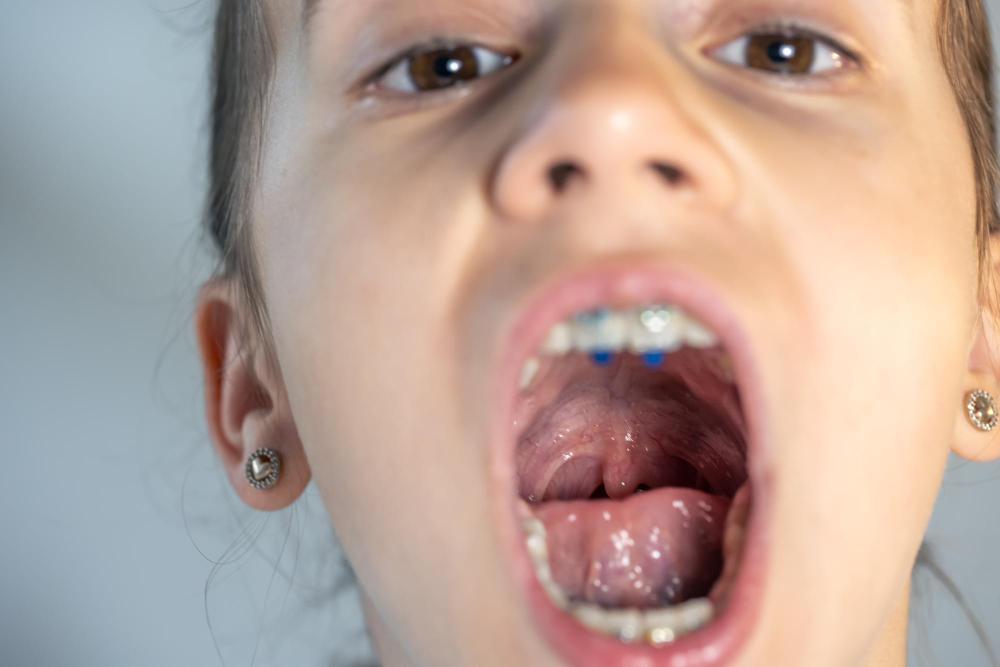
The noise comes from soft tissue vibrating in moving air, and the uvula is one of the structures doing the vibrating.
During sleep the muscles in the airway relax. The soft palate and the uvula become floppy, air passing over them sets them oscillating, and the oscillation is audible. It is the same physical arrangement as a reed in a wind instrument: a flexible flap in a moving airstream, flapping at a frequency set by its own stiffness and dimensions.
That is why the uvula features in the operation mentioned above at all – removing or reducing the flapping tissue is an attempt to remove the noise.
And it is why the pitch and character of a snore varies so much between people. The flap is a different size and a different stiffness in everybody, and a reed of a different size makes a different note.
It Comes in Variants, and Almost Nobody Looks
There is more variation in this structure than in almost any other visible piece of human anatomy, and since it is in plain sight the ignorance of it is quite striking.
Length varies a great deal. Some people’s hang well down and are easily visible at rest; others are short enough that you have to go looking. Width and shape vary too.
A small percentage of people have one that is divided at the tip into two lobes rather than one – an ordinary anatomical variation present from birth, which many people who have it have never noticed and nobody else has ever mentioned to them. This piece is not the place to say anything about what any particular variant might or might not be associated with; the point here is only that the variation exists and is visible.
Which is the summary of the whole subject. A structure you can see in any mirror, that differs between people, that produces a great deal of fluid, closes a valve, makes consonants in most of the world’s languages and none of English, and whose reason for being so prominent in humans alone is still being argued about.
Like our content? Follow us for more.
