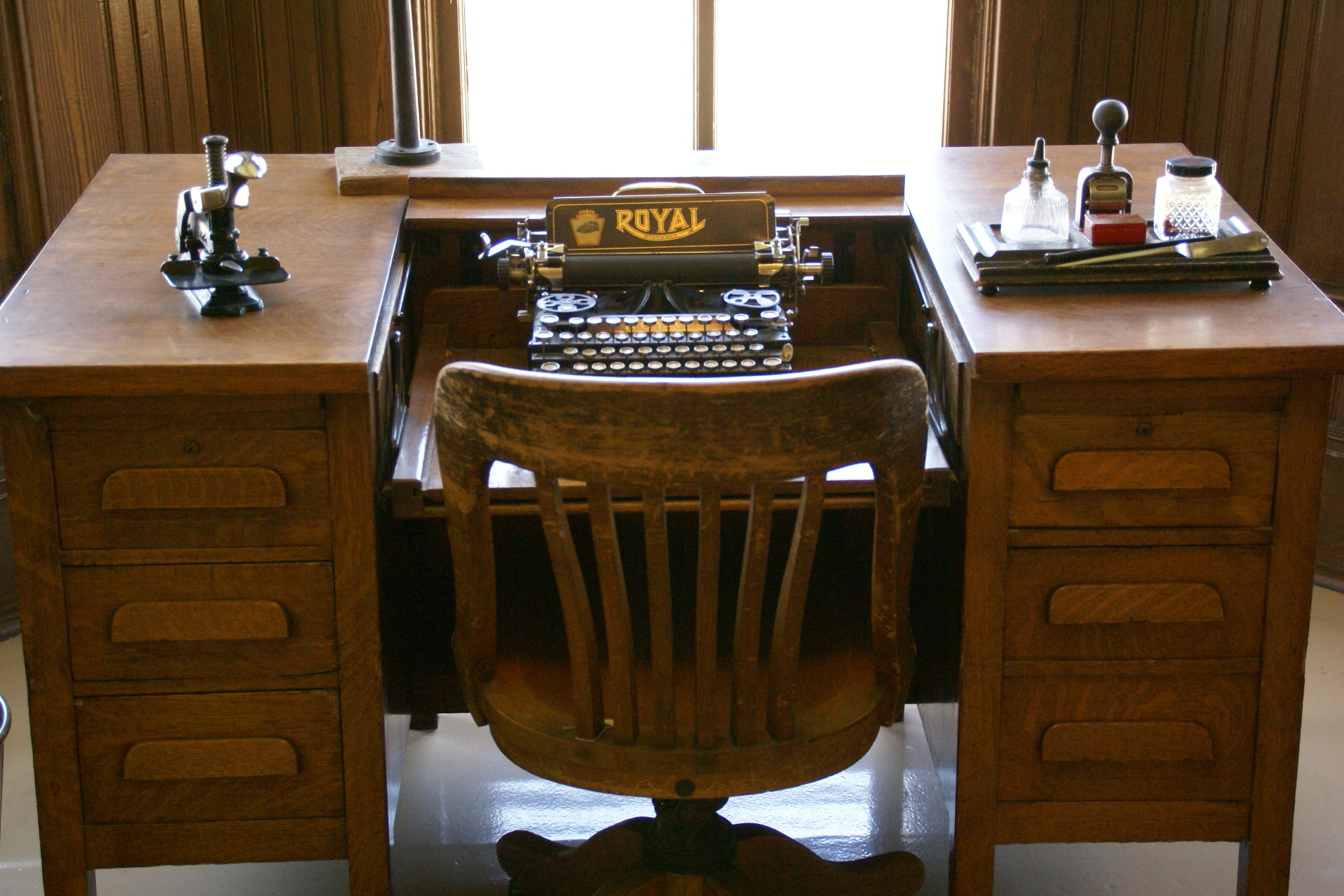
The QWERTY layout is one of the most successful pieces of interface design in history, in the narrow sense that essentially everyone uses it and nobody can dislodge it. It has survived the typewriter, the electric typewriter, the word processor, the personal computer, the smartphone and the tablet. The mechanical constraints it supposedly answers have not existed for decades. It is still here.
And almost everyone has the same explanation for its strange arrangement: Christopher Latham Sholes, its inventor, deliberately arranged the letters badly to slow typists down, because when people typed too fast the type bars jammed. The scramble, on this account, is sabotage in the service of reliability.
It is a great story. It is also unsupported, and the more carefully people have examined the history, the less of it survives. Here is what the evidence actually shows, and what the honest answer looks like.
Where the Layout Came From
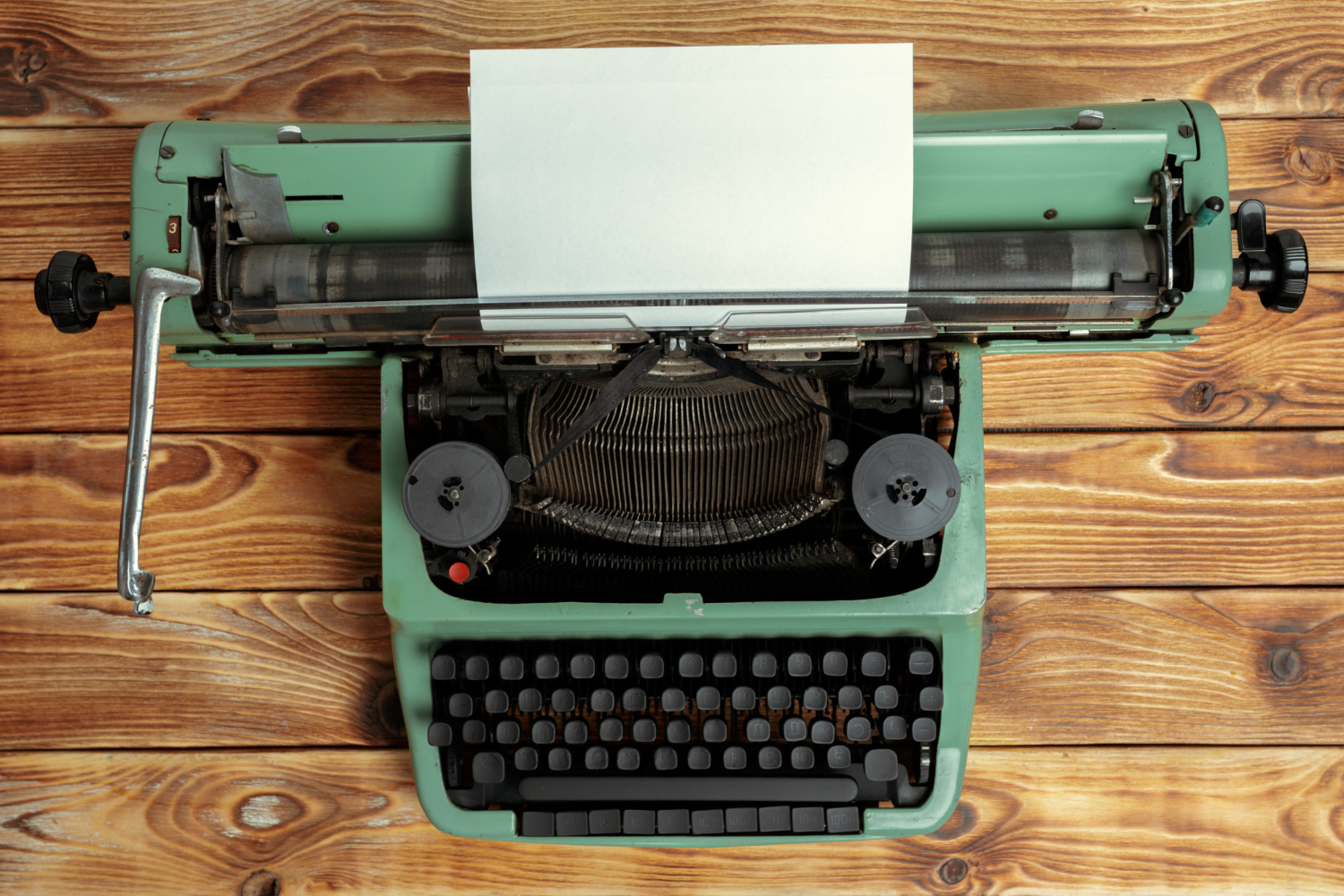
Christopher Latham Sholes was a newspaper editor and printer in Milwaukee. In 1866 he was working with Carlos Glidden on a machine for numbering book pages, and was inspired to build something that could print letters as well as numbers. They patented an early prototype.
The crucial detail, and the one that steadily undermines the whole slow-down story, is what that first keyboard looked like: it was alphabetical. The letters ran roughly in order, arranged in two rows resembling a piano keyboard, with A through N running left to right on the top and O through Z running right to left below.
The scramble came later, through a series of revisions across several years. In 1868 Sholes reversed the order of the second half of the alphabet. By 1870 the layout had grown from two rows to four. By 1873, when Sholes and his backer pitched the machine to Remington, the prototype carried something close to the QWERTY arrangement, and Sholes patented a further refinement in 1874.
So the layout was not designed. It evolved, through a sequence of practical adjustments, over roughly six years.
And here is the central problem for the popular story: the patent never explains why the keys ended up where they did. There is no line, no diagram, no note from Sholes saying he arranged them to prevent jams, and certainly none saying he arranged them to slow anyone down. The most confidently repeated claim about the most widely used keyboard in the world rests on a justification its inventor never wrote.
Like our content? Follow us for more.
Why the Slow-Down Story Fails

Set aside the missing documentation and the story still runs into trouble on its own terms.
The first problem is that there were no fast typists to slow down. Touch typing did not exist yet. The first known touch typist, Frank Edward McGurrin, developed his own method in 1881, years after the layout was settled. When Sholes was arranging keys, nobody was hunting-and-pecking their way toward speeds that could threaten anything.
The second problem is who the early customers were. Among the machine’s first serious users were telegraph operators, who used it to transcribe incoming Morse code. That matters enormously, because a Morse receiver has to keep pace with the Morse sender. Deliberately slowing that operator down would make them unable to do their job.
The researchers Koichi Yasuoka and Motoko Yasuoka of Kyoto University, who traced the layout’s development in detail, made exactly this point: the speed of a Morse receiver must match the sender, and they saw no sense in Sholes having any intention of slowing the operator down. Contemporary accounts point the other way — at an 1872 demonstration, a Morse receiver reportedly urged the operator to type faster.
The third problem is that the historical record shows the changes being made at users’ request. The Yasuokas’ reconstruction of the layout’s evolution attributes successive revisions to specific customers: telegraphers Harrington and Craig prompting changes in 1870, Remington personnel adjusting the position of the I in 1873 to make typing years easier. This is a layout shaped by people asking for things, not by an inventor engineering friction.
The Corrected Version Has Its Own Problem
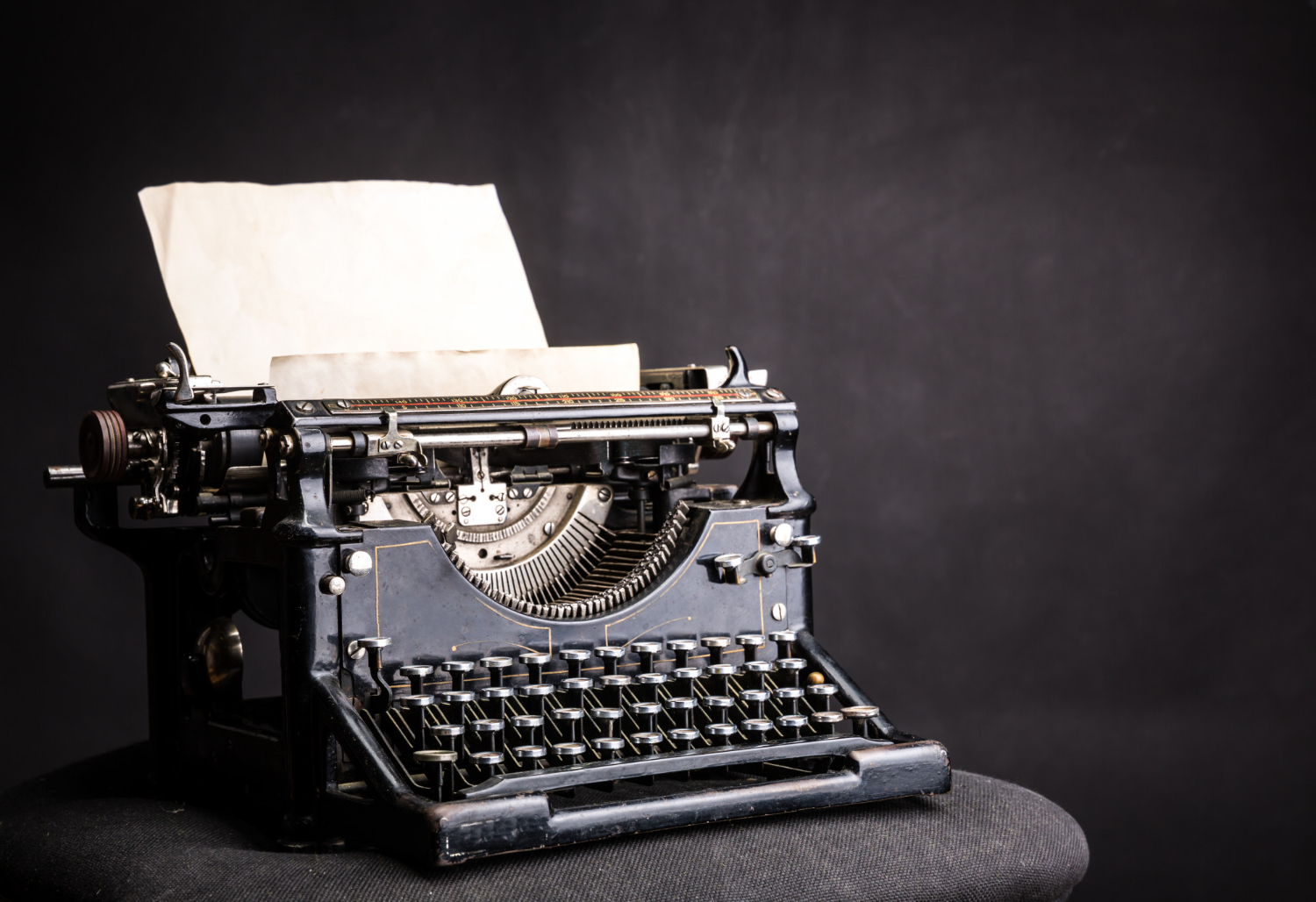
Most people who learn the slow-down claim is false are handed a replacement: the layout was arranged to prevent jamming by separating commonly used letter pairs, so that adjacent type bars would not clash when struck in quick succession. The slowing was a side effect, not a goal.
This is much better, and it is probably part of the truth. Early typewriters did jam when neighbouring bars were struck rapidly, and separating frequent pairs truly helps.
But it does not fully hold either, and the counterexample is on the keyboard in front of you. E and R sit directly next to each other, and “er” is among the most common letter pairs in English. If the layout were systematically designed to separate frequent pairs, that arrangement should not exist. The same objection applies to other adjacencies.
So the anti-jamming account explains some of the layout and not all of it. It is a contributing factor rather than a complete design principle.
What Historians Actually Think
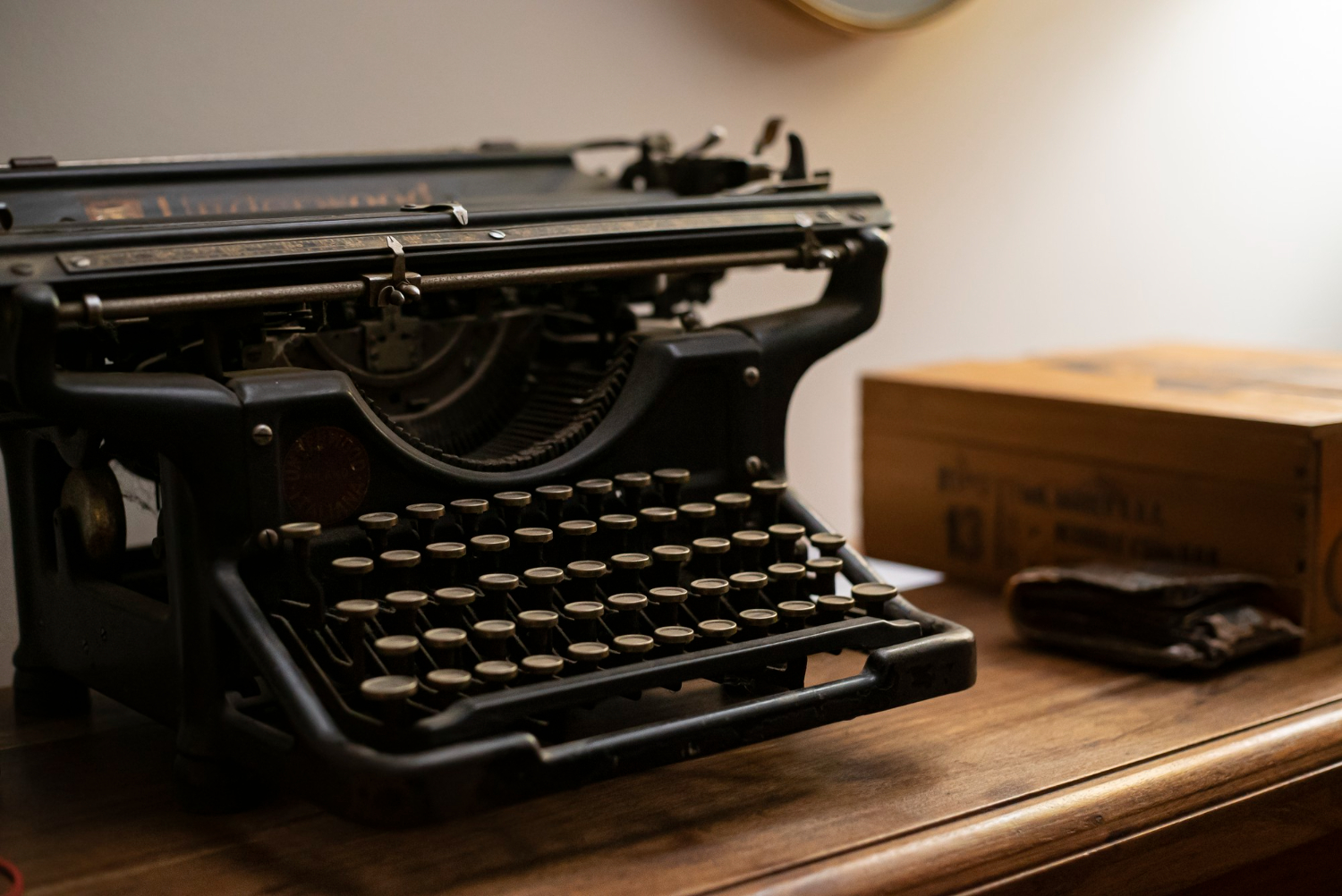
The picture that emerges from careful work is less satisfying than either popular version, and substantially more realistic.
The layout is a stack of compromises accumulated over several years. Some of it reflects mechanical constraints — separating certain frequent pairs to reduce clashing. Some of it reflects the needs of telegraph operators, the machine’s first professional users, who found a strict alphabetical arrangement slow and confusing for transcribing Morse and requested changes accordingly. Some of it reflects manufacturing decisions made by Remington’s mechanics when they took the design into commercial production in 1873. And some of it is simply path dependence within the development process: once a change was made, subsequent changes worked around it.
The Yasuokas concluded that the design owes less to the machine’s mechanics than to the people using it — that the typist, in effect, came before the keyboard.
Even Sholes was not convinced he had arrived at the best answer. He continued to think about alternatives after the layout was commercialized.
The honest summary: there is no hard evidence anyone deliberately engineered QWERTY to make typing slower. There is decent evidence that jamming influenced it. There is strong evidence that telegraph operators shaped it. And there is no single moment of design to point at.
What Sholes Actually Built
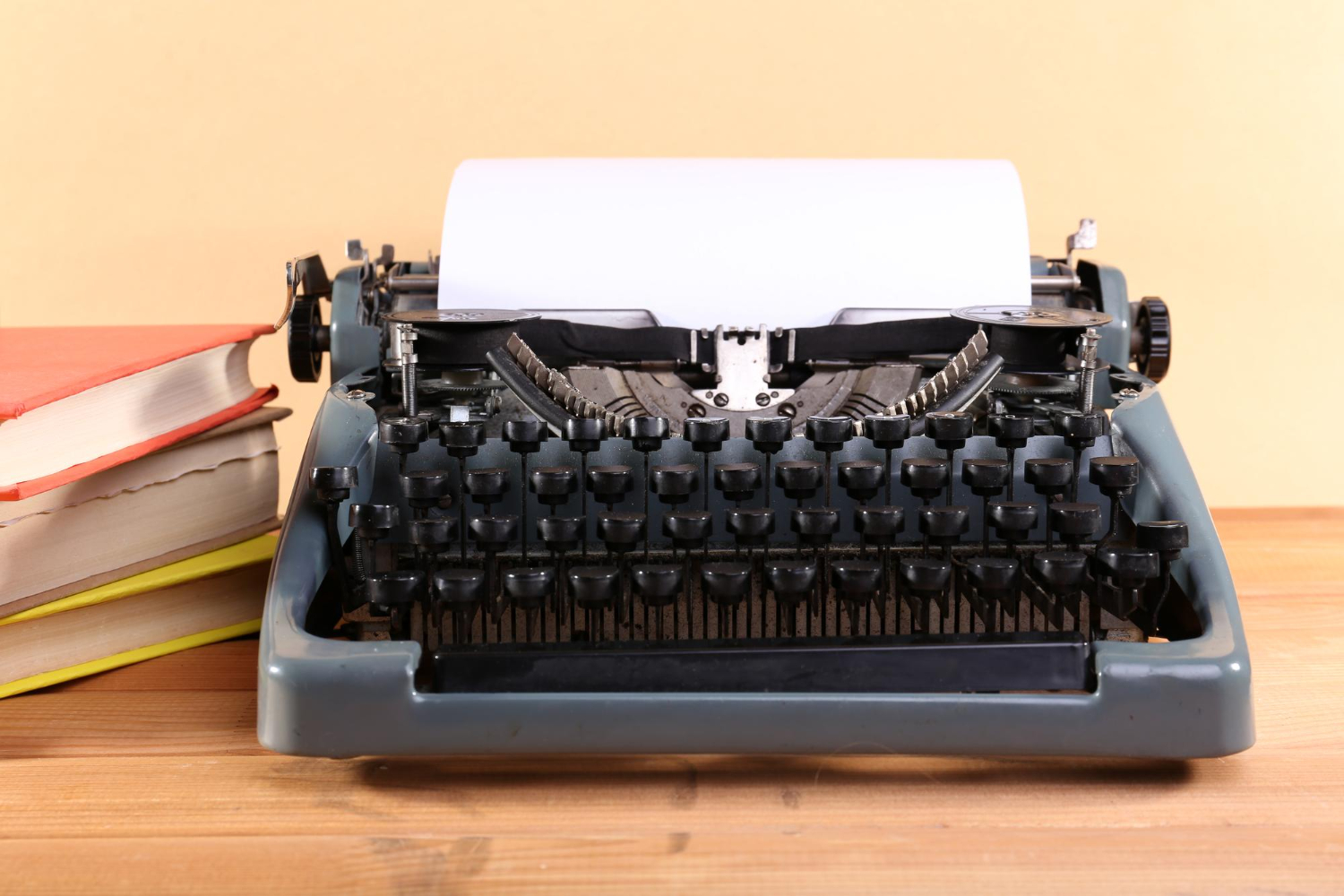
It is worth pausing on the machine itself, because the constraints that shaped the layout are hard to picture if you have only used a computer.
An early typewriter had a type bar for each character: a thin metal arm with the letter cast on its head, hinged at one end and arranged in a semicircular basket. Pressing a key swung the corresponding bar up and forward to strike an inked ribbon against the paper.
Two features of that arrangement matter. The bars had to travel from rest, strike, and fall back before their neighbours arrived, and adjacent bars occupied adjacent slots in the basket. If two neighbouring bars were swung in quick succession, they could collide and tangle at the top of their arc, which required the typist to stop and separate them by hand.
The other feature is stranger to modern eyes: on the earliest machines the typist could not see what was being typed. The strike happened underneath, against the bottom of the platen, so text only became visible after the paper had advanced. A jam might not be noticed immediately.
That is the machine the layout was arranged around. Every constraint it imposed disappeared decades ago, first with different striking mechanisms and then entirely with electronics. The arrangement it produced did not.
Why It Never Went Away
If QWERTY is an accumulation of nineteenth-century compromises, the obvious question is why it survived the disappearance of every constraint that produced it.
Alternatives exist. The best known is the Dvorak Simplified Keyboard, patented by August Dvorak in 1936, which placed the most frequently used letters on the home row and aimed to increase hand alternation and reduce finger travel. By the usual measures it looks better on paper: on QWERTY roughly 52 percent of keystrokes fall on the top row and 32 percent on the home row, while on Dvorak about 70 percent land on the home row.
It went essentially nowhere, and the reason is not technical. Remington’s mass production put QWERTY machines into offices at scale, and then typing schools, typing manuals and trained typists locked it in. The promise of somewhat faster typing was not enough motivation for skilled typists to relearn a physical skill, and every new typist was trained on the standard because that is what the training material used.
Claims about dramatic speed gains from switching layouts should also be treated cautiously; the evidence for large real-world improvements is contested.
QWERTY persists because it is what everyone already knows — a truly enormous coordination advantage that no marginal design improvement has been able to overcome. Your phone has no type bars to jam, no telegraph operator waiting on Morse, and no Remington factory constraint, and it still shows you the same scramble a Milwaukee printer settled on in the 1870s.
That is the actual story, and it is a better one: not a clever scheme to slow you down, but a century and a half of everybody already knowing where the letters are.
Like our content? Follow us for more.