The test is simple and nobody applies it at the time: which of these will still mean something when the trip is a decade old. It is rarely the famous view, which is why this list is mostly of ordinary things. Here are ten.
1. Where You Actually Stayed

The room, the front door, the view from the window and the corridor are the setting for the whole trip and are almost never photographed by anybody.
It is the place you spent the most hours. Your accommodation is the setting that goes entirely unrecorded.
Like our content? Follow us for more.
2. The Street You Walked Every Day
Every trip has a route taken repeatedly – to the station, to breakfast, back at night – and it becomes deeply familiar and is never once photographed.
Ten years later it is the image that brings the whole trip back. The repeated route is the setting your memory actually uses.
3. The Meal as It Arrived at the Table
Not arranged, not from above, not lit – simply the table as it was, with the drinks, the bread, the other people and whatever else was on it.
The context is what makes it a memory rather than a picture of food. The table as found is the version worth having.
4. The People You Were With, Not Posed

Candid frames of your companions doing ordinary things – reading a map, waiting, laughing at something – age far better than any arranged group shot.
Everybody has the posed one. The unposed companion is the photograph nobody thinks to take.
5. Yourself, Occasionally
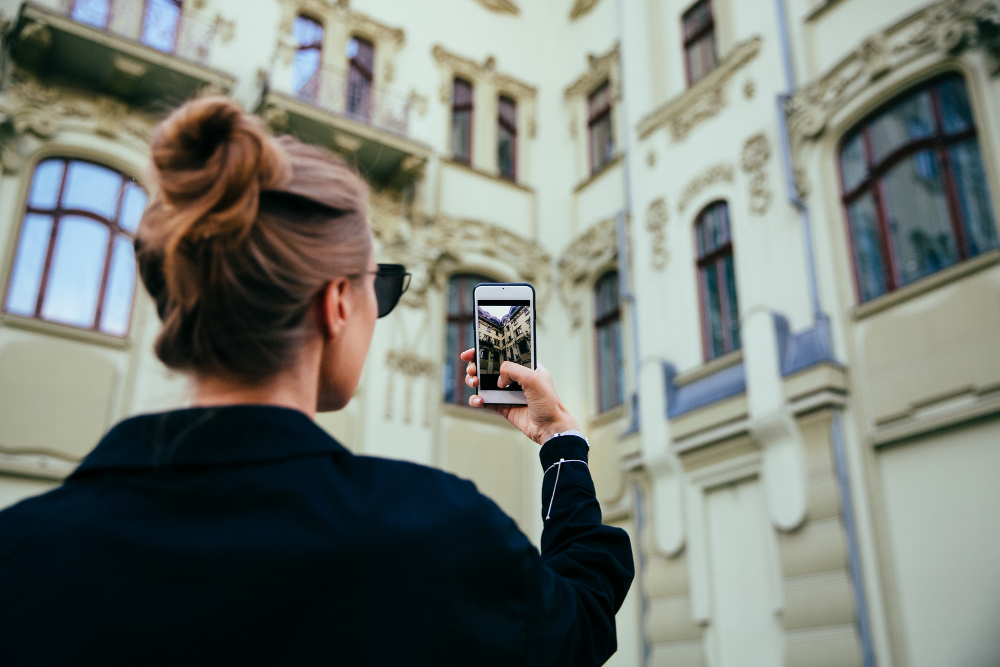
Almost every trip archive systematically excludes whoever held the camera, which means one person is missing from a decade of records.
Ask somebody, or use a timer, a few times. Being in the photographs is the correction to a bias everybody has.
6. The Person Who Made the Trip Work
Somebody helped substantially – at the accommodation, in a shop, driving something – and a photograph with them, taken with their agreement, is worth more than any landmark.
A camera confers no permission; ask first and accept a refusal without argument. Asking properly is the whole method here.
7. The Transport
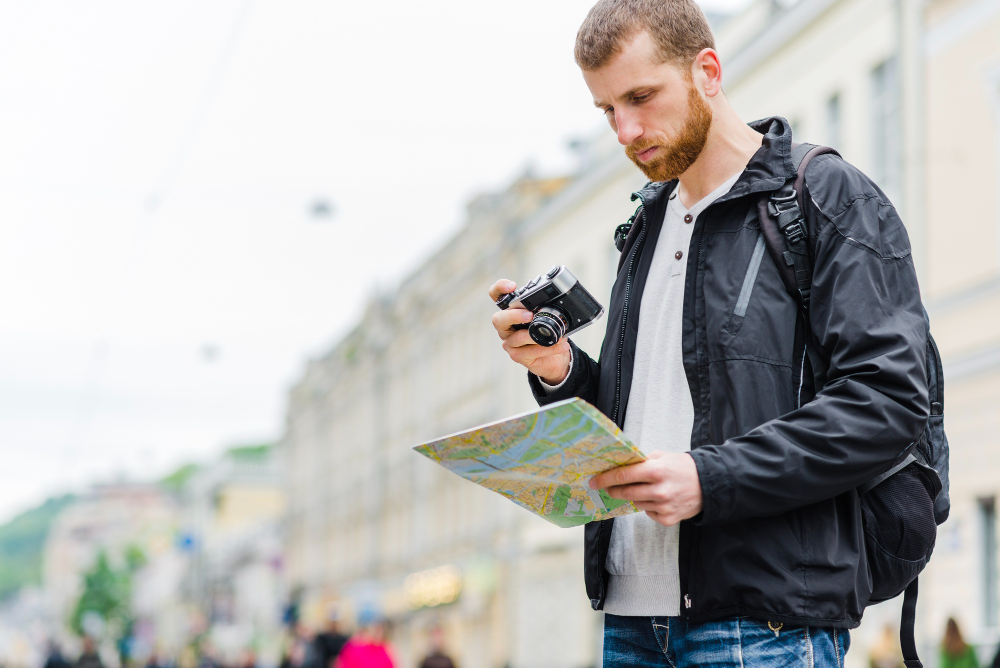
The bus, the train interior, the boat, the platform, the queue – the getting-there occupied a substantial fraction of the trip and appears nowhere in the record.
It is also where a great deal of what you remember happened. The journey itself is the missing chapter in most archives.
8. The Signs and the Writing
Street signs, menus, notices, timetables, painted lettering and packaging carry the language, the design and the small details of a place better than any scenic view.
They are also useful afterwards for working out where you were. Written surfaces are the most information-dense thing you can photograph.
9. The Weather as It Actually Was

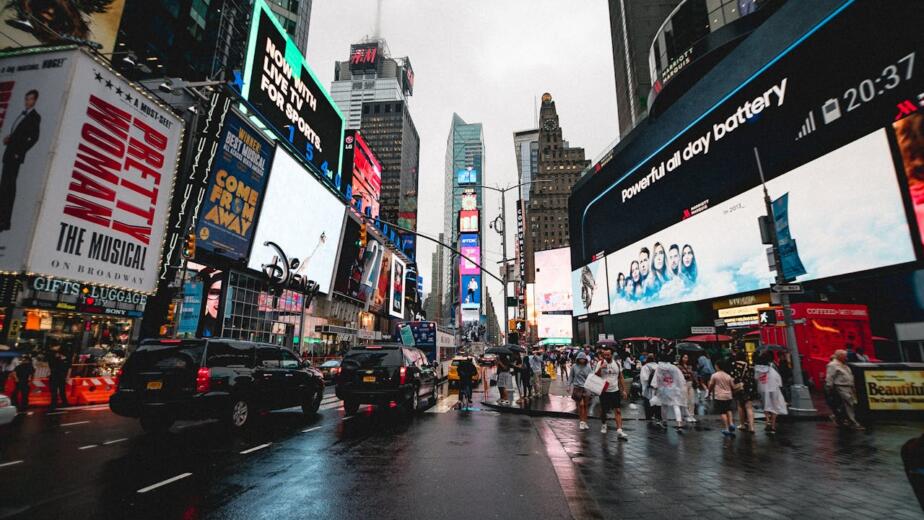
Everybody photographs the sunny hour. The rain, the fog, the grey afternoon and the wind are what most of the trip was, and they are what made it feel like what it felt like.
A good photograph of bad weather is worth several of good. Honest conditions are what make the record accurate.
10. The Last Morning
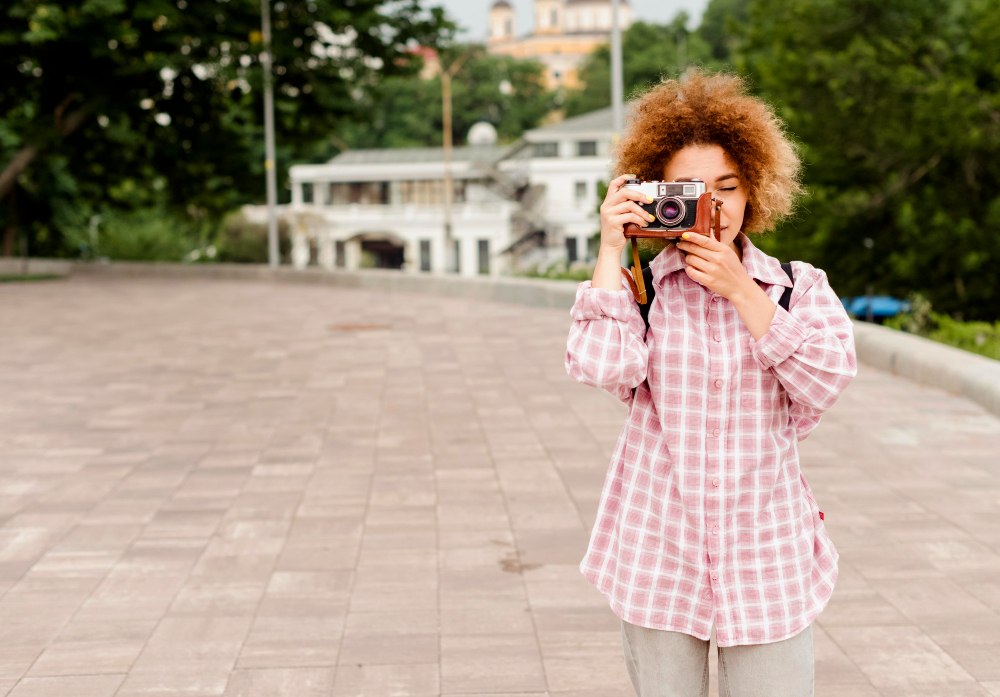
Photographs from the final day are taken by somebody who knows the place, which makes them different from and generally better than anything taken on arrival.
Almost nobody takes any, because packing occupies the morning. The final frames are the ones taken with the most understanding.
The Ordinary Things Nobody Records
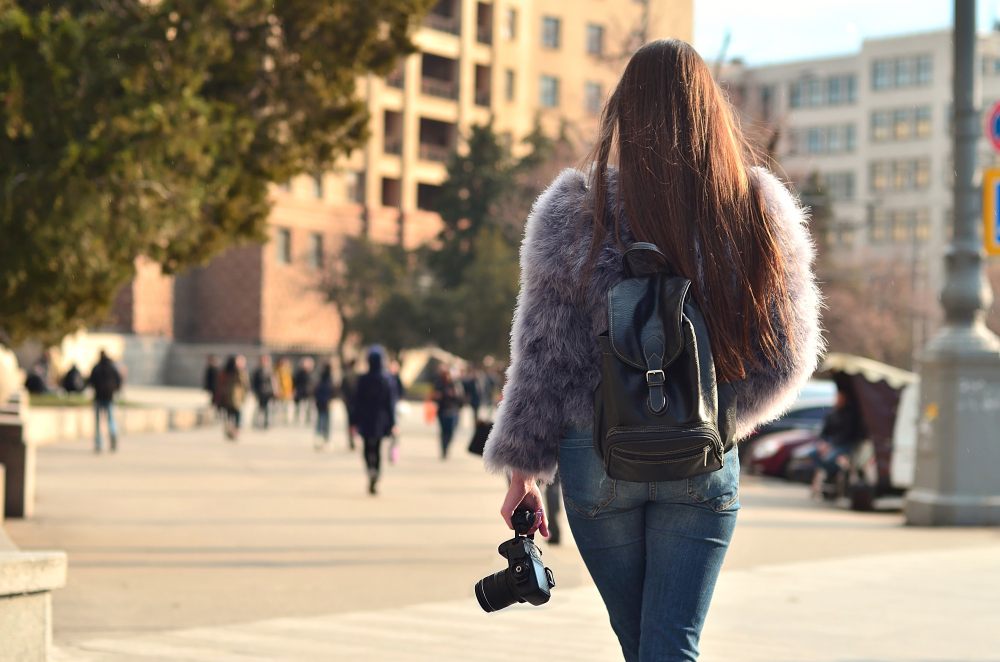
The room, the route, the transport, the weather and the people you were with – none of it photogenic, all of it the actual substance of a trip, and almost none of it photographed by anybody.
One note on the sixth item that applies more widely: photographing people requires their agreement, a camera confers no entitlement, and a refusal is a refusal. Rules also differ substantially between places, and some sites, buildings and situations restrict photography entirely for reasons that are not always signposted – so posted notices and local guidance take precedence over anything on this list.
Like our content? Follow us for more.