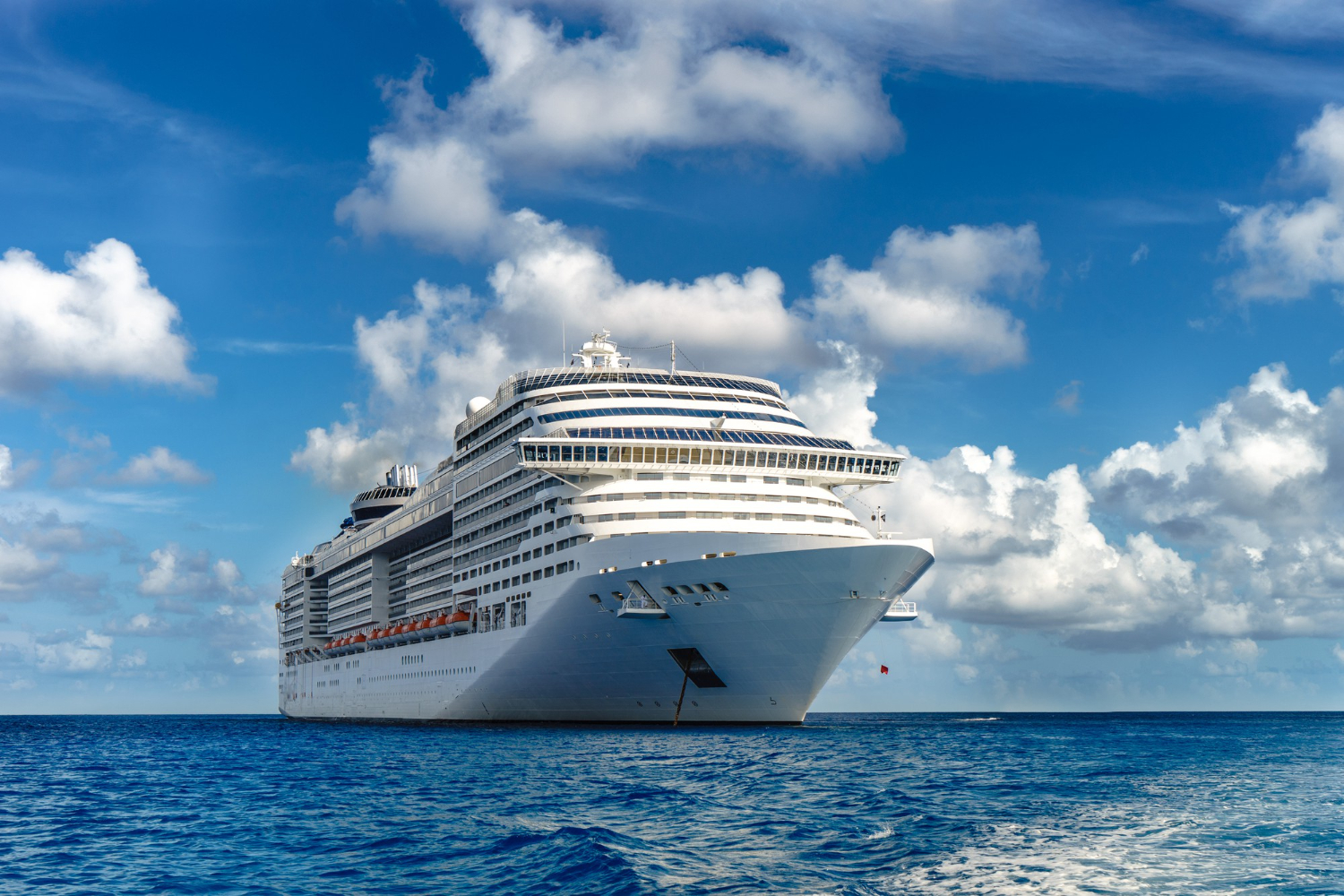
Cruises and all-inclusive resorts both appeal to travelers who want a largely worry-free vacation with most costs bundled upfront, but the actual day-to-day experience of each differs considerably once you get past that surface similarity. Here are ten things to consider when choosing between a cruise and an all-inclusive resort, counted down one by one.
1. A Cruise Changes Scenery, a Resort Stays Put
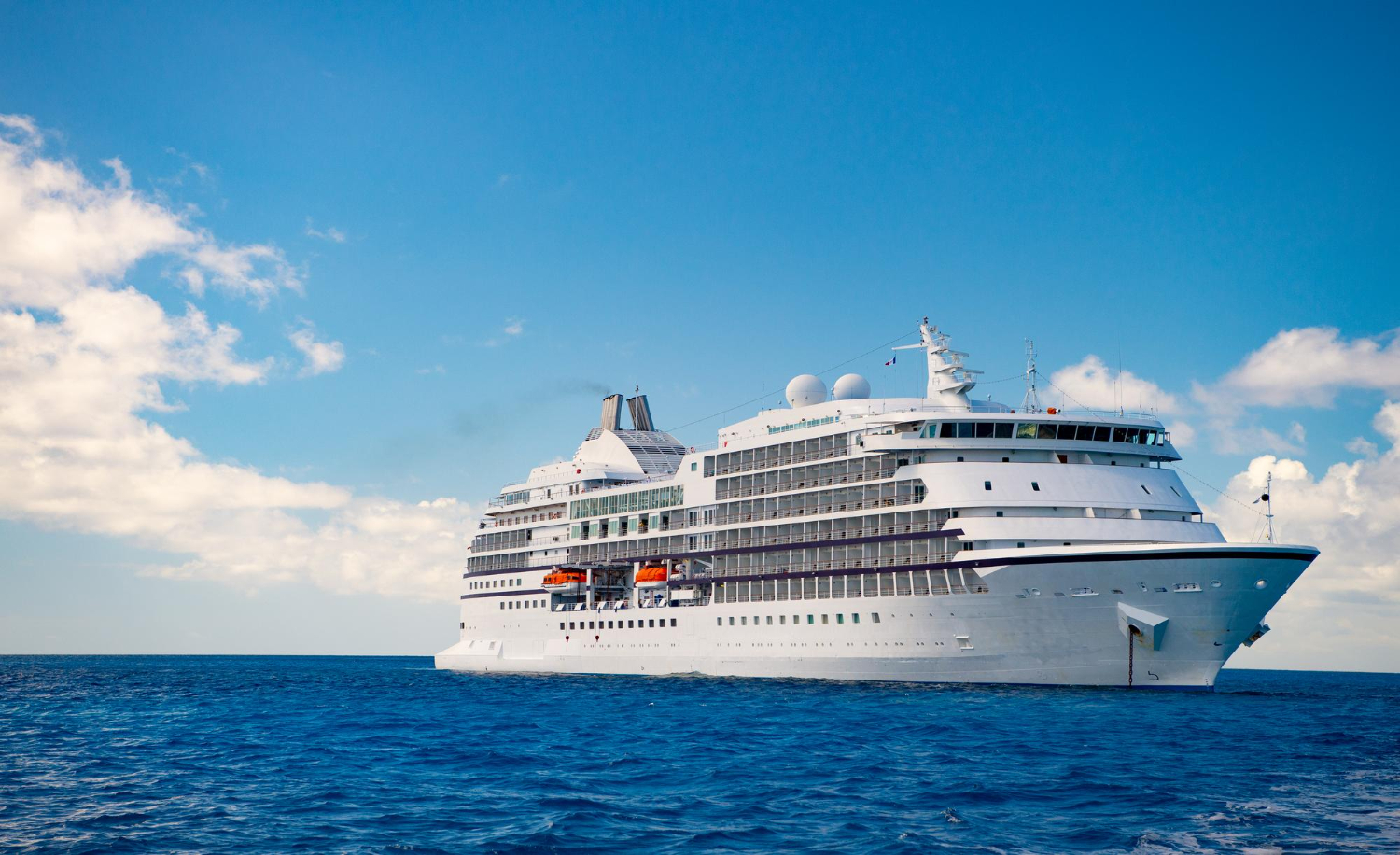
Cruises visit multiple destinations over a single trip. Resorts offer one location explored in genuine depth.
A cruise typically visits several different ports over the course of a single trip, offering variety and a sampling of multiple destinations, while an all-inclusive resort keeps you in one place for the entire stay, trading variety for the chance to genuinely settle into and explore a single location in depth. A cruise changing scenery, a resort staying put, is the most fundamental difference between the two, one that should weigh heavily depending on whether you value variety or depth in a single destination.
Like our content? Follow us for more.
2. Resorts Generally Offer More Room to Spread Out

Resort accommodations and grounds tend toward more spacious layouts. Cruise cabins are comparatively compact by design.
All-inclusive resorts generally offer more spacious rooms and grounds to roam, multiple pools, extensive beachfront, and larger common areas, compared to a cruise ship’s inherently compact cabins and shared public spaces designed to accommodate a large number of passengers efficiently. Resorts generally offering more room to spread out matters considerably for travelers who value physical space and privacy over the more concentrated, communal atmosphere of a ship.
3. Cruises Handle Transportation Between Stops Automatically
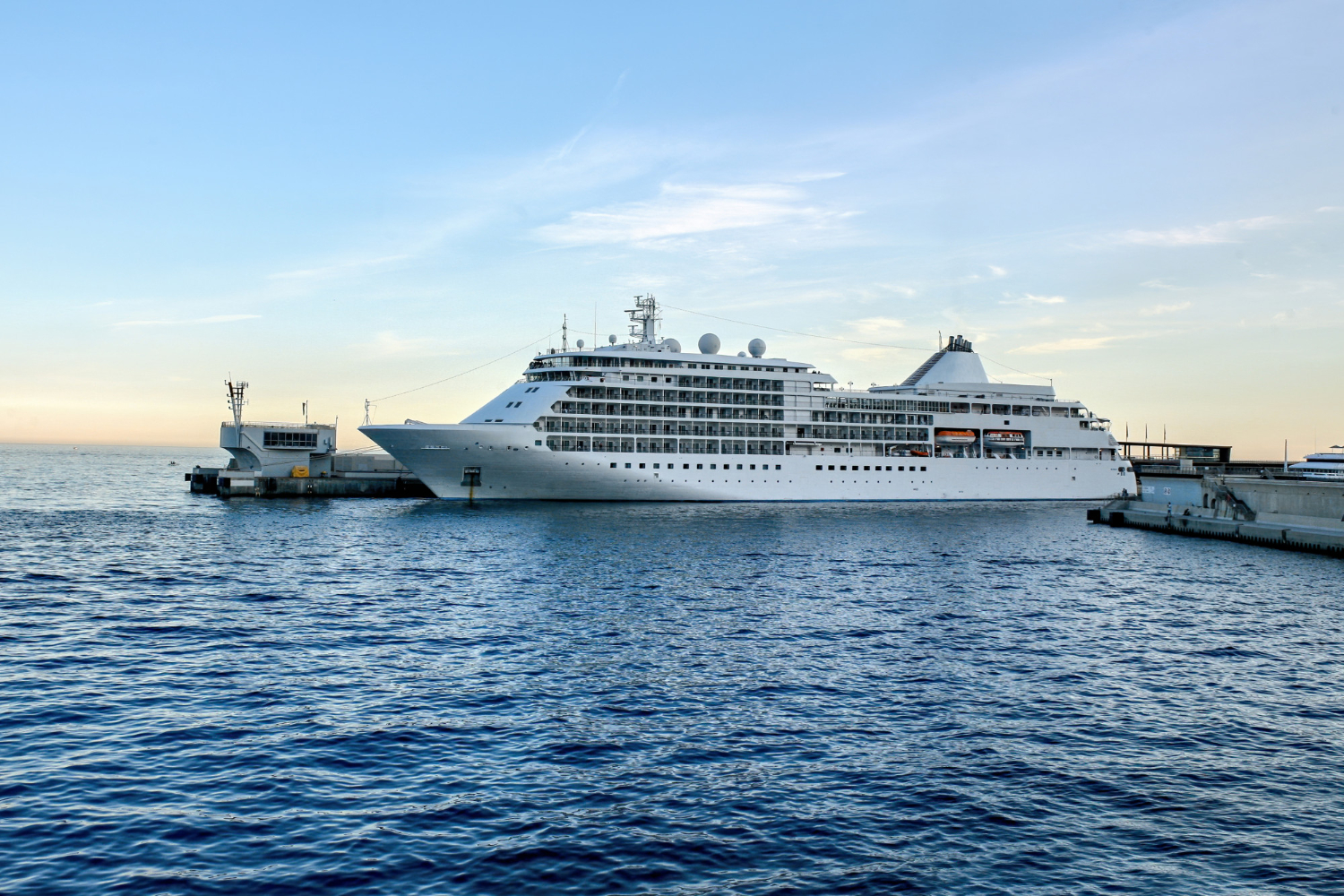
The ship itself is both lodging and transportation combined. Resorts require separate arrangements for any day trips.
A cruise combines lodging and transportation into a single package, moving you to a new destination overnight without any additional logistics required, while a resort stay requires separately arranging transportation for any excursions beyond the property itself. Cruises handling transportation between stops automatically offers genuine convenience for travelers who want to see multiple places without personally managing the logistics of getting between them.
4. Resorts Typically Offer More Consistent Wi-Fi and Connectivity

Reliable internet access is more consistently available on land. Cruise ship connectivity can be considerably more limited and expensive.
Resorts generally offer more reliable, often included, Wi-Fi access throughout the property, while cruise ship internet, though improving considerably with modern satellite technology, can still be less consistent and considerably more expensive as a separate add-on purchase. Resorts typically offering more consistent Wi-Fi and connectivity matters for travelers who need to stay reachable for work or simply prefer dependable internet access throughout their trip.
5. Cruise Dining Offers Genuinely More Variety Within a Single Trip
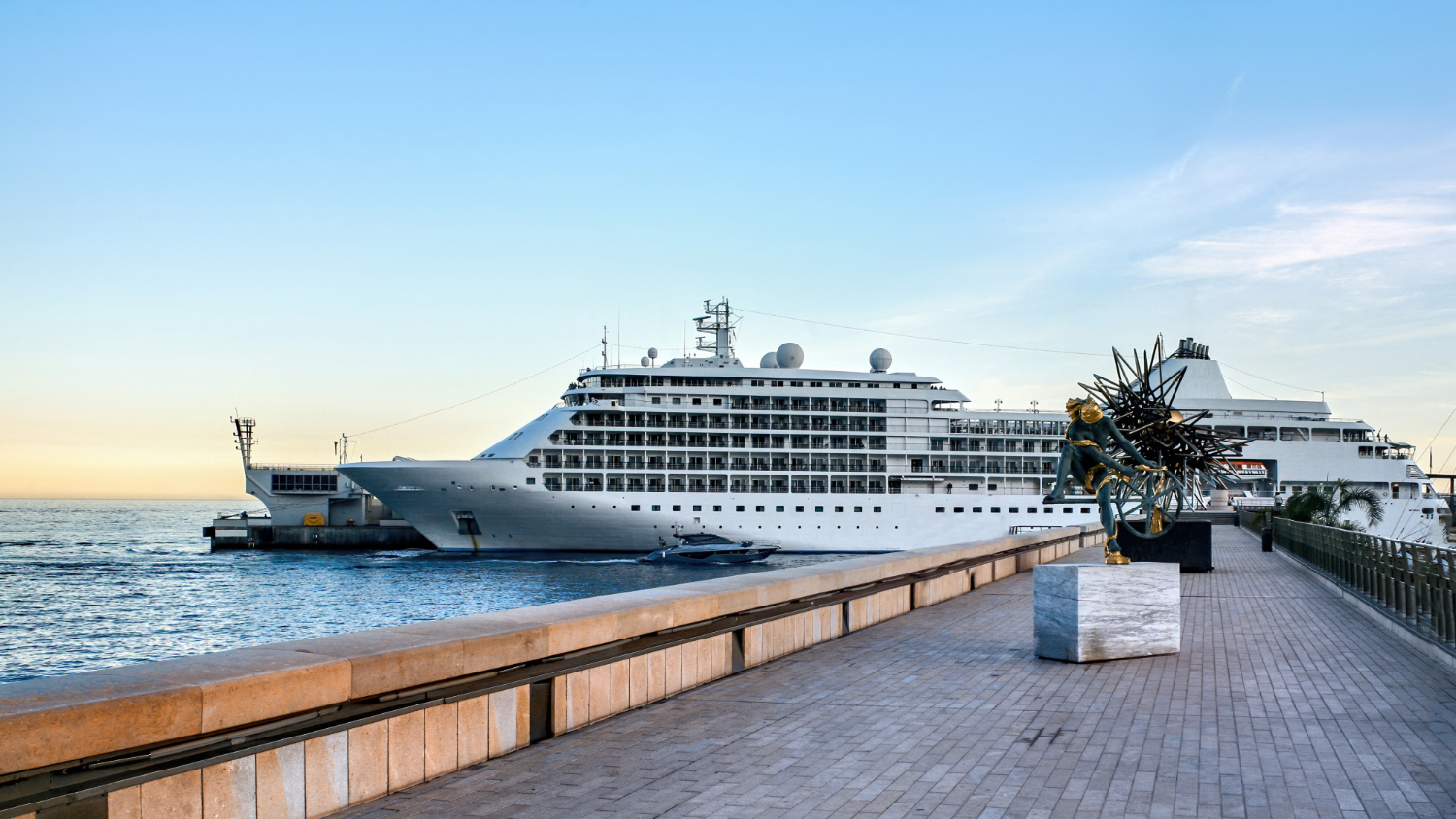
Multiple dining venues and cuisines exist aboard one ship. Resorts typically offer fewer distinct restaurant options overall.
A large cruise ship often houses a dozen or more distinct dining venues, different cuisines, specialty restaurants, and casual options, all included or available for an upgrade fee, offering genuinely more variety within a single trip than most all-inclusive resorts, which typically maintain a more limited handful of on-site restaurants. Cruise dining offering genuinely more variety within a single trip appeals strongly to food-focused travelers who want options beyond a resort’s more limited restaurant rotation.
6. Resorts Generally Offer a More Relaxed, Unstructured Pace

Time at a resort flows without a departure schedule. Cruises operate around fixed port arrival and departure times.
An all-inclusive resort stay flows without any fixed schedule beyond your own preferences, while a cruise operates around specific port arrival and departure times that shape each day’s structure, requiring passengers to return to the ship by a set hour or risk being left behind. Resorts generally offering a more relaxed, unstructured pace suits travelers who specifically want to avoid any schedule pressure during their vacation.
7. Cruises Can Trigger Motion Sensitivity for Some Travelers
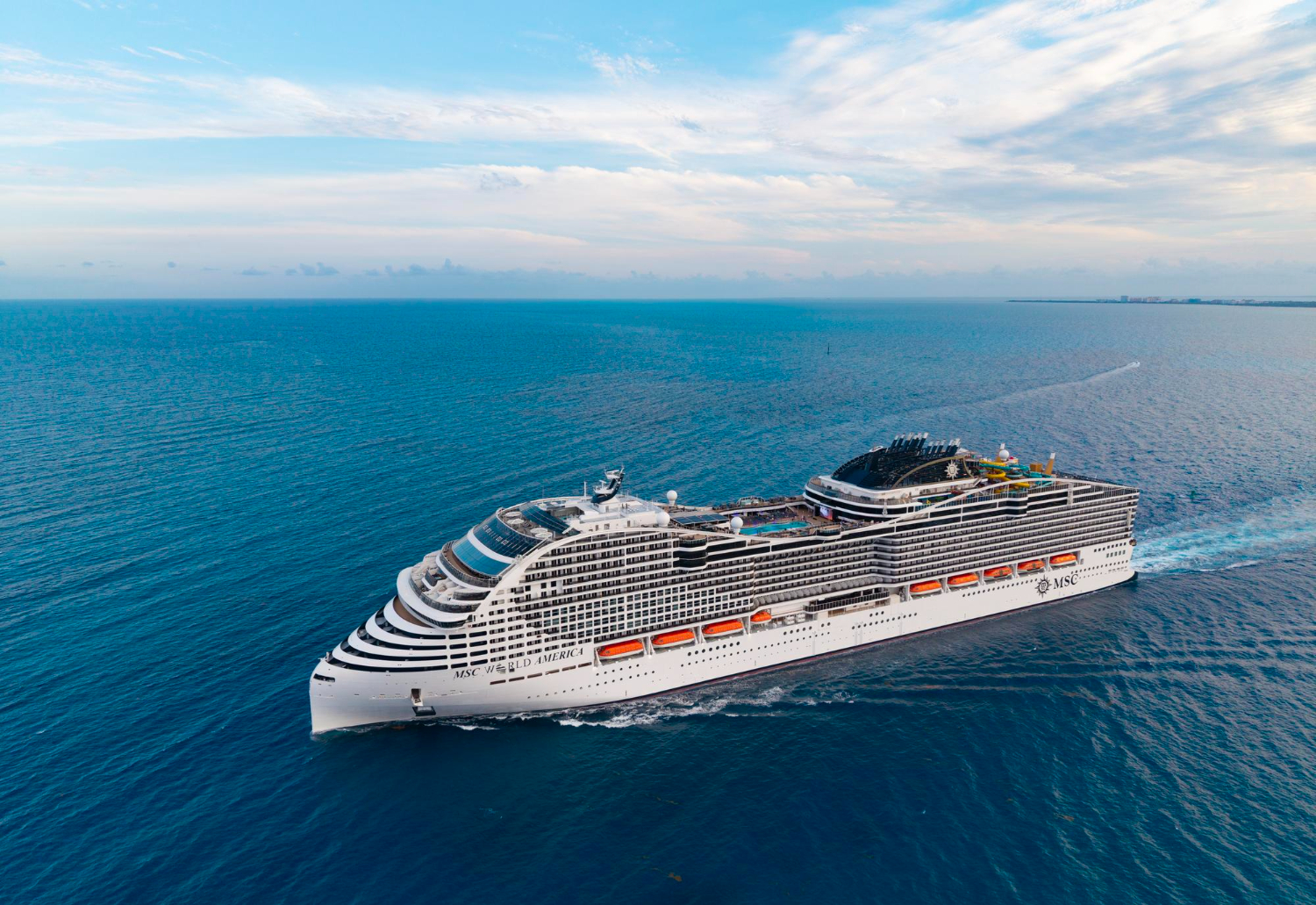
Being at sea affects certain passengers physically. This is a genuine consideration that a land-based resort simply doesn’t present.
Some travelers experience genuine motion sensitivity or seasickness while aboard a moving ship, a physical consideration that simply doesn’t factor into a land-based all-inclusive resort stay at all. Cruises potentially triggering motion sensitivity for some travelers is worth honestly assessing beforehand, particularly for anyone with a known history of motion sickness, since this factor alone can significantly affect overall enjoyment of an otherwise appealing trip.
8. Resorts Often Better Suit Travelers Wanting a Single, Deep Cultural Immersion
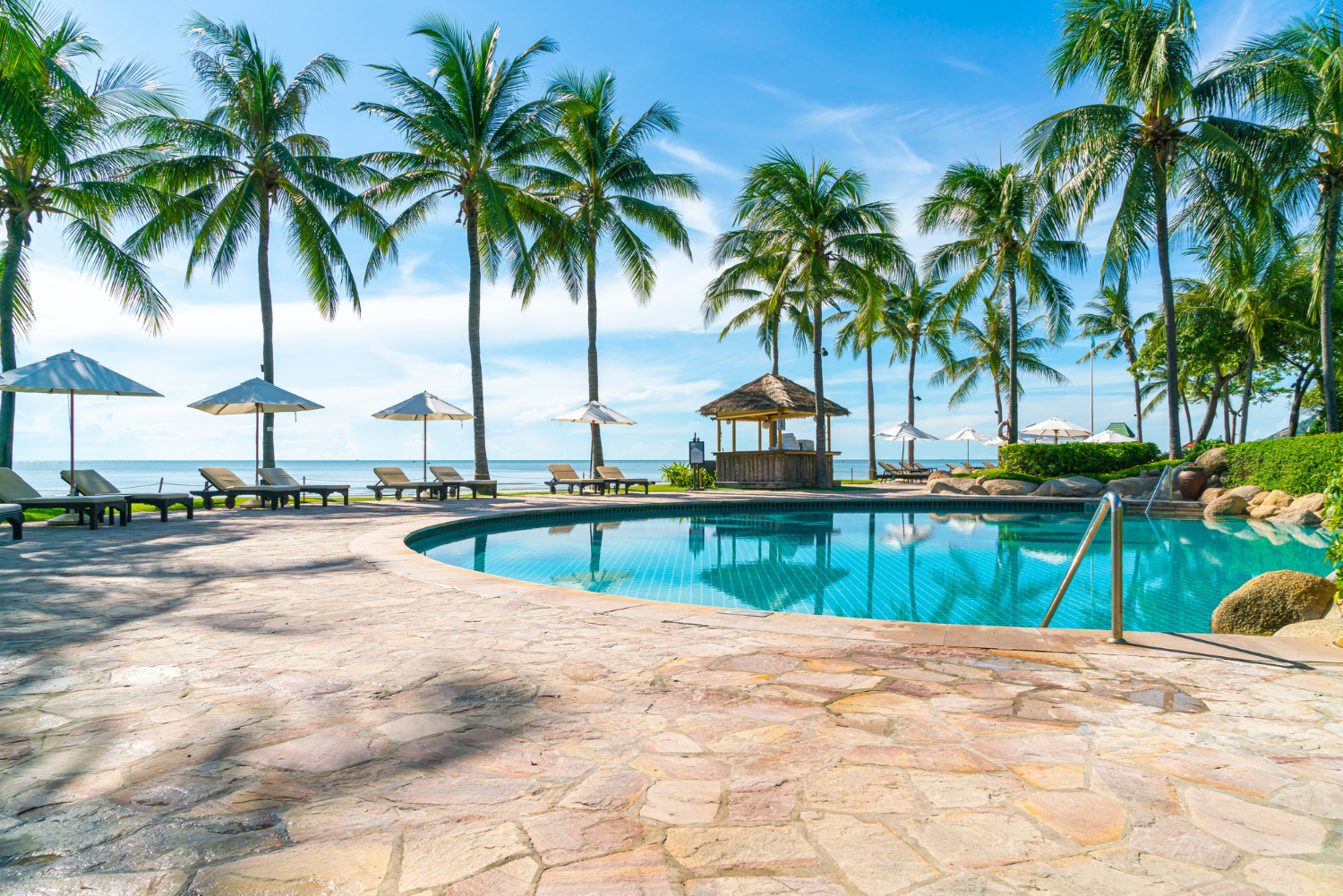
Staying in one place allows for a more genuine local connection. Cruise port stops are typically brief and surface-level by comparison.
A longer stay at a single resort destination allows for a more genuine, unhurried connection to the local culture, cuisine, and surrounding area, while cruise port stops are typically brief, often just several hours, offering more of a surface-level sampling than deep cultural immersion. Resorts often better suiting travelers wanting a single, deep cultural immersion matters for anyone whose priority is genuinely understanding one destination rather than briefly sampling several.
9. Cruise Pricing Structures Can Involve More Add-On Costs Than Expected
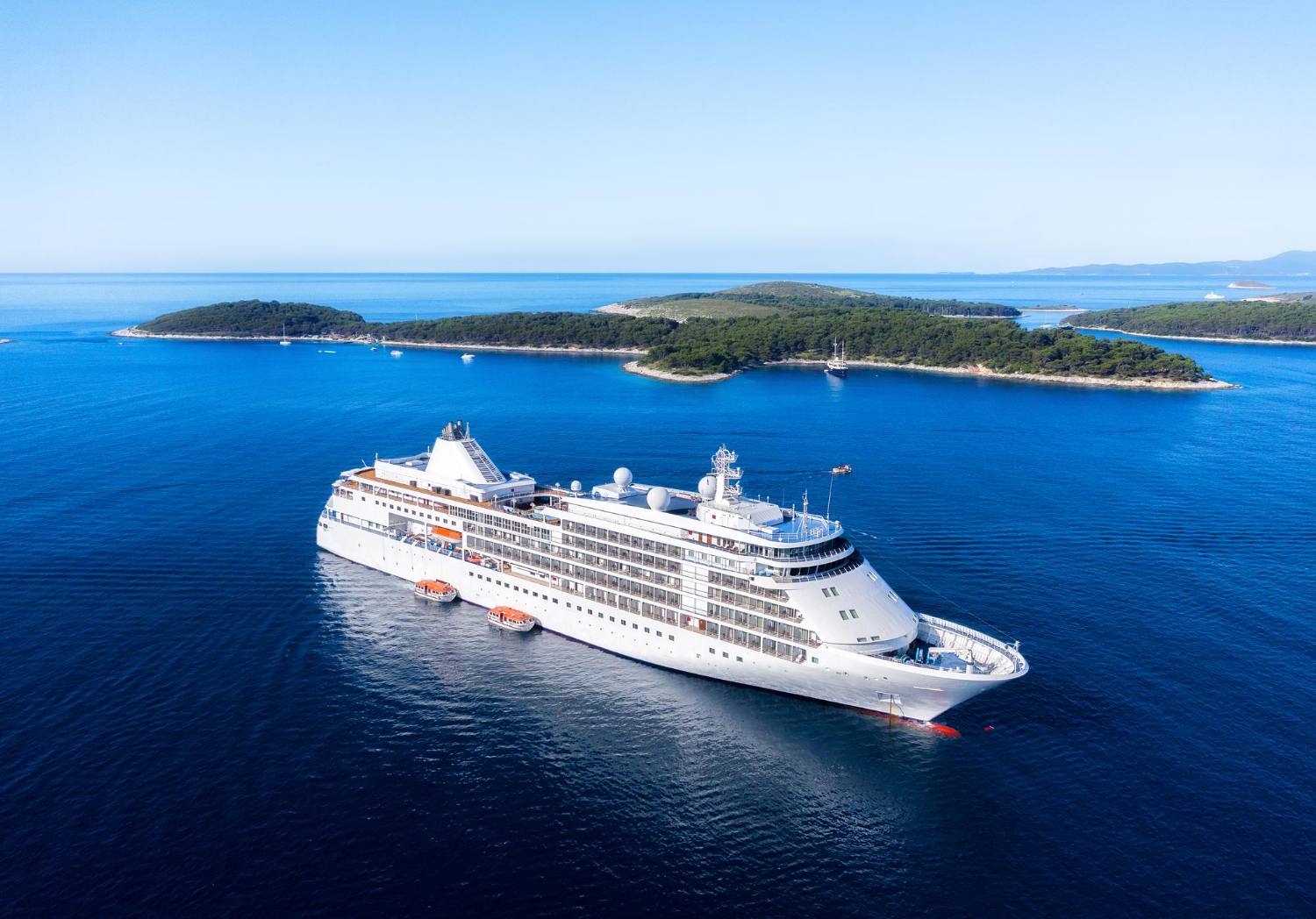
Base cruise fares often exclude gratuities, excursions, and specialty dining. All-inclusive resort pricing tends to bundle more upfront.
While cruise fares appear to bundle most costs, gratuities, shore excursions, specialty dining, and onboard activities are frequently sold as separate add-ons that can meaningfully increase the final total cost beyond the initial advertised price. Cruise pricing structures potentially involving more add-on costs than expected is worth researching carefully before booking, comparing the true, all-in cost against an all-inclusive resort’s typically more comprehensive bundled pricing.
10. Choosing Often Comes Down to Personal Travel Style More Than Anything Else

Neither option is objectively superior for every traveler. Honest self-assessment of preferences matters most.
Ultimately, the choice between a cruise and an all-inclusive resort comes down less to which option is objectively better and more to genuine personal travel style, whether you value variety and structure or depth and unstructured relaxation. Choosing often coming down to personal travel style more than anything else is the honest bottom line, a decision best made by candidly assessing what kind of vacation experience actually appeals to you rather than following general trends.
Two Genuinely Different Vacation Philosophies

Taken together, these ten points show that cruises and all-inclusive resorts, while superficially similar in their bundled, worry-free appeal, actually represent two genuinely different approaches to vacationing, movement and variety versus stillness and depth. Understanding these real differences helps ensure you choose the option that actually suits your own travel priorities.
Neither option is inherently the better choice, plenty of travelers genuinely love both formats for different trips and different moods. The right decision depends entirely on your own priorities for a given vacation, whether that’s sampling multiple destinations from the deck of a ship or settling into a single beautiful location for a full, unhurried week.
It’s also worth considering that these two vacation styles aren’t necessarily an either-or decision for life, many travelers alternate between them across different trips depending on the specific destination, the season, or simply what kind of experience they’re in the mood for that particular year. Some travelers even find that a hybrid approach works well over time, using a cruise to sample several destinations and then returning later for a longer, all-inclusive resort stay at whichever specific spot made the strongest impression during that initial visit. Weighing these ten factors honestly against your own preferences leads to a vacation choice you’re considerably more likely to actually enjoy, whichever format you ultimately choose for your next trip.
Like our content? Follow us for more.