
The mistake is treating an open trip as one where nothing is decided. What actually makes it work is deciding a few structural things very firmly, which is what buys the freedom everywhere else. Here are ten.
1. Fix the Two Ends

Know when you are leaving and when you must be back, and treat both as immovable, because every other decision on the trip is made against that span.
Everything between can float. Fixed endpoints are what make an open middle manageable.
Like our content? Follow us for more.
2. Decide How Far You Are Willing to Move

A trip that stays within one region feels completely different from one that crosses several, and choosing the scale in advance prevents the daily question of whether to push on.
It is one decision rather than fourteen. Scale of movement is the setting that removes the most repeated deliberation.
3. Settle the First Two Nights and Nothing Else

Arriving somewhere unfamiliar with nothing arranged is the point at which open trips go wrong, and having the start covered removes that without committing anything afterwards.
By the third day you know how things work. The arranged start is the buffer that protects the rest.
4. Know What You Will Not Compromise On

Everybody has one requirement – somewhere quiet, a private room, being near water, not moving every day – and knowing it in advance stops it being discovered at the worst moment.
It is usually one thing. The stated non-negotiable is what prevents an avoidable bad night.
5. Understand That You Will Move Slower

An open trip covers substantially less ground than a planned one, because decisions take time and you will stay places longer than intended.
That is the trade rather than a failure. Reduced coverage is the cost of the flexibility.
6. Have a Way of Deciding

When there is no itinerary, the deciding has to happen somehow, and a rule – ask somebody, follow a line, take the next departure, stay if it rains – beats debating it daily.
Any rule beats no rule. A decision method is what replaces the itinerary.
7. Carry Less Than You Think

An open trip means moving with everything you have, repeatedly, at short notice, which makes weight a constraint on your actual freedom rather than a comfort question.
Every extra kilogram narrows the options. Reduced luggage is what mobility physically depends on.
8. Know Where the Information Is
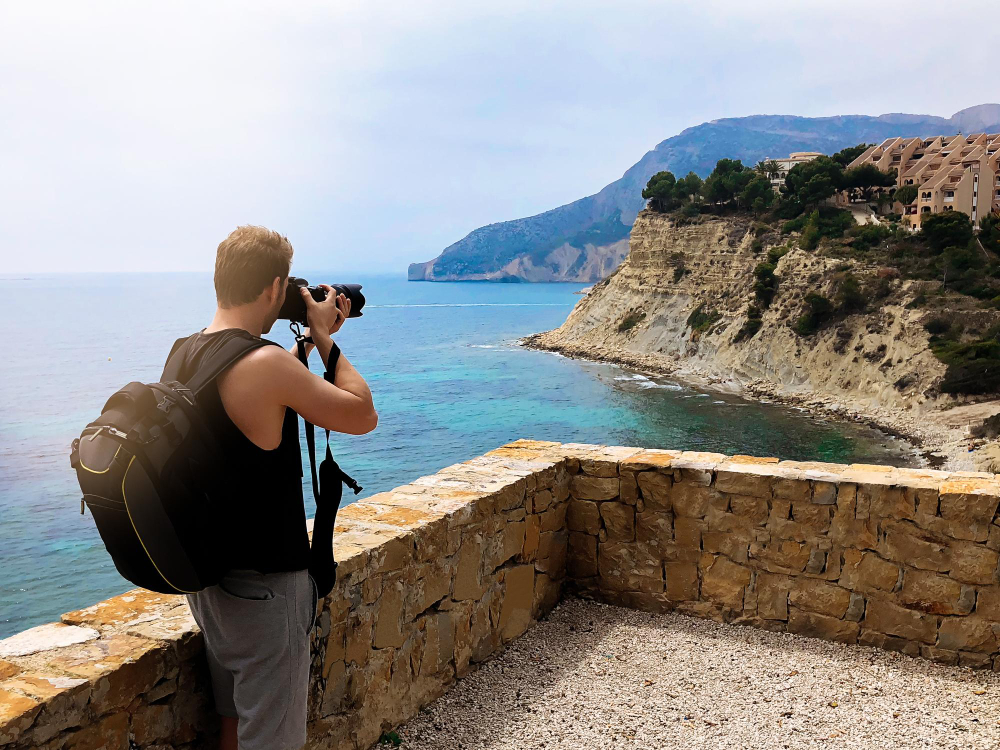
Without a plan you will need local information constantly, so knowing where it comes from – a transport office, a tourist point, a noticeboard, a person – matters more than any research you did beforehand.
It differs by country and is worth establishing early. Information sources are the infrastructure an open trip runs on.
9. Accept That Some Days Will Be Wasted

An unplanned trip includes days that produce nothing – a place that disappoints, a journey that fails, an afternoon spent working out what to do next.
A planned trip hides these and an open one does not. Wasted days are included in the format.
10. Leave the Last Stretch Deliberately Dull
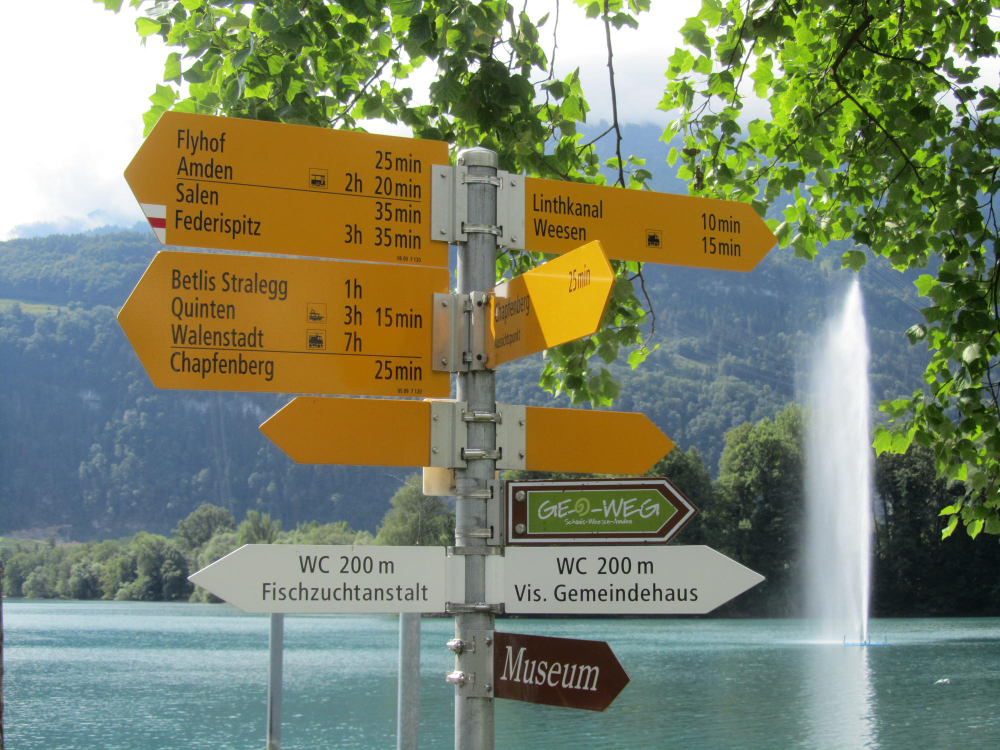
Ending an open trip with a long unresolved journey home is how good trips finish badly, so arranging the final leg in advance is worth the small loss of freedom.
It is the one place structure clearly wins. A settled ending is the arrangement that protects everything before it.
A Few Things Fixed So Everything Else Is Not

Two fixed ends, a settled start, a known limit on movement, a rule for deciding and a planned finish – and between those, nothing arranged at all.
One necessary qualification: this suits some people, some circumstances and some destinations, and it is the wrong approach for a great many trips. Fixed arrangements exist because they solve real problems, and anybody travelling with obligations, constraints or limited time is generally better served by them – the useful part of this list is the principle that what makes a trip work is deciding the right small number of things rather than all of them or none.
Like our content? Follow us for more.