


The question to ask at any bridge is where the force goes. Straight down, outward against the banks, up into a tower, or along a chain of triangles – and the answer determines everything about how it looks. Here are seventeen.
1. A Beam Bends and That Limits It
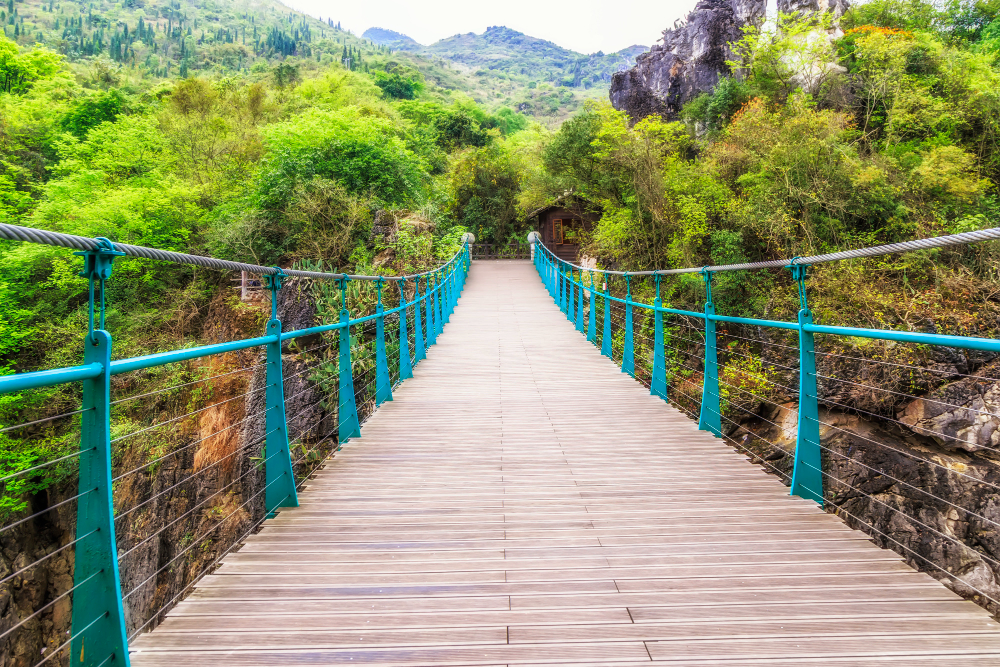
The simplest bridge is something laid across a gap, which bends under load – the top surface squeezed shorter and the bottom stretched longer.
Bending stress rises sharply with span. The simple beam is the form that works for short distances and nothing else.
Like our content? Follow us for more.
2. Making It Deeper Beats Making It Thicker
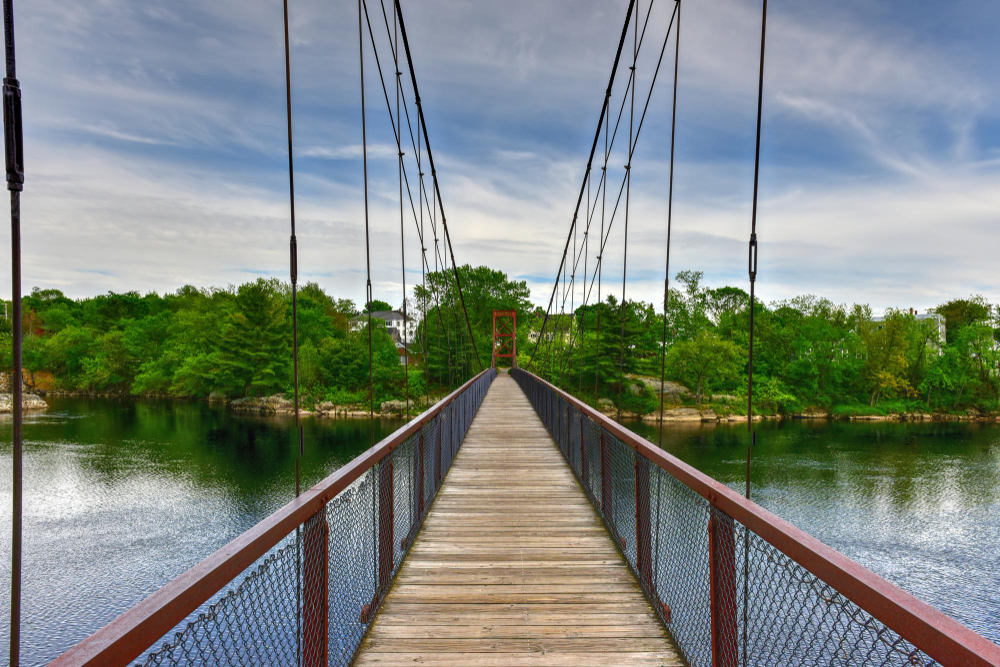
A beam resists bending far more effectively if the material is placed far from the centre, which is why structural beams are deep rather than solid.
Depth is worth more than mass. Section depth is the reason beams are the shape they are.
3. An Arch Turns Bending Into Squeezing
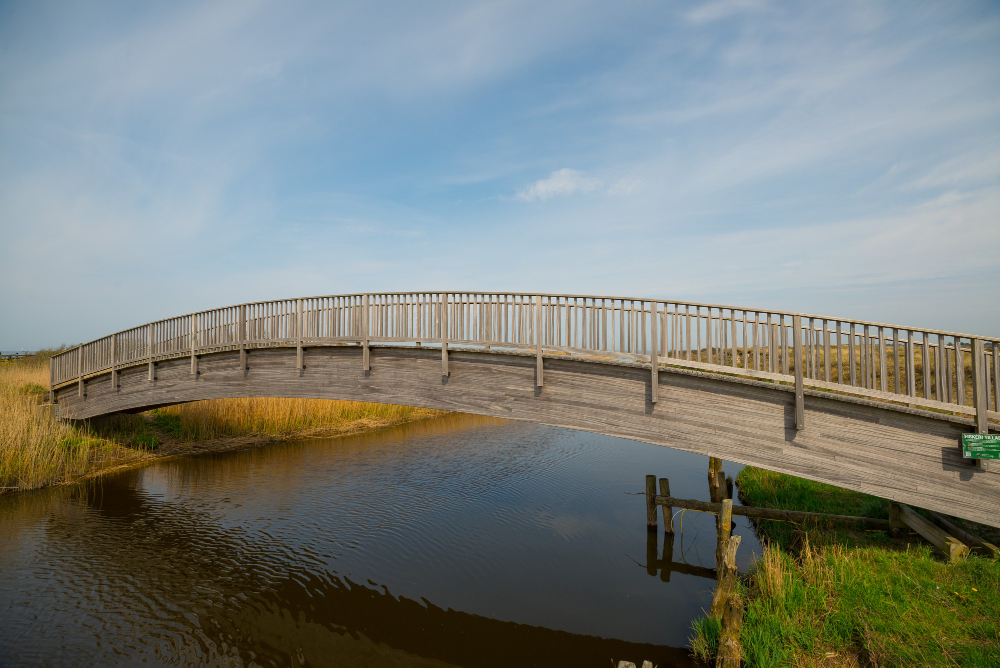
A curved structure carries load as compression running along the curve, which suits materials that are strong in compression and weak in tension – stone above all.
Nothing is being stretched anywhere. The arch is the form that made stone bridges possible.
4. But It Pushes Outward at the Bottom
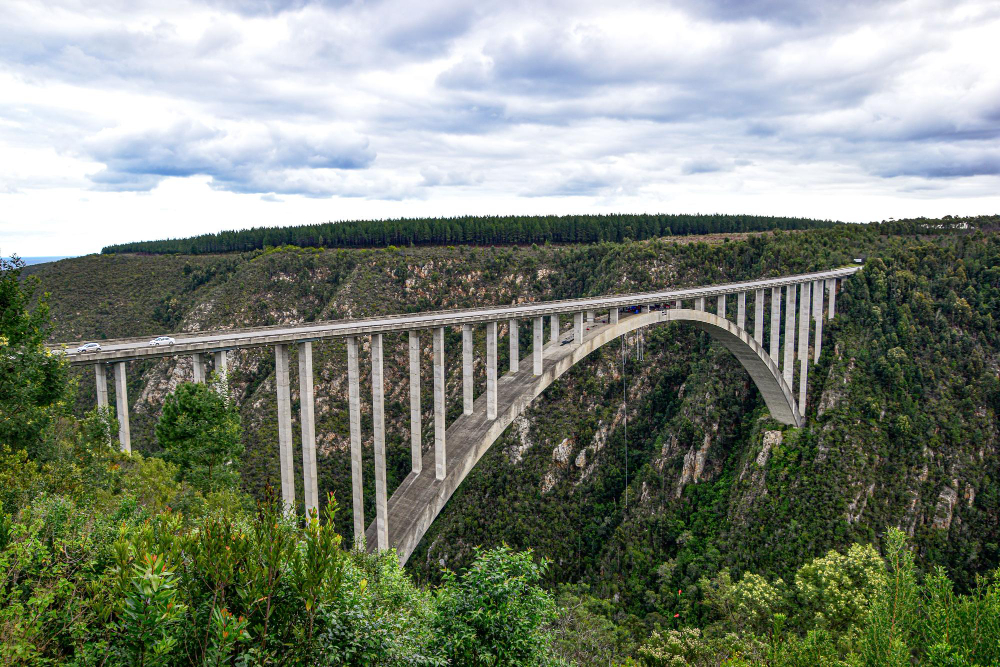
An arch does not press straight down; it pushes down and outward, so the supports at each end must resist that sideways thrust or the whole thing spreads.
The abutments are doing as much work as the arch. Outward thrust is the requirement that dictates where an arch can be built.
5. Which Is Why Some Arches Are Tied
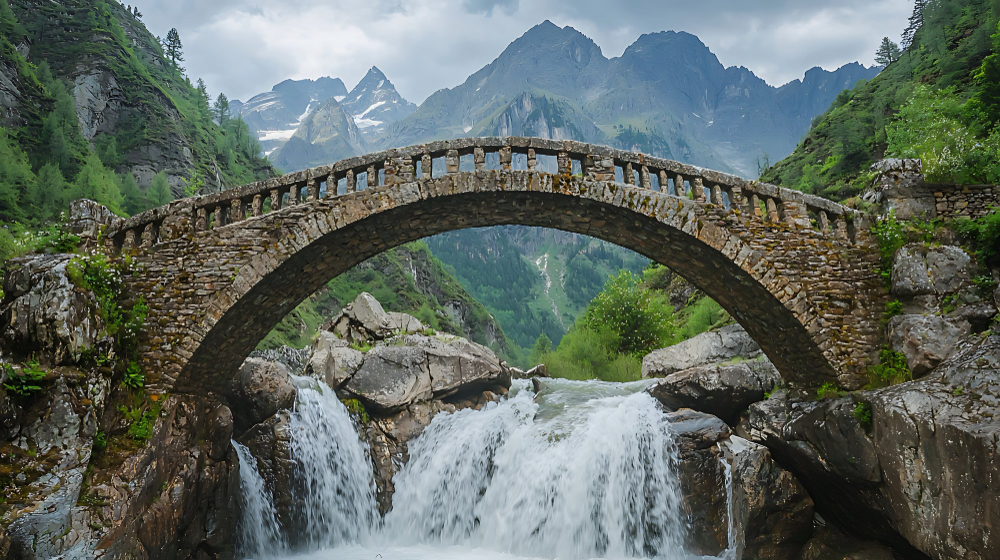
Where the ground cannot resist the thrust, a tie running between the two ends takes the outward force in tension instead, containing the arch within itself.
The tie is frequently the deck. Self-anchoring is the solution for arches on poor ground.
6. The Shape of the Arch Records the Load
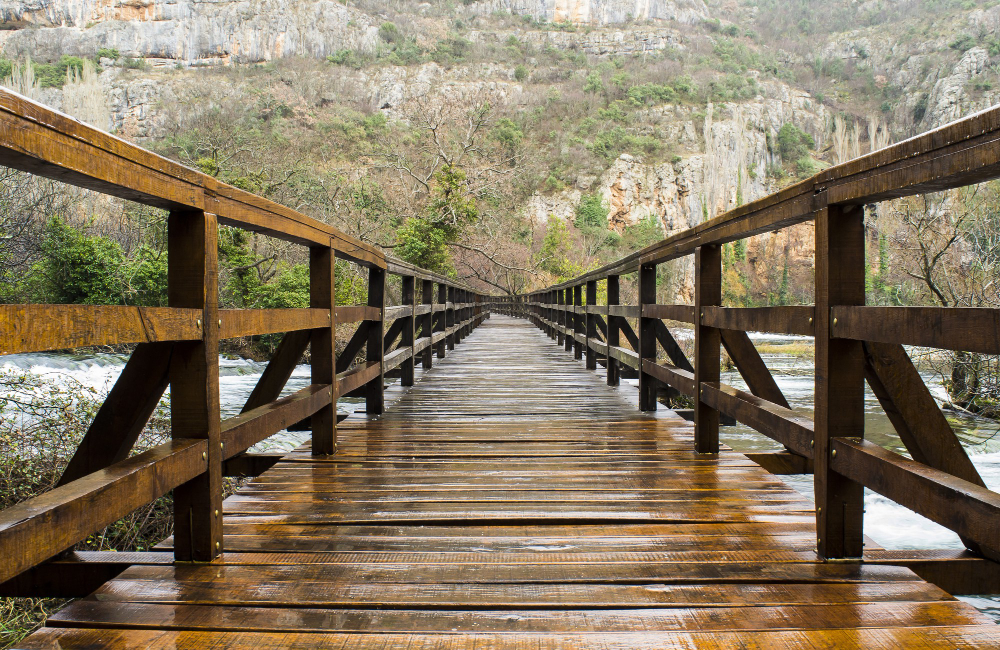
A chain hanging freely takes the ideal shape for carrying its own weight, and an arch of that shape inverted carries load in pure compression with no bending anywhere.
Departures from it introduce bending. Arch geometry is a direct expression of the loading it was designed for.
7. A Truss Turns Everything Into Triangles

Arranging members as triangles means each carries load in pure tension or compression rather than bending, which uses material far more efficiently.
A triangle cannot change shape without changing a side length. Triangulation is why trusses are so much lighter than beams.
8. And You Can Read Which Members Do What
In any truss, some members are being pulled and others pushed, and the pattern is consistent – which is why members are different sizes and why some are slender rods and others substantial sections.
Thin members are in tension. Member sizing is the truss showing you its own force diagram.
9. A Suspension Bridge Hangs From Pure Tension
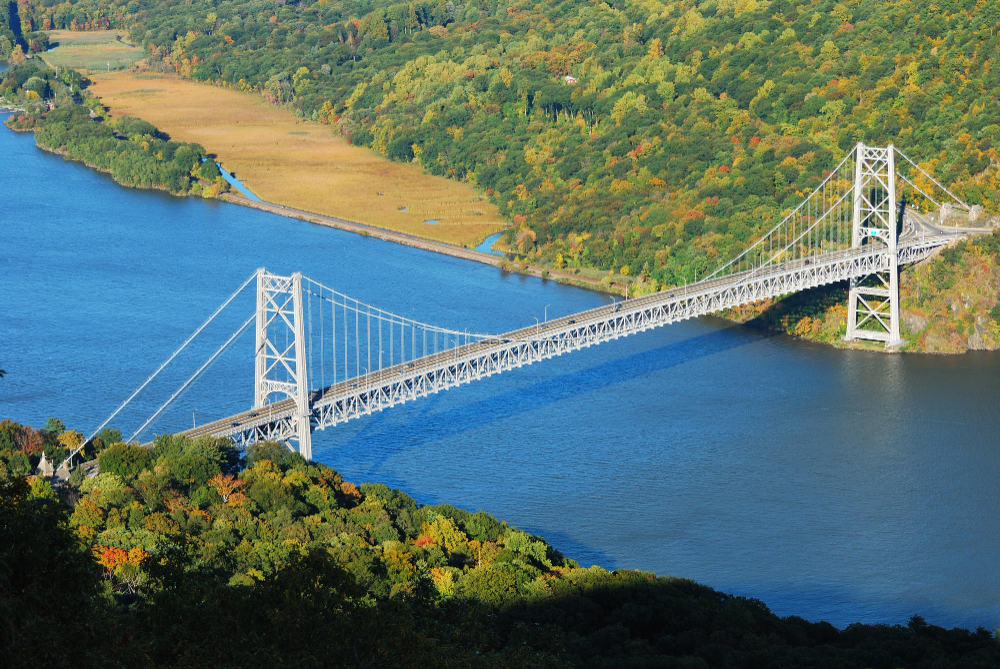
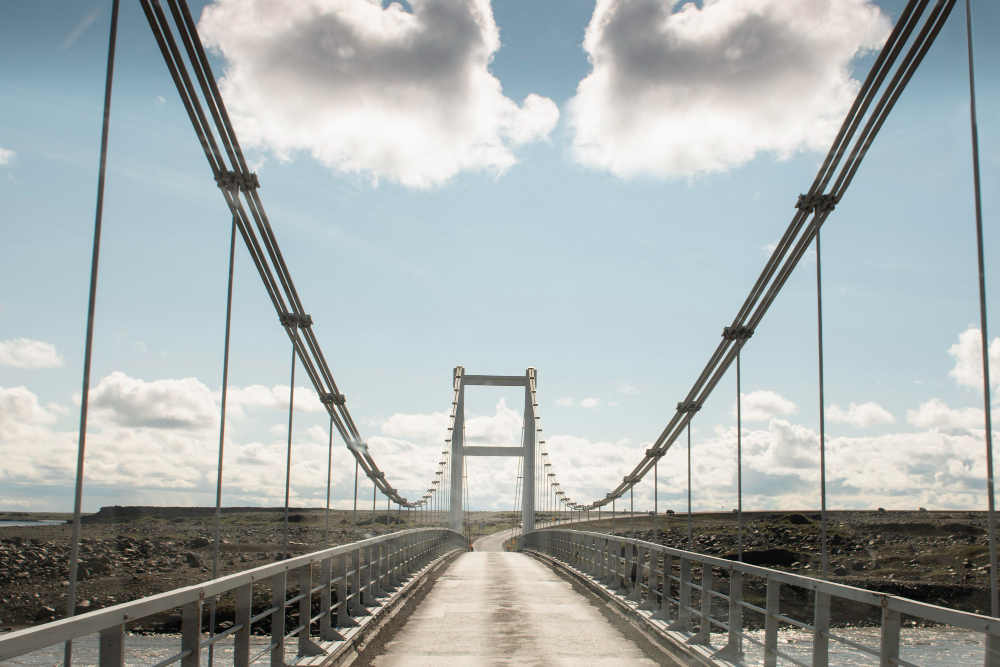
The deck hangs from vertical rods attached to a main cable, which is in pure tension along its whole length, carried over towers and anchored at each end.
Cable in tension is extraordinarily strong for its weight. Suspension is the principle that permits the longest spans.
10. Which Means the Anchorages Are Enormous
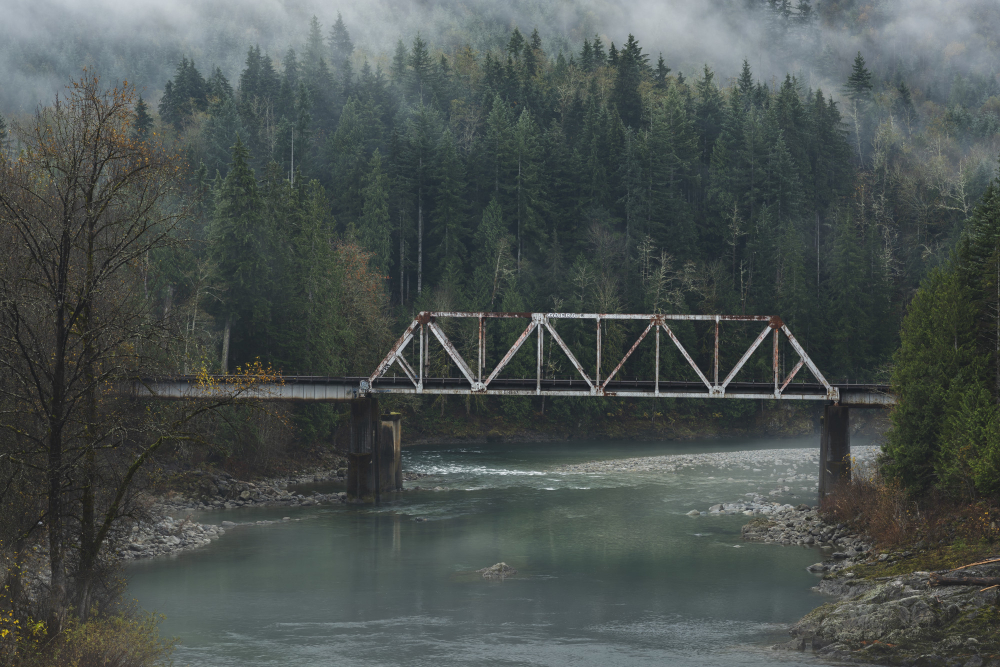
The main cables pull inward and downward with immense force at each end, and something has to hold them – generally a mass of concrete or an excavation into rock.
It is frequently the largest single element. Anchorage is the hidden requirement of every suspension bridge.
11. A Cable-Stayed Bridge Skips the Anchorage
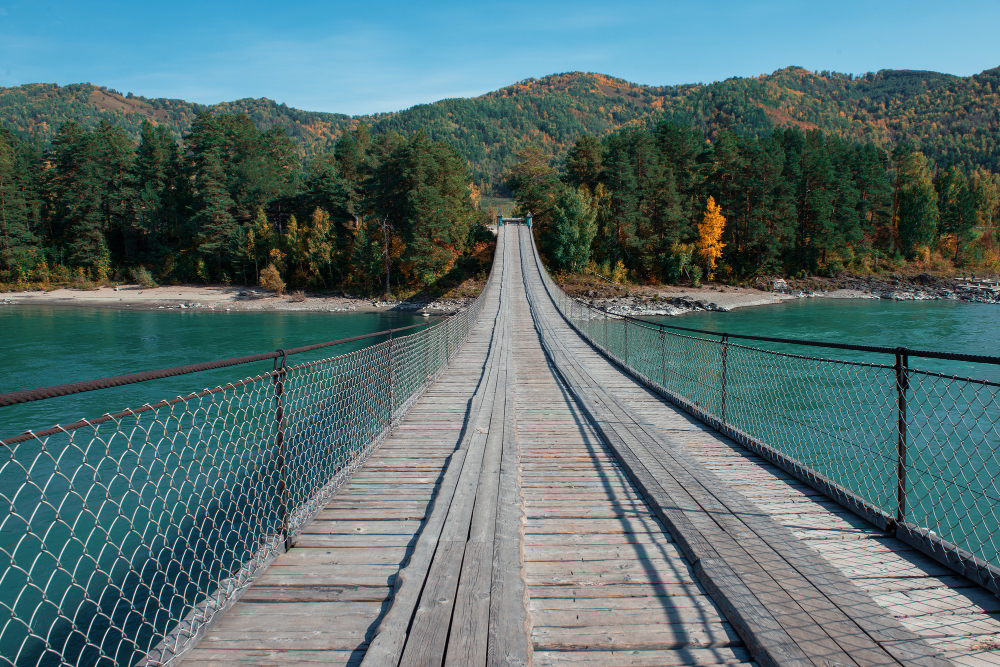
Running cables directly from tower to deck means the forces balance within the structure, so no separate anchorage is needed and construction is simpler.
The towers take the load directly. Direct staying is the design that removed the biggest cost.
12. A Cantilever Builds Out Over Nothing
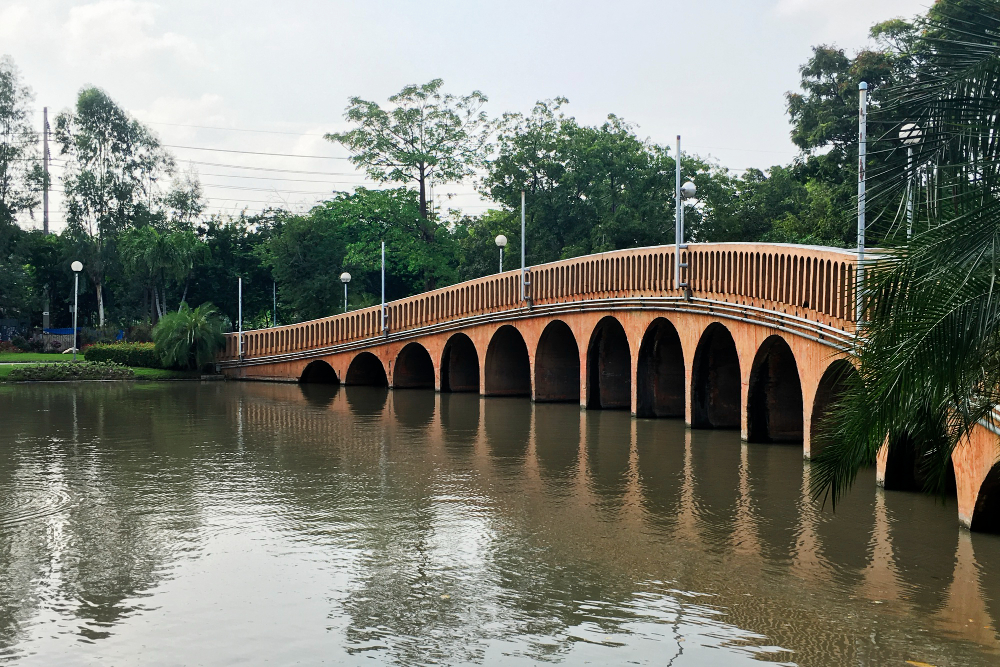
A structure supported at one end only can be extended outward from each side of a gap and joined in the middle, which allows building across water without temporary supports below.
The construction method determines the form. Cantilever construction is the answer to a gap you cannot stand in.
13. A Movable Bridge Trades Height for Clearance
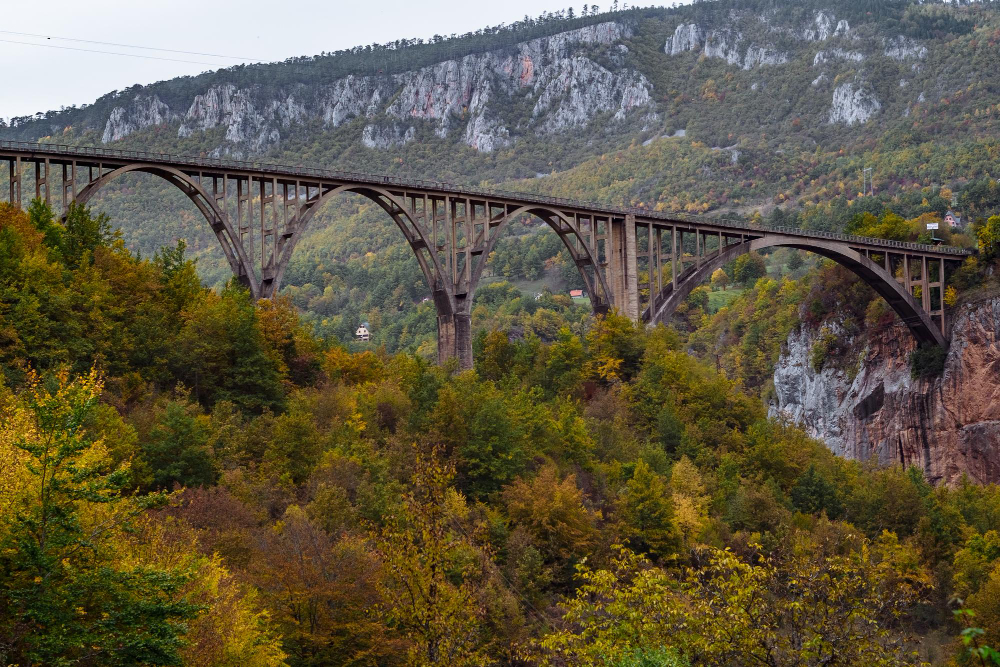
Where a low bridge must occasionally admit tall traffic beneath, the structure lifts, swings, rolls back or splits – accepting complexity and maintenance in exchange for not needing height.
Every mechanism is a permanent liability. Movable spans are the compromise between two incompatible requirements.
14. A Floating Bridge Uses the Water
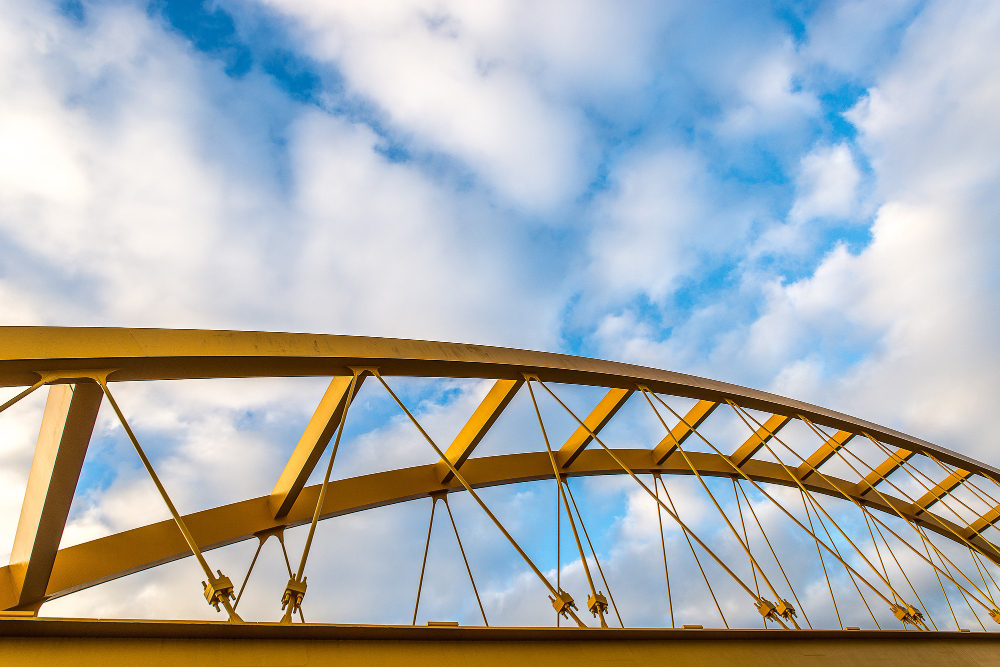
Where water is too deep for piers, the structure can be supported by buoyancy instead, held in position by anchors rather than by foundations.
It rises and falls with the level. Buoyant support is the solution where the bottom is unreachable.
15. Bridges Change Length With Temperature
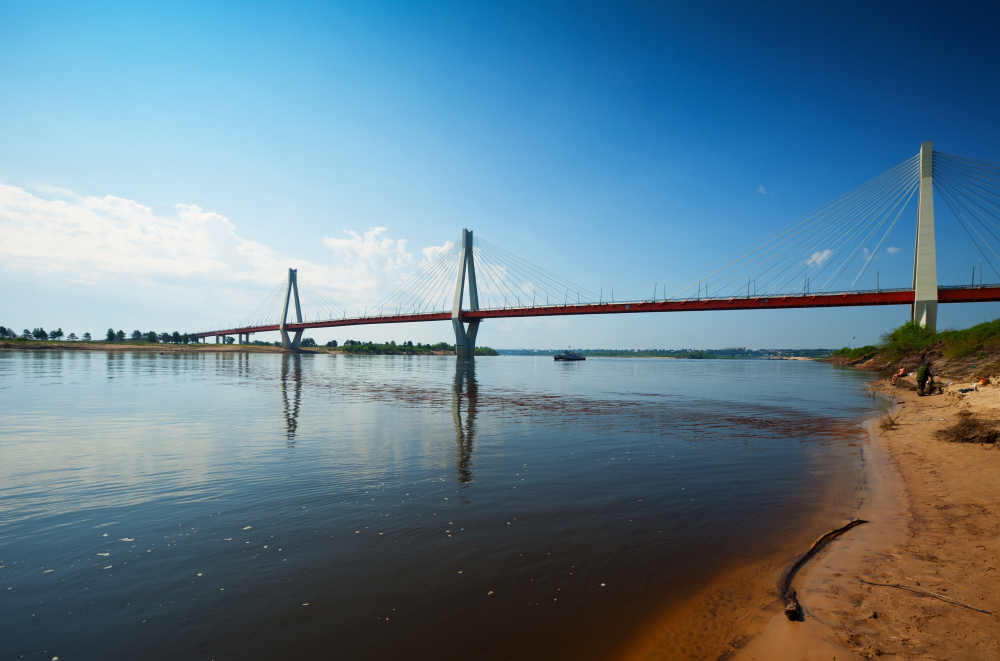
A long structure expands and contracts measurably through the year, and preventing that movement would generate enormous forces – so joints are built in to allow it.
The gaps are deliberate rather than damage. Expansion joints are the feature people mistake for wear.
16. And They Are Designed for Movement, Not Just Weight
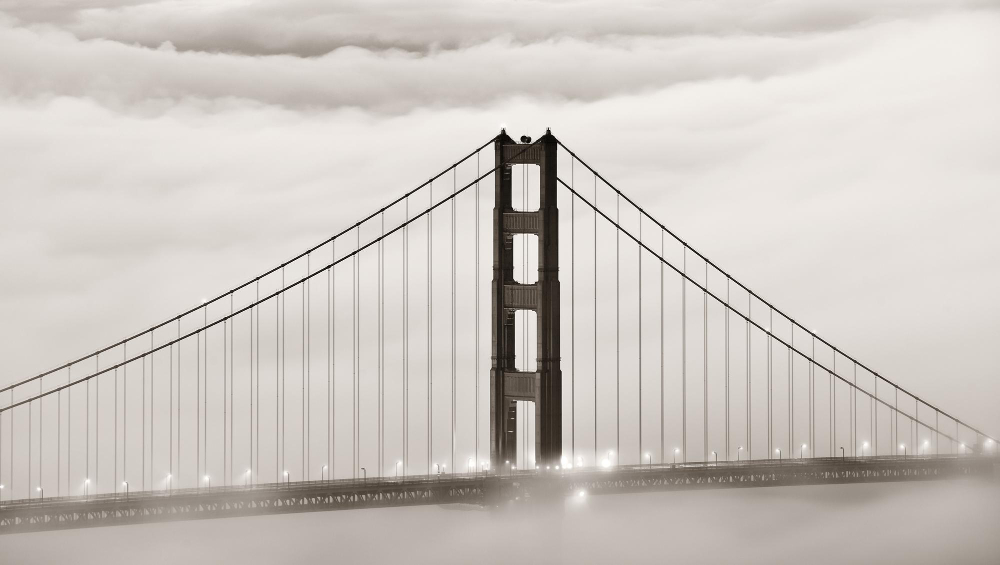
Wind, traffic and rhythmic loading all produce dynamic forces, and a structure must be designed so that those do not build up in step with its own natural movement.
Stiffness and damping address it. Dynamic design is the half of the problem that is not about weight at all.
17. The Foundations Decide Everything
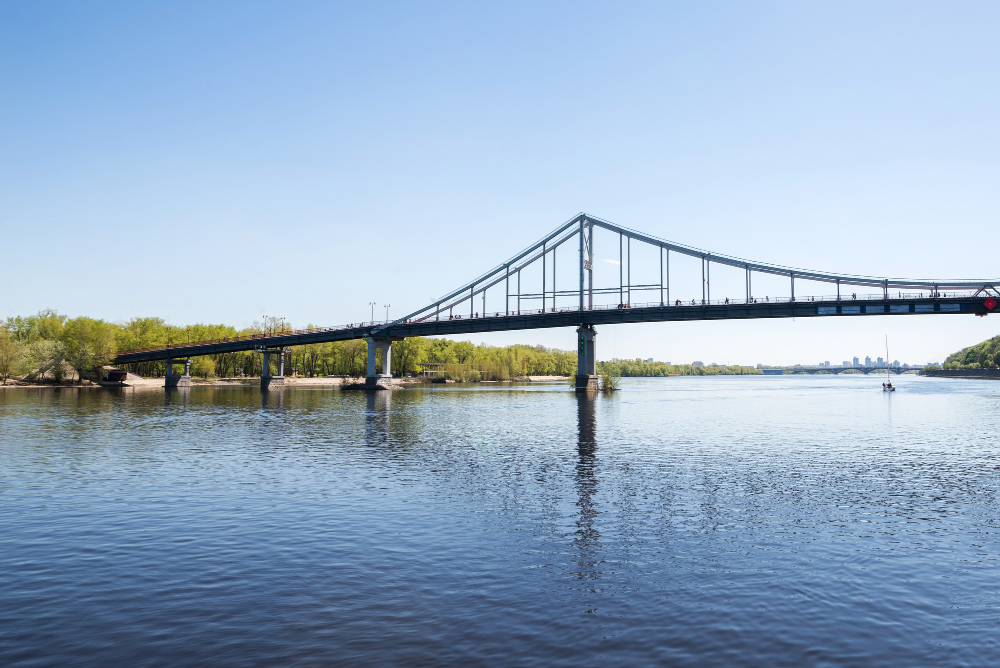
What the ground can support determines the type, the span and the position, which means the invisible part below is generally the most constraining part of the design.
A poor site rules out whole categories. Foundation conditions are the first fact any bridge is designed around.
Where Does the Force Go
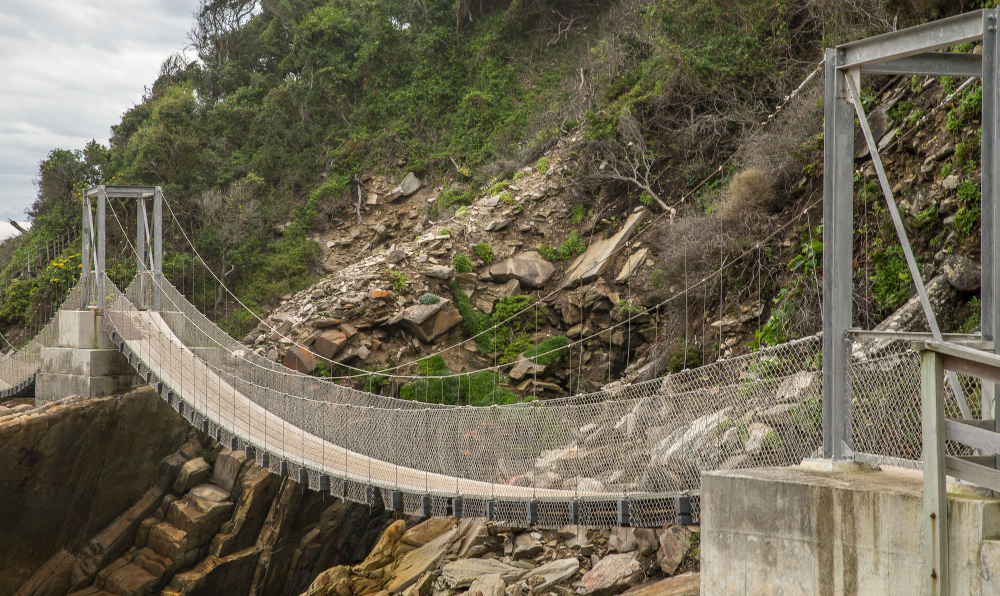
Down through bending, outward along a curve, up into a tower, around a chain of triangles or out over nothing – five routes, and the shape of any bridge is simply which one it uses.
The habit worth developing is to look for the tension. In almost every bridge, some part is being stretched and some part squeezed, and once you can identify which is which – the thin rods pulling, the thick members pushing – the whole structure stops being decorative and starts being readable.
Like our content? Follow us for more.
