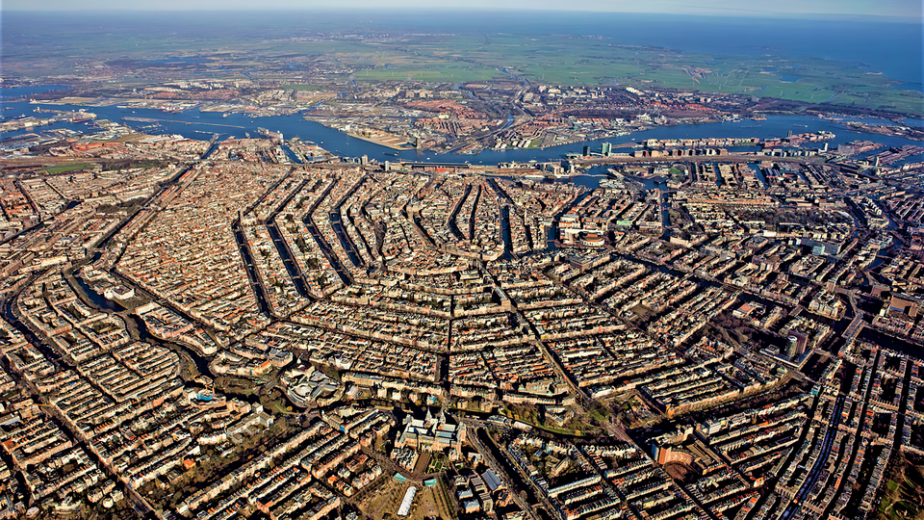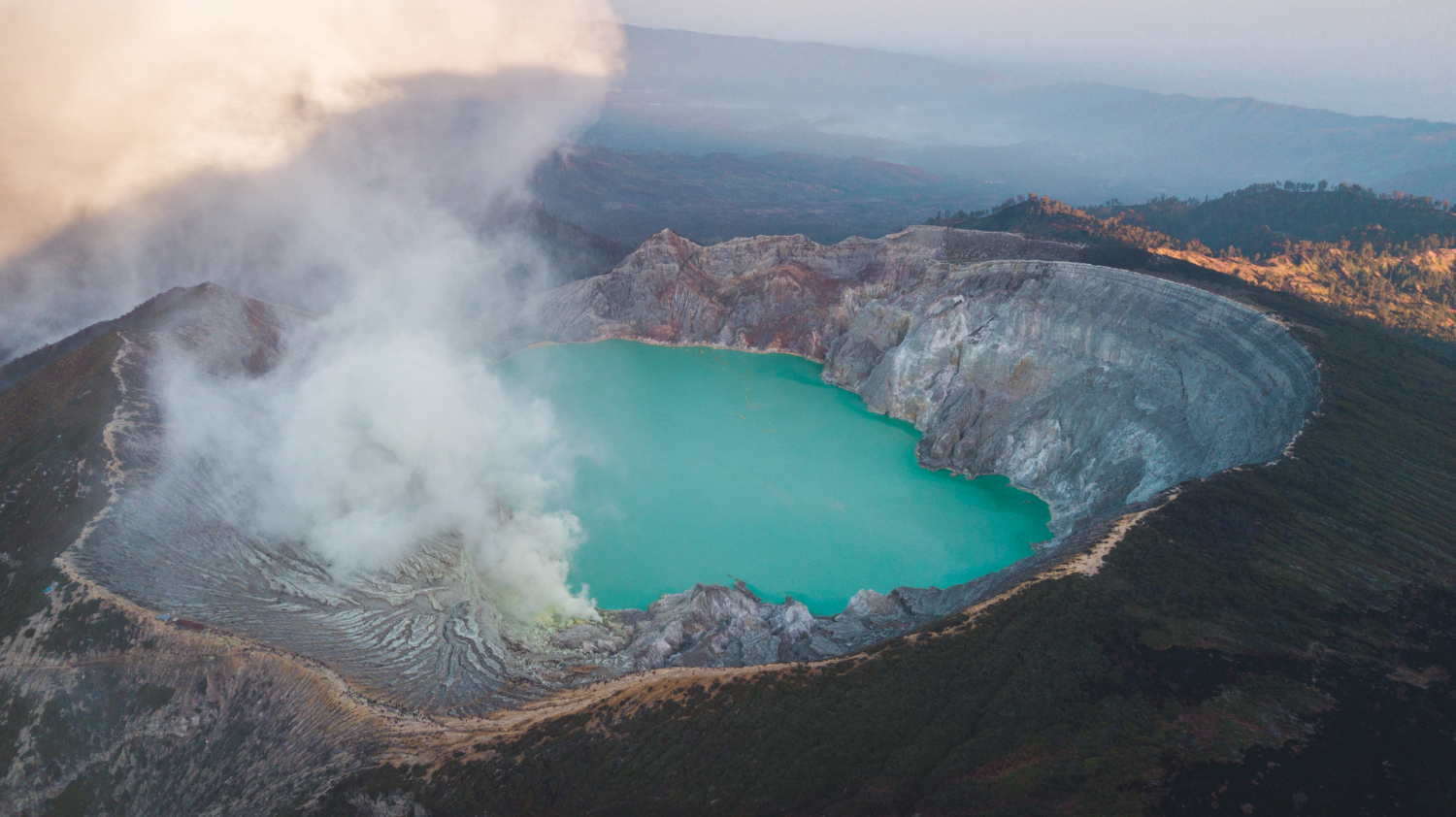
What makes these places worth visiting is not the spring itself but what a community does when free heat is available indefinitely. The answers are remarkably consistent. Here are ten.
1. Reykjavik and the Icelandic Towns
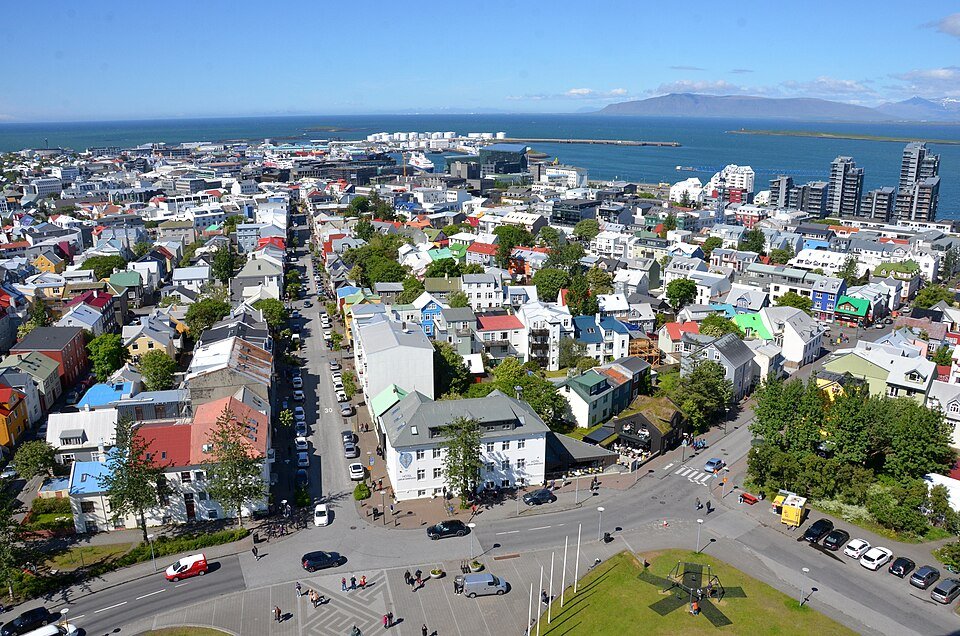
Almost the entire country heats its buildings with water pumped from underground, and some streets have heated pavements that clear themselves of snow.
Outdoor pools stay open through the winter as ordinary neighbourhood facilities rather than attractions. Reykjavik is the geothermal settlement where the ground heats the houses as a matter of routine.
Like our content? Follow us for more.
2. Kusatsu, Japan
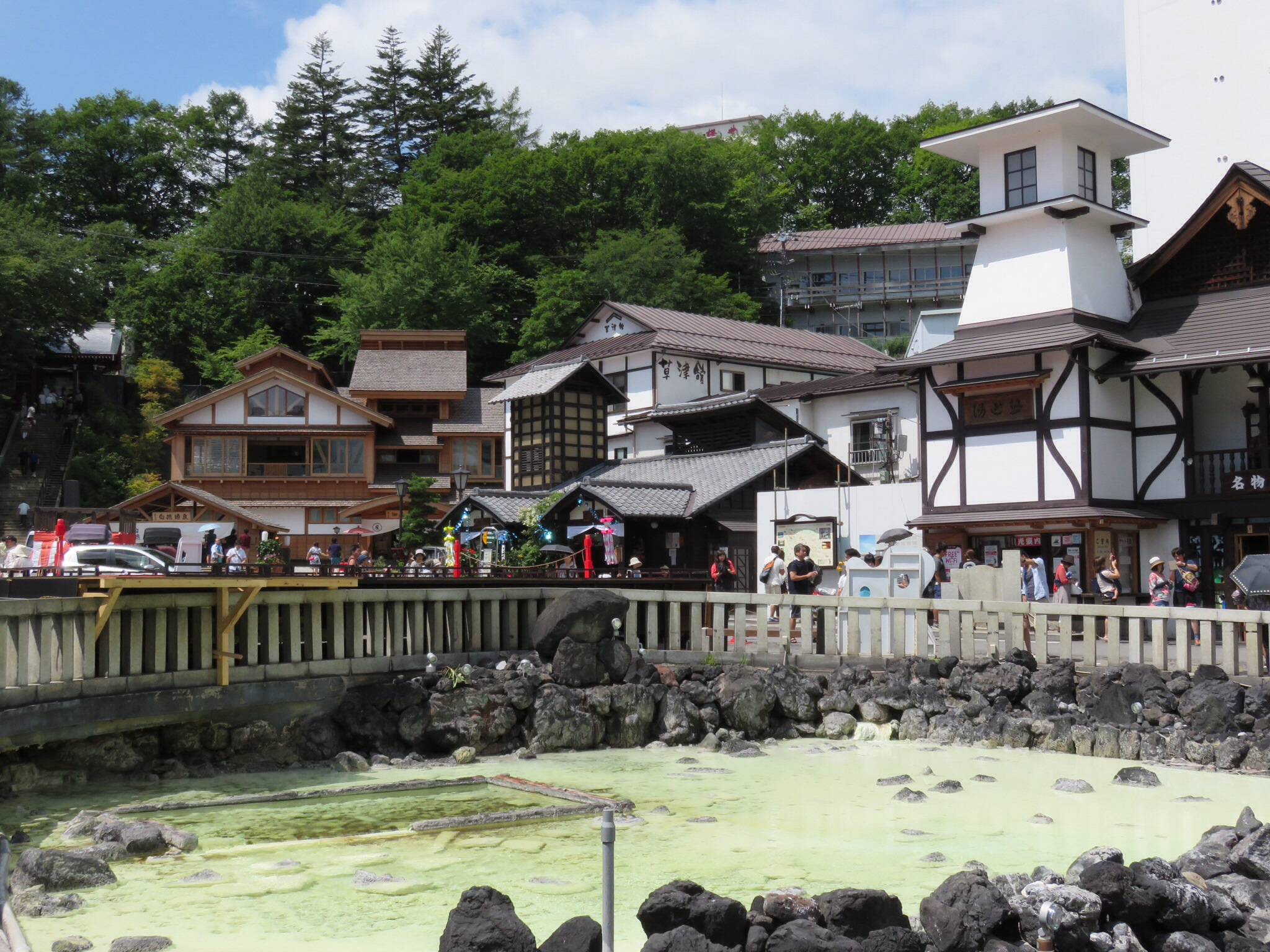
A mountain town where extremely hot spring water arrives in such volume that it is cooled in open wooden channels running down the centre of the town before anyone can use it.
Cooling it by stirring with long paddles became a performance in its own right. Kusatsu is the geothermal town whose central square exists to bring the water temperature down.
3. Rotorua, New Zealand
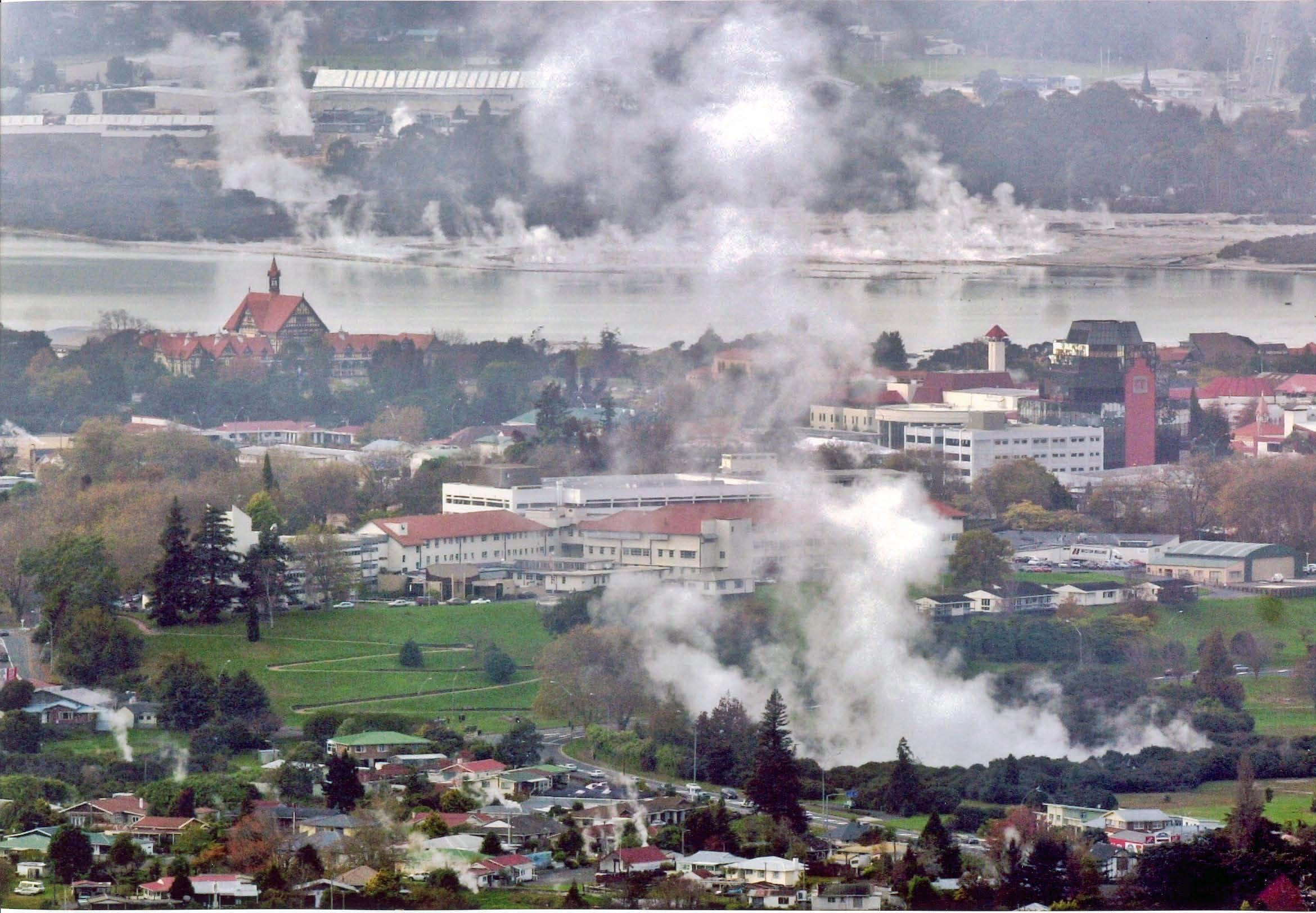
A geothermal field sitting inside a town, with steaming ground, mud pools and vents in public parks and residential streets.
Maori communities there have long-established practice using the heat for cooking and bathing. Rotorua is the geothermal settlement where the vents are in the park.
4. Larderello, Italy
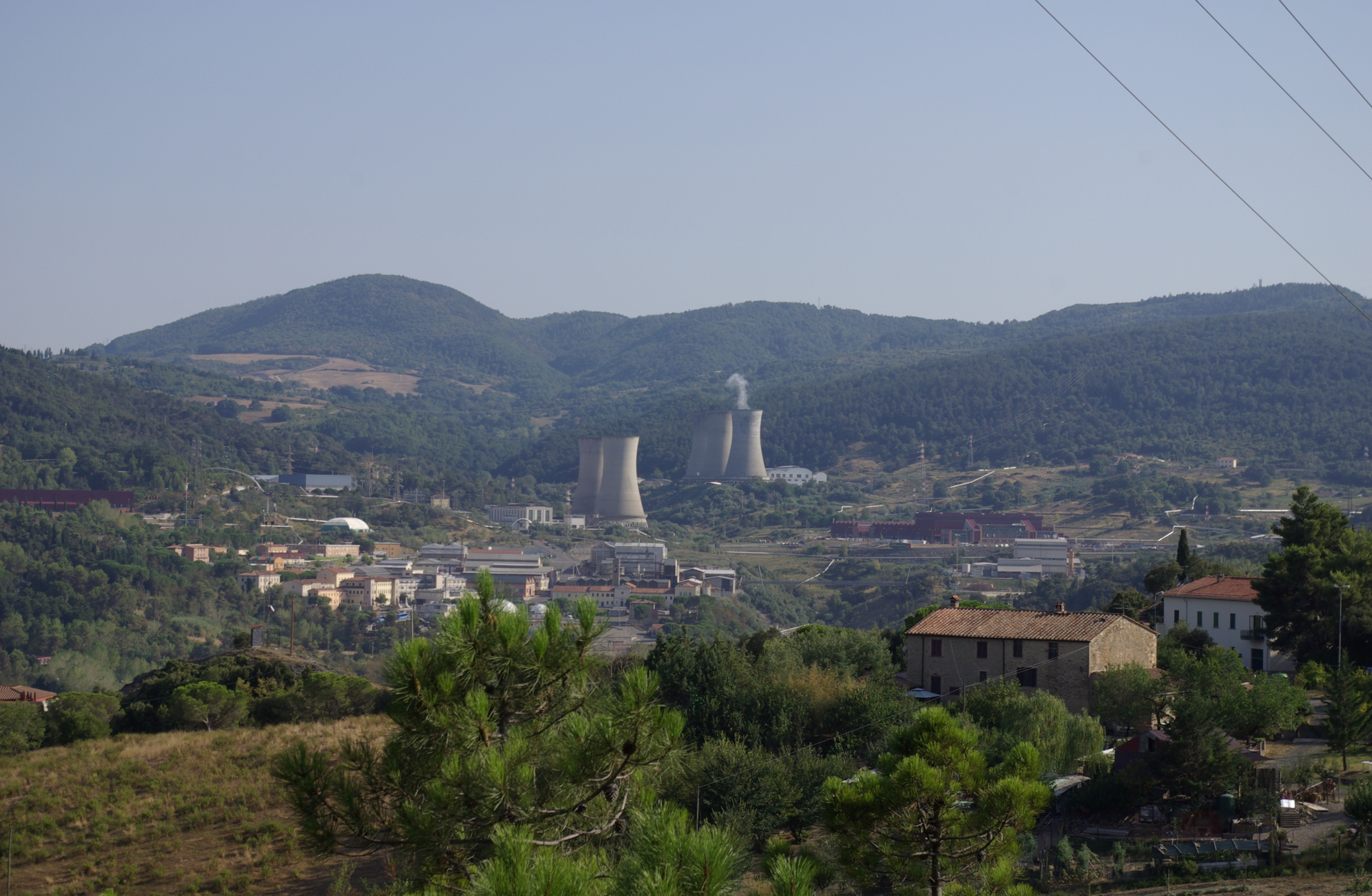
A small Tuscan settlement where geothermal steam was first used to generate electricity in the early twentieth century, and where generation continues.
It is the origin point of an entire branch of power production. Larderello is the geothermal town that produced the first electricity from the ground.
5. Hveragerdi, Iceland
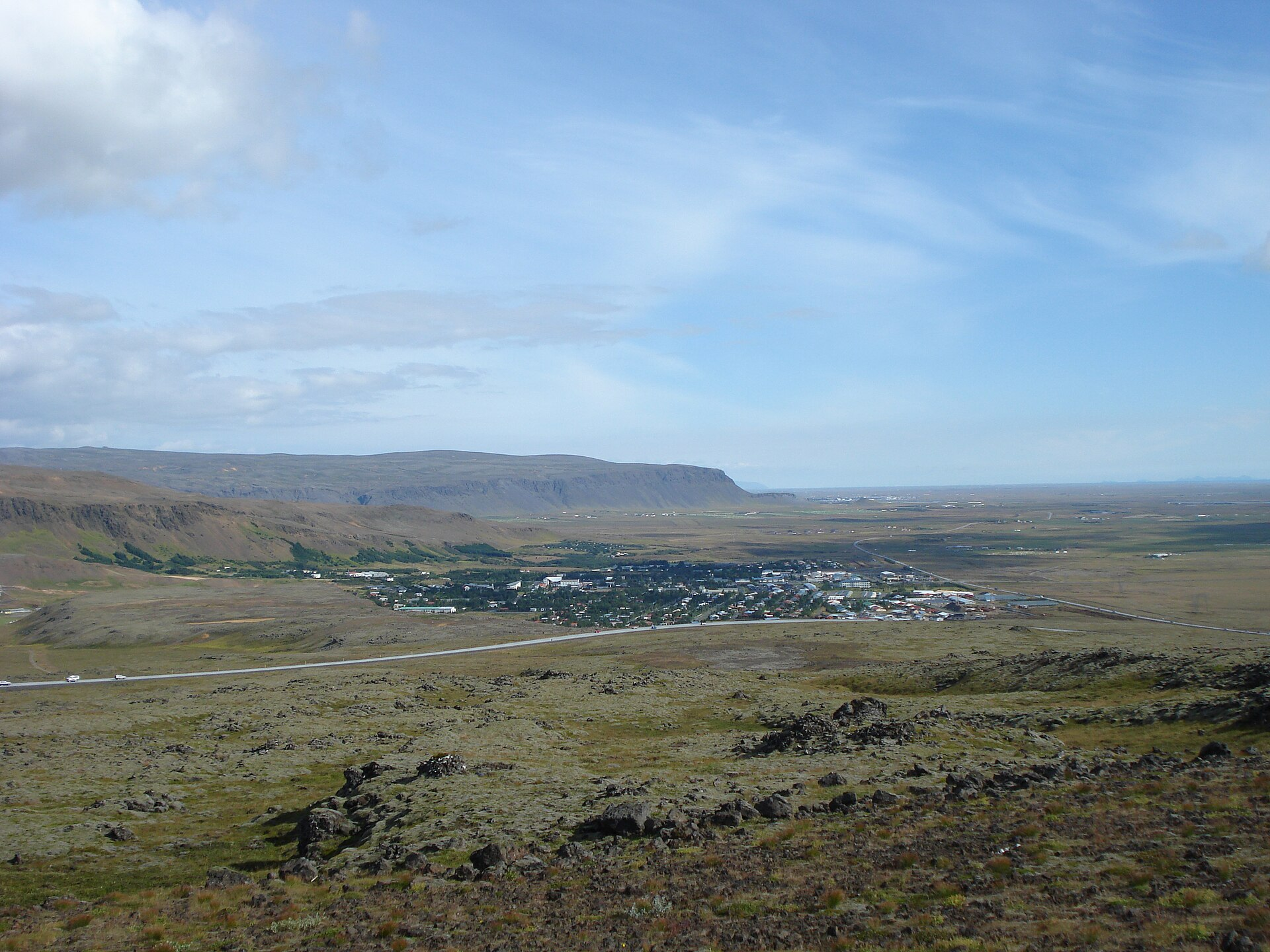
A town built directly on a geothermal field, with steam vents in the middle of the settlement and greenhouses growing produce that has no business being grown at that latitude.
Bananas grown in Iceland are the standard example. Hveragerdi is the geothermal town where the heat is used to farm.
6. Chaudes-Aigues, France
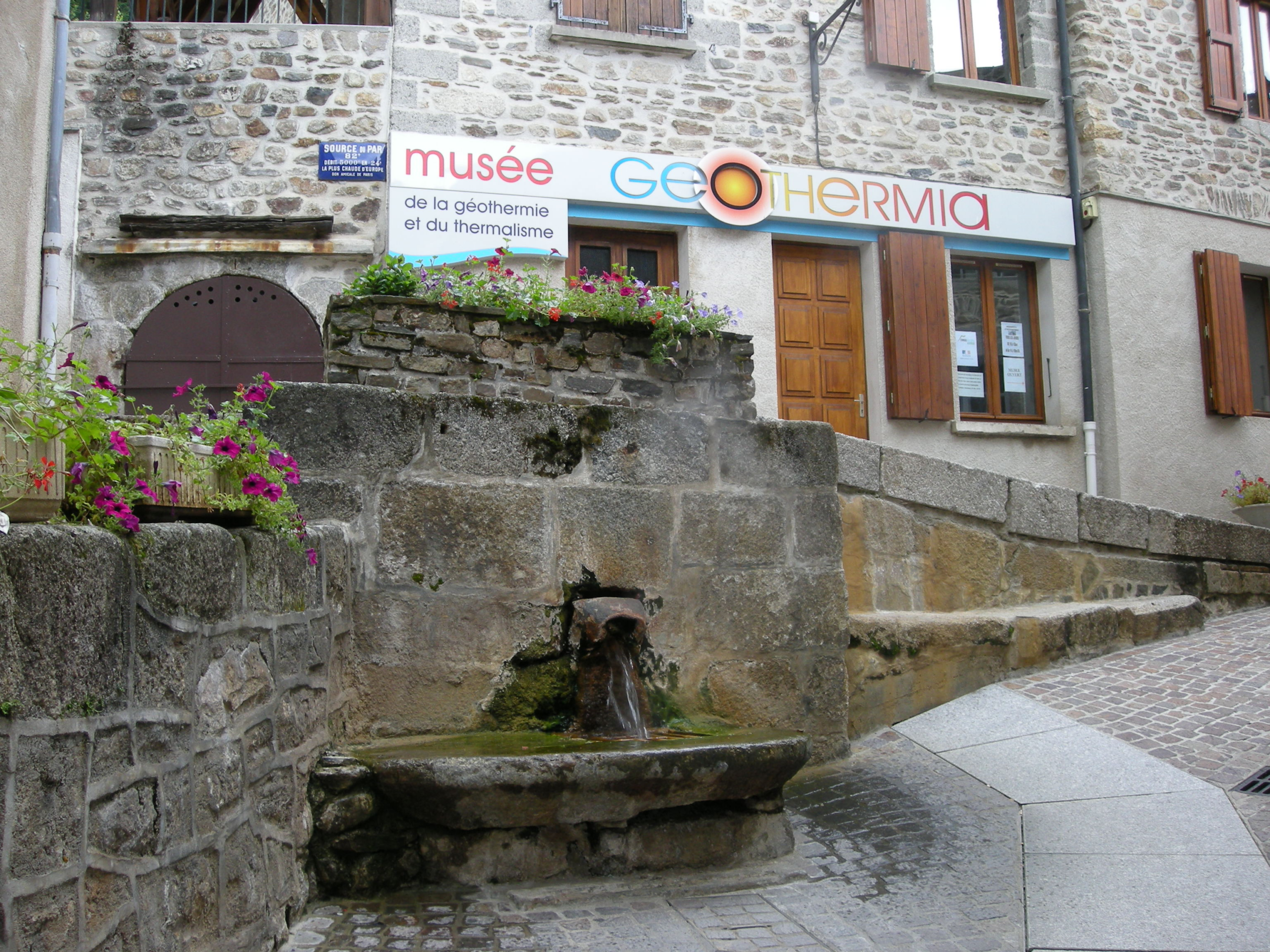
A small French town supplied by spring water hot enough that it has been used to heat buildings since medieval times, in what is claimed as one of the earliest district heating systems anywhere.
The water arrives at a temperature that requires no assistance. Chaudes-Aigues is the geothermal town that has been piping heat for centuries.
7. Furnas, Azores
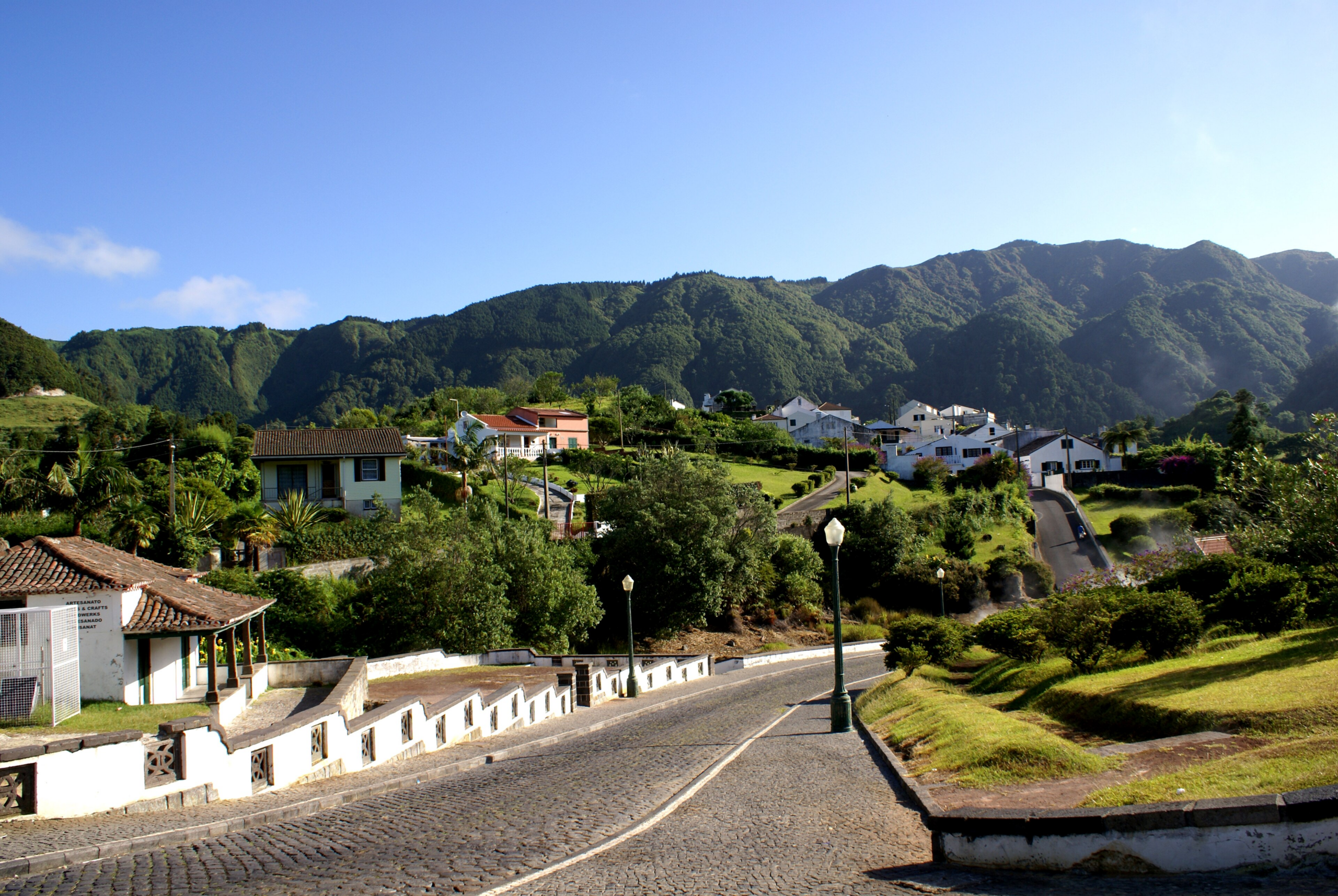
A village in a volcanic caldera where a stew is cooked by burying the pot in the ground for several hours and retrieving it.
The cooking method is a local institution rather than a demonstration. Furnas is the geothermal settlement where the ground is the oven.
8. Budapest, Hungary
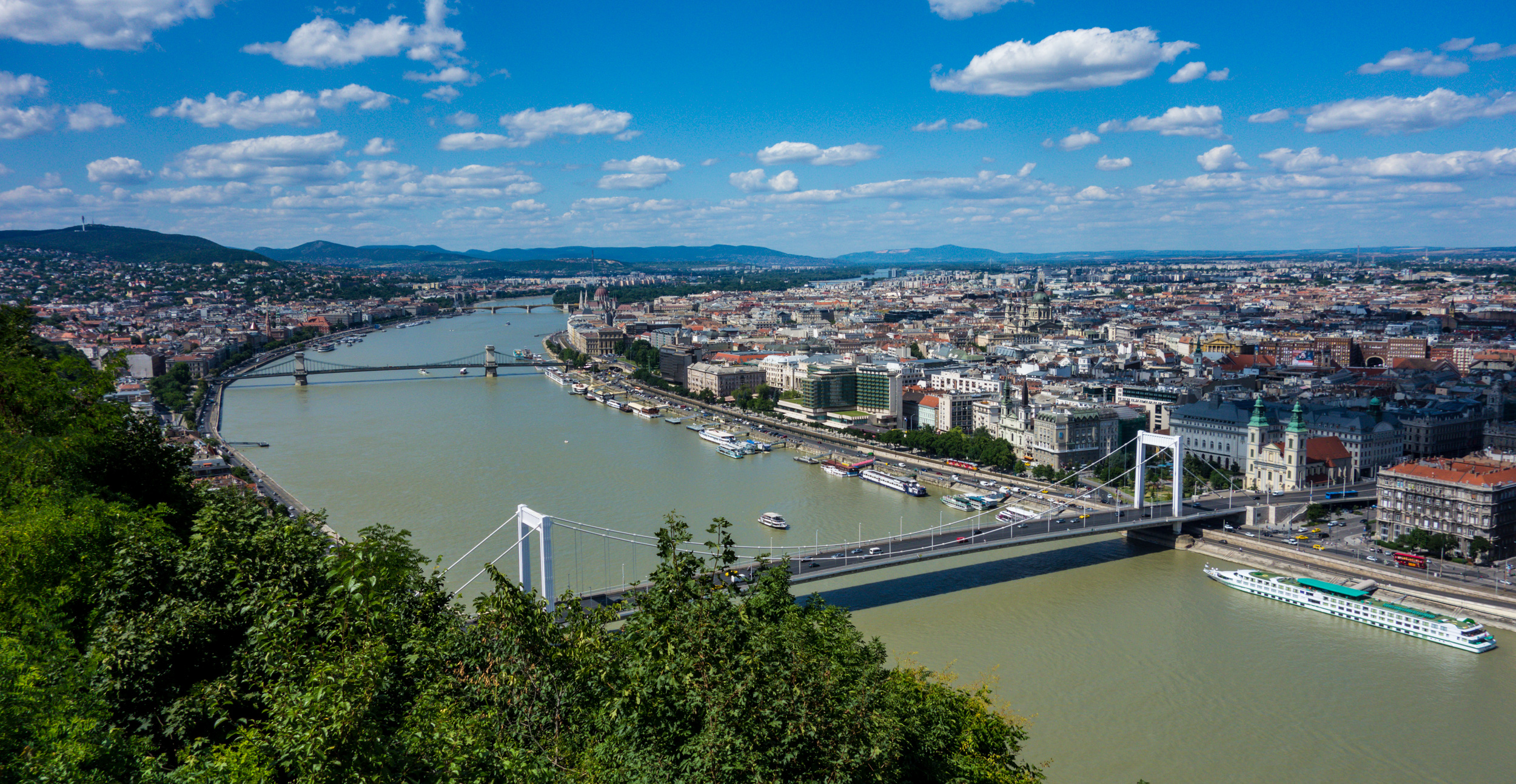
A capital city sitting above a substantial supply of thermal water, with large historic bath complexes fed directly from springs beneath it.
The bathing culture is civic and everyday rather than exclusively touristic. Budapest is the geothermal city where the springs are under a capital.
9. The Travertine Terrace Towns
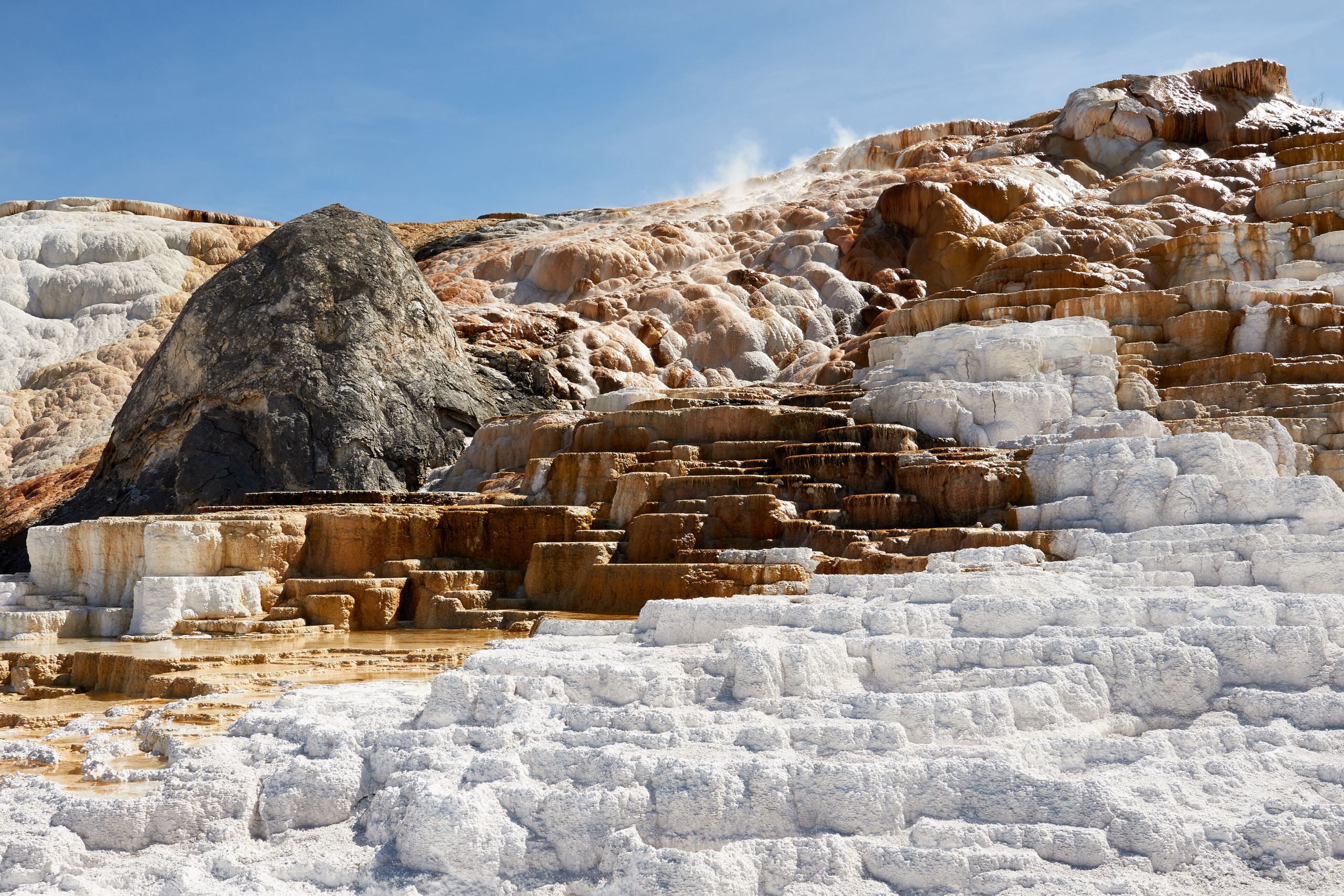
Where spring water carries dissolved minerals, it deposits them as it cools, building white terraces and pools over centuries directly beside the settlements that grew up around them.
Access is frequently restricted now to protect the formations. The terrace towns are the geothermal settlements where the water builds the landscape.
10. The Andean Thermal Valleys
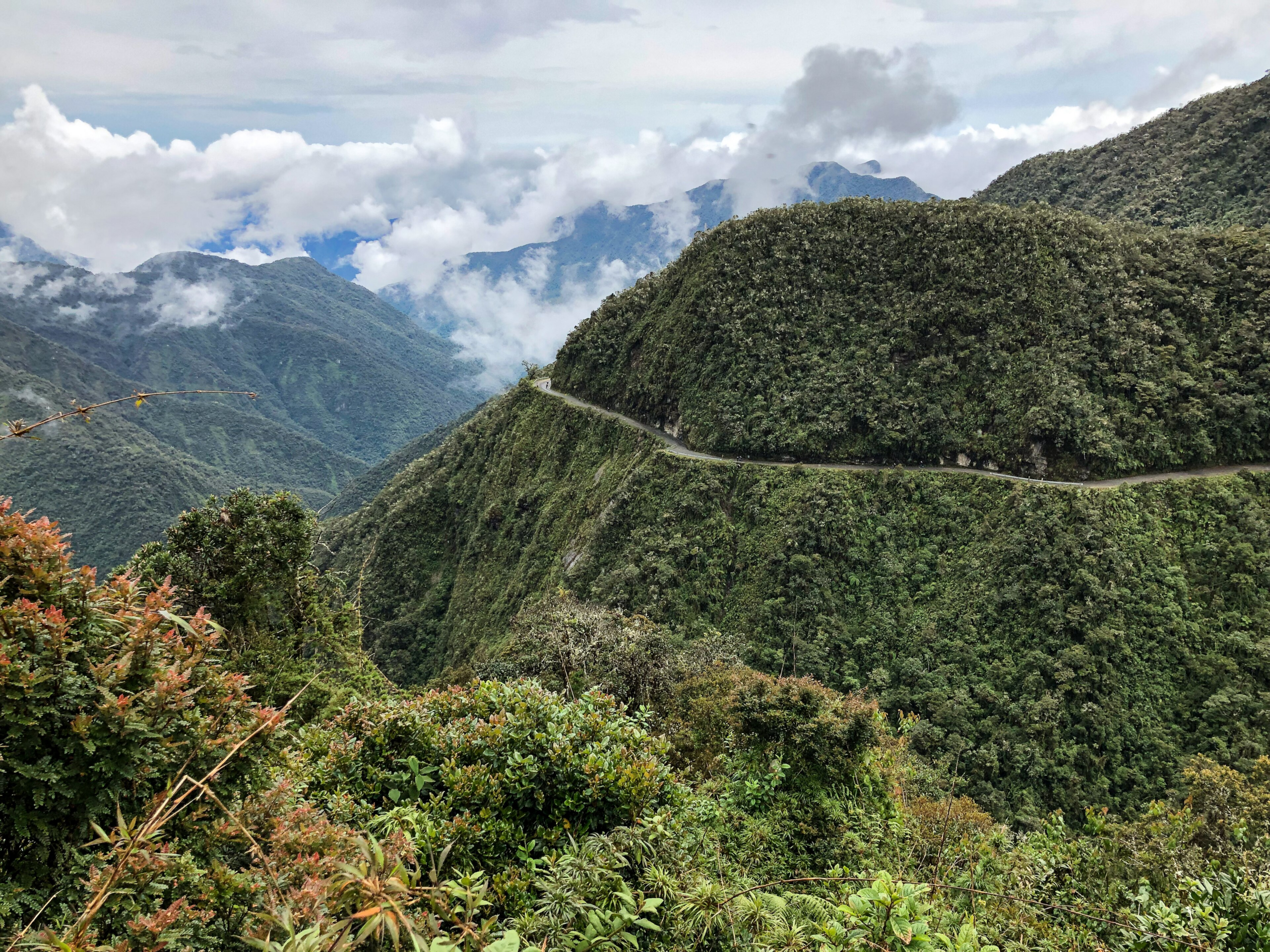
High-altitude valleys in Chile and neighbouring countries hold springs used by local communities long before any road reached them.
Getting there is generally a substantial undertaking. The Andean thermal valleys are the geothermal sites that remain hardest to reach.
Heat That Simply Arrives
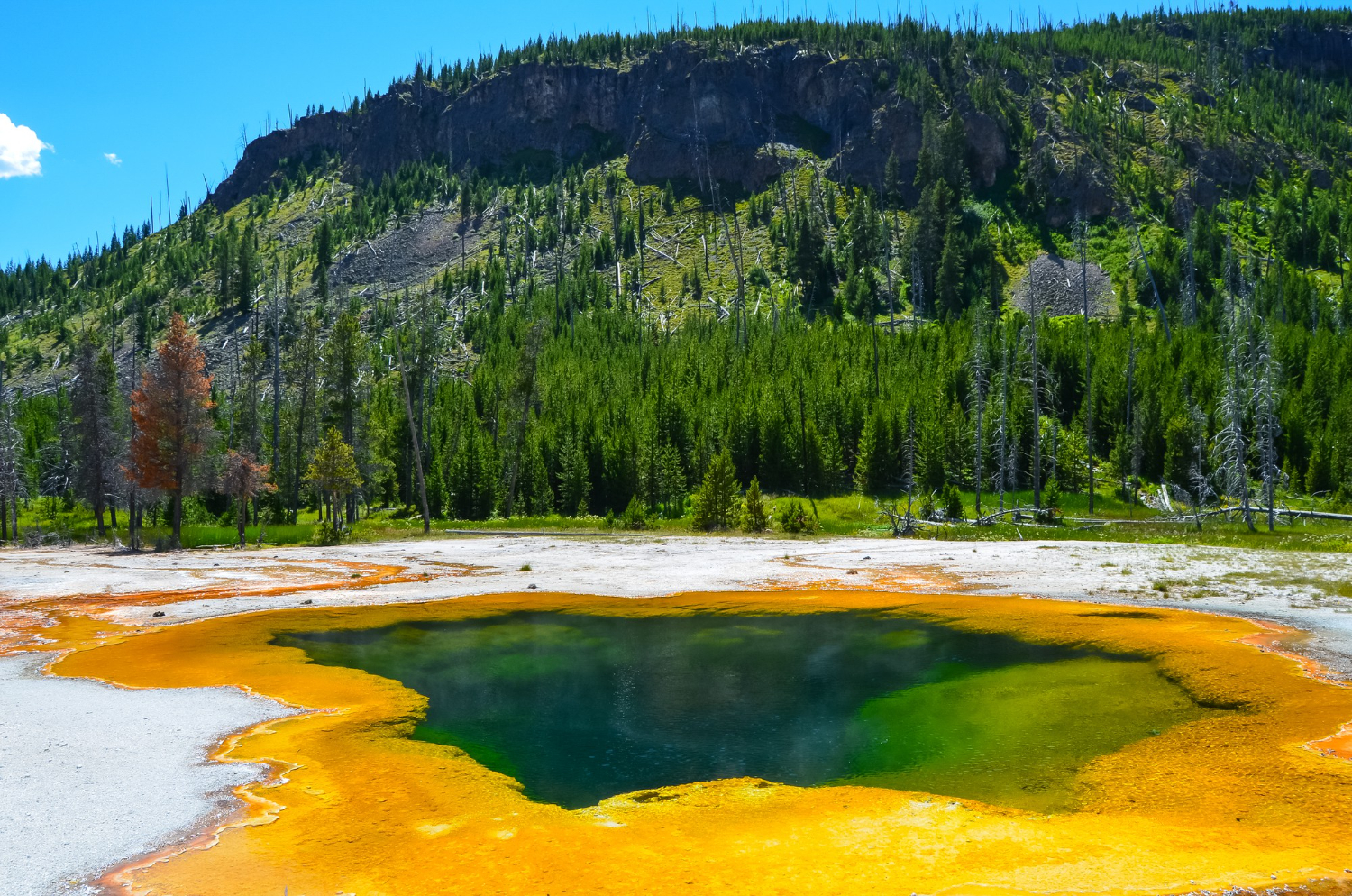
The recurring pattern is that a community with unlimited low-grade heat finds the same uses for it – warmth, washing, cooking and growing – regardless of where in the world it happens to be.
One necessary caution: geothermal ground is truly hazardous. Crust can be thin, water can be at boiling point, and gases collect in hollows. Marked paths and barriers exist for specific reasons rather than as suggestions, and every site with a good safety record has one because somebody worked out where it was safe to walk. Follow the local guidance without improvising.
Like our content? Follow us for more.