Once you can name the mechanism, the failures become predictable rather than mysterious. Almost every sauce disaster is one of four things going wrong. Here are fifteen.
1. Roux-Thickened Sauces
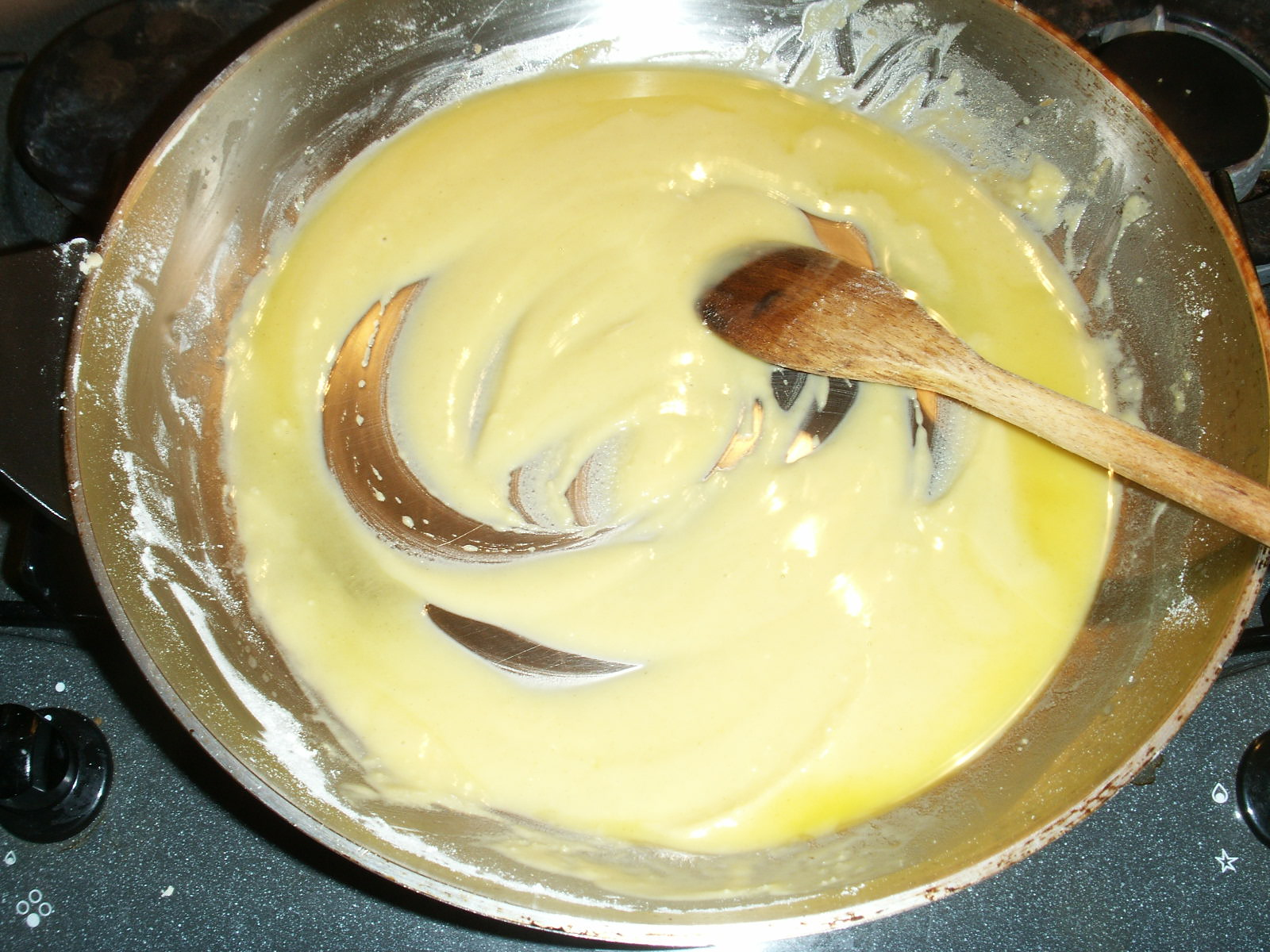
Flour cooked in fat, then liquid added gradually. The starch granules swell and thicken the liquid, and how long the roux was cooked first determines both the colour and how much it will thicken.
A darker roux tastes better and thickens less, which is a trade rather than an improvement. Roux sauces are the ones where cooking the thickener longer makes it weaker.
Like our content? Follow us for more.
2. Reductions
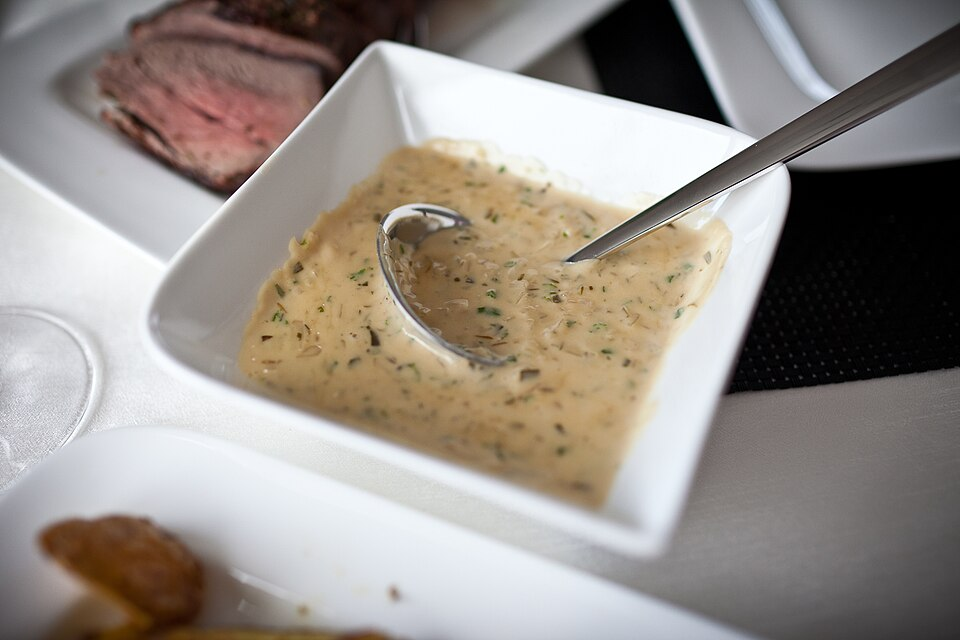
No thickener at all. Liquid is simmered until water evaporates, concentrating everything dissolved in it until the sauce has body of its own.
It cannot be hurried and it cannot be undone, so seasoning goes in at the end. Reductions are the sauces thickened by removing something rather than adding anything.
3. Warm Egg-Yolk Emulsions
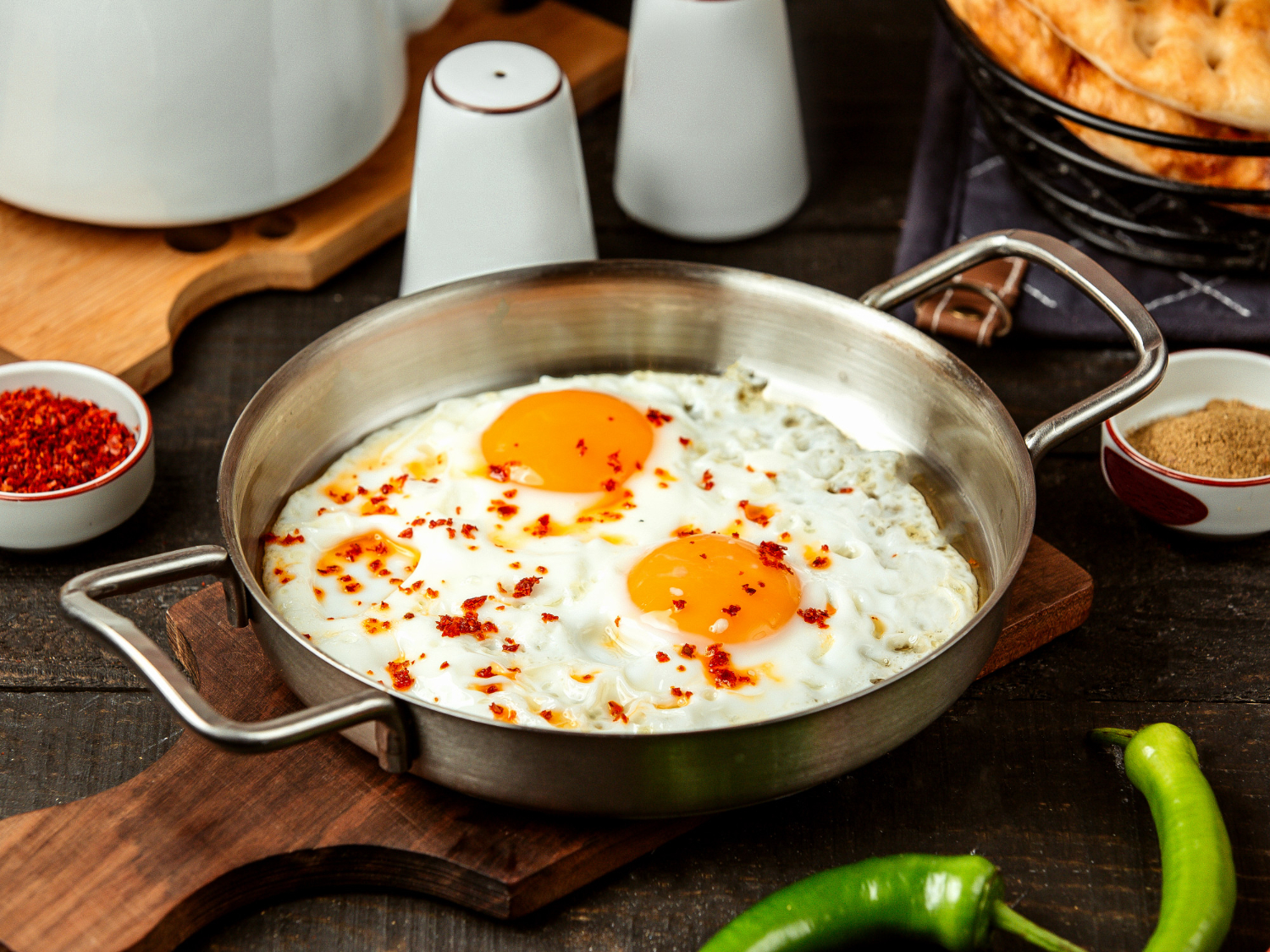
Butterfat suspended in a small quantity of acidic liquid, held together by compounds in the egg yolk, kept warm enough to stay fluid and cool enough not to scramble.
The temperature window is narrow, which is why this is the sauce people are most frightened of. Warm yolk emulsions are the sauces balanced between two failures.
4. Cold Egg Emulsions
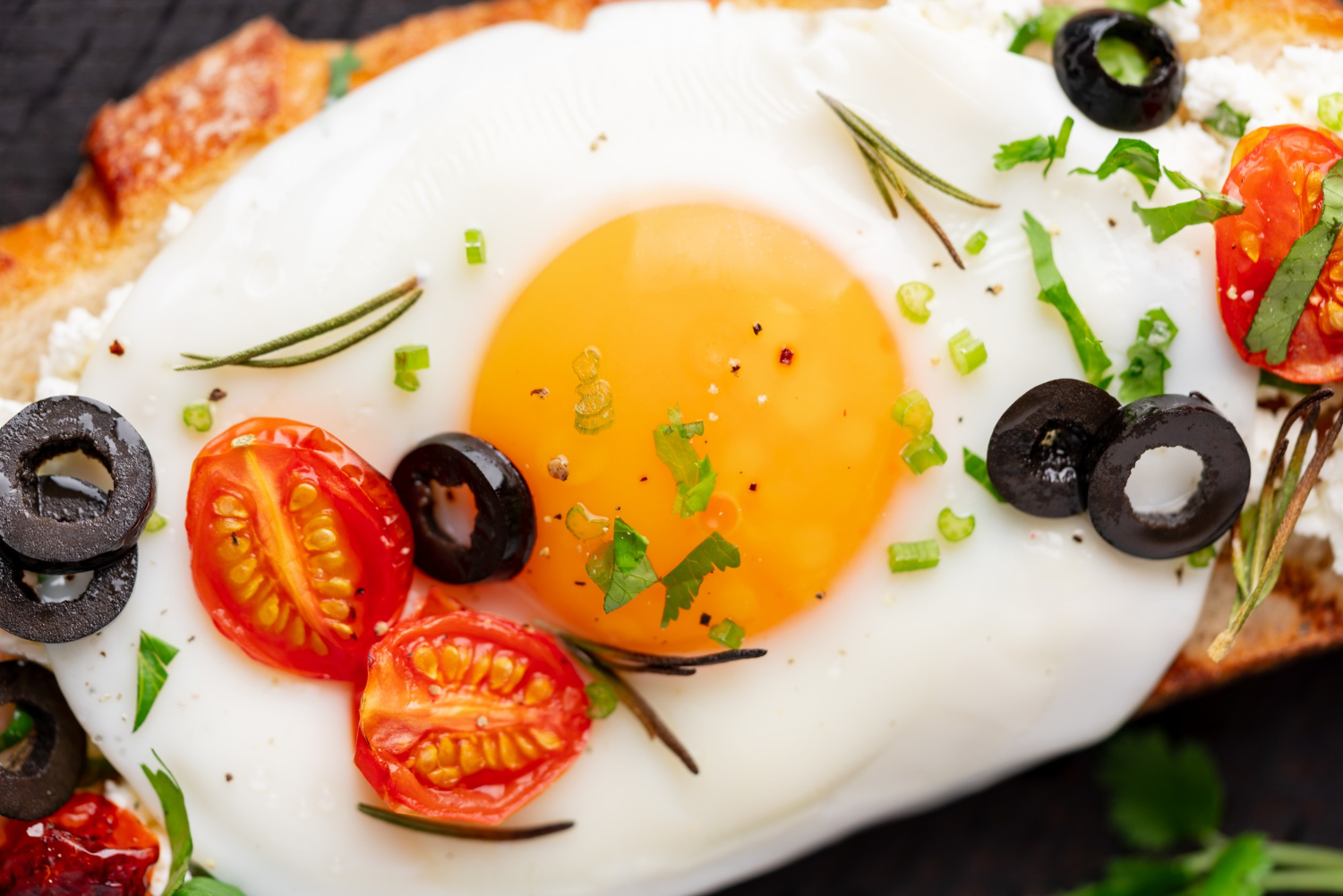
The same mechanism performed cold, with oil added slowly enough that the yolk can suspend it as droplets rather than letting it pool.
Adding the oil too fast is the only common way to fail. Cold yolk emulsions are the sauces where the pouring speed is the entire technique.
5. Starch Slurries
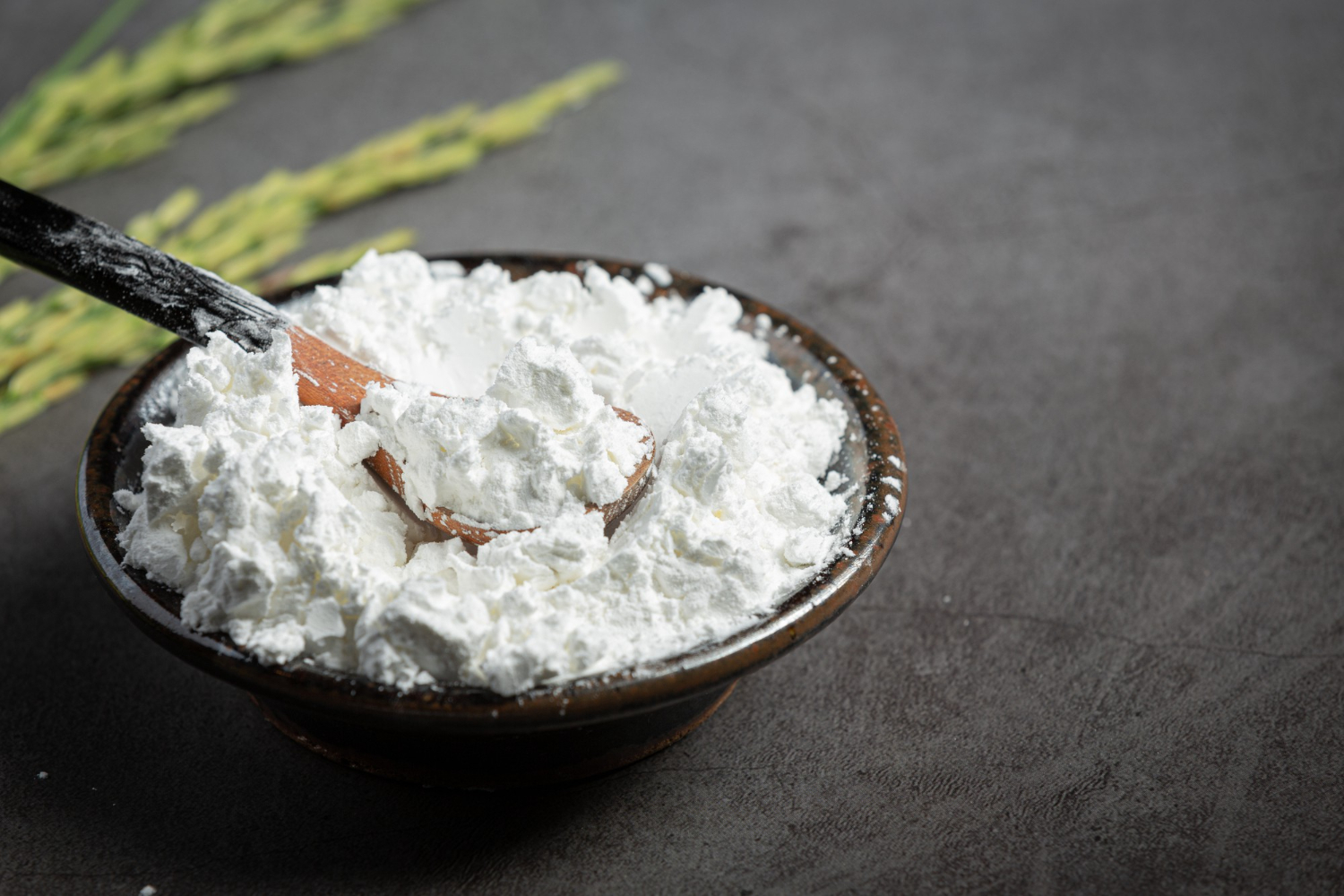
A little starch mixed into cold liquid and stirred into a hot one at the end, thickening on contact without the flour taste of a roux.
It must go in cold or it forms lumps immediately. Starch slurries are the sauces thickened at the last possible moment.
6. Pan Sauces From Deglazing
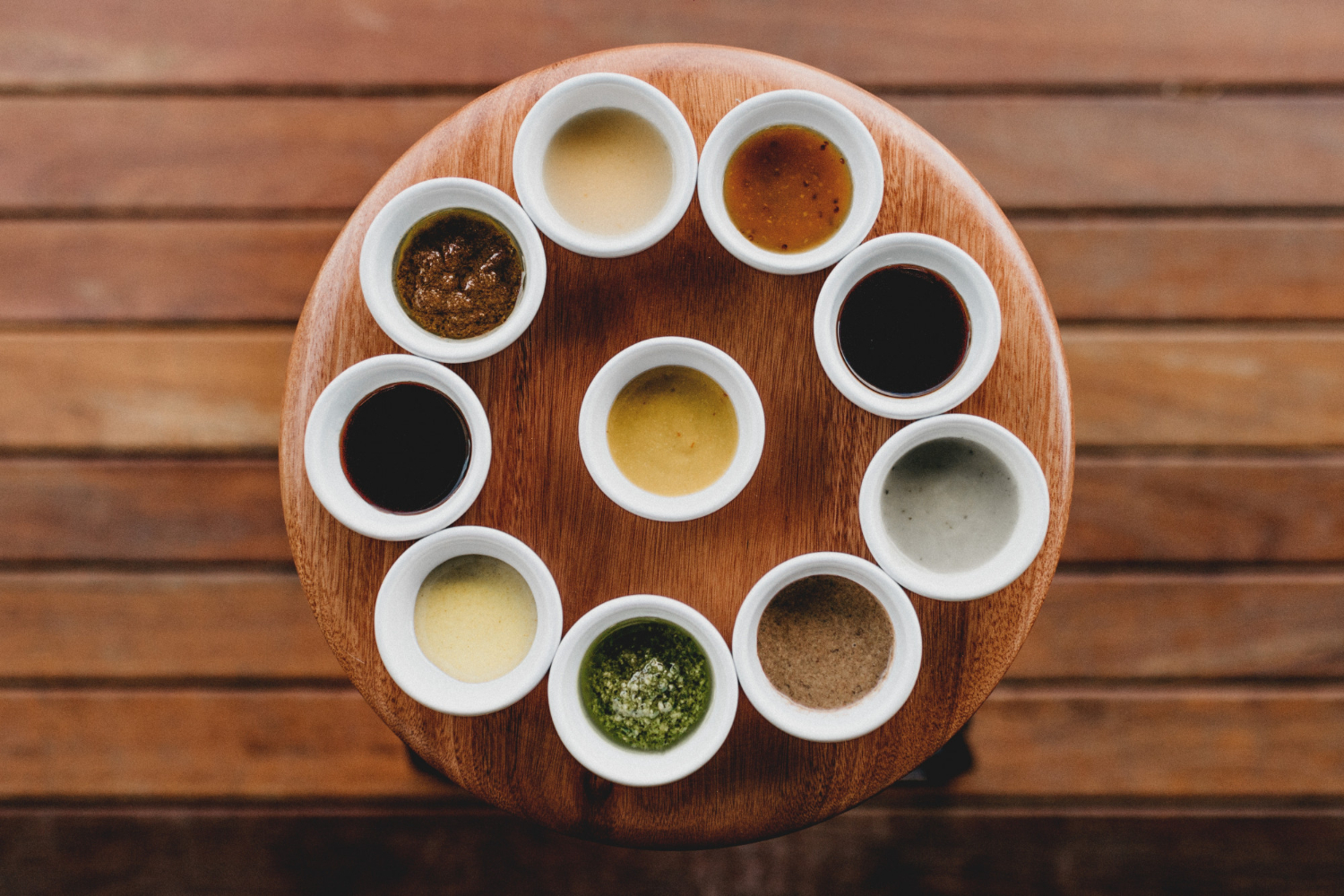
Liquid added to a pan after frying, dissolving the browned residue stuck to the base, which contains most of the flavour developed during cooking.
Discarding that pan is discarding the sauce. Deglazed pan sauces are the ones made from what looks like something to be washed off.
7. Vinaigrettes
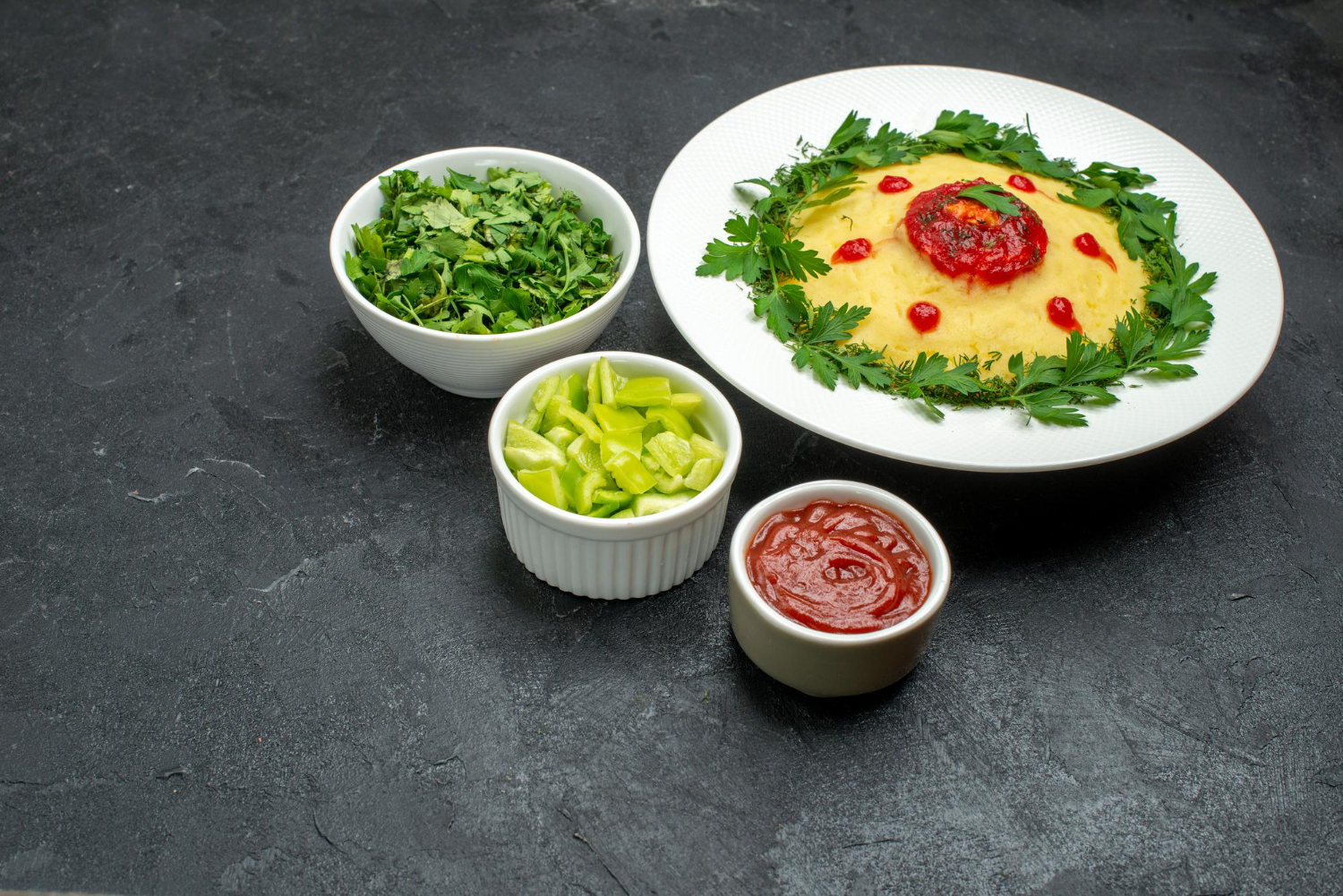
A temporary emulsion of oil and acid that separates within minutes unless something holds it together, which is why mustard is so frequently present.
Mustard is doing chemistry rather than adding flavour. Vinaigrettes are the sauces that need an ingredient purely to stop them coming apart.
8. Pounded Herb Sauces
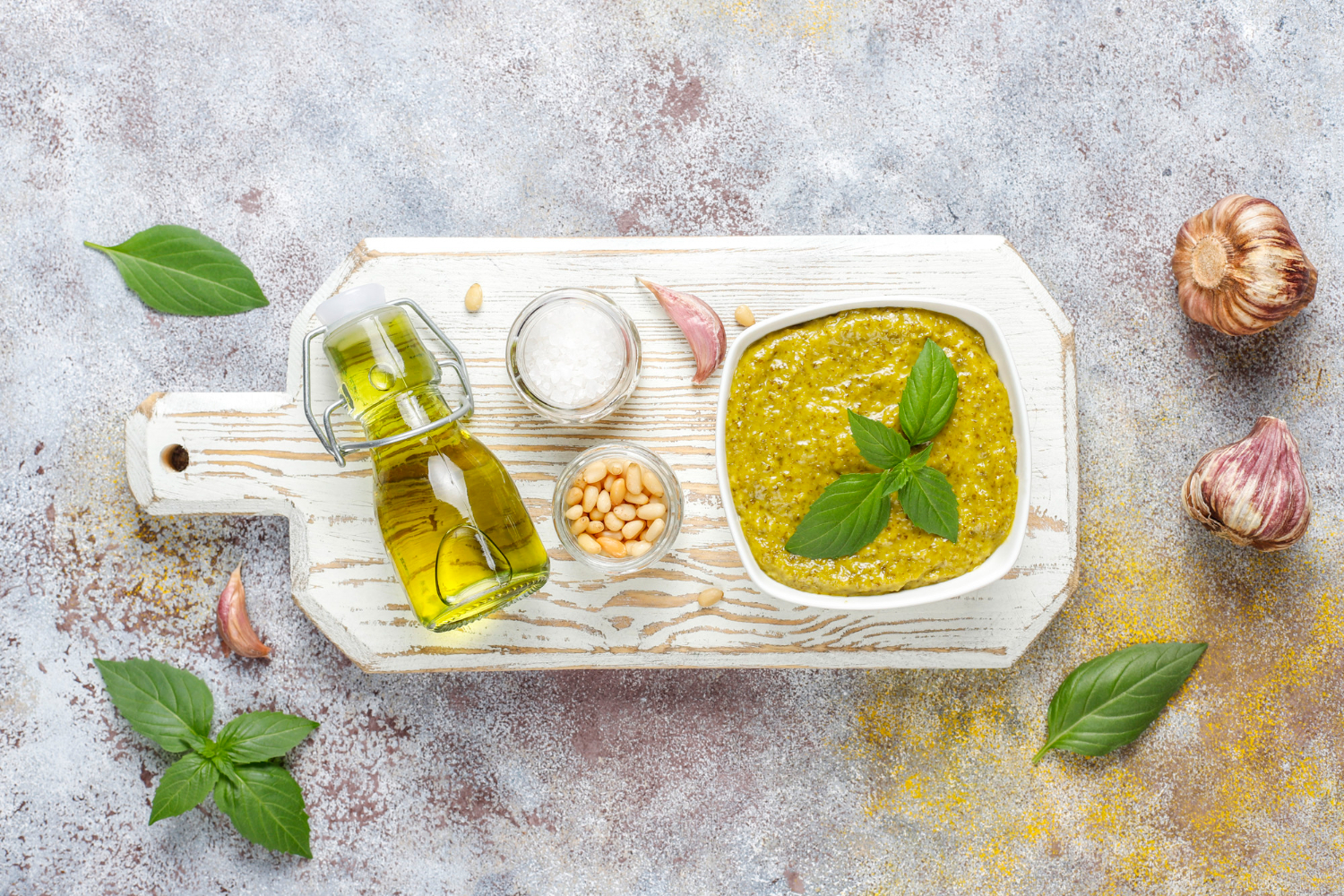
Herbs, nuts and oil worked together so the fat carries the aromatic compounds, which are largely fat-soluble and would be lost in water.
Pounding bruises rather than cuts, releasing more than a blade does. Pounded herb sauces are the ones where the tool changes the result.
9. Nut-Thickened Sauces
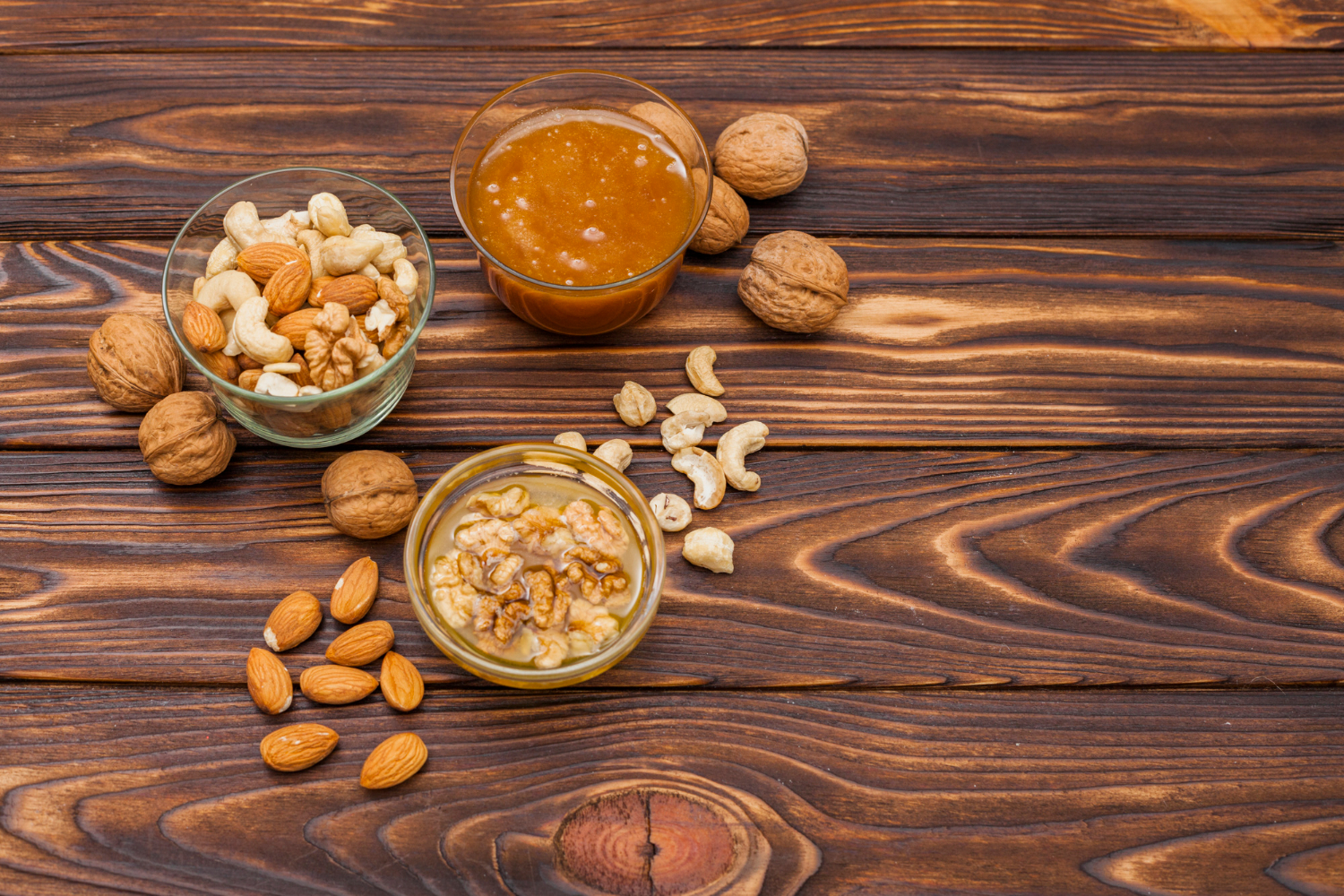
Ground nuts or seeds provide both body and richness, thickening a sauce without starch and without dairy, across a great many cuisines independently.
The grinding must be fine or the texture is gritty. Nut-thickened sauces are the ones where the thickener is also the main flavour.
10. Chilli and Fermented Pastes
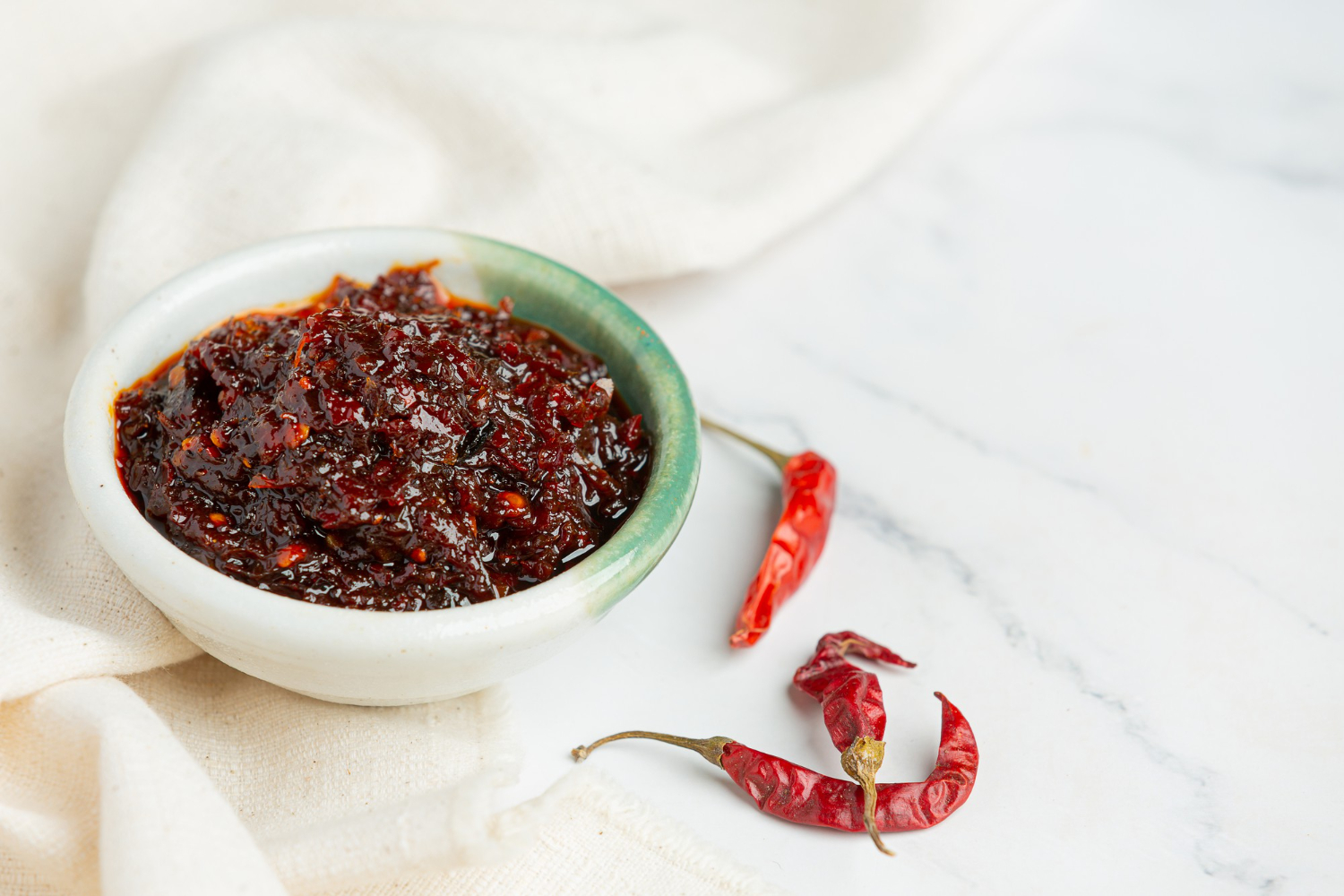
A concentrated base of chillies, salt and time, which supplies heat, salt and savoury depth simultaneously and needs only thinning to become a sauce.
The fermentation has done most of the work before cooking starts. Fermented pastes are the sauces that were finished months before you opened them.
11. Yoghurt and Cold Dairy Sauces
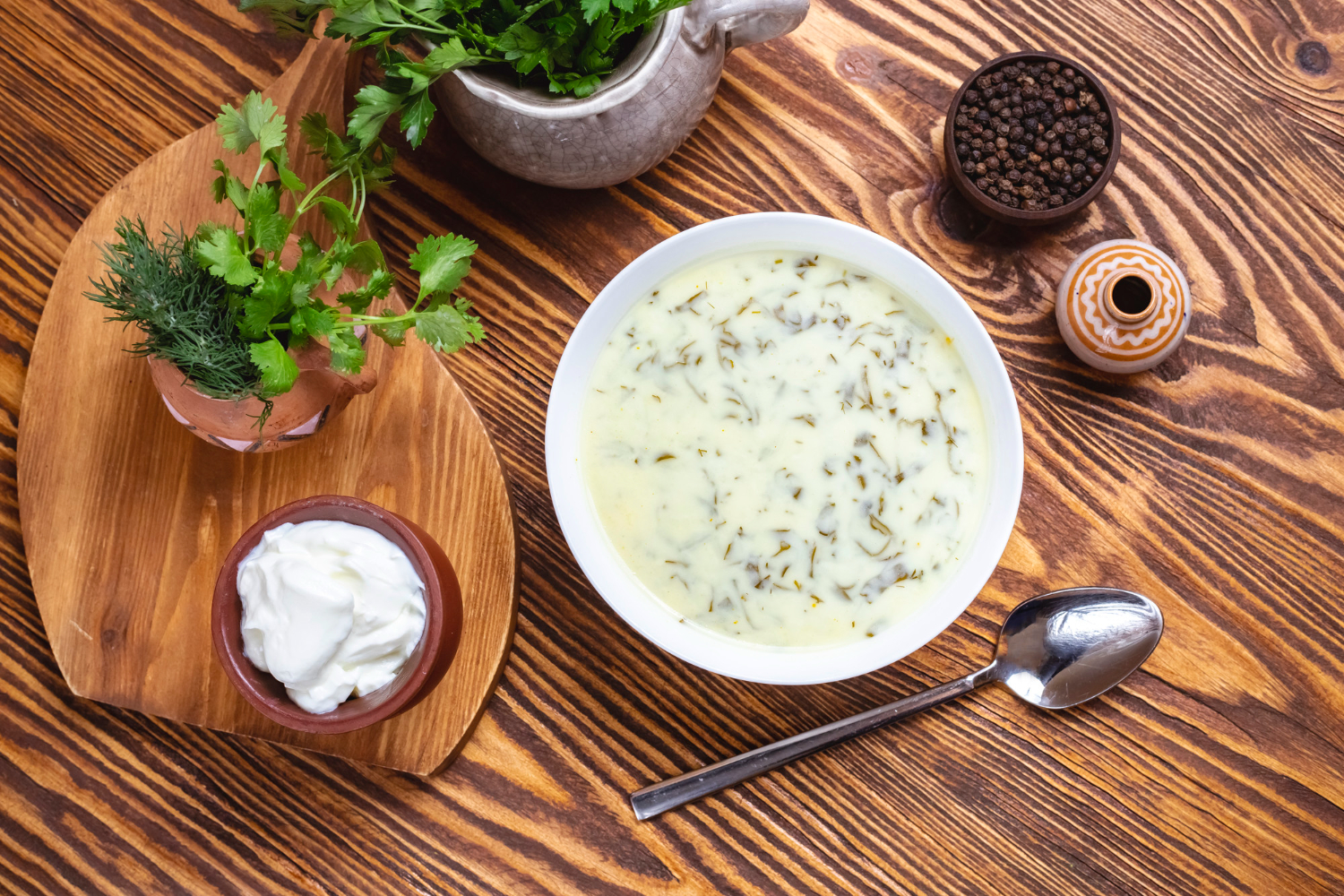
Acidity and thickness supplied by the dairy itself, with herbs, garlic or cucumber added and no cooking involved.
They split if heated, which is why they are served alongside rather than stirred in. Cold dairy sauces are the ones ruined by the pan.
12. Butter Emulsions With an Acid Reduction
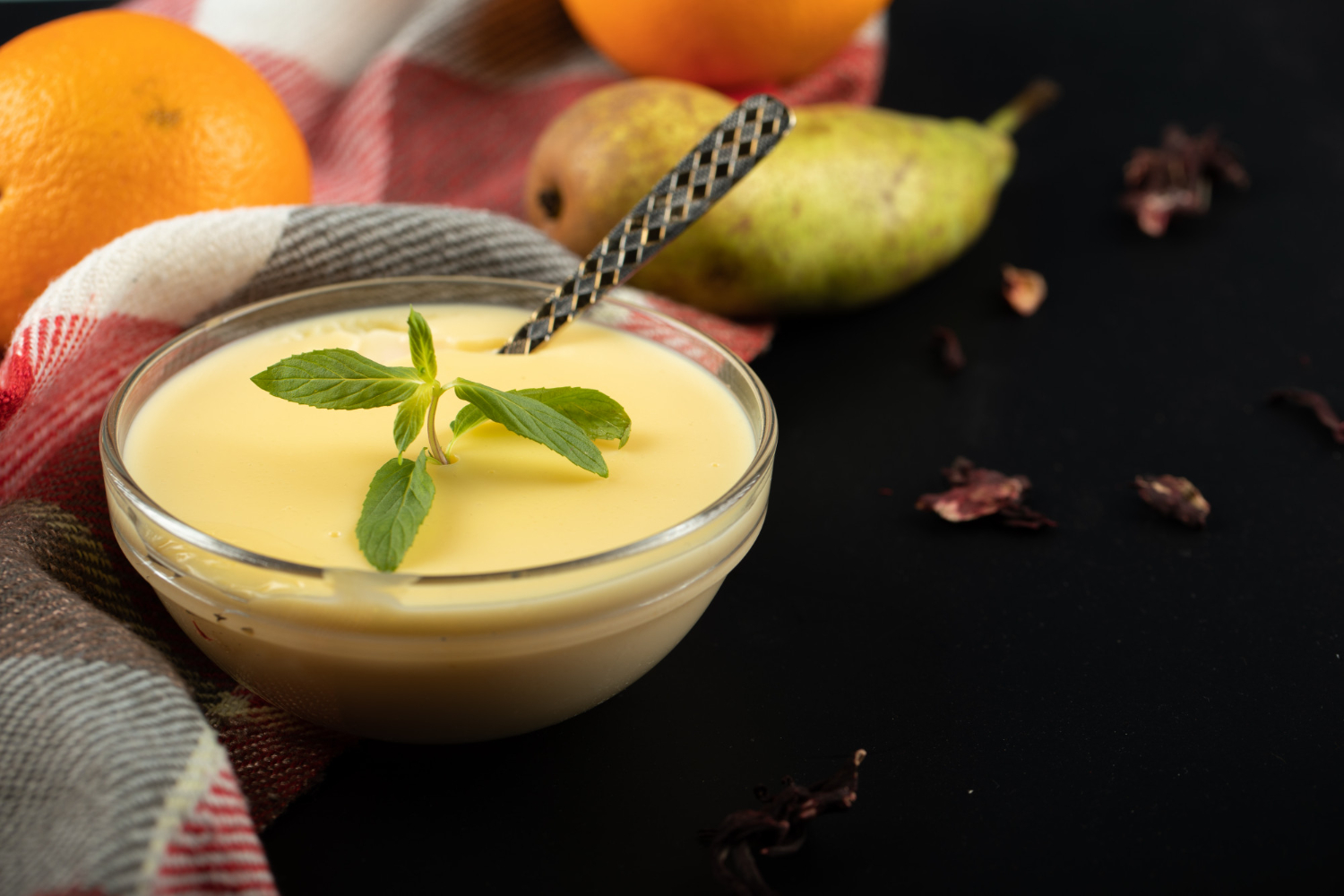
Cold butter whisked into a reduced acidic liquid, so the fat is held in suspension by what remains of the reduction rather than by egg.
It breaks if it gets too hot or is left standing. Butter emulsions are the sauces that must be made last and served immediately.
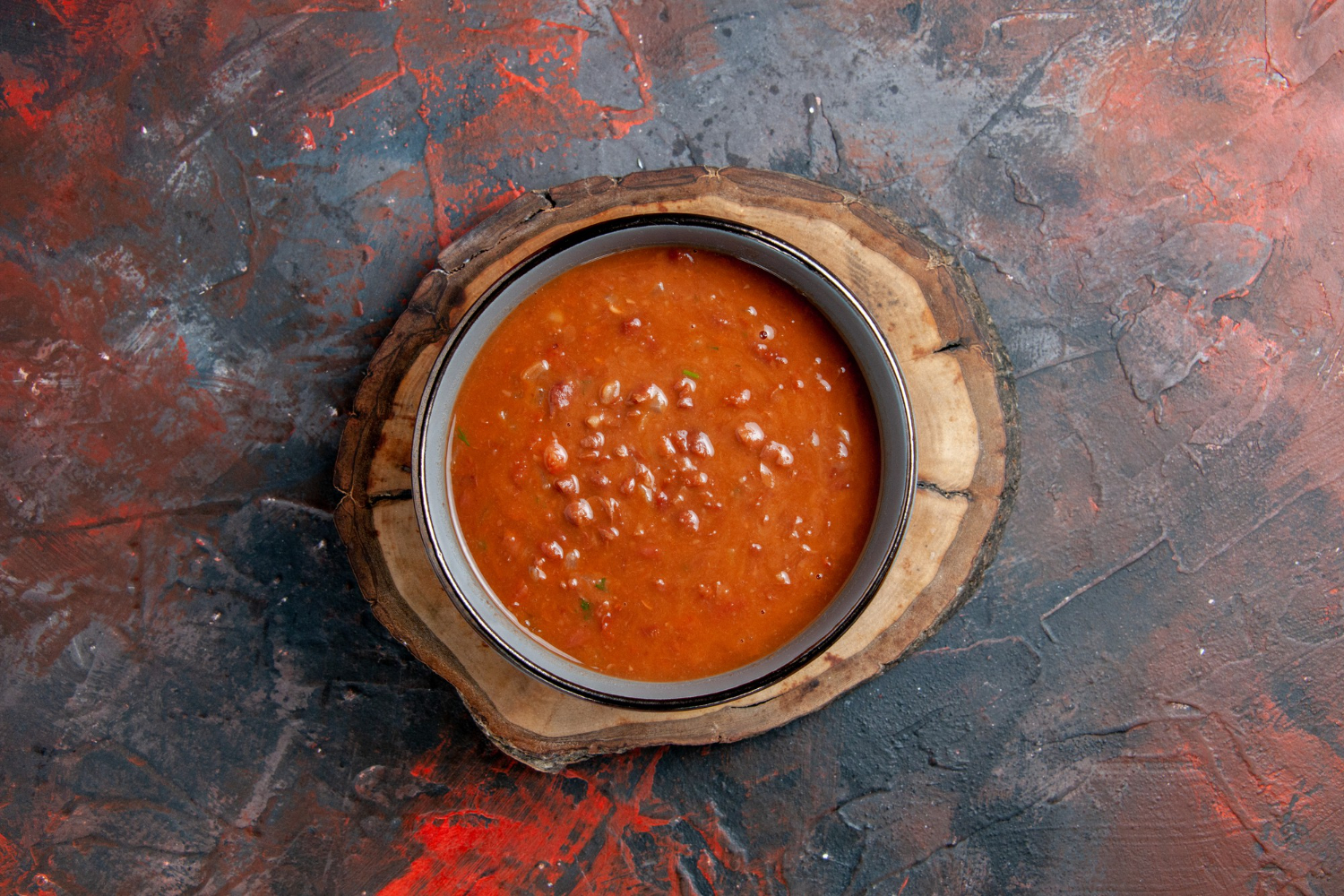
14. Tomato Reductions
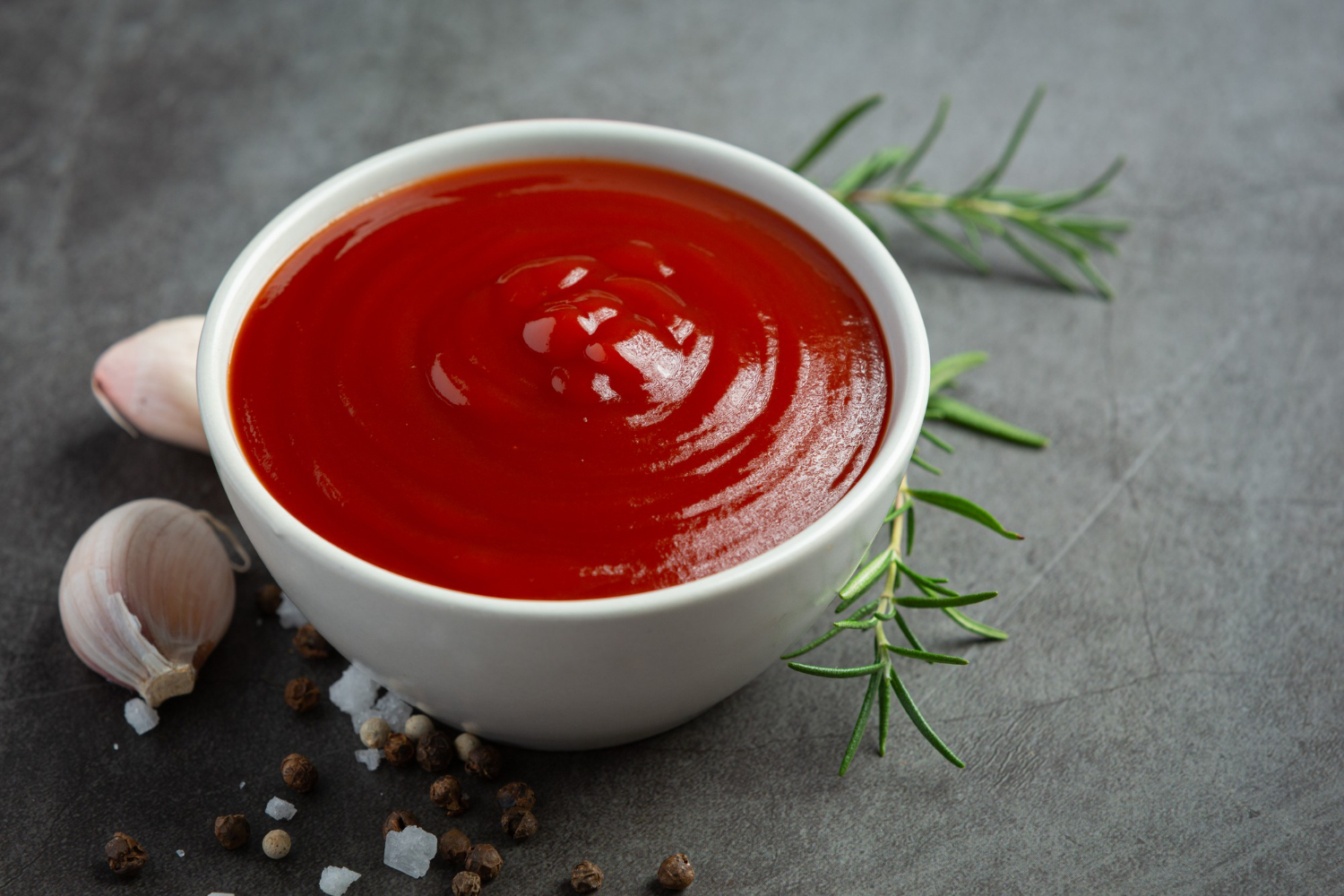
Tomatoes cooked until the water has gone and the sugars have concentrated, with the fruit supplying both the liquid and, eventually, the body.
Longer cooking is the entire method and there is no shortcut. Tomato sauces are the reductions where the ingredient thickens itself.
15. Gravy From Roasting Residue
The fat and browned juices left in a roasting tin, thickened with flour or starch and let down with stock, in the most direct possible use of what a roast leaves behind.
Its quality depends almost entirely on how well the meat browned. Gravy is the sauce whose success was determined an hour before anyone made it.
Four Mechanisms, Endless Variations
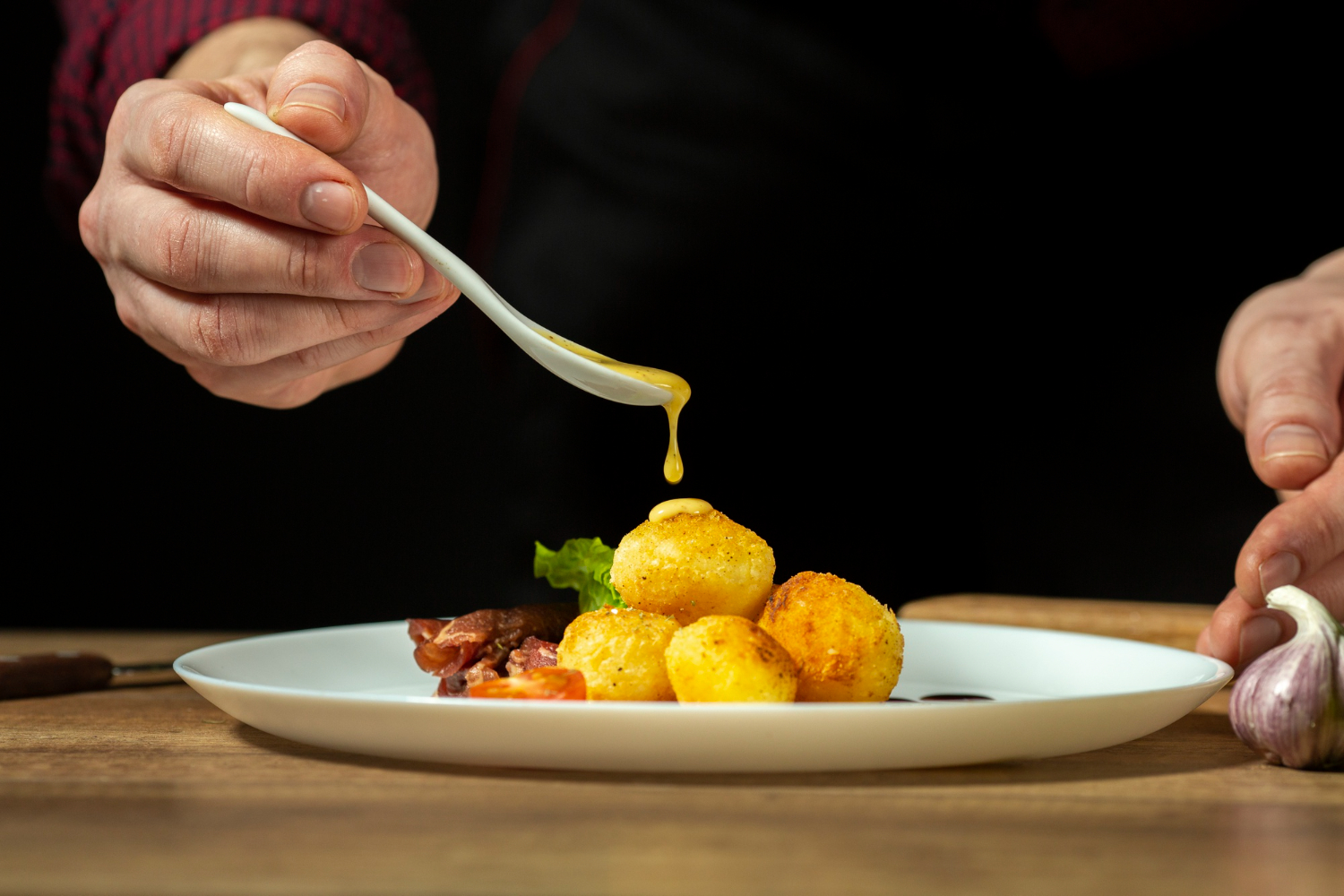
Starch, reduction, emulsion, or something ground into the liquid. Every sauce above is one of those four, and every classic failure is that mechanism being asked to do something it cannot.
The practical value of knowing the mechanism is diagnostic. A sauce that has gone grainy, split, thin or lumpy has done so for a reason that follows directly from how it was thickened, and once you can name the mechanism you can usually name the mistake without looking anything up.
Like our content? Follow us for more.