A shift starting at one in the morning and an oven nobody could switch off. Here are eleven.
1. The Baker Had Already Been There for Six Hours When You Arrived
Work started between midnight and two in the morning, because bread needs time and has to be ready when the shop opens rather than when the baker wakes up.
The shift is the whole reason this trade was difficult to staff and difficult to pass on. A business whose working day begins at one in the morning selects for a particular kind of person, and the arrival of par-baked frozen dough that can be finished at six is what finally broke the connection between a bakery and a nocturnal craftsman.
Like our content? Follow us for more.
2. Yesterday’s Bread Was Sold Cheap in the Afternoon and Everybody Knew the Hour
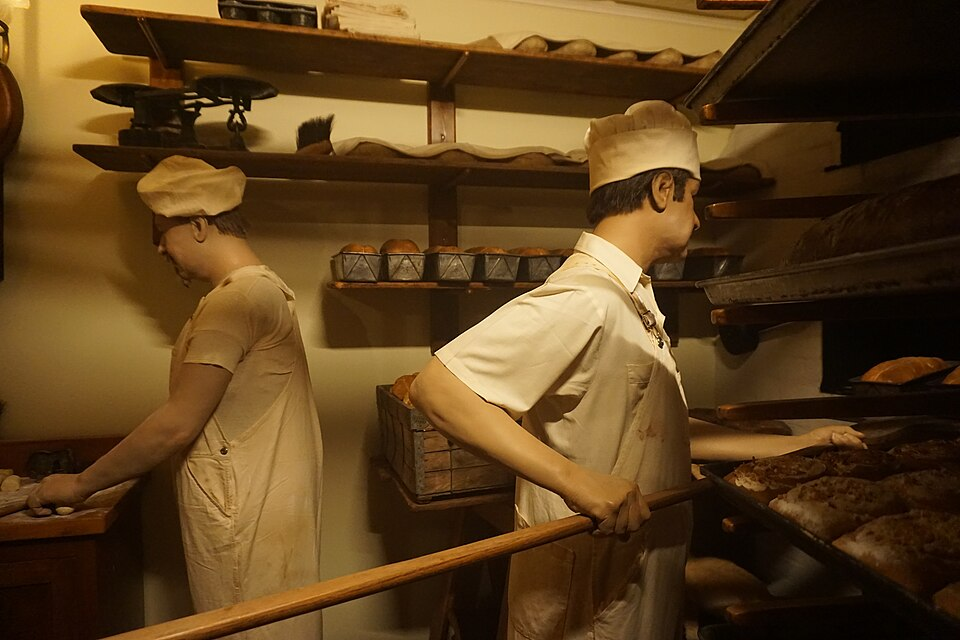
Unsold loaves were marked down at a set time, and a predictable group of customers arrived for exactly that.
Day-old selling was a real and respectable part of the trade rather than an embarrassment, and the fixed hour mattered: it let the baker clear stock without undercutting the morning price, and it let households who needed the cheaper loaf buy it without anybody having to discuss why.
3. The Bread Was Not Sliced Unless You Asked, and the Machine Was in the Shop
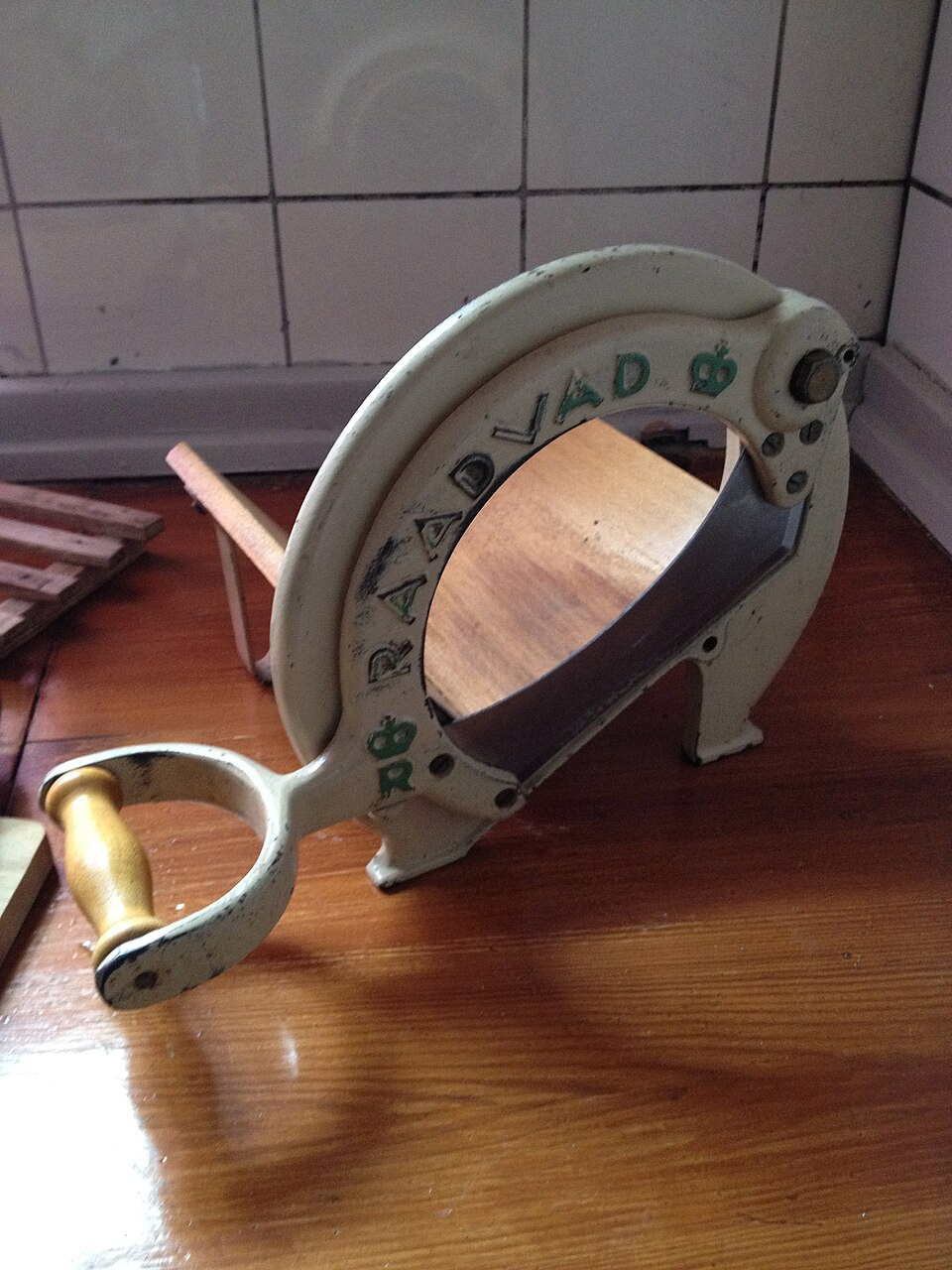
A floor-standing slicer with a bank of blades sat behind the counter, and a loaf went through it while you waited if that was what you wanted.
Having the slicer in the shop rather than the factory is the detail that separates this era from the next. Pre-sliced wrapped bread was a factory product, and a bakery that sliced to order was selling something that could not be stocked in advance – which is the whole difference between a bakery and a bread aisle.
4. Cakes Were Decorated by Hand in Front of a Window Onto the Street
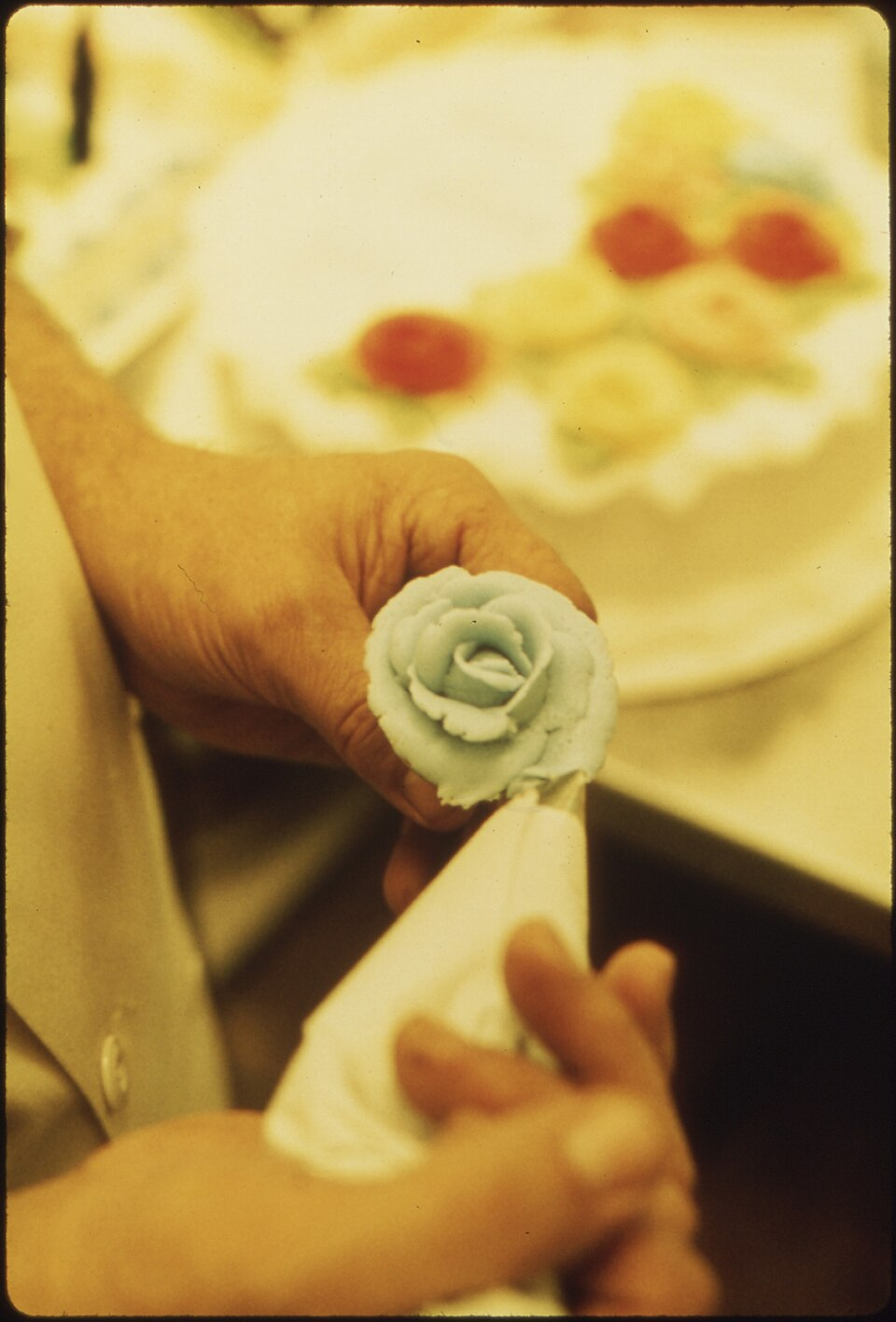
A decorator worked with piping bags and a turntable, frequently in view of the pavement, and every cake was an individual object.
Working in the window was deliberate marketing and it is a technique that has come back in other trades. Watching somebody competent do skilled work at speed is one of the most reliable ways to make a passer-by stop, and a bakery had the advantage that the product was the demonstration.
5. A Celebration Cake Was Ordered Verbally, Written in a Book, and Trusted
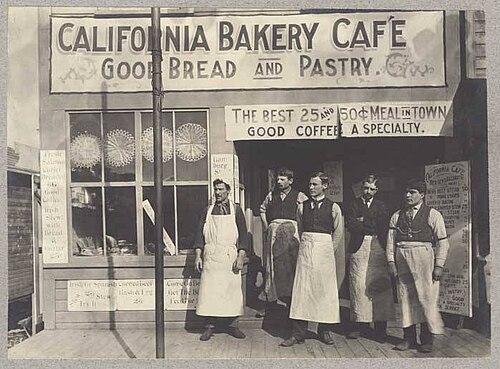
You described what you wanted, somebody wrote it on a page with a date and a name, and that was the entire contract.
There was no drawing, no photograph, no proof and no deposit in a great many shops, which means the whole transaction rested on the baker having understood you and on your having described it adequately. The modern photographic order form exists because that assumption failed often enough to matter.
6. Everything Was Made in the Building and the Building Smelled of It
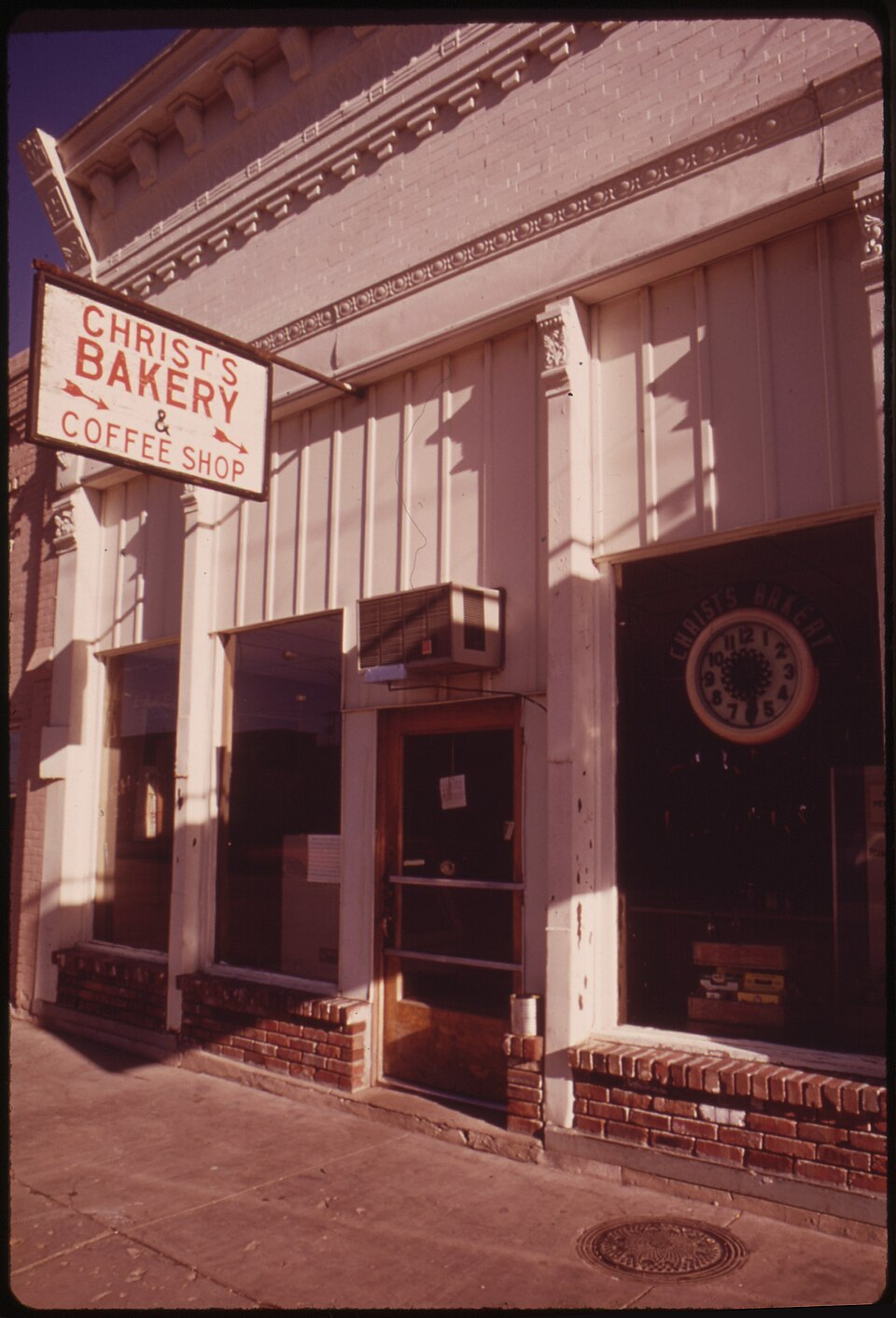
Dough was mixed, proved, shaped and baked on the premises, so the smell reached the street continuously through the morning.
The smell is the most effective marketing any food business has ever had and it was entirely free. It is also the reason bakeries were tolerated in residential streets where other food trades were not – a bakery’s externality is one that people like.
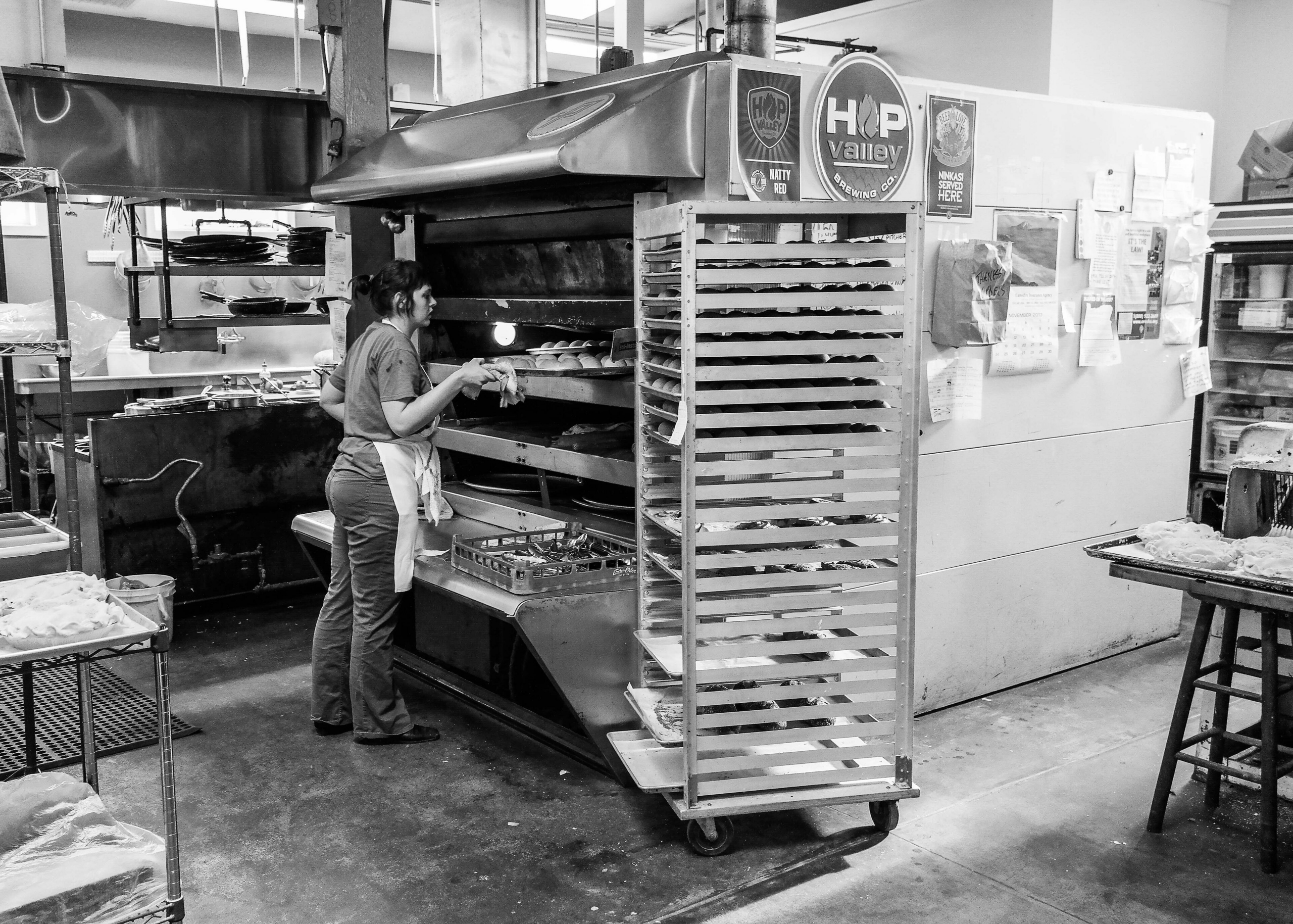
7. The Oven Was Brick or Deck and It Was Never Allowed to Go Cold
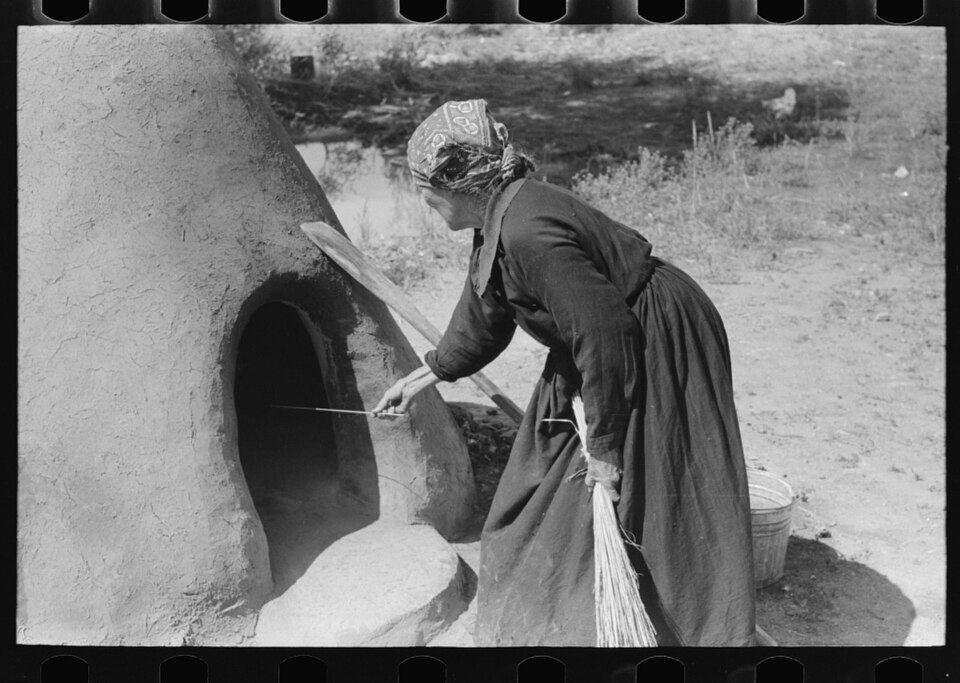
A masonry or multi-deck oven held heat for long periods, was brought up to temperature before the first bake and was managed through the day by what went in and when.
Thermal mass is the point. An oven that takes hours to heat and holds heat for hours cannot be switched on and off, which means the day’s entire baking order was planned around the oven’s falling temperature – hearth breads first at the highest heat, then tins, then enriched doughs, then pastry at the end.
8. There Was No Refrigeration for Dough and Therefore No Flexibility
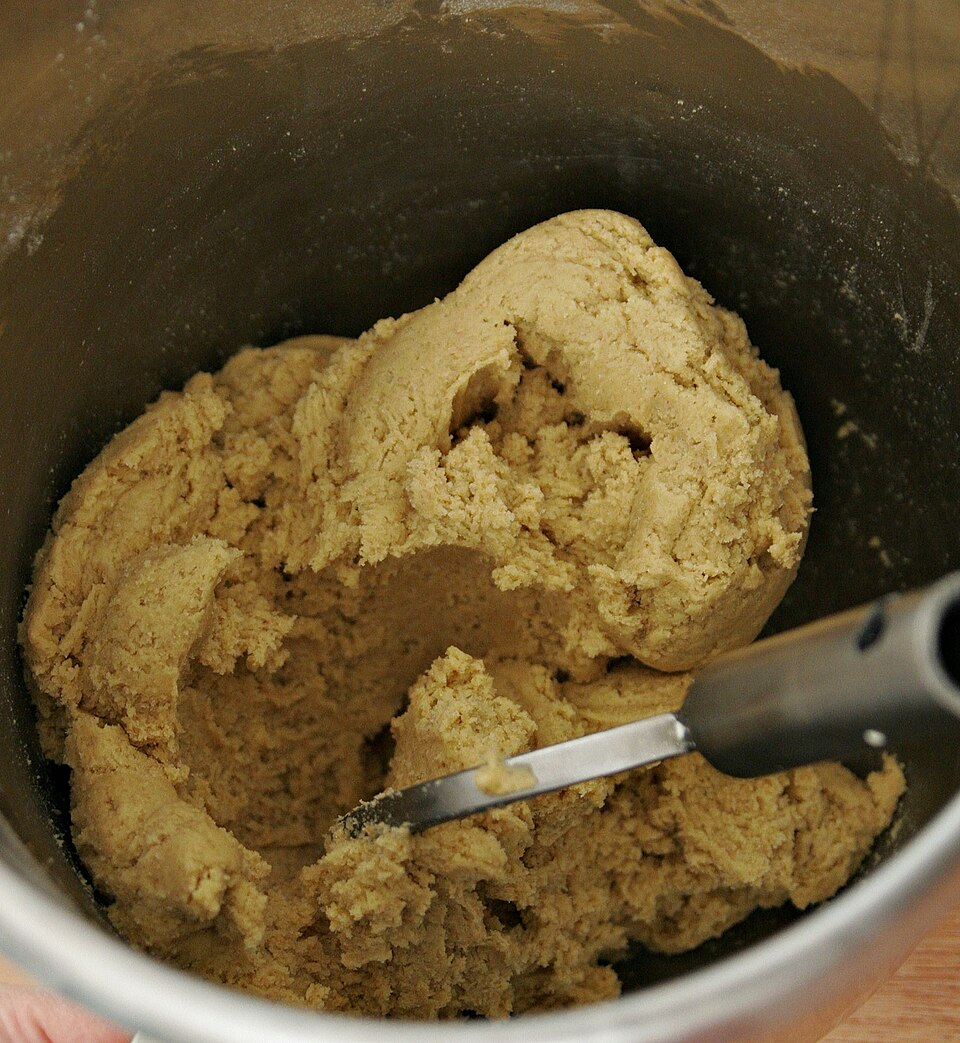
Without retarding, fermentation ran at whatever rate the room was at, so the schedule was dictated by the dough rather than by the clock.
Refrigerated retarding is the single most consequential technical change in the trade. It allows a baker to stop fermentation, go home, and resume in the morning – which is what made humane working hours possible and which arrived too late to save most of these shops.
9. The Flour Came in Cloth or Paper Sacks and Was Carried on a Shoulder
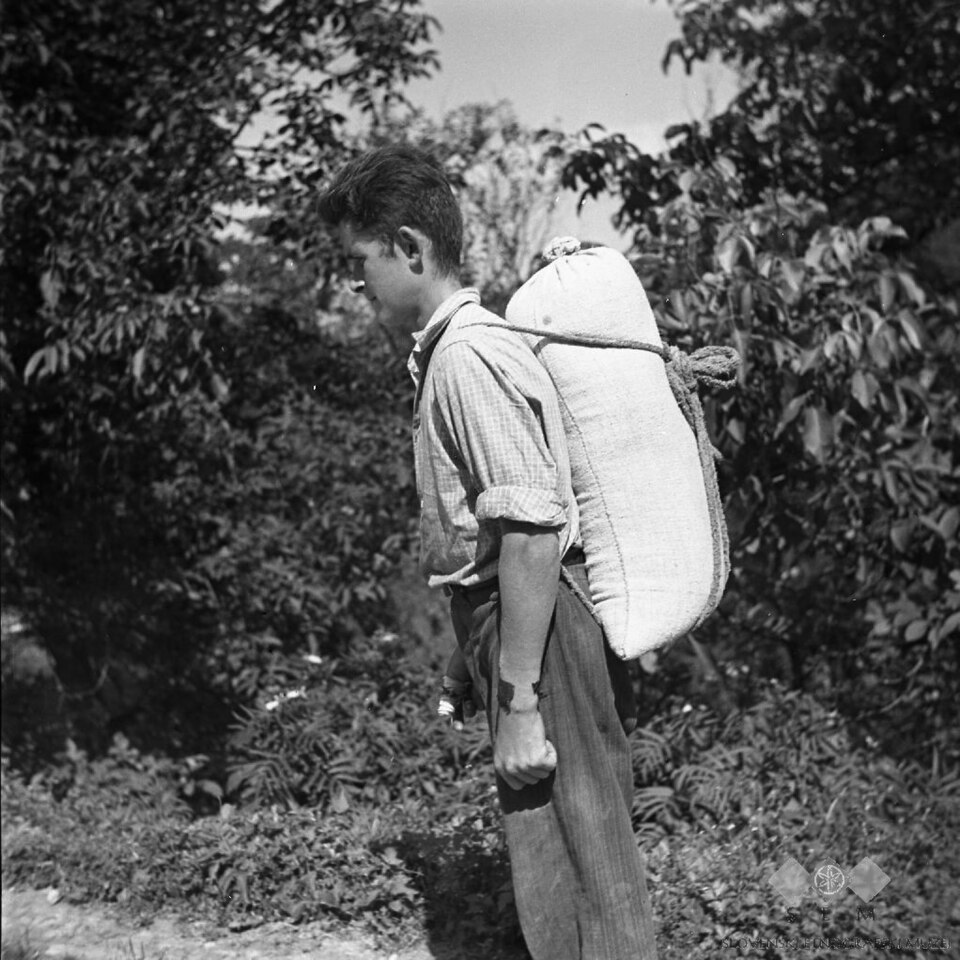
Deliveries arrived as heavy sacks, were carried in by hand, and were stored in a bin in the bakehouse.
The sack weight is a physical fact that shaped who could do the job, and bulk silo delivery to larger plants is one of the reasons scale economies ran so hard against the small bakery. A plant that receives flour by tanker is not doing the same job as a man with a sack on his shoulder.
10. Bread Was Weighed Because the Weight Was Regulated
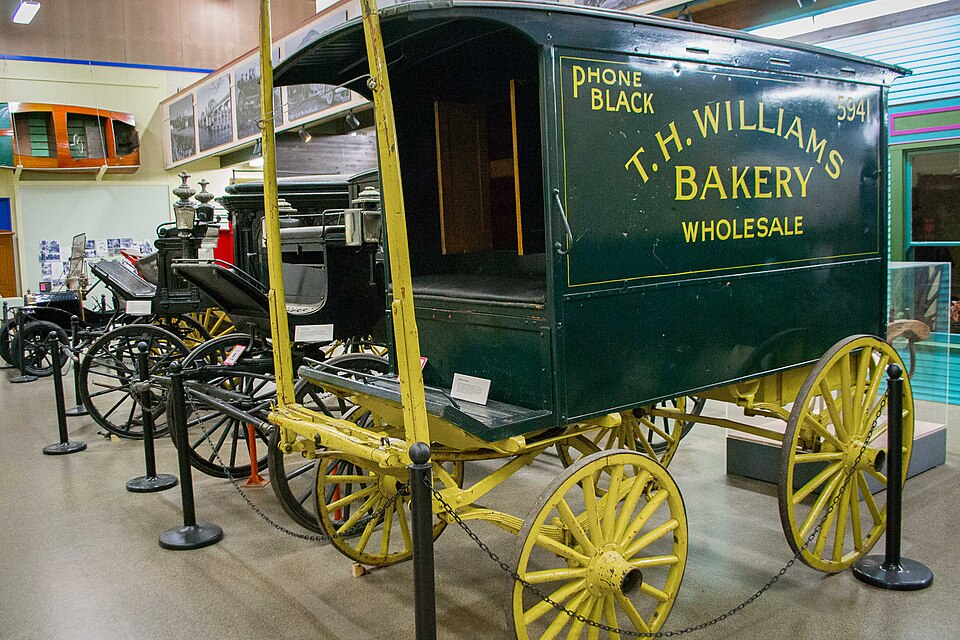
Loaves were sold by statutory weight, were checked, and a baker who sold short was committing an offence with real consequences.
Bread weight regulation is one of the oldest forms of consumer protection in the Western world, considerably older than the United States, and it is the reason the loaf shapes and sizes were what they were. The shapes follow the weights, not the other way round.
11. Almost Every One of These Shops Lost to a Frozen Pallet
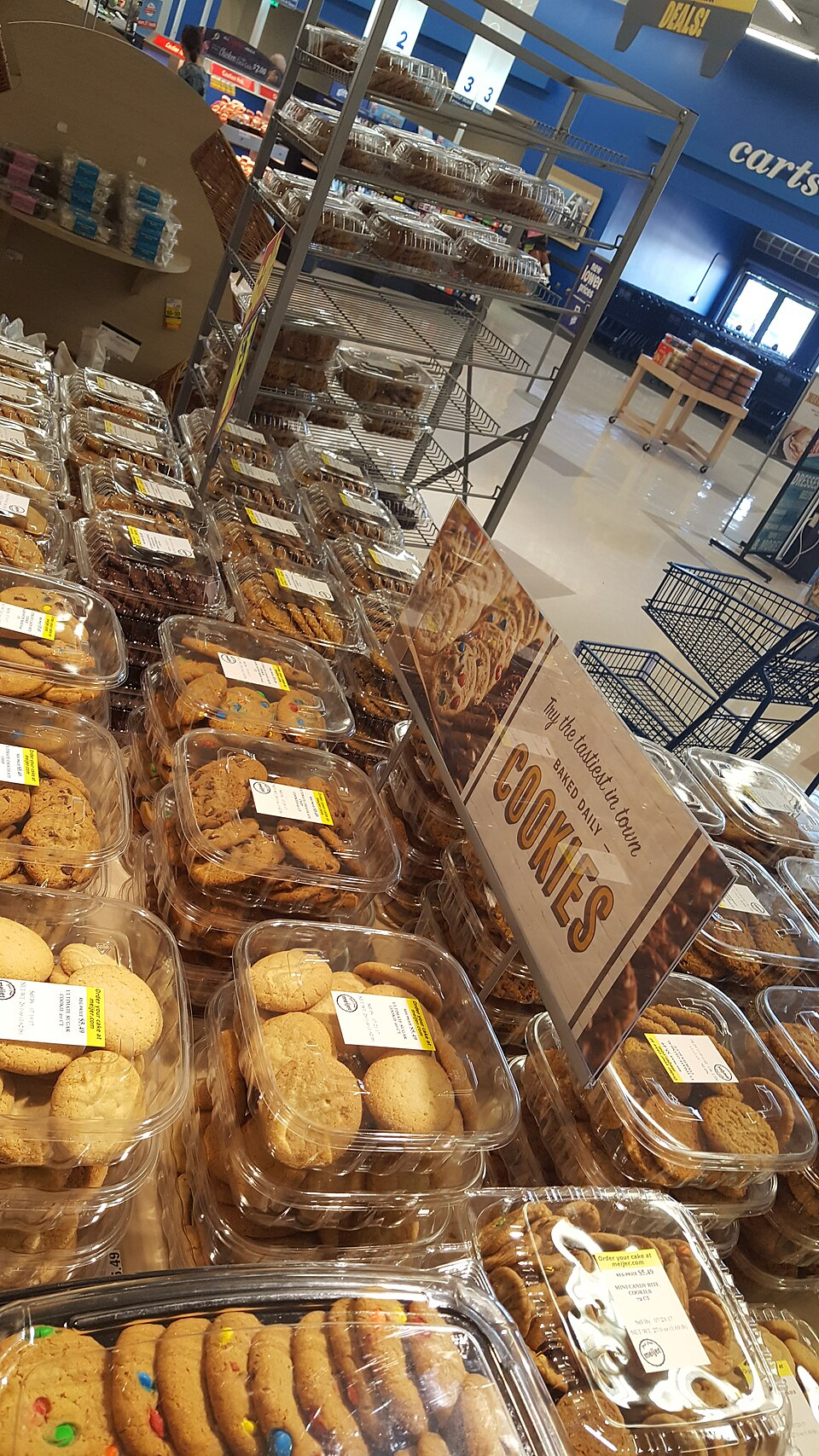
Read the list again. The nocturnal shift, the oven that could not be switched off, the dough that would not wait, the sacks on a shoulder and the slicer behind the counter.
Every one is a reason a small bakery was expensive and inflexible, and every one was solved at once by par-baked frozen dough delivered on a pallet and finished in a convection oven by somebody with no training at a reasonable hour. The in-store bakery at a supermarket is not a bakery pretending; it is the economic answer to all eleven of these problems, and it is why the smell on the street now usually comes from the back of a shop that sells everything else as well.
A Pallet Solved Eleven Problems at Once
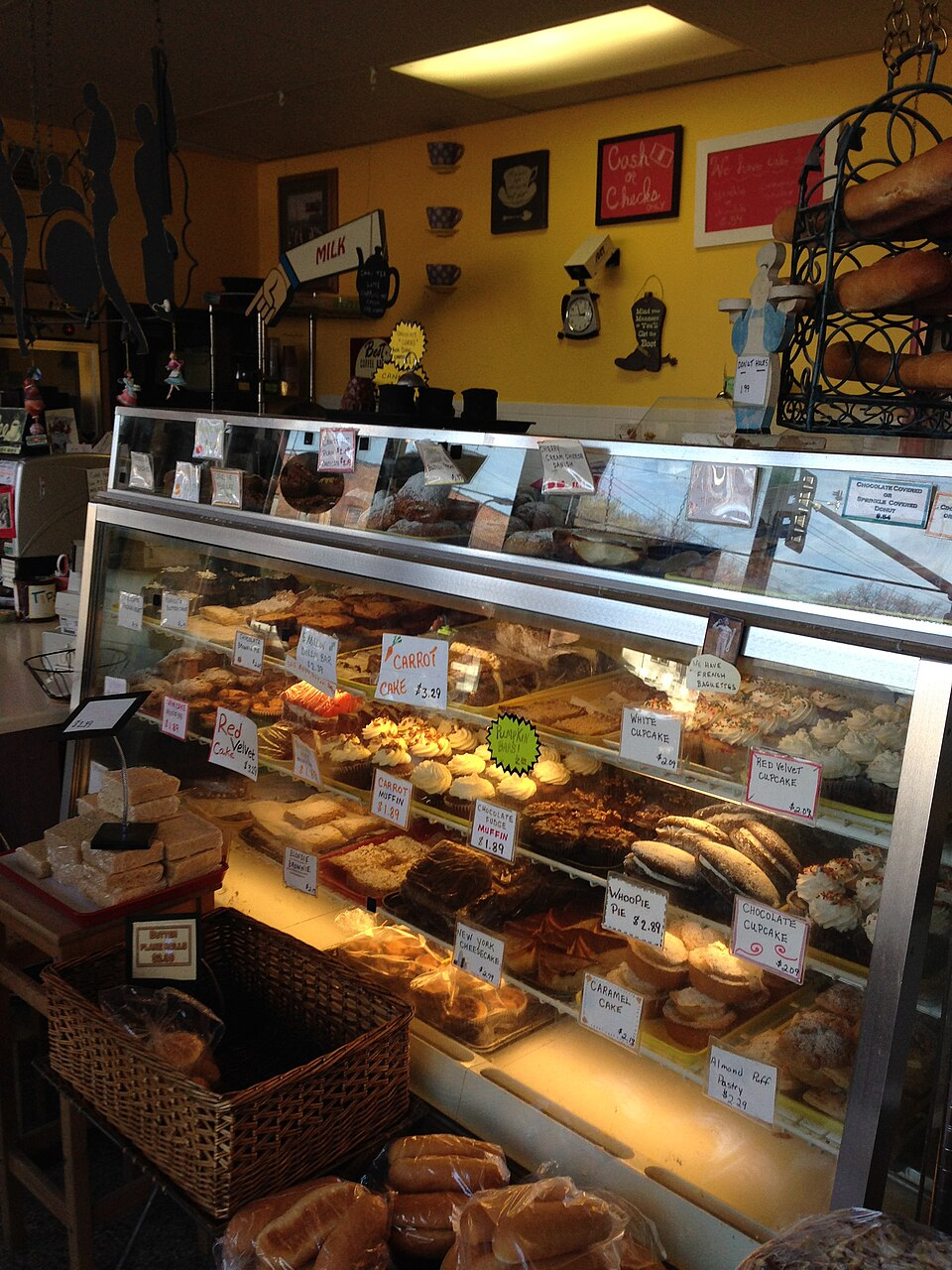
The small American bakery did not lose to indifference or to changing taste. It lost to a technical solution that answered every one of its structural problems simultaneously.
Look at what the list actually describes. A nocturnal working shift that was hard to staff and harder to inherit. A high-thermal-mass oven that could not be switched on and off and therefore dictated the order of the entire day’s baking. Fermentation that ran at the room’s rate and could not be paused. Flour arriving in sacks to be carried by hand. A slicer, a decorator and a mixer all needing to be on the premises. And a product that had to be sold the day it was made or marked down.
Par-baked frozen dough delivered on a pallet removes all of it. The fermentation happened somewhere else, at scale, under refrigeration. The product arrives stable and waits in a freezer until it is wanted. It is finished in a convection oven at a sensible hour by somebody who has had an afternoon’s training. There is no night shift, no nocturnal craftsman, no dough schedule, no sack carrying and almost no waste.
And it keeps the one thing that was the small bakery’s greatest asset, which is the smell on the street. That is why the supermarket in-store bakery works: it is not imitating a bakery badly, it is reproducing the single most valuable output of one at a fraction of the cost.
What it does not reproduce is the cake written in a book by somebody who had understood you, and the shop where the afternoon markdown happened at a known hour so that nobody had to ask.
If a bakery still smells of baking at seven in the morning rather than at eleven, somebody in there started in the dark. There are not many left.
Like our content? Follow us for more.