

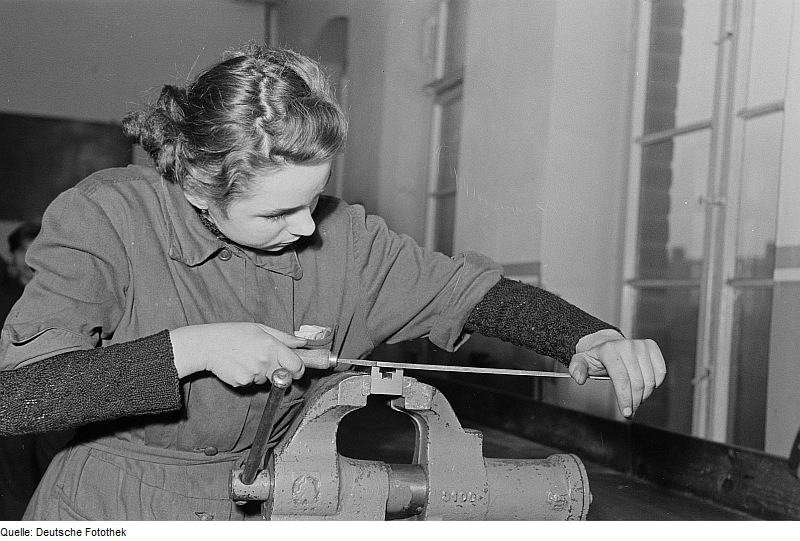
The whitesmith is the forgotten half of the smithing trades: cold work, accurate fitting and a bright finish, with a file instead of a hammer. Here are twelve things one did in 1960.
1. The whitesmith worked iron cold and the blacksmith worked it hot
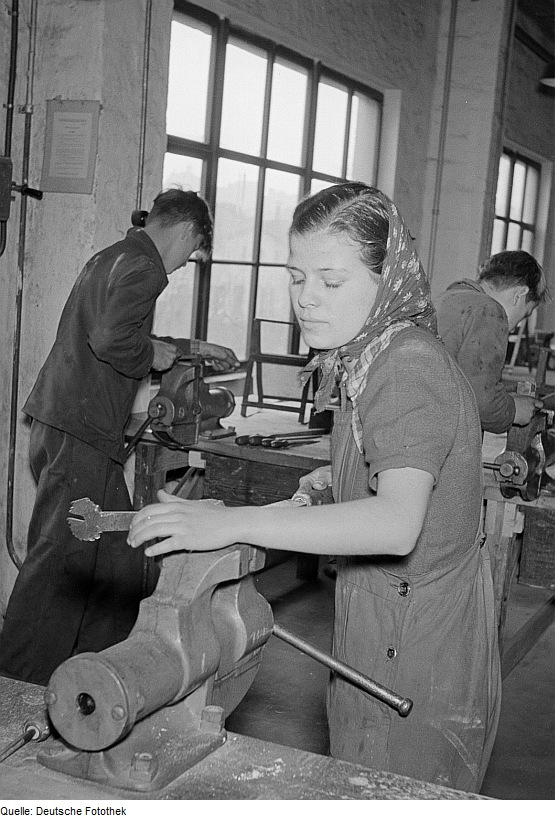
The two trades share a material and almost nothing else. A blacksmith heats iron until it moves and changes its shape by hitting it; a whitesmith takes iron that is already the right shape and makes it right, by filing, scraping, drilling, fitting and polishing, almost entirely cold.
The names describe the result rather than the method: black iron comes off the forge dark with scale, and white iron has been worked back to a bright finished surface.
So a village could support a blacksmith making and mending heavy work while the whitesmith did the fine ironmongery, the locks, the hinges, the fittings and the repairs that needed accuracy rather than force. Modern practice has split the same work again into machining, fitting and finishing as separate industrial functions, with the file replaced by the milling machine and the grinder, and the word whitesmith has dropped out of use almost entirely. Modern practice has split the same work again into machining, fitting and finishing as separate industrial functions, with the file replaced by the milling machine and the grinder, and the word whitesmith has dropped out of use almost entirely. The division of labour it recorded, though, is still exactly how a workshop is organised, with roughing and finishing treated as different operations needing different equipment and different habits of mind.
Like our content? Follow us for more.
2. The file was the primary tool and using one well took years
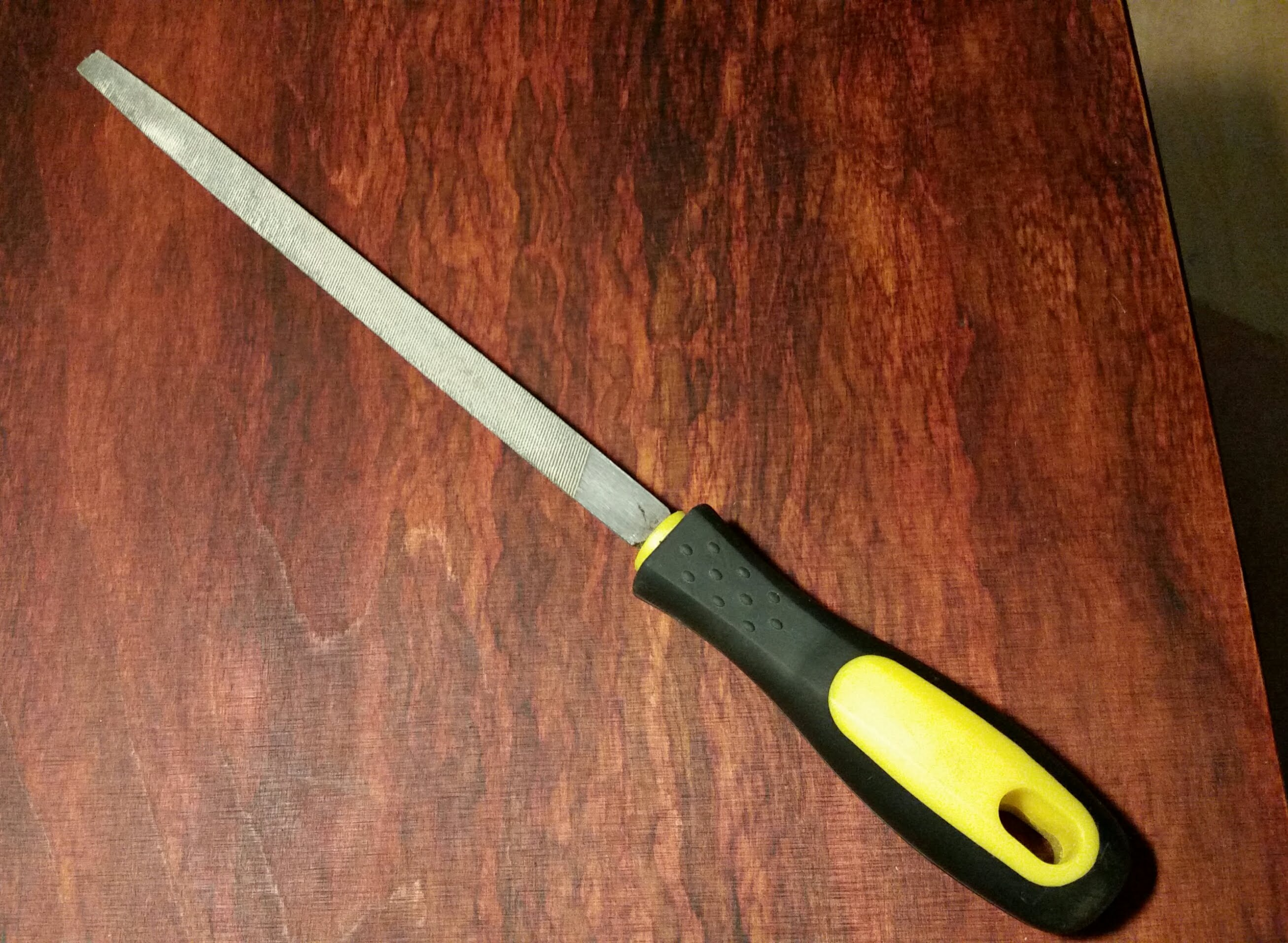
A whitesmith’s work was done largely with files, and a proper set ran from coarse rasps through to fine finishing files in a range of shapes — flat, half-round, round, square, three-square, knife-edge — each for a particular job.
Filing accurately is much harder than it looks: the file cuts on the forward stroke, it will follow any rocking of the wrist, and producing a surface that is genuinely flat rather than approximately flat is a trained skill.
Apprentices spent a very long time filing test pieces to a line and being told they were not flat yet, which is the reason the trade had a long apprenticeship for what looks like a simple operation. Machine tools removed almost all of this, and hand filing survives as a fitting and toolmaking skill rather than as a way of producing a shape, with flatness now measured against a reference and verified rather than judged. Machine tools removed almost all of this, and hand filing survives as a fitting and toolmaking skill rather than as a way of producing a shape, with flatness now measured against a reference and verified rather than judged. Toolmakers still learn it, for the same reason pilots still learn to fly without instruments: when the machine cannot reach the surface, the file can, and somebody has to be able to finish the job by hand.
3. Flat was checked against a surface plate and a smear of colour
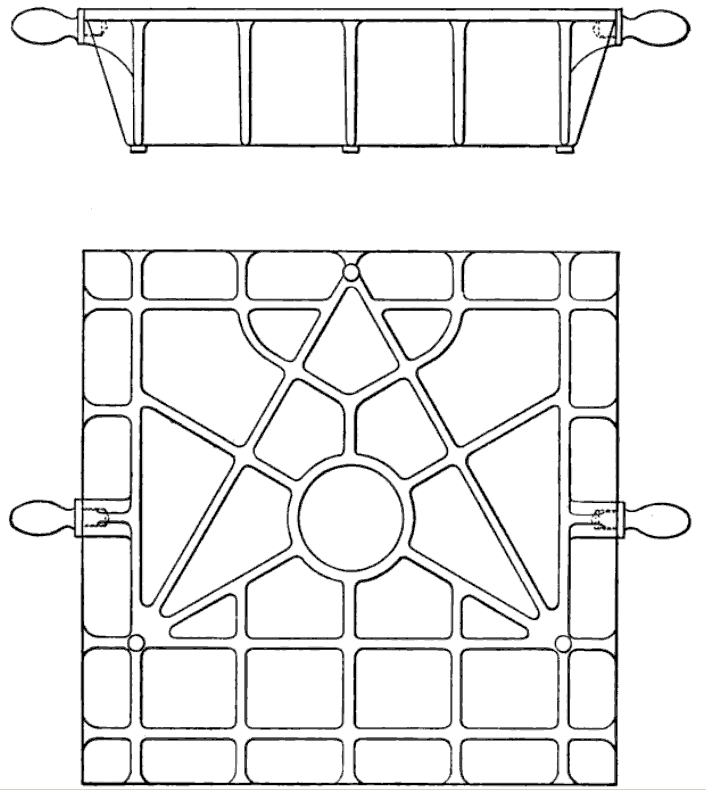
The way to know whether a surface is flat is to rub it on a reference surface carrying a thin film of marking colour, and look at where the colour transfers.
High spots take the colour, low spots do not, and the craftsman files or scrapes the high spots, re-tests and repeats, converging on a surface that bears evenly all over.
It is a beautiful method because it needs no measurement at all: it compares the work against a known reference and shows the error directly, which is why it is still used today. The modern version is identical in principle with better references, engineered marking compounds and in precision work an interferometric or coordinate check, but anybody scraping a machine slide in 2026 is doing exactly what a whitesmith did.
4. Fitting locks and hinges was a whitesmith’s bread and butter
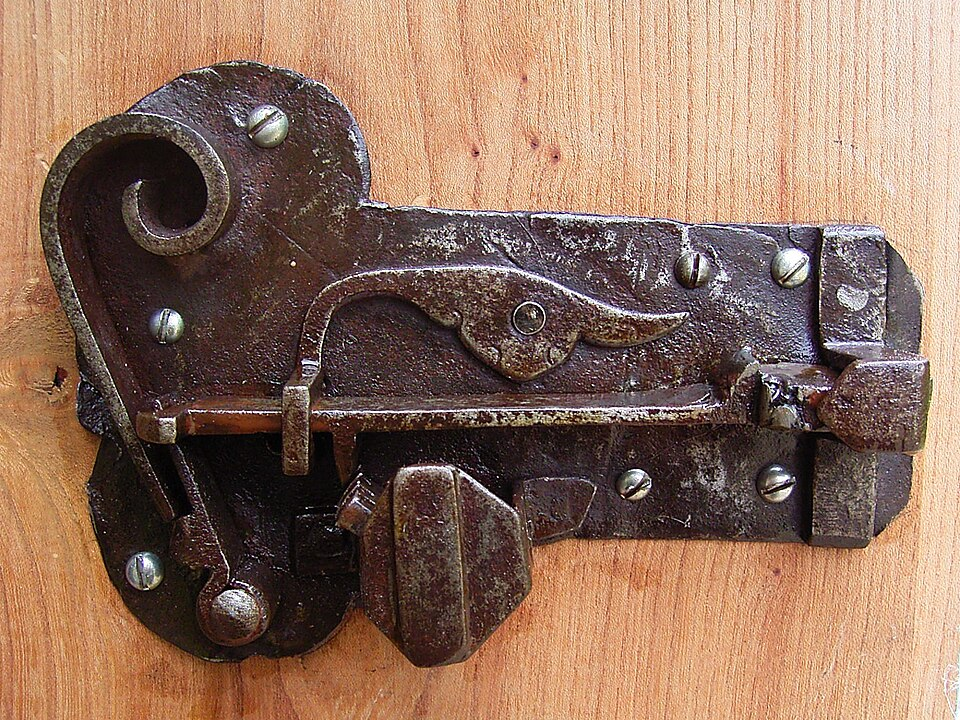
Door furniture, window fastenings, shutter bars, casement stays, locks, latches, bolts and hinges all arrive as components and then have to be fitted to a particular door, in a particular frame, that is not quite square.
That is whitesmith’s work: cutting the recess, easing the fit, adjusting the strike, making a packing piece, filing a key, and making the thing work smoothly for years rather than approximately for a week.
On estates, in institutions and in large old buildings it was a permanent job, because a building with hundreds of doors always has some that do not shut. Mass-produced ironmongery to consistent dimensions, machine-cut recesses and adjustable hinges have removed most of the fitting, and the trade that remains is joinery and locksmithing rather than smithing of any kind. Mass-produced ironmongery to consistent dimensions, machine-cut recesses and adjustable hinges have removed most of the fitting, and the trade that remains is joinery and locksmithing rather than smithing of any kind. Older buildings are the exception, which is why conservation work still needs somebody who can make an original hinge or a hand-filed lock work again rather than replacing it with something that does not fit the opening.
5. Bright finishing was the trade’s signature and it was all hand work
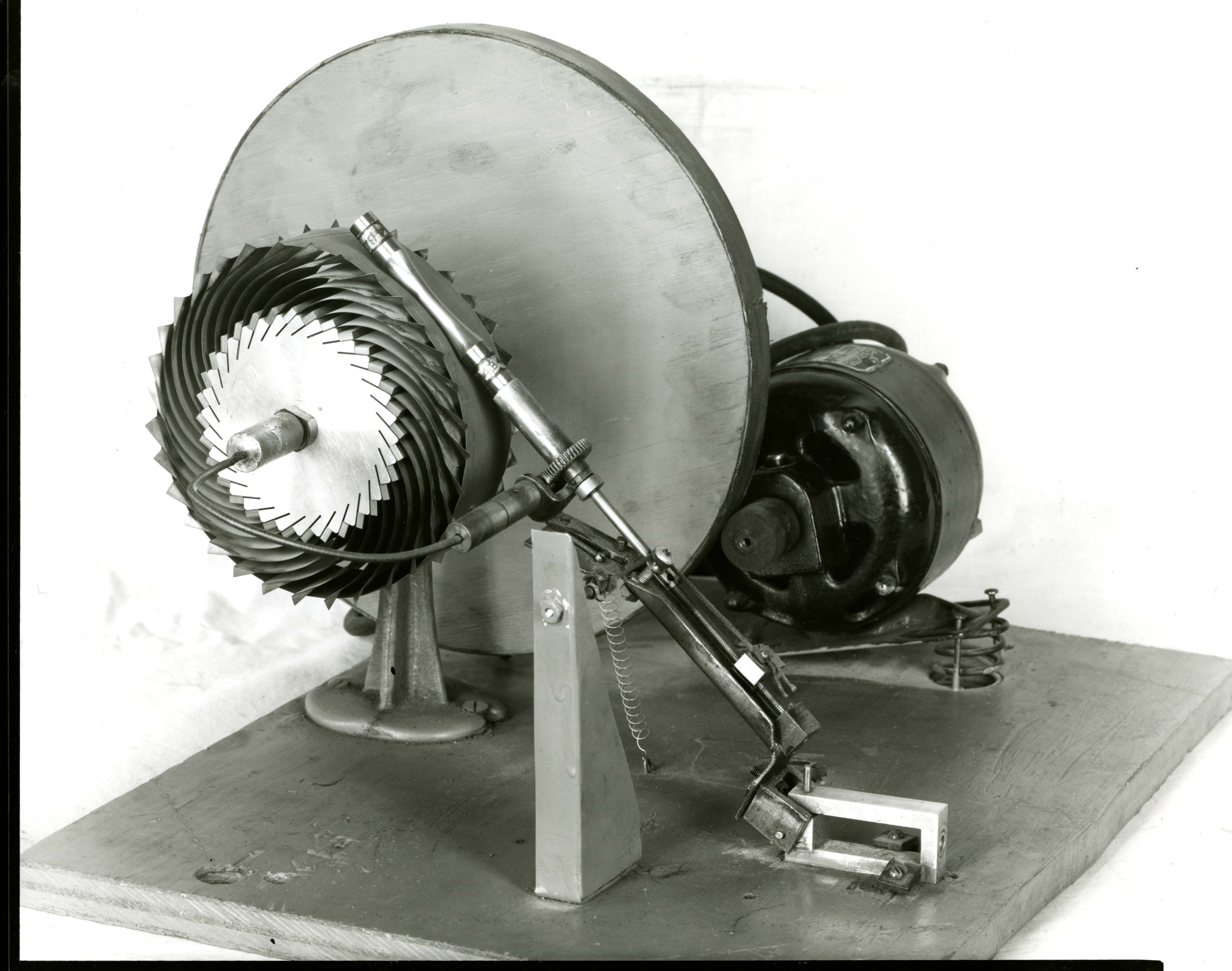
A bright finish on iron or steel was produced by working progressively finer: filing, then draw-filing, then emery, then a polish, each stage removing the marks of the last.
There is no shortcut in that sequence, and a surface polished without the earlier stages shows every scratch underneath more clearly than before.
The finish was functional as well as decorative, because a smooth surface rusts more slowly, slides more easily and shows a crack more plainly than a rough one. Surface finish is now a specified and measured property produced by grinding, lapping, tumbling or electropolishing, and the hand sequence survives in restoration, toolmaking and gunsmithing rather than as general practice.
6. Tinning and whitening were part of the name
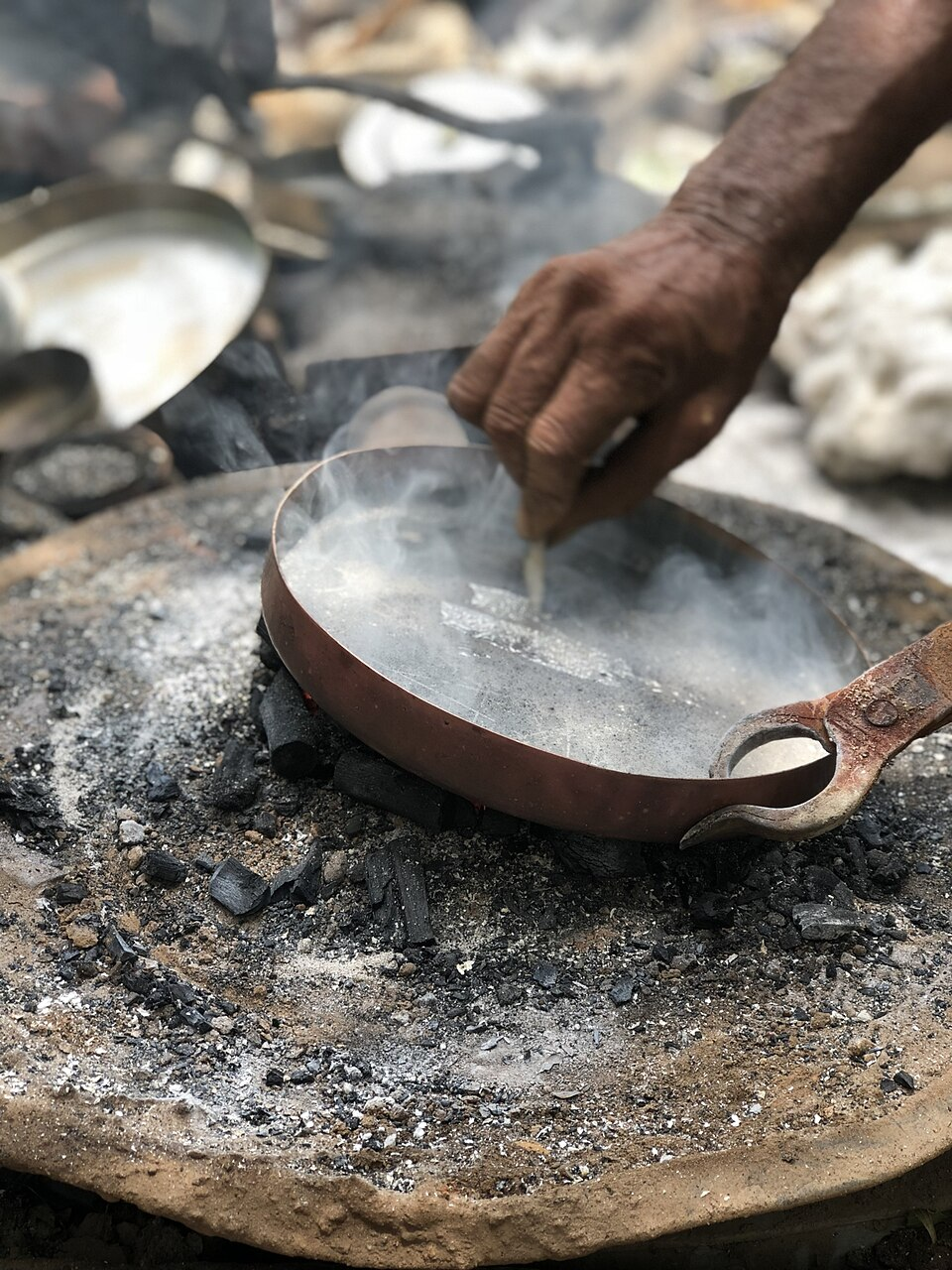
Iron and steel rust, so a great deal of light ironwork intended for domestic or food use was coated, most commonly by tinning: cleaning the surface thoroughly and applying a tin coating that is bright, non-rusting and reasonably food-safe.
That whitened appearance is one of the explanations for the trade’s name, and it is why whitesmith and tinsmith were sometimes used loosely for each other, although the trades are distinct.
The whitesmith’s version was coating finished ironwork, not making vessels out of tinplate, which is a different occupation working a different material. Modern corrosion protection is a specified coating system — electroplating, galvanising, powder coating or stainless substitution — with thickness and adhesion tested, and the old distinction between the trades has disappeared along with both of them.
7. Making one-off small items was the other half of the business
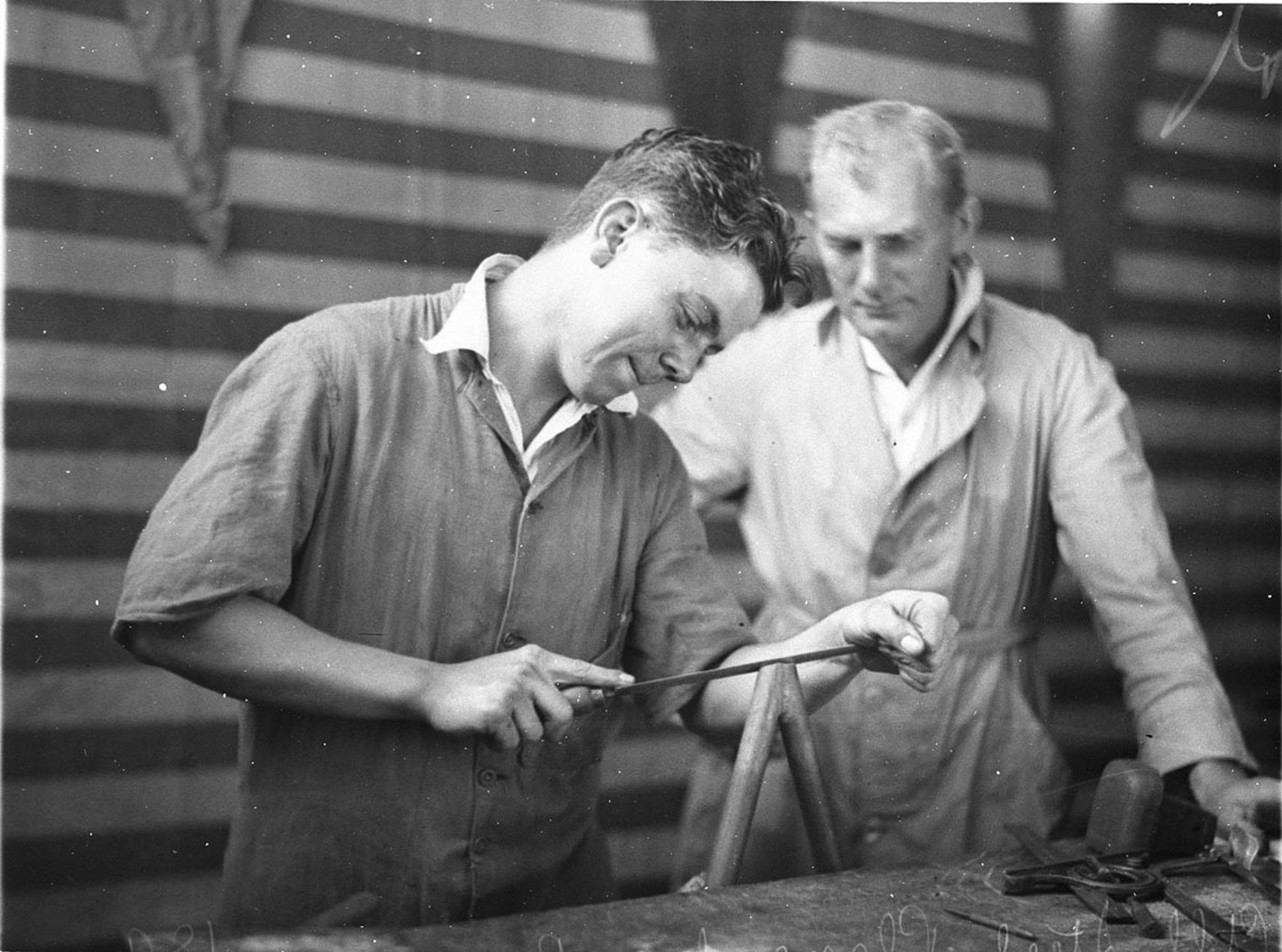
Where something did not exist, the whitesmith made it: a bracket, a stay, a hook, a tool, a repair piece, a part to replace one that had broken and could not be bought.
That work came in as a problem rather than a drawing, and the skill was partly in understanding what the customer actually needed and partly in making it from what was to hand.
It is the function that a small engineering jobbing shop filled afterwards and that nothing much fills now, because replacing an assembly is cheaper than having a part made. The modern equivalent is a small machine shop or a workshop with a printer and a laser cutter, which can do far more and is far less likely to exist in a village. The modern equivalent is a small machine shop or a workshop with a printer and a laser cutter, which can do far more and is far less likely to exist in a village. The capability has gone up and the distance to it has gone up with it, which is most of why a broken bracket now means a new assembly rather than a trip down the road.
8. The trade was found in every kind of workplace and under other names
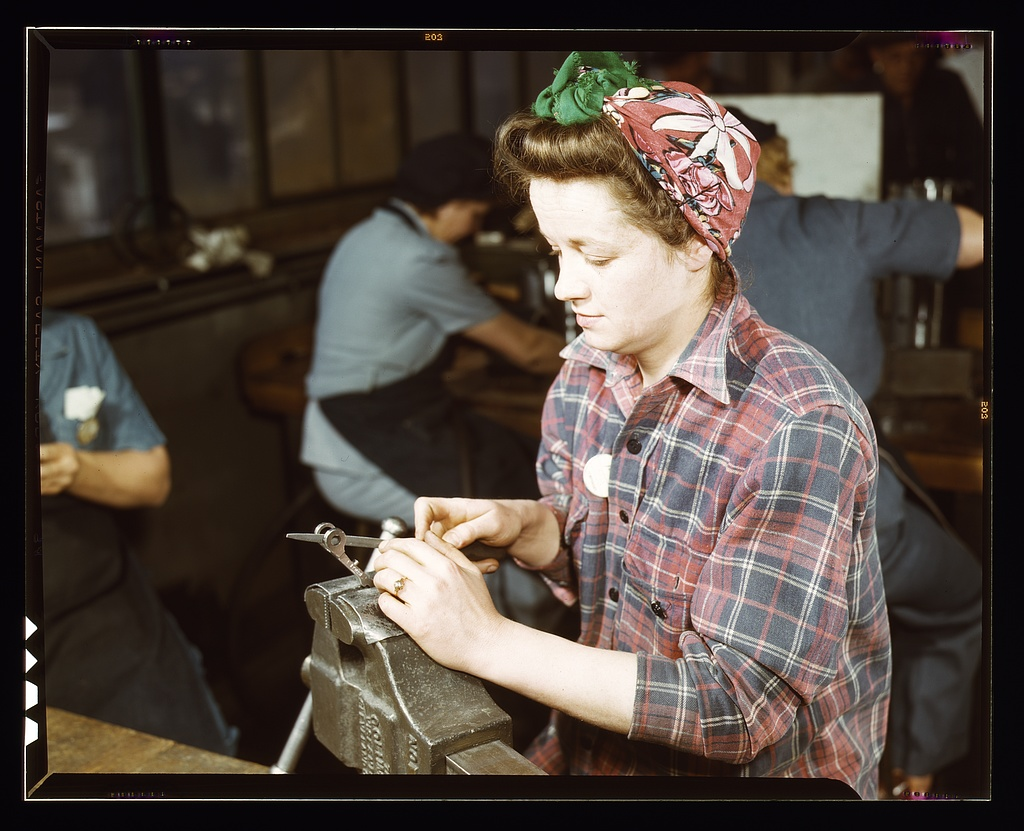
By 1960 the title whitesmith was already archaic, and the work was being done by people called fitters, bench hands, toolroom hands, maintenance fitters and ironmongers.
That is why the trade appears to vanish in the records earlier than the work did: the occupation was renamed, industry by industry, as it was absorbed into engineering.
The skills themselves were in very high demand throughout the period, because every factory needed somebody who could make a surface true, fit a part and finish a job. Those roles still exist as maintenance fitters and toolmakers, which are skilled and well-paid trades, so this is one of the few cases in the series where the work survived and only the name was lost.
9. The dust and the noise were the real conditions
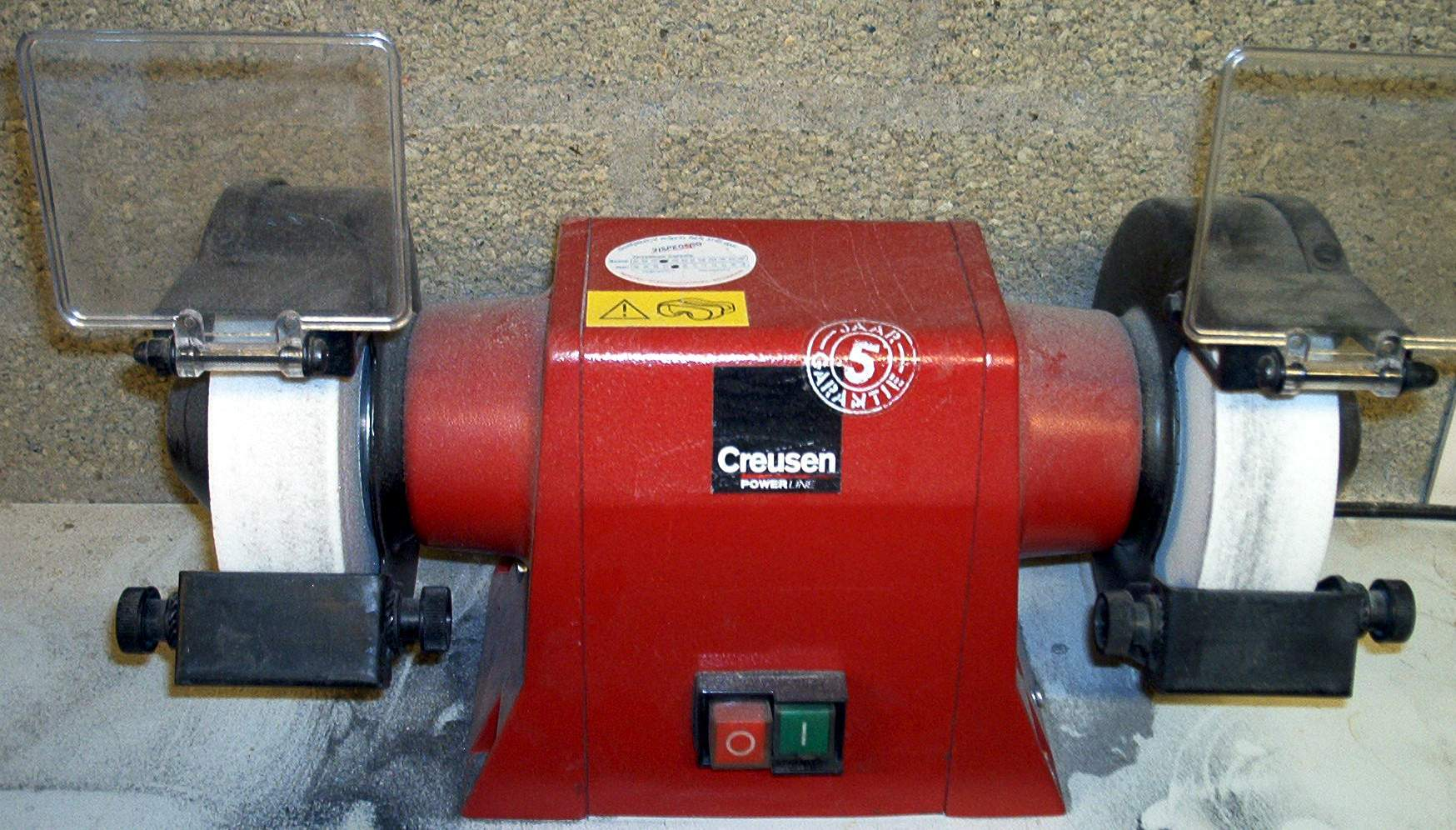
Filing, grinding, scraping and polishing produce fine metallic dust and, where abrasive wheels are involved, mineral dust as well, and a bench shop in 1960 generated a great deal of both.
Polishing with compounds and buffing wheels was the worst of it, and in some industries it was carried out in rooms that were visibly hazy.
Metalworking fume, metal dust and abrasive dust are now regulated occupational exposures with limits, mandatory local exhaust ventilation at the bench and the wheel, enclosure where practicable, respiratory protection and health surveillance, and abrasive wheels carry their own mandatory training and mounting requirements. This file names no disease, no exposure figure and no condition, and anybody working with metal dust, fume or abrasive wheels is governed by current regulation and competent advice.
10. Hand tools were made and maintained by the person using them
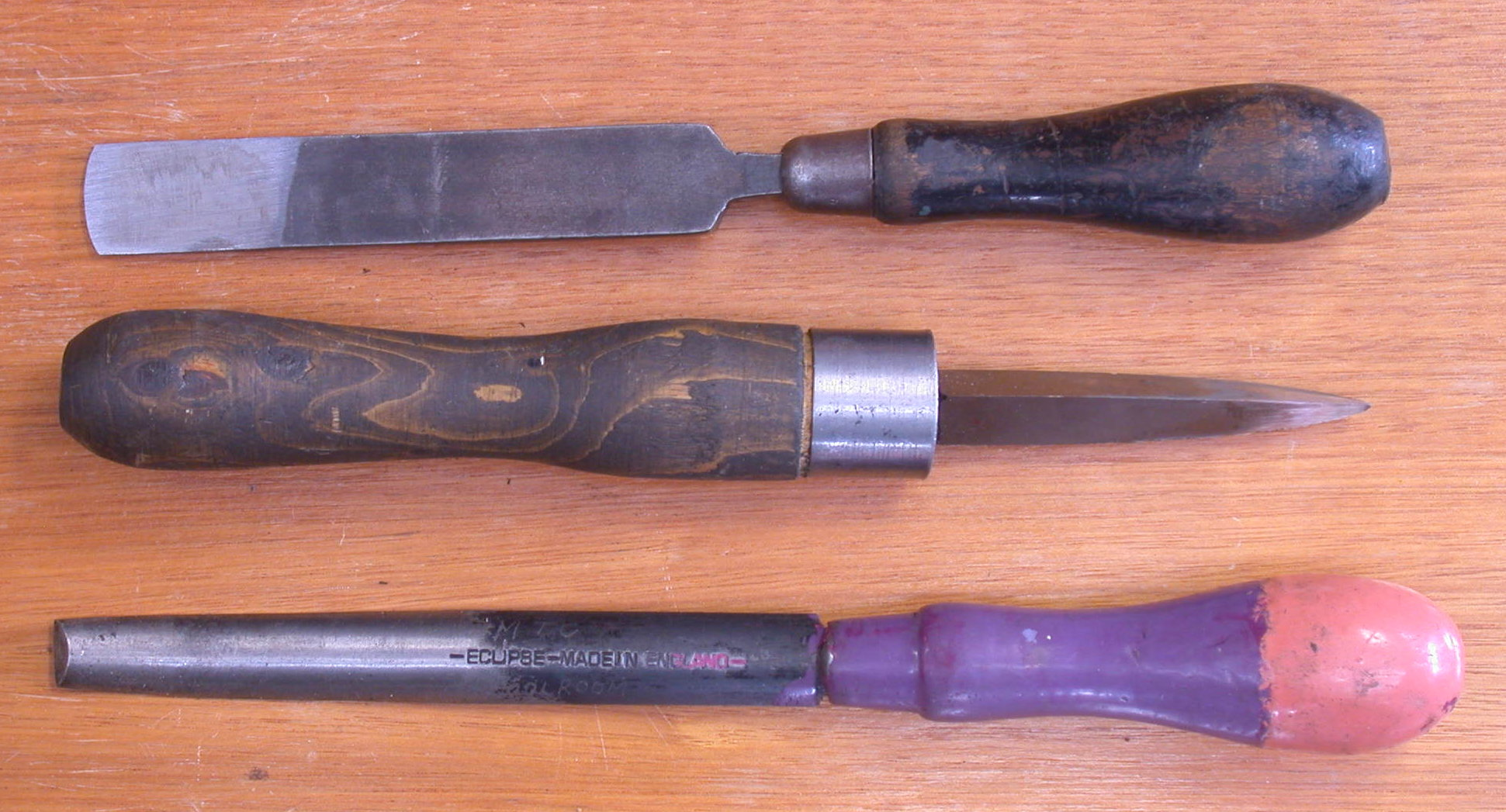
A whitesmith made and reconditioned a lot of his own equipment: scrapers, punches, drifts, soft-faced hammers, holding fixtures, filing blocks and gauges, each shaped for the work in front of him.
Files themselves were recut by specialists when worn, which is a whole separate trade in its own right, and a worn file was never simply thrown away.
That gave a bench with a collection of personal tools that was effectively a record of the jobs that had come through it, and which usually left with the man. Tooling is now bought, catalogued, specified and replaced on schedule, and purpose-made fixtures are designed and machined rather than evolved at a bench, which is faster, more consistent and much less personal.
11. The judgement was in knowing when to stop
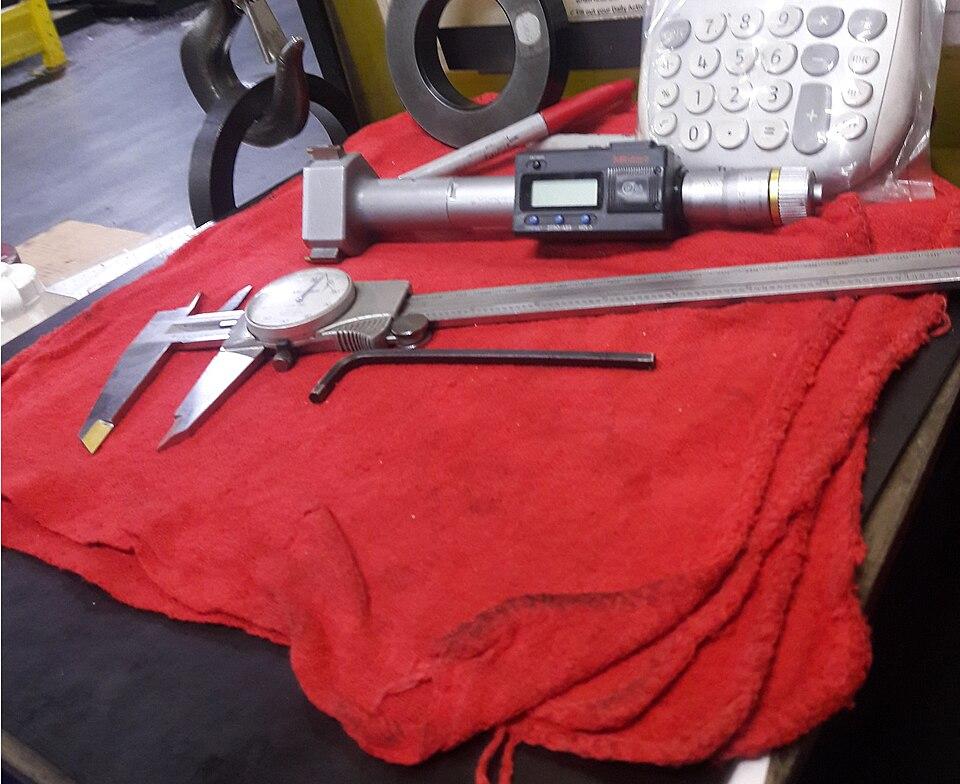
In every operation the whitesmith performed, material was being removed and could not be put back: a file stroke too many, a recess cut too deep, a fit eased too far, and the part is scrap or needs packing.
So the trade’s defining habit was removing less than necessary, testing, and removing again, which is slow and is the only method that works when the measurement is a judgement.
That is also why the work resisted mechanisation for so long: a machine can remove metal faster than any hand, but somebody still had to decide how much. Numerically controlled machining answers that by knowing the dimension in advance and holding it, which converts the whole question from a judgement into a specification, and is the single reason the trade’s method became unnecessary.
12. Almost nothing of the trade is visible and almost all of it survives
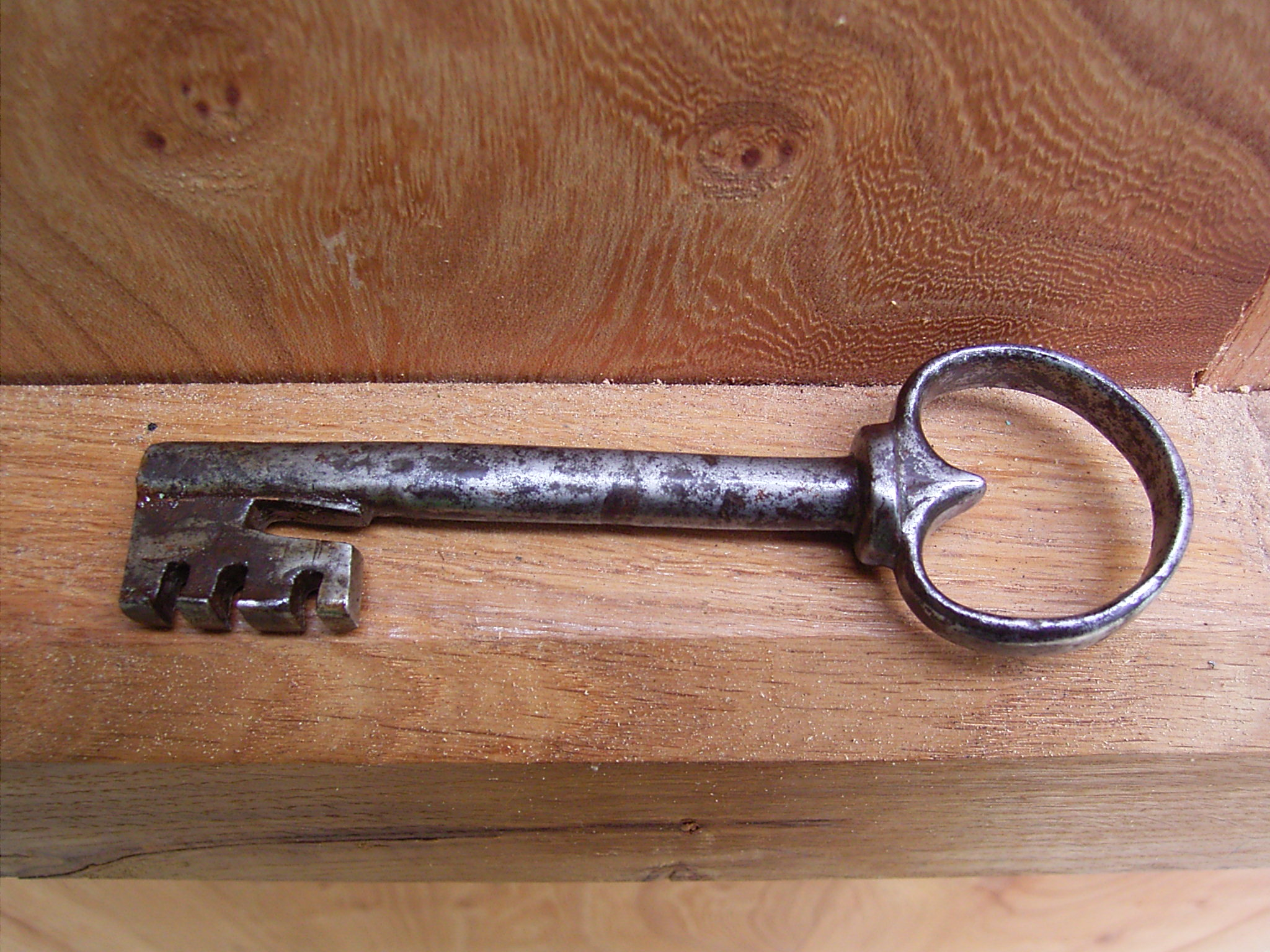
A whitesmith’s output is invisible by design: a door that closes properly, a lock that turns, a surface that bears evenly, a bracket nobody notices because it has never failed.
So there is very little to point at, no characteristic product in a museum case, and consequently almost no public memory of the trade at all, which is unusual for a craft that was in every parish.
What survives is the vocabulary — draw-filing, scraping, bedding in, truing up, bright finish — which is still used daily in engineering workshops by people who have never heard the word whitesmith. The honest summary: a whitesmith worked iron cold and brought it to a bright finished surface, where a blacksmith heated it and changed its shape, and the names describe the result rather than the method; the file was the primary tool and accurate filing took years to learn; flatness was tested by rubbing the work against a reference surface carrying marking colour and removing whatever took the colour, which is still done the same way today; fitting locks, hinges and door furniture to buildings that were never square was the steady work; tinning finished ironwork is one explanation for the name; and by 1960 the title had already been replaced by fitter, toolroom hand and maintenance fitter, so the work survived and only the name was lost.
The work survived and only the name was lost
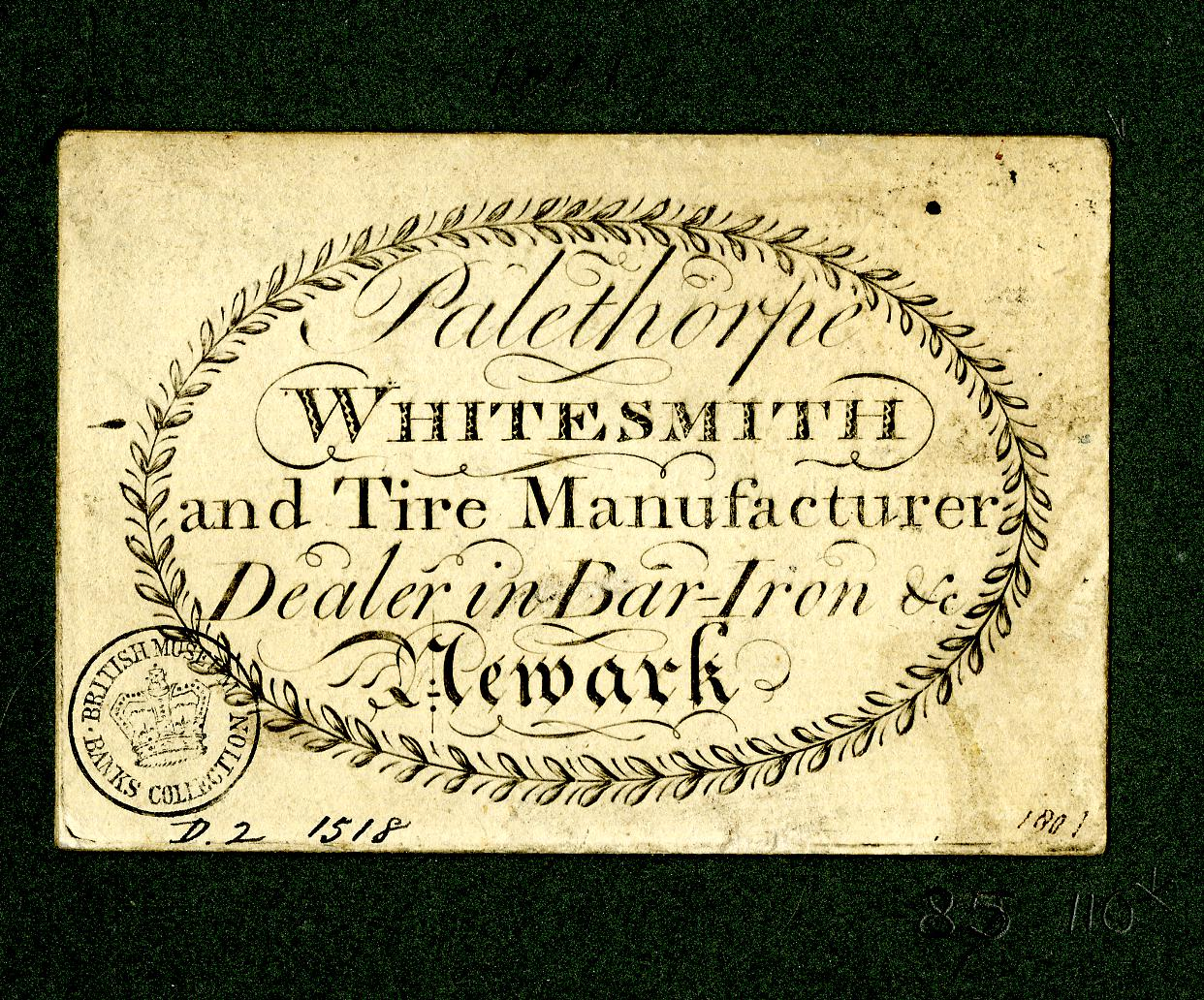
This is one of the few trades in this series that did not die. By 1960 the title whitesmith was already archaic and the same work was being done by people called fitters, toolroom hands and maintenance fitters, because the occupation was renamed industry by industry as it was absorbed into engineering. The skills were in very high demand throughout the period and still are: somebody has to make a surface true, fit a part and finish a job. What vanished was a word, and what remains is a vocabulary — draw-filing, scraping, bedding in, truing up — used daily by people who have never heard it.
The one thing worth knowing: flatness was never measured, it was compared. The work is rubbed on a known reference carrying a film of colour, and whatever takes the colour is what comes off.
Like our content? Follow us for more.
