The number on the dial describes the air. What actually cooks the food is a combination of that air, the surfaces radiating at it and whatever it is sitting on – and the balance between those three decides everything. Here are fifteen.
1. Air Is a Poor Conductor of Heat
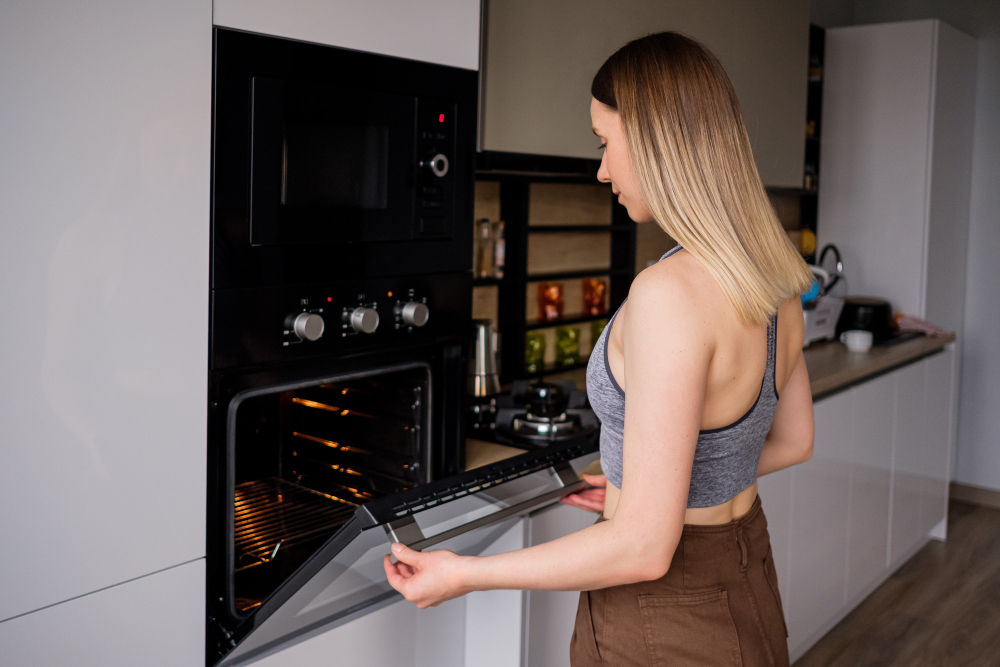
Air at a given temperature transfers energy to food far more slowly than water or oil at the same temperature, which is why you can put a hand into a hot oven briefly and not into hot water.
The number is misleading on its own. Poor air conduction is why oven cooking is slow.
Like our content? Follow us for more.
2. The Tray Is Cooking the Underside
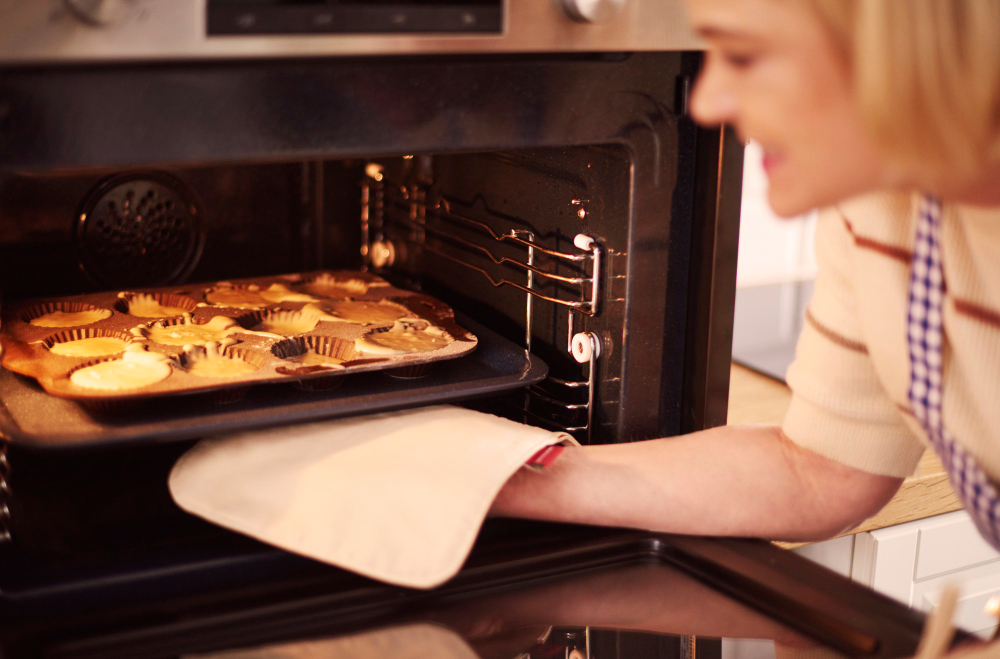
Direct contact with a hot metal surface conducts heat far faster than the air around it, which means the bottom of anything is being cooked by a different and quicker mechanism.
That is why bases brown before tops. Conduction from below is the fastest route in the cavity.
3. And the Element Is Radiating at the Top
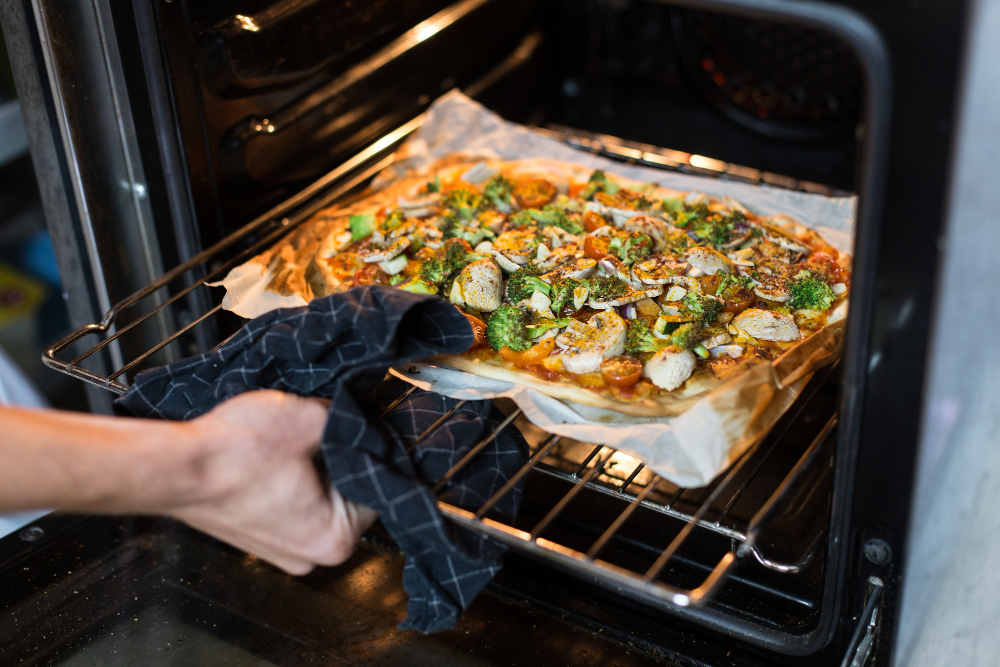
Hot surfaces emit radiant heat that travels in straight lines and heats whatever faces them directly, without needing the air to carry anything.
It acts on line of sight. Radiant heating is the third mechanism and the most directional.
4. Which Is Why Shading Matters
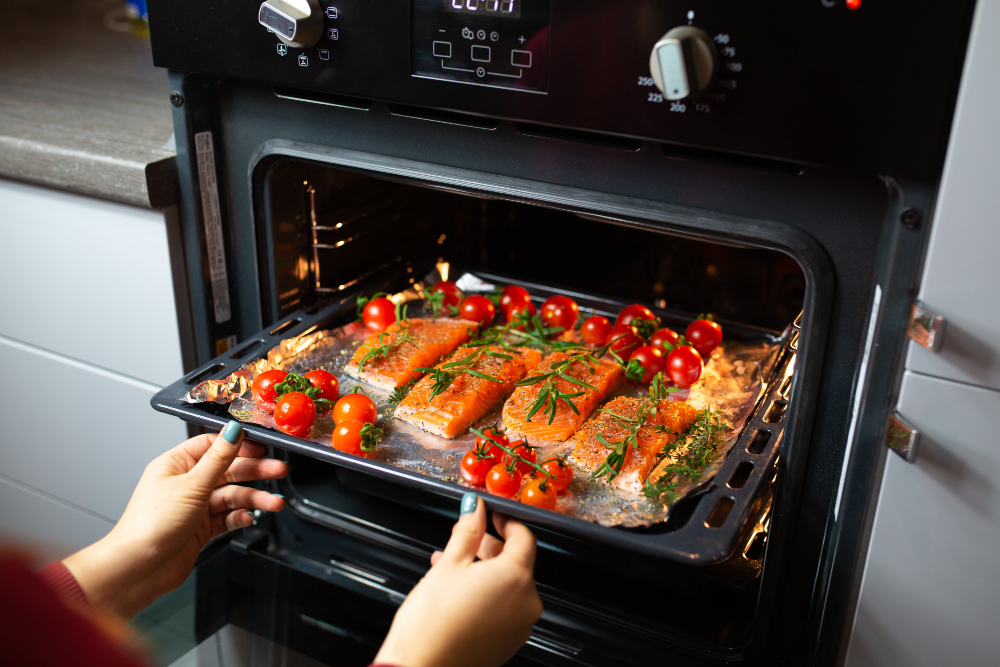
Anything blocking the path between a hot surface and the food prevents the radiant component reaching it, so shaded areas cook by air alone and lag behind.
A tray above changes everything beneath it. Line-of-sight blocking is why position in the oven matters.
5. A Fan Changes the Balance Entirely
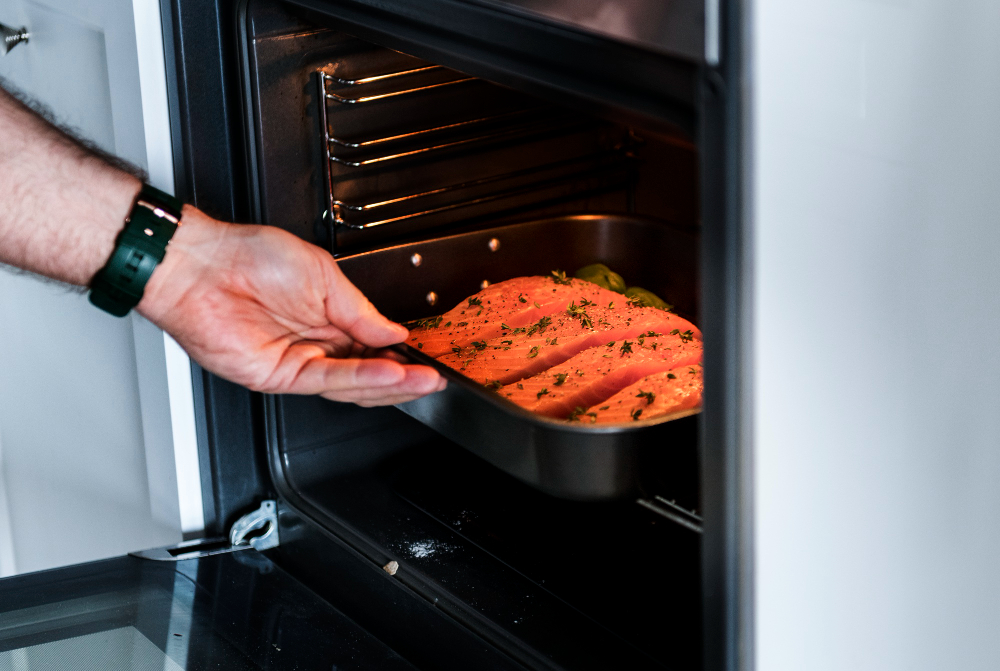
Moving air transfers heat far more effectively than still air and reaches every surface equally, which makes convection dominant and reduces the directional effects.
Results become more uniform and less browned on top. Forced convection is a different cooking mode rather than a faster one.
6. So the Same Number Means Something Different
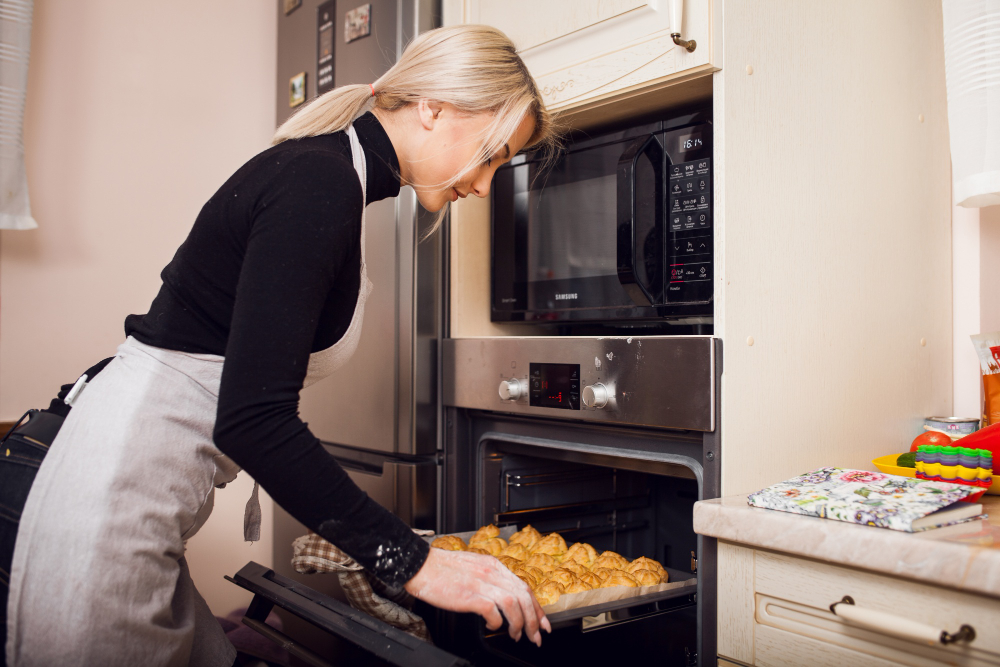
Because moving air transfers more, a fan setting achieves equivalent cooking at a lower indicated temperature, which is why conversions exist.
The dial reads the same and the delivery differs. Setting equivalence is the reason for the adjustment.
7. The Walls Are Part of the Oven
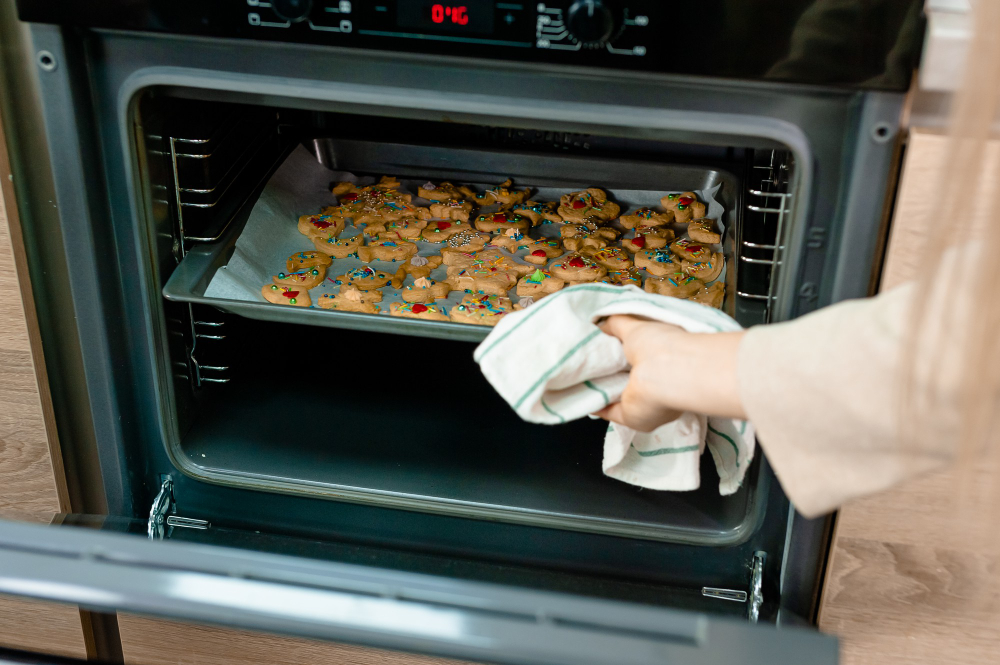
The mass of the cavity, the shelves and the tray all store heat and radiate it back, which means a preheated oven is delivering far more than one that has merely reached temperature on the dial.
The thermostat reads air rather than mass. Thermal mass is what preheating is actually charging up.
8. Opening the Door Loses the Air, Not the Heat
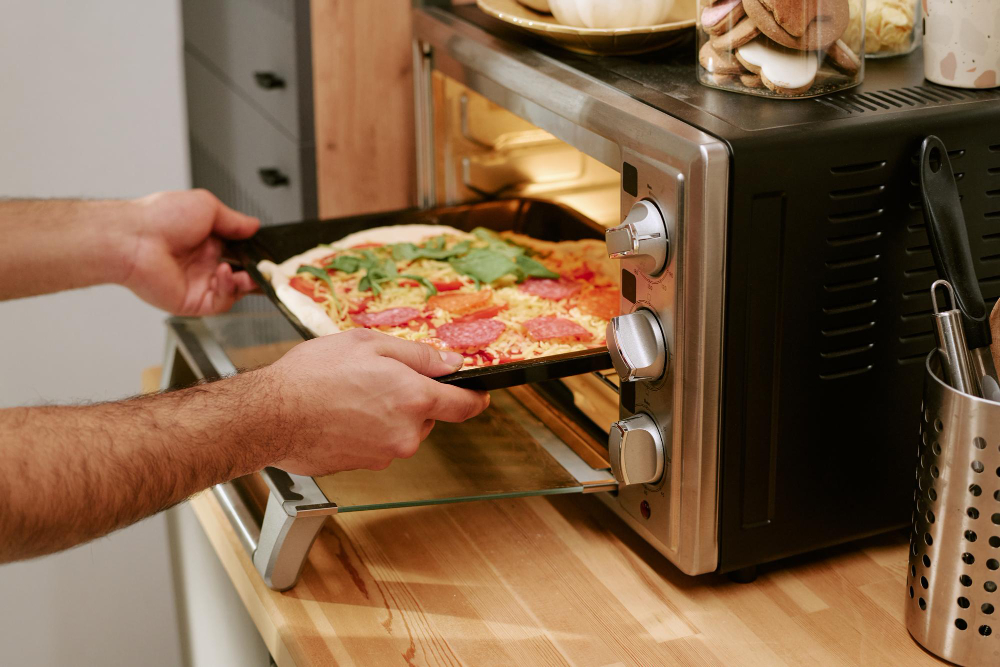
The air escapes in seconds and is replaced almost as quickly, because air holds very little heat – while the walls, shelves and tray retain theirs and restore the temperature rapidly.
The loss is smaller than it feels. Rapid recovery is why a brief opening matters less than expected.
9. Food Is Releasing Steam the Whole Time
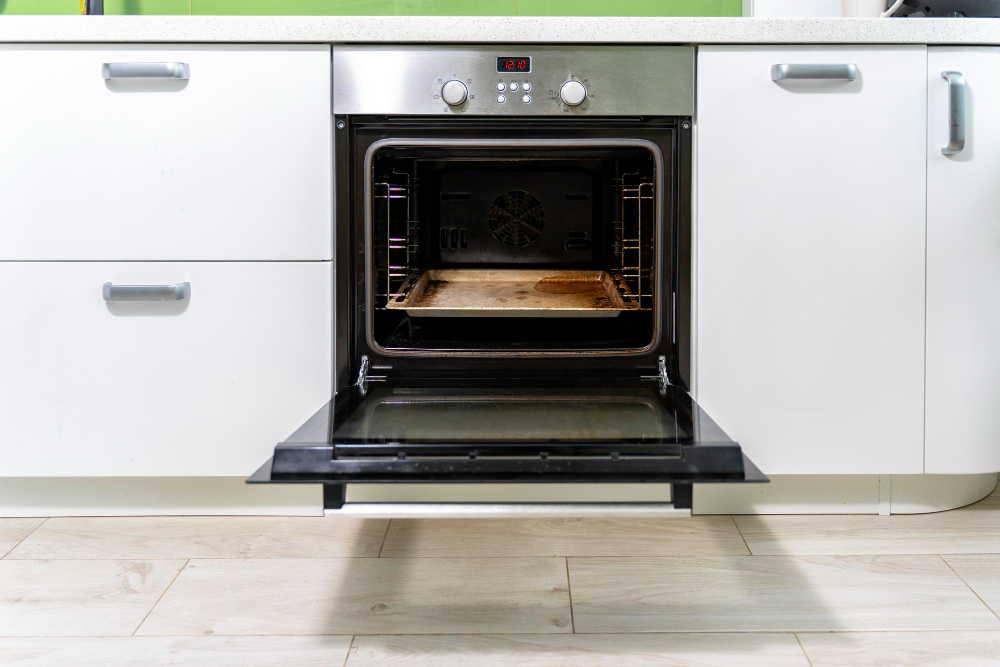
Anything with moisture gives off water vapour continuously, which raises the humidity inside the cavity and changes the conditions everything else is cooking in.
The food is altering its own environment. Self-generated humidity is a variable nobody sets.
10. And Humidity Stops Things Browning
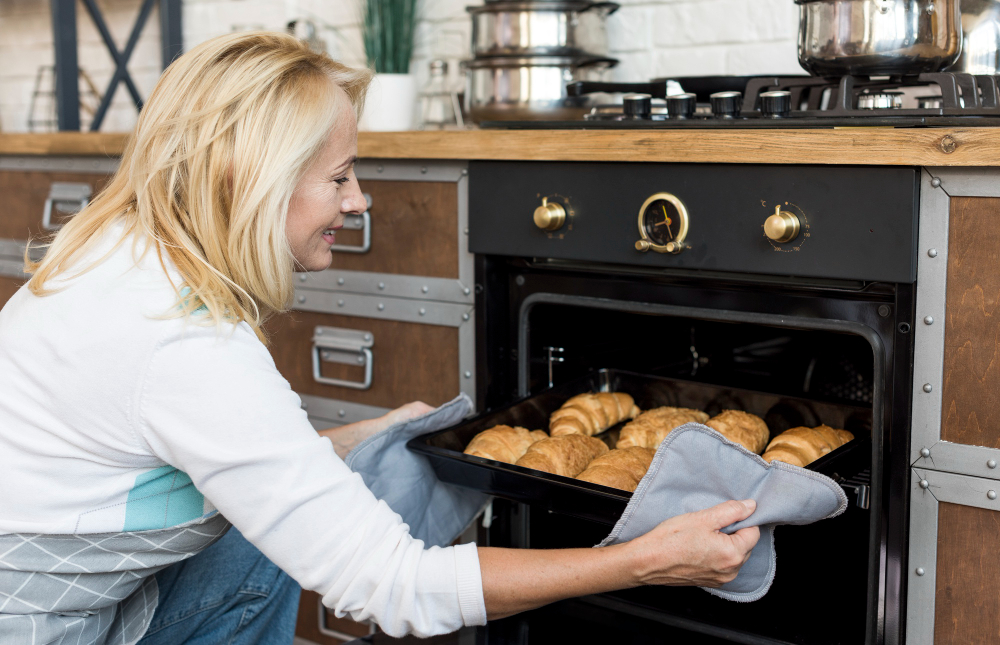
A surface cannot exceed the temperature of boiling water while it is wet, so a humid cavity keeps surfaces damp and delays or prevents browning entirely.
Vented ovens brown better for that reason. Moisture suppression is why a crowded oven produces pale results.
11. Which Is Why Crowding Changes Everything
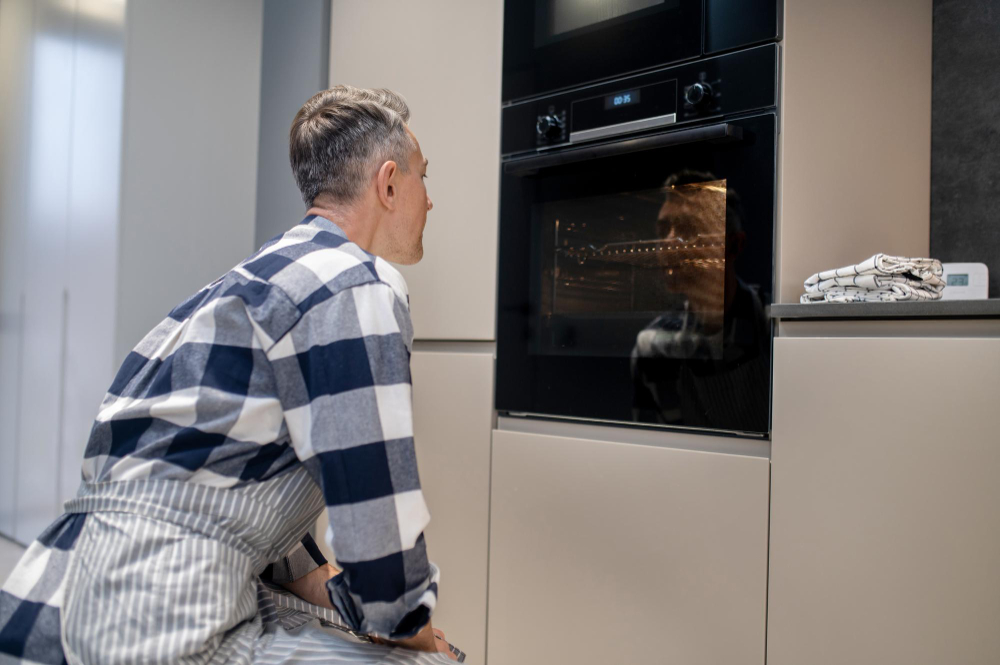
More food means more steam, less circulation and more shading, which converts roasting into something closer to steaming without anybody changing a setting.
The effect is abrupt rather than gradual. Loading is the variable that silently changes the method.
12. Position in the Cavity Is a Real Choice
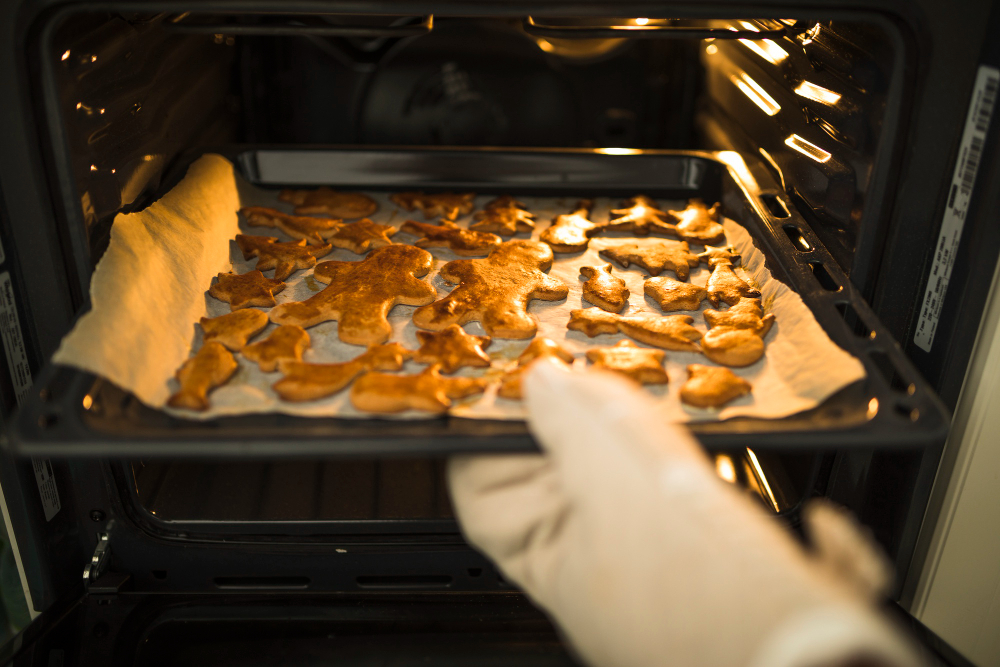
The top receives more radiant heat, the bottom more conducted heat from the shelf and base, and the middle the most even air – so where something sits selects which mechanism dominates.
It is a deliberate decision rather than convenience. Shelf position is choosing a cooking mode.
13. Dark and Dull Surfaces Absorb More
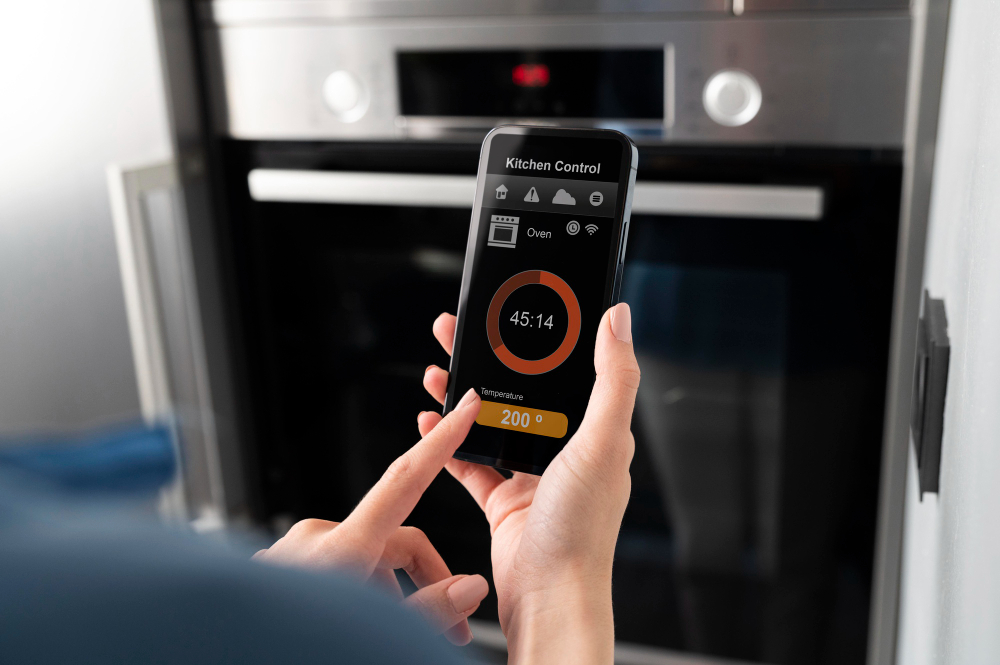
Radiant heat is absorbed more readily by dark matt surfaces than by light shiny ones, so the same item in different tins cooks at noticeably different rates.
It affects the base most of all. Tray finish is an uncontrolled variable in most kitchens.
14. It Keeps Cooking After It Comes Out
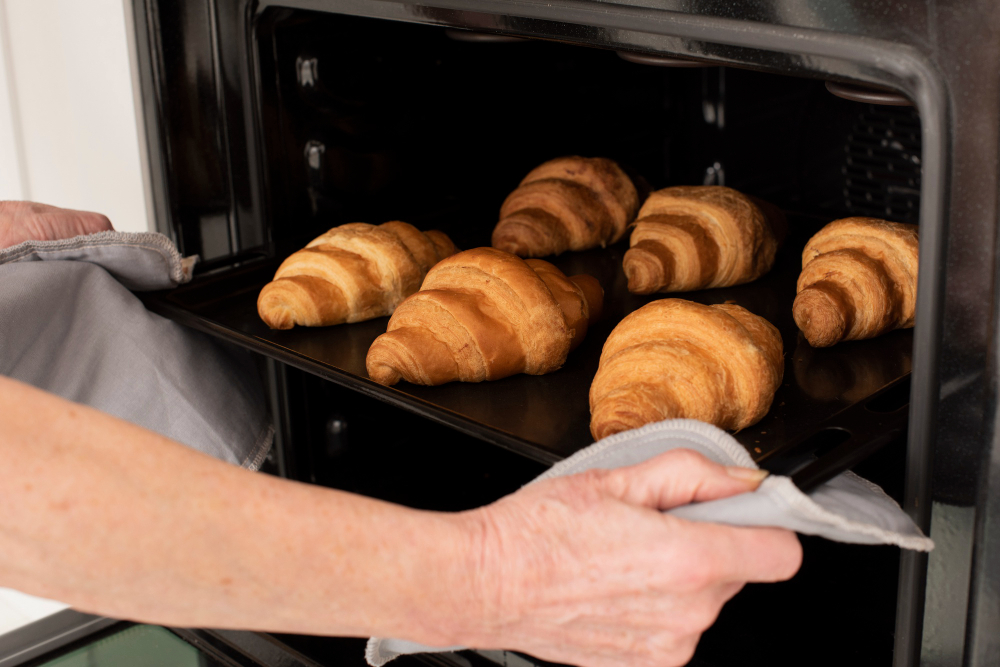
The outside is hotter than the centre when it leaves, and that heat continues moving inward, which means the interior temperature rises for some time after removal.
The size of the effect scales with mass. Carryover is why large items are removed before they look finished.
15. Resting Is Heat Redistributing
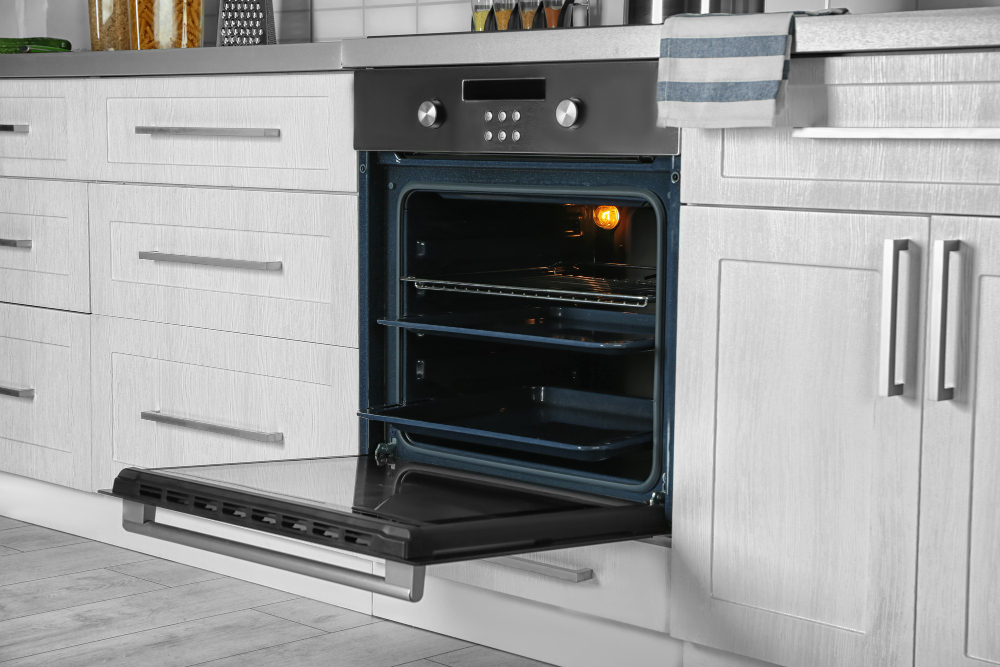
During that period the temperature gradient evens out, which changes the texture throughout and allows moisture displaced by heating to redistribute rather than run out.
It is a thermal process rather than a pause. Equalisation is what resting physically achieves.
Three Mechanisms at Different Rates
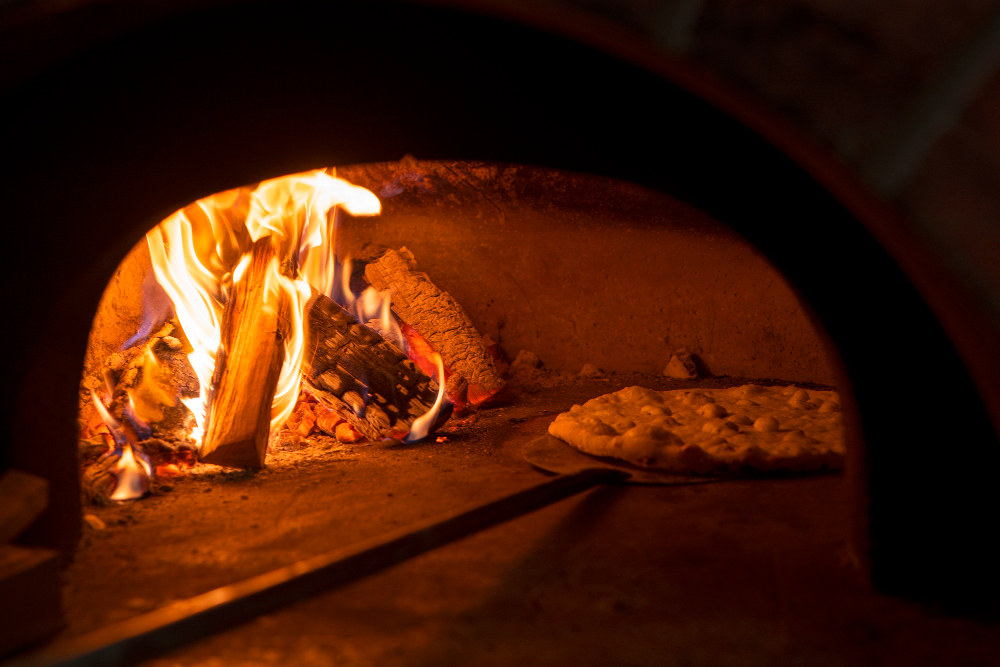
Air that conducts badly, a tray that conducts well, an element that radiates in straight lines, and steam the food generates itself that changes the conditions for everything in there.
One necessary note: nothing above concerns whether anything is cooked through. Safe internal temperatures and how to judge them are food-safety matters with real consequences, the guidance differs by jurisdiction and by food, and the appropriate source is current food-safety advice rather than an article about heat transfer.
Like our content? Follow us for more.