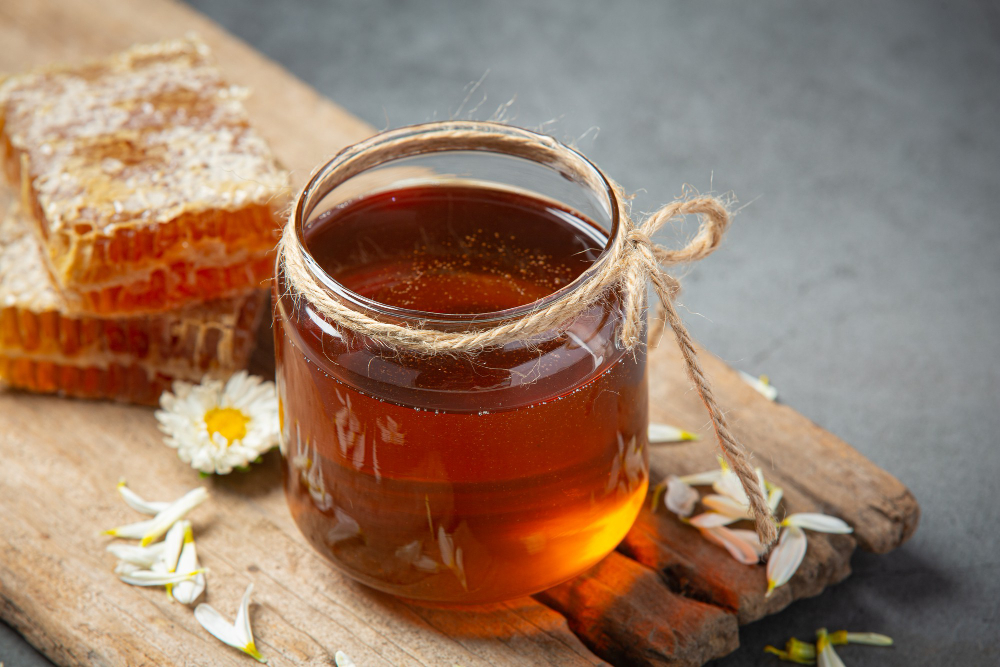
The central fact is that honey contains far more dissolved sugar than water can normally hold, and very little water at all. Almost every peculiar thing about it follows from that. Here are fifteen.
1. It Holds More Sugar Than It Should
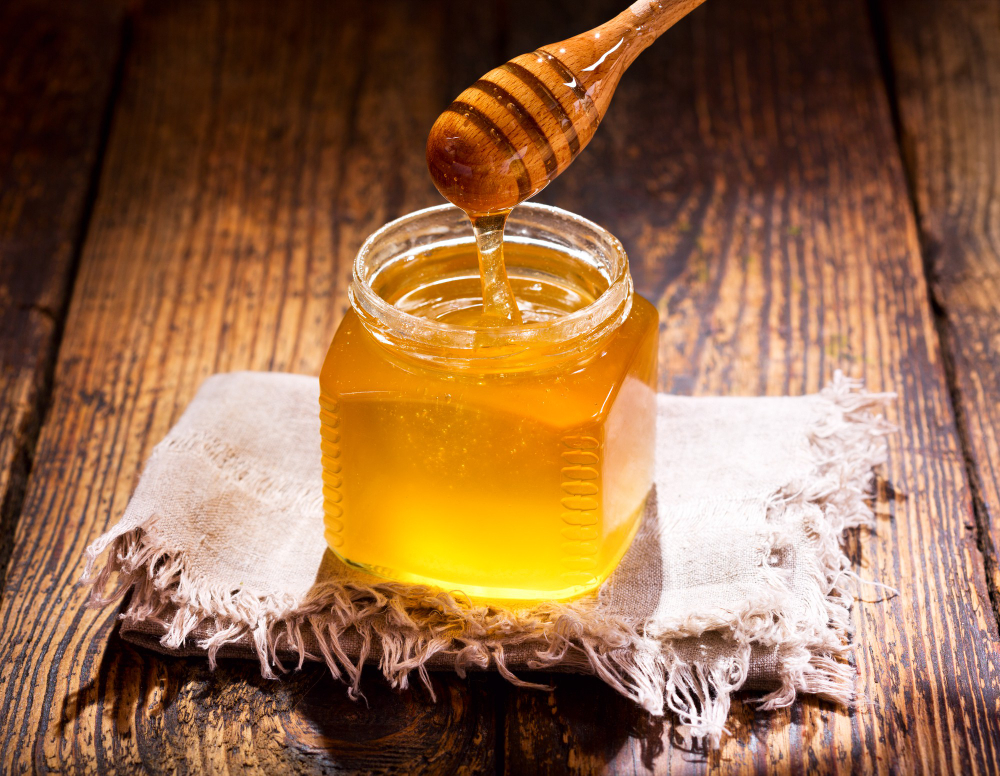
Honey is supersaturated, meaning it contains substantially more dissolved sugar than the water in it could ordinarily keep in solution.
That is an unstable state being maintained. Supersaturation is the condition underlying everything below.
Like our content? Follow us for more.
2. Most of the Water Was Removed
Nectar arrives as a dilute solution and is concentrated enormously by evaporation, with bees fanning and moving it until the water content falls very low.
It is a drying operation conducted by insects. Water removal is the process that turns nectar into honey.
3. The Sugar Was Also Changed
An enzyme splits the sugar in nectar into two simpler sugars, which alters the sweetness, the viscosity and the way the finished product behaves.
It is chemically different from what went in. Enzymatic conversion is why honey is not simply concentrated nectar.
4. Almost Nothing Can Grow in It
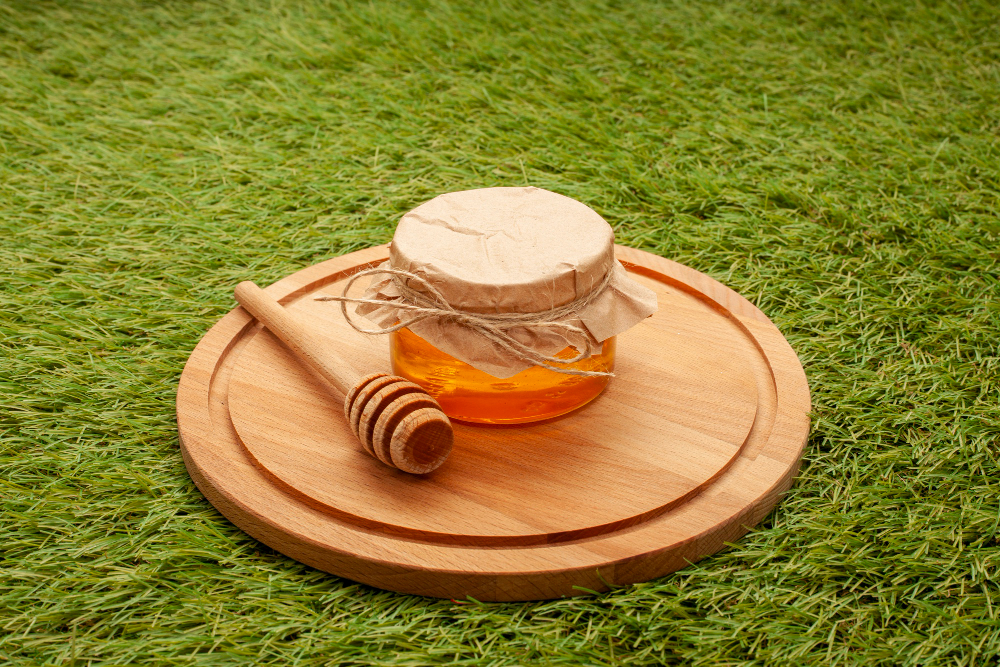
With so little available water, microorganisms cannot function – any that arrive are dehydrated by the surrounding sugar rather than being killed by anything.
It preserves by making life impossible. Low water availability is the principal reason honey keeps.
5. And It Is Acidic As Well
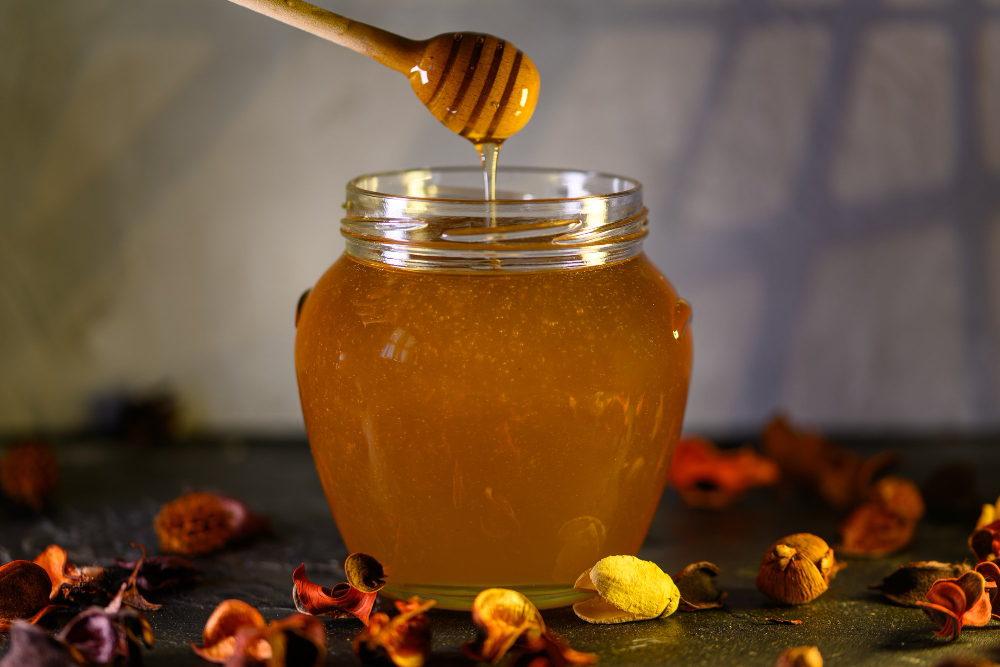
Honey is more acidic than most people expect, which suppresses a further range of organisms that might otherwise tolerate the sugar.
The two effects reinforce each other. Acidity is the second line of preservation.
6. And It Produces Its Own Antiseptic
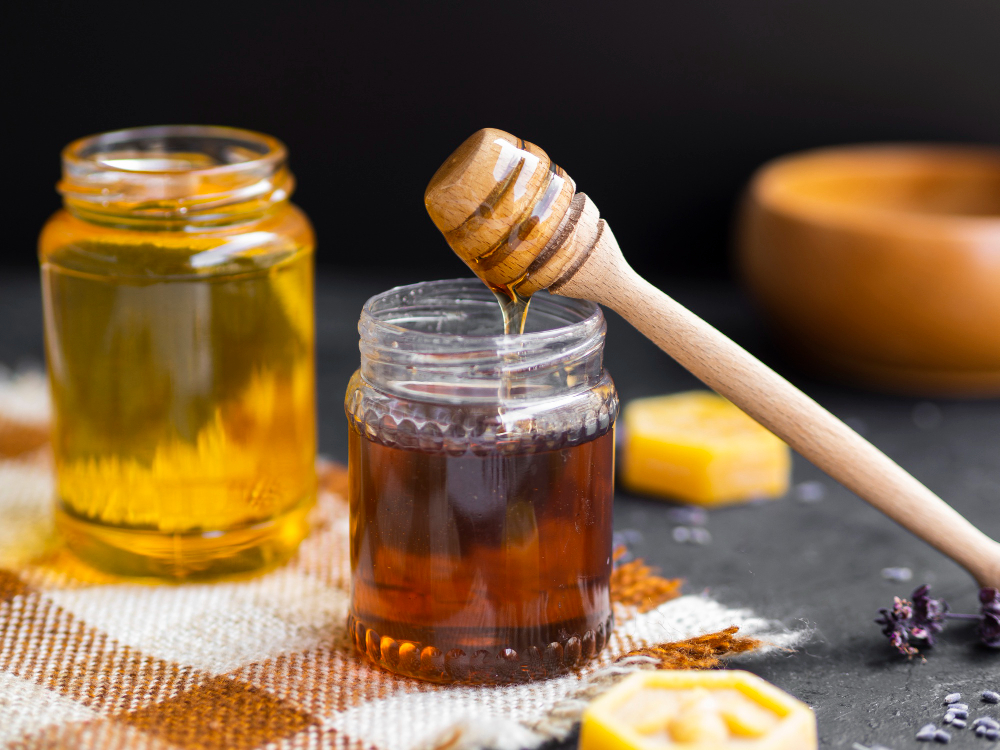
An enzyme added by bees generates small quantities of hydrogen peroxide slowly when honey is diluted, which is a third mechanism working alongside the others.
Three defences operate simultaneously. Enzymatic production is the least obvious of them.
7. Which Is Why Sealed Honey Lasts Indefinitely
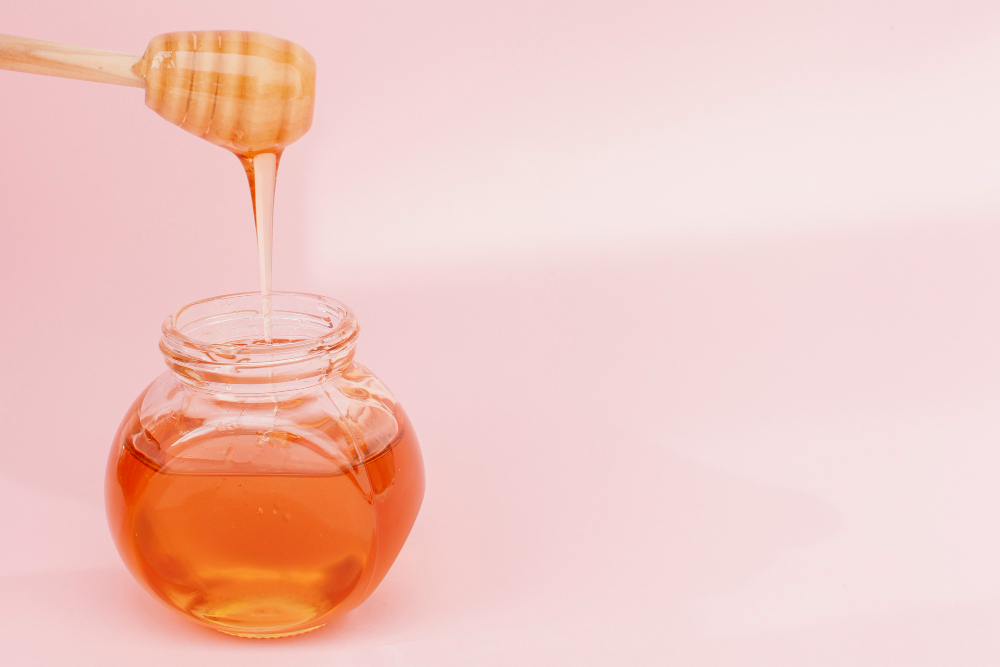
Honey recovered from ancient sealed containers has been reported still unspoiled, because none of the conditions required for spoilage were ever present.
Nothing about it changed in the interval. Indefinite keeping is the practical result of three mechanisms combining.
8. Crystallising Is Not Going Off
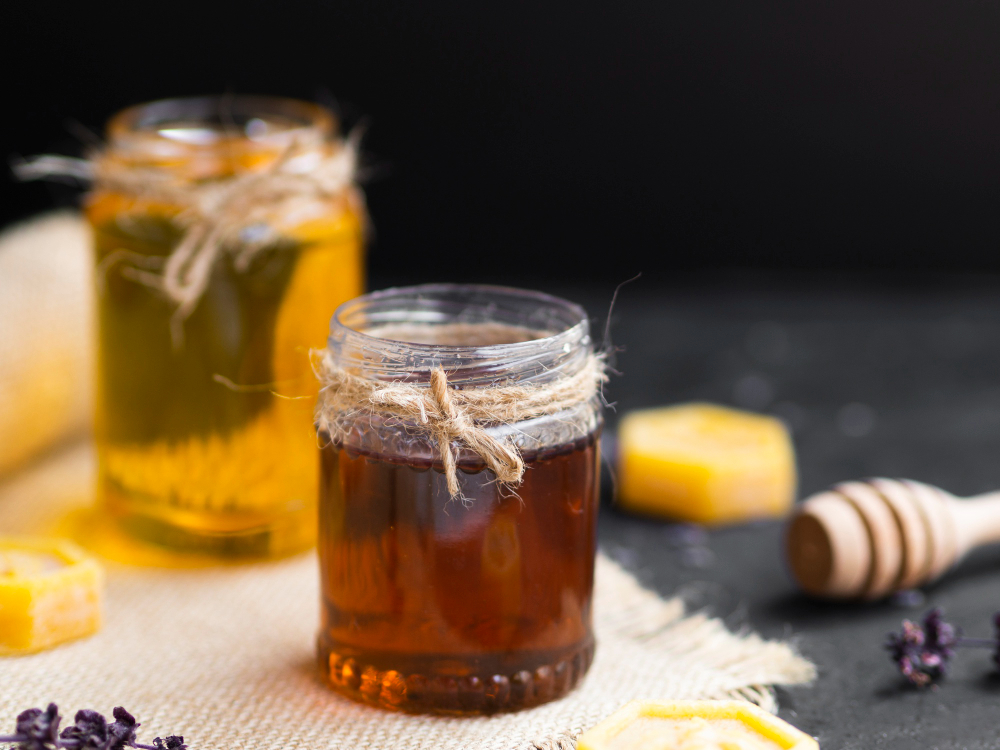
Because the solution is supersaturated, one of the sugars gradually comes out of solution as crystals, which is a return toward stability rather than any kind of spoilage.
The honey is unchanged in every other respect. Crystallisation is a physical process people consistently mistake for deterioration.
9. And It Reverses With Gentle Warmth
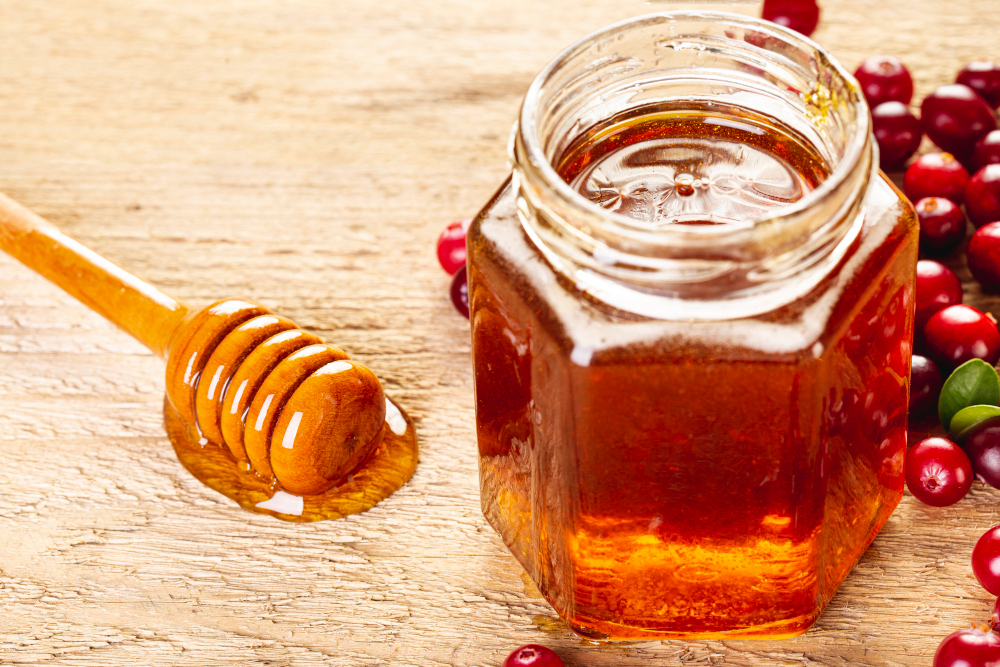
Warming redissolves the crystals and returns the honey to a liquid state, which can be repeated indefinitely without harming anything except the aroma.
Excessive heat is the only risk. Reversibility is why set honey needs no remedy beyond patience.
10. Some Honeys Set in Weeks and Some in Years

The ratio between the two sugars differs by floral source, and the one that crystallises is present in different proportions – which determines the speed entirely.
Nothing about handling changes it much. Sugar ratio is why one jar sets solid and another never does.
11. The Flowers Determine Everything Else Too
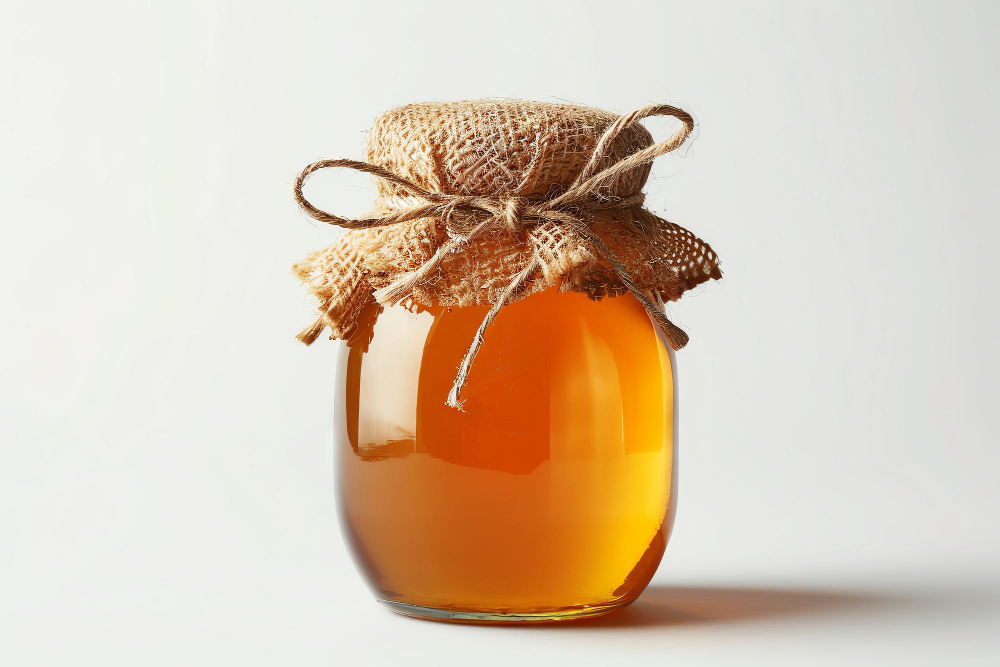
Colour, flavour, aroma and viscosity all vary with what the nectar came from, which is why honeys from different sources are recognisably different products.
The variation is substantial rather than subtle. Floral origin is the variable that makes honey a category rather than an item.
12. It Pulls Water Out of the Air
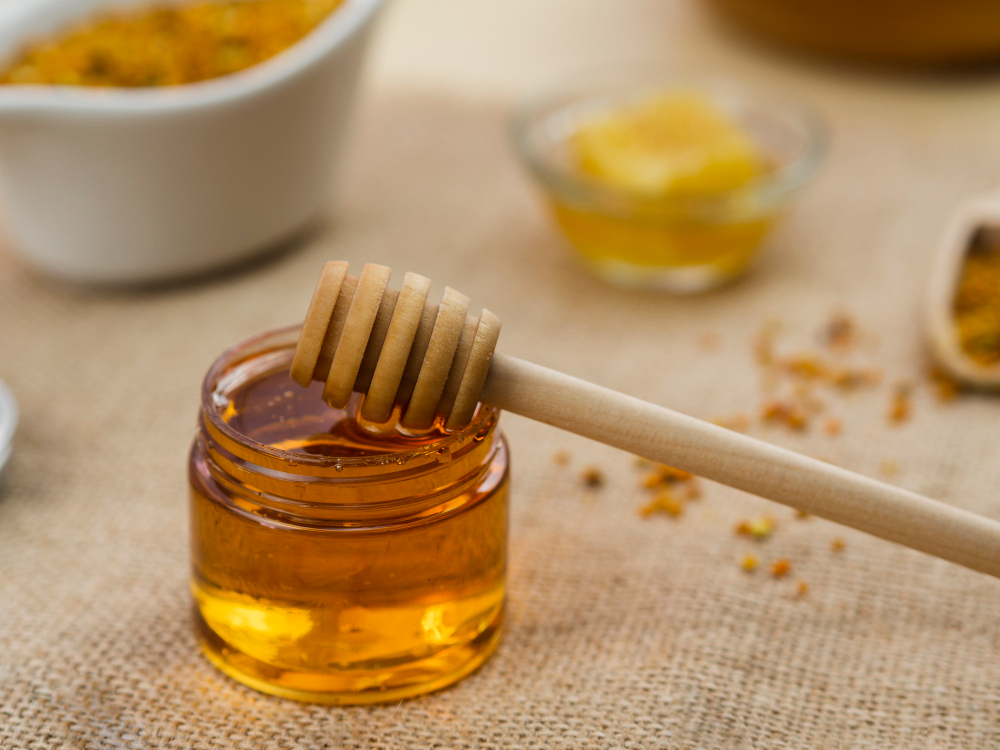
Honey is strongly hygroscopic, absorbing atmospheric moisture through any opening, which is why an unsealed container gradually gains water content.
That works against its own preservation. Moisture absorption is the one way honey undermines itself.
13. Which Is How It Can Eventually Ferment
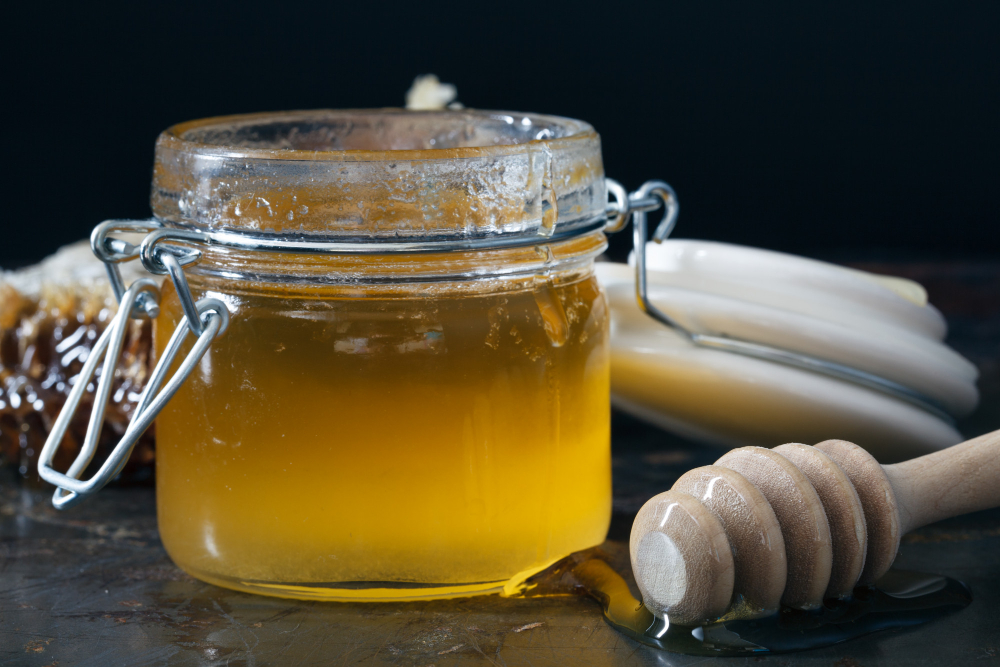
If enough water is absorbed, the sugar concentration falls far enough for yeasts to become active, and fermentation begins.
It requires an open container and time. Dilution fermentation is the only ordinary route to honey spoiling.
14. Heating Destroys What Makes It Distinctive
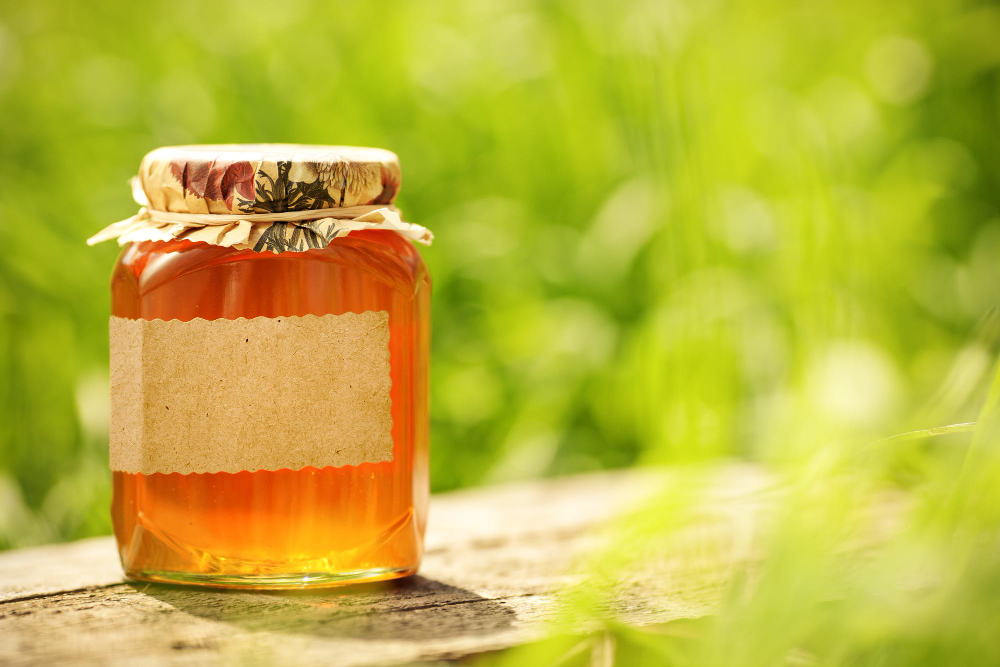
The aroma compounds and enzymes are heat-sensitive, so honey that has been warmed substantially loses much of its character while remaining perfectly good sugar.
The preservation is unaffected and the personality is not. Thermal damage is what heavy processing costs.
15. It Is Thick for a Specific Reason
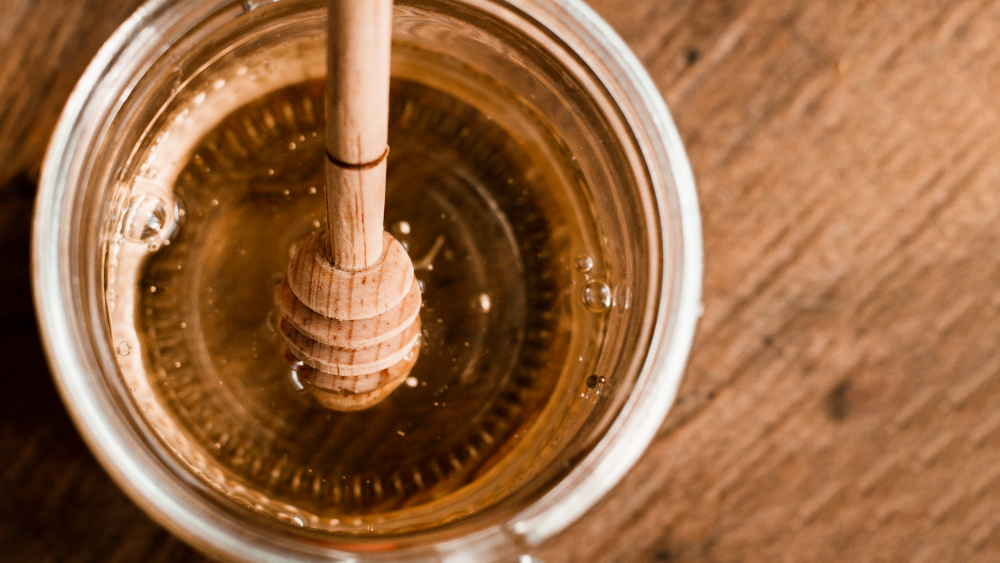
The viscosity comes from the sheer concentration of dissolved sugar in a small amount of water, which is why honey pours the way it does and why warming it thins it dramatically.
Temperature changes it far more than it changes most liquids. Concentration-driven viscosity is the property everybody notices and nobody explains.
More Sugar Than the Water Can Hold
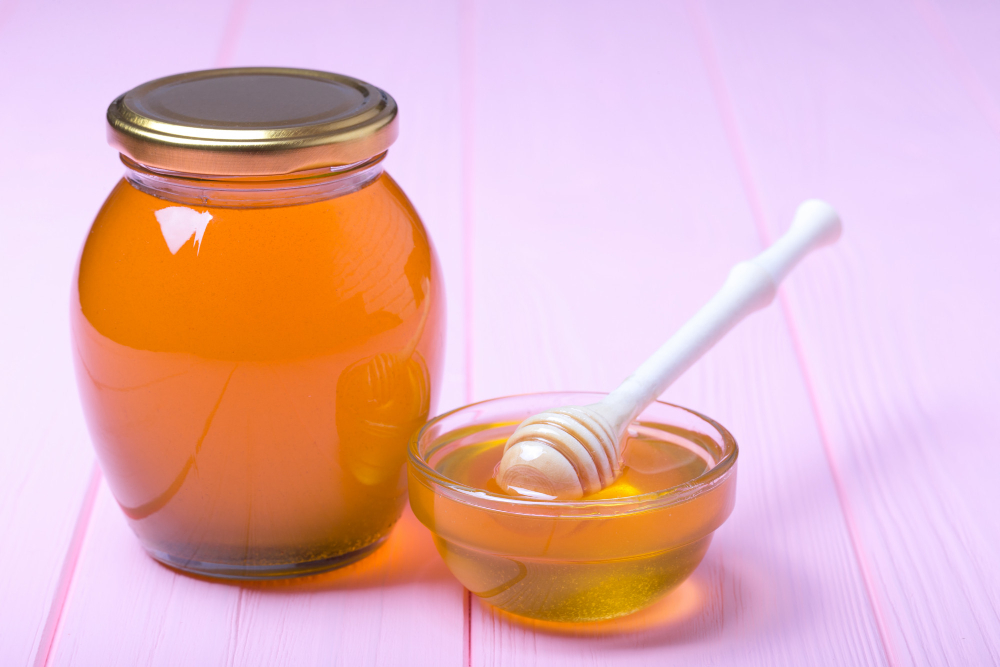
Supersaturation, almost no available water, acidity and a slow enzymatic antiseptic – and between them they account for why honey keeps forever, crystallises, absorbs moisture and pours the way it does.
The item worth knowing is the eighth. Honey going solid in the cupboard is the most common reason people throw a jar away, and it is not spoilage at all – it is sugar returning to a stable arrangement, entirely reversible, and the honey underneath is exactly what it was.
Like our content? Follow us for more.