There is a category of behaviour that everybody recognises immediately and nobody can define precisely, which is usually a sign that something interesting is going on.
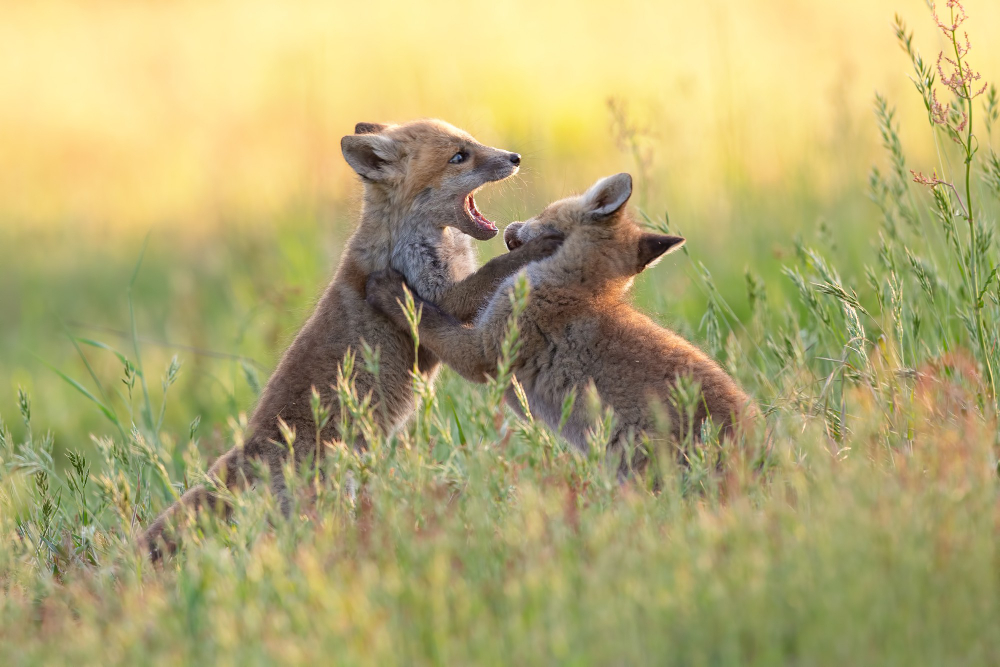
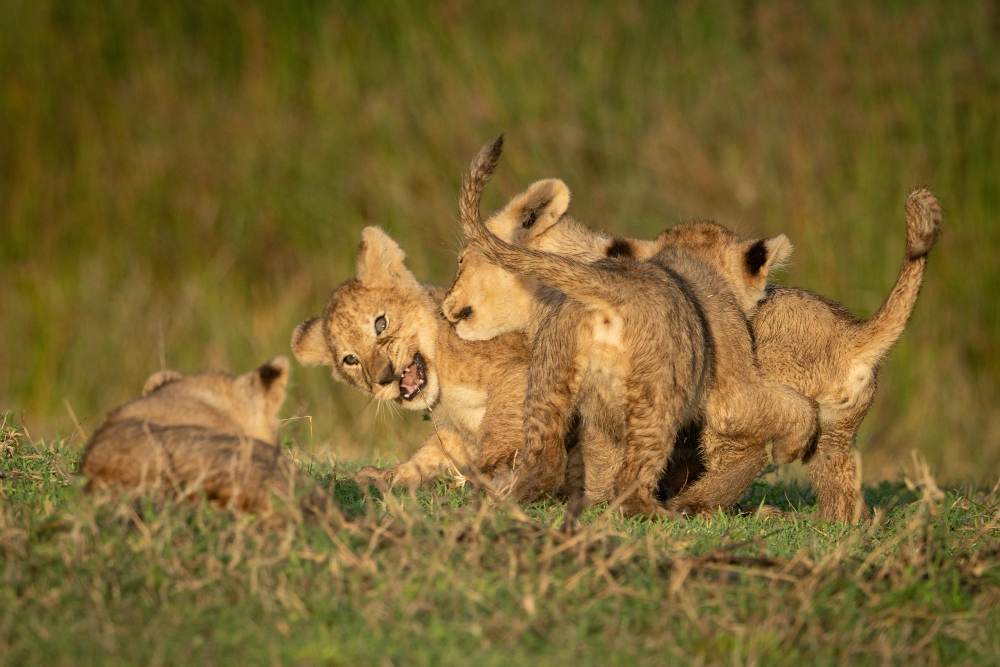
Play is obvious when you see it. A young animal chasing, wrestling, pouncing on nothing, carrying an object with no purpose — the behaviour reads as play to any observer, across species, without anybody needing to explain it.
Defining it formally is much harder. The standard approach lists criteria: the behaviour serves no immediate function, is voluntary and apparently rewarding, differs from the serious version of the same action in being exaggerated or incomplete, is repeated, and occurs when the animal is well fed, healthy and not under stress.
That last point is significant. Play is the first thing to disappear when an animal is hungry, ill or frightened, which tells you it is a luxury rather than a necessity — and raises the question of why a luxury that costly persists.
There is a definitional point worth settling first. Adults play too, in many species, though far less than juveniles – and the decline with age is gradual rather than abrupt.
That matters because an explanation resting entirely on development has to account for why the behaviour persists at all once development is complete.
What It Costs
The expense is the reason this is a research question rather than an observation.
Energy is the obvious cost. Play is vigorous, and a young animal burning calories on activity with no immediate return is diverting resources from growth.
Risk is the more serious cost. Studies of young animals in the wild have found that a meaningful proportion of injuries occur during play, and that play increases exposure to predation through noise, movement and reduced vigilance.
Time is a third cost. An animal playing is not feeding, resting or watching.
Taken across a population, those costs are substantial and consistent. A behaviour imposing them without delivering something would be eliminated, and it has not been — which means it is delivering something, and the question is what.
Like our content? Follow us for more.
The Practice Explanation and Its Problems
The intuitive answer is that play is rehearsal: young animals practise the skills they will need as adults.
It fits the appearance well. Chasing looks like hunting practice, wrestling looks like fighting practice, and pouncing on objects looks like an obvious dry run.
The evidence for it is weaker than the intuition suggests, and several findings complicate it.
Animals prevented from playing frequently develop adequate adult skills anyway, which is difficult to reconcile with play being the mechanism by which those skills are acquired.
The correspondence between play and adult behaviour is less precise than it appears. Play fighting differs substantially from real fighting in the moves used, the targets attacked and the rules followed, so it is not straightforwardly a rehearsal of the thing.
And play occurs in species and contexts where no obvious adult skill corresponds to it.
The practice account is not refuted and is widely regarded as insufficient on its own.
There is an observation worth adding about how play begins. Many species have a specific invitation – an approach, a bow, a pause in a particular posture – that offers play and can be declined without consequence.
That an offer can be refused, and that refusal ends the matter rather than escalating it, is itself informative about what kind of interaction this is.
The Other Explanations
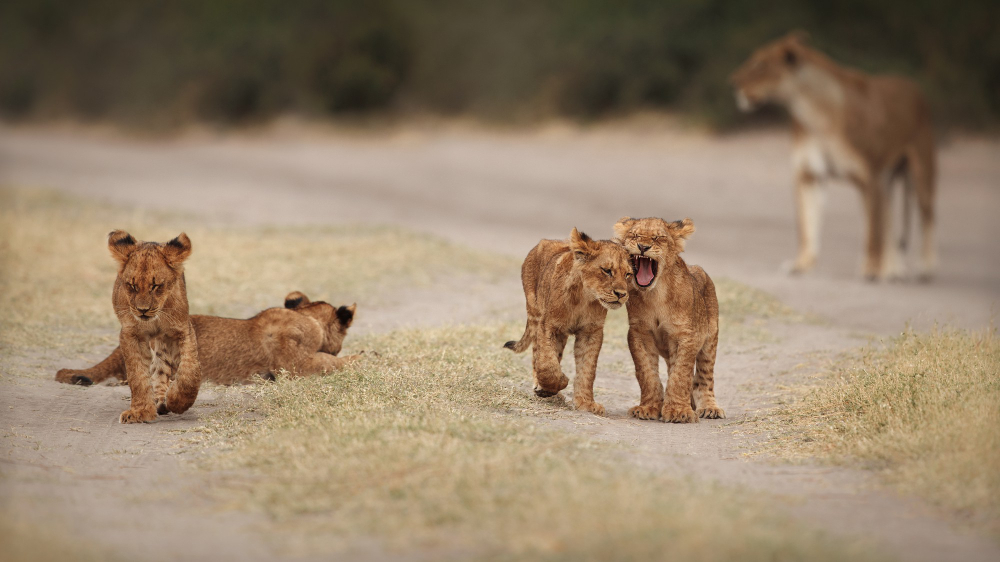
Several alternatives are argued, and they are not mutually exclusive.
Brain development is the account with the most support. Play may serve to build and refine neural connections during the period when the brain is most plastic — not practising a specific skill but developing general capacity for coordination, prediction and flexible response.
That would explain why play concentrates in juveniles, why it declines as the brain matures, and why species with longer developmental periods and larger brains play more.
Social calibration is a second account. Play fighting involves continuous negotiation — how hard is acceptable, when to stop, how to signal that this is not serious — and animals that play together appear to learn about one another and about the limits of interaction.
Handling the unexpected is a third. Play involves deliberately putting yourself in awkward positions, losing balance, being on the bottom in a wrestle — which may build the capacity to cope with situations going wrong rather than any specific competence.
That last account has an appealing feature: it explains why play involves things that look like mistakes. An animal practising would practise doing it right, and a great deal of play involves deliberately doing it wrong.
The Signals That Make It Work
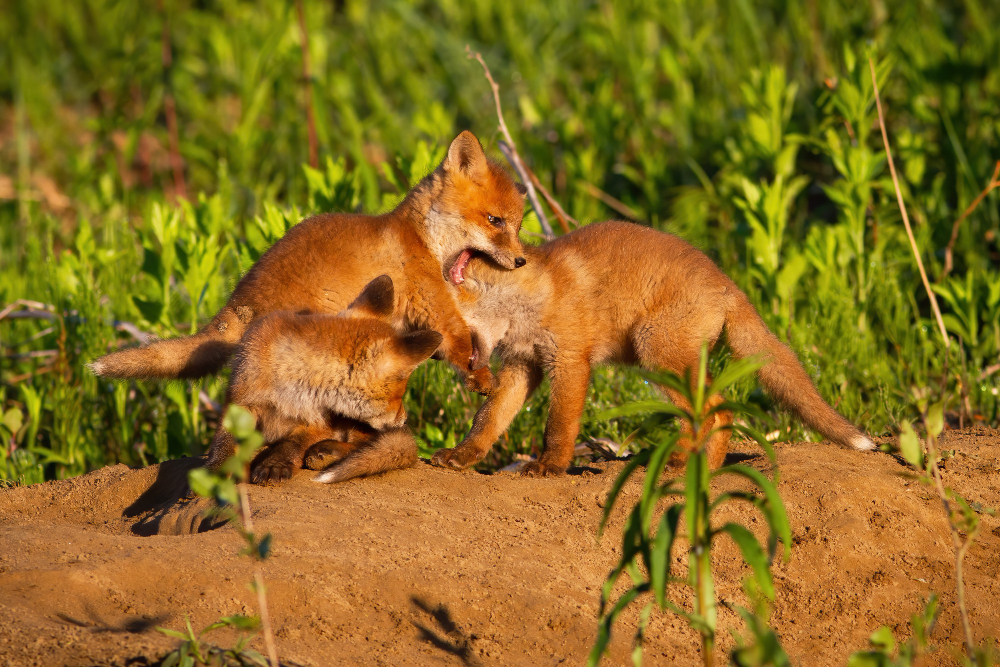
One aspect is well understood and is truly remarkable.
Play fighting closely resembles real fighting, which creates an obvious problem: how does the other animal know this is not an attack?
The answer is that species with play have signals that mark it as play. A particular posture, a particular gait, a particular facial expression or vocalisation, performed before and during the interaction, communicating that what follows is not serious.
Those signals are used consistently, are understood between individuals, and appear across a wide range of species in forms that are recognisable to human observers.
There is also self-handicapping. Larger or stronger individuals playing with smaller ones routinely restrain themselves, allow themselves to be beaten, and adjust their behaviour to keep the interaction going.
That combination — a signal establishing the frame, and voluntary restraint to maintain it — is sophisticated behaviour, and it is present in animals that are not otherwise credited with much social subtlety.
Which Animals Do It
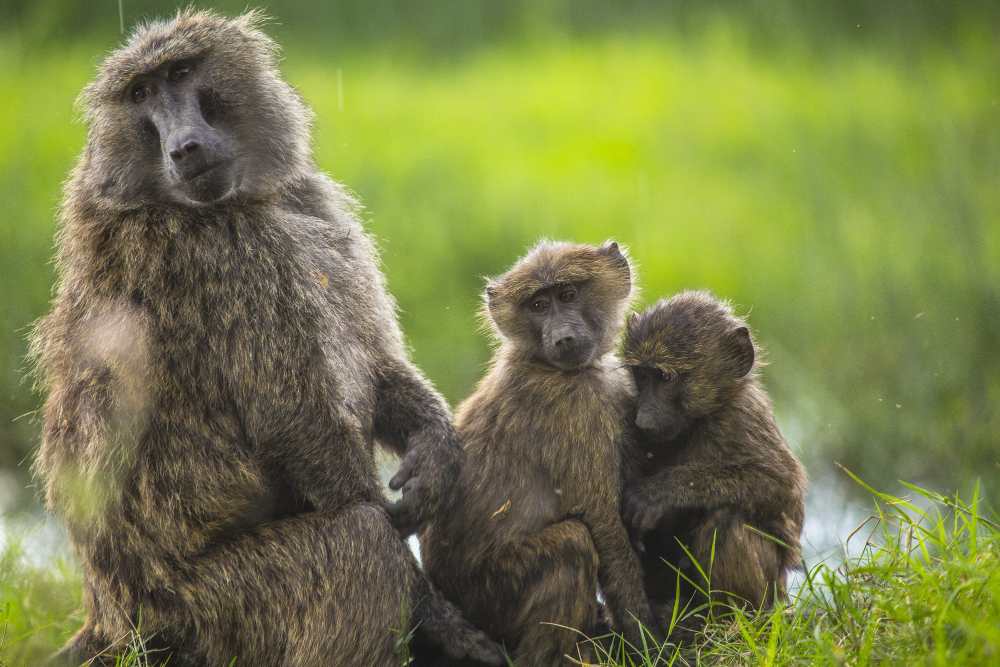
The distribution is informative and is broader than expected.
Play is well documented in mammals and birds, and is most elaborate in species with extended juvenile periods, substantial parental care and larger brains relative to body size.
It has also been reported in reptiles, in fish, and in some invertebrates, which was not expected and remains contested in several cases — partly because the criteria for identifying play are difficult to apply to animals whose behaviour is hard to read.
The broad pattern is that play appears wherever there is a protected juvenile period, sufficient energy surplus and a nervous system complex enough to benefit from development.
Where those conditions are absent — short-lived species, animals that are functional immediately after birth, species under constant energetic pressure — play is minimal or absent.
Which supports the developmental account without settling it, since those are also the species where any costly optional behaviour would be selected against.
What Play Fighting Actually Involves
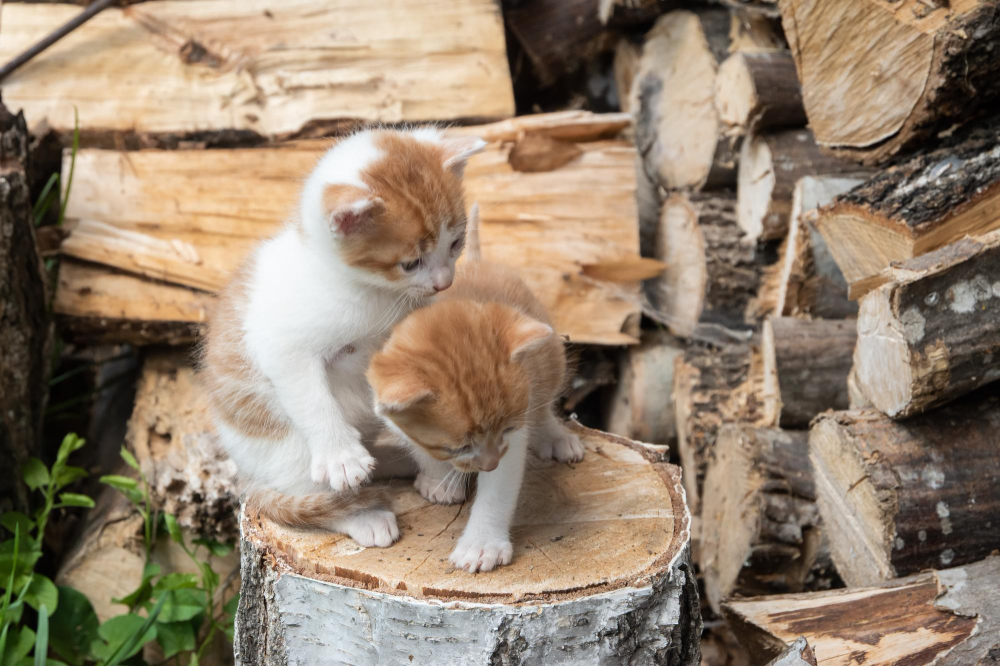
The structure of play fighting rewards a closer look, because it is where the difference from the serious version is clearest.
Real fighting is asymmetric. One animal is trying to win, the targets attacked are the ones that cause damage, and the interaction ends when one party withdraws.
Play fighting is symmetrical and is maintained deliberately. Roles reverse repeatedly, with each animal taking turns being on top and underneath. The targets attacked are frequently not the vulnerable ones. And the interaction continues rather than resolving.
Role reversal is the detail that matters most. In many species, the stronger animal spends roughly half the time in the losing position, which makes no sense as practice for winning and makes a great deal of sense if the point is to keep the interaction going.
There is also evidence that animals monitor the balance. If one becomes too dominant, the other disengages, and in several species the dominant animal then adjusts — reducing intensity to bring the other back.
That is negotiation rather than competition, conducted without language, by animals that will later compete in earnest with one another.
It supports the social-calibration and unexpected-situations accounts more than the practice account, because what is being rehearsed is not how to win but how to conduct an interaction where winning is not the objective.
Why It Stays Unresolved
The obstacles are methodological and worth understanding.
Preventing play in order to study its absence is difficult to do without also depriving the animal of company, stimulation and normal conditions, which confounds the result entirely.
The benefits proposed are diffuse and long-term, which makes them hard to measure. Demonstrating that an animal is generally more capable is substantially harder than demonstrating that it acquired a specific skill.
Play is variable between individuals and contexts, which makes it difficult to quantify consistently.
And the definition itself is contested, so studies may not be measuring the same thing.
The honest position is that play is clearly doing something important, that several accounts are plausible and partially supported, and that the field has not converged.
Which is a reasonable place to leave a behaviour that is instantly recognisable, universally appealing, demonstrably expensive, and still not explained — and that is performed most enthusiastically by animals with no interest whatever in why.
Like our content? Follow us for more.